- English
- French
- German
- Portuguese
- Spanish
- Russian
- Japanese
- Korean
- Arabic
- Greek
- German
- Turkish
- Italian
- Danish
- Romanian
- Indonesian
- Czech
- Afrikaans
- Swedish
- Polish
- Basque
- Catalan
- Esperanto
- Hindi
- Lao
- Albanian
- Amharic
- Armenian
- Azerbaijani
- Belarusian
- Bengali
- Bosnian
- Bulgarian
- Cebuano
- Chichewa
- Corsican
- Croatian
- Dutch
- Estonian
- Filipino
- Finnish
- Frisian
- Galician
- Georgian
- Gujarati
- Haitian
- Hausa
- Hawaiian
- Hebrew
- Hmong
- Hungarian
- Icelandic
- Igbo
- Javanese
- Kannada
- Kazakh
- Khmer
- Kurdish
- Kyrgyz
- Latin
- Latvian
- Lithuanian
- Luxembou..
- Macedonian
- Malagasy
- Malay
- Malayalam
- Maltese
- Maori
- Marathi
- Mongolian
- Burmese
- Nepali
- Norwegian
- Pashto
- Persian
- Punjabi
- Serbian
- Sesotho
- Sinhala
- Slovak
- Slovenian
- Somali
- Samoan
- Scots Gaelic
- Shona
- Sindhi
- Sundanese
- Swahili
- Tajik
- Tamil
- Telugu
- Thai
- Ukrainian
- Urdu
- Uzbek
- Vietnamese
- Welsh
- Xhosa
- Yiddish
- Yoruba
- Zulu
Key Specifications to Check When Buying a Urea Pressure Sensor
When looking for parts for diesel emission control systems, knowing which technical factors are the most important can mean the difference between following the rules and having a system fail at a cost. A urea pressure sensor is the most important tracking part of Selective Catalytic Reduction (SCR) systems. It measures the pressure of Diesel Exhaust Fluid (DEF) to make sure that the right amount of urea is added.
To get the best SCR performance, procurement managers and R&D engineers who are looking at these sensors need to check how well they work with different pressure ranges, how the signals are output, how long they last in different environments, and how resistant the materials are. Choosing a device that has been proven to be accurate and built to last has a direct effect on how well NOx is reduced, how long it works, and how much it costs in the long run for heavy-duty applications.
Understanding the Role and Function of Urea Pressure Sensors
Precise DEF input is what turns dangerous nitrogen oxides into safe nitrogen and water vapour in diesel engines with SCR technology. In this method, the urea pressure sensor sends real-time information to the Engine Control Unit (ECU) about the hydraulic conditions in the dose module. This feedback loop lets the ECU change the injection volume on the fly, so it stays in compliance with emission rules even when the load changes.
How DEF Pressure Monitoring Impacts Emission Control
Dosing accuracy is directly related to how accurately you measure pressure. When the monitor picks up changes in pressure that aren't within the normal range, the ECU can spot possible problems before they get worse. Not enough pressure could mean that the pump is breaking down or that the supply line is leaking. On the other hand, too much pressure usually means that urea crystallization is blocking the flow. In both cases, the effectiveness of NOx reduction is reduced, and the engine could enter limp mode, a state where output is limited to protect parts.
Common Failure Symptoms and Diagnostic Indicators
Diagnostic trouble codes (DTCs) like P204B, which show problems with the circuit range or performance, are often used to show that a sensor isn't working right. Physical signs include abnormal DEF use rates, malfunction warning lamps that light up, and quick power loss. Downtime that costs a lot of money can be avoided if maintenance teams know how to spot these early warning signs. Urea pressure sensors are essential for diagnosing injection control because they only measure the hydraulic conditions in the dosing system. This is in contrast to NOx sensors, which measure the composition of exhaust gases, and ammonia sensors, which measure the efficiency of SCR catalysts.
Core Technical Specifications to Evaluate When Purchasing
To choose the right sensor, you need to carefully match the device's powers with the needs of the activity. Technical specifications tell you directly if a component will work reliably throughout the lifecycle of your application.
Pressure Range and Measurement Accuracy
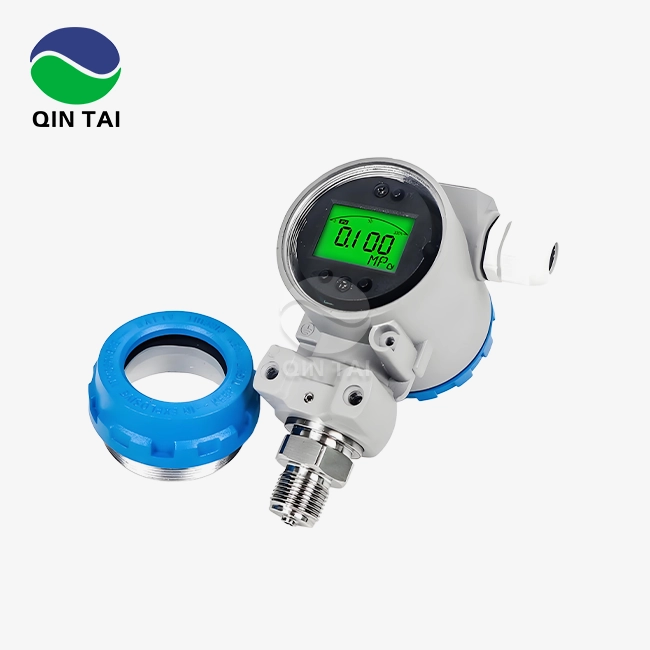
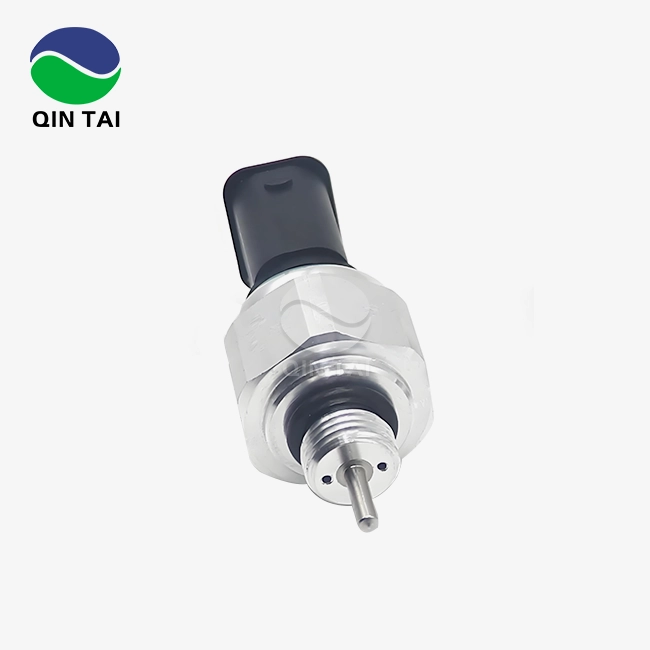
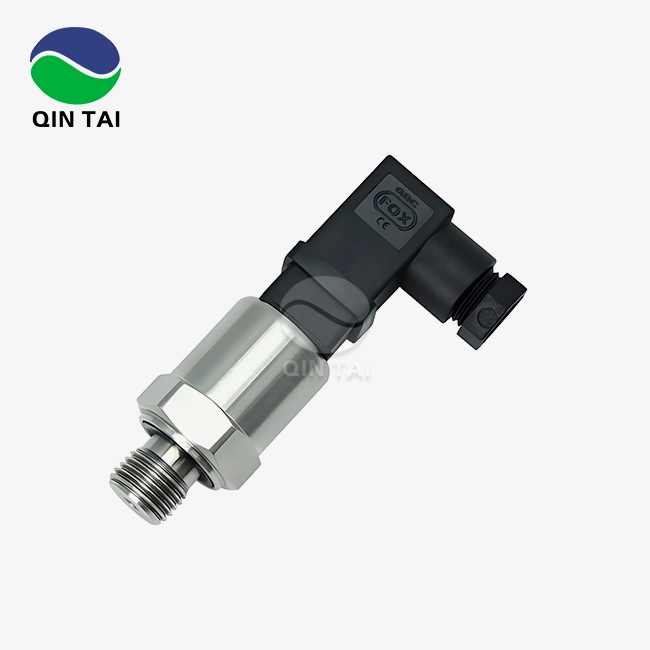
The measurement span needs to include all of the possible ways your system could work. The Qintai QS-P226 type has a range of -14 psi to +130.5 psi, which means it can handle both vacuum conditions when the system is starting and high injection pressures. Tolerance for accuracy is also very important. The QS-P226's specification of ±0.5% makes sure that there is very little variation across this whole range. This means that the dosing is always accurate, which protects the catalyst's efficiency and cuts down on additive waste.
Signal Output and ECU Compatibility
For pressure feedback, most modern diesel systems use analogue voltage signals. The standard 0.5-4.5 VDC ratiometric output is driven by a regulated 5V supply voltage and works with all major OEM platforms' current ECU designs without any problems. Urea pressure sensor integration follows the same analogue principle, ensuring seamless compatibility with existing harnesses and ECU analog-to-digital converter channels. Compared to digital standards like LIN or CAN, which need specific software integration, this analogue method works with a lot of different things. To avoid signal interpretation mistakes that could affect system calibration, procurement teams should make sure that the output features match the input specs of their ECU.
Environmental Durability Standards
Heavy trucks, building equipment, and generator sets work in tough situations where sensors are exposed to chemicals, vibrations, high temperatures, and moisture. Look for devices that can work in a lot of different temperature ranges. For example, the QS-P226 can work in temperatures between 60°F and 80°F for most uses, but industrial versions should be able to handle higher temperatures. Shaking resistance stops calibration drift in places with a lot of shaking, and IP-rated cover keeps water and dirt from getting into the electronics inside. Chemical resistance to urea weathering and crystallization is very important because sensor diaphragms need to stay accurate even when they are in contact with DEF all the time.

Comparing Urea Pressure Sensor Options: OEM vs Aftermarket and Top Brands
When buying something, people who are watching their budget often have to decide if OEM-specification sensors or aftermarket alternatives will meet their long-term needs better. OEM parts usually come with maker approval and longer insurance coverage, which lowers the risks of integration. Aftermarket sensors, on the other hand, can be bought at reasonable prices and with similar trustworthiness if they come from well-known companies that have the right approvals.
Evaluating Supplier Credentials and Quality Assurance
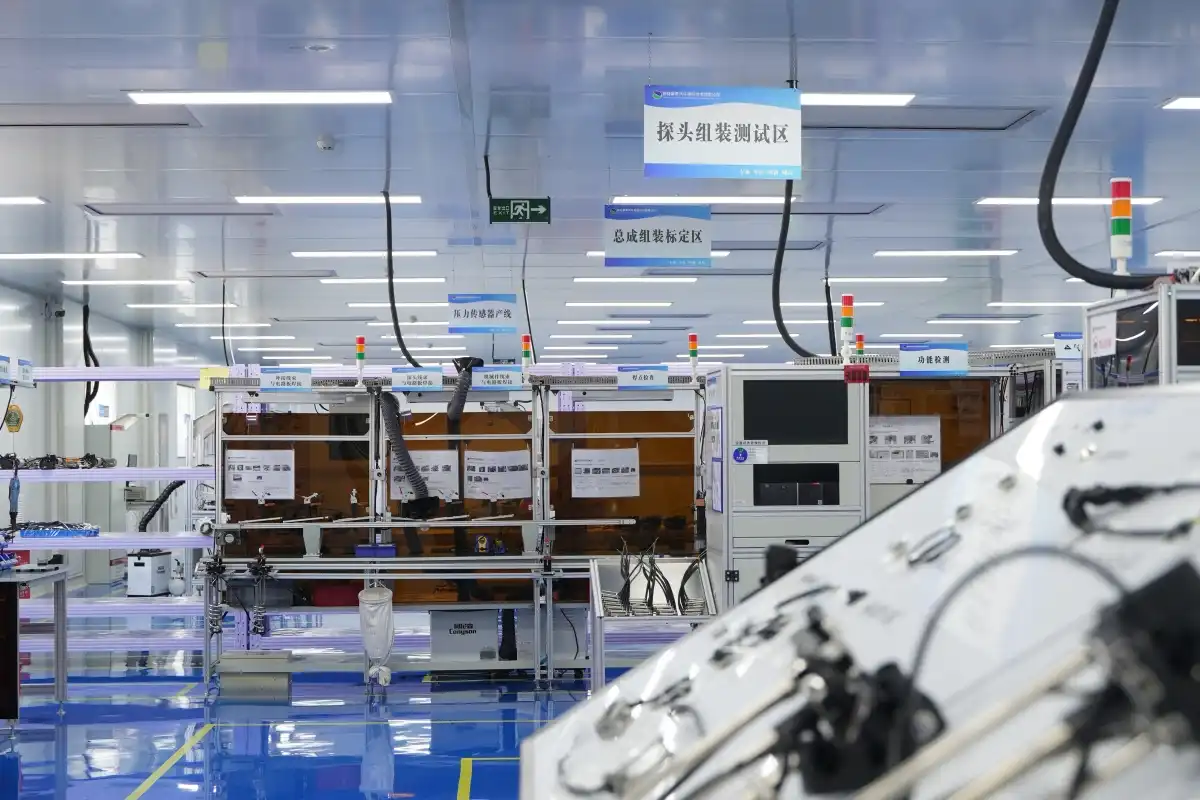
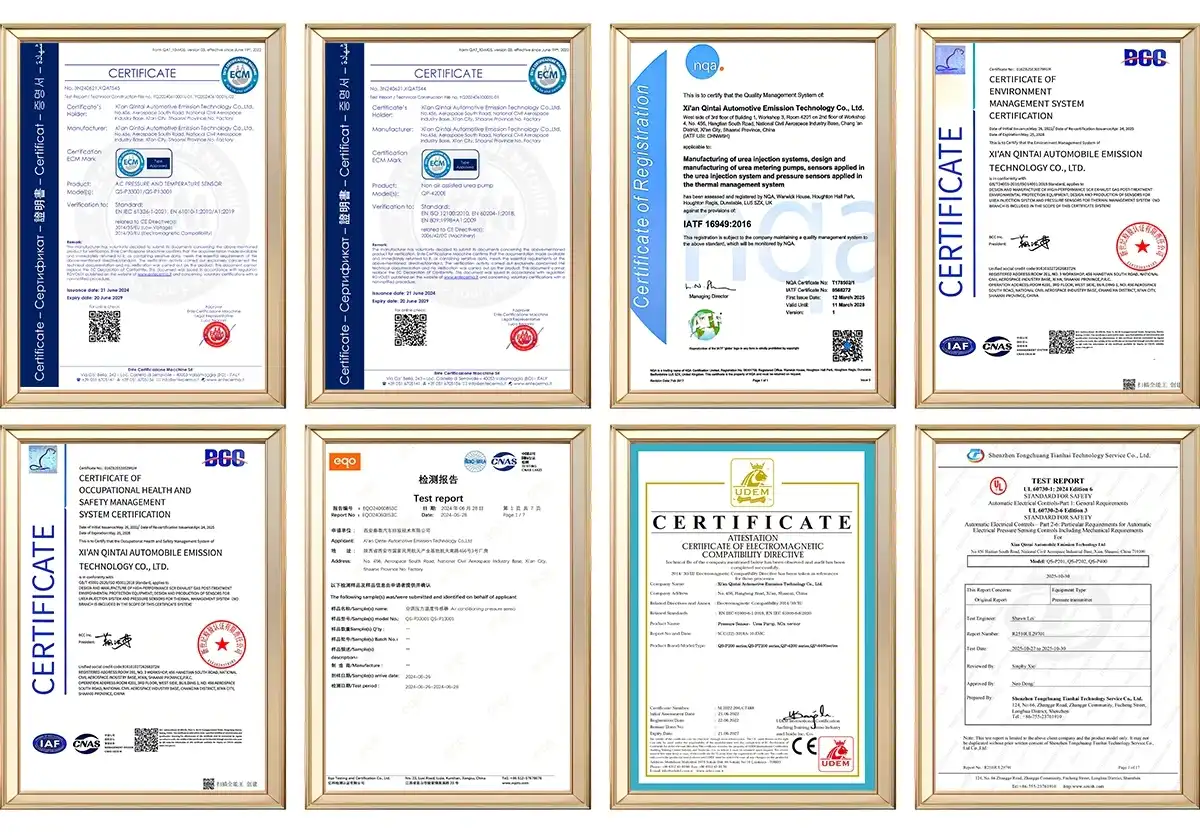
Manufacturers that you can trust can tell themselves apart by showing you their certifications and past production records. Xi'an Qintai Automotive Emission Technology is a national high-tech company that was founded in 2001. It has 58 idea patents and is certified by ISO9001, IATF16949, CMC, Ex, UL, CE, REACH, and RoHS.
Qintai is the main seller to Weichai Power, Yuchai Power, and Quanchai Power, which together have the biggest market share in China. This shows that they have the manufacturing consistency and technical know-how that large OEM companies need. With these kinds of credentials, you can be sure that the production methods meet the quality standards and legal requirements of the car business.
Understanding Sensor Technology Variations
Urea pressure sensor selection must align with the specific demands of SCR dosing, as different pressure sensing technologies work in different ways and do different things. Piezoelectric sensors are great for measuring changes in the environment, but the signals they send may need to be "conditioned." Because capacitive systems are very stable and don't change much with temperature, they can be used for precise doses. The technology you choose should meet the needs for reaction time and measurement conditions that are unique to your SCR system design.
Procurement Considerations for Bulk Purchase and Supply Chain
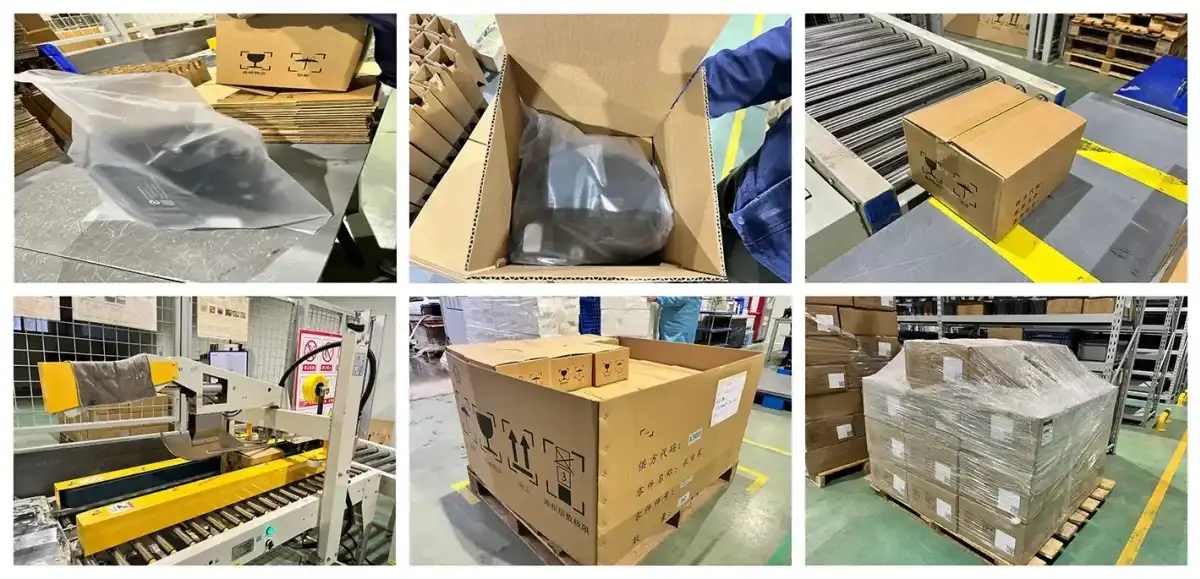
When buying a lot of sensors, you have to find a balance between unit costs and the dependability of the supply chain. Knowing how the market works helps buying managers get good deals while lowering business risks.
Pricing Structures and Volume Negotiation
Unit costs go down a lot as the number of orders goes up, but different suppliers have different minimum order quantities and payment terms. When you sign a long-term supply agreement, you can often get better prices and faster production schedules. When comparing quotes, don't just look at FOB prices; also look at the total landing cost, which includes shipping, customs taxes, and any possible inventory holding costs.
Logistics and Supply Continuity
When you buy things from other countries, you have to coordinate shipping methods, clearing taxes, and storage. Suppliers who already have marketing networks set up in the US can cut down on lead times and make it easier to follow regulations. It's also important for manufacturers to be able to increase production for mass deployment while keeping quality high. Qintai has its own separate research and development team and makes its own sensor cores. This allows for quick customization and stable supply, which are important benefits when adding sensors to standard product lines or helping repair shops and parts sellers work together in aftermarket distribution networks.
How the Qintai QS-P226 Enhances Your SCR Performance
When you look at individual product implementations, understanding technical standards becomes more real. Diesel engine makers and SCR system integrators face real-world practical problems, and the QS-P226 model shows how careful engineering can solve those problems.
Precision Monitoring Across Operating Conditions
The ECU can keep the right amount of AdBlue in the engine throughout its operating range thanks to continuous pressure feedback. The sensor's wide measurement range includes system starting processes and maximum dosing conditions. This helps find problems like supply leaks that lower pressure, blockages that cause overpressure, poor pump performance, and injector problems. This diagnostic feature cuts down on the time needed to fix problems and stops small problems from getting worse and causing major component failures.
Durability Engineering for Harsh Applications
Automotive sensors are constantly being stressed by their surroundings. The QS-P226 has a lot of safety features. Chemical-resistant materials can handle urea corrosion and crystallization, so it can stay accurate even when DEF is contaminated. Thermal stability across changes in temperature keeps the calibration stable during cold starts and high-temperature operation. Strong mechanical design can handle constant car vibrations without affecting the accuracy of the measurements. The sealed design keeps moisture and other external pollutants from getting into the internal parts, which increases their useful life in harsh field circumstances.
Checklist: Key Steps to Ensure You Choose the Right Urea Pressure Sensor
Urea pressure sensor evaluation should be embedded within this systematic approach, as systematic evaluation lowers the risks of selection and makes sure that parts work with systems that are already in place. Structured decision frameworks that take both technical and business factors into account are helpful for procurement professionals.
Define System Requirements Precisely
Starting with writing down the operational parameters, such as the required pressure measurement range, the highest and lowest temperatures in the environment, the level of vibration exposure, and the signal interface specifications. Figuring out whether your application needs digital communication methods or analogue voltage output can help you avoid expensive problems with mismatch during integration.
Verify Supplier Qualifications
Check the manufacturer's certificates that are related to emission control guidelines and cars. Certifications like ISO9001 and IATF16949 show that quality management systems are stable, and approvals for specific emissions show that regulations are being followed. Ask for proof of the testing procedures and quality control measures that were used during production.
Assess Technical Support Infrastructure
Support after the purchase has a big effect on the total cost of ownership. Check to see if the sellers offer help with installation, fixing problems, and quick guarantee service. Manufacturers who let you customize their products can change the specs of sensors to fit the needs of each application, giving you the best performance for your specific setups.
Validate Through Testing
Do validation testing in real-world working situations before agreeing to a large-scale rollout. Check how fast the sensor responds, how accurate it is across the pressure range, and how stable it is over a long period of time and typical duty cycles. This real-world data shows that theoretical specifications are matched with real-world performance.
Conclusion
To choose the right urea pressure sensor, you have to weigh the technical requirements against the needs of the business and the budget. Sensor performance is based on its measurement range, precision, longevity in harsh environments, and ability to work with different signals. These factors have a direct effect on how well an SCR system works and whether it meets emission standards. Checking a supplier's credentials, manufacturing capabilities, and customer service after the sale helps keep the supply chain running smoothly and keeps long-term costs down.
The QS-P226 model shows how self-developed sensor core technology, thorough testing procedures, and proven OEM partnerships can give diesel engine makers and system designers the reliability they need. By using organized evaluation criteria and working with well-known companies that have the right certifications, procurement teams can find parts that reduce NOx as much as possible, keep operations running smoothly, and help with regulatory compliance in a wide range of heavy-duty uses.
FAQ
What signals indicate a failing urea pressure sensor?
Several signs point to a problem with the monitor. The ECU may record trouble codes like P204B that show problems with the way the circuit works. Physically, you may notice that the DEF is being used in a strange way, that warning lights are coming on in the dashboard, or that the engine power suddenly drops as the system goes into safe limp mode. Without accurate pressure input, the ECU can't control AdBlue dosing properly, which could lead to higher emissions while the system turns off injection to protect parts from damage.
How do OEM and aftermarket sensors compare in quality?
OEM sensors usually go through testing that is specific to engine platforms and come with a warranty from the manufacturer, which lowers the risk of integration issues. Quality aftermarket parts from approved makers, such as Qintai (IATF16949 qualified and a supplier to big OEM names), give similar dependability at reasonable prices. The main difference is not between OEM and aftermarket, but in the way the parts are made and how well they are checked for quality.
What is the expected service life in commercial applications?
Quality pressure sensors usually last between 15,000 and 20,000 hours of normal use in commercial trucks before they need to be replaced. The actual lifespan depends on the harshness of the duty cycle, the quality of the DEF, how well it is maintained, and its exposure to the environment. The QS-P226 comes with a 12-month guarantee and is made to last longer thanks to chemical-resistant materials and a sealed design that can handle constant urea contact.
Partner with Qintai for Reliable Urea Pressure Sensor Supply
Xi'an Qintai Automotive Emission Technology is ready to meet your needs for an SCR system with their proven production skills and full technical support. We are a qualified urea pressure sensor maker that works with Weichai Power, Yuchai Power, and Quanchai Power. The parts we make meet strict Euro VI and China VI emission standards. Our QS-P226 type has self-developed sensor core technology and is accurate within 0.5% across a measurement range of -14 to +130.5 psi.
It has been certified by ISO9001, IATF16949, and other foreign organisations. Our team offers responsive technical support and competitive pricing whether you need a large quantity for mass production, specific details for unique uses, or a steady supply from the aftermarket. Email us at info@qt-sensor.com to talk about your project needs and get custom quotes for your urea pressure sensor needs.
References
1. Society of Automotive Engineers. "Diesel Exhaust Fluid Dosing System Requirements for SCR Applications." SAE Technical Paper Series, 2022.
2. International Organization for Standardization. "Quality Management Systems Requirements for Automotive Production and Service Parts." ISO/TS 16949:2021 Standard Documentation.
3. Environmental Protection Agency. "Heavy-Duty Highway Compression-Ignition Engines and Urban Buses—Exhaust Emission Standards." Code of Federal Regulations Title 40, Part 86.
4. Zhang, Wei and Liu, Xiaoming. "Pressure Sensor Technologies for Automotive Emission Control Systems." Journal of Automotive Engineering, Volume 234, Issue 8, 2023.
5. Continental Automotive Technologies. "Sensor Technologies for Diesel After-Treatment Systems: Technical Reference Guide." Continental AG Technical Publications, 2024.
6. American Trucking Associations Technology and Maintenance Council. "Recommended Practice for SCR System Maintenance and Troubleshooting." TMC RP Guidelines, 2023 Edition.


Our customers’ satisfaction speaks for our quality — contact us to experience the same reliable service.