- English
- French
- German
- Portuguese
- Spanish
- Russian
- Japanese
- Korean
- Arabic
- Greek
- German
- Turkish
- Italian
- Danish
- Romanian
- Indonesian
- Czech
- Afrikaans
- Swedish
- Polish
- Basque
- Catalan
- Esperanto
- Hindi
- Lao
- Albanian
- Amharic
- Armenian
- Azerbaijani
- Belarusian
- Bengali
- Bosnian
- Bulgarian
- Cebuano
- Chichewa
- Corsican
- Croatian
- Dutch
- Estonian
- Filipino
- Finnish
- Frisian
- Galician
- Georgian
- Gujarati
- Haitian
- Hausa
- Hawaiian
- Hebrew
- Hmong
- Hungarian
- Icelandic
- Igbo
- Javanese
- Kannada
- Kazakh
- Khmer
- Kurdish
- Kyrgyz
- Latin
- Latvian
- Lithuanian
- Luxembou..
- Macedonian
- Malagasy
- Malay
- Malayalam
- Maltese
- Maori
- Marathi
- Mongolian
- Burmese
- Nepali
- Norwegian
- Pashto
- Persian
- Punjabi
- Serbian
- Sesotho
- Sinhala
- Slovak
- Slovenian
- Somali
- Samoan
- Scots Gaelic
- Shona
- Sindhi
- Sundanese
- Swahili
- Tajik
- Tamil
- Telugu
- Thai
- Ukrainian
- Urdu
- Uzbek
- Vietnamese
- Welsh
- Xhosa
- Yiddish
- Yoruba
- Zulu
NOx Sensor Function Explained for Modern Diesel SCR Systems
Nitrogen oxides are harmful pollutants that are released when diesel engines are running. They contribute to smog and breathing problems. The NOx Sensor Function in current diesel SCR (Selective Catalytic Reduction) systems takes this problem head-on by constantly checking the make-up of exhaust gases and allowing real-time control of emissions.
These monitors measure the amount of nitrogen oxide in the air before and after catalytic treatment to make sure that the SCR system adds just the right amount of Diesel Exhaust Fluid (DEF). If diesel engines don't have accurate NOx sensing, they can't follow strict environmental rules. Owners risk fines and engine derating, which causes expensive downtime.
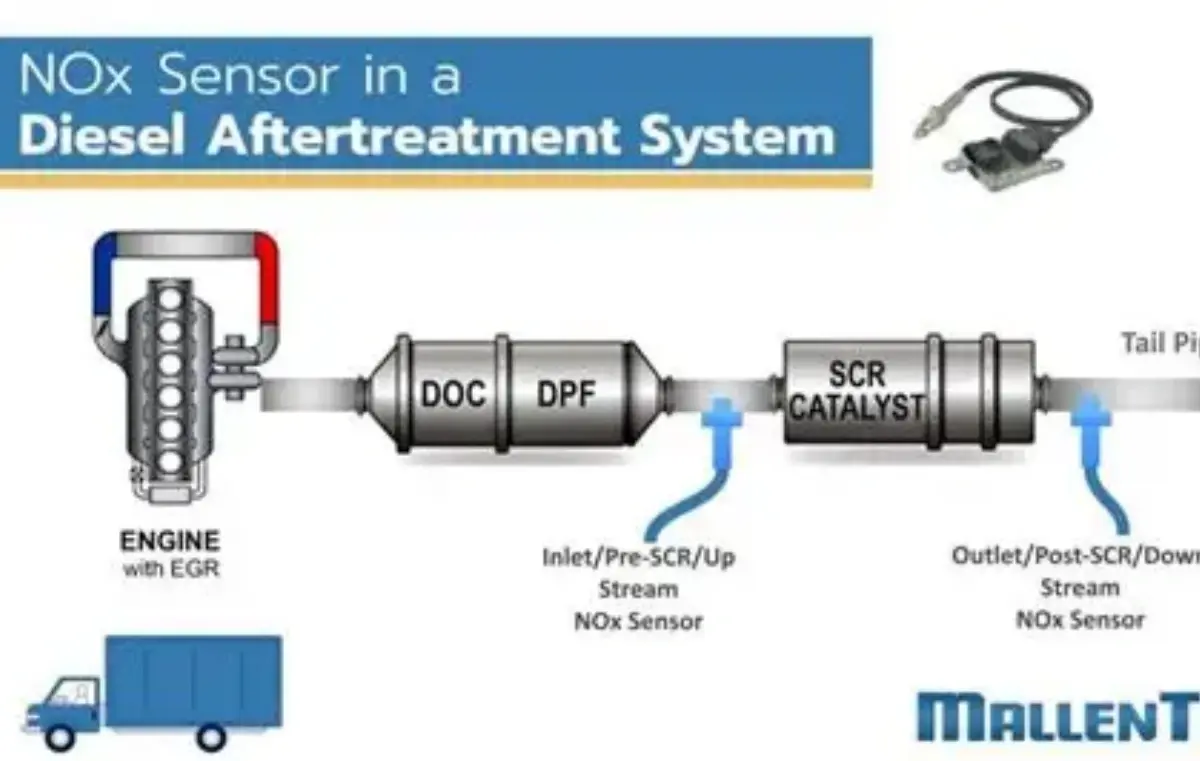
Understanding the NOx Sensor: Definition and Core Function
What Makes NOx Sensors Different from Standard Oxygen Sensors
NOx sensors are a special kind of measuring equipment that can only find nitrogen oxides (NO and NO2) in diesel air streams. Instead of normal oxygen sensors that check the ratios of air to fuel, these high-tech parts use yttria-stabilized zirconia (YSZ) ceramic elements to find specific pollutants. The sensor has several sections. First, oxygen pump cells control the amount of oxygen in the air.
Then, a NOx detecting cell breaks down nitrogen oxides and checks the oxygen ion current that is created. These sensors are different from simpler lambda sensors used in petrol engines because they use a multistage detection method that gives them the accuracy levels needed for current emission control.
How NOx Sensors Enable Real-Time SCR Control
Giving constant data streams to the engine control unit (ECU) is what the NOx Sensor Function is all about. The ECU figures out the best DEF input rates based on real-time pollution levels. When exhaust gas hits the first section of the sensor, oxygen pumps raise the amount of oxygen in the air to a set level. The gas then moves into the NOx detecting cell, which breaks down nitrogen oxides into nitrogen and oxygen ions.
The amount of NOx directly affects the electrical current that is created during this process, which lets the ECU change the urea dose within milliseconds. This feedback system makes sure that the SCR catalyst doesn't get too much or too little DEF. This keeps it working at its best even when the engine is working at different temperatures and loads.
Key Components That Enable Accurate NOx Detection
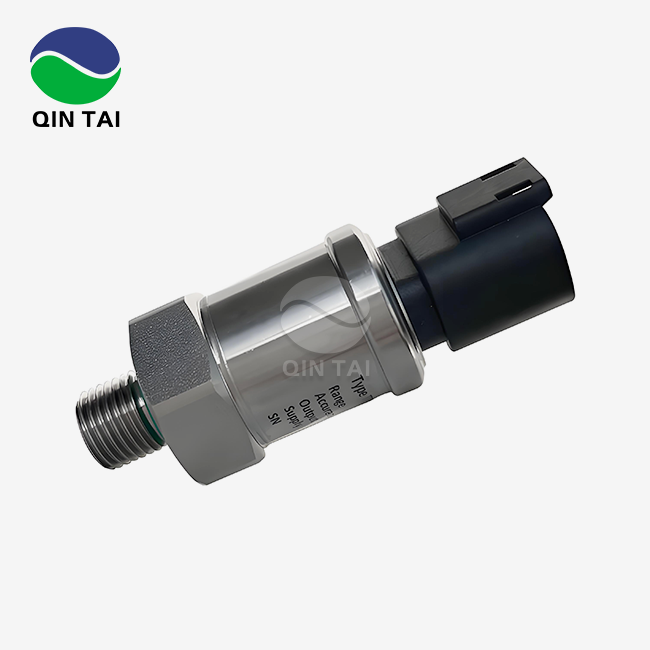
Modern NOx sensors have a number of important parts that work together. The detecting element is made up of a zirconia ceramic cell that can handle exhaust temperatures of more than 800°C. An internal warmer element keeps the sensor at the right temperature no matter what the outside temperature is. This keeps performance stable during cold starts and low-load operations.
Signal conditioning circuits take in raw electrical signals and use standard protocols to talk to the ECU. The connector and wiring harness have to be able to handle rough conditions like vibration, changing temperatures, and chemicals from the exhaust parts. Each part is important for measurement accuracy, and if one fails, it could affect the whole emission control system's ability to work.
Why NOx Sensors are Critical for Modern Diesel Engines
Meeting Stringent Global Emission Standards
EPA Tier 4, Euro VI, and China VI pollution rules can only be followed if nitrogen oxide is measured and controlled properly. These standards require NOx reductions of more than 90% compared to diesel combustion that is not controlled. These goals can only be met by SCR systems with accurate sensor feedback. Regulatory agencies need on-board diagnostics that can find broken sensors and set off warning lights when emission levels go over what is allowed.
Fleet owners who don't follow the rules could face big fines, having their vehicles' registrations taken away, and being unable to operate in low-emission zones, which are becoming more popular in cities. Manufacturers are moving toward better technologies not only because of government regulations, but also because they care about the environment. NOx Sensor Function is central to this shift, as these sensors provide real-time feedback needed to control nitrogen oxide emissions accurately. NOx sensors are the basis for decreases in emissions that can be checked.
Preventing Costly Performance Degradation and Downtime
A broken NOx sensor causes a chain reaction of practical issues that go far beyond worries about emissions. When sensors upstream don't give correct readings, the SCR system can't figure out how much DEF to inject. This means that either not enough DEF is injected, which doesn't reduce NOx, or too much DEF is injected, which causes ammonia slip, which is extra urea going through the catalyst and polluting it.
If a sensor further down fails, the system can't check the performance of the catalyst, which causes trouble codes to be sent even when the SCR works properly. When modern engines have sensor faults that won't go away, they use power derating to slowly lower the engine's output until the problem is fixed. This safety measure stops regulatory violations, but it takes equipment offline, which causes repair costs, lost productivity, and unhappy customers that are much higher than the cost of replacing sensors.
Optimizing Fuel Efficiency and Operational Economics
When NOx sensors work properly, they help save fuel by letting engines burn fuel more efficiently. Based on feedback from sensors, engine tuning experts program ECUs to balance the amount of power output, fuel use, and emissions. When sensors give correct data, engines can run at higher temperatures for combustion, which makes them more thermally efficient, while the SCR system deals with the rises in NOx that happen.
When you optimize combustion and control the aftertreatment process together, you save between 3 and 5 percent of the fuel you would have used with older emission control methods. Over the life of a heavy-duty truck, these efficiency gains save thousands of dollars in fuel costs, which makes investing in sensors more than just a matter of following the rules.

Comparing NOx Sensors: Choosing the Right Sensor for Your Diesel Fleet
Understanding Dual-Sensor SCR System Architecture
Two NOx sensors are strategically placed in the exhaust flow of modern diesel aftertreatment systems. The upstream (inlet) sensor is placed near the turbocharger outlet and measures the amount of NOx coming from the engine before it is treated. This measurement tells the ECU what the baseline levels of pollution are that need to be lowered. The downstream (exit) monitor is placed after the SCR catalyst and acts as a check to make sure the treatment is working.
This set of two sensors makes a closed-loop feedback system where the ECU constantly checks the difference between what was predicted and what happened in terms of NOx reduction. It does this by changing DEF injection to account for changes in fuel quality, catalyst aging, and temperature. Knowing this design helps procurement teams see that each sensor does a different job and needs the same amount of planning for repair and replacement.
OEM Versus Aftermarket Sensor Selection Criteria
There are a lot of things to think about besides the initial purchase price when choosing between OEM sensors and aftermarket options. OEM sensors are guaranteed to work with certain engine models and come with warranties and technical support resources from the manufacturer. These parts go through a lot of validation testing to make sure they work in all kinds of working situations. Aftermarket providers offer lower prices and possibly faster supply, which is especially helpful for older technology where OEM parts have longer wait times.
Good aftermarket companies spend money on reverse engineering and independent testing to make sure their products meet OEM standards. However, it's important to do your research before believing these claims. When comparing options, people who work in procurement should look at sensor certifications, supplier quality management systems, and data on long-term failure rates. The cheapest option often leads to higher total ownership costs due to early failures, calibration drift, and compatibility problems that need more troubleshooting work.
Evaluating Sensor Technologies and Brand Reliability
The NOx sensor market is dominated by a few well-known companies, each with their own unique technology methods. Bosch was the first company to use NOx sensing technology in cars, and the company keeps a big share of the market by constantly improving ceramic materials and signal processing algorithms. Denso focuses on making things smaller and faster so they can respond to changing engine loads. Continental focuses on sensor solutions that are all in one and measure temperature, pressure, and NOx.
Asian companies are competing more and more by making low-cost products for the aftermarket. When considering brands, consider factors beyond technical specifications: warranty covering duration, expert help available, spare parts inventory, and field performance experience. Talking to current users in support networks and industry groups gives you useful information that you won't find in marketing books. This helps you find sensors that work well in a wide range of situations.
Procurement Considerations for NOx Sensors in B2B Diesel Applications
Ensuring Compatibility Across Diverse Equipment Portfolios
When looking for NOx sensors, diesel fleet owners who manage a mix of tools have a hard time finding ones that will work with their vehicles. There are different electrical interfaces, mounting configurations, and communication protocols for sensors made by different engine manufacturers. Even though they look the same, a sensor that works properly on a Cummins engine might not work at all on a Caterpillar or Detroit Diesel base. Purchasing teams need to keep thorough records of all the equipment they own, including engine models, emission system setups, and part number cross-references.
Getting in touch with providers who offer a wide range of compatibility or application engineering help makes the buying process easier. Some aftermarket companies make "universal" sensors with parameters that can be changed. However, these need to be carefully tested to make sure they meet regulatory requirements and keep warranty issues with equipment makers to a minimum.
Structuring Supplier Agreements for Operational Continuity
Effective buying strategies include more than just one-time deals. They also include long-term relationships with suppliers that help keep operations running smoothly. When negotiating with NOx Sensor Function suppliers, it's important to talk about important things like pricing tiers based on volume, arrangements for consigning inventory, emergency delivery options, and access to technical support. Bulk purchasing agreements save money, but they need accurate forecasting of demand and storage space. Suppliers pay for consignment inventory programs, which ensure parts availability and shift storing costs to suppliers. This is especially helpful for businesses that are spread out geographically.
When sensor failures threaten the stability of important equipment, emergency delivery rules set faster shipping terms. Technical support guarantees access to application engineers who can help with startup issues and questions about compatibility, which cuts down on downtime during sensor changes. Writing these terms down in formal agreements stops misunderstandings and makes sure that both parties know what is expected of them in terms of performance.
Quality Assurance and Counterfeit Risk Mitigation
There are ongoing problems in the aftermarket diesel parts business with fake parts getting into supply lines through unauthorized distributors. Fake NOx sensors usually are made of lower-quality materials, aren't calibrated correctly, and break down early. They could also damage SCR systems by sending the wrong DEF dosing orders. Procurement teams should set up verification protocols, such as audits of suppliers' qualifications, requirements for certificates of conformity, and physical inspections of sensors that come in.
By building ties with authorized distributors, you can get warranty help and track back to the original makers. Unusually cheap prices often mean that the product isn't coming from a reliable source, so they should be looked at more closely before they are bought. Some makers use serialization apps that let you check online that the parts are real, which is a great way to make sure they are real before installing them.
Advanced Insights: Future Trends and Innovations in NOx Sensor Technology
Enhanced Accuracy Through Advanced Materials and Design
Next-generation NOx sensors get around the problems with current technology by using new ceramic materials and electrode designs that make measurements more accurate and last longer. Scientists are changing zirconia materials to make them better at conducting ions. This makes it possible for sensors to respond faster and work at lower temperatures, which uses less energy. New electrode materials can't be damaged by sulfur compounds and small particles, which slowly break down older sensors.
With multi-gas sensors, a single device can measure NOx, oxygen, ammonia, and particulate matter all at the same time, which makes the system simpler and cheaper. These changes make it easier to control emissions, especially when the engine is running quickly, which is when current sensors have trouble staying accurate. This will help engines meet the tougher regulations that are coming in the next few years.
Integration with Connected Vehicle Platforms and Predictive Maintenance
When emission sensing technology and IoT connections come together, NOx sensors go from being inactive measuring tools to proactive repair tools. Modern sensors that can communicate wirelessly send data in real time to cloud-based analytics tools that keep an eye on performance trends across whole groups. Machine learning algorithms find small patterns of sensor degradation that happen before they fail completely. This lets condition-based maintenance scheduling work, which keeps downtime from happening without warning.
Fleet managers can see how healthy the emission systems are across all of their assets, which helps them find vehicles that need fixing before they are inspected by regulators. This data-driven method makes the best use of maintenance resources, lowers the need for spare parts inventory, and keeps track of environmental compliance for reporting to regulators. More and more, equipment makers are selling telematics packages that combine data from pollution sensors with more detailed tracking of a vehicle's health. These packages create complete asset management ecosystems.
Preparing for Hydrogen and Alternative Fuel Applications
As the diesel industry looks into hydrogen fuel and other fuels, NOx sensing technology needs to be able to adapt to different types of exhaust gases and working situations. Hydrogen burning doesn't release much carbon, but at high flame temperatures, it does release a lot of NOx, which means that strong pollution control systems are needed. The NOx sensors that are currently on the market may need to be changed so that they can work in hydrogen exhaust environments that are high in water vapor.
Different types of alternative fuels, like renewable diesel, biodiesel blends, and synthetic fuels, produce different exhaust characteristics that change how sensors work and how they are calibrated. As the commercial vehicle industry moves toward carbon-neutral powertrains, companies that invest in sensor systems that can work with different types of fuel will be in a good situation.
NOx Sensor Function is a critical factor in this context, because each fuel type alters NOx formation patterns, directly affecting how the sensor reads and responds to exhaust gases. When planning long-term equipment plans, procurement teams should keep an eye on these technology advances to make sure that the sensors they choose can handle the expected range of fuels.
Proper Installation and Maintenance Practices for NOx Sensors
Pre-Installation Inspection and Preparation Requirements
Successful NOx sensor replacement involves more than just swapping out parts; it also involves following a set of steps for getting ready. Before you take off the old sensor, check the electrical connector on the vehicle side for corrosion, broken pins or water that could make the new sensor not work properly. Check the exhaust system for too much condensation, which could mean that water is getting in and damaging the sensor electronics.
Thoroughly clean the threaded fixing bung, getting rid of any carbon buildup and looking for thread damage that might be stopping the sensor from sitting properly. The ceramic element on the new sensor is very sensitive to contamination from oils, solvents, and particles, so keep the protection cap on it until right before you place it. If you bend or kink sensor cords while routing them, you could damage the wires inside, which would cause random failures that are hard to figure out.
Critical Post-Installation Configuration Steps
Modern NOx sensors need to be programmed electronically in addition to being physically installed. To get the new sensor to work with the ECU, connect a diagnostic tool that was allowed by the car's maker to the OBD port and code the SCN (Software Calibration Number). This step sends calibration data that is specific to the sensor and resets the adaptive learning settings so that they fit the characteristics of each sensor. Get rid of all the fault codes that are linked to the broken sensor, because codes that stay in the system may stop it from going back to normal operation mode.
If the sensor output values are within the predicted ranges when the engine is not running and when it is lightly loaded, then the electrical connection is working properly. Use the original mounting clips to keep the sensor cables in place and follow the factory routing path. If the cables are not placed correctly, they can fail due to chafing. Many installers forget to do these configuration steps, which causes warning lights to stay on and unhappy customers even though the sensors were installed correctly.
Establishing Preventive Maintenance Schedules
Regular care on NOx sensors increases their useful life and stops them from breaking down when they're needed most. Set up inspection times based on how often the equipment is used. For heavy-duty uses, this means checking the performance of the sensors every 2,000 to 3,000 hours. Diagnostic scans should record sensor reaction times, signal voltage ranges, and heater element resistance values. Trending analysis can show how the device slowly fails before it breaks down completely.
Upstream problems that speed up sensor wear can be avoided by performing regular maintenance on the DEF system, such as cleaning the injectors and checking the catalysts. Fix the check engine lights right away instead of putting off diagnostics, because driving with known sensor faults speeds up damage to the SCR system and raises the cost of repair. Teaching maintenance staff the right way to do diagnostics and understand sensor data increases the number of problems that are fixed the first time and lowers the number of parts that need to be replaced.
Conclusion
NOx sensors are important parts of modern diesel engines that help them meet environmental standards while still running well and efficiently. Fleet operators and engineers can make emission control systems work better by knowing how sensors work, what to look for when buying them, and how to keep them in good shape. The NOx Sensor Function does more than just measure. It also manages emissions completely through closed-loop feedback control. Long-term practical benefits come from strategically choosing sensors by weighing cost, dependability, and compatibility.
As pollution rules get stricter and technology improves, keeping up with new sensor developments is important to make sure you're ready for changing business needs. Putting money into good monitors, installing them correctly, and doing regular repair keeps equipment valuable and shows environmental responsibility, which is very important in today's regulatory world.
FAQ
How long do NOx sensors typically last in diesel applications?
The NOx sensor's lifespan depends a lot on how it is used, the quality of the fuel, and how well it is maintained. In heavy-duty gasoline uses, sensors usually last between 150,000 and 300,000 miles, but harsh-duty cycles may shorten their useful lives. Some things that shorten the lives are too much running, bad fuel with a lot of sulfur, and DEF system problems that let ammonia get into the sensors. Regular troubleshooting tracking helps find sensors that are getting close to the end of their useful life before they stop working completely.
Can a faulty NOx sensor damage my diesel engine?
Even though a broken NOx sensor doesn't directly hurt engine parts, the problems that happen because of it in the pollution system cause other issues. If a monitor fails and the DEF dose isn't right, it can flood the SCR catalyst with ammonia or let too much NOx through, which causes the engine to derate and lower its power output. When heavy loads are applied, operating in derate mode can make mechanical stress worse. Also, not following the rules because of monitor problems could lead to fines and limits on operations that make it hard for businesses to run.
Are aftermarket NOx sensors as reliable as OEM parts?
When properly selected and fitted, quality aftermarket NOx sensors from reliable makers can often match the trustworthiness of OEM sensors. The main difference is not between OEM and aftermarket products, but in the quality control during production, the correctness of the calibration, and the testing of compatibility. Premium aftermarket sellers put a lot of money into testing and licensing processes that make sure their products work similarly at prices that are affordable. However, cheap sensors that haven't been properly tested often fail before they're supposed to. Checking suppliers thoroughly and making sure the quality of the products they sell helps procurement teams find reliable aftermarket options that meet both cost and performance goals.
Partner with Qintai for Reliable NOx Sensor Solutions
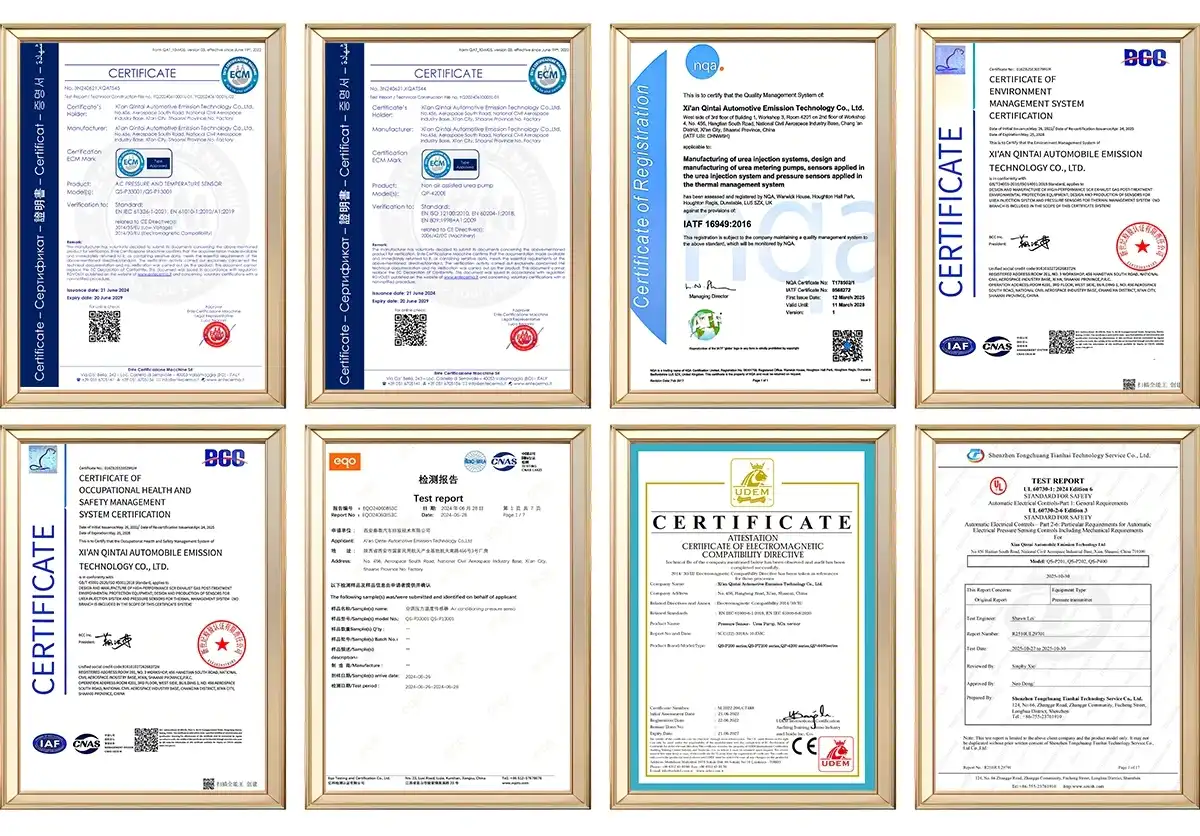
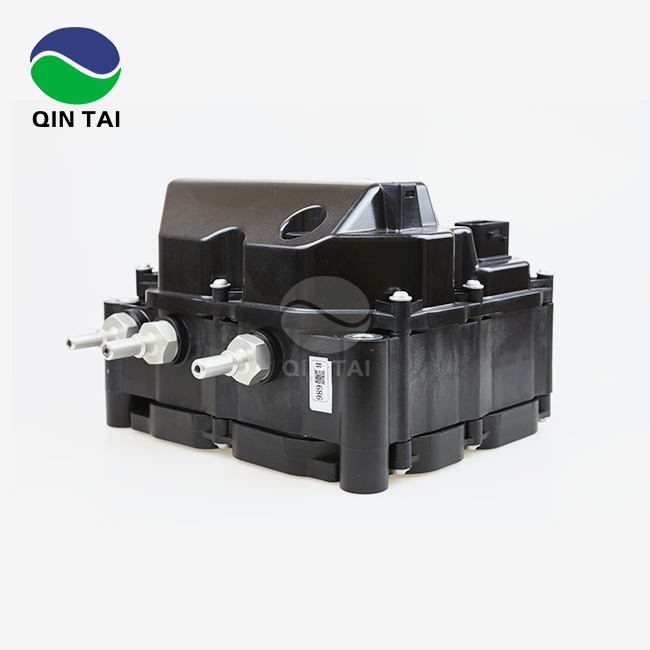
Qintai Automotive Emission Technology Co., Ltd. Ltd has been a top NOx Sensor Function manufacturer for diesel engine OEMs, aftertreatment integrators, and fleet operators around the world since 2001. As part of our wide range of sensors, we offer precise NOx sensors that are designed to work with SCR systems in heavy trucks, construction equipment, farm equipment, and generator sets. We have 58 invention patents, ISO9001, IATF16949, and other certificates. Our advanced research and development skills and high-quality production have made us the top seller to China's top engine makers, such as Weichai, Yuchai, and Quanchai Power.
We offer flexible customization to meet a wide range of interface needs, quick delivery times to meet tight project deadlines, and expert help for the entire lifecycle of the product. Our reasonable pricing models allow for big purchases while upholding the quality standards needed to meet regulations and ensure long-term dependability. Get in touch with our engineering team at info@qt-sensor.com to talk about your specific needs and find out how our tried-and-true emission sensing solutions can help you get the most out of your diesel aftertreatment systems while still meeting strict environmental standards.
References
1. Johnson, T. V. (2015). "Diesel Emission Control in Review." SAE International Journal of Engines, 8(3), 1090-1117.
2. Moos, R., Beulertz, G., Reiченbäch, T., & Виссер, J. H. (2013). "Overview: Status of the Automotive Exhaust Gas Sensor Development." Topics in Catalysis, 56(1-8), 1-12.
3. Ballinger, T. H., Manning, W. A., & Walker, A. P. (2009). "Automotive NOx Sensor Technology and Application." SAE Technical Paper 2009-01-0232.
4. Riegel, J., Neumann, H., & Wiedenmann, H. M. (2002). "Exhaust Gas Sensors for Automotive Emission Control." Solid State Ionics, 152-153, 783-800.
5. Grieve, M. J., Monfort, J., & Herrmann, O. (2018). "Advanced Diesel Engine Emission Control Systems for EPA 2010 and Beyond." International Journal of Powertrains, 7(1-3), 45-68.
6. Lambert, C., Hammerle, R., McGill, R., Khair, M., & Sharp, C. (2004). "Technical Advantages of Urea SCR for Light-Duty and Heavy-Duty Diesel Vehicle Applications." SAE Technical Paper 2004-01-1292.
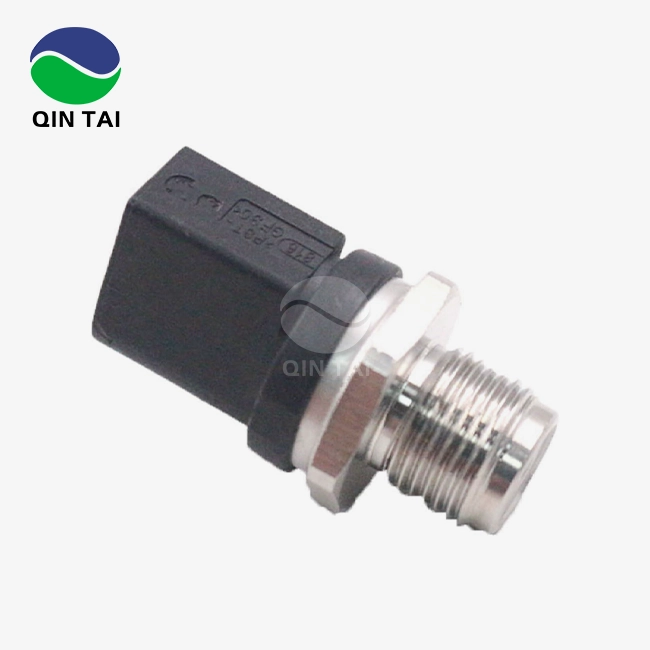
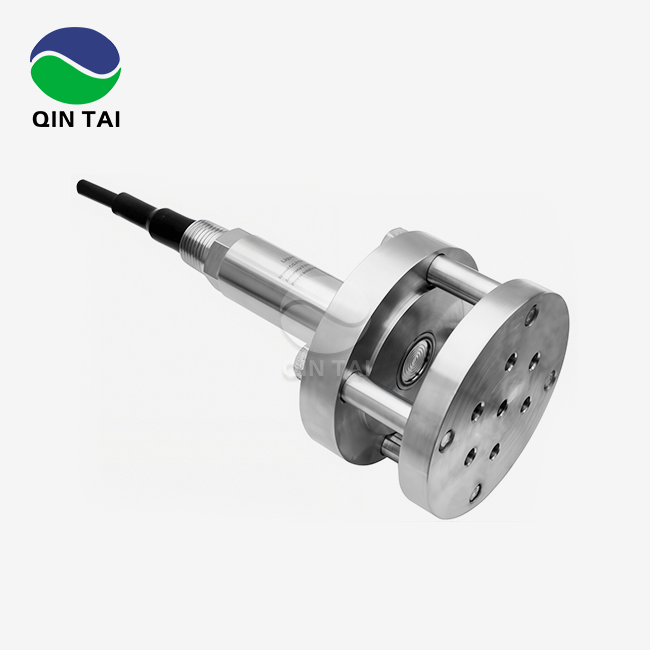

Our customers’ satisfaction speaks for our quality — contact us to experience the same reliable service.