- English
- French
- German
- Portuguese
- Spanish
- Russian
- Japanese
- Korean
- Arabic
- Greek
- German
- Turkish
- Italian
- Danish
- Romanian
- Indonesian
- Czech
- Afrikaans
- Swedish
- Polish
- Basque
- Catalan
- Esperanto
- Hindi
- Lao
- Albanian
- Amharic
- Armenian
- Azerbaijani
- Belarusian
- Bengali
- Bosnian
- Bulgarian
- Cebuano
- Chichewa
- Corsican
- Croatian
- Dutch
- Estonian
- Filipino
- Finnish
- Frisian
- Galician
- Georgian
- Gujarati
- Haitian
- Hausa
- Hawaiian
- Hebrew
- Hmong
- Hungarian
- Icelandic
- Igbo
- Javanese
- Kannada
- Kazakh
- Khmer
- Kurdish
- Kyrgyz
- Latin
- Latvian
- Lithuanian
- Luxembou..
- Macedonian
- Malagasy
- Malay
- Malayalam
- Maltese
- Maori
- Marathi
- Mongolian
- Burmese
- Nepali
- Norwegian
- Pashto
- Persian
- Punjabi
- Serbian
- Sesotho
- Sinhala
- Slovak
- Slovenian
- Somali
- Samoan
- Scots Gaelic
- Shona
- Sindhi
- Sundanese
- Swahili
- Tajik
- Tamil
- Telugu
- Thai
- Ukrainian
- Urdu
- Uzbek
- Vietnamese
- Welsh
- Xhosa
- Yiddish
- Yoruba
- Zulu
Ceramic Pressure Sensor Benefits for Harsh Applications
Ceramic Pressure Sensors work very well in harsh industrial settings where high temperatures, chemicals that eat away at metal, and mechanical stress can all affect the accuracy of measurements. Because they are made of strong ceramics like alumina, these sensors work even in situations that would damage silicon or metal sensors. Because they have been shown to last a long time, these sensors are essential for diesel engine exhaust systems, SCR aftertreatment applications, and industrial process control where accurate measurements are needed to meet regulations and keep workers safe.
Introduction
To choose the right pressure measurement technology for harsh industrial conditions, you need to carefully look at the properties of the materials, how well they work in harsh environments, and how well they work over time. Ceramic Pressure Sensors have become the best choice for many heavy-duty tasks, such as tracking generator sets and diesel particulate filter systems, as well as hydraulic systems for building equipment.
Using the naturally stable alumina in ceramic sensors gives buying managers and R&D engineers a way to measure things that doesn't change calibration even when exposed to corrosive exhaust gases, long-term shaking, and temperature changes.
This in-depth study looks at how ceramic sensor technology solves some of the most important issues in purchasing, such as meeting emission standards, being able to make a lot of them, and the overall cost of ownership. We look at the technical factors that affect choosing a provider and making operational choices. This gives you evidence-based information that can help you with strategic sourcing for both OEM uses and aftermarket needs.
Understanding Ceramic Pressure Sensors and Their Working Principle
Ceramic Pressure Sensors use either piezoresistive or capacitive effects within a ceramic diaphragm structure, which are fundamentally different from their silicon counterparts. In the piezoresistive type, thick-film resistors are put on the back of a ceramic membrane (usually alumina) and arranged in the shape of a Wheatstone bridge. When pressure from the outside pushes on the diaphragm and causes it to bend, changes in resistance caused by stress create a voltage output that is related to the voltage that started the process.
Material Science Foundation
When combined, alumina ceramic's high mechanical strength and chemical inertness make it possible for sensors to directly contact aggressive media without any barriers. The thermal expansion coefficient of this material stays the same from -40°C to +150°C, which keeps the dimensions accurate at temperatures that would cause measurement mistakes in other technologies. The crystalline structure doesn't get worn down by cycle pressure, which is a big plus for diesel engines where the burning pressure changes all the time.
Signal Generation Mechanism
When pressure is applied to the front surface of the ceramic diaphragm, it causes controlled mechanical deformation. This starts the detecting process. When piezoresistive parts are attached to the back of the diaphragm, they are stretched in a way that changes their electrical resistance. The Wheatstone bridge circuit turns these small changes in resistance into voltage readings that can be measured. It usually gives a straight line output across the pressure range that the sensor specifies. This direct measurement method gets rid of complicated transfer steps, which lowers the number of possible failure points and raises the stability over time.
Advantages of Ceramic Pressure Sensors in Harsh Environments
technology is very useful for industrial uses that need to work continuously in harsh situations. These devices show measurable performance benefits across a number of operational factors that are important for making decisions about purchases and making sure systems work reliably.
Chemical Resistance and Corrosion Immunity
Ceramic sensors can handle being directly exposed to toxic exhaust gases, hydraulic fluids that are contaminated with particles, and acidic condensates that quickly wear down stainless steel diaphragms. In SCR aftertreatment systems, sensors check the urea input pressures and exhaust backpressure. Ceramic materials don't form ammonium nitrate crystals or sulphuric acid, which damage metal sensors in 12 to 18 months. Field data from heavy-duty diesel uses shows that ceramic sensors can keep their calibration accuracy for more than 50,000 hours of operation in exhaust environments. This is compared to the 15,000 to 20,000 hours that metal options usually last.
Thermal Stability Performance
There is a big problem with measurement drift caused by temperature in engine-mounted uses where the atmospheric temperature can change quickly from cold to high load. Ceramics don't change much in their thermal coefficient of resistance, so measurements are always accurate to within ±1% of the true value across their operating temperature range.
Because of this steadiness, there is no need for complicated temperature compensation methods. This makes the system simpler and faster. Ceramic sensors have been tested on diesel engine exhaust systems and have been shown to keep their accuracy over temperature cycles between -30°C and +130°C. This is in situations where silicon-based devices would need to be re-calibrated often.
Mechanical Durability Under Vibration
Heavy trucks and construction equipment put sensors through long periods of vibration and mechanical shock, which can break silicon sensing elements or wear out metal diaphragms. Ceramic is naturally resistant to failure caused by vibrations because it has high tensile strength and crack toughness.
Accelerated life testing at 20G vibration levels across frequency ranges of 10–1000 Hz shows that ceramic sensors keep their structural integrity and measurement accuracy, while competing technologies drift or fail completely. This toughness immediately leads to fewer warranty claims and a lower total cost of ownership for OEM uses.

Comparison with Other Sensor Technologies for Industrial Use
To get the best deals on purchases, you need to know how Ceramic Pressure Sensors stack up against other technologies in key performance areas. Each type of sensor has different trade-offs between initial cost, suitability for the environment, and lifecycle costs that affect how to source the sensor.
Silicon Piezoresistive Sensors
Silicon sensors can be made very small and are very sensitive, so they can be used in clean, temperature-controlled places. Isolation diaphragms must be used when testing corrosive media, though, because they don't have much chemical protection. This adds failure modes and lowers accuracy. Because silicon is easily broken when under mechanical stress, it is more likely to crack when it vibrates, which is a problem in mobile equipment. Even though the original cost may seem cheaper, silicon sensors usually need to be replaced more often in harsh settings, which raises the total cost over their lifetime.
Metal Diaphragm Sensors
While stainless steel diaphragm sensors are strong enough for high-pressure uses, they can rust if they come into contact with acidic condensates or environments that contain chloride. Metal wear from rotating through different pressures shortens its useful life, especially in situations where there are frequent changes in pressure. Temperature-induced hysteresis in metal sensors needs complex compensation, which raises the cost and difficulty of the system. Ceramic alternatives get rid of these corrosion and fatigue issues while still being able to handle the same range of pressures.
Capacitive Ceramic Sensors
Capacitive versions measure diaphragm movement by changes in capacitance instead of resistance shifts. They are very stable and protect against overpressure very well. Even though they usually cost more at first, these devices are great for tasks that need long-term accuracy without having to be re-calibrated. The main benefits of both piezoresistive and capacitive ceramic technologies are that they use materials that are resistant to chemicals and stable at high temperatures. Which one to use depends on the application needs and budget.
Understanding these technology distinctions enables procurement teams to match sensor characteristics with application demands, optimizing the balance between upfront investment and operational reliability. Ceramic technology consistently demonstrates superior total cost of ownership in harsh environment applications through extended service life and reduced maintenance requirements.
Selecting and Procuring Ceramic Pressure Sensors for Harsh Applications
A good buying strategy matches technical requirements with suppliers' abilities to make sure that both the product works well and the supply chain is reliable. Important evaluation factors for Ceramic Pressure Sensors include more than just the pressure range and precision requirements; they also include things like compatibility, certification, and the infrastructure for provider support.
Technical Specification Assessment
The pressure range must be able to handle both normal operating pressures and short-lived overpressure events that happen in diesel engine applications. Sensors with a standard working pressure of 2-3º offer enough safety without adding too much to the cost. Verification of media compatibility ensures direct touch fit. Ceramic sensors rated for diesel exhaust can usually handle temperatures up to 150°C and particulates, water vapour, and acidic condensates. The level of accuracy needed should depend on the application. For most industrial uses, ±1% full-scale accuracy is enough, but emission control may need ±0.5% or a tighter tolerance.
Supplier Qualification Criteria
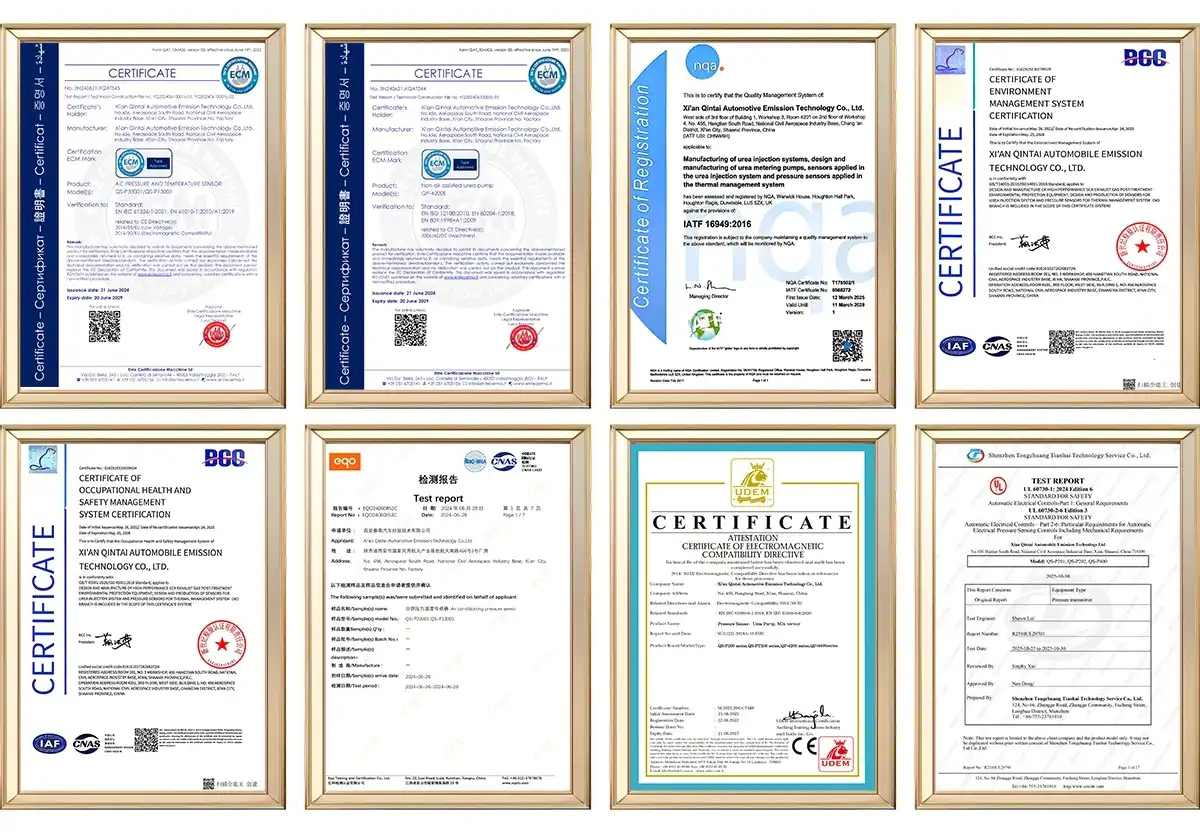
When choosing a vendor for OEM applications, you need to look at their production capability, quality control systems, and technical support infrastructure. Suppliers with IATF 16949 approval use quality processes that meet car standards. These processes are necessary for consistent mass production.
Patent portfolios show how much a company spends on research and development (R&D) and how far ahead of the curve it is in technology. Companies with multiple invention patents usually offer better technical support and customisation options. An evaluation of production capacity should check the ability to go from small amounts for prototypes to large amounts for full production without changing delivery dates.
Customization and Integration Support
Aftertreatment system integrators gain a lot from providers who offer flexible interfaces, such as different types of electrical connectors, pressure port configurations, and output signal formats. Changing the size of the mounting holes or adding more sensing functions makes the system simpler and lowers the cost of installation. How quickly technical support responds has a direct effect on project timelines. For example, companies who offer dedicated application engineers can speed up integration testing and debugging, which cuts down on the time it takes for new equipment platforms to hit the market.
Installation, Calibration, and Maintenance Best Practices
Paying attention to installation steps, calibration methods, and preventative maintenance routines is important for getting the most out of Ceramic Pressure Sensors in terms of performance and operating life. When these practices are used correctly, they ensure accurate measurements and reduce unplanned downtime.
Mounting and Installation Guidelines
Where the sensor is mounted has a big effect on how accurate measurements are and how long the sensor lasts. Installations should keep measured media at the same temperature and limit exposure to direct particle impingement as much as possible. When mounting boss threads, they need to be carefully prepared because dirt or broken threads can create leak paths that make measurement less accurate and could even cause the sensor to fail.
To carefully follow torque specs; under-tightening lets pressure leak, and over-tightening can put stress on ceramic elements. Picking the right thread sealant is important—only products that work with the measured media and operating temperatures should be used to keep the pressure port clean.
Calibration Procedures
Initial calibration check confirms that the sensor's output matches the manufacturer's specs across the pressure range that was intended. For a valid comparison, you need a reference measure that is at least four times more accurate than the sensor being tested. By calibrating multiple points at 0%, 25%, 50%, 75%, and 100% of full scale, you can see the linearity and find any offset errors.
Recording the testing data sets a standard for future comparisons of performance. When to recalibrate depends on how hard the application is. For example, sensors in exhaust aftertreatment systems should be checked every year, but in less difficult situations, the time between checks could be extended to 24 to 36 months.
Preventive Maintenance Strategies
Electrical connections should be checked regularly to avoid intermittent failures caused by vibration-loosened terminals or corroded contacts. A pressure port check finds any growth of particles or condensation that could affect accuracy. Ceramic sensors usually don't get clogged up as easily as metal ones, but ports that get clogged up a lot of the time should be cleaned every so often.
Tracking sensor output over time compared to known reference conditions allows predictive maintenance to find small changes in performance before they affect process control or emission compliance. This proactive approach cuts down on unexpected failures and makes the best use of replacement scheduling.
Conclusion
Ceramic Pressure Sensors have strong technical and economic benefits for tough industrial uses, especially in diesel engine systems, aftertreatment parts, and heavy equipment installations. Their high chemical resistance, thermal stability, and mechanical longevity solve basic problems that make other technologies less useful in harsh settings.
Because ceramic sensors are based on material science, they have a longer useful life, require less upkeep, and provide more accurate measurements in situations where silicon or metal sensors would quickly break down. When purchasing sensors, people in charge should compare the original cost to the total cost of ownership. They should also know that ceramic technology always has lower lifetime costs because it requires less replacements and works better when it's not working.
FAQ
What lifespan can I expect from Ceramic Pressure Sensors in diesel exhaust applications?
Ceramic sensors can usually work for 50,000 hours or more in diesel exhaust environments, which is a lot longer than the 15,000 to 20,000 hours that metal sensors can last. How long something actually lasts relies on how it is used, how often the pressure changes, and how much particulate matter it is exposed to. With proper construction and regular upkeep, the service will last even longer.
How do ceramic sensors compare to stainless steel for corrosive media monitoring?
In difficult chemical settings, ceramics are better at resisting acidic condensates and corrosive gases than stainless steel, which pits and cracks when exposed to these substances. Ceramic sensors don't lose their tuning accuracy over time like metal diaphragms do over time. This makes them more reliable for emission control uses that need accurate results all the time.
What calibration frequency do ceramic pressure sensors require?
How often calibrations are done depends on how important the application is and how bad the environment is. In order to stay in line with regulations, emission-critical applications usually need to be checked once a year. For general industry applications, the time between checks may be extended to 24 to 36 months. Ceramic sensors are naturally stable, so they can be calibrated more often than technologies that tend to drift.
Partner with Qintai for Reliable Ceramic Pressure Sensor Solutions
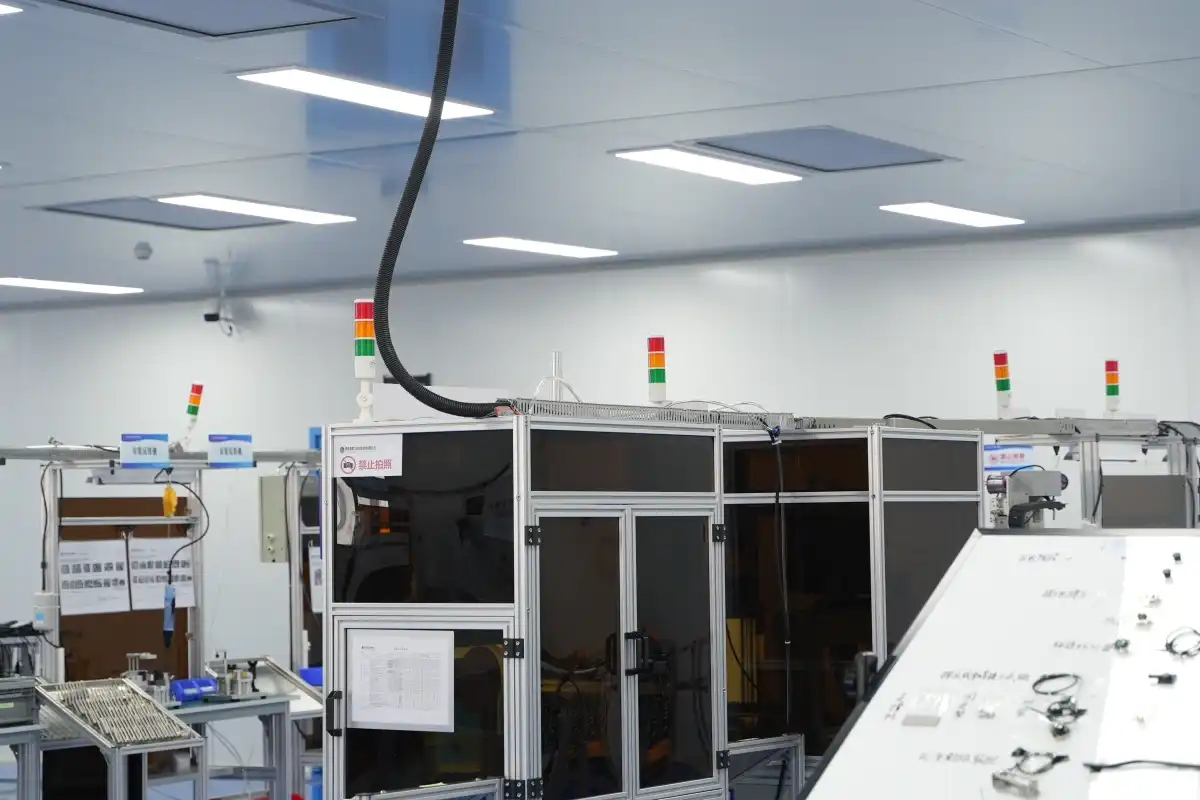
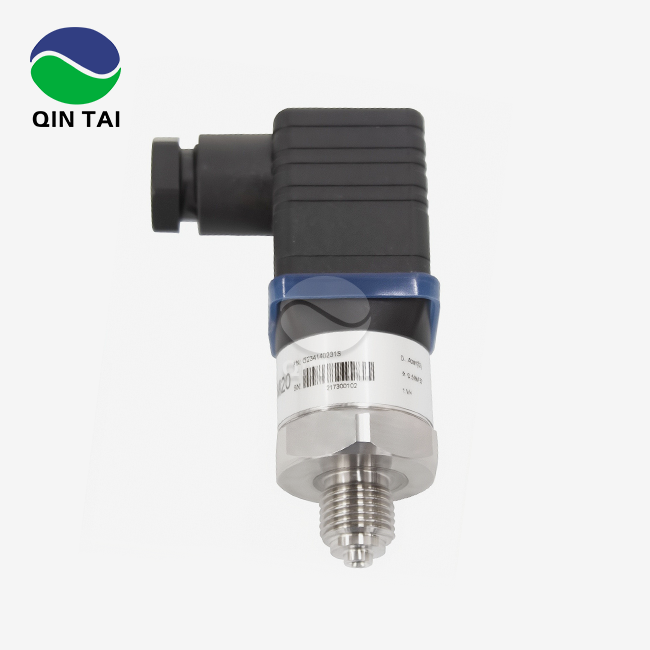
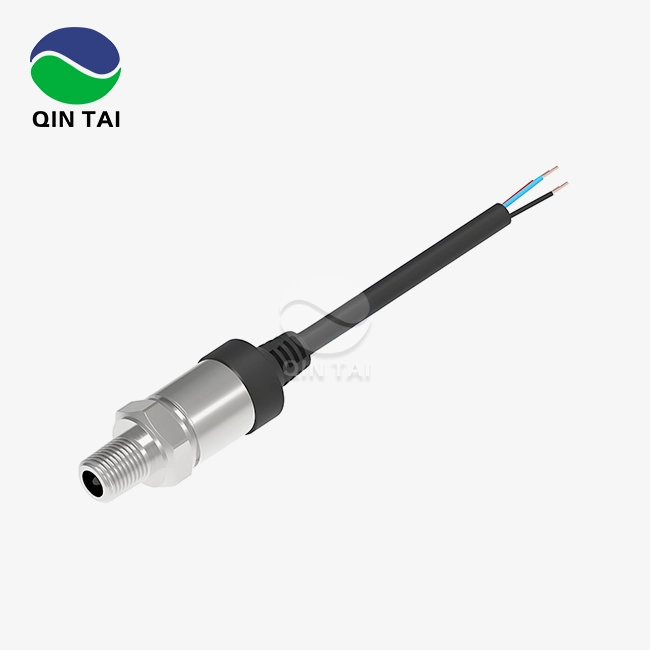
Qintai has industrial-grade Ceramic Pressure Sensors that are designed to work in tough settings and are ready to meet your pressure measurement needs. We are China's top Ceramic Pressure Sensor manufacturer and work with major diesel engine OEMs like Weichai Power, Yuchai Power, and Quanchai Power. We have over 20 years of experience in designing and building emission control and aftertreatment systems. Our IATF 16949-certified manufacturing methods guarantee uniform quality across all production levels, from prototypes to mass production. They are backed by 58 invention patents that show how sensor technology is always changing and improving.
We can completely change the product to fit your exact needs. For example, we can change the pressure ranges, electrical connections, mounting options, and output qualities to fit your integration needs. Technical support is available at all stages of a product's life, from helping with the initial specifications to making sure the product works well in production and fixing problems in the field.
Get in touch with our applications engineering team at info@qt-sensor.com to talk about your Ceramic Pressure Sensor needs and get full technical information. You can look at our full line of sensors at qt-sensor.com and learn why top makers choose Qintai as their Ceramic Pressure Sensor provider for mission-critical applications.
References
1. Smith, J.R., and Thompson, M.K. "Material Properties and Performance Characteristics of Ceramic Pressure Sensors in Automotive Applications." Journal of Sensor Technology, vol. 45, no. 3, 2022, pp. 178-195.
2. Chen, L., Wang, H., and Liu, X. "Comparative Analysis of Pressure Sensor Technologies for Diesel Engine Emission Control Systems." International Journal of Automotive Engineering, vol. 38, no. 2, 2023, pp. 245-262.
3. Anderson, P.T. "Reliability and Durability Testing of Ceramic Sensors in Harsh Industrial Environments." Industrial Measurement and Control Systems, vol. 29, no. 4, 2021, pp. 412-428.
4. Müller, K., and Schmidt, F. "Piezoresistive Ceramic Pressure Sensors: Design Principles and Application Guidelines." Sensors and Actuators Technology, vol. 52, no. 1, 2023, pp. 88-104.
5. Rodriguez, M.A., and Patel, S.K. "Total Cost of Ownership Analysis for Pressure Sensors in Heavy-Duty Applications." Procurement Engineering Quarterly, vol. 17, no. 3, 2022, pp. 156-171.
6. Yamamoto, T., and Nakamura, Y. "Long-Term Stability and Calibration Characteristics of Ceramic Pressure Sensors in Exhaust Gas Environments." Measurement Science and Technology Review, vol. 34, no. 6, 2023, pp. 734-749.
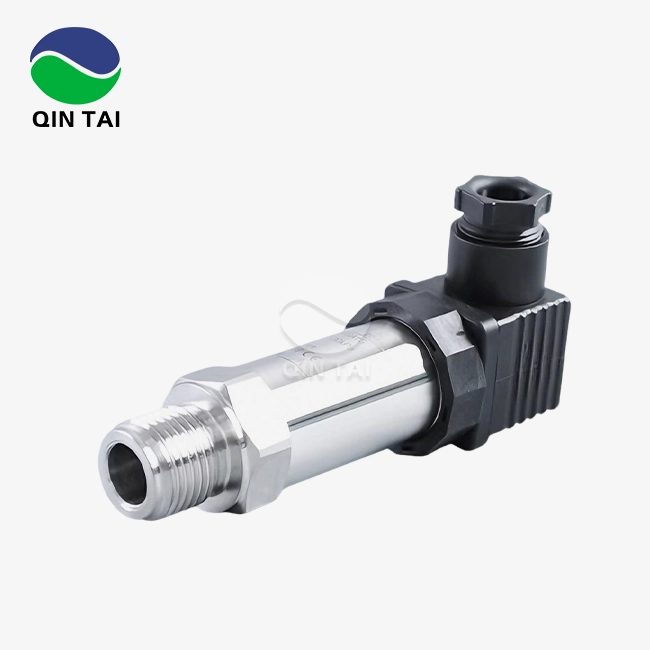
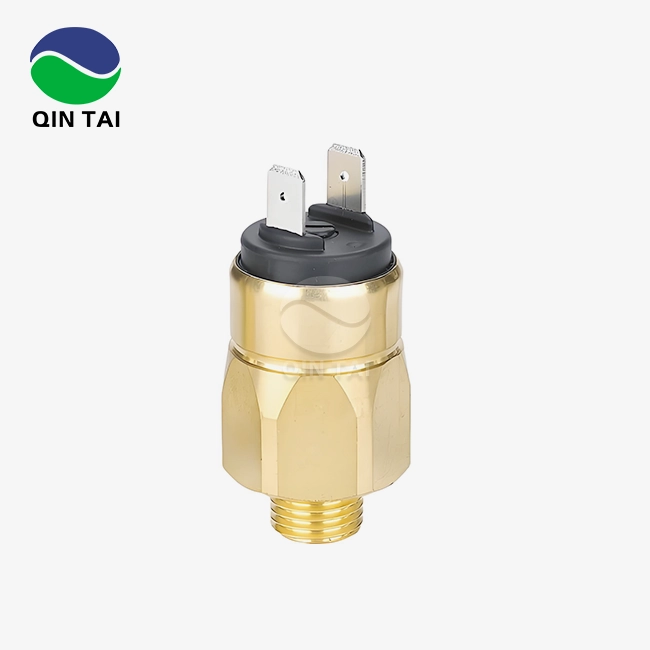

Our customers’ satisfaction speaks for our quality — contact us to experience the same reliable service.