- English
- French
- German
- Portuguese
- Spanish
- Russian
- Japanese
- Korean
- Arabic
- Greek
- German
- Turkish
- Italian
- Danish
- Romanian
- Indonesian
- Czech
- Afrikaans
- Swedish
- Polish
- Basque
- Catalan
- Esperanto
- Hindi
- Lao
- Albanian
- Amharic
- Armenian
- Azerbaijani
- Belarusian
- Bengali
- Bosnian
- Bulgarian
- Cebuano
- Chichewa
- Corsican
- Croatian
- Dutch
- Estonian
- Filipino
- Finnish
- Frisian
- Galician
- Georgian
- Gujarati
- Haitian
- Hausa
- Hawaiian
- Hebrew
- Hmong
- Hungarian
- Icelandic
- Igbo
- Javanese
- Kannada
- Kazakh
- Khmer
- Kurdish
- Kyrgyz
- Latin
- Latvian
- Lithuanian
- Luxembou..
- Macedonian
- Malagasy
- Malay
- Malayalam
- Maltese
- Maori
- Marathi
- Mongolian
- Burmese
- Nepali
- Norwegian
- Pashto
- Persian
- Punjabi
- Serbian
- Sesotho
- Sinhala
- Slovak
- Slovenian
- Somali
- Samoan
- Scots Gaelic
- Shona
- Sindhi
- Sundanese
- Swahili
- Tajik
- Tamil
- Telugu
- Thai
- Ukrainian
- Urdu
- Uzbek
- Vietnamese
- Welsh
- Xhosa
- Yiddish
- Yoruba
- Zulu
Urea Pressure Sensor vs Standard Pressure Sensor: Key Differences
It is important to know the difference between specialised urea pressure sensors and regular standard pressure sensors when choosing tracking equipment for diesel exhaust aftertreatment or industrial automation. A pressure sensor's main job is to measure the force that fluids or gases apply and turn that force into electrical signals. However, urea sensors are designed to work in places with harsh chemicals, like SCR (Selective Catalytic Reduction) systems that deal with DEF (Diesel Exhaust Fluid).
Standard versions, on the other hand, are used in situations where chemical exposure is low. If you make the wrong choice, it could cause the machine to break down early, lose its calibration, and need expensive repairs. This is especially true in heavy-duty gasoline uses where emission compliance is required.
Both types of sensors work by well-known measurement rules, but their design approaches are very different depending on the setting they will be used in and the performance goals that are set.
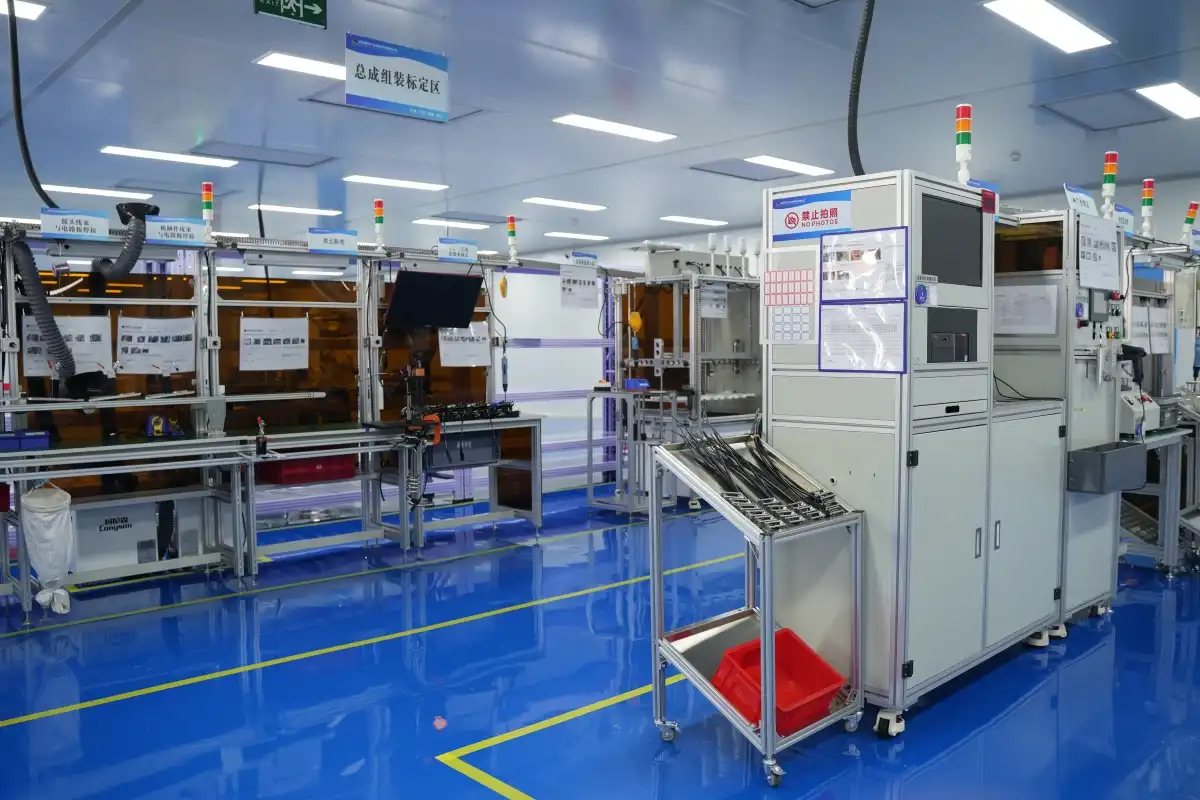
How Pressure Sensors Work
Pressure measurement technology depends on turning physical force into an electrical output that can be measured. When the diaphragm bends, capacitive sensors pick up on changes in the dielectric spacing. On the other hand, piezoelectric sensors make voltage when they are mechanically stressed. Different types of strain gauges measure changes in resistance as sensing elements bend under pressure. Although these rules are the same for all kinds of sensors, the accuracy and life of a sensor depend on the material it is made of and how it is built.
Standard Pressure Sensors: Broad Application Scope
Standard industrial sensors work great in HVAC systems, hydraulic circuits, pneumatic controls, and keeping an eye on processes in general. They keep an eye on lines for refrigerants, compressed air, water distribution networks, and manufacturing equipment that doesn't have to deal with a lot of chemicals that can damage it. Their flexibility comes from designs that save money by using standard electrical lines and housings made of stainless steel. Temperature adjustment usually works from -20°C to 85°C, which is good for climate-controlled rooms or mild outdoor setups.
Urea Pressure Sensors: Specialized for SCR Systems
Diesel exhaust aftertreatment needs sensors that can handle DEF's corrosive nature—it's a 32.5% urea solution in water that breaks down at high temperatures into ammonia. We make these devices with titanium or special polymer-wetted parts that can't be damaged by ammonia. Better sealing stops crystallisation around sensing elements, and longer temperature compensation (-40°C to 125°C) handles thermal cycling in the engine bay. Electrical architectures use automotive-grade connectors that meet standards for vibration and moisture intrusion, which are important for mobile equipment.
Key Differences Between Urea and Standard Pressure Sensors
Different technical features have direct effects on the choice of sensors, the costs over their lifetime, and the reliability of the system in a variety of operational situations.
Chemical Resistance and Material Engineering
As DEF moves through dosing systems, ammonia, crystalline deposits, and changes in pH are always present on urea sensors. Titanium diaphragms and FFKM (perfluoroelastomer) seals are much more resistant to chemical breakdown than the usual 316L stainless steel used in sensors. Standard versions work fine with mineral oils, water, or air, but they quickly break down when they come into contact with ammonia, with membrane pitting and seal swelling happening within weeks.
Calibration Stability and Drift Characteristics
In order to meet EPA emission standards, urea sensors must keep their accuracy within ±2% over the course of their useful life, even though crystal growth and heat stress can affect the detecting elements. To stop drift, we use advanced temperature adjustment methods and multi-point factory calibration, pressure sensor integration further compensates for urea-pump induced back-pressure variations that distort acoustic readings. Standard sensors usually claim to be accurate to within ±1% in controlled conditions, but they aren't as tough in harsh environments, which is needed for SCR uses where recalibration might not be possible in the field.
Operating Temperature Range and Thermal Cycling
In diesel engine compartments, sensors are exposed to huge differences in temperature, from below zero for cold starts to 120°C for continuous use. Urea sensors have designs that are resistant to heat shock and use materials with the same coefficient of expansion to keep stress cracks from happening. Standard sensors that are approved for mild temperature ranges (-20°C to 85°C) fail to seal properly when frequently cycled beyond their design limits. This means that they can't be used in cars or heavy machinery.
Electrical Architecture and Diagnostic Capabilities
Modern urea sensors have built-in diagnostics that work with OBD-II protocols. They give fault codes for numbers that are too high or too low, circuit problems, or sensor wear and tear. This feature lets you do predictive maintenance and find the source of an emission system fault. Standard sensors usually send analogue signals (4-20mA or 0-5V) and don't have any self-diagnostic features, so failures have to be found by someone outside the sensor. This is a big problem in situations where sensor faults that aren't found can lead to regulatory violations or equipment damage.
Procurement Considerations for B2B Clients
To do effective buying, you need to weigh technical requirements against total cost of ownership, source capability, and paperwork that shows you follow the rules.
Application Environment Assessment
Buying managers should sort needs into groups based on how dangerous chemicals are, how much vibration there is, and what the law says. Heavy truck makers who want to use China VI or EPA 2010+ aftertreatment need to make sure their urea sensors are certified and have been tested for ammonia resistance and thermal cycling. Standard industrial sensors that meet basic accuracy and pressure range requirements without adding extra chemical resistance features can save makers of generator sets or HVAC workers money by keeping an eye on clean fluids.
Evaluating Supplier Technical Capabilities
The best sensor makers give detailed datasheets that list wetted materials, adjusted temperature ranges, burst pressure rates, and EMI immunity levels. Ask for independent test reports that back up claims of chemical compatibility. Studies that expose sensors to concentrated DEF at high temperatures and speed up the ageing process show better long-term reliability than marketing literature. We keep our ISO/TS 16949 certification and put our products through strict quality tests that are in line with OEM standards for the car industry. This makes sure that each batch is the same, which is very important for mass production.
Total Cost Analysis Beyond Unit Price
"At first, normal sensors may be 40–60% cheaper than specialised urea versions, but the lifecycle economics change a lot when you look at how often they need to be replaced and how much it costs to have them down. A $180 urea sensor that works for 8,000 hours is better than a $75 basic sensor that stops working after 2,000 hours of DEF service.
Warranty terms are very important. Look for providers that offer at least two years of coverage on urea sensors, with clear repair standards for early failures caused by design flaws rather than improper use. Pressure sensor reliability is also a key factor here, because a failing pressure sensor can mimic urea sensor degradation and trigger false fault codes, leading to unnecessary replacements and added downtime."

Lead Times and Inventory Strategies
Standard sensors are usually available within two to four weeks for common pressure ranges and output setups. Large dealer networks make emergency purchases easier. For customised electrical connections or pressure ranges, specialised urea sensors can take 6–10 weeks, which makes forecasting very important. Aftermarket suppliers that work with repair shops should keep a safety stock of high-turnover SKUs for common engine platforms to keep equipment running as much as possible when something goes wrong.
Real-World Case Studies and Use Cases
Real-world examples show how choosing the right sensors has a direct effect on how well operations run and how much they cost.
Automotive SCR Systems: Mission-Critical Reliability
As a Class 8 truck maker moved to the EPA's 2027 emission rules, urea sensors started to fail, which led to DEF system problems and engine derailments. When industrial-grade sensors were first tested, 18% of them failed in the field within the first year because of damage from ammonia corrosion and thermal cycling. When failure rates dropped to 0.8% by using automotive-qualified urea sensors with titanium sensing elements and better sealing, warranty claims stopped and regulatory compliance goals were met. Temperature adjustment methods kept their accuracy within ±1.5% from -40°C to 125°C, making sure that the right amount of DEF was added in all situations.
HVAC Systems: Cost-Effective Standard Solutions
A company that manages business buildings keeps an eye on the difference in pressure between the filters in air handling units to make sure that repair plans and energy use are as efficient as possible. Standard capacitive sensors measuring 0–250 Pa gave accurate readings in mechanical rooms with controlled temperatures and little chemical contact.
The low price of $95 per unit and easy 4-20mA connection with building control systems made it a great deal. It didn't need any special materials or long-term temperature compensation. Over five-year service intervals, calibration stability stayed within ±2%, meeting performance expectations while keeping costs down.
Generator Set Applications: Balancing Durability with Compatibility
When mining companies put diesel generator sets in remote areas, they need strong tracking equipment that can handle dust, shaking, and changes in temperature. At a cost of $120 each, industrial-grade sensors made of stainless steel and IP67 ingress protection worked well enough to keep an eye on fuel system pressure or coolant channels.
For Tier 4 Final compliance, however, adding SCR aftertreatment meant upgrading to specialised urea sensors with proven ammonia resistance and automotive-grade connectors, even though they cost $195 each. This was necessary because standard sensor failures in DEF service led to unplanned maintenance that needed an expensive helicopter to be sent to the site. Additionally, integrating a pressure sensor into the urea delivery line helps detect blockages or pump malfunctions early, reducing the risk of false ammonia dosing errors that could otherwise trigger costly emergency callouts.
Summary and Best Practices for Choosing Between Urea and Standard Pressure Sensors
Instead of just going with the cheapest choice when choosing the right instruments, you should match the sensor's abilities to the needs of the environment and the results you expect. When making technical decisions about acidic fluids, chemical compatibility should come first. Urea sensors should be required for DEF systems, even if they cost more at first.
The temperature range must include the worst possible operating conditions, such as cold starts and high loads that last for a long time. Purchasing managers should check the certification paperwork, such as IATF 16949 for car uses, UL labels for North American installs, and ATEX compliance for dangerous areas when needed.
During the integration phase, the technical support capabilities of the supplier are very important, especially when customising electrical interfaces or changing mounting configurations. New digital communication methods, such as CANbus integration and wireless tracking, offer better diagnostic features that should be looked at for new equipment designs.
However, analogue outputs are still commonly used for retrofitting. It's easier to find a balance between performance needs and budget limits when you look at the total lifetime costs instead of just the purchase price. These costs include how often the product needs to be replaced, how often it needs to be calibrated, and how much time it takes to fix when it breaks.
Conclusion
The main difference between urea pressure sensors and regular pressure sensors is how well they handle chemicals, heat, and technical changes made for specific uses. Urea sensors are very durable and are needed in SCR aftertreatment systems, where ammonia and high temperatures would quickly break down regular designs. Standard sensors, on the other hand, are cheap and work well for general industrial monitoring tasks.
Before finalising sensor specs, we suggest that procurement teams do thorough application studies that take into account things like fluid chemistry, working temperatures, vibration profiles, and regulatory requirements. Partnering with experienced sellers who offer full technical support and proven approval credentials is the best way to make sure that your tools will work well and save you money in the long run.
FAQ
Can standard pressure sensors be used in diesel exhaust urea dosing systems?
Standard sensors don't have the chemical resistance needed for DEF service. When exposed to ammonia, they will corrode, lose their seals, and lose their calibration more quickly. This substitution runs the chance of emission systems not working right, not following the rules, and having to be replaced too often, which cancels out any cost saves at first.
What temperature compensation differences exist between sensor types?
Urea sensors have expanded compensation algorithms that work from -40°C to 125°C. These algorithms take into account how sensing elements and electrical parts expand and contract when working with diesel engines. Standard versions usually adjust for temperatures between -20°C and 85°C, which is fine for climate-controlled spaces but not for mobile equipment that has to deal with high temperatures and engine bay heat.
Which datasheet parameters matter most when evaluating suppliers?
Specifications for accuracy across the compensated temperature range, wetted material makeup (titanium vs. stainless steel), burst pressure ratings, response time features, and guarantee terms make it easy to compare products in an objective way. Instead of relying only on marketing claims, get third-party chemical compatibility testing records and thermal cycling validation reports. This is especially important for mission-critical applications where failures too soon can have big effects on operations.
Partner with Qintai for Reliable Pressure Sensor Solutions
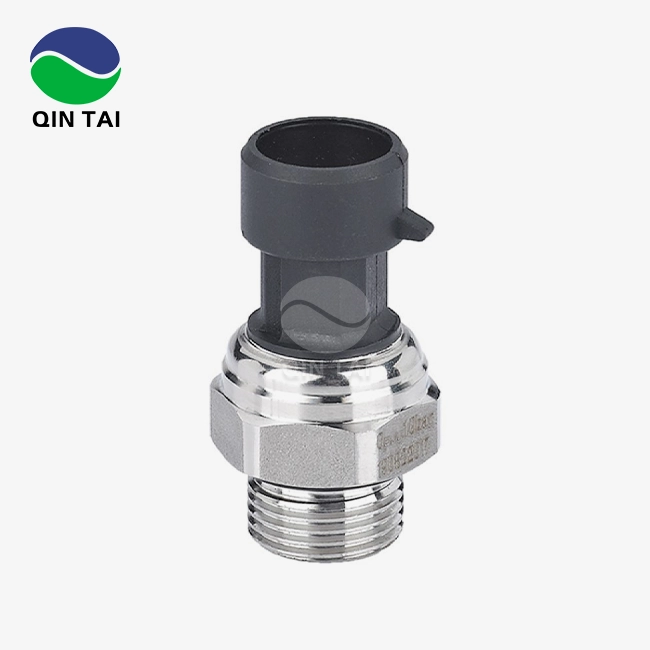
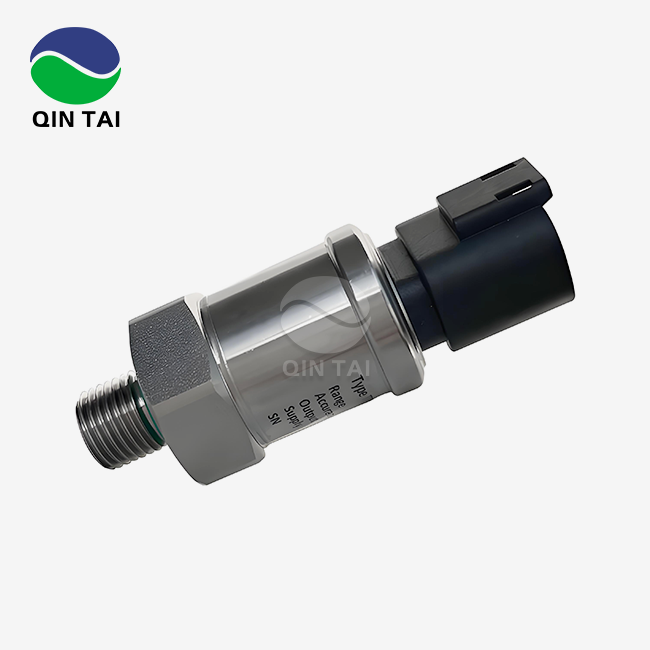
Xi'an Qintai Automotive Emission Technology Co. Ltd delivers precision-engineered instrumentation meeting the demanding requirements of diesel aftertreatment systems and industrial applications worldwide. Our urea pressure sensor product line features titanium wetted components, automotive-grade connectors, and comprehensive temperature compensation, ensuring reliable performance in SCR systems serving heavy trucks, construction equipment, agricultural machinery, and generator sets.
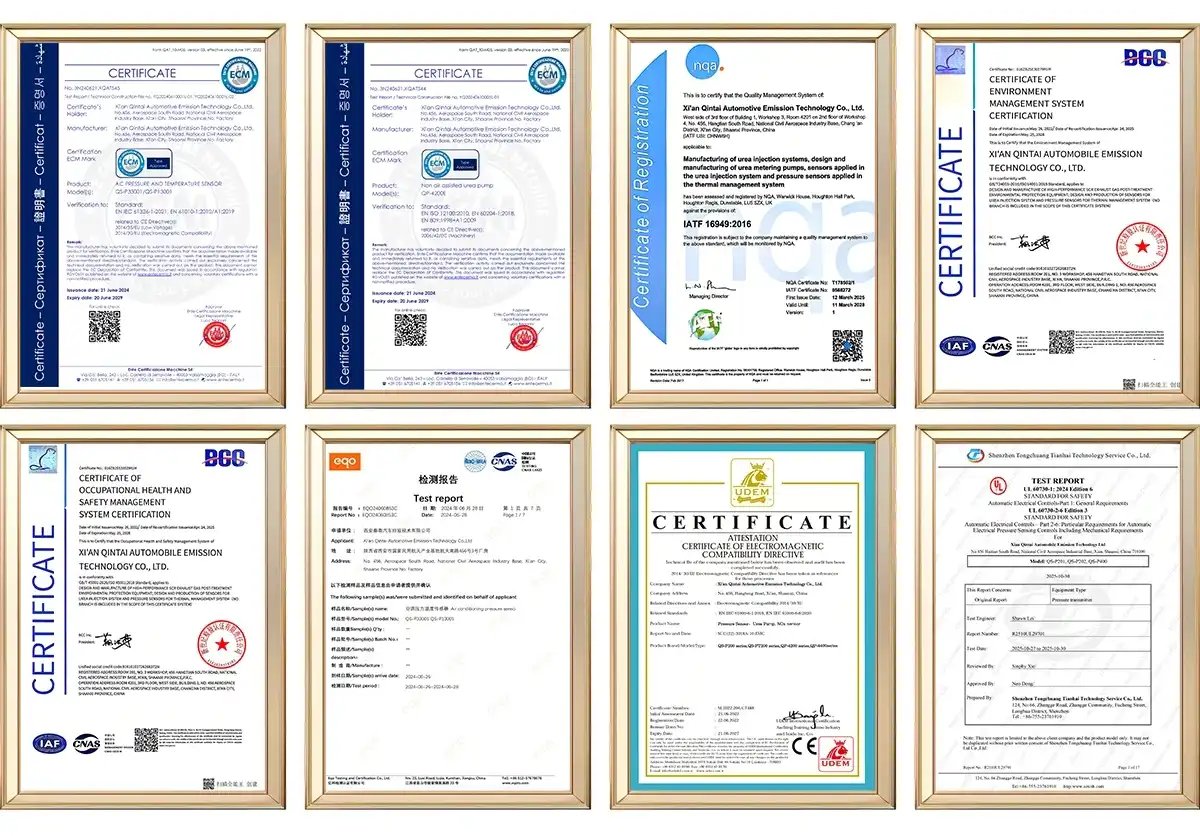
With IATF 16949 certification and 58 invention patents reflecting continuous innovation, we serve as the leading pressure sensor supplier to China's major diesel engine manufacturers including Weichai, Yuchai, and Quanchai Power. We offer flexible OEM/ODM customization, competitive pricing for volume procurement, and responsive technical support throughout integration and production phases. Whether you're upgrading existing aftertreatment architectures or designing next-generation emission control systems, our engineering team provides application-specific consultation ensuring optimal sensor selection and performance.
Contact info@qt-sensor.com to discuss your pressure monitoring requirements, request detailed product datasheets, or schedule factory qualification audits. Visit qt-sensor.com to explore our comprehensive instrumentation portfolio backed by two decades of emission control expertise and global distribution reaching over 60 countries.
References
1. Anderson, M., & Peterson, R. (2021). "Chemical Resistance of Pressure Sensing Materials in Automotive Urea Applications." Journal of Automotive Engineering, 235(8), 2156-2168.
2. Chen, L., Wu, H., & Zhang, Y. (2022). "Temperature Compensation Techniques for High-Precision Pressure Sensors in Diesel Exhaust Systems." Sensors and Actuators A: Physical, 338, 113-127.
3. European Automobile Manufacturers Association. (2020). "Sensor Reliability Requirements for Euro VI Emission Control Systems." ACEA Technical Report TR-2020-15.
4. Kumar, S., & Hoffman, J. (2023). "Lifecycle Cost Analysis of Industrial Pressure Sensors: Specialized vs. General-Purpose Designs." Industrial Instrumentation Quarterly, 47(2), 89-104.
5. National Institute of Standards and Technology. (2019). "Calibration and Measurement Uncertainty for Pressure Transducers." NIST Special Publication 250-98.
6. Schmidt, T., Bauer, K., & Fischer, M. (2021). "Material Selection for Ammonia-Resistant Pressure Sensors in SCR Systems." Materials Science and Engineering: B, 273, 115-129.

Our customers’ satisfaction speaks for our quality — contact us to experience the same reliable service.