- English
- French
- German
- Portuguese
- Spanish
- Russian
- Japanese
- Korean
- Arabic
- Greek
- German
- Turkish
- Italian
- Danish
- Romanian
- Indonesian
- Czech
- Afrikaans
- Swedish
- Polish
- Basque
- Catalan
- Esperanto
- Hindi
- Lao
- Albanian
- Amharic
- Armenian
- Azerbaijani
- Belarusian
- Bengali
- Bosnian
- Bulgarian
- Cebuano
- Chichewa
- Corsican
- Croatian
- Dutch
- Estonian
- Filipino
- Finnish
- Frisian
- Galician
- Georgian
- Gujarati
- Haitian
- Hausa
- Hawaiian
- Hebrew
- Hmong
- Hungarian
- Icelandic
- Igbo
- Javanese
- Kannada
- Kazakh
- Khmer
- Kurdish
- Kyrgyz
- Latin
- Latvian
- Lithuanian
- Luxembou..
- Macedonian
- Malagasy
- Malay
- Malayalam
- Maltese
- Maori
- Marathi
- Mongolian
- Burmese
- Nepali
- Norwegian
- Pashto
- Persian
- Punjabi
- Serbian
- Sesotho
- Sinhala
- Slovak
- Slovenian
- Somali
- Samoan
- Scots Gaelic
- Shona
- Sindhi
- Sundanese
- Swahili
- Tajik
- Tamil
- Telugu
- Thai
- Ukrainian
- Urdu
- Uzbek
- Vietnamese
- Welsh
- Xhosa
- Yiddish
- Yoruba
- Zulu
Common Pressure Ranges Used in Urea Dosing Pressure Sensors
Understanding the working pressure range of a urea dosing pressure sensor is a basic technical requirement for choosing parts for current diesel emission control systems. Sensors like these usually work in measurement ranges from -14 psi (vacuum conditions) to about 130 psi, but different uses may need different ranges. The sensor keeps an eye on the hydraulic pressure in the Diesel Exhaust Fluid (DEF) supply circuit, which is made up of the dosing pump and the injector tip.
It sends constant information to the Engine Control Unit. This pressure information lets you precisely control the amount of urea that is injected into the exhaust stream. This has a direct effect on how well NOx is reduced and on meeting pollution standards like the EPA 2010, Euro VI, and China VI rules.
Understanding Urea Dosing Pressure Sensors and Their Functions
A urea dosing pressure sensor is the main way that SCR aftertreatment designs get input. The device sends analogue voltage signals to the Dosing Control Unit, usually between 0.5 and 4.5 VDC ratiometric output, while measuring fluid pressure in real time. This way of working depends on piezo-resistive or capacitive sensing elements that very accurately turn mechanical pressure into electrical signals.
Core Operating Principles
The sensing elements in these gadgets react to changes in pressure that happen when the dosing pump pulses and injects urea solution. The pump forces urea solution from the tank through feed lines and into the injector when the SCR system turns on. The pressure is constantly checked by the sensor, which lets the control unit change the pump speed, injection timing, and dosing volume on the fly. The closed-loop control stops under-dosing, which leads to NOx breakthrough and compliance failures, and over-dosing, which causes ammonia slip and urea crystallization.
Key Performance Benefits
Accurate pressure tracking has many benefits for operations that go beyond meeting emission standards. The sensor keeps expensive SCR parts safe by finding blocks, leaks, and broken pumps before they do a lot of damage to the system. When pressure readings don't match what should be expected, diagnostic trouble codes let operators know that service is needed, which avoids unplanned downtime. Procurement managers like this predictive maintenance feature because it lowers the total cost of ownership by making parts last longer and figuring out the best time to service them.
Integration with Modern Diesel Platforms
These monitors are built in as standard on new heavy-duty diesel engines from companies like Cummins, Detroit Diesel, and Caterpillar. The devices work perfectly with J1939 CAN bus protocols and OBD-II diagnostic systems, so fleet management platforms can see exactly what's going on with the systems. This ability to integrate is very important for OEM engineers working on the next generation of powertrains and aftertreatment system developers creating retrofit solutions for vehicles that are already on the road.
Common Pressure Ranges Used in Urea Dosing Pressure Sensors
For urea dosing, the pressure measurement spectrum changes a lot depending on the engine displacement, duty cycle, and SCR system architecture. Knowing these ranges helps procurement experts match the capabilities of sensors to the needs of specific operations.
Standard Measurement Ranges
During active dosing cycles, most industrial SCR systems work within pressure ranges of 5 to 10 bar, which is about 72 to 145 psi. Light-duty diesel engines like those in pickup trucks and delivery cars usually need sensors that can handle lower pressures, usually between 0 and 10 bar. Heavy-duty applications like Class 8 trucks, building equipment and fixed generator sets need sensors that can handle 0 to 20 bar so they can handle higher flow rates and longer injection times.
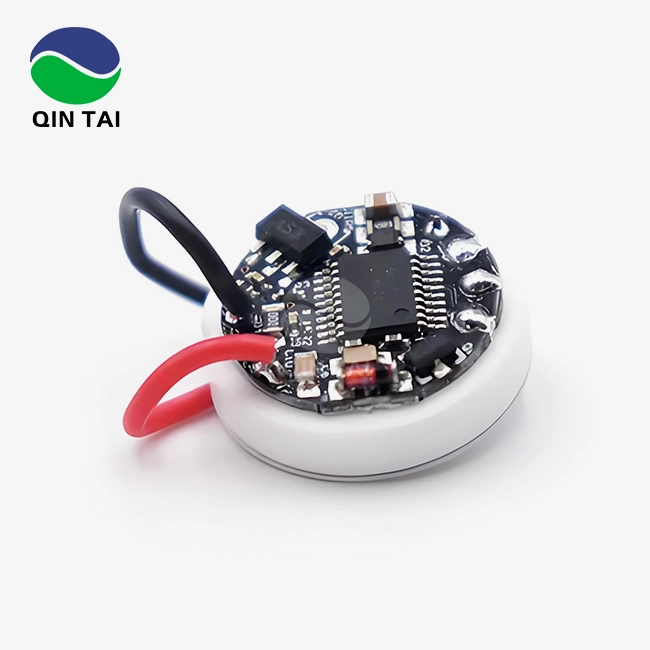
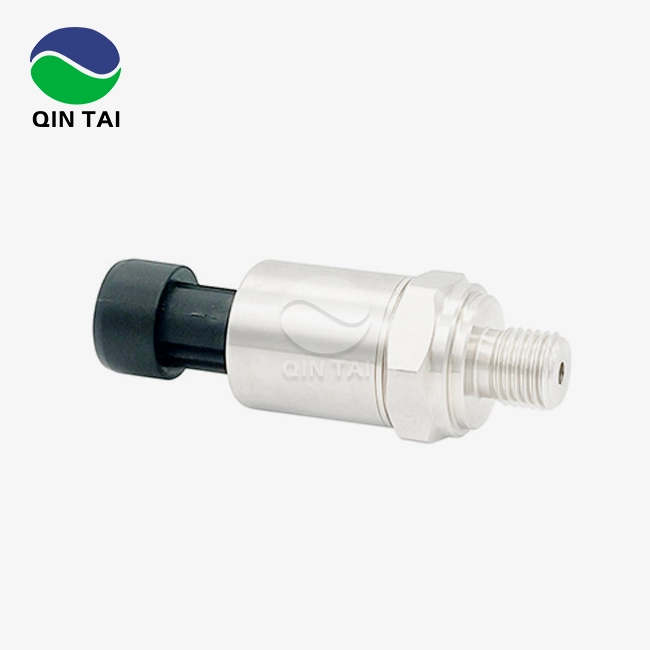
The measurement range of the Qintai QS-P226 model is -14 psi to +130.5 psi, which is in line with industry standards. This range can handle both vacuum conditions that may happen during system purging and high pressures that are created during maximum dosing events, and it integrates the Urea dosing pressure sensor to continuously monitor these fluctuations. The ability to measure negative pressure is especially useful during cold-start conditions, when supply line air pockets can briefly cause vacuum states.
Application-Specific Considerations
The type of engine has a big effect on the pressure needs. When turbocharged engines recirculate a lot of waste gas, they create a lot of backpressure, which changes how the urea injection works. Extreme temperature changes from -40°F to 140°F affect off-road vehicles that work in mining, forestry, and agriculture. This means that sensors need to be able to work in a wider range of temperatures and be more stable at high temperatures.
The viscosity and vapor pressure of urea solution are also affected by temperature. When it gets cold, around 12°F, DEF starts to crystallize, which could cause pressure spikes when the system starts up again. On the other hand, temperatures above 86°F raise the solution vapor pressure, which changes the amount of fluid that is given per injection pulse. High-quality sensors have temperature adjustment methods built in so they stay accurate across a wide range of environments.
Industry-Specific Applications
Manufacturers of construction equipment make sure that sensors can handle the heavy vibration and shock loading that excavators, loaders, and dozers can do. Fertilizers and herbicides can expose farm equipment to chemicals that can damage cheap sensor housings. Generator set uses that use prime power and continuous job cycles need sensors that can work for more than 20,000 hours without drifting or breaking down. These sensors need to be made of industrial-grade materials that are resistant to corrosion and sealing.

How to Choose the Right Pressure Range for Your Urea Dosing System
To choose the right sensor specifications, you need to carefully look at the system's features and its limitations. During the decision-making process, technical needs are weighed against procurement factors such as cost, availability, and provider skills.
Technical Assessment Criteria
First, look at the highest dosing pressure your SCR system can handle when it's fully loaded. Check the OEM's specifications for the dosing pump, the flow features of the injection nozzle, and the size of the supply line. To provide a safety margin and avoid damage from overpressure, the sensor's highest pressure rating should be at least 20% higher than its operational peaks. At the same time, you should think about how accurate you need to be. Tighter limits, like ±0.5% full-scale, give you more accurate dosing than ±2% sensors, which has a direct effect on how well emission control works.
Accuracy Versus Range Trade-offs
At some operating points, resolution can be lost when measurement ranges are wider. When both devices use the same analog-to-digital conversion architecture, a sensor rated 0 to 30 bar has a lower resolution than a device rated 0 to 10 bar. A narrower-range sensor gives more accurate feedback in situations where dosing mostly happens between 5 and 8 bar. Instead of choosing too broad of specifications, technical managers should fit the features of the sensor to the real working area.
Supplier Evaluation Factors
Buying decisions include more than just the specifications of the product. They also include what the supplier can do. Evaluate manufacturers in a number of ways, including:
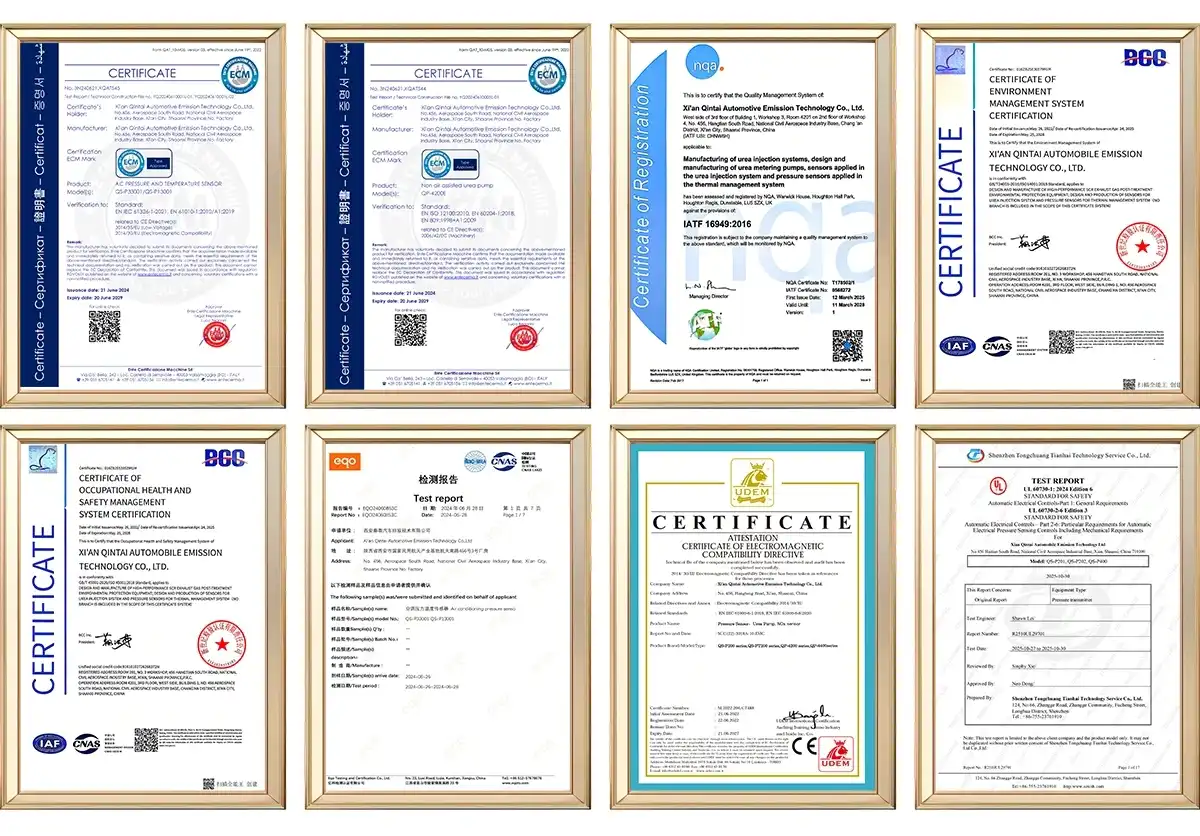
Certification credentials are very important. Strong quality control systems are shown by ISO9001 and IATF16949 certifications. Product-level certifications like REACH, RoHS, and CE show that the product meets the rules for foreign markets. With these certifications and approvals from CMC, Ex, and UL, Xi'an Qintai is ready to serve a wide range of global markets. Urea dosing pressure sensor compliance is also covered under these same quality and product-level frameworks, ensuring that even critical emission-control components meet rigorous international standards.
Customization capabilities let devices be made to fit specific needs. OEM partnerships can benefit from suppliers who offer a variety of electrical connections, mounting options, and measured pressure ranges. With an R&D team of 86 people and 58 invention patents, Qintai has a lot of technical depth that lets them support custom development projects that go beyond catalogue goods.
Production capacity supply chain dependability is based on production potential. When a company like Qintai makes more than two million units a year, it can consistently meet large-volume needs while keeping quality standards high thanks to economies of scale. Supply chain managers give more weight to sellers that can show they can make things in larger quantities without affecting delivery times when demand goes up.
Maintaining and Troubleshooting Pressure Ranges in Urea Dosing Sensors
For sensors to keep working well, they need to be maintained regularly and have a set way of fixing problems when they happen. Maintenance teams can keep up with pollution rules and minimize downtime by knowing how common failure modes work.
Preventive Maintenance Practices
As part of regular system checks, the integrity of the sensor mounting should be visually checked, as well as the condition of the electrical connectors and any signs of urea leakage around the sealing surfaces. The main cause of degradation is contamination; crystallized urea deposits on the sensing diaphragm lead to changes in the pressure reading and eventually failure. Implementing procedures for refilling tanks with high-purity DEF that meets ISO 22241 standards stops the buildup of impurities that speed up sensor fouling.
Regular service checks that the calibration is still correct ensures that the accuracy of the measurements stays within the limits set. Field technicians can check sensor output against known pressure inputs using portable pressure calibrators that provide reference standards. Finding early signs of calibration drift lets replacement happen before emission test failures happen.
Common Malfunction Symptoms
When the pressure values are off and the signal changes quickly, it's usually because of a problem with the electrical link or damage to the diaphragm inside the sensor. The P204B error code specifically points out problems with the range or performance of the pressure sensor circuit. These problems are usually caused by signal wire corrosion or contaminated connector pins. Good sensors, like the QS-P226, have gold-plated connections that keep them from oxidizing, which can cause electrical contact to break down.
If the pressure number stays high or low even though the engine load changes, it could mean that a monitor is broken or there are problems with the mechanical system. When readings are consistently low, it could mean that there are leaks, failed pump check valves, or sensor measurement drift. Readings that are abnormally high could mean that the supply line is blocked or that the pump is under too much pressure. Systematic troubleshooting includes checking the voltage output from sensors against what is expected at certain pressure points listed in service guides.
Replacement Decision Criteria
When doing an economic analysis, you should compare the costs of repair to the costs of replacement and think about how much downtime will cost. If sensors lose accuracy by more than ±2% full-scale, they need to be replaced to keep emission compliance gaps. When systems get close to 15,000 hours of operation—which is how long a normal sensor lasts—it's better to change the sensors before they break during planned maintenance windows than to wait until they break while the system is running.
The Qintai QS-P226 comes with a 12-month warranty that covers problems with the way it was made. This protects buyers while the device is being tested in the real world. This warranty period, along with 100% factory testing, lowers the risk of deployment for large-scale projects involving fleets of vehicles or groups of equipment.
Leading Brands and Procurement Options for Urea Dosing Pressure Sensors
There are both well-known car suppliers and specialized aftertreatment technology companies in the world market for SCR components. Knowing what your competitors are giving lets you make smart buying choices that meet your technical needs and your budget.
Major Market Participants
Bosch has a big presence in the market thanks to its OEM partnerships with European truck makers, which allow it to sell sensors that are made to last in harsh conditions. Their devices usually work well with electromagnetic fields and don't get messed up by electrical signals in current car designs.
Delphi Technologies knows how to fully integrate SCR systems and places their pressure sensors in full dosing module kits that make it easier for OEMs to install and service these systems. Urea dosing pressure sensor performance is a critical factor in both approaches, as accurate pressure measurement directly affects NOx reduction efficiency and system reliability across all SCR applications.
Continental makes sensors by using its experience with car electronics gained from working on many different vehicle systems. Their products focus on digital communication methods like SENT (Single Edge Nibble Transmission), which are better at diagnosing problems than standard analogue voltage outputs. Japanese quality standards are brought to the market by Denso, which is especially strong in Asian OEM supply chains and aftermarket distribution networks in Southeast Asia and Oceania.
Emerging Suppliers and Value Propositions
Xi'an Qintai shows how far China has come in developing equipment for controlling emissions. Qintai began as a national high-tech company in 2001 and has grown from a seller of parts to a full-service provider of SCR systems. The fact that the company is the main OEM provider to Weichai Power, Yuchai Power, and Quanchai Power—China's three biggest diesel engine makers—shows that it can deliver quality products on a large scale. This success in the domestic market gives manufacturers the experience and cost structure they need to go global in a competitive way.
Qintai's own sensor core technology gets rid of the need to import sensing elements. This protects the supply chain, which is becoming more important in trade settings where global uncertainty is high. Vertically integrated production keeps costs low, which is important for price-sensitive markets, while keeping quality high from the raw materials to the final tests. When procurement managers have to balance budgets and specifications, this value equation should be given a lot of thought. This is especially true when a 12-month warranty and quick technical support lower the perceived risks that come with new companies entering the market.
Procurement Strategy Considerations
OEM buyers care about a steady supply of parts, a high level of expert support, and relationships for collaborative development that go beyond just buying parts. Suppliers who show they have invested in research and development, a collection of patents, and application engineering tools get priority for platform projects that last for more than one production year. Buyers in the aftermarket put a lot of weight on broad cross-reference compatibility, inventory availability, and reasonable price that helps service businesses make money.
When there are supply problems, bulk buying deals with tiered volume rates make sure that allocation is protected while lowering the cost per unit. Having relationships with suppliers in different parts of the world lowers the chance that natural disasters, political unrest, or pandemics will cause problems in the region. Dual-sourcing strategies weigh the benefits of reducing risk against the difficulty of managing relationships with multiple suppliers and the possibility of having different part specifications.
Conclusion
Being able to measure pressure is essential for an SCR system to work well and meet emission standards. Procurement experts can choose sensors that meet operational needs exactly when they understand the technical details of measurement ranges, accuracy standards, and application requirements. The normal pressure varies from -14 psi to 130 psi, which cover most diesel uses, from light-duty vehicles to heavy industrial equipment.
As emission rules continue to get stricter around the world and enforcement methods get stronger, the strategic value of accurate pressure sensing also increases. Urea dosing pressure sensor reliability becomes a cornerstone of compliance, as even minor deviations in dosing pressure can lead to failed emissions tests and costly penalties. By working with highly skilled providers who offer proven quality, customization options, and quick support, businesses can meet current needs and be ready for how regulations will change in the future.
FAQ
What pressure range is most common for commercial vehicle applications?
Sensors with a reading range of 0 to 10 bar (0 to 145 psi) are usually used in commercial trucks and buses. This specification allows for normal dosing pressures of 5 to 8 bar while also leaving room for short-term pressure spikes that can happen during injections and changes in temperature.
How does operating pressure affect sensor lifespan?
Continuous use at or near the maximum allowed pressure speeds up mechanical wear and tear in sensing diaphragms, which could lower their service life below the normal 15,000 to 20,000 hours. By reducing mechanical stress, choosing sensors with pressure ratings 20% to 30% higher than normal operating conditions makes them last longer.
Can sensors be customized for non-standard pressure ranges?
Some reputable companies, like Qintai, offer customization services for specific uses that need different pressure ranges, electrical connections, or mounting arrangements. Custom development usually has minimum order amounts and longer wait times than catalogue goods. This is why involving suppliers early on in the planning process is so important.
Partner With Qintai for Reliable Urea Dosing Pressure Sensor Solutions
The engineers at Qintai have been working on emission control for 20 years and bring that experience to every relationship with a customer. Our QS-P226 urea dosing pressure sensor blends core technology that we created ourselves with strict quality standards that have been proven by working with China's top diesel engine makers. The measuring range of -14 psi to +130.5 psi, accuracy of ±0.5%, and strong environmental protection meet the strict needs of modern SCR systems in heavy trucks, construction equipment, farm machinery, and generator sets.
We are a certified supplier with ISO9001, IATF16949, and other international regulatory approvals. We help OEMs with their development programs and aftermarket distribution networks, and we can make more than two million units a year. Get in touch with our technical experts at info@qt-sensor.com to talk about your unique needs and find out why procurement professionals all over the world trust Qintai as their urea dosing pressure sensor maker.
References
1. Society of Automotive Engineers (SAE), "Recommended Practice for Selective Catalytic Reduction Systems in Diesel Engines," SAE J2906, 2018.
2. International Organization for Standardization, "Diesel Engines - NOx Reduction Agent AUS 32 - Part 1: Quality Requirements," ISO 22241-1, 2019.
3. Environmental Protection Agency, "Control of Air Pollution from New Motor Vehicles: Heavy-Duty Engine and Vehicle Standards and Highway Diesel Fuel Sulfur Control Requirements," Federal Register 66 FR 5002, 2001.
4. Dieselnet Technology Guide, "Selective Catalytic Reduction: System Components and Control Strategies," Revision 2021.08, Ecopoint Inc.
5. Johnson, Timothy V., "Diesel Emission Control in Review," SAE International Journal of Engines, Volume 4, Issue 1, 2011, pp. 143-157.
6. European Commission, "Regulation (EC) No 595/2009 on Type-Approval of Motor Vehicles and Engines with Respect to Emissions from Heavy Duty Vehicles (Euro VI)," Official Journal of the European Union, 2009.

Our customers’ satisfaction speaks for our quality — contact us to experience the same reliable service.