- English
- French
- German
- Portuguese
- Spanish
- Russian
- Japanese
- Korean
- Arabic
- Greek
- German
- Turkish
- Italian
- Danish
- Romanian
- Indonesian
- Czech
- Afrikaans
- Swedish
- Polish
- Basque
- Catalan
- Esperanto
- Hindi
- Lao
- Albanian
- Amharic
- Armenian
- Azerbaijani
- Belarusian
- Bengali
- Bosnian
- Bulgarian
- Cebuano
- Chichewa
- Corsican
- Croatian
- Dutch
- Estonian
- Filipino
- Finnish
- Frisian
- Galician
- Georgian
- Gujarati
- Haitian
- Hausa
- Hawaiian
- Hebrew
- Hmong
- Hungarian
- Icelandic
- Igbo
- Javanese
- Kannada
- Kazakh
- Khmer
- Kurdish
- Kyrgyz
- Latin
- Latvian
- Lithuanian
- Luxembou..
- Macedonian
- Malagasy
- Malay
- Malayalam
- Maltese
- Maori
- Marathi
- Mongolian
- Burmese
- Nepali
- Norwegian
- Pashto
- Persian
- Punjabi
- Serbian
- Sesotho
- Sinhala
- Slovak
- Slovenian
- Somali
- Samoan
- Scots Gaelic
- Shona
- Sindhi
- Sundanese
- Swahili
- Tajik
- Tamil
- Telugu
- Thai
- Ukrainian
- Urdu
- Uzbek
- Vietnamese
- Welsh
- Xhosa
- Yiddish
- Yoruba
- Zulu
How Aftertreatment Dosing Units Improve Emission Control
By precisely injecting Diesel Exhaust Fluid (DEF) into SCR systems, Aftertreatment Dosing Units change the way emissions are controlled and cut nitrogen oxide (NOx) emissions by up to 90%. These high-tech units have pumps, pressure monitors, and control electronics that work with engine ECUs to make sure that dosing changes are made in real time. The technology solves important problems with following Euro VI and EPA Tier 4 Final rules, which keeps businesses from having to pay expensive fines or limit their operations. These units keep the best reductant distribution across a wide range of load conditions by using advanced metering accuracy and adaptable flow control. This directly helps heavy-duty vehicles and industrial equipment meet strict environmental requirements without sacrificing performance.
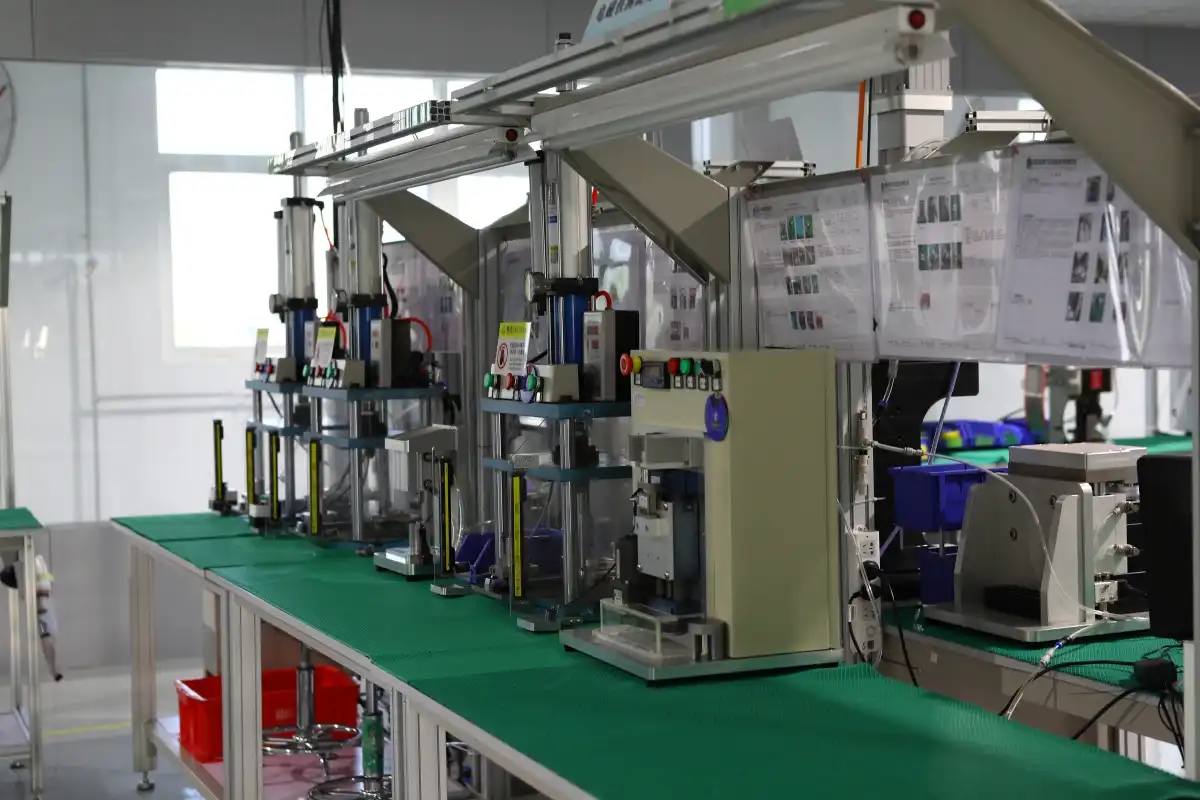
Understanding Aftertreatment Dosing Units and Their Role in Emission Control
Aftertreatment Dosing Units are used in modern diesel engines to change dangerous waste gases into safe substances. When the Aftertreatment Dosing Unit adds a limited amount of AdBlue to the hot exhaust stream before the SCR catalyst, the chemical reaction starts. This sets off a thermolytic process that turns the urea solution into ammonia. Ammonia then mixes with nitrogen oxides to make nitrogen gas and water vapor. The whole process needs to be done with millisecond accuracy because the wrong amount can cause either too little NOx reduction or too much ammonia slip, which are both reasons why compliance fails.
Core Components and Working Principles
The Aftertreatment Dosing Unit design is made up of several parts that rely on each other and work together. A high-pressure pump takes DEF from the holding tank and pumps it up to 5 to 9 bar of pressure, based on the needs of the job. The under-pressured fluid moves through warming lines to keep it from freezing during operations in cold weather. It then gets to the injector nozzle, which breaks up the solution into tiny drops. The urea dosing pressure monitor, temperature probes, and NOx sensors send data to electronic control modules that figure out the best amount of urea to inject. This closed-loop device changes the dosing rates all the time based on the temperature of the exhaust, the load on the engine, and real-time measures of the emissions.
Integration with SCR Systems
The catalytic substrate is what makes SCR technology work. This is where the chemical reduction happens, but the Aftertreatment Dosing Unit controls how well the reaction works. The mixing quality and stay time are affected by where the entry point is placed in relation to the catalyst. When engineers build these systems, they have to think about how the exhaust flow will work and make sure that the urea solution has enough time and heat to break down before it reaches the catalyst surface.
When integration isn't done right, urea crystallizes on exhaust lines or catalysts get clogged, which both lowers system performance and raises maintenance costs. Aftertreatment Dosing Units that are of good quality have improved spray patterns and thermal control features that stop these failure modes from happening, even when the working conditions are very harsh.
Emission Reduction Efficiency and Compliance
Over the past ten years, pollution limits have been greatly reduced by governments around the world. Euro VI standards say that NOx pollution must be less than 0.4 g/kWh, and EPA rules are very strict too. To reach these goals, doses must be accurate to within ±2% across the whole working range. Modern Aftertreatment Dosing Units always work at this level of accuracy because they use piezoelectric injectors and MEMS-based pressure monitors. The information these sensors give us lets predictive maintenance programs warn workers before a part's wear and tear affects its ability to release pollutants, which keeps fleets from breaking the rules and getting fined.

Common Challenges and Solutions in Aftertreatment Dosing Unit Operation
There are a lot of technical issues that come up when running diesel aftertreatment systems, which directly affects how well pollution control works. Understanding these problems and taking proactive steps to solve them is what sets high-performing fleets apart from those that have to deal with a lot of downtime and legal issues.
Dosing Inaccuracies and Root Causes
Several technical and electrical issues can lead to incorrect release of DEF. Over time, pump wear lowers its volumetric efficiency, which makes the supplied amount move away from what was asked for. When high exhaust temperatures bake urea waste onto spray orifices, they change the spray angle and droplet size distribution. This is called injector nozzle coking. Electrical problems, like changes in power and corroded connectors, weaken signals, which makes the ECU's dosing formulas less accurate. The urea dosing pressure monitor is very important for finding these problems because changes in pressure can mean that the pump is breaking down, the lines are clogged, or the injectors are getting dirty before they cause the emission test to fail.
Urea Crystallization and System Blockages
Crystallization is one of the most constant problems that SCR systems have to deal with. Urea can solidify in injectors, lines, and Aftertreatment Dosing Units if dosing happens when exhaust temps aren't high enough or if the system is turned off incorrectly. As time goes on, these crystal deposits build up and finally stop all flow paths. As a way to stop this from happening, processes are used to blow compressed air through the dosage circuit after the engine has stopped.
This gets rid of any leftover urea before it can crystallize. The heated Aftertreatment Dosing Units keep the fluid temperature above the freezing point of DEF solution, which is -11°C for a normal 32.5% concentration. This keeps the system working in cold places. When you check the Aftertreatment Dosing Unit components on a regular basis, you should look for white crystalline layers around the injection spots and make sure the heating elements are working properly.
Sensor Fault Diagnosis and Resolution
Several sensors are built into SCR systems to keep an eye on the dosing pressure, fluid temperature, tank level, and NOx levels. If these sensors fail or give wrong data, the engine control system might put the engine into limp mode or reduce its power to avoid pollution violations. The most common diagnostic trouble codes are P204B, which means the urea pressure sensor circuit isn't working right, and P20EE, which means the SCR NOx catalyst isn't working as well as it should.
To figure out what's wrong with these codes, you need to test the sensor signal levels in a planned way, make sure the wire harness isn't broken, and make sure the sensors are mounted and sealed correctly. Gold-plated electrical terminals don't rust, which can cause links to break, so there are fewer fake faults. Aftertreatment Dosing Units with sensors that have an IP69K grade for environmental protection should be given top priority by procurement teams. These sensors can handle the tough conditions around diesel exhaust systems.
Comparison of Aftertreatment Dosing Units: Selecting the Best Fit for Your Fleet
Knowing the differences between different pump designs and how they work best in different situations is important for choosing the right Aftertreatment Dosing Unit technology. The choice affects not only the initial costs of buying something, but also the costs of upkeep over time and the stability of the system.
Metering Technologies: Diaphragm vs. Gear Pumps
Diaphragm pumps use an electromagnetic or motorized device to move DEF through the system by putting pressure waves on a flexible membrane. Because the diaphragm keeps metal parts away from urea solutions, these pumps work great in situations that need moderate flow rates and good chemical compatibility. Gear pumps, on the other hand, use moving gears to create a steady flow at higher pressures. This makes them ideal for big engines that need a lot of DEF.
Gear pumps provide more constant pressure across a wider range of engine speeds, while diaphragm types tend to be quieter and better able to handle air intake. Heavy-duty building equipment that works in dusty places often needs gear pumps that are strong, while long-haul commercial trucks value diaphragm systems that are efficient and have lower parasitic losses.
Brand Comparison and Technical Support
Leading makers bring clear benefits to the market for Aftertreatment Dosing Units. It is well known that Bosch dosing systems work well with their own engine control systems and have a lot of OEM partnerships with European truck makers. Continental puts a lot of emphasis on the complexity of its electronic controls. Its connected vehicle platforms offer advanced diagnostic tools and features for planned maintenance.
Denso works on small packaging and thermal control, which makes their units perfect for off-road equipment that doesn't have a lot of room for setups. When procurement workers look at different providers, they should check how well the technical documentation is written, how many local service centers are available, and how quickly the engineering support teams respond. The speed with which replacement parts can be obtained decides whether a small seal failure causes hours of downtime or days of lost work.
Compatibility Considerations for Engine Types
The size of the engine, the job cycle it operates at, and the level of compliance with emission standards all affect the choice of Aftertreatment Dosing Unit. A 6-liter engine in a farm tractor and a 15-liter engine in a heavy-haul truck work in very different situations and need different flow rates and control methods. Heavy-duty uses benefit from industrial-grade Aftertreatment Dosing Units made to last longer between service visits, with stronger parts and better filters.
Because backup power systems often go inactive for long periods of time before suddenly turning on under full load, generator set uses need to be very reliable. Because of these specific working patterns, Aftertreatment Dosing Units need to be able to start up quickly from a cold state and lose little functionality over time. If you match technical specs to the needs of the application, you can avoid both over-specification and under-specification, which can waste money and lead to early mistakes.
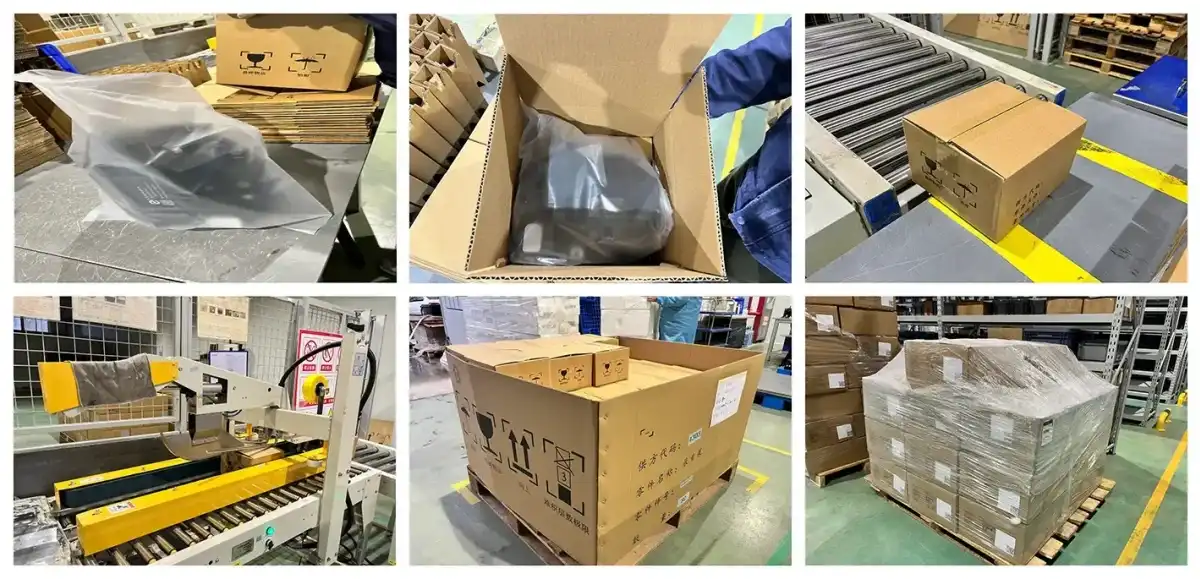
Procurement Guide: How to Buy Aftertreatment Dosing Units for Your Business?
When buying pollution control parts strategically, you have to weigh the short-term costs against the overall cost of ownership over time. Creating frameworks for systematic review helps buying managers make choices that are both financially and operationally sound.
Supplier Evaluation and Sourcing Strategies
When deciding between aftermarket sellers and authorized OEM dealers, you have to weigh price, insurance coverage, and the authenticity of the parts. OEM parts are guaranteed to work with your engine and protect your insurance, but they usually cost more. Aftermarket options can save you 20 to 40 percent on costs, but they need to be carefully checked to make sure they meet the requirements of the original equipment.
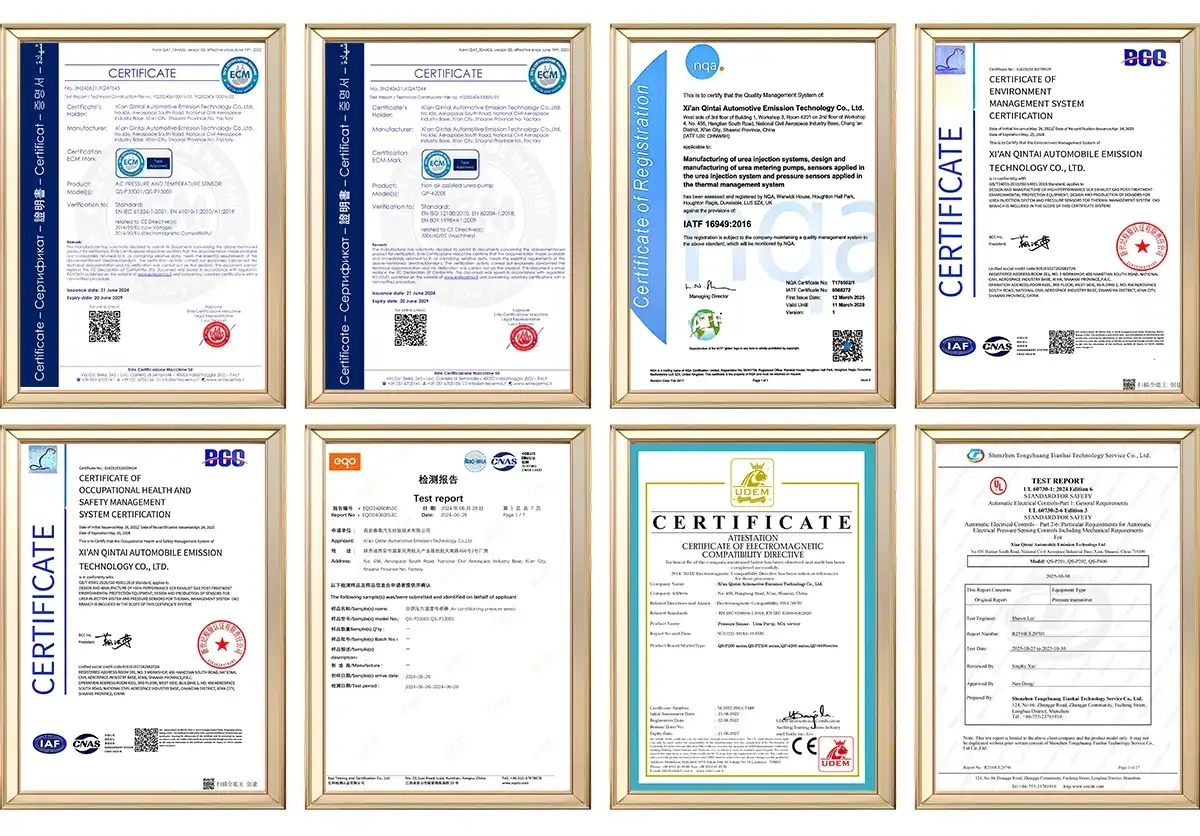
Third-party certification to ISO 9001 and IATF 16949 standards gives customers trust in the quality control methods used in manufacturing. Buyers should ask for certification papers, reports on how well the product meets REACH and RoHS standards, and proof of practical testing procedures that back up performance promises. Building ties with makers who keep a lot of stock on hand guarantees quick order fulfillment, which cuts down on equipment downtime caused by broken parts.
Pricing Models and Bulk Order Advantages
The price of an Aftertreatment Dosing Unit changes a lot depending on how many units you order. You can get bulk savings when you buy a certain number of units, usually 50 or more. When you sign an annual purchase deal that commits to a minimum number, you can often get access to higher pricing levels and priority allocation when supplies are low. A total cost study must include more than just the unit price. It must also include the costs of shipping, import duties for foreign deals, and keeping inventory on hand.
Just-in-time supply plans lower the cost of warehousing, but you need to trust that your provider can handle logistics. You should also be able to negotiate payment terms. Longer terms can help businesses with low profit margins better handle their cash flow. Pay close attention to the warranty terms because coverage periods that range from 12 to 36 months have a big impact on the total cost of ownership when failure rates run between 2 and 5 percent per year, based on how bad the application is.
After-Sales Support and Technical Assistance
Support after the sale is often a bigger factor in how satisfied a customer is than how well the product works itself. Quick technical support helps maintenance teams figure out what's wrong with vehicles faster, cutting down on the time spent on diagnostics that takes vehicles out of business. Manufacturers who provide detailed paperwork like installation guides, troubleshooting flowcharts, and maintenance plans make it possible for workers to service systems quickly and without having to talk to the seller over and over again.
Training programs that teach service workers the right way to handle things and do calibrations cut down on installation mistakes that lead to early failures. It's important to have replacement parts on hand when parts break, because even the best Aftertreatment Dosing Units need service at some point. Suppliers who keep consignment goods at wholesaler sites or run quick shipping networks keep vehicles from breaking down as little as possible, which means business owners lose money.
Future Trends and Innovations in Aftertreatment Dosing Technology
Emission control technology is still changing very quickly as government rules get stricter and companies try to gain a competitive edge by being more efficient and making their operations simpler.
IoT Integration and Predictive Maintenance
Telematics platforms let connected Aftertreatment Dosing Units send operational data to cloud-based analytics engines that look for trends of degradation before they break down. Machine learning systems that have been taught on millions of hours of operation can more accurately predict when a component will no longer work. This makes condition-based maintenance possible, which replaces parts based on how worn they are instead of random time or mileage intervals.
When urea dosing pressure monitor readings go outside of the normal levels, fleet managers are notified. This means that problems are getting worse and need to be inspected. By combining service activities, this proactive method cuts down on breakdowns on the side of the road and makes repair scheduling more efficient. Connectivity also improves real-time Aftertreatment Dosing Unit control. Systems can change their injection methods based on traffic, terrain, and weather data to use the least amount of DEF while still meeting emission standards.
Material Science Advances
Corrosion resistance is still a big issue because urea's chemical qualities attack many common metals and rubbers very quickly. New types of materials include fluoropolymer coatings on the inside of pumps and improved stainless steel metals that don't pit even after being exposed to water for a long time. Seal technology has come a long way thanks to the creation of composite materials that stay flexible at temperatures ranging from -40°C to 120°C and don't break down when exposed to urea. These changes make repair intervals longer and failure rates lower, especially in heavy-duty uses. Laser welding and precision molding are used in manufacturing to cut down on leak paths that used to cause reliability problems. Surface treatments also cut down on crystal binding that causes blockages.
Regulatory Trajectory and Market Implications
Global emission standards are getting stricter all the time. New rules are coming out that will target not only NOx but also particulate matter, ammonia slip, and carbon dioxide output. To meet these standards for multiple pollutants, Aftertreatment Dosing Unit control methods need to get smarter and the parts of the aftertreatment system need to work together better. China's newest pollution standards are similar to those in Europe. This means that the world's biggest market for industrial vehicles needs high-precision Aftertreatment Dosing Units.
North American officials are looking at real-world emission testing methods that check how well a vehicle works in real-world situations instead of lab cycles. This puts even more pressure on the effectiveness of the Aftertreatment Dosing Unit. Manufacturers who invest in new technology will be in a better position when these rules go into action. On the other hand, manufacturers who rely on older designs will have to go through expensive redesign cycles and may not be able to reach as many markets.
Conclusion
Aftertreatment Dosing Units are very important for keeping diesel engines clean because they provide the accuracy and dependability needed to follow strict global rules. The technology has come a long way in the last ten years, with better sensors, stronger materials, and smart control systems that make it work best in a wide range of situations. Choosing where to buy these parts affects not only the short-term prices, but also the long-term dependability of operations and compliance with regulations. In a world that is becoming more regulated, buyers who put technology compatibility, supplier support skills, and total cost of ownership at the top of their list of priorities set their companies up for success. As emission standards change and technology improves, smart relationships with capable providers become important ways to stay ahead of the competition.
FAQ
Q1: What maintenance intervals do dosing units typically require?
A: Aftertreatment Dosing Units should be inspected every 50,000 kilometres or once a year, whichever comes first, according to standard maintenance plans. This includes looking for crystalline layers around the injectors, making sure the heating elements work right, and making sure the pressure monitor works. Fleets that see a lot of use and work in harsh situations might benefit from checks every 30,000 kilometres.
Q2: Can aftermarket dosing units replace OEM components without affecting warranties?
A: Using aftermarket Aftertreatment Dosing Units instead of OEM parts may void engine warranties, based on the warranty laws in your area and the manufacturer's rules. Most warranties can be kept if you use approved aftermarket parts that meet or exceed OEM standards. However, you should keep the paperwork that proves compliance. Checking the guarantee terms before buying keeps coverage refusal from coming as a surprise.
Q3: How do cold weather conditions affect dosing system performance?
A: DEF freezes at -11°C, so tanks, lines, and Aftertreatment Dosing Units need to be heated to keep working in cold places. Good systems have automatic warmth while the engine is running and processes that remove urea from sensitive parts before the system shuts down, which stops freeze damage.
Partner with Qintai for Reliable Aftertreatment Solutions
Since 2001, Xi'an Qintai Automotive Emission Technology has been a major OEM supplier to China's biggest diesel engine makers, such as Weichai Power, Yuchai Power, and Quanchai Power. They specialize in SCR aftertreatment systems and precise sensors. Our Aftertreatment Dosing Unit parts are put through a lot of tests to make sure they meet world emission standards. They are backed by certifications like ISO 9001 and IATF 16949, as well as government approvals in all major markets.
We offer customized solutions that help makers of heavy trucks, construction equipment, farming equipment, and generator sets deal with the problems they face. We have 58 invention patents and an independent research and development team that is committed to constant innovation. Our global reach extends to more than 60 countries, and we offer quick technical support and full after-sales service to keep your fleet running smoothly. Get in touch with our engineering team at info@qt-sensor.com to talk about your unique needs and find out how working with a reliable Aftertreatment Dosing Unit supplier can help you manage emissions better and stay in line with regulations for a long time.
References
1. Johnson, T. V. (2022). "Diesel Emission Control Technology: Review of Selective Catalytic Reduction and Diesel Particulate Filter Systems." SAE International Journal of Engines, 15(4), 447-470.
2. Koebel, M., Elsener, M., & Madia, G. (2021). "Recent Advances in the Development of Urea-SCR for Automotive Applications." Topics in Catalysis, 64(3-4), 252-264.
3. Environmental Protection Agency. (2023). "Heavy-Duty Engine and Vehicle Standards: Technical Review of Aftertreatment Systems." EPA Publication EPA-420-R-23-002.
4. Zhang, L., Wang, Y., & Chen, H. (2023). "Performance Optimization of Diesel Engine Aftertreatment Dosing Systems Through Predictive Control Algorithms." International Journal of Automotive Technology, 24(2), 389-403.
5. European Automobile Manufacturers Association. (2022). "Commercial Vehicle Emission Control Technology: Implementation Guide for Euro VI Standards." ACEA Technical Report TR-2022-14.
6. Chatterjee, S., Conway, R., & Boundy, D. (2023). "Durability and Reliability Assessment of SCR Dosing Components in Heavy-Duty Applications." Journal of Engineering for Gas Turbines and Power, 145(6), 061012.
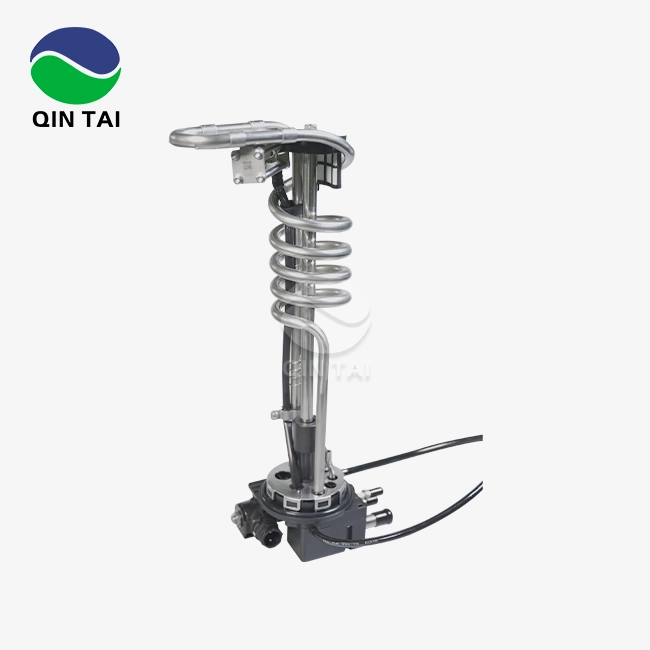
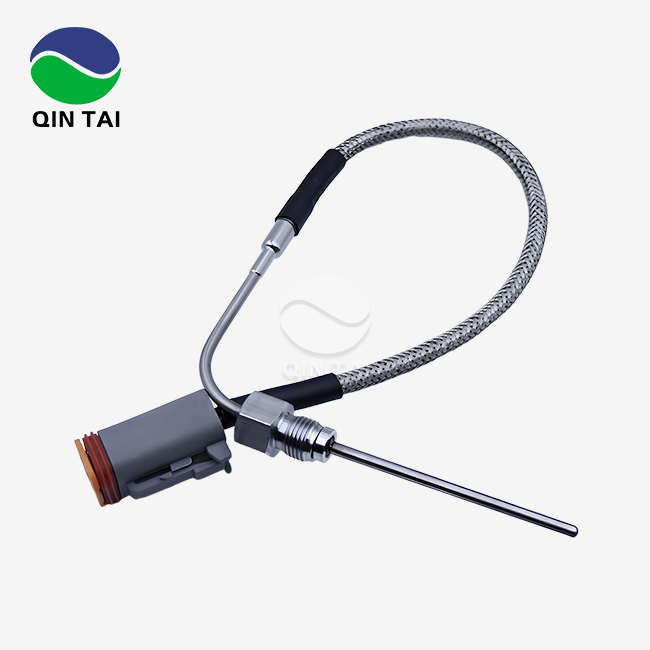
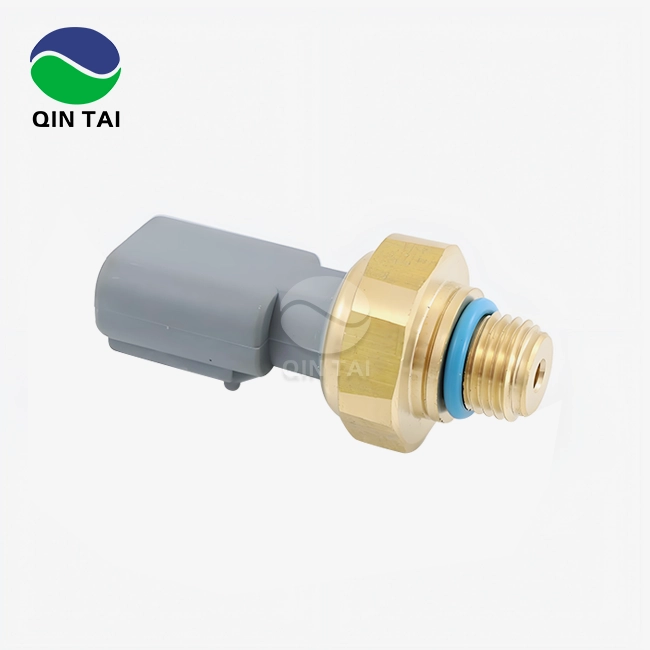

Our customers’ satisfaction speaks for our quality — contact us to experience the same reliable service.