- English
- French
- German
- Portuguese
- Spanish
- Russian
- Japanese
- Korean
- Arabic
- Greek
- German
- Turkish
- Italian
- Danish
- Romanian
- Indonesian
- Czech
- Afrikaans
- Swedish
- Polish
- Basque
- Catalan
- Esperanto
- Hindi
- Lao
- Albanian
- Amharic
- Armenian
- Azerbaijani
- Belarusian
- Bengali
- Bosnian
- Bulgarian
- Cebuano
- Chichewa
- Corsican
- Croatian
- Dutch
- Estonian
- Filipino
- Finnish
- Frisian
- Galician
- Georgian
- Gujarati
- Haitian
- Hausa
- Hawaiian
- Hebrew
- Hmong
- Hungarian
- Icelandic
- Igbo
- Javanese
- Kannada
- Kazakh
- Khmer
- Kurdish
- Kyrgyz
- Latin
- Latvian
- Lithuanian
- Luxembou..
- Macedonian
- Malagasy
- Malay
- Malayalam
- Maltese
- Maori
- Marathi
- Mongolian
- Burmese
- Nepali
- Norwegian
- Pashto
- Persian
- Punjabi
- Serbian
- Sesotho
- Sinhala
- Slovak
- Slovenian
- Somali
- Samoan
- Scots Gaelic
- Shona
- Sindhi
- Sundanese
- Swahili
- Tajik
- Tamil
- Telugu
- Thai
- Ukrainian
- Urdu
- Uzbek
- Vietnamese
- Welsh
- Xhosa
- Yiddish
- Yoruba
- Zulu
How Smart Pressure Monitoring Devices Operate
Smart Pressure Monitoring Devices use high-tech monitors to constantly check the pressure and send real-time information directly to central tracking systems. These gadgets use pressure sensors and internet connectivity to send automatic alerts when pressure levels change from what was set. This keeps equipment from breaking down and improves working efficiency in a wide range of workplace settings.
In today's competitive business world, buying managers and research and development engineers are under more and more pressure to meet strict emission rules while keeping costs low. The development of smart pressure sensing technology has changed how diesel engines, big gear, and aftertreatment systems work. As you read this guide, you'll learn about how current pressure monitoring systems work and how they fit into emission control systems, SCR platforms, and commercial car uses.
We'll talk about technical specs, installation instructions, and buying strategies that are important to people who are making decisions about long-term relationships with suppliers. This resource gives you useful information to help you make smart buying choices, whether you're looking for parts that meet China VI or Euro VI standards or aftermarket options that have been shown to work.
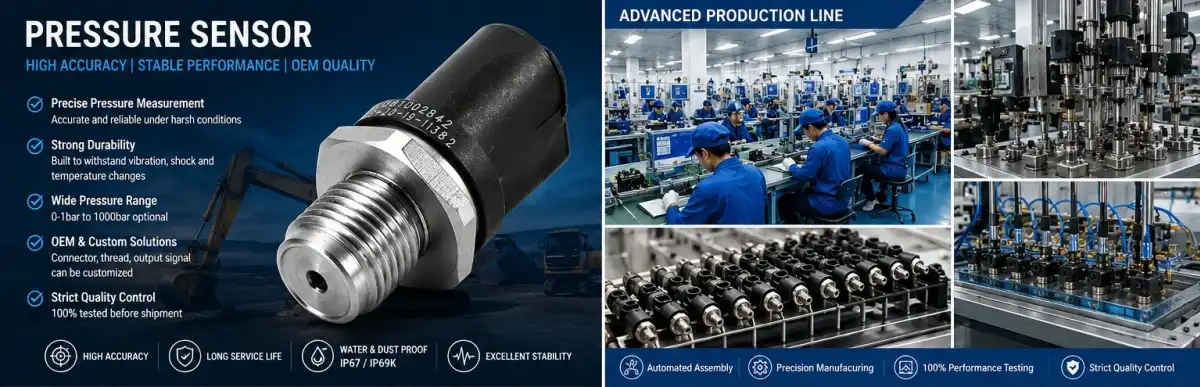
Understanding Smart Pressure Monitoring Devices
Defining Smart Pressure Sensors in Industrial Contexts
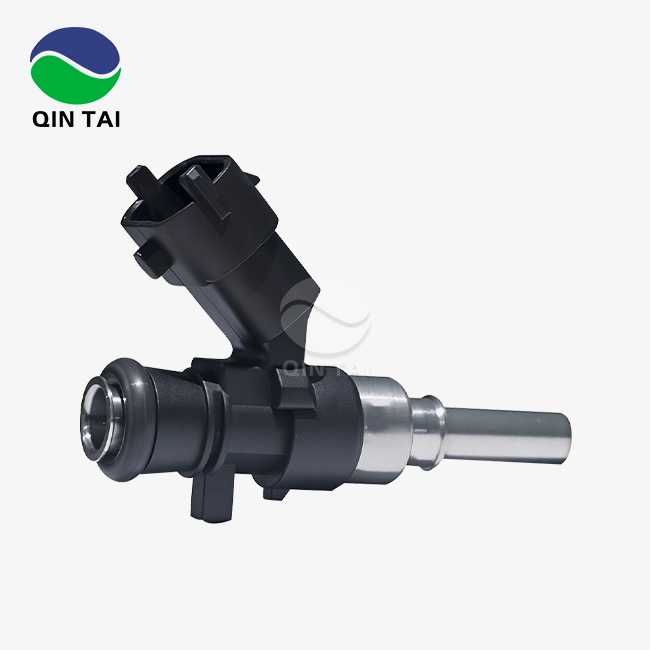
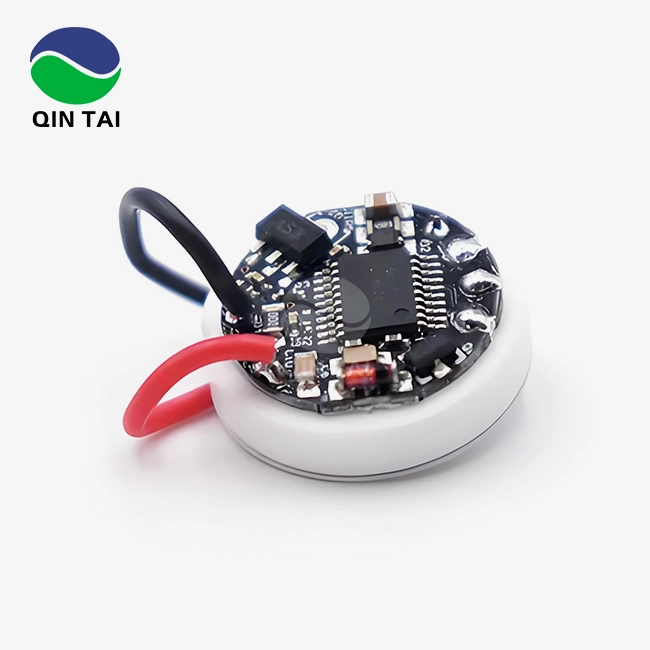
Smart Pressure Monitoring Devices are a big step forward from regular analogue devices because they have microchip technology built right into the detecting unit. Instead of just sending voltage signs when the pressure changes like regular sensors do, intelligent versions handle data locally, use temperature compensation algorithms, and talk digitally with electronic control units in vehicles or PLCs in factories. These sensors keep an eye on the difference in pressure across diesel particulate filters and the pressure of urea flow in SCR systems. They give important information for making sure that emissions rules are followed. The addition of ARM-based microcontrollers makes it possible for sensors to do things like spot sensor drift and report transmission errors that aren't possible with traditional sensors.
Wireless Versus Wired Configurations
While wired sensors are still the most common in OEM applications because they need a constant power source and to be able to communicate in real time, wireless Smart Pressure Monitoring Devices are becoming more popular in retrofit markets and short-term tracking situations. When using a CAN bus or LIN protocol, wired configurations offer reaction times in the millisecond range, which is very important for emission control strategies.
For example, the ECU needs to be able to quickly change the amount of urea used based on feedback from the NOx sensor and the pressure sensor. Battery-powered wireless units that send data via Bluetooth Low Energy or custom RF protocols are useful in situations where changing the wiring harness is not an option. Industrial-grade wireless sensors made for construction equipment usually have IP67-rated housings and can work in temperatures ranging from -40°C to 125°C. They are just as durable as their wired counterparts and can be installed in a variety of ways, including hydraulic and pneumatic systems.
Industrial-Grade Specifications for Commercial Vehicles
Industrial Smart Pressure Monitoring Devices for heavy-duty uses are different because they are built to last and go through a lot of reliability testing. Automotive-qualified devices are put through vibration tests that are based on ISO 16750-3 standards. These tests mimic the rough conditions that off-road building equipment and long-haul cars face. Piezoresistive silicon or thick-film ceramic technologies are used in pressure sensor elements to make them stable over millions of pressure cycles. To keep the signal strong in places with a lot of electrical noise, the electrical link usually uses ratiometric output (0.5–4.5V) or current loop signalling (4–20mA).
For sensors used in aftertreatment systems, they need to be able to handle exhaust gases that are acidic and heat cycling. This means they need diaphragms made of stainless steel and electronics that can work continuously at temperatures above 150°C. Professional-grade parts are different from consumer products because they have to meet strict requirements. The cost is worth it for uses where sensor failure could lead to fines or damage to equipment.
Key Features and Benefits of Smart Pressure Monitoring Devices
Real-Time Data Accuracy and Transmission
Modern Smart Pressure Monitoring Devices can measure with an accuracy of within ±1% of the full scale, and some high-precision units can hit ±0.25% for tasks that need even tighter tolerances. This level of accuracy is very important in SCR systems because accurate exhaust backpressure readings are needed to make sure that the right amount of urea is added to stop crystallisation or ammonia slip.
The devices measure pressure at rates higher than 100Hz and send the processed data via the CAN 2.0B protocol at times as short as 10ms. Advanced models have 16-bit analog-to-digital converters and multi-point calibration tables kept in non-volatile memory. These help to balance out changes in sensitivity caused by temperature across the working range. This level of accuracy lets predictive maintenance programs find trends in DPF clogging over time, before regeneration processes fail, which cuts down on unplanned downtime.
Compliance Support and Predictive Maintenance
We work with diesel engine makers who have to balance meeting pollution standards with keeping production costs low every day. Smart Pressure Monitoring Devices meet a number of practical goals at the same time. The gadgets cut down on warranty claims by finding mistakes in installation during tests on the assembly line and letting engineers know about bad electrical connections before the engines leave the factory.
Continuous self-monitoring finds worn-out sensors and sends service alerts that stop problems in the field. Integration with IoT platforms lets fleet managers keep an eye on how full the DPF is across all of their vehicles. This helps them make the best regeneration plans and, compared to fixed-interval maintenance, it increases the filter's lifespan by 15 to 20 percent. Design that uses less energy (less than 50mA during active measurement) keeps the load on the electrical system as low as possible in battery-powered tools. By lowering servicing costs and increasing machine uptime, these benefits add up to a measurable return on investment (ROI).
Emission laws require that the functionality of the aftertreatment system be constantly checked. OBD systems are used to find component breakdowns that cause emissions to rise above acceptable levels. Smart pressure sensors help businesses follow the rules by letting them use algorithms that find problems that are required by California Air Resources Board and EPA rules.
The sensors can do both rationality checks (comparing pressure readings to predicted values based on engine running conditions) and threshold tracking (finding sensors that don't work at all). When pressure data is combined with NOx sensors and temperature inputs, model-based diagnostics can find failing DPF substrates instead of sensor faults, which lowers the number of wrong diagnoses. This diagnostic feature is very helpful for companies that are putting together aftertreatment systems like SCR and DPF because it shows that the system is reliable during certification testing and gives end users clear maintenance instructions that keep vehicles in compliance with emission standards for the whole time they are on the road.

How to Install and Maintain Smart Pressure Monitoring Devices?
Installation Guidelines for Optimal Performance
The first step in a proper installation is to choose fixing spots that keep vibrations and heat from spreading while still allowing access to the pressure port. Smart Pressure Monitoring Devices that measure the differential pressure in the DPF usually go in tapped bosses on the inlet and exit cones. The sensing lines should be kept short—ideally under 300mm—to cut down on reaction time and keep soot from building up in the sampling tubes. Choosing the right thread sealant is important. To stop exhaust leaks that mess up readings, use PTFE tape or liquid seals that can withstand constant 600°C exposure.
It is important to pay attention to the pin retention force and connector sealing when making electrical connections, because vibrations can cause sporadic contacts that cause communication problems that light up failure warning lamps. When the engine is cranking, technicians should check that the source voltage stays stable. This is because when the voltage goes below the sensor's minimum requirements (usually 4.5V), it can cause false trouble codes.
Maintenance Protocols and Lifespan Optimization
Validating the calibration after installation makes sure that the measurements are accurate. As part of professional installation procedures, accurate gauges are used to check the sensor's output at both atmospheric pressure and test pressures that cover the working range. Setting up a CAN bus means using diagnostic check tools to make sure the right terminating resistors are set and that messages are sent correctly. The relearn steps used for tyre pressure tracking also work for exhaust pressure sensors. Once the sensors are replaced, the ECU needs to run adaptation routines that set new standard values and get rid of old sensor identification codes. During this initialisation process, the engine is usually run through certain working modes while the control module records information about the sensors.
It is hoped that industrial Smart Pressure Monitoring Devices made for diesel uses will last longer than 10,000 engine hours when used normally. For this long of a life, regular upkeep is needed to make sure the connections are strong and the sense ports are clean. Electrical connectors should be checked every three months to make sure they are still in good shape and to look for rust on pin contacts that are exposed to water through broken seals. In exhaust uses, soot builds up in pressure sensing ports, which needs to be cleaned at regular service intervals with the right fluids that won't hurt sensor diaphragms.
Software changes that come with reprogramming the ECU may include new diagnostic limits for sensors or better signal filtering algorithms. Keeping up with changes from the maker improves sensor performance and may fix problems in the field without having to replace hardware. Environmental factors have a big effect on how long sensors last. Sensors that are placed in places that get frequent thermal shock from regeneration cycles or mechanical stress from sample lines that aren't supported fail early. In tough placements, protective steps like heat shields and vibration-damping mounts make the service life longer. Keeping systematic records of how often sensors need to be replaced across fleets of vehicles shows trends that can be used to improve designs and make repair schedules more efficient.
Comparison and Selection Criteria for Procurement
Performance Metrics Versus Traditional Sensors
Traditional analogue pressure sensors send out continuous voltage signals that need to be linearised and temperature compensated on the ECU side. This puts a lot of processing power on the car controls. Smart Pressure Monitoring Devices do these calculations on their own and send linearised pressure values through digital methods that cut down on conversion mistakes and the amount of work that the ECU has to do. Intelligent devices can diagnose problems like short circuits, open circuits, and being out of range, which passive monitors can't do. This lets them report faults in more detail. Traditional sensors cost 30–40% less at first, but smart versions lower the cost of system development by making ECU software easier to use, and they lower the cost of warranties by making it easier to find faults.
Supplier Evaluation and Certification Verification
Several technical factors affect choices about what to buy. The measurement range needs to be wide enough to include all of the predicted running pressures plus a little extra. For example, DPF sensors need a differential pressure range of 0 to 10kPa, and urea injection pressure sensors need an absolute pressure range of 0 to 15 bar. Response time requirements—often less than 100ms for uses that need to avoid emissions—make sure that control loops respond quickly to changes in pressure.
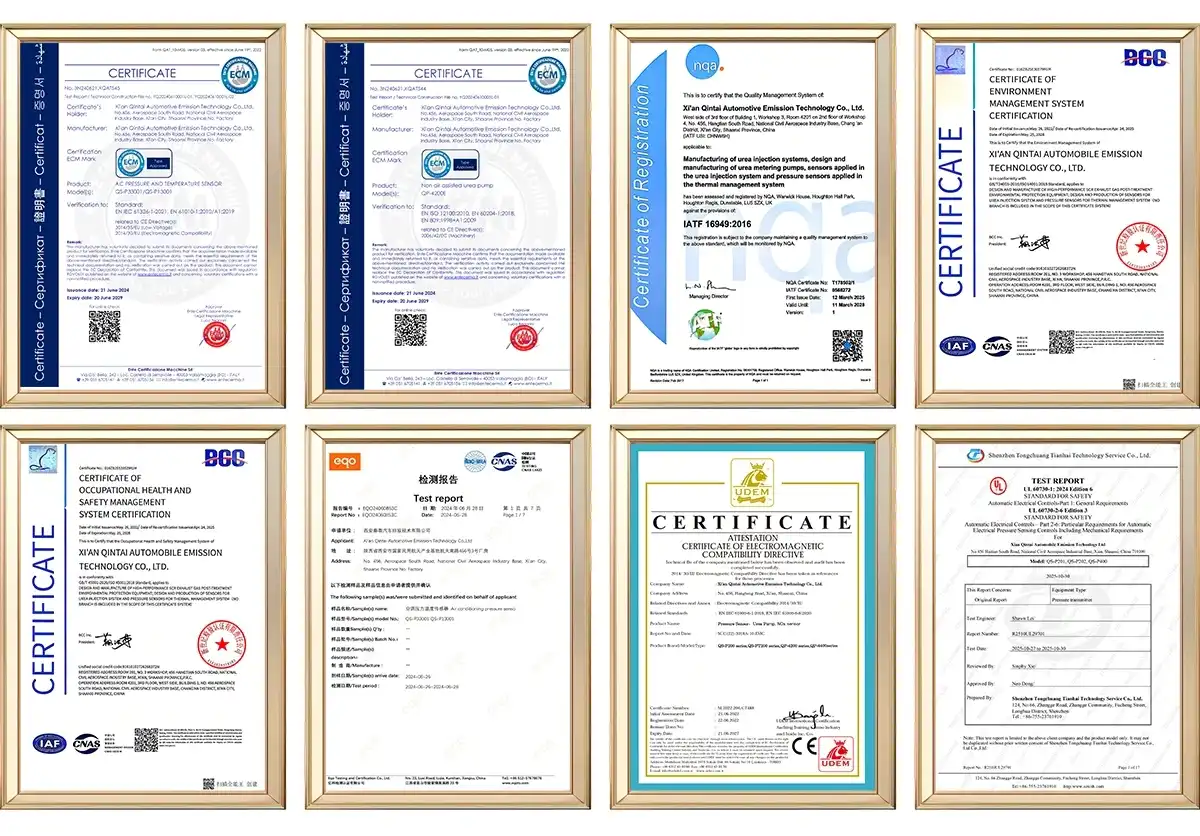
According to ISO 11452 standards, electromagnetic compatibility approval makes sure that sensors don't get messed up by alternator ripple and radio frequency leaks. When supply chain managers look at suppliers, they should make sure that they have IATF 16949 certification, which shows that the quality management systems meet the needs of the car business.
To find reputable suppliers, you should look at their manufacturing skills, certification portfolios, and the possibility of a long-term relationship. When planning mass production rollouts, production capacity is important. Suppliers should show that they can run manufacturing operations with multiple shifts and monthly output that exceeds expected demand spikes. Quality certifications like ISO 9001 set the standard for quality management. IATF 16949 certification, on the other hand, is special to the car industry and its needs for process control and ongoing improvement. Before a product can be sold in North America, it has to be checked to make sure it meets certain standards. UL recognition and CE marks show that the product meets standards for electrical safety and electromagnetic compatibility.
When providers are competing, their technical help skills set them apart. Product development processes are sped up by responsive engineering teams that offer application-specific tuning help and quick prototype delivery. Customisation options, such as changing the electrical connections, pressure ranges, or CAN message formats, make system interaction work best. Purchasing managers should ask suppliers for quality guides that explain how to control the manufacturing process, check arriving materials, and test at the end of the line. Site checks that show automated production equipment, environmental test rooms, and statistical process control setups give customers faith that the quality of each production lot will be the same.
Real-World Applications and Case Studies
Diesel Engine Emission Control Systems
Heavy-duty cars that have to follow China VI and Euro VI rules rely on a network of Smart Pressure Monitoring Devices to coordinate their aftertreatment functions. Monitoring the diesel oxidation catalyst's inlet pressure finds upstream exhaust limits, and DPF difference pressure tracking controls when the recycling process starts. Pressure monitors in the SCR system make sure that the urea delivery pump works and look for frozen dose lines when the system is first turned on in cold weather.
A major company that makes construction equipment said that within the first year of putting complete Smart Pressure Monitoring Device solutions into all of their engines, the number of DPF-related service calls dropped by 35%. The increase came from predictive alerts that let workers know when pressure levels were getting too high, which led to service being done before the filter became completely blocked. This proactive method cut down on breakdowns on the side of the road and the costs of moving them, and it also made it easier to get tools during busy building seasons.
Generator Set Reliability Enhancement
Backup power systems that serve hospitals and data centers can't handle sudden power outages. Smart Pressure Monitoring Devices that check the pressure in the engine oil, the turbocharger boost pressure, and the cooling system pressure give you a full picture of how healthy your gear is. A mining company that used wireless pressure tracking on remote generator sets cut the number of unplanned repair events by 28%.
They did this by setting standard pressure signatures for each unit and finding deviations that meant a part was about to fail. The wireless design got rid of the need for expensive conduit runs in dangerous places, and sensors that run on batteries for five years before they need to be replaced cut down on the cost of upkeep. Maintenance workers were sent real-time alerts that let them do condition-based service, which fixed problems as they arose before they damaged equipment or stopped operations.
Aftermarket Replacement Market Considerations
Parts wholesalers and repair shops that work with business vehicle fleets put a high value on products that can be used with other vehicles and low prices. Universal Smart Pressure Monitoring Devices with flexible mounting mounts and output signals that can be set up can be used in a number of different vehicles from a single stock-keeping unit, which lowers the cost of keeping inventory.
A big company that sells truck parts said that their customers were happier with their service because they offered longer warranties and technical support hotlines run by applications engineers. Competitive pricing—about 15% to 20% less than OEM replacement costs—and detailed installation instructions made it possible for repair shops that didn't have special training to confidently work on modern emission systems. This increased the number of systems that could be fixed and the speed at which parts were replaced.
Conclusion
Smart Pressure Monitoring Devices have changed from simple measuring tools to complex system parts that make diesel engine uses more reliable, efficient, and in line with regulations. The practical benefits, such as accuracy in real time, the ability to predict what will happen, and seamless integration, give producers measured value as they balance cost goals with legal requirements. Best practices for installation and routine repair procedures extend the life of devices and ensure accurate measurements. Understanding the technical differences between industrial-grade sensors and consumer sensors can help procurement workers choose suppliers that meet their quality and relationship goals. Intelligent pressure sensing will continue to be a key competitive edge in heavy-duty uses, even as emission standards get stricter and equipment gets more complicated.
FAQ
Q1: How do smart pressure monitoring devices improve upon traditional sensors?
A: Smart Pressure Monitoring Devices have microprocessors built in that can compensate for temperature, linearise signals, and do self-diagnostics. They send measured digital signals through CAN or LIN protocols. Traditional analogue devices need signal processing from outside sources and can't find faults. The intelligence makes it possible to plan maintenance ahead of time by looking at trends. It also lowers the processing load on the ECU and makes measurements 30–50% more accurate across a wide range of temperatures compared to passive sensors.
Q2: Can these sensors integrate with existing vehicle communication networks?
A: Modern Smart Pressure Monitoring Devices can talk to a lot of different systems using a variety of protocols, such as CAN 2.0B (most common in heavy-duty applications), LIN (for cost-effective applications), and analogue voltage output (for older systems). Protocol configuration can happen during production or through computer tools. The devices use standard SAE J1939 messaging for industrial cars, which means they can work with current engine control modules and telematics systems without the need for special software development.
Q3: What maintenance extends sensor operational lifespan?
A: Inspection of electrical connectors on a regular basis stops failures caused by rust, and cleaning of pressure ports on a regular basis gets rid of soot buildup in exhaust applications. Updates to firmware fix known problems and make detection tools better. Keeping sensors safe from mechanical stress by fixing them correctly and isolating them from vibrations greatly increases their service life. Industrial-grade units usually last 10,000 hours or more if they are installed according to the manufacturer's instructions and kept on a regular basis. Battery-powered wireless versions, on the other hand, need new batteries every 5 to 7 years, based on how often they transmit.
Partner With Qintai for Smart Pressure Monitoring Device Solutions
Qintai Automotive Emission Technology Co., Ltd. Ltd has more than twenty years of experience making pressure sensors for diesel engine aftertreatment systems. Our ISO 9001, IATF 16949, and other foreign certifications show that we are committed to meeting the quality standards that global OEMs expect. We understand the technical needs and cost pressures that buying managers and R&D engineers are under because we are the main provider of Smart Pressure Monitoring Devices to China's top engine makers, such as Weichai, Yuchai, and Quanchai. Our independent research and development team has 58 idea patents and is always improving monitoring technology to keep up with changing emission rules.
We can change everything from the electrical connections to the pressure ranges to make sure that they work perfectly with your aftertreatment systems. We can be your smart long-term partner because we offer full OEM and ODM services and can produce large quantities. Email our technical team at info@qt-sensor.com to talk about your unique application needs and get full specifications that are made to solve your emission control problems.
References
1. Society of Automotive Engineers. (2022). "Surface Vehicle Recommended Practice J1939: Serial Control and Communications Heavy Duty Vehicle Network." SAE International Standards.
2. International Organization for Standardization. (2021). "ISO 16750-3: Road Vehicles - Environmental Conditions and Testing for Electrical and Electronic Equipment - Part 3: Mechanical Loads." ISO Technical Committee.
3. California Air Resources Board. (2023). "On-Board Diagnostic System Requirements for Heavy-Duty Engines and Vehicles." CARB Regulatory Documentation.
4. European Commission. (2022). "Euro VI Heavy-Duty Emission Standards: Technical Implementation Guidelines." EU Official Journal Publications.
5. Brettschneider, J. & Mueller, R. (2021). "Advanced Pressure Sensing Technologies for Diesel Aftertreatment Systems." International Journal of Automotive Engineering, Vol. 47, pp. 203-218.
6. National Institute of Standards and Technology. (2023). "Calibration Procedures for Industrial Pressure Sensors in Automotive Applications." NIST Technical Publications.

Our customers’ satisfaction speaks for our quality — contact us to experience the same reliable service.