- English
- French
- German
- Portuguese
- Spanish
- Russian
- Japanese
- Korean
- Arabic
- Greek
- German
- Turkish
- Italian
- Danish
- Romanian
- Indonesian
- Czech
- Afrikaans
- Swedish
- Polish
- Basque
- Catalan
- Esperanto
- Hindi
- Lao
- Albanian
- Amharic
- Armenian
- Azerbaijani
- Belarusian
- Bengali
- Bosnian
- Bulgarian
- Cebuano
- Chichewa
- Corsican
- Croatian
- Dutch
- Estonian
- Filipino
- Finnish
- Frisian
- Galician
- Georgian
- Gujarati
- Haitian
- Hausa
- Hawaiian
- Hebrew
- Hmong
- Hungarian
- Icelandic
- Igbo
- Javanese
- Kannada
- Kazakh
- Khmer
- Kurdish
- Kyrgyz
- Latin
- Latvian
- Lithuanian
- Luxembou..
- Macedonian
- Malagasy
- Malay
- Malayalam
- Maltese
- Maori
- Marathi
- Mongolian
- Burmese
- Nepali
- Norwegian
- Pashto
- Persian
- Punjabi
- Serbian
- Sesotho
- Sinhala
- Slovak
- Slovenian
- Somali
- Samoan
- Scots Gaelic
- Shona
- Sindhi
- Sundanese
- Swahili
- Tajik
- Tamil
- Telugu
- Thai
- Ukrainian
- Urdu
- Uzbek
- Vietnamese
- Welsh
- Xhosa
- Yiddish
- Yoruba
- Zulu
Applications of Aftertreatment Dosing Units in Trucks
Aftertreatment Dosing Units are a major step forward in diesel engine technology. They work as precise delivery systems that add Diesel Exhaust Fluid (DEF/AdBlue) to exhaust streams to make Selective Catalytic Reduction possible. These units have built-in pressure monitors, delivery nozzles, pumps, and control modules that all work together to change dangerous nitrogen oxides into safe nitrogen and water vapour.
They are important for heavy-duty commercial cars, building equipment, farm machinery, and generator sets—anywhere that Euro VI, EPA 2010, or China VI emissions guidelines must be met. Knowing about these systems helps buying managers and research and development engineers make smart choices that meet regulations and keep operations running smoothly.
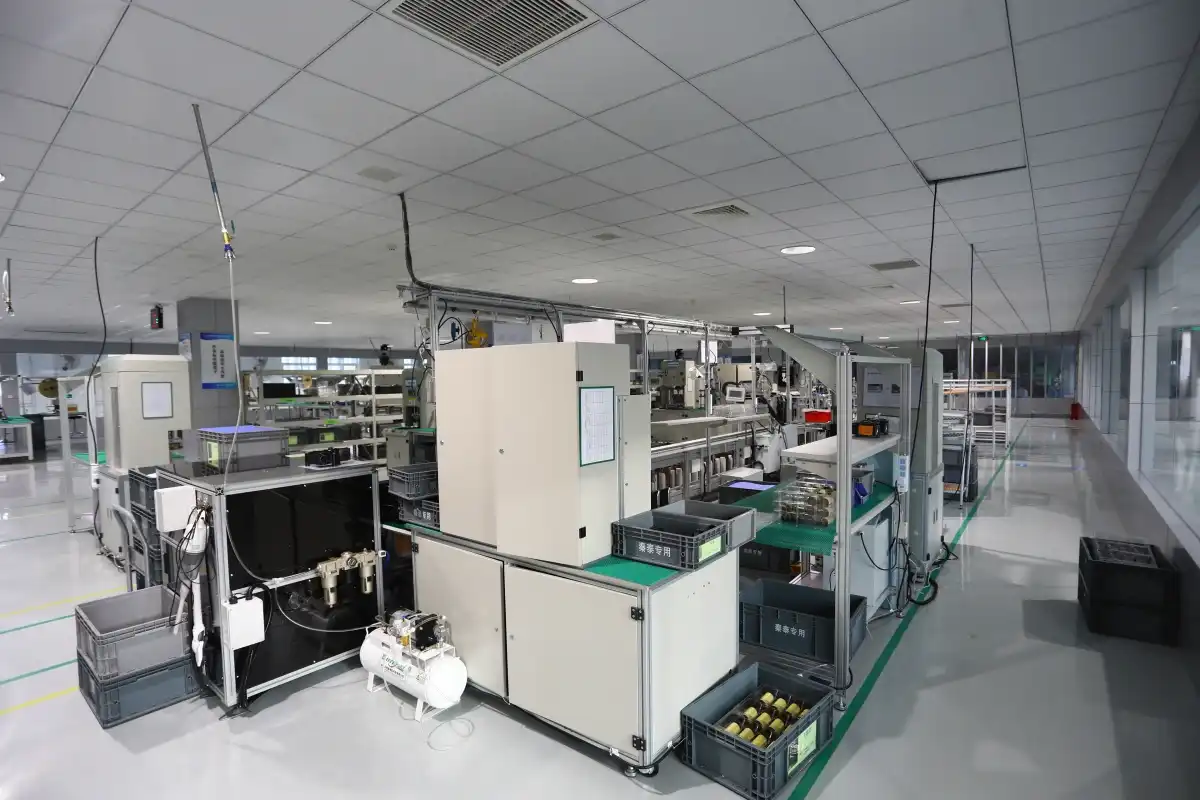
Understanding Aftertreatment Dosing Units and Their Role in Trucks
Core Components and Operational Architecture
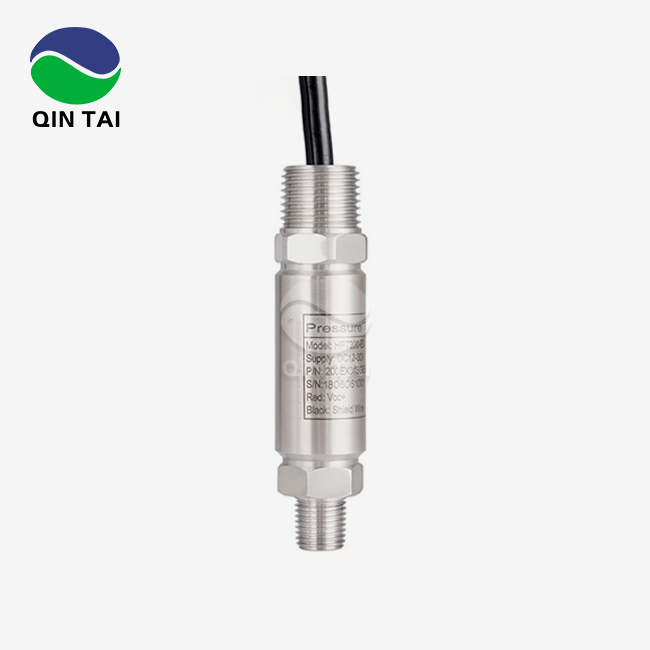
Modern Aftertreatment Dosing Units combine several separate parts into a single unit. The urea pump creates hydraulic pressure between 5 and 12 bar, and the Urea Dosing Pressure Sensor watches for changes in pressure in real time to make sure that the right amount of urea is injected. The Engine Control Unit sends signals to control units, which change the dosing rates based on the temperature of the exhaust, the concentration of NOx, and the load on the engine.
The dosing module usually has heating parts that keep the urea from crystallising during cold starts. This is a problem that is especially noticeable in the northern U.S., where temps drop below -11°C, which is AdBlue's freezing point. Each part has to show that it can withstand the corrosive nature of 32.5% aqueous urea liquids and keep the signal's accuracy over long service times.
Chemical Precision and Calibration Parameters
To meet pollution standards, dosing must be accurate within ±2% of goal values. Flow rates are usually between 0.1 and 3 litres per hour, and they are changed on the fly as the engine conditions change. Calibration procedures make sure that pressure transducers stay accurate over their entire working range, which is usually -40°C to +125°C. The dose plan needs to take into account the stoichiometric ratio between the amount of NOx and the amount of ammonia that is needed.
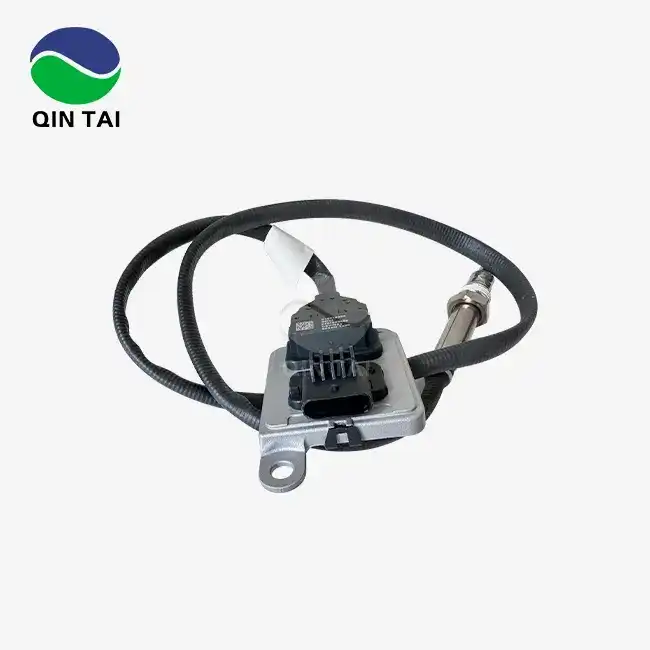
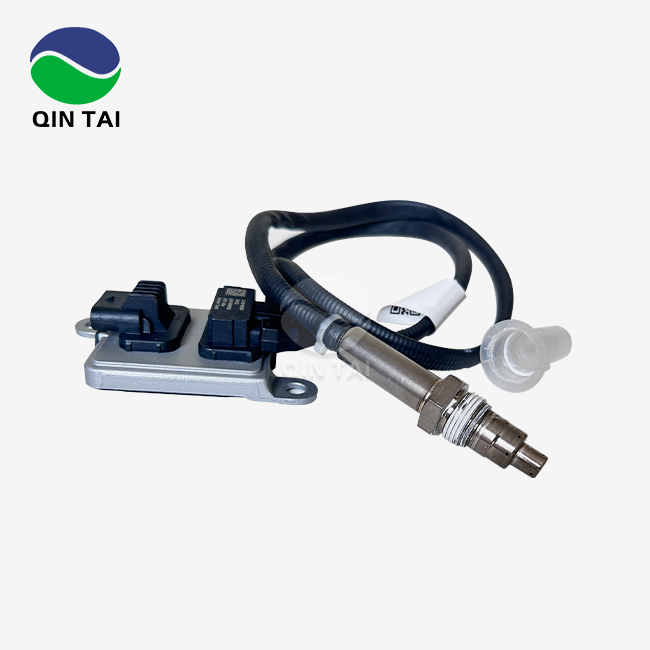
This way, neither too little nor too much ammonia is added, which could damage the catalyst or cause compliance problems. Advanced units have closed-loop feedback systems that change the time and amount of injections based on NOx sensor readings further downstream. This makes a self-correcting system that handles changes in fuel quality, altitude, and ambient conditions.
Performance Benefits Beyond Emissions Control
Dosing methods that work properly have real benefits that go beyond following the rules. When compared to EGR-only systems, optimised SCR operation can cut fuel use by 3–5% because engines can be tuned for better burning without too much internal recycling. When combustion temperatures stay in the right range, they keep pistons, valves, and turbochargers from being overheated and shorten the life of the engine.
When soot production goes down, maintenance gaps get longer, which reduces the number of times the Diesel Particulate Filter needs to be regenerated. Fleet owners say that the total cost of ownership goes down when systems keep working well for 800,000 kilometres or more. This is especially true when they are backed up by preventative maintenance plans and quality replacement sensors that don't crystallise urea or drift signals.
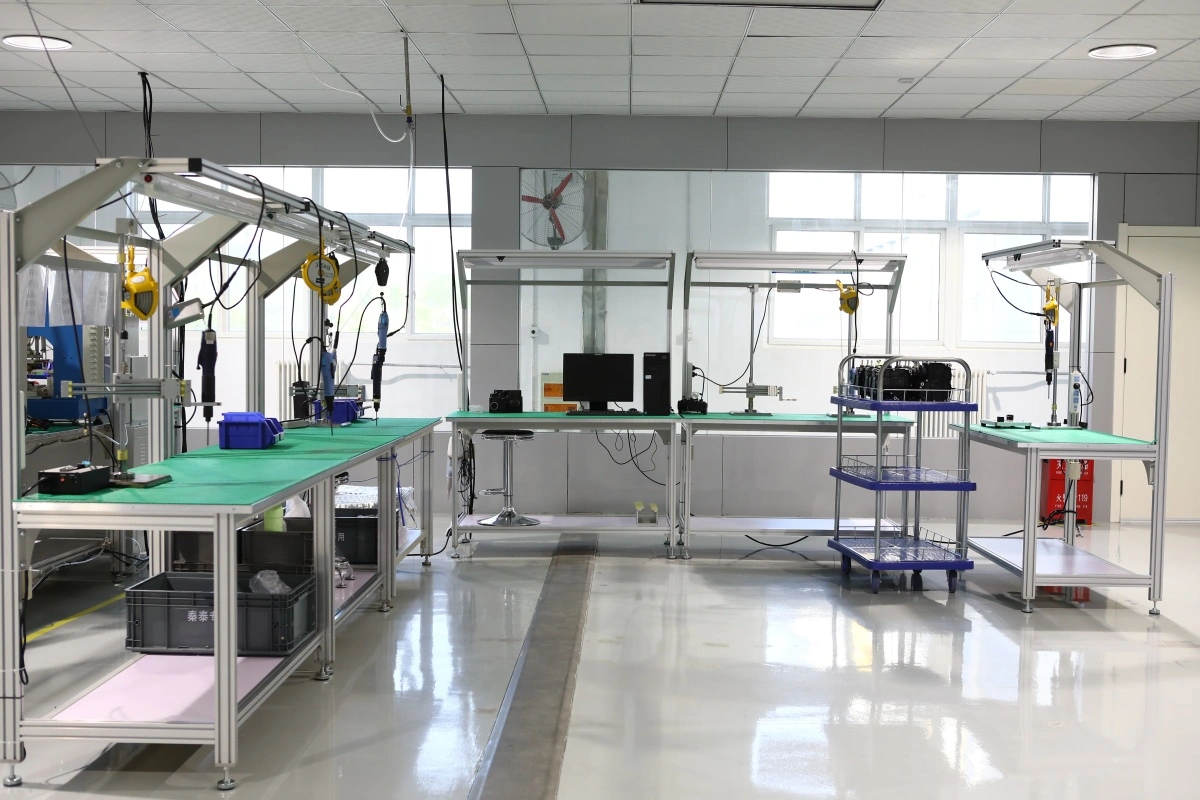
Key Applications of Aftertreatment Dosing Units in Truck Fleets
Long-Haul Commercial Transportation
Heavy-duty Class 8 trucks that travel on interstate roads need Aftertreatment Dosing Units that can keep working well in a variety of situations. These cars drive between 120,000 and 160,000 kilometres a year, which means that the parts that do the aftertreatment are constantly exposed to changes in temperature, vibration, and fuel quality. Dosing units in this section must stay calibrated even when they are hit by a car and be able to handle the 9% volume growth that happens when AdBlue freezes.
Fleet managers look for units that have been used for more than 15,000 hours, are protected against high-pressure washing with IP69K rating, and can work with telematics systems that give real-time data on dosing performance. Successful implementations have shown that NOx reduction efficiency is higher than 95%, which means that they meet EPA 2010 standards and keep uptime above 98% during million-mile service intervals.
Construction and Off-Highway Equipment
Dosing technology has to deal with some unique problems when it comes to excavators, loaders, and other building equipment. In these uses, the machines have to idle a lot, switch loads quickly, and work in places with a lot of dust, which can make the sensors less accurate. Dosing units for this market group have better filtration, stronger electrical connections with gold-plated terminals to stop corrosion, and strong mounting systems that can handle up to 30G of shock.
Because of the varying duty cycles that are common in building, where engines may only run at full load sometimes instead of all the time, dosing algorithms need to be very smart to keep urea from breaking down in heated lines during rest times. Manufacturers of equipment are asking for units that can work in a wider range of temperatures and heat up faster so that cold-start emissions are kept to a minimum during the short time before full SCR catalyst activation.
Urban Delivery and Municipal Fleets
Stop-and-go driving habits in cities put different stresses on dosing systems. City delivery trucks have to start their engines a lot, go short distances, and idle for long periods of time while they load. These conditions make it hard for dosing units to keep catalyst temperatures high enough for NOx conversion to work well while also keeping track of urea use rates that can be 40% different from highway operation.
Dosing systems that can do predictive maintenance are useful for municipal fleet owners because they let technicians know about possible problems before they cause diagnostic trouble codes or limp mode limits. Integration with fleet management tools allows data-driven optimisation, where route planning and car assignment choices are based on past dosing trends. Modern units in this category have quick heat-up features that get them to working temperature in just 90 seconds, making sure they meet emissions standards during the urban drive cycle.

Comparing Aftertreatment Dosing Units: Making the Right Choice for Your Fleet
Technical Specifications and Performance Metrics
To choose the right Aftertreatment Dosing Unit method, you need to look at a number of measurable factors. Flow rate capacity tells you if a machine can handle high loads and peak demand. For heavy-duty uses, the highest flow rate capacity should be between 2.5 and 3.5 litres per hour. The ability to handle pressure affects how long something lasts and how accurately it doses, since systems that can keep the pressure stable between 6 and 10 bar have better atomisation properties.
When equipment is used in harsh settings, temperature tolerance is very important. Electrical compatibility is very important because some systems send out analogue voltage signals while others use the SENT (Single Edge Nibble Transmission) protocol to make them less susceptible to noise. Real-time dosing accuracy is affected by reaction time, which is the time between an ECU order and the actual injection. High-performance units can achieve response times below 50 milliseconds.
Brand Considerations and Market Options
The aftertreatment market is strengthened by the strengths of major makers. Bosch makes systems that are known for their precise engineering and wide OEM integration across all European truck platforms. Denso focuses on small designs that can fit into cramped spaces, which are common in Japanese and Asian vehicle architectures. Continental focuses on integrating sensors, putting dosing pumps and improved pressure tracking in one module.
Cummins offers solutions that are perfectly suited to their engine systems, ensuring smooth functionality and performance that has been co-validated. When procurement managers look at brands, they shouldn't just look at the original price. They should also look at the total cost, which includes guarantee length, spare parts availability, and technical support. In the aftermarket, names that show compatibility across different engine platforms are becoming more and more valuable.
Cost-Effectiveness and Long-Term Value
The initial buying price is only one part of the total cost of owning. High-quality Aftertreatment Dosing Units may cost 20–30% more than cheaper ones, but they're worth it because they last longer, break down less often, and use less fuel. Units that use urea dosing pressure sensors that don't crystallise reduce the need for unplanned maintenance. This keeps downtime costs from going over parts costs by a factor of ten in commercial settings.
When making a purchase decision, people should compare lead times to the cost of keeping inventory on hand. This is because faster delivery from suppliers lowers the need for working capital. Volume purchasing deals let you get better prices and make sure you always have a stock of goods. The business case is stronger when suppliers offer technical support, such as help with installation, troubleshooting, and calibration protocols that cut down on the time needed for commissioning.
Maintenance and Troubleshooting of Aftertreatment Dosing Units in Trucks
Preventive Maintenance Protocols
Setting up regular check plans makes parts last longer and stops expensive breakdowns. Checking the integrity of electrical connectors every three months should include looking at the terminals for corrosion or mechanical damage that could stop signals from being sent. Technicians should check urea lines for crystallisation deposits. These tend to build up at the edges of heated zones where differences in temperature make precipitation more likely. Using diagnostic scan tools to check the calibration makes sure that the dose accuracy stays within the acceptable range.
Deviations greater than 3% require recalibration or replacement of the component. In dusty places, filter elements need to be checked every 500 hours because dirt can block flow. As a preventative measure, keeping an eye on the quality of DEF is important because degraded fluid with urea levels below 31.8% or above 33.2% can make NOx conversion less effective and could damage hardware by changing its chemical properties.
Common Failure Modes and Diagnostic Approaches
Changes in flow are usually caused by worn-out pumps, urea crystallisation in delivery nozzles, or air getting in through seals that aren't working right. Diagnostic trouble codes, such as P204B (Urea Pressure Sensor Circuit Range/Performance), show signal problems that can be caused by sensor movement, wiring problems, or problems with how the ECU talks to the sensor. Systematic troubleshooting starts with an eye check, then moves on to testing for electrical continuity, and ends with using calibrated gauges to confirm the pressure. If the diaphragm gets dirty, it can cause sensor failures.
To fix this, the diaphragm needs to be replaced instead of cleaned, because leftover deposits make it impossible to measure pressure accurately. When a pump fails, it usually can't reach its goal pressure, there is loud cavitation, or it draws too much current. Patterns in freeze-frame data can often help techs figure out what's wrong, like cold-start crystallisation.
Replacement Decision Framework
To decide whether to fix or replace broken parts, you have to weigh the immediate costs against the reliability concerns. If sensors show signal shift that can't be fixed by testing, they need to be replaced because poor performance could lead to emissions violations and possible fines from regulators. Wearing pumps usually break down slowly, so replacing them before they break down is cheaper than doing repairs after the fact, which could leave cars stranded.
OEM-equivalent specifications make sure that replacement parts work with the original equipment and are compatible. However, aftermarket options from trusted manufacturers can save you more than 30% on the cost of the part without lowering the quality. Risk management techniques are affected by the terms of the supplier guarantee. The decision matrix should include the value of the vehicle's assets, its remaining useful life, and the availability of parts. This is because parts for older platforms may not be readily available, which could mean that the vehicle should be retired earlier.
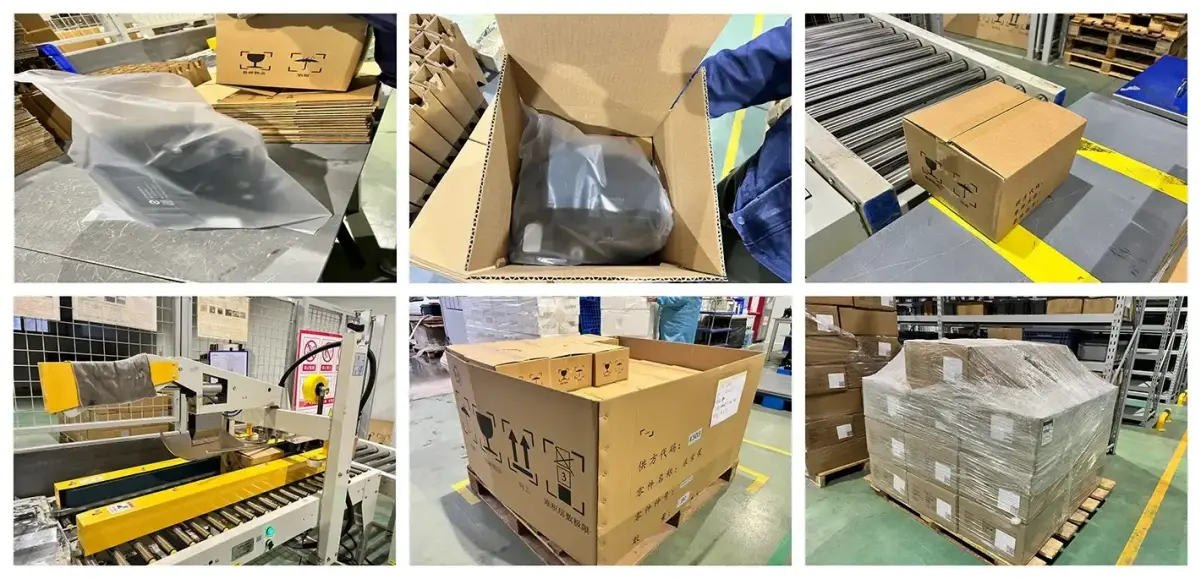
Future Trends and Innovations in Aftertreatment Dosing Units for Trucks
Material Science and Chemical Resistance Advancements
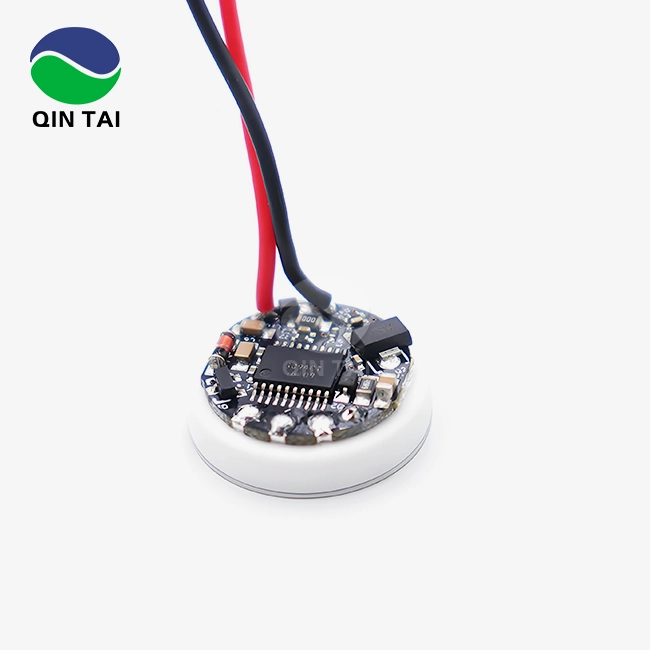
Next-generation Aftertreatment Dosing Units are made with new materials that make them last longer in harsh settings. Polyphenylene sulfide (PPS) parts are better at resisting chemical attack than regular plastics, and they keep their shape even when the temperature changes a lot. Nitrile-based seal materials work better with urea solutions, which lowers permeation and makes service intervals longer than 20,000 hours. Ceramic thick-film pressure sensors are more stable over time than silicon-based ones.
They can keep their calibration accuracy with drift rates below 0.5% over the lifetime of the component. Surface treatments, such as diamond-like carbon coatings, make pumping elements less frictional and more resistant to corrosion. These new materials allow makers to offer longer warranties and lower the total cost of ownership, which meets procurement goals related to lifecycle economics and lowering the upkeep load.
Digital Integration and the ability to predict
When dosing systems and IoT platforms work together, it makes it possible for condition-based maintenance and performance improvement. Dosing units that are wirelessly enabled send operating data to cloud analytics platforms in real time. This data includes injection amounts, pressure trends, and fault histories. Machine learning systems find patterns of wear and tear that indicate approaching failures. This lets parts be replaced before they break down.
Automated calibration systems change the dosing parameters based on what they have learned, so they can account for parts wearing out without any help from a person. Fleet management integration lets you get the most out of all of your vehicles by finding the ones that aren't working well and standardising on configurations that have been shown to be more reliable. When mistakes happen, the data streams make it possible to find the root cause, which speeds up the provider quality improvement processes.
Regulatory Evolution and Strategic Procurement
New rules, like the EPA's Clean Trucks Plan and possible NOx limits below 0.02 g/bhp-hr, will need more accurate doses and better catalyst efficiency. Strategies for buying things should focus on forming partnerships with suppliers that have shown they can do research and development and know about regulations. Platform architectures that are flexible enough to allow for updates to algorithms and changes to hardware help keep products from becoming obsolete as needs change.
Scalable options that meet the compliance needs of both current production and next-generation products cut down on qualification costs and speed up the time it takes for new car projects to hit the market. As rules get more complicated, it's more valuable for providers to offer full professional support. Building partnerships with companies that have a lot of patents on dose technology can give you a competitive edge by giving you early access to new ideas and lowering the risk of intellectual property disputes.
Conclusion
Aftertreatment Dosing Units are an important part of modern diesel powertrains because they help manufacturers meet strict pollution standards and keep equipment in good shape for longer. Fleet operators and OEM makers can be successful in the long term if they make purchasing choices that balance technical standards, supplier skills, and total cost of ownership.
Using high-tech sensors, especially urea dosing pressure sensors that don't crystallise and keep the signal stable, makes sure that the system will work for a long time in tough situations. As rules on emissions get stricter and digital integration grows, strategic relationships with new suppliers become more valuable. These partnerships give companies access to cutting-edge solutions and technical know-how that set their products apart in global markets.
FAQ
How often should aftertreatment dosing units be calibrated?
Calibration times rely on the seriousness of the application and what the maker suggests, but once a year is the best practice in the business. Heavy-duty commercial vehicles that travel more than 160,000 kilometres a year may need to be checked every six months. During calibration, diagnostic tools are used to compare the actual dosing volumes to the values that were given. If the differences are greater than ±2%, changes are made. Some more advanced systems have self-calibration algorithms that keep changing parameters based on feedback from NOx sensors further downstream. This cuts down on the need for manual intervention while keeping accuracy at all service intervals.
What distinguishes dosing pumps from complete dosing units?
The mechanical parts that make hydraulic pressure and control the flow of urea are called dosing pumps. Complete Aftertreatment Dosing Units have pumps, computer control units, heating elements, mounting brackets, and electrical cables. They also have sensors built in, such as urea dosing pressure sensors. When buying something, it's important to be clear about whether the specs call for separate pumps to be added to an existing system or whole units to be installed from scratch. This is because the prices, compatibility needs, and difficulty of installation are very different depending on the setup.
Can dosing units be customized for specific engine platforms?
Leading suppliers allow customisation, which can include changing the way the parts are mounted, the amount of flow that can be handled, the electrical connections (voltage output vs. SENT protocol), and making the temperature range work better. For customisation to make sense, you usually need to order at least 100 to 500 units in order to cover the costs of engineering and making the tools. Technical teamwork during the creation of specifications makes sure that they work with engine control methods, the physical packaging constraints, and the requirements for emissions certification.
Partner with Qintai for Superior Aftertreatment Solutions
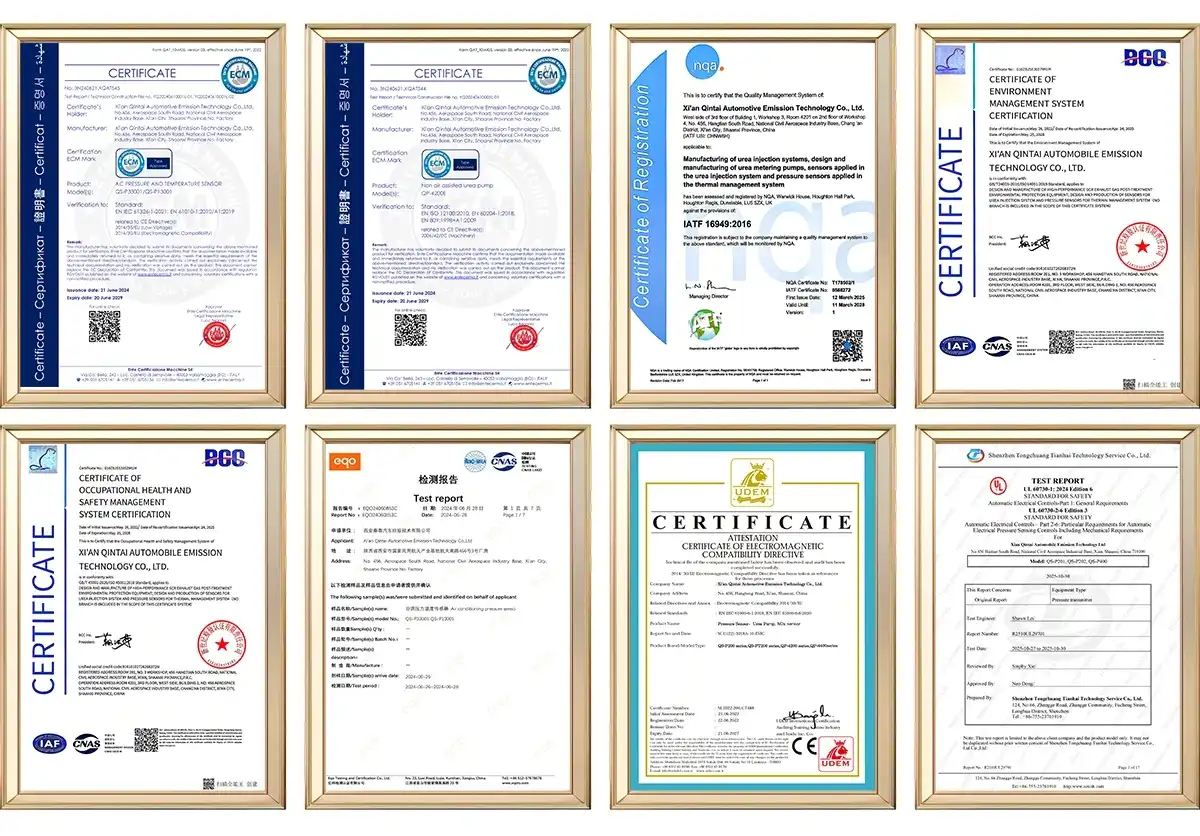
Qintai offers high-quality Aftertreatment Dosing Unit options that are designed to meet the needs of demanding business uses. We are a national high-tech company and the top OEM provider to Weichai Power, Yuchai Power, and Quanchai Power in China. We have over twenty years of experience in SCR systems and precise sensor technology. Our ISO9001, IATF16949, and UL-certified manufacturing ensures consistent quality, and our portfolio of 58 invention patents shows that we are a leader in innovation.
We offer fast shipping through established logistics networks, flexible customisation to fit your unique engine platforms, and responsive expert help throughout the lifecycles of our products. Get in touch with us at info@qt-sensor.com to talk about how our Aftertreatment Dosing Unit manufacturer skills can help your fleet meet emissions standards, run more efficiently, and stay competitive in the long term as regulations change.
References
1. Johnson, M. R., & Patterson, S. L. (2019). Advanced Diesel Engine Aftertreatment Systems: Design, Performance, and Emissions Control. SAE International Publications.
2. Environmental Protection Agency. (2021). Heavy-Duty Engine and Vehicle Standards and Highway Diesel Fuel Sulfur Control Requirements. EPA Regulatory Documents Series.
3. Zhang, H., Wang, Y., & Liu, J. (2020). Selective Catalytic Reduction System Optimization for Heavy-Duty Diesel Engines. International Journal of Automotive Technology, 21(4), 875-886.
4. European Automobile Manufacturers Association. (2022). Euro VI Emissions Standards: Technical Requirements and Compliance Strategies for Commercial Vehicles. ACEA Technical Report.
5. Kumar, R., & Thompson, G. (2020). Urea Dosing Precision and NOx Conversion Efficiency in SCR Systems. Journal of Emissions Control Science and Technology, 6(3), 234-249.
6. National Renewable Energy Laboratory. (2021). Fleet Management Strategies for Emissions Compliance: Aftertreatment System Maintenance and Optimization. NREL Technical Monograph Series.

Our customers’ satisfaction speaks for our quality — contact us to experience the same reliable service.