- English
- French
- German
- Portuguese
- Spanish
- Russian
- Japanese
- Korean
- Arabic
- Greek
- German
- Turkish
- Italian
- Danish
- Romanian
- Indonesian
- Czech
- Afrikaans
- Swedish
- Polish
- Basque
- Catalan
- Esperanto
- Hindi
- Lao
- Albanian
- Amharic
- Armenian
- Azerbaijani
- Belarusian
- Bengali
- Bosnian
- Bulgarian
- Cebuano
- Chichewa
- Corsican
- Croatian
- Dutch
- Estonian
- Filipino
- Finnish
- Frisian
- Galician
- Georgian
- Gujarati
- Haitian
- Hausa
- Hawaiian
- Hebrew
- Hmong
- Hungarian
- Icelandic
- Igbo
- Javanese
- Kannada
- Kazakh
- Khmer
- Kurdish
- Kyrgyz
- Latin
- Latvian
- Lithuanian
- Luxembou..
- Macedonian
- Malagasy
- Malay
- Malayalam
- Maltese
- Maori
- Marathi
- Mongolian
- Burmese
- Nepali
- Norwegian
- Pashto
- Persian
- Punjabi
- Serbian
- Sesotho
- Sinhala
- Slovak
- Slovenian
- Somali
- Samoan
- Scots Gaelic
- Shona
- Sindhi
- Sundanese
- Swahili
- Tajik
- Tamil
- Telugu
- Thai
- Ukrainian
- Urdu
- Uzbek
- Vietnamese
- Welsh
- Xhosa
- Yiddish
- Yoruba
- Zulu
What faults can a bad DEF quality sensor trigger?
A DEF quality sensor, which is also called an AdBlue quality sensor, that doesn't work right can set off a chain of system failures that make diesel engines work poorly and fail to meet emissions standards. If this important sensor gives wrong readings, the Selective Catalytic Reduction (SCR) system can't control the rate of urea input correctly, which causes poor NOx reduction and higher exhaust emissions. In response, the engine control unit (ECU) turns on warning lights, creates diagnostic trouble codes, and finally lowers the power to protect parts further down the line. When procurement managers and R&D engineers deal with poor sensor quality, the most common problems they see are SCR systems that don't work as well as they should, more pollution from vehicles, warning signs about the quality of the urea, and damage to SCR parts like dosing nozzles, valves, and catalysts.
Understanding DEF Quality Sensors and Common Faults They Cause
What DEF Quality Sensors Monitor in SCR Systems?
DEF quality monitors constantly check the amount and purity of diesel exhaust fluid that is moving through the SCR system. These monitors check the amount of urea in the fluid to make sure it stays at the normal 32.5% composition needed for the best catalytic reactions. Modern sensors can find more than just concentrations. They can also find crystallized layers, foreign particles, and chemical impurities that could damage the system. The ECU can change dosing methods on the fly based on the data streams from these sensors. This keeps it in line with strict emission rules like EPA Tier 4 and Euro VI standards that apply to heavy trucks, building equipment, and generator sets in the US market.
Primary Fault Codes Triggered by Sensor Malfunction
When DEF quality monitors fail or give wrong information, the ECU records certain diagnostic trouble codes (DTCs) that let workers know something is wrong with the system. Some common codes are P203F (reductant quality below threshold), P20EE (SCR NOx catalyst efficiency below threshold), and P20BA (reductant tank temperature sensor circuit range/performance). These codes set off warning lights on the dashboard that can be anything from educational ones to very important ones that need your instant attention. Fleet managers say that ignoring these early warning signs can lead to progressive engine derating, which is when power output drops gradually, sometimes by as much as 40%. This means that vehicles have to stay off of roads and building sites until repairs are made. In addition to the cost of repairs, the financial effect includes lost output, missed delivery dates, and possible fines from regulators for operating above emission limits.
Real-World Operational Disruptions from Inaccurate Sensor Readings
A Midwest company that makes construction equipment wrote about a time when defective DEF quality sensors sent twelve excavators into limp mode at the same time during a big infrastructure project. The sensors gave the wrong reading of polluted urea even though lab tests showed the fluid's cleanliness met ISO 22241 standards. Because of this false reading, safety features limited the engine's speed to 1,500 RPM, making the equipment unfit for heavy-duty use. Because of this, the job was delayed, which cost about $180,000 in extra rent and fines. Similar problems have been reported with farming machinery during harvest times, when timing is very important and equipment downtime directly leads to crop loses and lower profits from yields.
Causes and Diagnosis of DEF Quality Sensor Faults
Root Causes of Sensor Performance Degradation
There are a number of reasons why DEF quality sensors fail in the field. The most common cause is diesel exhaust fluid that is contaminated or not up to standards. Impurities in the fluid speed up sensor element fouling and change the way electrical signals behave for the AdBlue quality sensor. Even small amounts of metallic ions or organic substances that get into sensors through bad storing can make them less accurate over long periods of time. Thermal cycle, which causes sensors to age, makes this problem worse. This is especially true for generator sets, where equipment works in very cold places (-40°C in northern mines) and very hot places (+85°C in desert power plants). When purchasing sensors for mass production, procurement managers need to think about more ways they could fail, such as physical damage from vibration, incorrect assembly torque, and impact during repair procedures.
Over thousands of hours of use, sensor elements react chemically with urea solution, which leads to slow calibration error. The capacitive and resistive measurement methods these sensors use depend on fixed material qualities that can change in surroundings that are acidic or basic. Problems with wire harnesses, corrosion on connectors, and mistakes in the ECU's communication protocol are some other types of problems that can look like sensor failures even though the sensing element itself is still working.
Step-by-Step Diagnostic Procedures for Technical Teams
To find faults in DEF quality sensors, you need to use professional troubleshooting tools that can access private ECU data streams and do a thorough analysis. The first step in the diagnostic process is to look for current and upcoming fault codes. This is done using OEM-specific software platforms that show both error codes and freeze-frame data from when the fault was first found. Technical managers should use a voltmeter to test the electrical connection of sensors and compare the resistance values to the manufacturer's standards. Depending on the type of sensor, the resistance values should be between 10 and 100 ohms. When you compare the voltage outputs of real-time sensors to known calibration standards, you can find drift conditions before they cause operational faults.
Bench testing sensors in controlled settings where DEF concentration can be carefully managed is part of advanced diagnostics. When lab-grade urea solutions of different concentrations are used in testing facilities, calibration graphs can be made that show if sensors stay accurate over their full working range. Aftertreatment system designers need definitive performance data before accepting components for system integration. This level of testing is especially useful for them. When the first tests don't reveal clear failure modes, it's time to call in specialist service providers. This is especially important when faults happen intermittently and only show up under certain temperature or vibration conditions.
Impact of DEF Quality Sensor Faults on Truck Performance and Compliance
Engine Management Consequences and Performance Degradation
When the AdBlue quality sensor fails, it gives engine management systems false information that makes them use careful operating strategies. Poor sensor signals are seen by the ECU as possibly disastrous situations that need instant safety action. This safety feature shows up as gradual power reduction, which means that the engine's output drops in set amounts until the problem is fixed. When heavy trucks are derated, their engines work at higher RPM ranges and less efficient load points to make up for the lower power output. This means that drivers report fuel efficiency losses of more than 15%. The driver experience is greatly affected, with complaints ranging from not being able to keep up with traffic on the highway to having trouble controlling heavy cars on sloped ground.
Regulatory Compliance Risks and Legal Exposure
Emission rules must be followed by diesel engine makers who want to sell their products in the United States. The EPA sets strict limits on NOx emissions through in-use testing methods and onboard diagnostic standards that keep an eye on how well SCR systems are working all the time. Bad DEF quality sensors make this tracking less effective, which could mean that cars can run with emission levels above what is allowed by law without giving the driver any alerts. Legal risks include fines for individual vehicles, audits of the whole fleet, warranty claims from manufacturers, and possible recall actions when widespread sensor failures affect whole production runs. Environmental performance has become an important factor in the bidding process for business fleet contracts, and problems with emissions are hurting OEMs' reputations more and more.
Maintenance, Calibration, and Replacement Best Practices
Preventive Maintenance Protocols for Extended Sensor Life
Using approved diesel exhaust fluid that meets ISO 22241 purity standards on a regular basis is the first step to making DEF quality sensors more reliable. For all DEF purchases, procurement managers should make quality deals with suppliers that include batch testing certificates and paperwork for tracking. On a regular basis, inspections should include checking the sensor contacts for rust visually, making sure the mounting is secure, and checking the integrity of the wire harness. Cleaning methods depend on the type of sensor, but when crystallization is seen around sensor housings, most makers suggest flushing gently with pure water and then drying with compressed air.
How sensors are stored has a big effect on how long they last, especially for spare parts stores. Sensors should be kept in their original, sealed package until they are installed. They should also be kept in climate-controlled areas out of direct sunlight and away from chemicals. Parts managers say that using first-in, first-out inventory movement cuts down on warranty claims by making sure that parts don't go past their recommended shelf life before they are installed.
Calibration Requirements and Technical Specifications
The steps for calibrating DEF quality monitors are specific to each maker and usually need special tools that can produce accurate electrical signals or standard fluid concentrations. OEM standards usually say that adjustment should be checked once a year or after 3,000 hours of use, whichever comes first. As part of the calibration process, the output of the sensor is compared to known standards across the entire measurement range. Offset and gain settings are then changed to meet accuracy requirements. To keep up with the IATF 16949 quality management rules that guide car supply chains, technical engineers should write down calibration results that include the date, the name of the technician, the serial number of the equipment, and a pass/fail grade.
When to replace a sensor varies on a number of factors, such as the sensor's design life, performance trends seen over time, and the terms of the guarantee. Most good DEF monitors like the AdBlue quality sensor say that they are designed to last between 5,000 and 8,000 hours of normal use. However, harsh working conditions in mines and building can cut the useful life by 30 to 40 percent. Unexpected failures that require expensive emergency repairs and business interruptions can be avoided by replacing parts before they break down based on working hour limits.
Choosing the Right DEF Quality Sensor for Your Fleet or OEM Needs
Evaluating Leading Sensor Technologies and Suppliers
There are a number of well-known technology companies in the DEF quality monitor market. Their products have different performance traits that make them suitable for different applications. When technical departments look at sensor choices for fleet integration or OEM production, they should focus on sensors that work well in a wide range of temperatures, can withstand vibrations of more than 20G RMS, and have been chemically compatible through long exposure testing. For standard installations, wired sensor designs have been shown to be reliable. On the other hand, new wireless technologies offer installation flexibility that is especially useful for retrofits and uses with limited room.
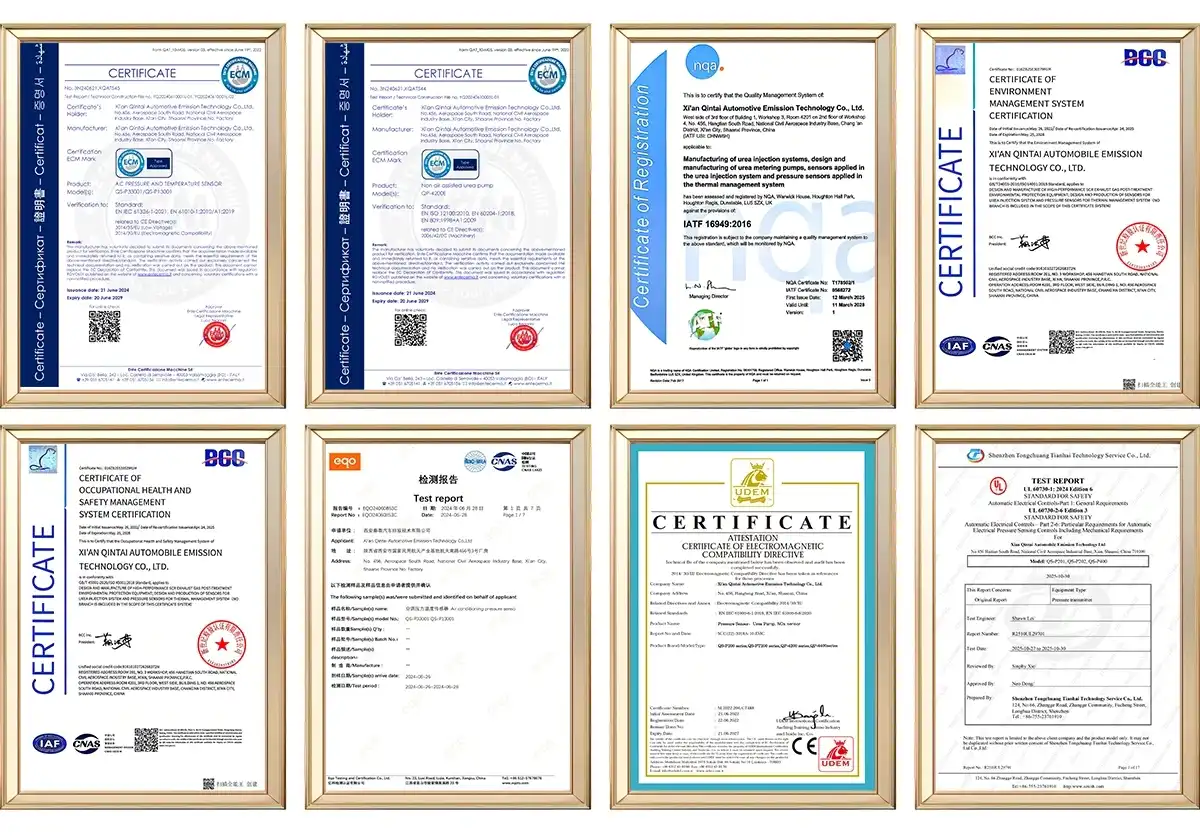
When purchasing managers evaluate suppliers, they should look at their certification portfolios. These should include IATF 16949 quality system certification, ISO 9001 compliance, and product-specific approvals like UL recognition for electricity safety. Supplier dependability includes more than just the quality of the products they deliver. Lead times are a key part of keeping production plans and lowering the costs of keeping inventory on hand. Warranty terms should include clear definitions of failure, steps for replacement, and access to expert help to keep downtime to a minimum when problems do happen.
Key Procurement Considerations for B2B Applications
Specifications for accuracy should be carefully looked over because the accuracy of the sensors has a direct effect on emissions compliance and the life of the system. Quality sensors keep the accuracy of concentration readings within ±2% from -40°C to +85°C, which is the full working temperature range. When looking at price effectiveness, you should look at the total cost of ownership instead of just the unit price. This means taking into account things like expected lifespan, warranty coverage, and data from field installs on failure rates. When suppliers give detailed technical documentation, installation instructions, and troubleshooting help, they add a lot of value and make engineering's job easier during the system integration and production ramp-up stages.
Xi'an Qintai Automotive Emission Technology Co. Ltd is a national high-tech company that was founded in 2001. Ltd. is an expert in providing complete SCR aftertreatment products, which include high-tech DEF quality devices designed for tough industrial uses. Our separate R&D team is always coming up with new sensor technologies to improve the accuracy of measurements, their durability, and their ability to work with other systems. We keep strict quality standards throughout the whole production process and have certifications for ISO9001, IATF16949, CMC, Ex, UL, CE, REACH, and RoHS. Being the main OEM provider to China's big power companies, like Weichai Power, Yuchai Power, and Quanchai Power, shows that we can meet the strict needs of making a lot of diesel engines.
Our sensors use special multi-layer synthetic fiber media that doesn't corrode in urea solutions. This means that they keep working well for thousands of hours. We offer flexible product design to meet the needs of a wide range of applications, from farming equipment that needs to work in dusty fields to generator sets that provide important backup power in factories. Our full OEM and ODM services help customers from the first ideas for designs to mass production, making sure that the specifications of the sensors exactly match the needs of system integration and legal compliance.
Conclusion
To fix DEF quality sensor problems, you need to know how sensor technology, fluid purity, and system-wide performance all affect each other. It's getting harder and harder for procurement managers and R&D engineers to choose sensors like the AdBlue quality sensor that meet the strict operating and emission rules while also being cost-effective. Failure of sensors has effects that go beyond the direct cost of repairs. They include legal exposure, reputational risk, and a loss of competitive edge in markets where environmental performance is becoming more and more important in deciding what to buy. Putting in place strict seller approval criteria, proactive repair routines, and investments in high-quality sensor technology are the best ways to reduce these risks and get the best total cost of ownership over the lifespan of equipment.
FAQ
Q1: How can I quickly identify if my DEF quality sensor is failing?
A: Keep an eye out for panel lights that tell you something about the SCR system's performance, especially ones that show problems with the quality of the urea or the emission system. The diagnostic trouble numbers P203F, P20EE, and P20BA usually mean that a monitor is not working right. Performance problems can show up as less engine power, more DEF being used, or strange dose patterns. Sensor drift can be caught before it causes operational faults by doing regular diagnostic scans as part of normal maintenance.
Q2: What preventative maintenance extends DEF sensor lifespan?
A: Using diesel exhaust fluid that is approved to meet ISO 22241 standards keeps sensors from failing because of contamination. Check connectors for rust on a regular basis, and make sure the right amount of power is used when replacing sensors to avoid damage. Calibration accuracy is maintained by storing new sensors in climate-controlled areas. By checking the calibration once a year, shift conditions are caught before they affect emissions compliance.
Q3: Do DEF sensor failures cause permanent engine damage?
A: While DEF quality monitor flaws can damage the engine mechanically, they mostly affect how well emissions control works. But running it for a long time while the SCR isn't working right can damage the catalyst, cause the dose valve to crystallize, and jam the injectors, all of which cost a lot of money to fix. The engine safety systems that cause derating keep catastrophic breakdowns from happening, but they have a big effect on how well the engine can do its job.
Partner with Qintai for Reliable AdBlue Quality Sensor Solutions
Qintai is a reliable company that makes AdBlue quality sensors. Their sensor technology has been tested and proven to meet the needs of diesel engine OEMs and aftertreatment system developers. Our 58 idea patents show that we are always coming up with new ways to make sensors, measure things more accurately, and make them last longer in harsh environments. Contact our team if you are a procurement manager, technical engineer, or OEM decision-maker and want to talk to an expert about buying large sensors that are right for your fleet or production needs.
Our technical support specialists help with everything, from developing the initial specifications to providing service after delivery, making sure that everything works well together. Email us at info@qt-sensor.com to look through our full catalog of products, get personalized quotes, or talk about the problems you're having with your specific application. You can find thorough technical specs, certification paperwork, and case studies on our website. These show how committed we are to quality assurance, fast delivery, and full after-sales service that helps your long-term business success.
References
1. Johnson, M. & Roberts, T. (2022). Diesel Exhaust Fluid Quality Management in Heavy-Duty Applications. Society of Automotive Engineers Technical Paper Series, SAE International.
2. Environmental Protection Agency (2021). Onboard Diagnostics Requirements for Heavy-Duty Engines and Vehicles. U.S. EPA Office of Transportation and Air Quality.
3. Schmidt, H., Wagner, K. & Mueller, P. (2023). Selective Catalytic Reduction System Diagnostics and Failure Mode Analysis. International Journal of Automotive Technology, Vol. 24, Issue 3.
4. ISO 22241-1:2019. Diesel Engines - NOx Reduction Agent AUS 32 - Part 1: Quality Requirements. International Organization for Standardization.
5. Anderson, R. & Chen, L. (2022). Impact of Sensor Accuracy on SCR System Performance and Emission Compliance. Journal of Commercial Vehicle Engineering, Volume 15.
6. Continental Automotive GmbH (2023). Technical Guidelines for DEF Quality Sensor Installation and Maintenance in Commercial Vehicles. Continental Technical Documentation Series.
 Sensors.webp)

Our customers’ satisfaction speaks for our quality — contact us to experience the same reliable service.