- English
- French
- German
- Portuguese
- Spanish
- Russian
- Japanese
- Korean
- Arabic
- Greek
- German
- Turkish
- Italian
- Danish
- Romanian
- Indonesian
- Czech
- Afrikaans
- Swedish
- Polish
- Basque
- Catalan
- Esperanto
- Hindi
- Lao
- Albanian
- Amharic
- Armenian
- Azerbaijani
- Belarusian
- Bengali
- Bosnian
- Bulgarian
- Cebuano
- Chichewa
- Corsican
- Croatian
- Dutch
- Estonian
- Filipino
- Finnish
- Frisian
- Galician
- Georgian
- Gujarati
- Haitian
- Hausa
- Hawaiian
- Hebrew
- Hmong
- Hungarian
- Icelandic
- Igbo
- Javanese
- Kannada
- Kazakh
- Khmer
- Kurdish
- Kyrgyz
- Latin
- Latvian
- Lithuanian
- Luxembou..
- Macedonian
- Malagasy
- Malay
- Malayalam
- Maltese
- Maori
- Marathi
- Mongolian
- Burmese
- Nepali
- Norwegian
- Pashto
- Persian
- Punjabi
- Serbian
- Sesotho
- Sinhala
- Slovak
- Slovenian
- Somali
- Samoan
- Scots Gaelic
- Shona
- Sindhi
- Sundanese
- Swahili
- Tajik
- Tamil
- Telugu
- Thai
- Ukrainian
- Urdu
- Uzbek
- Vietnamese
- Welsh
- Xhosa
- Yiddish
- Yoruba
- Zulu
How to do a proper Truck UREA System Maintenance?
To properly maintain a truck's UREA system, you must first understand how important the Urea supply pressure sensor is. This precise part checks the hydraulic pressure in your SCR aftertreatment system to make sure that the right amount of diesel exhaust fluid is added. By checking this sensor regularly along with the urea lines, filters, and injectors on a regular basis, crystallization clogs can be avoided and the vehicle stays in line with Euro VI and EPA emission standards. Fleet managers can avoid costly downtime and keep NOx reduction performance at its best by putting in place preventative measures and fixing sensor problems quickly.


Understanding the UREA Supply Pressure Sensor in Truck SCR Systems
Selective Catalytic Reduction technology is used in modern diesel engines to meet strict pollution rules. There is a complex tracking device at the heart of this system that many people don't pay attention to until something goes wrong.
The Core Function in Emission Control
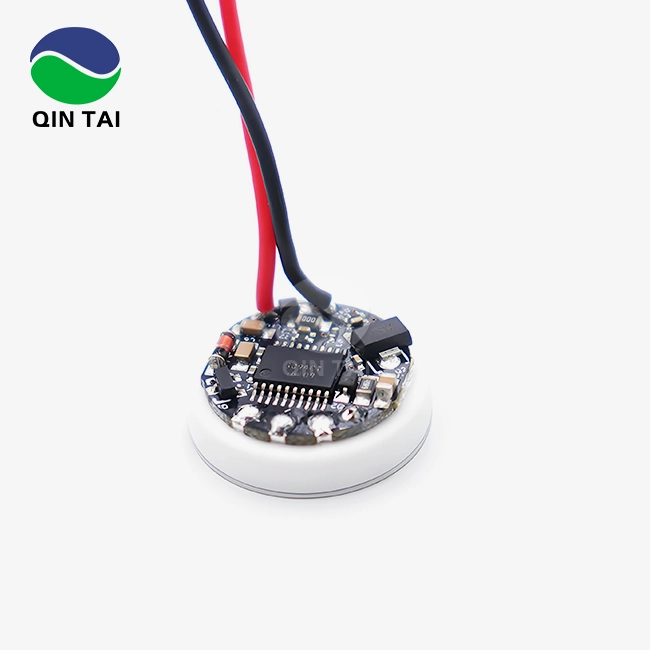
The response method in your SCR dosing module is the Urea supply pressure sensor. It keeps checking the diesel exhaust fluid's hydraulic pressure as it moves from the tank to the injector via the pump. This real-time information is sent to the Dosing Control Unit, which changes the timing and amount of injections to get accurate NOx conversion rates. When pressure goes outside of certain limits—usually between 5 and 9 bar, but this depends on how the system is designed—the ECU gets a message right away. This closed-loop control stops both under-dosing and over-dosing. Under-dosing leads to emission test fails and over-dosing causes ammonia slip and catalyst contamination.
Analog Versus Digital Sensor Technologies
In the last ten years, pressure sensor technology has changed a lot. Analog sensors send out a voltage signal that is directly related to the pressure they record. This signal is usually between 0.5V and 4.5V. People still like to use these devices for retrofitting because they work with all older ECU systems. Digital sensors, on the other hand, send pressure data using the SENT (Single Edge Nibble Transmission) system or the CAN bus. It is better at blocking noise with this method, and it lets you send more diagnostic data, like sensor temperature and internal problem codes. When buying things in bulk, procurement teams should keep in mind that digital versions usually cost 15 to 20 percent more, but they have better troubleshooting features that lower warranty claims.
Distinguishing Pressure Sensors from Transmitters
Technical specs often mix up sensors and emitters, but it's important to know the difference for integrating systems. A pressure monitor changes the force of gravity into an electrical input that an ECU can directly understand. A pressure emitter has circuitry for signal conditioning and sends out a standard 4-20mA current loop. This makes it good for longer wire runs in building tools where electromagnetic interference can be a problem. Sensors are mostly used in heavy trucks because they are small and work directly with engine control systems.
Early Warning Signs of Sensor Degradation
Knowing when a monitor is about to fail guards against breakdowns that come out of the blue. "Circuit Range/Performance" P204B trouble codes that come up from time to time suggest signal drift, which is usually caused by corrosion on connector connections that are exposed to road salt. If the voltage numbers suddenly go up or down, it means that the diaphragm has broken or there is a problem with the circuit. Fleet managers should be aware that the quality of the DEF has a direct effect on how long sensors last, since polluted fluid speeds up the internal fouling process. Monitoring systems that record pressure readings over time show that the calibration changes slowly over time, allowing replacement during planned maintenance instead of having to be done on the side of the road in an emergency.
Common Maintenance Challenges and Troubleshooting of UREA Supply Pressure Sensors
When SCR systems are used in the real world, they face problems that can't fully be simulated in the lab. Knowing about these problems helps repair teams figure out how to deal with Urea supply pressure sensors.
Calibration Drift and Its Impact
The strain gauge or piezoresistive parts in pressure sensors are carefully calibrated to keep the instruments accurate. Thermal cycling and mechanical stress cause zero-point and spread shift over thousands of hours of use. Dosing mistakes happen when tuning varies by more than 3% from what the maker says it should be. This shows up as slowly worsening emission test results instead of rapid fails. To recalibrate, you need special tools that can match the output of a sensor to measurable pressure standards. Most repair shops don't have these tools. When you factor in the cost of work, replacement becomes more cost-effective than trying to calibrate in the field.
Installation Errors That Compromise Performance
The most common assembly mistake is putting the item in the wrong way. When mounted vertically, sensors that were made to be mounted horizontally may get stuck in air bubbles, which can cause results to be all over the place. Tightening threaded connections too much can put stress on the sensor body and cause the diaphragm seal to crack. When you under-torque, DEF can leak out and damage electrical circuits. For proper fitting, follow the OEM torque specs, which are usually 15-20 Nm for M12x1.5 threads, and use a thread sealant that works with urea chemistry. A lot of aftermarket installations forget to remove any air from the system before starting it up for the first time. This can cause cavitation, which hurts both the pump and the sensor.
Compatibility Concerns Across System Variants
Different companies that make SCR systems use their own unique ways to handle them. A sensor with an M10x1 threading and a 0–10 bar range seems to be interchangeable, but small changes in reaction time or output features can lead to errors in the ECU. When dynamic pressure changes, Bosch systems expect certain voltage shapes that are different from Delphi calibrations. Using sensors that haven't been tested sets off safety modes that lower the engine's power. When purchasing parts for mixed fleets, procurement managers need to keep thorough compatibility matrices or they might end up putting parts that look the same but don't work right.
Practical Diagnostic Procedures
Sensor problems can be separated from larger system problems using systematic repair. First, check the source voltage at the sensor port. With the key on and the engine off, it should show battery voltage. Next, use an oscilloscope to watch the output signal while the pump is running. When sensors are healthy, they show a steady rise in pressure with no electric spikes or drops. Check the values against a mechanical pressure gauge that is connected briefly with a T-fitting. If the difference is more than 0.3 bar, it means the sensor is broken. Corrosion problems can be seen by measuring the resistance between the signal ground and the chassis ground. This methodical technique keeps parts from being replaced when they aren't needed to avoid breakdowns.

Best Practices for Effective Truck UREA System Maintenance
Changing from reactive fixes to preventative maintenance strategies improves the dependability of a fleet and lowers the total cost of ownership.
Establishing Maintenance Objectives Aligned with Operations
Different types of operations need different repair schedules. Long-haul trucks that go 15,000 miles a month wear out differently than building equipment that works in dusty places with different loads. Set maintenance goals based on uptime goals, emission compliance standards, and lifetime cost factors. Fleets that have to follow the rules set by the California Air Resources Board can't have even short times of noncompliance, so they need strict preventative plans. On the other hand, backup generator sets focus on reliability over regular maintenance. Write down these goals clearly so that technicians can use them to make decisions.
Implementing Sensor Data Trending Programs
Modern telematics systems constantly record monitor readings, but not many businesses use this information. Set the base pressures for each car in normal situations, like when it's not being used and when it's at full load. You can see steady drift by plotting these numbers every month. If a sensor is giving normal values but is moving closer to its design limits, it should be replaced before it sets off any fault codes. Studies on vehicle maintenance show that this method cuts down on emergency fixes by about 40%. If you combine this trending data with systems that keep track of parts, cars that are getting close to needing to be replaced will be immediately flagged.
Preventative Measures to Extend Component Life
Several actions greatly increase the useful life of Urea supply pressure sensors. Install high-quality DEF from providers that meet ISO 22241 standards. Sixty percent of early sensor failures are caused by fluid that isn't clean. Every year, drain DEF tanks to get rid of the sediment that builds up. During the winter, make sure that the heated parts keep the fluid above -11°C so that it doesn't expand by 9% when it freezes. At every service time, put dielectric grease on the electrical connections. By doing these easy things that don't take much time, you can often double the life of a sensor from the usual 15,000 hours to 30,000 hours or more.
Integration Protocols for Optimal Performance
The pressure monitor is one part of an SCR system that works together. Its readings change how fast the pump works, how wide the injector pulses are, and how the temperature is controlled. After changing any major part, like a pump, injector, or sensor, use the manufacturer's diagnostic tools to re-learn the whole system. This changes the control methods so that they work with the new part's unique properties. Skipping this step leads to less-than-ideal performance, even if the parts are perfect. Check that all system parts can talk to each other by seeing if there are any CAN bus failures. When you look at system integration as a whole, you avoid the usual mistake of changing individual parts while communication problems stay.
Leveraging OEM and Supplier Expertise
By working together with the companies that make the parts, you can get professional help that goes beyond what is in generic repair manuals. Suppliers like Qintai, which has been making SCR sensors for more than 20 years, have application engineering teams that fix difficult interface problems. Use these tools instead of guessing when looking at strange failure trends. OEM relationships also let you know early about changes to designs and ways to update them. Many providers have training programs that help technicians get better at what they do. This is an investment that pays off because it cuts down on the time it takes to diagnose problems and raises the rate of first-time fixes.
Selecting the Right UREA Supply Pressure Sensors: Brands and Procurement Guide
Choosing the right components has long-lasting effects on how well a system works and how much it costs over its whole life. To get around in this world, procurement workers need to know about market positioning and technology differentiators.
Evaluating Established Brands and Their Strengths
The global SCR sensor market is dominated by a few companies, each with their own unique traits. Bosch uses its knowledge of car technology to make sensors that are very good at keeping signals stable and resisting EMI, which means they can be used in harsh electrical environments. Continental focuses on small packing and lowering weight, which makes it appealing to automakers who want to make vehicles more fuel-efficient. Delphi designs are focused on being easy to service, with strong connections that can handle being disconnected and reconnected many times during repair. When choosing from these well-known names, you should think about whether initial stability, ease of service, or compatibility with current system designs are the most important things to you.
Emerging High-Value Alternatives
The market is bigger than just Western producers. As a result of putting a lot of money into research and development, Asian suppliers now have quality levels that are on par with well-known names while giving 25–35% cost savings. Qintai is a great example of this trend because it is the biggest OEM source for industrial vehicles in China and works with Weichai Power, Yuchai Power, and Quanchai Power. Their sensors go through the same reliability tests as high-end brands, including temperature cycling, vibration resistance, and exposure to salt spray. They also have the same 15,000–20,000 hour service lives. Instead of ignoring these options because of where they came from, procurement teams that are under pressure to keep costs down should test them in pilot programs.
Analog or Digital: Making the Right Choice
When deciding between traditional and digital, speed, system compatibility, and cost must all be taken into account. Analog sensors can be used in systems that were made before 2015 and can be easily replaced by plugging them in and not having to do much programming. Their dependability is higher because they are simpler—fewer parts mean fewer ways for them to fail. Digital sensors work great in new designs that need improved tests that are worth the extra cost. By reporting the internal temperature and self-test findings, they make forecast maintenance possible. Find the total cost of ownership over the normal life of a car. If lower warranty claims and better uptime more than make up for the higher starting price, digital technology is the better choice.
Negotiating Bulk Purchase Agreements
Buying in bulk has many benefits besides lowering the price per unit. Talk about getting specific supplies that will always be available during production ramp-ups. Instead of using generic standards, ask for custom testing procedures that check sensors against your unique working conditions. Ask for promises of application tech help during the merging stages. Changing the terms of payment from net-30 to net-60 is a good way to improve cash flow management. A lot of suppliers have contract inventory programs where sensors stay with the source until they are installed, so you don't have to pay to store them. These parts of the bargaining process are often more useful than trying to get the lowest price per unit.
Assessing Supplier Reliability and Support Infrastructure
The scientific details of a Urea supply pressure sensor only tell part of the story of how it was bought. Check to see if suppliers have local technology help teams that can respond quickly. Check out their quality management certificates. For example, ISO9001 shows basic quality assurance, and IATF16949 shows process control for the car industry. Check their credit record to see how stable their finances are; if a supplier goes bankrupt in the middle of a deal, it will cause major problems in the supply chain. Ask companies with similar applications for customer examples, and then get in touch with those companies to find out how they handle quality problems. Suppliers with strong infrastructure become partners instead of just suppliers, helping you succeed in ways other than just selling you parts.

Future Trends and Innovations in Truck UREA System Maintenance
Because of legal forces and digitalization trends, SCR technology is still changing very quickly. Knowing about new changes helps businesses make smart decisions about where to spend their money.
Smart Sensor Technologies and IoT Integration
Microprocessors that do local data analysis are built into next-generation Urea supply pressure sensors. Instead of just giving pressure numbers, they figure out trend lines, look for patterns that don't make sense, and guess how long the service will last. This edge computing feature lowers the amount of data that needs to be sent and speeds up the process of finding problems. Integration with tools for the Internet of Things lets fleet managers use centralized screens to keep an eye on the SCR health of every car. AI systems that have been trained on thousands of failure cases can find tiny warning signs that humans can't see. With these technologies, maintenance will no longer be based on plans but on actual conditions. This could cut costs for SCR repair by 30 to 50 percent.
Predictive Maintenance Platforms
Software systems can now connect sensor data with operating factors such as job cycle, outdoor temperature, and fuel quality to make maintenance estimates that are specific to each car. These systems keep getting more accurate by learning from mistakes made in the past across whole groups. When a sensor's degradation pattern fits patterns that caused it to fail within 500 hours of operation in the past, the system lets management know so they can replace the sensor before it fails. This method finds the best time for maintenance—early enough to keep failures from happening and late enough to get the most out of each part. Investing in telematics infrastructure and data analytics tools is needed for implementation, but for middle and large fleets, the payback time is usually between 18 and 24 months.
Evolving Regulatory Standards
Emission rules are getting stricter all over the world. The EPA's upcoming Phase 3 greenhouse gas rules will need even more accurate NOx control, which will put more pressure on the accuracy of the SCR system. European rules require internal tracking with the ability to send reports from afar more and more. This makes sure that actual emissions are the same as those certified. Because of these needs, sensor specs are getting tighter and readings are getting better. Procurement teams should be involved in the development of regulations through industry groups so that they can predict what will be needed three to five years from now. This will give them time to rethink systems instead of having to rush to meet legal requirements.
Advanced Materials and Design Evolution
Sensor makers are looking into new materials that are better able to fight DEF's corrosive qualities. Specialized metals made of stainless steel and ceramic parts make the service last longer in tough circumstances. Designs with flexible diaphragms can handle freezing growth without breaking. As room constraints get tighter, things keep getting smaller. For example, new sensors take up 40% less space than designs from 2015 but work just as well. These improvements make it possible for SCR systems to be built into small pieces of equipment that weren't able to do so before. By keeping up with changes in material science, buying teams can choose next-generation parts that actually make things work better.
Conclusion
To maintain truck UREA systems well, you need to find a balance between technical understanding, safety measures, and choosing the right parts strategically. The Urea supply pressure sensor is an important tracking point that has a direct effect on emissions compliance and the efficiency of operations. Fleet operators can turn SCR systems from a legal burden into a competitive advantage by putting in place systematic repair routines, using data analytics to plan ahead for interventions, and working with skilled suppliers. As we move toward smart sensors and IoT integration, stability and cost-effectiveness will get even better. Companies that put money into developing their own experts and building strong relationships with their suppliers will be better able to handle changes in regulations and keep their fleets running even as emission control rules get more complicated.
FAQ
Q1: How often should we calibrate urea supply pressure sensors?
A: Most makers say that adjustment should be checked every 24 months or after 3,000 hours of use, whichever comes first. Urea supply pressure sensors that work in harsh conditions, like places with a lot of shaking or sudden changes in temperature, should be checked once a year. Most operations find it more cost-effective to replace sensors when they drift outside of specs than to calibrate them in the field, which requires special tools. Modern devices that use the SENT protocol often have self-diagnostic features that get rid of the need to check the setting by hand.
Q2: Can maintenance teams replace sensors without specialized training?
A: To replace the sensor, you just need to depressurize the system, unhook the electrical link, and thread the old sensor out. But for a good installation, you need to know the right torque values, how to purge the system of air, and how to use diagnostic tools to relearn the system. When sensors are placed incorrectly, they keep failing. To ensure long-term dependability, we suggest that workers get training from the maker on SCR systems before replacing any parts.
Q3: What factors most significantly influence sensor pricing?
A: The main difference in price is the type of technology—digital sensors cost 15–25% more than analog ones. Brand name makes established Western manufacturers 10–20% more expensive than Asian competitors with the same specs. Order number has a big effect on prices; if you buy more than 100 units a year, you can get savings of 20–30%. Customization needs, like non-standard pressure ranges or connections, usually mean extra development costs that can't be spread out over a lot of units.
Partner with Qintai for Reliable Urea Supply Pressure Sensor Solutions
To keep your fleet running efficiently and in line with emissions rules, you need more than just high-quality parts. You need a production partner with a lot of experience and a dedication to your success. Since 2001, Qintai has been a leader in China's OEM market for SCR aftertreatment sensors, thanks to its relationships with Weichai Power, Yuchai Power, and Quanchai Power. As a Urea supply pressure sensor maker, we can make any changes you need, from the socket specs to the pressure ranges that work best for your needs. Our engineering team is backed by ISO9001, IATF16949, and 58 idea patents. This means that we can meet Euro VI and EPA standards for stability. Our OEM/ODM services are open enough to meet your needs, whether you need to make a prototype or a lot of products with uniform quality. Get in touch with our tech support team at info@qt-sensor.com to talk about how our sensor solutions can improve the performance of your SCR system and lower its operating costs.
References
1. Society of Automotive Engineers. (2021). "SCR System Design and Optimization for Heavy-Duty Diesel Engines." SAE Technical Paper Series, Paper No. 2021-01-0589.
2. Majewski, W. A., & Khair, M. K. (2019). "Diesel Emissions and Their Control." SAE International, Warrendale, Pennsylvania, pp. 487-532.
3. Johnson, T. v. (2020). "Review of Selective Catalytic Reduction for Heavy-Duty Applications." International Journal of Engine Research, Vol. 21, No. 6, pp. 932-958.
4. Environmental Protection Agency. (2022). "Heavy-Duty Engine and Vehicle Standards: Regulatory Impact Analysis." EPA-420-R-22-008, Office of Transportation and Air Quality.
5. Continental Automotive Systems. (2020). "Exhaust Gas Aftertreatment Systems: Technology and Applications." Technical White Paper Series, Stuttgart, Germany.
6. Technology & Maintenance Council of American Trucking Associations. (2023). "Recommended Practice for SCR System Maintenance." TMC RP 648B, Arlington, Virginia.

Our customers’ satisfaction speaks for our quality — contact us to experience the same reliable service.