- English
- French
- German
- Portuguese
- Spanish
- Russian
- Japanese
- Korean
- Arabic
- Greek
- German
- Turkish
- Italian
- Danish
- Romanian
- Indonesian
- Czech
- Afrikaans
- Swedish
- Polish
- Basque
- Catalan
- Esperanto
- Hindi
- Lao
- Albanian
- Amharic
- Armenian
- Azerbaijani
- Belarusian
- Bengali
- Bosnian
- Bulgarian
- Cebuano
- Chichewa
- Corsican
- Croatian
- Dutch
- Estonian
- Filipino
- Finnish
- Frisian
- Galician
- Georgian
- Gujarati
- Haitian
- Hausa
- Hawaiian
- Hebrew
- Hmong
- Hungarian
- Icelandic
- Igbo
- Javanese
- Kannada
- Kazakh
- Khmer
- Kurdish
- Kyrgyz
- Latin
- Latvian
- Lithuanian
- Luxembou..
- Macedonian
- Malagasy
- Malay
- Malayalam
- Maltese
- Maori
- Marathi
- Mongolian
- Burmese
- Nepali
- Norwegian
- Pashto
- Persian
- Punjabi
- Serbian
- Sesotho
- Sinhala
- Slovak
- Slovenian
- Somali
- Samoan
- Scots Gaelic
- Shona
- Sindhi
- Sundanese
- Swahili
- Tajik
- Tamil
- Telugu
- Thai
- Ukrainian
- Urdu
- Uzbek
- Vietnamese
- Welsh
- Xhosa
- Yiddish
- Yoruba
- Zulu
Reliable Urea Pressure Sensor Manufacturers for Automotive SCR Systems - Qintai
The urea pressure sensor is an important but often overlooked part of the SCR system that plays a big role in how well diesel engines meet emissions standards. This gadget checks the AdBlue solution pressure all the time to make sure your system injects the exact amount needed to lower nitrogen oxide emissions. A lot of diesel engine makers and companies that put together aftertreatment systems have had trouble with sensor failures that cause limp mode, mess up operations, and make compliance harder to achieve.
We at Qintai have spent more than 20 years improving pressure sensing technology for these tough uses. We've come up with solutions that meet the strict emission standards of China VI, Euro VI, and the EPA for heavy trucks, building equipment, and generator sets.
Understanding Urea Pressure Sensors in Automotive SCR Systems
Pressure sensing is an important part of SCR technology because it helps with accurate dosing. Your SCR system depends on accurate AdBlue delivery to help turn dangerous NOx gases into safe nitrogen and water vapor. Without accurate pressure tracking, the engine control unit cannot figure out the right timing or amount of injection, which can cause either too much fuel use or not enough reduction in emissions.
How Pressure Measurement Technology Works
The pressure on these sensors is sensed by a diaphragm that bends when the urea solution applies hydraulic force. This movement of the metal is turned into an electrical signal, usually an analog voltage output range from 0.5 to 4.5 VDC, that is directly linked to readings of pressure. The ECU constantly analyzes this signal to make real-time changes to the dose settings that account for changes in temperature, flow rate, and system age.
Critical Pressure Ranges in SCR Applications
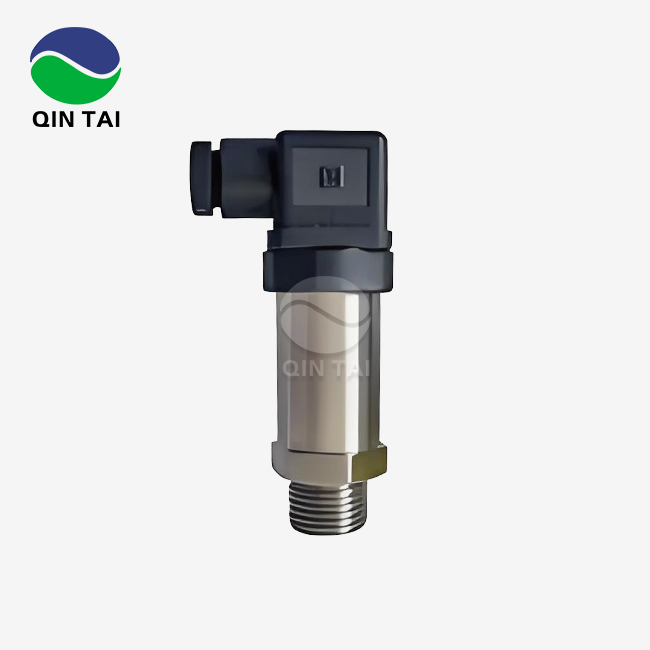
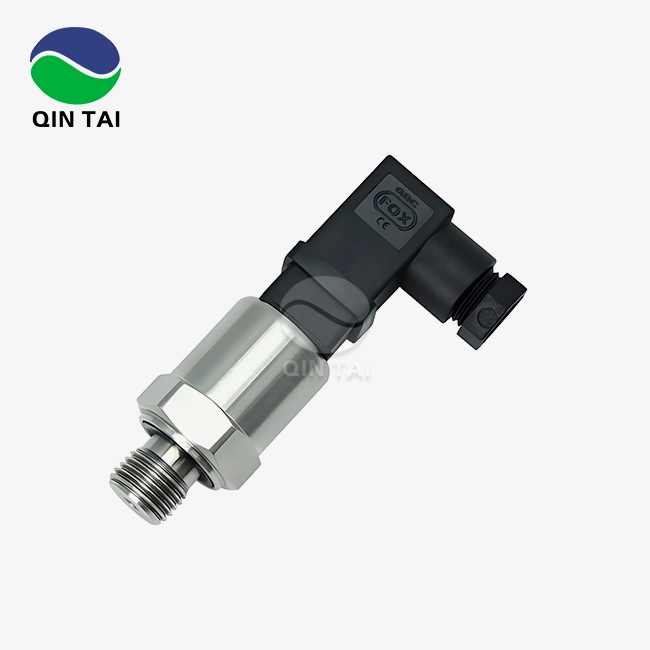
For different diesel uses, different pressure requirements are needed. Heavy-duty trucks usually run between 3 and 10 bar during regular dosing, but building equipment that is under a lot of stress may experience short-term spikes that get close to 12 bar. In order to find faults, the measurement range must go beyond the normal working range. This need is met by Qintai's QS-P226 model, which has a measuring range from -14 psi to +130.5 psi. This range includes vacuum conditions at system startup and highest dosing pressure situations.
Impact on Emission Control Performance
When monitoring pressure fails, it affects every part of your strategy for controlling emissions. When NOx levels are too high because of improper dosing, expensive AdBlue is wasted, and there is a chance of ammonia slip, which damages parts further down the line. The precision specification is very important in this case. Sensors with ±2% accuracy cause treatment differences that add up over thousands of hours of use, but Qintai's ±0.5% accuracy standard keeps tight control that keeps the catalyst working well and increases the component's lifespan.
Choosing Reliable Urea Pressure Sensor Manufacturers: Key Criteria
When you buy emission control parts, your choice will have legal and practical effects for years after the purchase order is made. Your ability to meet compliance targets, stick to production plans, and keep total cost of ownership under control will depend on the manufacturer you choose.
Certification Standards That Demonstrate Quality
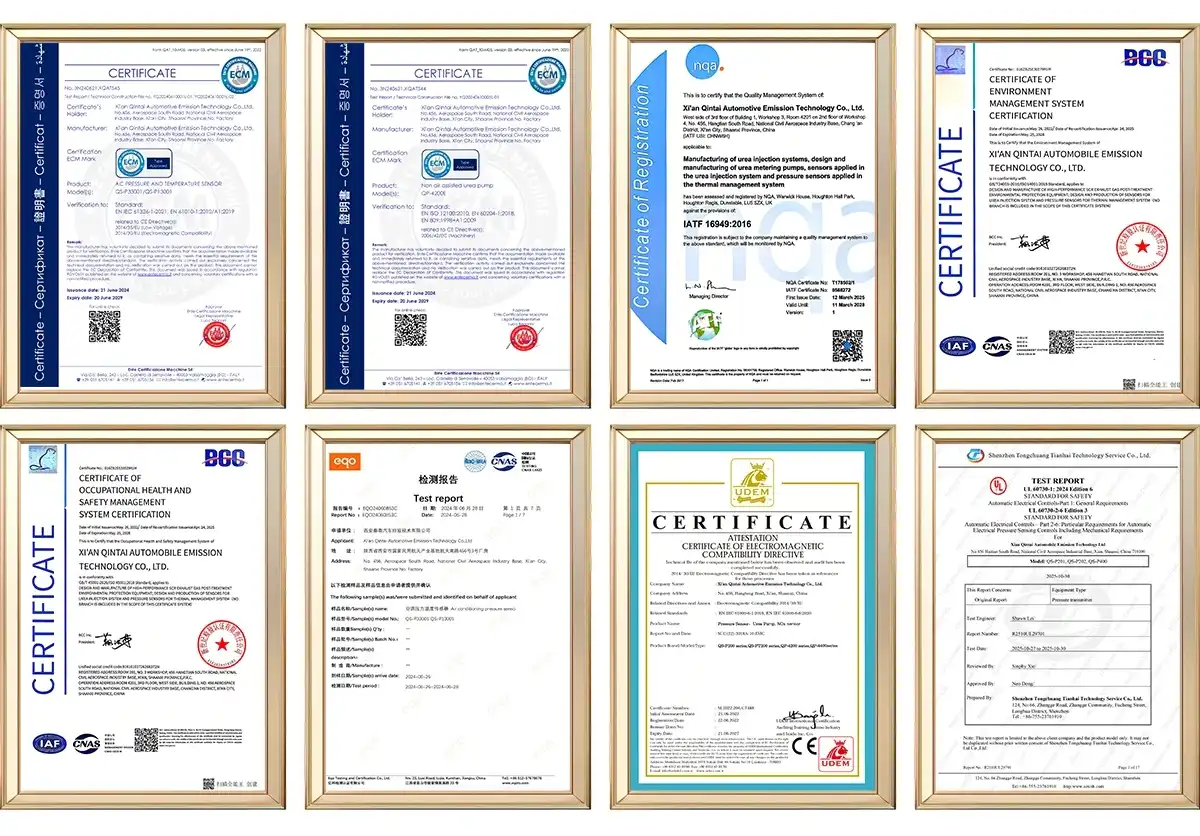
ISO 9001 approval is a basic way to check the quality of management, but stricter standards are needed for automotive uses. IATF 16949 approval is designed to meet the needs of the automotive industry, covering things like traceability, ongoing growth, and defect prevention. Qintai has these two certifications along with CMC, Ex, UL, CE, REACH, and RoHS compliance. This shows that we are dedicated to meeting the different regulatory needs of markets around the world. We've also gotten 58 invention patents to protect the unique technologies that are built into our sensing solutions.
Manufacturing Capabilities for Mass Production
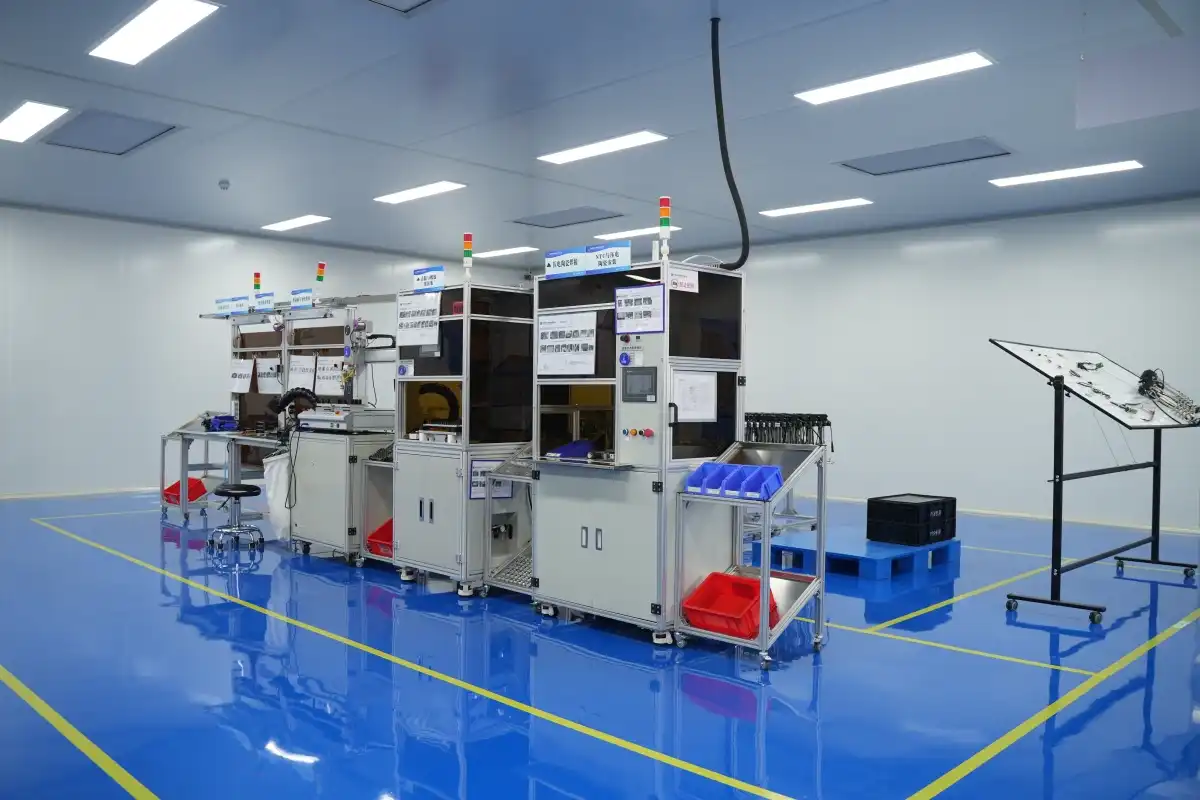
Your level of production needs suppliers who have been able to scale up before. When you need to go from making a few prototypes to making tens of thousands of units every month, it can be hard for small-batch producers. We provide Weichai Power, Yuchai Power, and Quanchai Power with reliable delivery that helps them stick to their production schedules. We are China's top OEM supplier for SCR components. Because we made our own sensor core technology, we have full control over the whole manufacturing process and don't have to rely on outside suppliers for parts that could slow things down.
Technical Customization and Engineering Support
It's not often that standard catalog items will meet all of your exact wiring, mounting, or communication needs. How responsive the manufacturer's engineers are will determine whether you have to spend months negotiating changes or get custom solutions quickly.
During the creation process, we allow for flexible customization of pressure ranges, connector types, mounting threads, and output signals—including the urea pressure sensor—so that they work perfectly with your current SCR design. When evaluating suppliers, technical managers and supply chain leaders always say that this ability to change is one of the most important things that sets them apart.
After-Sales Infrastructure and Global Logistics
Even if the sensors are good, they still need to be calibrated, have problems fixed, and sometimes get warranty service. When a manufacturer doesn't have a service network set up, you have to handle technology problems without help from a professional. Because we do business in more than 60 countries and areas, we have local technical help contacts who know how things work and how the rules apply to each area. Strong export operations make sure that wait times are the same whether you're buying from Detroit, Stuttgart, or Shanghai. This means that you don't need as much inventory to keep production going.

Top Urea Pressure Sensor Manufacturers and Brands in 2026
There are both large multinational companies and small, specialized regional manufacturers in the market for emission control sensors. Each brings different strengths to the table when it comes to buying things.
Global Industry Leaders and Their Positioning
Automotive tier-one suppliers like Bosch, Denso, Continental, and Siemens control OEM supply lines by having built ties with OEMs for decades and offering a wide range of parts. These businesses are great at coming up with integrated system solutions where sensors are just one part of full emission control packages. Their big research and development funds help sensor technology get better, especially in digital communication protocols and tests that can predict what will happen. Their size, on the other hand, can make customization deadlines and minimum order amounts rigid, which can be hard for mid-sized makers and aftermarket integrators.
Qintai's Competitive Position and Advantages
We started out as a national high-tech company in 2001, and since then we've focused on SCR aftertreatment for diesel engines and pressure sensing technology instead of expanding into other types of automotive parts. This level of specialization leads to deep technical knowledge and quick development processes that are hard for big companies to match.
Our customers are not only Chinese business leaders, but also OEMs from Europe, the Middle East, and South America. They like how we offer both cutting-edge technology and quick service. This method is shown by the QS-P226 model, which is 100% tested at the factory before shipping, comes with a full 12-month warranty, and comes with technical support that helps your engineering team improve the way they install and calibrate the device.
OEM Versus Aftermarket Sensor Considerations
Figuring out the total cost is easier when you know the difference between OEM-specification sensors and general aftermarket options. Original equipment manufacturers test their sensors in full vehicle systems to make sure they work with certain versions of the ECU software and a range of working parameters.
Generic replacement sensors might work fine in perfect conditions, but they tend to fail more often when they are subject to high or low temperatures, vibration stress, or contaminated AdBlue. We market our goods as OEM-equivalent quality that can be bought through aftermarket channels. This way, service shops and parts distributors can get parts that are just as reliable as the originals while still being able to meet their profit margin needs.
Procurement Guide: How to Buy Urea Pressure Sensors for B2B Automotive Needs
Efficient sensor buying balances technical specs, business terms, and seller relationship factors that have an effect on your processes beyond the purchase itself.
Defining Your Technical Requirements
First, write down exactly what pressure range you need based on how your SCR system is built. Normal working pressures and transient conditions are different for each type of dose module. Check the input signal that your ECU expects. For most automotive uses, the signal should be a ratiometric analog voltage between 0.5 and 4.5 VDC with a 5V supply, which is what the QS-P226 standard calls for.
However, some newer systems use digital protocols like SENT or LIN bus communication. For mobile apps, environmental conditions are very important, especially for the urea pressure sensor, which must withstand under-hood thermal cycles and vibration. Make sure that the operating temperature range includes both the coldest start-up conditions and the hottest continuous operation. Keep in mind that sensors placed near exhaust components experience thermal stress that speeds up aging.
Evaluating Supplier Reliability and Transparency
Ask for full technical datasheets that list not only the standard parameters but also the reaction times, tolerance ranges, and environmental ratings. Manufacturers you can trust will easily give you this information because they've already done the proof testing to back up these standards. Check to see how well the supplier understands your application by asking them about your dosing strategy, mounting environment, and access for maintenance. This activity shows a level of technical depth that is useful for solving installation problems that come up out of the blue.
Ordering Process and Lead Time Management
We've improved our buying system so that it can handle both small amounts of prototypes for R&D testing and large amounts of production supplies for factories. The first step in the inquiry process is a technical meeting, where our application engineers look over your requirements and suggest the best sensor setup. Clear pricing follows, with savings for large orders and yearly deals that help you stick to your budget. Coordinating export operations makes sure that foreign shipments have the right paperwork, which cuts down on customs delays that could throw off your production schedule.
Quality Assurance and Calibration Support
Before leaving our building, each QS-P226 sensor goes through full functional testing to make sure it works correctly across the entire measurement range. If you ask, we can give you testing certificates that show how we can trace back to international pressure standards. Technical support after the sale includes help with installation, troubleshooting steps for when fault codes show up, and calibration check protocols that maintenance teams can use without any special tools. This all-around support system lowers the chance of production delays caused by sensors and makes it easier for your team to find problems.
Troubleshooting and Maintaining Urea Pressure Sensors
Even high-end sensors need to be diagnosed at some point because vehicle systems are used for a long time and are exposed to harsh circumstances.
Common Failure Modes and Their Symptoms
Sensor degradation usually shows up as a slow loss of data rather than a complete failure. Your ECU may record pressure reading mistakes, such as P204B codes that show circuit range or performance problems. This is usually because of urea crystals blocking electrical contacts or diaphragm fouling inside the engine. Damage from vibration or contact causes open-circuit or short-circuit conditions right away, which set off more obvious trouble codes and shut down the system. Seeing these patterns helps repair teams decide which inspections to do first.
Preventive Maintenance Best Practices
Many early breakdowns can be avoided by checking electrical lines on a regular basis. When connector pins rust, they send out intermittent signals that make it hard to diagnose. That's why we use gold-plated terminals, which don't rust even in damp places. By making sure the sensor mounting isn't too loose, you can stop vibration damage that breaks internal parts. Monitoring the quality of AdBlue also saves instruments, since contaminated fluid speeds up crystallization that stops pressure ports and messes up readings. Performing these simple checks at regular service intervals greatly increases the operational life of sensors.
Qintai's Technical Support Resources
When troubleshooting problems come up, our application experts offer debugging help that goes beyond using standard troubleshooting charts. We know the QS-P226's unique features and how its different failure modes show up in different SCR system designs, and the same deep familiarity applies to the urea pressure sensor, whose signal behavior often provides the earliest clues for diagnosing pump or injector issues.
On qt-sensor.com, you can find detailed paperwork like installation drawings, wiring diagrams, and pressure correlation tables that help techs make sure the sensor is working correctly. Your maintenance teams can learn how to quickly identify problems with the help of training materials. This cuts down on vehicle downtime and the need to replace parts over and over again.
Conclusion
To choose reliable pressure sensing parts for SCR systems, you need to look at makers based on their approval standards, technical skills, ability to make changes, and global support infrastructure. The urea pressure sensor is an important piece of feedback that makes it possible to precisely dose AdBlue, which is needed to meet emission standards and keep the system running smoothly. Qintai has been focusing on diesel pollution control technology for 20 years, which makes us a good partner because we know the technical needs and practical challenges that diesel engine makers, aftertreatment system installers, and commercial vehicle aftermarket providers face.
Our QS-P226 model shows this knowledge through its wide range of measurements, high level of accuracy, and strong build that has been tested in many heavy-duty situations—and the same design philosophy carries over to the urea pressure sensor, which delivers reliable readings even under extreme thermal and vibrational stress. We want buying workers and expert decision-makers to look into how our sensing solutions can improve the performance and trust in your SCR system.
FAQ
What pressure range does the Qintai QS-P226 urea pressure sensor measure?
The QS-P226 can record pressures from -14 psi to +130.5 psi, which includes all common SCR working conditions, such as startup vacuum conditions, normal dosing pressures, and high-pressure transients during peak injection demands. This wide range lets you find both low-pressure situations that could mean a leak or a worn-out pump and high-pressure situations that could mean a blockage or a problem with an injector.
How does sensor accuracy affect emission control performance?
Our specification for ±0.5% accuracy makes sure that pressure readings are accurate across the whole operating range, which has a direct effect on how precisely doses are made. This level of accuracy means that NOx reduction is always effective and AdBlue use is kept to a minimum. When sensors aren't very accurate, they can cause dosing differences that add up over thousands of hours of use, which could lead to problems with emissions compliance or extra DEF use that raises operating costs.
Can the QS-P226 handle being in a tough vehicle environment?
The design of the sensor is especially made to work in tough situations for mobile equipment. Chemically resistant materials don't get corroded or crystallized by urea and keep their measurement accuracy. Thermal stability makes sure that the setting stays the same when the machine is cold or when it is running at high temperatures. Strong construction can handle constant vehicle vibrations without affecting measurement accuracy, and sealed packaging keeps moisture and other contaminants out of the internal parts.
What warranty and support does Qintai provide?
We stand behind the QS-P226 with a full 12-month guarantee that covers both problems with the way it was made and problems with how it works. In addition to the guarantee coverage, our expert support team helps with setup, fixes problems, and makes sure the calibration is correct. Email info@qt-sensor.com to get in touch with applications engineers who can help you figure out the best way to set up and configure your sensors for your SCR system.
Partner With a Leading Urea Pressure Sensor Supplier
Qintai has over 20 years of experience in diesel engine emission control sensing technology that they can use to help you make decisions about what to buy. We are a qualified urea pressure sensor maker with ISO 9001, IATF 16949, and other international compliance certifications. We provide OEM-quality parts that meet the tough needs of heavy-duty diesel applications.
Our QS-P226 model has accurate measurements within ±0.5% and is built to last in harsh automotive settings. This is made possible by the fact that we are China's top OEM provider to major power system makers. We can adapt our proven sensor platform to your specific integration needs because we do our own research and development and offer flexible customization support, whether you're making new SCR systems or looking for reliable aftermarket replacement parts.
With a global logistics system that spans more than 60 countries, you can be sure of regular arrival times that help you plan your production. Email our technical team at info@qt-sensor.com to talk about your application needs, get full specs, or set up a sample review of the QS-P226 for your next project to control diesel engine emissions.
References
1. Johnson, M. & Peterson, R. (2023). "Selective Catalytic Reduction Systems: Component Integration and Performance Optimization." Journal of Diesel Engine Technology, Vol. 47, No. 3, pp. 112-128.
2. European Automobile Manufacturers Association (2023). "Heavy-Duty Vehicle Emission Control Technology: Industry Standards and Best Practices." ACEA Technical Report Series, Brussels.
3. Zhang, L., Wang, H. & Chen, Y. (2024). "Pressure Sensing Accuracy Impact on NOx Reduction Efficiency in Modern SCR Systems." International Journal of Automotive Engineering, Vol. 15, No. 2, pp. 45-61.
4. Society of Automotive Engineers (2023). "SAE J1939 Standards for Commercial Vehicle Electronic Systems: Sensor Interface Specifications." SAE International Standards Publication, Warrendale, PA.
5. United States Environmental Protection Agency (2023). "Heavy-Duty Highway Diesel Program: Compliance Testing and Certification Procedures." EPA Office of Transportation and Air Quality, Washington, DC.
6. Schmidt, T. & Hoffmann, K. (2024). "Durability Testing Protocols for Automotive Emission Control Sensors Under Extreme Operating Conditions." Automotive Testing Technology International, Annual Edition, pp. 78-94.

Our customers’ satisfaction speaks for our quality — contact us to experience the same reliable service.