- English
- French
- German
- Portuguese
- Spanish
- Russian
- Japanese
- Korean
- Arabic
- Greek
- German
- Turkish
- Italian
- Danish
- Romanian
- Indonesian
- Czech
- Afrikaans
- Swedish
- Polish
- Basque
- Catalan
- Esperanto
- Hindi
- Lao
- Albanian
- Amharic
- Armenian
- Azerbaijani
- Belarusian
- Bengali
- Bosnian
- Bulgarian
- Cebuano
- Chichewa
- Corsican
- Croatian
- Dutch
- Estonian
- Filipino
- Finnish
- Frisian
- Galician
- Georgian
- Gujarati
- Haitian
- Hausa
- Hawaiian
- Hebrew
- Hmong
- Hungarian
- Icelandic
- Igbo
- Javanese
- Kannada
- Kazakh
- Khmer
- Kurdish
- Kyrgyz
- Latin
- Latvian
- Lithuanian
- Luxembou..
- Macedonian
- Malagasy
- Malay
- Malayalam
- Maltese
- Maori
- Marathi
- Mongolian
- Burmese
- Nepali
- Norwegian
- Pashto
- Persian
- Punjabi
- Serbian
- Sesotho
- Sinhala
- Slovak
- Slovenian
- Somali
- Samoan
- Scots Gaelic
- Shona
- Sindhi
- Sundanese
- Swahili
- Tajik
- Tamil
- Telugu
- Thai
- Ukrainian
- Urdu
- Uzbek
- Vietnamese
- Welsh
- Xhosa
- Yiddish
- Yoruba
- Zulu
Why Diesel Vehicles Need Reliable NOx Sensors for SCR
Diesel cars need reliable Diesel NOx Sensors to stay in line with the rules and get the most out of their SCR systems. The Diesel NOx Sensor constantly checks the amount of pollution in real time, which lets the Engine Control Unit precisely change the amount of urea that is added. If sensors don't give accurate input, SCR systems could either dose too much, which wastes AdBlue and lets ammonia slip, or not dose enough, which fails emission tests and gets fined by the government. Tough NOx limits are required by new rules like EPA Tier 4 Final and Euro VI. This means that OEMs, fleet operators, and aftermarket service providers must have reliable sensors to avoid downtime and keep operations running smoothly.
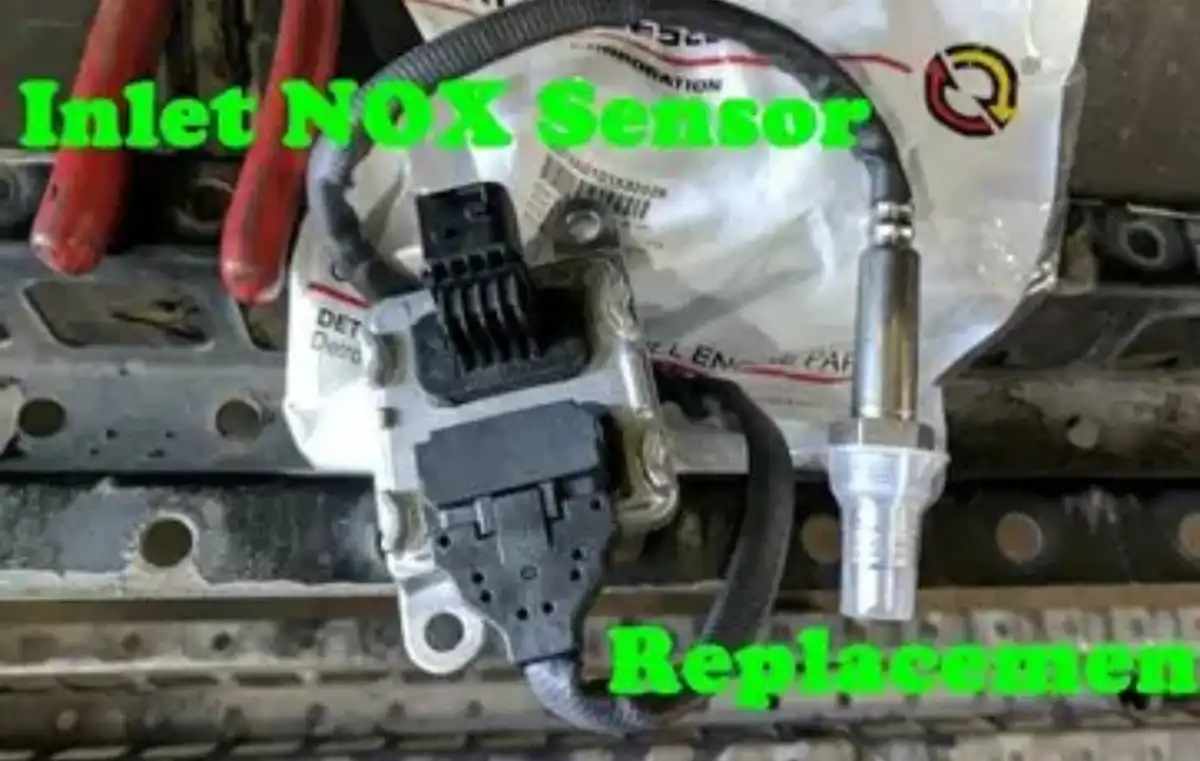
Understanding Diesel NOx Sensors and Their Role in SCR Systems
What Makes Diesel NOx Sensors Essential for Emission Control?
Diesel NOx Sensors are complex electrochemical devices that are built into systems that treat exhaust. These sensors use Yttria-stabilized Zirconia ceramic elements and microcontroller technology to send accurate NO and NO₂ readings straight to engine management systems. Diesel NOx Sensors give detailed information on the levels of nitrogen oxide, while regular oxygen sensors only check the ratios of air to fuel. This lets closed-loop control strategies be used to make catalysts work better while also stopping ammonia from slipping and crystals from forming inside exhaust parts.
A heated ceramic detecting part kept between 700 and 800 °C is at the heart of how it works. Electrochemical reactions inside the measurement cells find nitrogen oxide molecules, and controls inside the cells do constant self-diagnostics and talk to each other using CAN bus protocols. This design makes sure that measurements are accurate within the narrow ranges required by Euro VI and EPA standards. Any deviations from these ranges can set off onboard diagnostic alerts and possibly put cars into limp mode.
How NOx Sensors Support Regulatory Compliance and Engine Efficiency
Over the past ten years, rules and regulations on global markets have become much stricter. The Environmental Protection Agency in the US sets strict limits on the amount of nitrogen oxide that heavy-duty diesel engines can emit, and guidelines from the European Union require full tracking while the engines are in use. These rules have direct practical effects: cars that don't follow them can be fined, have their registration denied, or be limited in how they can be used, which can severely reduce the productivity of the fleet.
These problems can be solved by Diesel NOx Sensors that allow real-time monitoring of emissions and adaptive control. The upstream sensor measures the amount of raw NOx that is entering the SCR catalyst. This lets the ECU figure out the best rate of urea injection. At the same time, the monitor further downstream checks the efficiency of the conversion, proving that the nitrogen oxides have been successfully changed into harmless nitrogen and water vapour. This two-sensor setup lets you see the whole SCR process, making sure that all the rules are always followed. It also reduces the amount of diesel exhaust fluid used and keeps expensive catalyst substrates from breaking down.
Technical Components That Define Sensor Reliability
Today's Diesel NOx Sensors are made up of several interconnected parts that work together. The sensing heart is made up of a zirconia ceramic cell, and special heater elements keep the operating temperatures exact no matter what the exhaust conditions are. Integrated control units handle communication protocols and troubleshooting routines, while signal conditioning circuits block electromagnetic interference and keep voltage outputs stable. Diesel NOx Sensor designs must also incorporate the connector system and wire harness, which have to be able to handle extreme changes in temperature, vibration, and chemical attack from sulphur compounds and particulate matter in diesel exhaust streams.
The choice of material has a big effect on how well it works in the long run. Premium sensors are made with metals that don't rust and protected coats that keep them working for more than 150,000 miles in tough conditions. To make sure that the ceramic element responds the same way to changes in exhaust temperature and flow rate, it needs to be manufactured with very tight tolerances. These technical details have a direct effect on measurement accuracy, which in turn decides how well the SCR system works and how close it is to following the rules.

Common Issues and Maintenance of Diesel NOx Sensors
Recognizing Symptoms of Sensor Degradation
Several visible signs show up when sensors fail, and buying managers and repair teams should keep a close eye on them. The most obvious sign is usually warning lights on the dashboard, along with diagnostic trouble codes stored in the car's fault memory. It's common for performance to get worse before it breaks completely. Drivers may notice less engine power, more fuel use, or rough idle as the ECU falls back on default mapping strategies when sensor data stops being reliable.
Pollution is a major threat to the life of sensors. Over time, sulphur compounds, unburned hydrocarbons, and small particles build up on sensing elements, blocking electrochemical reactions with insulating layers. Damage to the wiring system from road debris, heat stress, or corroded connectors can cause electrical problems that look like sensor failures. Ceramic materials and computer parts gradually lose their accuracy over time, to the point where they need to be replaced to keep the SCR working well.
Establishing Effective Maintenance Protocols
When compared to reactive repair strategies, proactive upkeep strategies save a lot of money. Regular diagnostic checks with advanced scan tools can find sensors that aren't working normally before they break down completely. Monitoring sensor voltage outputs, heater current draw, and response times lets you know early on when problems are about to happen, so you can schedule replacements for planned maintenance windows instead of having to make repairs on the side of the road.
Replacement times are greatly affected by environmental factors. When vehicles are used in areas with high sulphur fuel or a lot of dust, their sensors need to be checked more often than when they are used on ultra-low sulphur diesel in clean environments. Heavy-duty uses that run at high loads all the time speed up thermal ageing. Stop-and-go driving in cities creates thermal cycling stress that can damage wire insulation and connector seals. Total cost of ownership is minimised and unexpected downtime is kept to a minimum by adapting maintenance schedules to actual operating conditions.
Market Comparison: Choosing the Best Diesel NOx Sensors for Procurement
Evaluating OEM Versus Aftermarket Sensor Options
Before making a purchase choice, it's important to carefully compare the quality of original equipment and aftermarket options. OEM sensors benefit from thorough validation testing that happens during car development projects. This makes sure that the sensors are calibrated perfectly to work with each engine and SCR system configuration. Manufacturers usually offer full warranties and expert help, which lowers the risk of buying something. This is especially important for mass production, where consistency across thousands of units is very important.
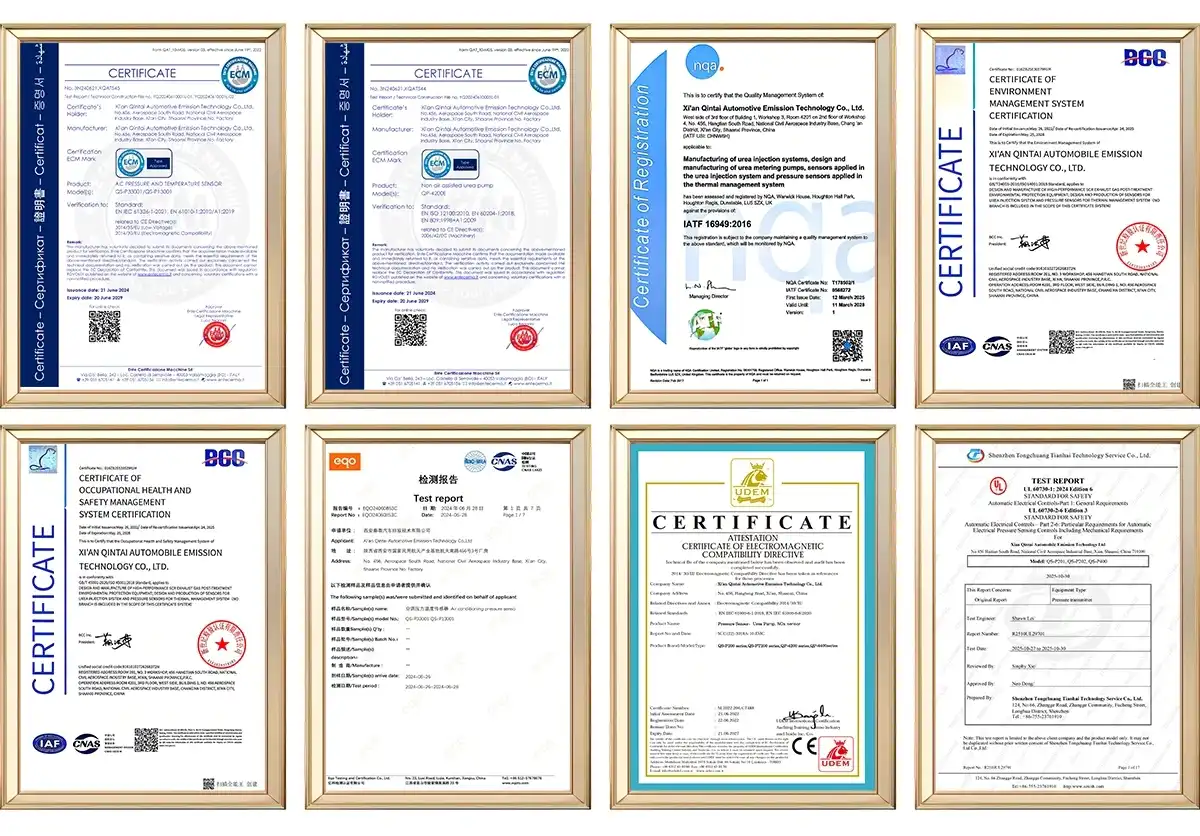
When buying sensors, aftermarket ones can be very useful in some situations, especially when they need to be retrofitted or when they need to be serviced aftermarket and money is tight. There is a wide range of quality levels among aftermarket suppliers, from direct OEM equivalents made in the same facilities to cheaper options with simpler designs and weaker materials. For a critical component like the Diesel NOx Sensor, certifications such as ISO 9001, IATF 16949, and product-specific approvals are concrete ways to tell if a product meets quality and reliable standards.
The world's top sellers have built strong names by constantly coming up with new ideas and proving their worth in the field. Bosch was one of the first companies to use many important sensor technologies, and it still covers a lot of vehicles on both European and American platforms.
Delphi Technologies' sensors work with a lot of commercial vehicles, and Denso's sensors are widely used in diesel engines in the Asian market. Continental and Valeo have expanded their sensor lines to serve both OEM production lines and aftermarket distribution outlets. This gives procurement teams a wide range of choices for finding sensors that meet performance needs and stay within budget.
Analyzing Total Cost of Ownership Beyond Purchase Price
The initial buying price is only one part of how much a monitor really costs. Long-term cost estimates are affected by the length of the warranty and how claims are handled. This is especially true for fleets that use a lot of equipment, where even small failure rates lead to big replacement costs. Specifications for sensor accuracy affect how well the SCR system works, which in turn affects how much diesel exhaust fluid is used, which can add up to big costs over the course of a vehicle's life, which can be hundreds of thousands of miles.
Different sensor designs are harder to install than others, which affects labour costs and the chance of mistakes. Diesel NOx Sensors with strong connections and clear installation directions save technicians time and cut down on warranty claims caused by bad fitment. Maintenance tasks are streamlined when they can be used with current diagnostic tools and calibration processes.
This saves money on buying expensive specialised equipment. Suppliers who provide detailed technical documentation and quick customer service cut down on the time needed to fix problems, which protects uptime in mission-critical situations where every hour of vehicle availability has a direct effect on revenue generation.
Procurement Considerations for Diesel NOx Sensors
Strategic Approaches to Supplier Negotiation and Selection
Group buying agreements can help companies with big teams or manufacturing operations save a lot of money on prices. When suppliers agree to a certain amount of work, they can better plan their schedules and lower the costs of each unit. These savings can be shared by using tiered pricing structures. Long-term supply deals keep prices stable, which makes planning easier and makes sure that products are always available, even when production ramps up or demand peaks during certain times of the year.
A supplier's professional skills and organisational security are also taken into account when judging them, in addition to price. Manufacturers with well-known quality certifications control their processes in a planned way and are always looking for ways to make them better. Patent portfolios show that companies are continuing to spend in new ideas that will lead to better products in the future.
Assessments of suppliers' production capacity make sure they can increase output to meet rising demand without lowering quality or delivery times. When there are problems in the supply chain, which could stop production lines or leave trucks waiting for new parts, financial stability reviews protect against these problems.
Ensuring Technical Compatibility and Customization Support
Different engine platforms have different SCR system designs, so when buying Diesel NOx Sensors, you need to pay close attention to their specs. To make sure that the ECUs can talk to each other, the electrical interface standards must match perfectly. These include the types of connectors, pin configurations, and communication protocols. Fitment compatibility is based on the physical mounting dimensions and thread specifications. Temperature ratings and vibration resistance specifications must meet or go beyond what is needed for the application.
Customisation features are especially useful for OEM applications that need unique sensor setups. To get the best performance from certain SCR system designs, you might need to change things like measurement ranges, reaction times, and diagnostic limits. Suppliers who offer engineering support during the integration stages help solve technical problems quickly, which speeds up development and lowers the cost of validation. This way of working together is especially helpful when going into new markets with different rules or changing current engine systems to fit different types of vehicles.
Future Trends and Innovations in Diesel NOx Sensor Technology
Advanced Materials Enhancing Durability and Accuracy
New developments in material science keep pushing the limits of how well sensors work. Next-generation ceramic formulations offer better resistance to thermal shock, which extends the life of sensors in heavy duty-cycle situations. Protective layers that are designed at the molecular level make Diesel NOx Sensor elements more resistant to sulphur compounds and other exhaust toxins that normally break them down. These big steps forward directly mean that fleet operators and OEM makers will need to repair things less often and pay less overall.
Miniaturisation efforts have led to smaller sensor designs that make it easier to package in exhaust systems that are getting more crowded. Having less mass makes the thermal reaction better while also cutting the cost of the materials, which adds up to big savings over long production runs. Better manufacturing methods, like automatic assembly and laser welding, make output more consistent while lowering unit costs. This means that more people can afford advanced sensor technology.
Digital Integration and Predictive Maintenance Capabilities
Management of pollution control systems is changing because monitoring technology and Industrial Internet of Things platforms are coming together. Cloud-based analytics can find performance trends and predict breakdowns before they happen by streaming data from connected monitors in real time. Fleet managers can see how healthy the emission control systems are across all of their vehicles. This lets them plan repair ahead of time, which cuts down on downtime and makes the best use of their parts inventory.
Machine learning algorithms look at trends in past sensor data to create standard performance profiles for each car. When these profiles aren't followed exactly, automatic alerts are sent to repair workers to let them know which cars need service. This predictive method greatly lowers the number of unexpected breakdowns and increases the lifetime of parts by making sure they work in the best circumstances. Adding vehicle telematics systems to maintenance management platforms makes them more complete. This makes things easier for companies that run large fleets or rent out a lot of different kinds of equipment.
Regulatory changes are still pushing sensor technology forward. New emission standards coming out in both Europe and North America will need even tighter control of NOx, which will raise the bar for sensor accuracy. Real-world driving emission testing methods need sensors to work well in a wide range of situations, from cold-start cycles in cities to continuous high-speed highway use. When sensor makers invest in next-generation technologies, they set their customers up to meet these new needs while keeping their competitive edge in markets that are becoming more controlled.
Conclusion
Reliable Diesel NOx Sensors are the most important part of SCR pollution control systems because they directly affect how well they meet regulations, how efficiently they run, and how much they cost to own. Modern sensors are very high-tech, with advanced ceramic materials, precise electronics, and smart diagnostics that work together to give accurate readings that are needed to get the best urea dosing while also protecting expensive catalyst systems.
When buying something, people in charge of procurement need to look at more than just the price. They need to look at the supplier's certifications, expert help, and history of long-term dependability. As emission rules get stricter and digital integration grows, it becomes more important to choose sensor partners with a track record of innovation and production success if you want to stay competitive in the global diesel engine markets.
FAQ
What is the typical replacement interval for NOx sensors in diesel vehicles?
How often sensors need to be replaced depends a lot on how they are used and how good they are. According to OEM guidelines, most cars should be inspected every 100,000 miles and replaced every 120,000 to 150,000 miles on the highway. Heavy-duty jobs that involve frequent changes in temperature, exposure to high-sulfur fuel, or working in dusty places may require replacement sooner. Advanced diagnostic tracking can find sensors that are breaking down too quickly, which lets condition-based replacement methods work to save money while keeping performance high.
How do faulty NOx sensors impact SCR system performance and emissions compliance?
If sensors don't work right, they can mess up closed-loop SCR control and make urea dose too much or too little. Under-dosing lets more NOx out than is allowed by law, which sets off onboard diagnostic alerts. Dosing too much wastes expensive diesel exhaust fluid and could lead to ammonia leaks and solid deposits inside exhaust parts. Both of these situations can set off warning lights on the dashboard and force modes that reduce engine power, which make the vehicle much less useful until the repairs are done.
What distinguishes diesel NOx sensors from standard oxygen sensors?
Diesel NOx Sensors use special electrochemical cells to measure specific NOx concentrations (NO and NO₂). Oxygen sensors, on the other hand, only measure oxygen partial pressure for controlling the air-fuel ratio. Diesel NOx Sensors need to work at higher temperatures (700–800 °C vs. 300–400 °C for oxygen sensors) and use complex signal processing to tell the difference between nitrogen oxide species and other parts of waste. Because they are more complicated and use special materials, Diesel NOx Sensors are much more expensive, but they are necessary for the SCR system to work.
Partner With Qintai for Reliable Diesel NOx Sensor Solutions
Qintai Automotive Emission Technology Co., Ltd. is ready to help you with your Diesel NOx Sensor needs with their proven production skills and wide range of specialised skills. As the top Diesel NOx Sensor seller in China, we have over 20 years of specialised experience, state-of-the-art R&D facilities, and full ISO 9001, IATF 16949, and industry-specific certifications. We are the main OEM supplier to Weichai Power, Yuchai Power, and Quanchai Power. This shows that big manufacturers trust our quality and reliability. We offer full OEM and ODM services, and we can make changes to fit your specific application needs.
Our proprietary technologies are protected by 58 invention patents. Our production capacity can be easily increased to meet the needs of large purchases while still meeting the high standards for accuracy required by Euro VI and EPA compliance. Contact our technical team at info@qt-sensor.com to talk about your Diesel NOx Sensor needs and find out how our engineering know-how can help you get the most out of your SCR system while keeping total ownership costs low.
References
1. Johnson, T. V. (2015). "Diesel Emissions in Review." SAE International Journal of Engines, 8(3), 1090-1108.
2. Environmental Protection Agency (2016). "Nitrogen Oxides (NOx), Why and How They Are Controlled." EPA Technical Bulletin EPA-456/F-99-006R.
3. Majewski, W. A., & Khair, M. K. (2006). "Diesel Emissions and Their Control." SAE International, Warrendale, PA.
4. European Commission (2018). "Commission Regulation (EU) 2018/1832: Euro VI Step E Emission Standards for Heavy-Duty Vehicles." Official Journal of the European Union.
5. Heck, R. M., Farrauto, R. J., & Gulati, S. T. (2016). "Catalytic Air Pollution Control: Commercial Technology." Third Edition, John Wiley & Sons, Hoboken, NJ.
6. Society of Automotive Engineers (2019). "Surface Vehicle Recommended Practice J1979: E/E Diagnostic Test Modes." SAE Standard J1979_201908, SAE International.
 Sensor.webp)

Our customers’ satisfaction speaks for our quality — contact us to experience the same reliable service.