- English
- French
- German
- Portuguese
- Spanish
- Russian
- Japanese
- Korean
- Arabic
- Greek
- German
- Turkish
- Italian
- Danish
- Romanian
- Indonesian
- Czech
- Afrikaans
- Swedish
- Polish
- Basque
- Catalan
- Esperanto
- Hindi
- Lao
- Albanian
- Amharic
- Armenian
- Azerbaijani
- Belarusian
- Bengali
- Bosnian
- Bulgarian
- Cebuano
- Chichewa
- Corsican
- Croatian
- Dutch
- Estonian
- Filipino
- Finnish
- Frisian
- Galician
- Georgian
- Gujarati
- Haitian
- Hausa
- Hawaiian
- Hebrew
- Hmong
- Hungarian
- Icelandic
- Igbo
- Javanese
- Kannada
- Kazakh
- Khmer
- Kurdish
- Kyrgyz
- Latin
- Latvian
- Lithuanian
- Luxembou..
- Macedonian
- Malagasy
- Malay
- Malayalam
- Maltese
- Maori
- Marathi
- Mongolian
- Burmese
- Nepali
- Norwegian
- Pashto
- Persian
- Punjabi
- Serbian
- Sesotho
- Sinhala
- Slovak
- Slovenian
- Somali
- Samoan
- Scots Gaelic
- Shona
- Sindhi
- Sundanese
- Swahili
- Tajik
- Tamil
- Telugu
- Thai
- Ukrainian
- Urdu
- Uzbek
- Vietnamese
- Welsh
- Xhosa
- Yiddish
- Yoruba
- Zulu
NOx Sensor vs Oxygen Sensor: What’s the Difference?
It is very important to know the main differences between Nitrogen oxides sensors and oxygen sensors before picking between them for emission control systems. A nitrogen oxides sensor finds and measures NOx compounds (NO and NO₂) in exhaust gases. This is mostly done for pollution control and SCR system control. Oxygen sensors, on the other hand, check the amount of oxygen in the air to make sure that the right amount of fuel is burned efficiently. Both sensors help lower emissions, but in current diesel engine aftertreatment systems, they do different things.

Introducing the Basics: What Are NOx Sensors and Oxygen Sensors?
NOx Sensors: Cutting Edge Technology for Monitoring Emissions
Nitrogen oxides sensors are high-tech devices used to control emissions that can find nitrogen oxides in air streams. To keep an eye on NO and NO₂ levels all the time, these gadgets use hot electrochemical cells that usually have ceramic zirconia elements. Internal heaters keep the sensor's working temperature exactly between 700°C and 800°C. This makes sure that results are accurate even when the engine conditions change.
The nitrogen dioxide sensor works by analyzing the makeup of exhaust gases through a number of measurement cells. Internal oxygen balance mechanisms make up for inaccurate NOx sensing, and built-in computers handle temperature control and communication protocols. These sensors talk to the engine control units through CAN bus systems and send real-time data to help the SCR system work better.
Recently developed nitrogen oxides sensors can self-diagnose and check their own parts for possible breakdowns. This proactive method stops system problems before they happen and keeps emission standards met for the entire life of the sensor.
Oxygen Sensors: Combustion Optimization Devices
Oxygen sensors check the amount of oxygen in exhaust fumes to make burning processes run more efficiently. The main job of these gadgets is to control the air-fuel ratio, which helps engines run more efficiently and put out fewer dangerous fumes. Oxygen sensors, on the other hand, look for different parts of waste gas and have different functions.
Traditional oxygen sensors use zirconia-based technology to send voltage signs that are related to the changes in oxygen levels between the air around the sensor and the exhaust gas. Modern engine control systems use wide-band oxygen sensors that measure the air-fuel ratio accurately over a wider range of working conditions.
Oxygen sensors check the amount of oxygen in the air to make sure that burning is going as smoothly as possible, while nitrogen oxides sensors look for NOx compounds to make sure that pollution controls are being followed.
Technical Comparison: NOx Sensors vs Oxygen Sensors
Sensor Technologies and Operating Principles
Nitrogen oxides sensors use multi-chamber designs and electrochemical measurement methods. In the first measurement room, oxygen is taken out of samples of exhaust gas. In the second chamber, NOx chemicals that are still present are measured. This two-chamber method makes sure that NOx is accurately detected even if the oxygen content changes.
Temperature control is an important part of how nitrogen oxides sensors work. The ceramic heating element keeps the working temperature stable, which lets measurements be taken accurately in a wide range of engine circumstances. Modern signal filtering circuits handle measurement data and use standard methods to talk to engine control systems.
Different types of technology are used to make oxygen sensors work. Wideband sensors can measure continuously, while narrowband sensors send voltage signs based on changes in oxygen concentration. Titanium dioxide sensors can be used for different kinds of sensing because they change resistance based on oxygen levels instead of sending voltage signs.
Performance Characteristics and Accuracy Requirements
Response time is an important measure of how well both types of sensors work. Due to the need to heat up and the complexity of the measurement, nitrogen oxides sensors usually need 10 to 30 seconds to give correct readings. Oxygen sensors react more quickly—often within milliseconds—which makes them useful for controlling burning in real time.
Specifications for accuracy vary a lot between types of sensors. NOx sensors must be able to pick up concentrations between 0 and 1500 parts per million (ppm) with accuracy levels that meet government guidelines. Oxygen sensors measure the ratio of air to fuel. For wideband devices, they usually work in lambda bands from 0.7 to infinity.
The level of durability needed depends on the purpose. Nitrogen oxides sensors have to work in exhaust conditions that are very tough, with lots of chemicals, high temperatures, and changes in temperature. New materials and protective coats make the operating life longer while keeping the accuracy of the measurements during the repair interval.
Calibration and Maintenance Protocols
NOx sensors need to be calibrated on a regular basis to keep up with accuracy standards. As part of the calibration process, sensors are exposed to known gas amounts and their internal settings are changed to match. Many current sensors have self-calibration features that keep them accurate while reducing the amount of upkeep that needs to be done.
Different types of sensors have different maintenance plans. Depending on how they are used and the quality of the fuel, nitrogen oxides sensors usually need to be replaced every 160,000 to 200,000 kilometers. Service times for oxygen sensors are usually shorter, between 100,000 and 160,000 kilometers for normal use.
Diagnostic tools allow for planned repair ahead of time. NOx sensors constantly check internal parts and send diagnostic trouble codes to report any possible problems. This way of tracking helps keep the system reliable and stops breakdowns from happening out of the blue.
Practical Applications and Industry Use Cases
Automotive and Heavy-Duty Vehicle Applications
Nitrogen oxides sensors are very important to diesel engine SCR systems because they check the amount of emissions before and after catalytic treatment. Pre-catalyst sensors measure the amount of raw NOx, which lets exact AdBlue dosing calculations happen. Post-catalyst sensors check how well the solution worked and make sure it met Euro VI and EPA emission standards.
Applications that use heavy-duty trucks need nitrogen oxides sensors that work well in harsh circumstances. Long-haul trucking puts devices through long periods of high temperatures, different types of fuel, and different weather situations. Modern sensor designs include safety features that keep the sensors accurate even when they are under a lot of stress.
Applications in construction and farming tools make it hard for nitrogen oxides sensors to work properly. Because of changing load conditions, dusty surroundings, and irregular working patterns, sensors need to be more durable and be able to clean themselves.
Industrial and Power Generation Applications
NOx sensors are used in generator set uses to keep an eye on emissions in stationary power systems. Reliable NOx measuring is needed for mining operations, backup power plants, and remote sites to meet regulations and run efficiently. For these tough uses, industrial-grade sensors offer longer life and better resistance to harsh environments.
Nitrogen oxides sensors are used in environmental tracking systems to check the quality of the air and reduce industrial emissions. For these applications to help with legal reports and environmental protection, they need to be very accurate and stable over time.
Oxygen sensors improve combustion processes and work with nitrogen oxides sensors to measure NOx in industry settings. Oxygen sensors keep power plants and industrial boilers at the right amount of fuel to air, which increases efficiency and lowers total pollution.
Marine and Off-Highway Equipment Integration
To meet International Maritime Organization emission rules, marine diesel engines are adding more and more NOx sensors. Marine settings are very harsh, so sensors need to be specially designed to be more resistant to rust and protect against saltwater.
NOx sensors are built into emission control systems for mining, logging, and building by companies that make off-road equipment. In order to stay in line with regulations, these sensors must be able to handle high vibrations, changes in temperature, and dirty working conditions.
Purchasing Guide: How to Choose Between NOx and Oxygen Sensors for Your Business?
Performance Evaluation Criteria
When choosing the right tools, you need to carefully think about how accurate they need to be, how long they need to respond, and how well they will work in the surroundings. Nitrogen oxides sensors are good for measuring emissions accurately and controlling SCR systems. Oxygen sensors are great for managing the air-fuel mix and improving combustion.
Operating temperature ranges have a big effect on which sensors to choose. Nitrogen oxides sensors with strong heating systems and the ability to adjust to different temperatures may be better for use in high-temperature situations. Standard car uses often use oxygen sensors to control burning in a cheap way.
The choice of sensor is affected by how well it works with other engine control systems. How the CAN bus communicates, how the connectors are set up, and how the control module is programmed all affect how hard and expensive it is to integrate.
Supplier Assessment and Quality Considerations
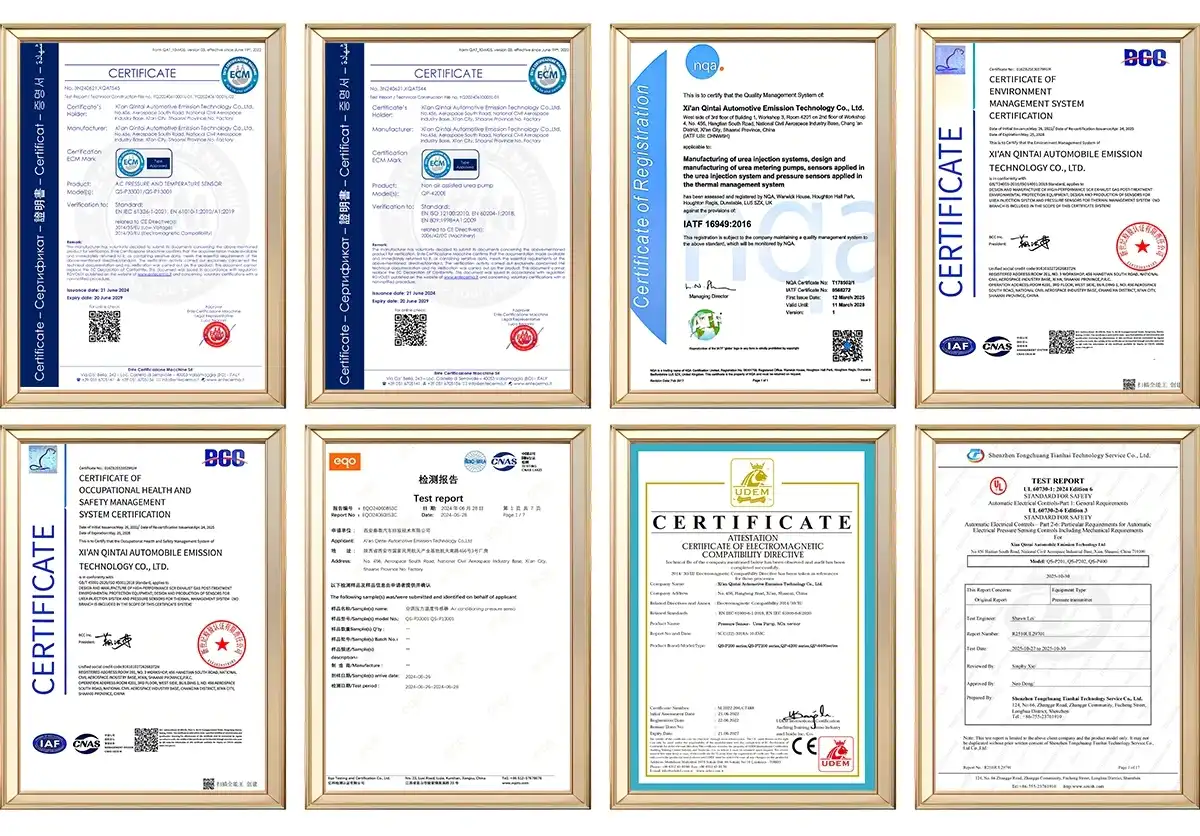
When evaluating possible suppliers, you need to look at their certifications, quality control systems, and expert help skills. Certifications like ISO 9001 and IATF 16949 show that quality processes are well-established, while automotive-specific certifications show that you know a lot about the business.
When choosing a supplier, especially for high-volume needs, manufacturing ability and delivery skills play a role. Suppliers who have done mass production before and have flexible manufacturing systems can better handle changing demand trends and customer requests for customization.
Technical help services are very important for putting sensors in place correctly. Suppliers who offer full tech support, application advice, and remedial help go above and beyond just supplying products.
Cost Optimization and Long-Term Partnership Strategies
The total cost of ownership includes more than just the price of the original buy. Long-term running costs are affected by how reliable sensors are, how long they last, and how much the guarantee covers. Higher-quality sensors that don't need to be serviced as often often offer better overall value, even if they cost more up front.
Costs can be lowered for large-scale uses with volume buying deals. Building long-term relationships with suppliers can help you get better prices, faster delivery, and the chance to make unique products.
In global industrial settings, supply chain risk management is becoming more and more important. Diversifying your supplier sources and keeping your inventory at smart levels can help reduce the impact of any delays and keep your production running smoothly.
Conclusion
Knowing the differences between nitrogen oxides sensors and oxygen sensors helps you make smart choices about what to buy for emission control purposes. Nitrogen oxides sensors are great at tracking nitrogen oxides for regulatory compliance and SCR system control. Oxygen sensors, on the other hand, handle the air-fuel ratio to make combustion processes run more efficiently. Both methods are part of current plans to cut down on pollution, and they work together in complete systems for cleaning up waste water.
Which of these sensor technologies to use depends on the needs of the application, the need to follow the rules, and the need to integrate the sensor into the system. For implementation to go well, performance standards, supplier skills, and long-term assistance needs must all be carefully looked at. Both types of sensors will continue to be important for environmental compliance and business efficiency even as emission laws change.
FAQ
Q1: What are the main operational differences between NOx and oxygen sensors?
A: For controlling emissions and managing the SCR system, nitrogen oxides sensors measure the exact compounds of nitrogen oxides in exhaust gases. Oxygen levels are checked by sensors to get the best air-fuel mix and improve the efficiency of burning. Their main uses in engine control systems and the measurements they are used for are what make them different.
Q2: How often should NOx sensors and oxygen sensors be calibrated or replaced?
A: Depending on how they are used and the quality of the fuel, nitrogen oxides sensors usually need to be replaced every 160,000 to 200,000 kilometers. Service times for oxygen sensors are usually shorter, between 100,000 and 160,000 kilometers. Many current sensors have built-in self-diagnostics that tell you when they need to be replaced.
Q3: Can NOx sensors and oxygen sensors be used interchangeably in emission control applications?
A: No, these sensors can't be used together because they measure things differently and are used for different things. NOx sensors find nitrogen oxides so that the SCR system can be controlled, and oxygen sensors check the amount of oxygen in the air so that the combustion process works best. In complete pollution control systems, each type of sensor does a certain job.
Q4: What communication protocols do modern NOx and oxygen sensors use?
A: The CAN bus is used by most current NOx sensors to send digital data to engine control units. Some uses still use analog voltage or current readings that are proportional to oxygen concentration, but more advanced oxygen sensors may also use digital standards.
Q5: How do environmental conditions affect NOx and oxygen sensor performance?
A: Both types of sensors have heating parts and temperature adjustments built in so that they stay accurate even when conditions change. NOx sensors usually work at higher temperatures (700–800°C) and have more advanced safety measures for the climate. Installing and maintaining things correctly can help make sure they work reliably in tough working conditions.
Partner with Qintai for Advanced Nitrogen Oxides Sensor Solutions
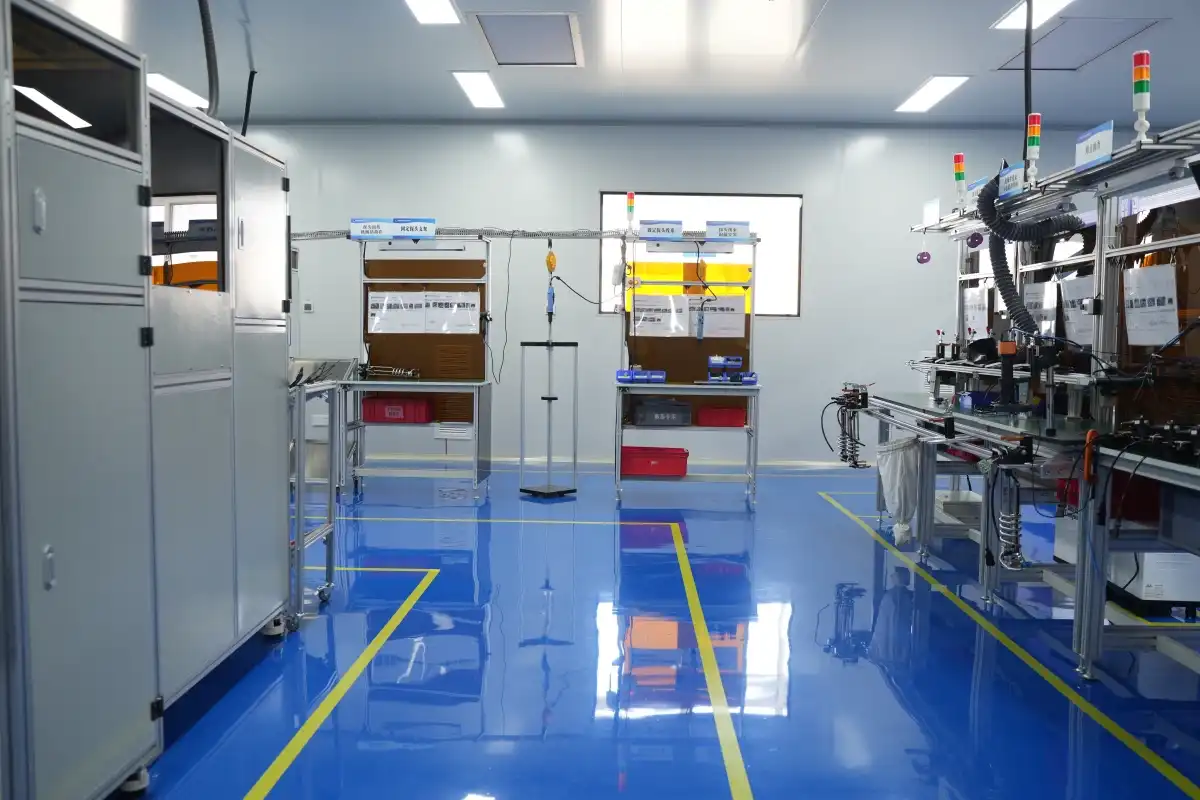
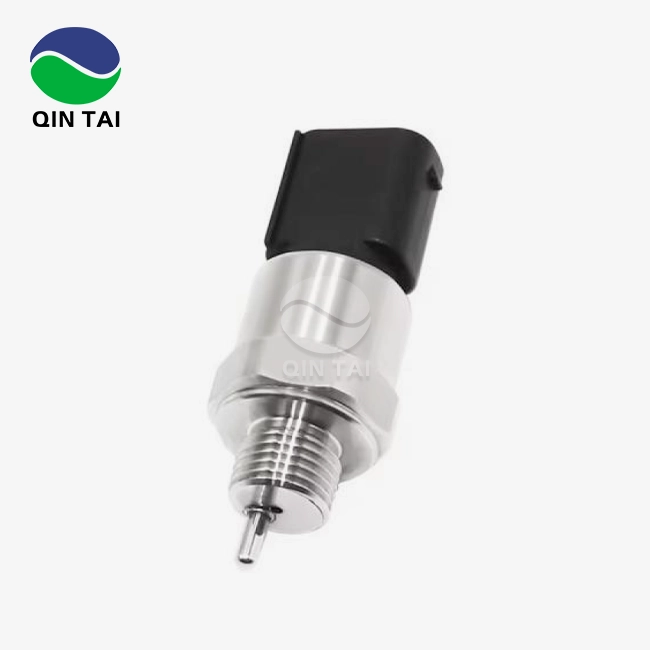
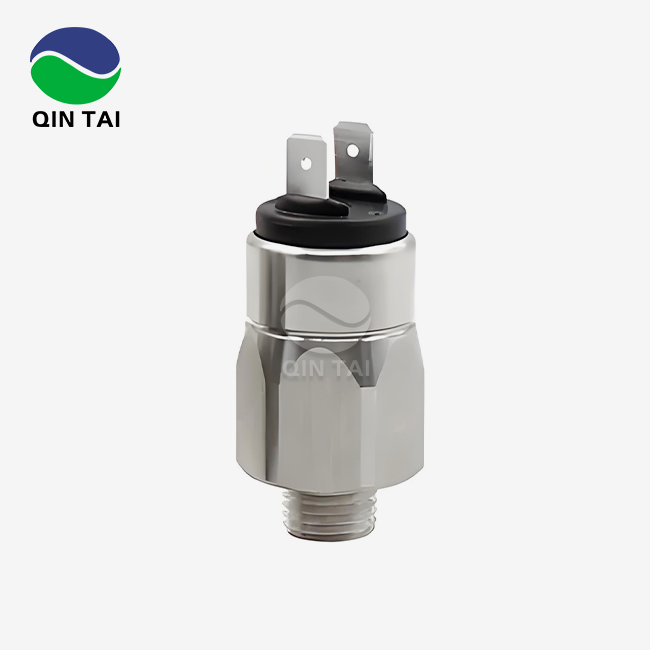
Qintai is the biggest company in China that makes nitrogen gas sensors and sells cutting-edge technology for controlling emissions around the world. Our wide range of sensors helps diesel engine makers, aftertreatment system installers, and industrial equipment makers by providing dependable, high-performance options. We offer customizable sensor technologies backed by decades of engineering know-how and ISO 9001, IATF 16949, and 58 idea patents.
Qintai is the best source for China's biggest engine makers, like Weichai Power and Yuchai Power, because it can do mass production and give great technical support. Our independent research and development team is always coming up with new sensor technologies, and we do business in over 60 countries around the world. Get in touch with our technical experts at info@qt-sensor.com to talk about your unique nitrogen oxides sensor needs and find out how our cutting-edge solutions can help your emission control systems work better.
References
1. Johnson, M.R., "Automotive Emission Control Technologies: Principles and Applications," Society of Automotive Engineers International, 2023.
2. Chen, L., Anderson, K.P., "NOx Sensor Technologies in Modern Diesel Engine Applications," International Journal of Engine Research, Vol. 24, 2023.
3. Thompson, R.S., Miller, D.A., "Oxygen Sensor Performance in Heavy-Duty Vehicle Applications," SAE Technical Paper Series, 2023.
4. Rodriguez, C.M., "Comparative Analysis of Emission Sensor Technologies for Industrial Applications," Industrial Engineering & Management, 2022.
5. Wang, H., Smith, J.L., "Advanced Sensor Integration in SCR Aftertreatment Systems," Automotive Engineering Technology, 2023.
6. European Commission, "Regulation (EU) 2019/1242: CO2 Emission Performance Standards for Heavy-Duty Vehicles," Official Journal of the European Union, 2023.

Our customers’ satisfaction speaks for our quality — contact us to experience the same reliable service.