- English
- French
- German
- Portuguese
- Spanish
- Russian
- Japanese
- Korean
- Arabic
- Greek
- German
- Turkish
- Italian
- Danish
- Romanian
- Indonesian
- Czech
- Afrikaans
- Swedish
- Polish
- Basque
- Catalan
- Esperanto
- Hindi
- Lao
- Albanian
- Amharic
- Armenian
- Azerbaijani
- Belarusian
- Bengali
- Bosnian
- Bulgarian
- Cebuano
- Chichewa
- Corsican
- Croatian
- Dutch
- Estonian
- Filipino
- Finnish
- Frisian
- Galician
- Georgian
- Gujarati
- Haitian
- Hausa
- Hawaiian
- Hebrew
- Hmong
- Hungarian
- Icelandic
- Igbo
- Javanese
- Kannada
- Kazakh
- Khmer
- Kurdish
- Kyrgyz
- Latin
- Latvian
- Lithuanian
- Luxembou..
- Macedonian
- Malagasy
- Malay
- Malayalam
- Maltese
- Maori
- Marathi
- Mongolian
- Burmese
- Nepali
- Norwegian
- Pashto
- Persian
- Punjabi
- Serbian
- Sesotho
- Sinhala
- Slovak
- Slovenian
- Somali
- Samoan
- Scots Gaelic
- Shona
- Sindhi
- Sundanese
- Swahili
- Tajik
- Tamil
- Telugu
- Thai
- Ukrainian
- Urdu
- Uzbek
- Vietnamese
- Welsh
- Xhosa
- Yiddish
- Yoruba
- Zulu
OEM Capacitive Pressure Sensor Solutions for Industrial Systems
Advanced capacitive pressure sensor solutions for industrial systems are essential for diesel engines, aftertreatment systems, and emission control. Capacitive pressure sensors monitor pressure-induced electrical capacitance changes between two conductive plates separated by a dielectric substance, providing accurate data for operational efficiency and regulatory compliance. These OEM sensors connect smoothly into heavy trucks, construction machinery, agricultural equipment, and generator sets to provide dependable pressure monitoring for China VI and Euro VI emission regulations.
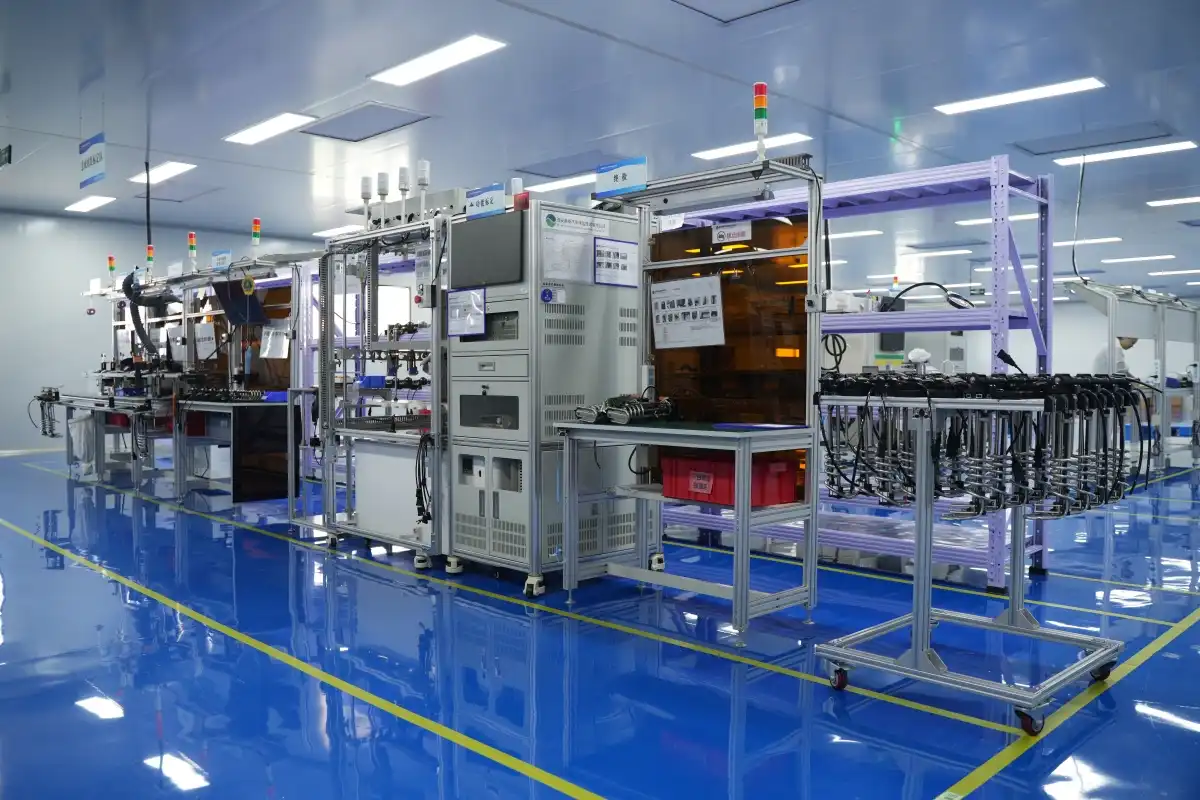
Understanding Capacitive Pressure Sensors: Principles and Benefits
How Capacitive Technology Delivers Precision Measurement?
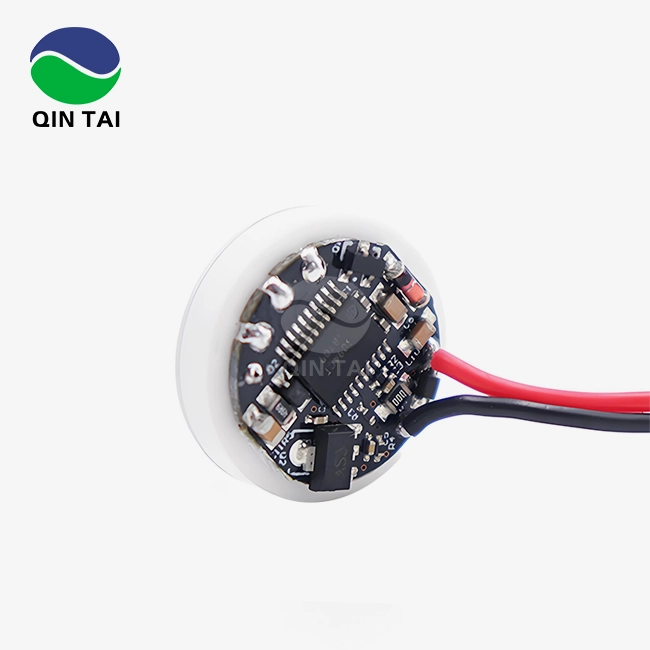
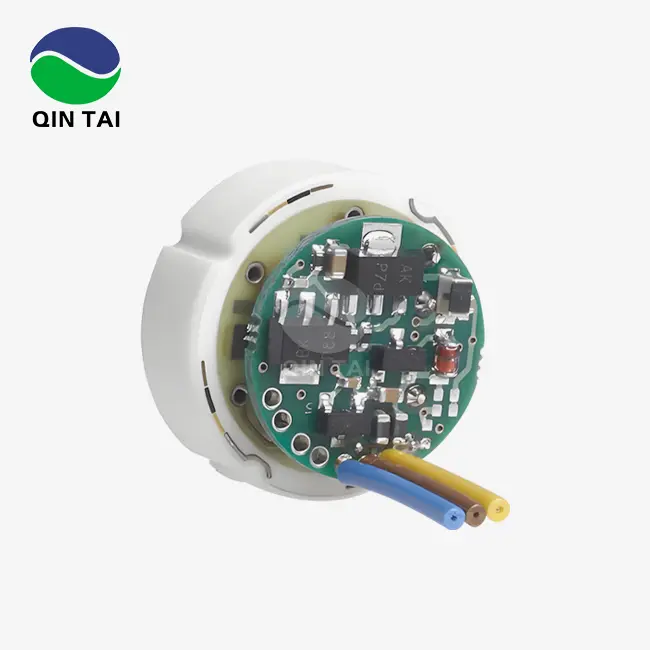
Capacitive pressure sensing detects minute capacitance changes when pressure deforms a diaphragm between two electrodes. Diaphragm deflection changes gap distance and capacitance as pressure rises. Advanced signal processing circuits turn capacitance fluctuations into millivolt pressure-proportional electrical outputs. This basic concept allows precise measurement in varied industrial situations where accuracy affects system performance and regulatory compliance.
Key Advantages for Industrial Applications
Industrial capacitive sensors meet severe operating needs with many performance benefits. High sensitivity (2–4.0 mV/V) detects tiny pressure differences needed for emission control and fuel injection. Low non-linearity—often 0.3% full scale or better—provides accurate data for control algorithms. Quality sensors retain performance across large temperature ranges via integrated correction. Ceramic diaphragms made of 96% Al2O3 withstand corrosive media and mechanical wear, improving service life in tough diesel engine settings.
Comparative Analysis with Alternative Technologies
In industrial pressure sensing applications, capacitive pressure sensors outperform piezoresistive and piezoelectric alternatives. Capacitive sensors are better for continuous aftertreatment system monitoring than piezoresistive sensors because to their long-term stability and lower temperature drift. For static and quasi-static pressure ranges characteristic of SCR systems and DPF regeneration, capacitive sensors outperform piezoelectric sensors. Capacitive sensors benefit diesel engine makers that value measurement stability and regulatory compliance.
Criteria for Selecting the Best OEM Capacitive Pressure Sensor for Industrial Use
Defining Application Requirements
Application-specific requirements must be analyzed before choosing a sensor. From 2-5 bar intake manifold monitoring to 600 bar fuel rail applications, industrial systems have wide pressure ranges. Operating temperature extremes, vibration levels, and media compatibility must match sensor requirements. Application criticality determines accuracy criteria. Emission control systems require ±0.5% full scale accuracy for regulatory compliance, whereas less critical monitoring applications may allow for greater tolerances.
Critical Selection Metrics
OEM capacitive pressure sensor selection requires careful consideration of several technological criteria. Signal strength and noise immunity affect system integration with sensitivity parameters between 2 and 4.0 mV/V. Precision over the pressure range is ensured by non-linearity values < 0.3% whole scale. Integration difficulty and system architecture depend on output interface compatibility—analog voltage, current loop, or digital protocols. Temperature drift coefficients below 0.03% FS/°C for lower pressure ranges ensure accuracy throughout engine thermal cycling and seasonal changes. Transient engine pressure spikes are prevented by 200% full scale safety overload limits.
Procurement Considerations
Beyond technical standards, procurement teams must assess supplier capabilities that affect production continuity. OEM manufacturing settings using just-in-time concepts need lead time predictability to meet production schedules. Stable production facilities and quality certifications like IATF16949 decrease supply chain interruption risk. Minimum order quantities and bulk pricing affect total cost of ownership. Technical assistance and engineering cooperation enable speedy troubleshooting and bespoke creation for standard items that need modification for special applications.
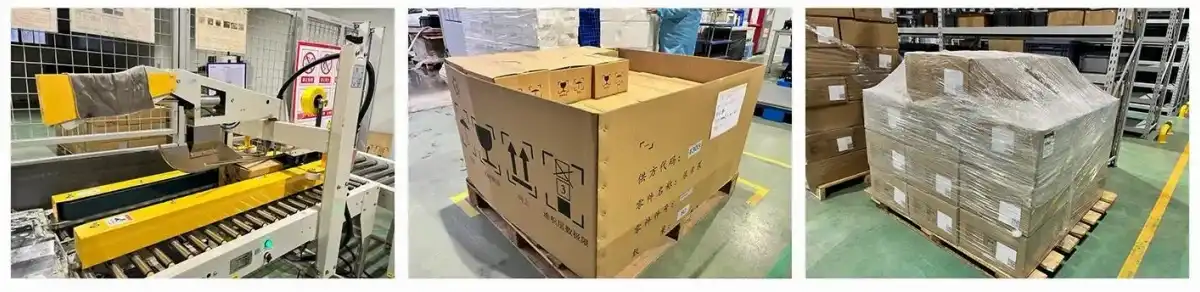
OEM Capacitive Pressure Sensor Solutions: Market-Leading Brands & Product Highlights
Industry Landscape and Supplier Positioning
The worldwide pressure sensor market includes established and OEM vendors for diesel engine and emission control applications. International companies have large product portfolios and global support networks, whereas specialized vendors like Xi'an Qintai Automotive Emission Technology specialize in diesel engine aftertreatment systems and customisation. As China's premier diesel engine OEM supplier, Qintai serves core clients including Weichai Power, Yuchai Power, and Quanchai Power, demonstrating reliability in tough production situations. This supplier diversity lets procurement teams balance standard and bespoke solutions.
Qintai QS-P105F: Advanced Sensor Technology
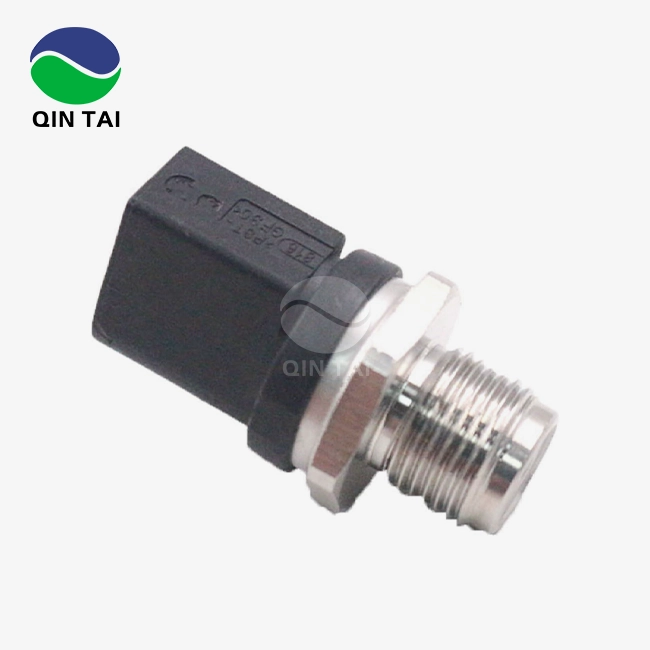
Qintai's Model QS-P105F uses current-generation capacitive pressure sensor technology for industrial diesel applications. This sensor platform simplifies inventory management for OEMs servicing different applications by covering vacuum (-1 bar) to ultra-high pressure (600 bar) in a single product family. For diesel exhaust conditions with particles and acidic condensates, the 96% Al2O3 ceramic diaphragm resists corrosion and abrasion. The operating temperature range of -40°C to 135°C supports harsh climatic and exhaust gas temperatures in aftertreatment systems.
Technical performance parameters show industrial dependability. Measurements over the pressure range are exact with 0.3% full-scale non-linearity, facilitating pollution control and engine management. Signal integrity is maintained in electrically loud diesel engine compartments with sensitivity between 2 and 4.0 mV/V. Multiple vehicle electrical designs can be integrated with the 2–30 VDC supply voltage range. Mid-range pressures’ low zero temperature drift of 0.03% FS/°C ensures calibration accuracy despite seasonal temperature changes. Transient pressure spikes during regeneration and engine faults are prevented by the 200% full-scale safety overload rating.
Customization and OEM Integration
Industrial pressure sensors today provide customisation possibilities to simplify OEM integration and save system costs. Electrical interface adjustments match car harness connection types and pinouts. Pressure ports accommodate varied piping and mounting layouts. Instead of employing bigger sensors with lower accuracy, custom pressure ranges optimize sensor resolution for specific application windows. Manufacturers can program software calibration parameters per OEM requirements. The customisation capabilities of suppliers with in-house R&D teams and flexible production processes expedite product development cycles and increase system performance.

Practical Implementation: Calibration, Troubleshooting, and Optimizing Sensor Performance
Calibration Procedures for Measurement Accuracy
Accurate measurement needs factory setup and field verification calibration techniques. Factory calibration sets baseline performance utilizing precise reference pressure sources traceable to national standards, sensor electronics correction factors, or external compensation calibration curves. Installation accuracy is checked by comparing sensor readings to portable reference devices at critical pressure locations during field calibration. By defining sensor output fluctuations over the operational temperature range, temperature compensation calibration helps control systems apply correction algorithms for thermal drift. Applications and operational severity determine calibration periods, which range from annual verification for steady monitoring to quarterly checks for emission-critical measures.
Common Issues and Resolution Strategies
Operational issues with capacitive pressure sensors include signal drift, reading instability, and output failure. Temperature, sensor element contamination, and electrical interference cause signal drift. Correct mounting placement away from excessive heat sources and temperature correction capabilities can reduce temperature-induced mistakes. A proper pressure port design and occasional inspection can prevent diesel exhaust deposits and oil mist contamination. Shielding, grounding, and isolation from high-current wires reduce electrical noise. Complete sensor failure usually implies diaphragm rupture from overpressure or connection damage from vibration, necessitating physical inspection and replacement.
System Integration Best Practices
Installation specifics and system-level considerations are needed to optimize industrial sensor performance. Use isolation to reduce vibration and maintain thermal stability while mechanically attaching. Proper sealing of pressure port connections prevents leaks and reduces installation torque that might stress sensor bodies. Electrical connections must be sealed for severe situations to protect application exposure levels. Location of signal conditioning electronics should reduce cable lengths and ensure service accessibility. Transient noise should be smoothed without reaction delays by system software filtering methods. Integration methods increase sensor longevity and measurement reliability, decreasing maintenance and system downtime.
Procurement Guide: How to Buy and Integrate OEM Capacitive Pressure Sensors Successfully?
Strategic Purchasing Considerations
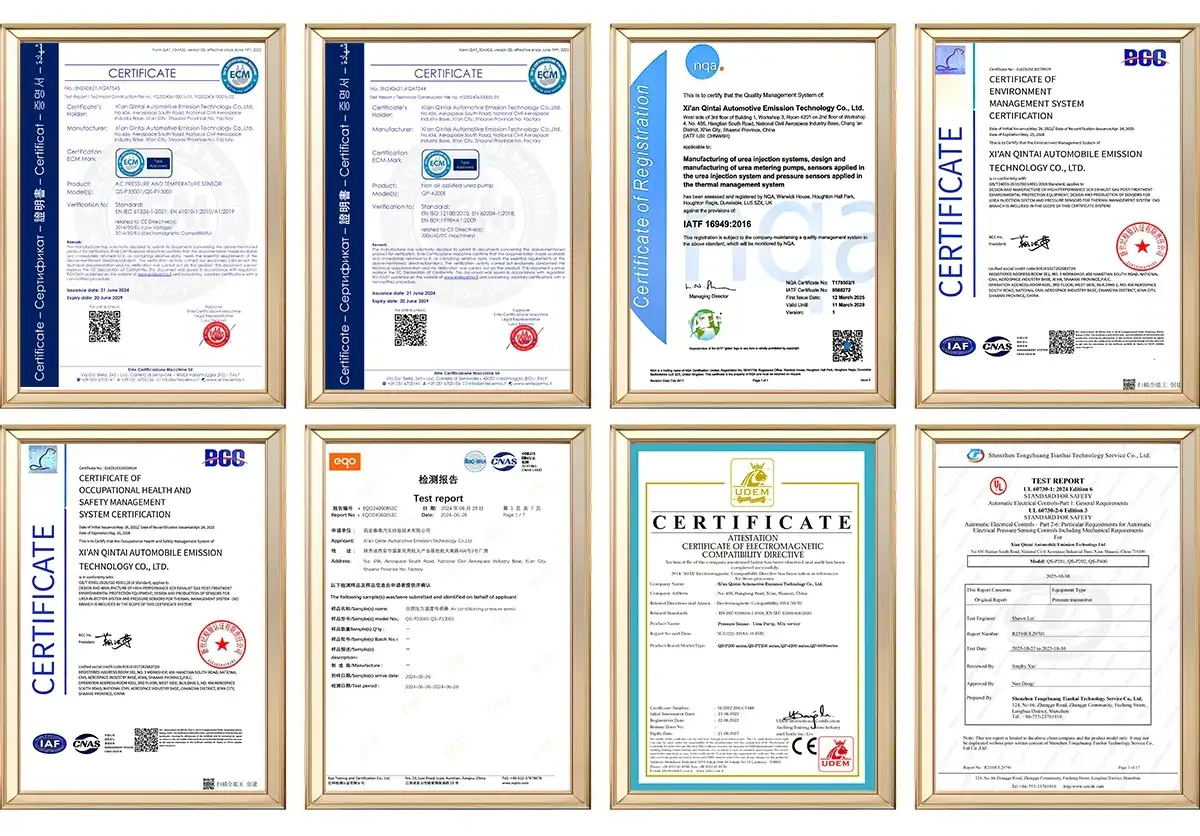
Successful capacitive pressure sensor procurement combines project needs with long-term supply. Bulk purchase offers 10-30% volume reductions based on quantity commitments, but economic analysis must account for inventory carrying costs and obsolescence concerns. Custom OEM solutions need initial development investment and longer lead times but offer optimum performance and lower unit costs at production levels. Supplier evaluation should prioritize automotive and industrial quality certifications like IATF16949, ISO9001, and European product-specific clearances like REACH and RoHS. Supply flexibility and lead time commitments are crucial during production ramps and supply chain interruptions.
Ordering Process and Technical Collaboration
Communication between purchasing, engineering, and vendors is essential for sensor procurement. Standard product orders for sensor-compatible applications follow simple processes with publicized pricing and delivery timeframes. Engineering teams must address performance criteria, environmental conditions, interface standards, and manufacturing timeframes for custom development projects. Before buying, study detailed datasheets and technical specifications to ensure application compatibility. Sample assessment programs reduce integration risk by validating applications before production orders. High-volume OEM applications should have extended warranties and payment terms to match project scale and maturity.
Building Long-Term Supplier Relationships
Effective supplier connections beyond transactional purchasing are essential for industrial sensor procurement success. Preferred supplier agreements with certified manufacturers offer priority engineering assistance, quicker delivery in emergencies, and product modification or obsolescence warning. Regular business reviews facilitate alignment on quality metrics, delivery performance, and continuous improvement initiatives. Technical collaboration on application difficulties and product developments helps suppliers meet market demands and optimize solutions. Relationship investments promote dependability, issue resolution, and access to competitive technology.
Conclusion
OEM capacitive pressure sensor solutions provide accuracy, environmental durability, and integration flexibility for current industrial systems, especially diesel engines and pollution control. The technology's unique precision, thermal stability, and sturdy construction meet strict regulatory and operational dependability standards. Successful implementation requires careful sensor selection based on application demands, appropriate installation following integrated best practices, and strategic supplier connections for long-term supply continuity and technical support. Capacitive pressure sensing technology will be essential to meeting performance goals and lowering ownership costs as pollution rules tighten and industrial systems advance.
FAQ
Q1: How do capacitive pressure sensors maintain accuracy across temperature variations?
A: Capacitive pressure sensors with numerous temperature adjustment methods preserve measurement accuracy over their operational range. The sensor may incorporate temperature-sensing devices to monitor conditions and allow control systems to use temperature-induced drift correction methods. Material selection prioritizes low thermal expansion coefficients and stable dielectric characteristics throughout temperatures. Temperature compensation circuitry in advanced sensors modulates output signals. Optimised ceramic diaphragm design and precision manufacture give the QS-P105F zero temperature drift < 0.03% FS/°C for mid-range pressures.
Q2: What distinguishes capacitive from piezoresistive pressure sensors for diesel applications?
A: Capacitive sensors are better for continuous monitoring in emission control systems when calibration stability affects regulatory compliance than piezoresistive sensors due to their longer-term stability and reduced temperature drift. In severe high-pressure applications, piezoresistive sensors respond faster and perform better. Ceramic diaphragms make capacitive technology more media-resistant. Application requirements balance precision, response speed, pressure range, and diesel engine and aftertreatment system environmental conditions.
Q3: Can pressure sensors be customized for unique OEM requirements?
A: Reliable industrial sensor manufacturers customize electrical interfaces, mechanical setups, pressure ranges, and calibration parameters. Customers can choose connection types, mounting requirements, pressure port sizes, and output signal characteristics. Suppliers with in-house R&D and flexible production can quickly provide customized solutions. Qintai has 58 innovation patents and decades of expertise serving major diesel engine manufacturers, providing OEM and ODM services from design to mass manufacturing.
Partner with Qintai for Superior Capacitive Pressure Sensor Solutions
Xi'an Qintai Automotive Emission Technology has the competence and responsiveness to meet your industrial pressure sensing needs. We are China's leading capacitive pressure sensor manufacturer for diesel engine applications, offering IATF16949 and ISO9001 quality, comprehensive product customization backed by independent R&D, and reliable supply chain performance through partnerships with Weichai, Yuchai, and Quanchai. Your emission control systems need our QS-P105F sensor platform's accuracy, durability, and versatility. Contact our technical team at info@qt-sensor.com to discuss your needs, request product datasheets, and learn how our capacitive pressure sensor supplier capabilities can boost your competitiveness with superior measurement technology and collaborative engineering support.
References
1. Webster, J.G. (2019). The Measurement, Instrumentation and Sensors Handbook: Spatial, Mechanical, Thermal, and Radiation Measurement. CRC Press.
2. Bao, M. (2020). Analysis and Design Principles of MEMS Devices. Elsevier Science.
3. Fraden, J. (2016). Handbook of Modern Sensors: Physics, Designs, and Applications (5th ed.). Springer International Publishing.
4. Society of Automotive Engineers (2021). SAE J1939 Standards Collection: Recommended Practice for Serial Control and Communications Network. SAE International.
5. European Commission (2022). Regulation (EU) 2016/1628: Requirements relating to gaseous and particulate pollutant emission limits for internal combustion engines. Official Journal of the European Union.
6. Wilson, J.S. (2018). Sensor Technology Handbook. Newnes Publishing.

Our customers’ satisfaction speaks for our quality — contact us to experience the same reliable service.