- English
- French
- German
- Portuguese
- Spanish
- Russian
- Japanese
- Korean
- Arabic
- Greek
- German
- Turkish
- Italian
- Danish
- Romanian
- Indonesian
- Czech
- Afrikaans
- Swedish
- Polish
- Basque
- Catalan
- Esperanto
- Hindi
- Lao
- Albanian
- Amharic
- Armenian
- Azerbaijani
- Belarusian
- Bengali
- Bosnian
- Bulgarian
- Cebuano
- Chichewa
- Corsican
- Croatian
- Dutch
- Estonian
- Filipino
- Finnish
- Frisian
- Galician
- Georgian
- Gujarati
- Haitian
- Hausa
- Hawaiian
- Hebrew
- Hmong
- Hungarian
- Icelandic
- Igbo
- Javanese
- Kannada
- Kazakh
- Khmer
- Kurdish
- Kyrgyz
- Latin
- Latvian
- Lithuanian
- Luxembou..
- Macedonian
- Malagasy
- Malay
- Malayalam
- Maltese
- Maori
- Marathi
- Mongolian
- Burmese
- Nepali
- Norwegian
- Pashto
- Persian
- Punjabi
- Serbian
- Sesotho
- Sinhala
- Slovak
- Slovenian
- Somali
- Samoan
- Scots Gaelic
- Shona
- Sindhi
- Sundanese
- Swahili
- Tajik
- Tamil
- Telugu
- Thai
- Ukrainian
- Urdu
- Uzbek
- Vietnamese
- Welsh
- Xhosa
- Yiddish
- Yoruba
- Zulu
OEM SCR Dosing System Solutions: Design, Testing, and Support for Fleets
Modern diesel fleets face increasing pressure to meet stringent emission standards while maintaining operational efficiency. An SCR Dosing System serves as the cornerstone of selective catalytic reduction technology, delivering precise Diesel Exhaust Fluid (DEF) injection into exhaust streams to convert harmful nitrogen oxides into harmless nitrogen and water vapor. For fleet managers and OEM purchasing teams, understanding the intricacies of design, validation, and ongoing support makes the difference between regulatory compliance and costly downtime. This comprehensive guide explores how advanced OEM solutions address the technical and operational challenges facing heavy-duty commercial vehicles, construction equipment, and generator applications.


Understanding OEM SCR Dosing Systems: Components, Functionality, and Benefits
Core Technology Behind Selective Catalytic Reduction
Selective catalytic reduction works by using a complex chemical process that needs many parts of the system to work together perfectly. When exhaust gasses with nitrogen oxides enter the catalyst chamber, the process starts. At the same time, the dosing module injects a controlled spray of urea solution. When this solution comes into contact with hot exhaust, it breaks down into ammonia. The ammonia then mixes with NOx molecules on the surface of the catalyst, changing them into substances that are safe for the environment. The whole process needs to be very precise down to the microsecond level to avoid both under-dosing, which causes emission failures, and over-dosing, which burns DEF and causes ammonia slip.
Critical System Components and Integration
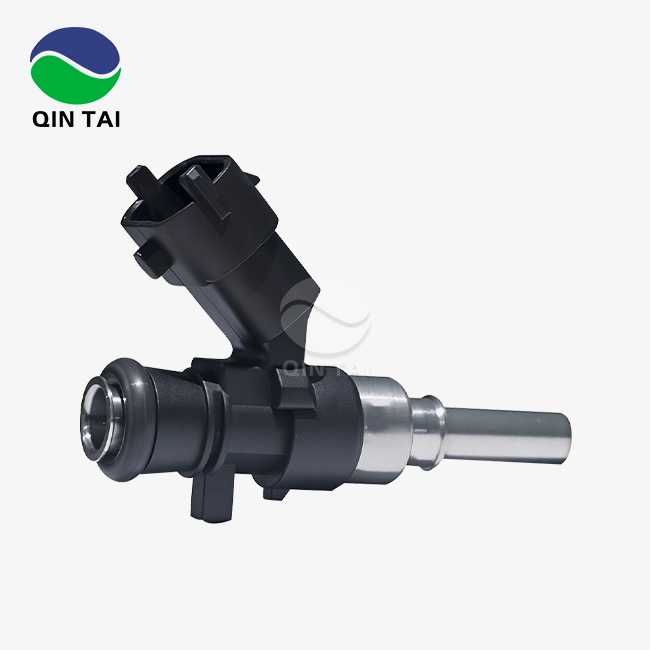
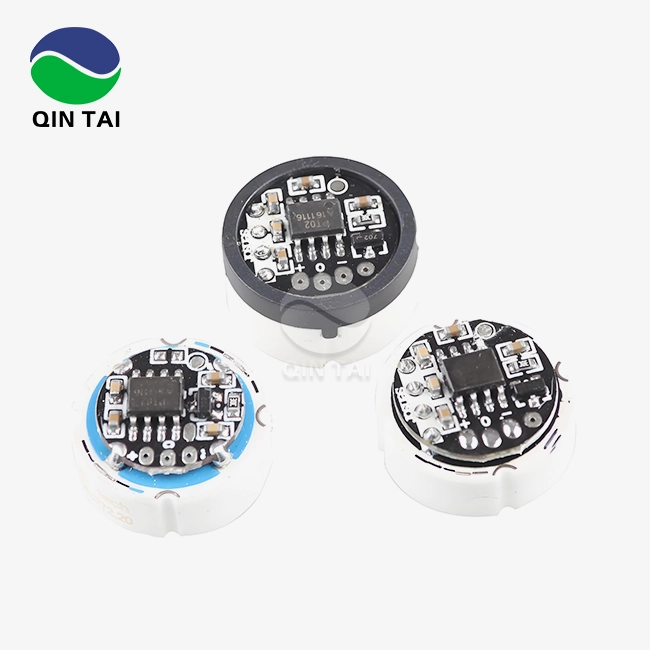
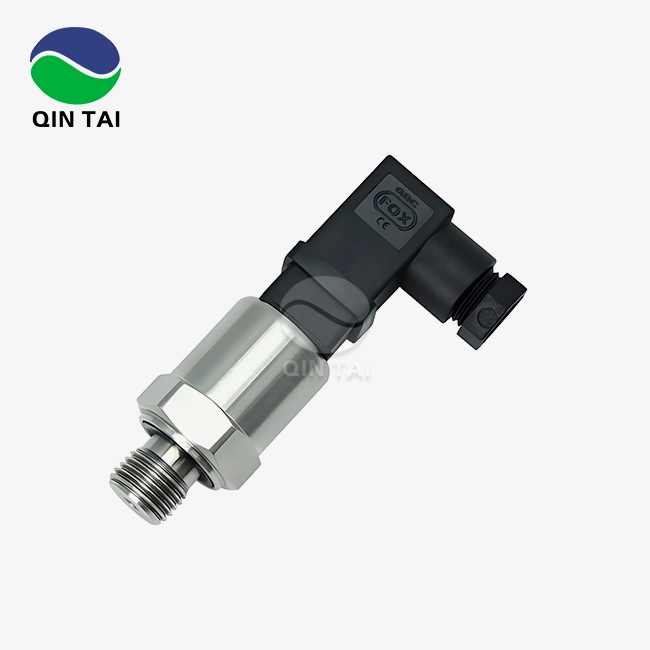
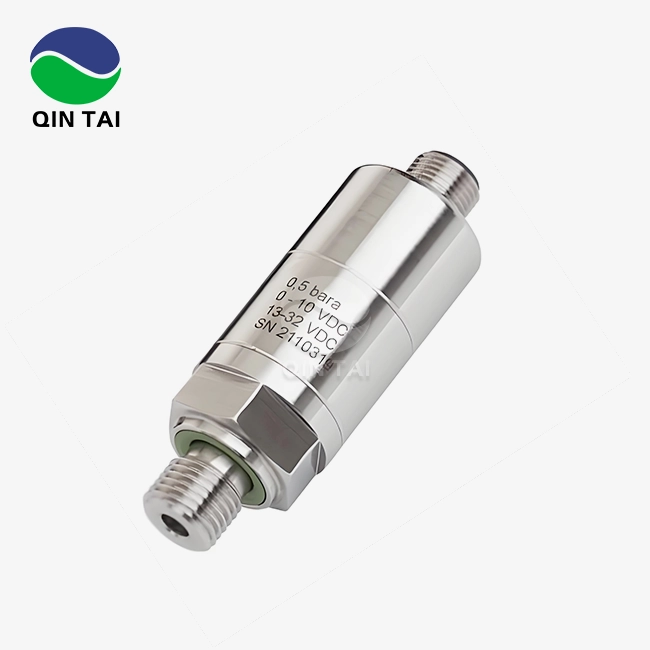
A full method for controlling emissions is made up of several parts that work together. The dose control unit is like the brain; it takes information from temperature sensors, NOx monitors, and exhaust flow meters and figures out the best time to inject fuel. Closed-loop input from the Urea Dosing Pressure Sensor is needed to keep the accuracy of the injections, find pressure drops that mean there are leaks or blockages, and find overpressure situations that happen when AdBlue freezes or valves stop working.
The diesel urea tank has sensors that check the level, control the temperature to keep it from freezing, and make sure the quality of the solution stays within the standards. Injector nozzles break up the fluid into tiny drops so that it breaks down quickly. Mixing tanks make sure that the fluid is evenly spread out before the catalyst enters.
Advantages of OEM Solutions Over Aftermarket Alternatives
Original equipment maker systems have real benefits that make them worth thinking about when planning a procurement. Reliability comes from strict validation processes that are in line with how engines work. This cuts down on the random failures that happen with generic aftermarket parts. Testing for durability under high temperature changes, shaking stress, and contamination exposure makes sure that parts stay calibrated for 15,000 to 20,000 hours of use.
Emission compliance is given extra attention by certifying against Euro VI and EPA Tier 4 Final standards. This keeps fleets from getting fined by the government. Dosing algorithms that are designed to use the least amount of DEF without affecting conversion rates lead to better fuel economy. When OEM systems talk to engine management platforms and IoT networks without any problems, they make integration benefits clear. This lets predictive maintenance and remote troubleshooting happen.
Design and Testing Protocols for SCR Dosing Systems in Fleet Applications
Customization Based on Vehicle Types and Operating Conditions
Instead of using one-size-fits-all methods, design engineers make solutions that fit the needs of each application. Heavy-duty long-haul trucks need systems that can keep working precisely over a million kilometers, even though the road is always shaking and the temperature changes. Construction equipment like tractors and trucks works in places with a lot of dust and shocks, so they need to be able to seal well and withstand impacts.
Because of the high salt content in the air, marine diesel applications on ships face special problems. All of the parts that get wet need to have anti-corrosion properties. Generator sets that provide backup power at remote mining sites need to be serviced more often and be able to handle temperature changes in extreme weather, which is why an SCR Dosing System must be tailored to the specific environmental and operational demands of each equipment type rather than relying on a generic design.
Standardized Testing Protocols and Validation Procedures
Bench testing is the basis of quality assurance. It simulates years of use in the field by putting parts through extended life cycles in a controlled laboratory setting. Engineers put dosing modules through thousands of cycles of pressure between zero and operating maximums to check the diaphragm's integrity and the seal's ability to work. Temperature chamber tests show that the sensor works properly from -40 degrees Celsius to its highest exhaust temperatures.
These tests also show that the sensor's flexible internal buffering structure can handle the 9% volume growth of freezing urea. For real-world longevity tests, prototype systems are put in real cars and driven on different routes. Data is collected on the consistency of injection, sensor drift, and contamination buildup. Validation of emission compliance takes place in authorized labs that have chassis dynamometers that measure NOx output against legal limits.
Case Study: Commercial Truck Fleet Implementation
A regional logistics company with 150 heavy-duty trucks worked with an original equipment manufacturer (OEM) to update their old fleet with new technology for controlling emissions. The expert team suggested systems with gold-plated terminal connections to stop the P204B problem code that is caused by dirty connector pins. Installation took place during planned repair times, so there was little loss of income from vehicles not being able to work.
Monitoring after implementation showed that 23% less DEF was used than with previous aftermarket solutions. This was because the dosing was more accurate. Emission tests consistently showed NOx reductions greater than 95% efficiency, which took away any worries about compliance that had been there before. During the first year, the fleet dodged four cases of limp mode activation, which would have caused delivery delays that cost around $8,000 per incident.

Maintenance, Troubleshooting, and Performance Optimization for SCR Dosing Systems
Routine Maintenance Best Practices
Preventive maintenance makes systems last longer and keep them performing at the same level throughout their operational life. Filters need to be replaced every 40,000 kilometers for highway use and every 20,000 hours for fixed engines, but this depends on how hard the application is. Technicians check the urea fuel tank for crystallization buildup around the fill caps and sender units. If they find any, they clean them up before they get into the dosing lines. Cleaning the injector tip with special solvents that work with DEF chemistry gets rid of the carbon buildup that changes the shot patterns. Sensor calibration verification checks pressure readings against known standards to find drift before it sets off diagnostic trouble codes.
Addressing Common System Failures
Dosing pump problems are often caused by hardened urea blocking internal pathways. This can be fixed by purging the system with clean water and then adding fresh DEF. Sensor circuit range mistakes that show up as P204B codes are caused by signal drift from moisture getting in or terminal corrosion. An check shows whether replacing the connector or the sensor unit is the right way to fix the problem. When air gets into the dosing lines, it causes the Urea Dosing Pressure Sensor to pick up erratic injection patterns.
This means that you have to follow a set of steps to bleed the system, starting at the tank pickup and working your way up to the injector. Controlled thawing of frozen systems must happen in hot buildings so that thermal shock doesn't damage seals or crack housings, which is critical for maintaining the integrity of the entire SCR Dosing System during cold-weather service procedures.
Performance Enhancement Strategies
Fleet engineers improve daily operations in a number of tried-and-true ways. To improve dosing accuracy, the duration and frequency of injections are fine-tuned based on feedback from real-world NOx sensors. This is done by balancing the economics of reducing emissions with the economics of DEF consumption. When OEM partners make software updates, they include better algorithms that were made by continuously analyzing data from the field.
These updates cover edge cases that come up in a variety of working situations. Using diagnostic tools lets you keep an eye on pressure trends, temperature patterns, and flow rates, spotting signs of slow failure before they happen completely. Regular data downloads to fleet management systems show differences in how each car performs, which helps target actions on units that show early warning signs.
Comparison and Selection Guide: OEM SCR Dosing Systems vs Other Emission Control Technologies
Functional Differences Across Emission Control Approaches
By sending cooled exhaust back into the intake manifold streams, exhaust gas recirculation systems lower the highest temperatures of combustion. This stops NOx from forming at the source. This method wastes fuel because it makes less oxygen available and makes more particulate matter, which means the diesel particulate filter needs to be cleaned. Selective catalytic reduction reduces emissions after combustion without lowering engine efficiency. This makes it better for situations where fuel economy is important. Usually, the two technologies work together, with EGR taking care of medium-load situations and SCR handling high-output situations.
Leading OEM Brand Evaluation
Bosch systems focus on small packaging that works well in setups with limited room, and they have combined dosing units that include the pump, injector, and control electronics. Their guarantee lasts for three years or 300,000 kilometers, whichever comes first. Denso's solutions are designed to work well in harsh environments. They do this by using military-grade connector sealing and higher temperature ratings, along with detailed technical documentation that helps with diagnostics in-house.
Continental's products work very well with engine management platforms and offer CAN-bus communication protocols that let you use complex closed-loop control. With ISO9001 and IATF16949 certification and years of experience working with major Chinese engine manufacturers as an OEM since 2001, Qintai stands out as a competitive supplier. There are 58 idea patents in our library. They cover new ways to build sensors and control dosing algorithms.
Pricing Considerations and After-Sales Support
The cost of a component depends on how complicated the design is and how many are being made. Standard methods for replacing a single car usually cost between $800 and $1500 per unit. When you buy more than 100 systems for your fleet, you can use tiered pricing, which lowers the cost per unit by twenty to thirty percent. After-sales support sets providers apart by how quickly they answer the technical hotline, help with troubleshooting on-site, and how quickly they handle insurance claims, especially for a complex SCR Dosing System where expert guidance can significantly reduce downtime. When manufacturers keep regional service centers open, it shows that they are committed to long-term relationships that go beyond just selling tools.
How to Choose the Right OEM SCR Dosing System for Your Fleet: A Decision Support Framework
Defining Fleet-Specific Selection Criteria
More than anything else, the type of vehicle application determines the system needs. Urban service fleets have to start and stop often, which requires catalysts to warm up quickly and low-flow doses to be done accurately. Highway transportation operations log a lot of miles each year, which means that parts need to have longer durability ratings. Off-road vehicles aren't subject to the same amounts of vibration as off-road vehicles. This means that off-road equipment needs stronger mounting gear and sensor designs that can handle shock. Compliance with emission guidelines varies by operating area. For some types of vehicles, California's Air Resources Board rules go beyond what the federal EPA requires.
Evaluation Factors Beyond Initial Price
The total cost of ownership includes the price of buying the equipment, the labor needed to install it, how much DEF it uses, how often it needs to be serviced, and how long it is expected to last. When compared to a similar system that costs 20% more at first, one that doses 15% more accurately pays for itself in 18 months by saving money on fluid purchases.
When you measure reliability as the average amount of time that goes by without a failure, you can make an objective comparison. In commercial settings, the best OEM solutions can last for 25,000 hours. Warranty terms that cover not only replacing parts but also damage caused by system failures protect fleet budgets from having to pay for repairs that were not planned for. Integration ease affects installation times and the amount of training technicians need. Plug-and-play solutions minimize disruptions during implementation.
Future-Proofing Through Scalability and Technology Upgrades
As time goes on, regulations keep getting tighter, with higher limits on emissions and more testing methods, such as monitoring emissions while moving. Modular designs allow field updates like adding sensors or reprogramming control units without having to replace the whole system. Telematics connectivity lets software changes happen over-the-air, which improves speed and diagnostics over the course of a product's lifecycle. Supplier roadmaps that show investments in next-generation technologies show a commitment to long-term partnership viability. This lowers the risk of products being left behind without future support.

Conclusion
To choose the right pollution control technology, you have to find a balance between following the rules, making sure the technology works well, and managing long-term costs. OEM solutions have been shown to work well by rigorous design validation, thorough testing protocols, and ongoing technical support that aftermarket options don't offer. The Urea Dosing Pressure Sensor is an example of an important part that makes sure the system works correctly by providing closed-loop feedback and diagnostic tools, which is essential for maintaining the precision of any SCR Dosing System over its operational life. Instead of just looking at the price at first, fleet managers should judge providers based on their certifications, knowledge with specific applications, and commitment to customer service after the sale. Organizations can deal with changing environmental rules while keeping their business efficiency high by forming strategic relationships with qualified manufacturers.
FAQ
Q1: How does the urea dosing pressure sensor prevent system crystallization?
A: The sensing chamber has methods for minimizing dead volume and smooth internal flow paths that keep DEF from building up crystal layers on the diaphragm when it sits still. This way of designing keeps measurements accurate over long periods of time, even in situations where the temperature often changes between operational and ambient levels.
Q2: What causes pressure sensor circuit range errors in SCR systems?
A: The P204B diagnostic trouble code is usually caused by signal drift, which can be caused by dirty connector pins or water getting into electrical connections and messing them up. Gold-plated terminal contacts make them much less likely to rust, which means they will last longer and work better in harsh settings like those used by commercial cars and building equipment.
Q3: Can aftermarket sensors integrate with OEM dosing control units?
A: Most of the time, physical thread standards like M10x1 or M12x1.5 are the same across makers. However, output signal methods like voltage range and SENT digital communication must match up with certain ECU calibrations. Mismatched sensors may work physically, but their electrical outputs may not be compatible, which can lead to diagnostic errors or wrong dose calculations.
Partner with Qintai for Advanced SCR Dosing System Solutions
Qintai Automotive Emission Technology Co., Ltd. has over 20 years of experience and is ready to help you with your fleet emission control needs. We are the biggest company in China that makes SCR Dosing Systems. We have strong OEM partnerships with Weichai Power, Yuchai Power, and Quanchai Power. We do this by doing our own research and development and getting quality certifications like IATF16949 and ISO9001. Our engineering team can make changes to meet the specific needs of your application. For example, they can build pressure sensors that don't get clogged with crystals or fully integrate a system that works with your car platforms. Get in touch with our technical experts at info@qt-sensor.com to talk about how our OEM and ODM services can help you meet your business performance and regulatory compliance goals in a reliable and cost-effective way.
References
1. Johnson, M. R., & Williams, T. K. (2022). Diesel Engine Emission Control Technologies: Design and Implementation. Society of Automotive Engineers International.
2. European Commission Directorate-General for Internal Market. (2021). Euro VI Heavy-Duty Vehicle Emission Standards: Technical Guidelines and Compliance Testing Protocols.
3. Zhang, L., Chen, H., & Liu, Y. (2023). "Performance Analysis of SCR Systems in Commercial Vehicle Applications." International Journal of Automotive Technology, 24(3), 687-702.
4. United States Environmental Protection Agency. (2020). Clean Air Act Tier 4 Final Standards for Nonroad Diesel Engines: Compliance and Certification Handbook.
5. Schmidt, A., & Bergmann, K. (2021). Selective Catalytic Reduction: Chemistry, Engineering, and Practical Applications in Mobile Sources. Springer-Verlag Berlin Heidelberg.
6. International Council on Clean Transportation. (2023). Real-World Emissions Performance of Modern Heavy-Duty Diesel Vehicles: Global Assessment and Technology Comparison.

Our customers’ satisfaction speaks for our quality — contact us to experience the same reliable service.