- English
- French
- German
- Portuguese
- Spanish
- Russian
- Japanese
- Korean
- Arabic
- Greek
- German
- Turkish
- Italian
- Danish
- Romanian
- Indonesian
- Czech
- Afrikaans
- Swedish
- Polish
- Basque
- Catalan
- Esperanto
- Hindi
- Lao
- Albanian
- Amharic
- Armenian
- Azerbaijani
- Belarusian
- Bengali
- Bosnian
- Bulgarian
- Cebuano
- Chichewa
- Corsican
- Croatian
- Dutch
- Estonian
- Filipino
- Finnish
- Frisian
- Galician
- Georgian
- Gujarati
- Haitian
- Hausa
- Hawaiian
- Hebrew
- Hmong
- Hungarian
- Icelandic
- Igbo
- Javanese
- Kannada
- Kazakh
- Khmer
- Kurdish
- Kyrgyz
- Latin
- Latvian
- Lithuanian
- Luxembou..
- Macedonian
- Malagasy
- Malay
- Malayalam
- Maltese
- Maori
- Marathi
- Mongolian
- Burmese
- Nepali
- Norwegian
- Pashto
- Persian
- Punjabi
- Serbian
- Sesotho
- Sinhala
- Slovak
- Slovenian
- Somali
- Samoan
- Scots Gaelic
- Shona
- Sindhi
- Sundanese
- Swahili
- Tajik
- Tamil
- Telugu
- Thai
- Ukrainian
- Urdu
- Uzbek
- Vietnamese
- Welsh
- Xhosa
- Yiddish
- Yoruba
- Zulu
OEM Water Pressure Sensor Benefits for Reliable System Design
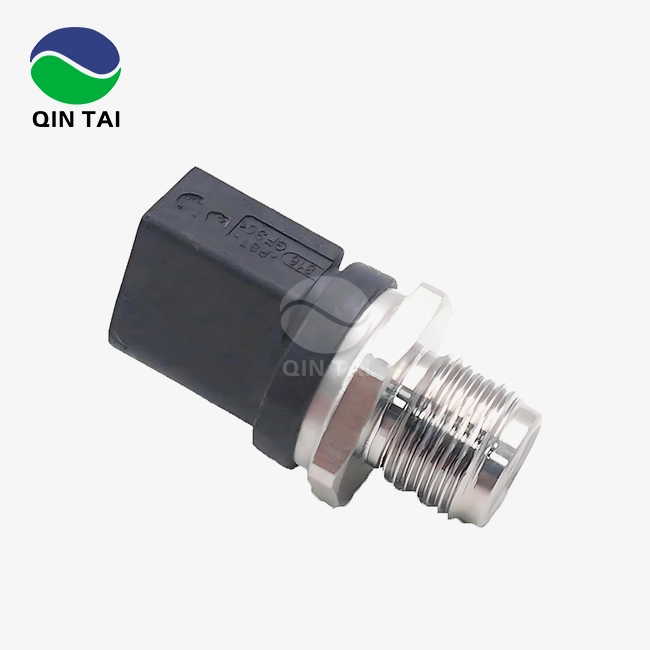
When your system depends on consistent fluid pressure control, the sensing component you choose determines everything. An OEM water pressure sensor is engineered to meet exact design specifications, providing precise, repeatable measurements that generic components simply cannot match.
Whether you manage procurement for heavy-truck diesel engines, SCR aftertreatment systems, or industrial generator sets, integrating a purpose-built pressure sensor directly affects uptime, compliance, and long-term operating costs. This article walks through the real benefits, selection criteria, and applications that matter most to B2B engineers and purchasing teams.
Understanding Water Pressure Sensors and Their Role in System Design
What a Water Pressure Sensor Actually Does
A water pressure monitor finds the pressure of fluids in an open or closed system and turns that information into an electrical signal. That signal goes to a controller, an ECU, or a monitoring platform and gives it data that it can use right now. If you don't give correct information, automatic reactions like starting the pump, controlling the valves, or sending fault alerts won't work right.
Sensor Types and When Each Fits
There are different types of sensors, including those with analog outputs (0–5V, 4–20mA), digital outputs, wired setups, and portable configurations. 4 to 20m analogIn industrial settings, A sensors are still the norm because the signal doesn't change when the cable runs for a long distance. Digital sensors work well in situations where they need to be connected to microcontrollers or CAN bus architectures. Which option is best for you depends on your wiring and how much data you need to process.
Why OEM Specification Matters
OEM sensors are made from the start to fit specific mounting threads, output protocols, and pressure ranges. This level of accuracy cuts down on mistakes during installation and time spent calibrating during mass production. On the other hand, off-the-shelf alternatives often need adaptation hardware, which adds more places where things can go wrong and raises the cost of each unit made.
Core Benefits of Using OEM Water Pressure Sensors in Your Systems
Picking an OEM water pressure sensor as part of a pressure sensing system is a choice that will pay off for the whole duration of the product. The benefits go far beyond the cost of the item.
When B2B teams choose OEM fluid pressure sensing parts, these are the main benefits they always list:
- Measurement accuracy and consistency: OEM sensors typically deliver accuracy within ±0.5% of full scale, with high repeatability across production batches. For emission-compliant diesel engines operating under China VI or Euro VI standards, this level of precision directly supports proper SCR reagent dosing and DPF regeneration cycles.
- Durability in demanding environments: Components built to OEM standards use 304 or 316L stainless steel housings with ceramic or EPDM diaphragms. IP65 or IP67 ingress protection ratings keep moisture out, and operating temperature ranges of −40°C to +125°C cover agricultural, mining, and power plant applications without exception.
- Customizable output and interface options: OEM suppliers can configure pressure ranges (typically 0–20 Bar), output signals, connector types, and thread specifications to match your system exactly. This eliminates adaptation hardware and reduces assembly time on the production line.
- Supported calibration and lifecycle documentation: OEM providers supply calibration certificates, material data sheets, and quality records that satisfy ISO 9001 and IATF 16949 audit requirements — documentation that off-the-shelf sourcing rarely provides.
These benefits directly help purchasing managers and R&D engineers with their daily tasks of making sure that production is consistent, keeping records of compliance, and keeping costs low. When a sensor fits in well and works regularly, it takes away a type of risk from your design.
How to Choose the Right OEM Water Pressure Sensor for Your Application
Define Your Pressure Range and Accuracy Requirement
Start with the real range of operating pressures that your water pressure sensor system sees, not a guess. If you use a sensor rated 0–10 Bar in a device rated 0–1 Bar, the precision and measurement quality will be worse. Tightly match the range, and set the accuracy requirements based on the tolerance of your control loop, not just your personal taste.
Evaluate Output Type Against Your Control Architecture
Choose that output if your ECU or PLC can take 4–20mA input. A digital protocol sensor keeps you from losing data when you convert from analog to digital in systems that use a CAN or RS485 bus. Wireless sensors are good for retrofitting or tracking only, but they have delay that makes them unsuitable for real-time closed-loop control.
Verify Material and Environmental Compatibility
Make sure that the materials that are wet can work with the chemistry of your fluid. Standard metal parts may wear out over time in water systems that treat it with chlorine or chemicals. Titanium or specialized polymer wetted parts are the right choice for uses that will be exposed to seawater or toxic liquids.
Confirm Supplier Certifications and Production Capacity
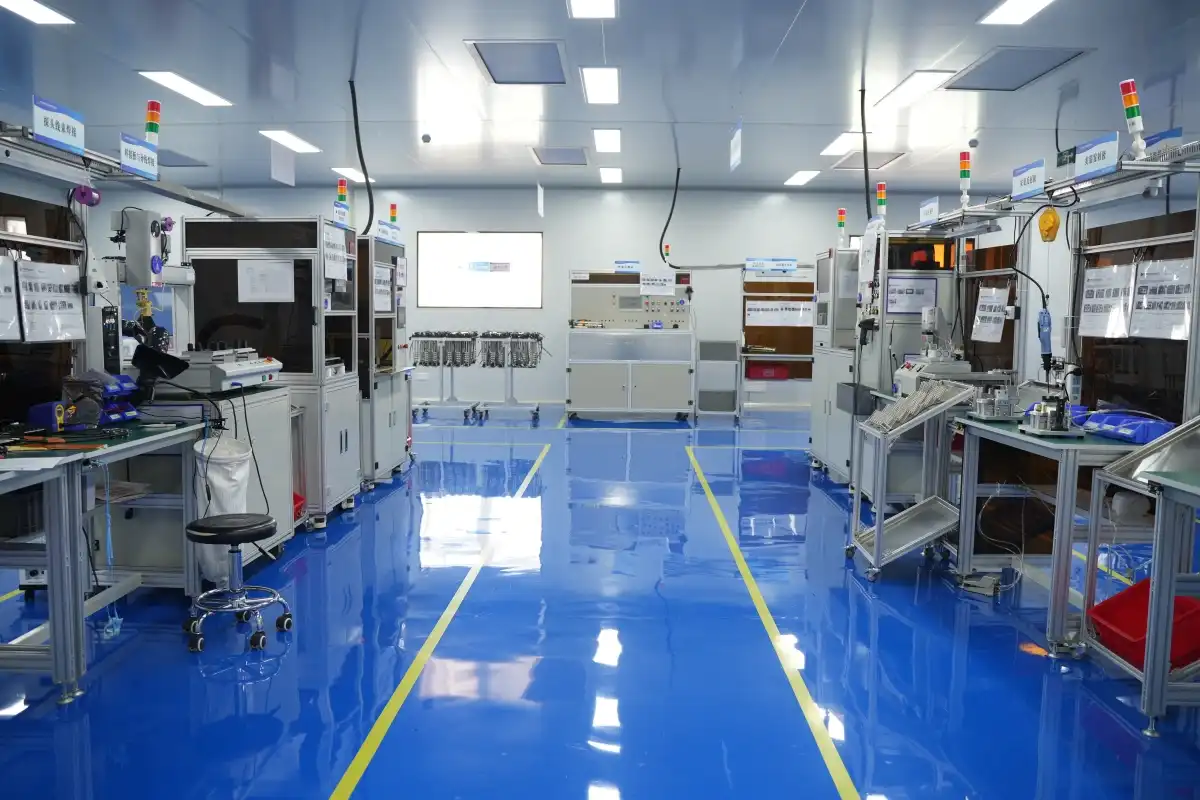
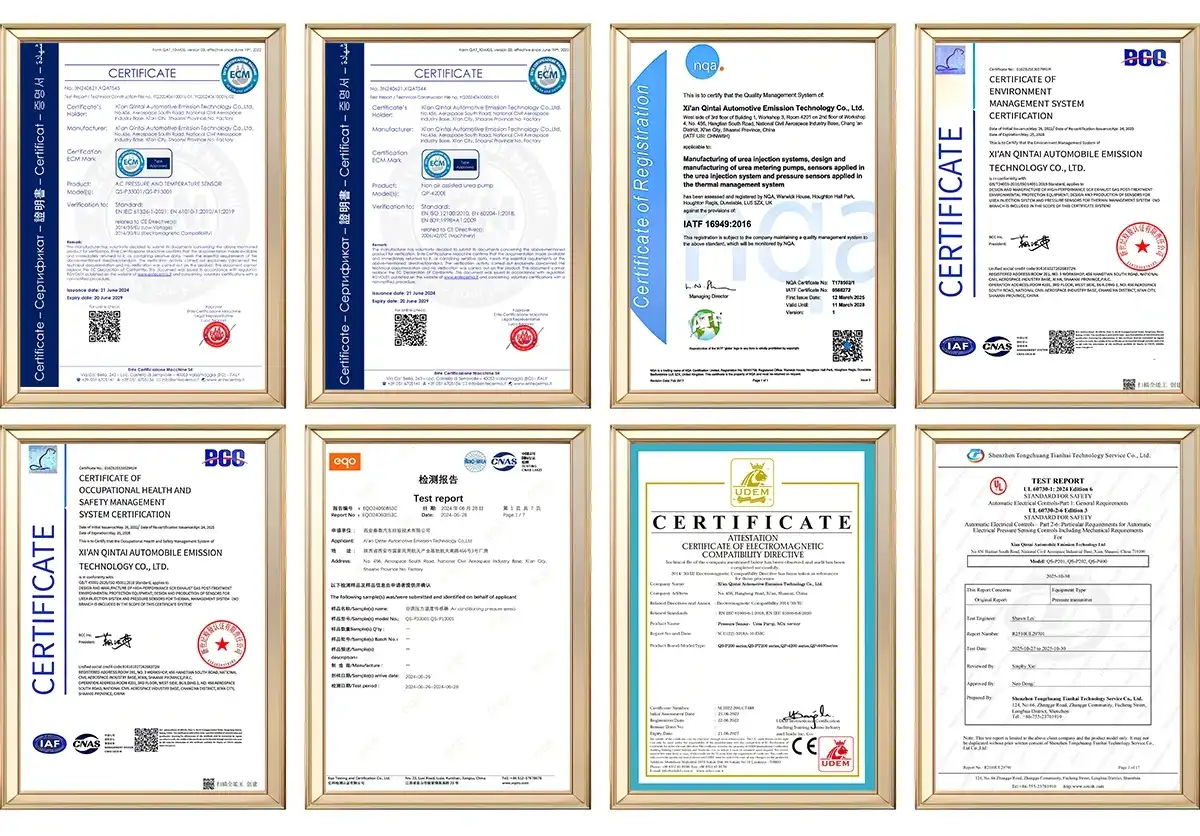
An honest OEM sensor supplier should have ISO 9001, IATF 16949, CE, RoHS, and any other certifications that are important to your market. Before agreeing to a design-in, make sure that the seller can meet your volume needs and lead time standards.
Common Applications of OEM Water Pressure Sensors in B2B Industries
Diesel Engine Aftertreatment Systems
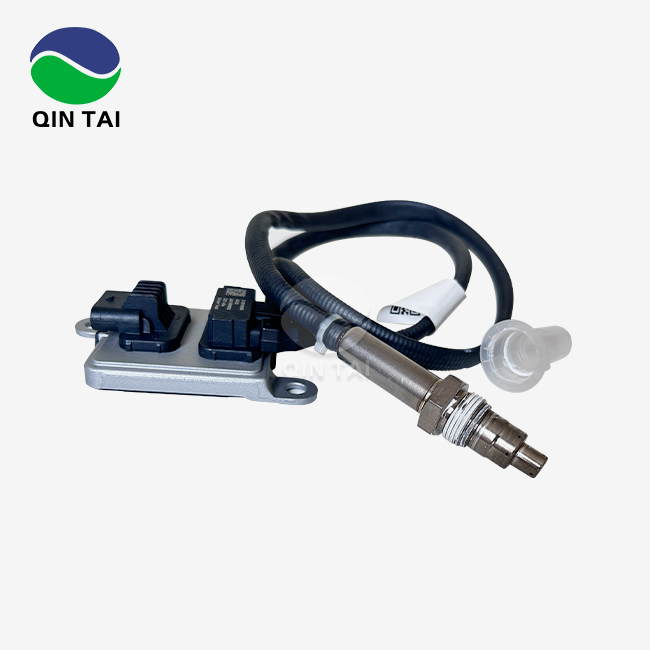
Monitoring fluid pressure in SCR and DPF systems makes sure that urea (DEF) pumps are putting out the right amount of reagent at the right pressure. When a signal is outside of its regular range, it sets off a trouble code that stops emission non-compliance. According to China VI and Euro VI rules, this feature can't be changed.
Generator Sets in Industrial Power Applications
Generator sets work in mines, power plants, and backup power sites for thousands of hours with different loads. Sensors for coolant and oil pressure keep the engine control system going all the time. If a sensor moves or fails, it can lead to unexpected shutdowns that cost a lot of money and time to fix.
HVAC and Building Management Systems
Differential pressure feedback is needed to keep commercial building systems balanced and control pump speed. Consistent sensor readings keep chilled water loops from over-pressurizing and stop pumps from spinning when they don't need to.

Troubleshooting and Maintaining OEM Water Pressure Sensors
Recognizing the Most Common Failure Modes
Most field complaints for the water pressure sensor are about signal loss, offset drift, and readings that don't match up. Signal loss is often caused by rust in the connectors or damage to the wires. When the sensor consistently reads high or low, this is called offset drift. It usually means that the diaphragm is worn out or has been exposed to pressure spikes that are too high or too low for its rating.
Preventing Set-Point Drift in Pressure Switch Applications
When a water pressure sensor switch is used, set-point drift is generally due to the internal spring getting worn out or the diaphragm getting old. In-service drift can be lowered by choosing units with internal parts that have already been aged and cycle life data that has been verified (100,000 to 500,000 actuations). Good switches also have sensing elements that are muffled so they can stay stable in places where there are a lot of mechanical movements, like pump rooms.
Establishing a Maintenance Schedule
Regular calibration checks, which should be done every 12 months in most workplace settings, make sure that the accuracy of your measurements stays within the range that was set. Keep an accurate record of each testing event for ISO and legal compliance reasons by keeping an audit trail.
OEM Water Pressure Sensors vs. Other Pressure Measurement Solutions
Sensors vs. Pressure Gauges
Traditional mechanical pressure gages show readings close to where they are installed, but they don't have an electrical output for automation or monitoring from afar. A digital fluid pressure sensor sends real-time information to control systems, which lets them take actions automatically that a gage can't. With the sensor, you can make any automatic or Internet of Things (IoT) device work better.
OEM Sensors vs. Generic Aftermarket Parts
Generic pressure sensors may have the same physical shape, but they often don't have the calibration records, batch uniformity, or material tracking that OEM requirements require. In mass production settings, generic providers that send inconsistent amounts lead to extra work and warranty issues that eat away at any initial cost savings.
Wired vs. Wireless OEM Sensors
For control-critical applications, wired sensors are still the standard because they deliver signals reliably and don't need to be managed by batteries. Wireless versions work well for condition tracking systems where adding cable runs is not an option, but they shouldn't be used instead of wired sensors in safety-critical loops.
Conclusion
Including the right water pressure sensor in the design of your system from the start lowers the risk of failure, helps you follow the rules, and lowers the total cost of ownership. OEM-specified sensors provide precision, material integrity, and documentation that generic parts don't always manage to give.
The monitoring part you choose will directly affect how the system works and how much it costs to run, no matter if it's for a diesel engine aftertreatment system, a generator set in a remote mine, or a business HVAC installation. When choosing a supplier, give the most weight to qualifications, matching specifications, and confirmed production capacity.
FAQ
What is the difference between a water pressure sensor and a pressure transmitter?
A pressure transmitter provides a continuous analog output signal — typically 4–20mA — representing real-time pressure across the full measurement range. A pressure switch provides a binary on/off output when pressure crosses a set threshold. Transmitters suit closed-loop control; switches suit protection and alarm functions.
How do I prevent rapid cycling or chatter in my pressure switch system?
Select a switch with adjustable hysteresis or a built-in time delay function. A hysteresis band of 1–2% of full scale prevents the output from toggling repeatedly when pressure hovers near the set point.
Can these sensors handle corrosive liquids?
Yes, but wetted materials must be specified at procurement. Standard stainless steel suits most clean water and mild chemical applications. Seawater, strong acids, or aggressive chemical environments require titanium or specialized polymer wetted components.
How often should I calibrate my sensor?
Calibration frequency depends on application severity and regulatory requirements. Annual calibration is standard for most industrial applications. High-cycle or high-temperature environments may warrant semi-annual checks.
What certifications should I require from a supplier?
At minimum, request ISO 9001, IATF 16949, CE, and RoHS documentation. Applications in explosive atmospheres require ATEX or Ex certification. UL certification is relevant for equipment sold in the North American market.
Partner with Qintai for Your OEM Water Pressure Sensor Needs
Xi'an Qintai Automotive Emission Technology Co., Ltd. has been a supplier of precision sensing parts since 2001. They have ISO 9001, IATF 16949, CE, RoHS, UL, and Ex certifications. For water pressure sensors, Qintai has the biggest market share in China and is a main OEM supplier to Weichai Power, Yuchai Power, and Quanchai Power. They can do full OEM/ODM customization from design to mass production. To ask for a specification consultation, please email our engineering team at info@qt-sensor.com or go to qt-sensor.com.
References
1. Gu, J., & Wang, L. — Sensors and Actuators A: Physical, 2019
2. International Organization for Standardization — ISO 9001: Quality Management Systems — Requirements, 2015
3. Society of Automotive Engineers — SAE International Journal of Engines, 2021
4. European Automobile Manufacturers' Association (ACEA) — Euro VI Emission Standards Technical Report, 2020
5. National Instruments — Sensor Measurement Fundamentals Series: Pressure Measurement, 2018
6. American Society of Mechanical Engineers (ASME) — Instrumentation and Sensors for the Process Industries, 2017

Our customers’ satisfaction speaks for our quality — contact us to experience the same reliable service.