- English
- French
- German
- Portuguese
- Spanish
- Russian
- Japanese
- Korean
- Arabic
- Greek
- German
- Turkish
- Italian
- Danish
- Romanian
- Indonesian
- Czech
- Afrikaans
- Swedish
- Polish
- Basque
- Catalan
- Esperanto
- Hindi
- Lao
- Albanian
- Amharic
- Armenian
- Azerbaijani
- Belarusian
- Bengali
- Bosnian
- Bulgarian
- Cebuano
- Chichewa
- Corsican
- Croatian
- Dutch
- Estonian
- Filipino
- Finnish
- Frisian
- Galician
- Georgian
- Gujarati
- Haitian
- Hausa
- Hawaiian
- Hebrew
- Hmong
- Hungarian
- Icelandic
- Igbo
- Javanese
- Kannada
- Kazakh
- Khmer
- Kurdish
- Kyrgyz
- Latin
- Latvian
- Lithuanian
- Luxembou..
- Macedonian
- Malagasy
- Malay
- Malayalam
- Maltese
- Maori
- Marathi
- Mongolian
- Burmese
- Nepali
- Norwegian
- Pashto
- Persian
- Punjabi
- Serbian
- Sesotho
- Sinhala
- Slovak
- Slovenian
- Somali
- Samoan
- Scots Gaelic
- Shona
- Sindhi
- Sundanese
- Swahili
- Tajik
- Tamil
- Telugu
- Thai
- Ukrainian
- Urdu
- Uzbek
- Vietnamese
- Welsh
- Xhosa
- Yiddish
- Yoruba
- Zulu
Pressure and Temperature Transmitter Applications in Oil and Gas
Pressure and Temperature transmitters are very important tools in oil and gas operations because they constantly check the conditions of the process. This helps workers keep things safe, work more efficiently, and follow the rules. These two-parameter devices can both sense and send signals. They take measurements of real things and turn them into standard electrical outputs that can be used with control systems without any problems. These receivers help keep equipment from breaking down by sending real-time information about fluid pressures and temperatures across pipes, refineries, and production platforms. This allows for accurate process control all along the value chain.
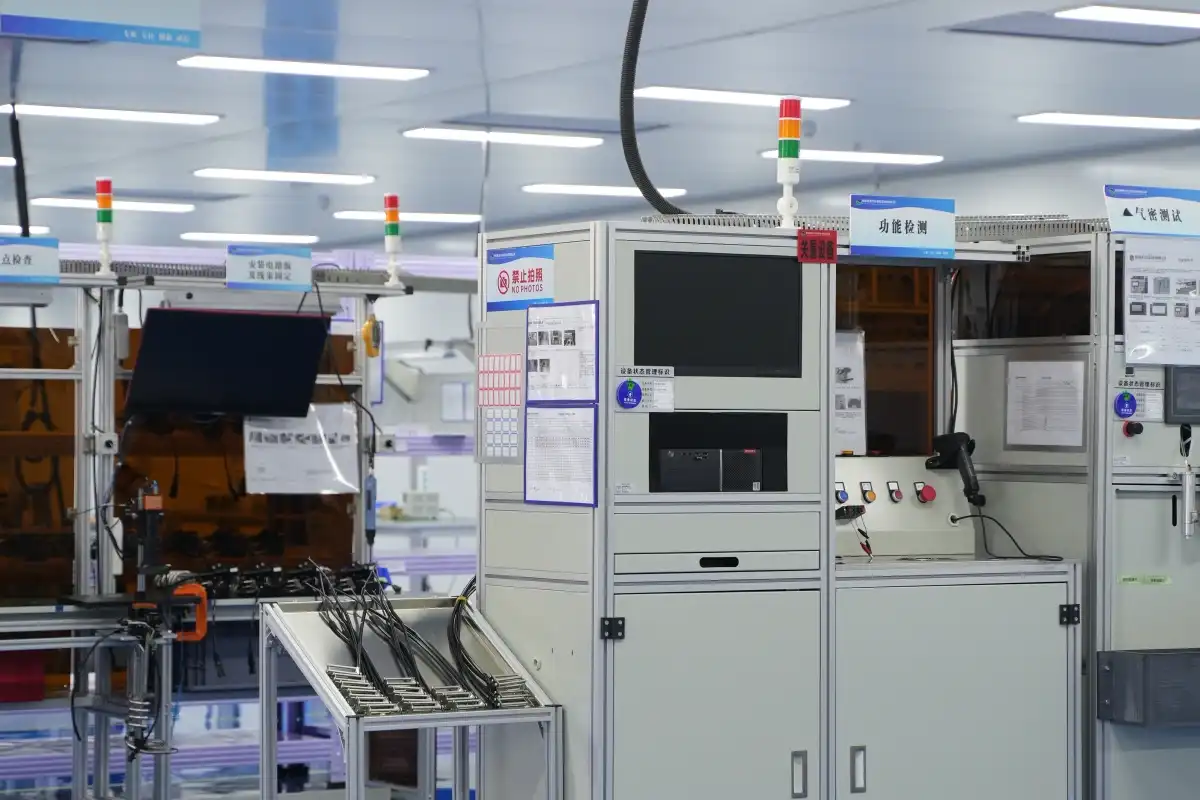
Understanding Pressure and Temperature Transmitters in Oil and Gas
Modern equipment in oil and gas plants depends on measuring tools that are reliable and can work in harsh circumstances. Pressure and Temperature transmitters are different from basic sensors because they have electronics built in that transform raw measurement data into standard outputs like 4-20mA analog signals or digital protocols. This conversion makes long-distance communication more stable and makes it possible to use distributed control systems, which are popular in processing centers.
Working Principles and Core Technologies
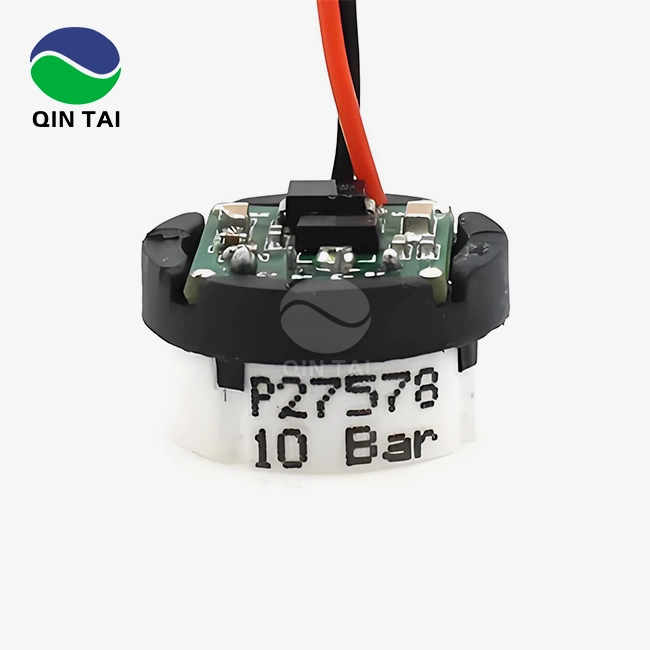
Ceramic sensing elements or silicon piezoresistive technologies are often used in industry devices to measure pressure. When force is put on these materials, they change their electrical resistance, which is then turned into a proportional voltage produced by the emitter. The QS-PT225 type from Qintai has a ceramic pressure sensor that works very well even when it's exposed to harsh substances like engine oil, POE oil, refrigerants, and different gases. Compared to standard metal diaphragm sensors, this ceramic form is more resistant to chemicals.
NTC thermistors or RTD elements are often used to measure temperature in mixed receivers. Thermistors have consistent changes in resistance over a wide range of temperatures, which lets you accurately measure temperatures from -40°C to 130°C. When different sensors are put in different places in the same process stream, measurement correlation errors happen. The combined method gets rid of these errors.
Types of Combined Transmitters
Combined Pressure and Temperature transmitters can be set up in a variety of ways, depending on the needs of the application. Gauge pressure models measure in relation to the outside environment, which means they can be used to keep an eye on tank levels and cable pressures. Absolute pressure sensors use a sealed vacuum chamber to get data that aren't affected by changes in barometric pressure. This makes them perfect for installations at high altitudes or situations where exact density estimates are needed.
With differential pressure designs, you can find out how much pressure drops across filters, heat exchanges, or flow orifices. When used with temperature sensors, these tools make it possible to accurately figure out mass flow rates and fluid features. The small size of combining two factors into one housing makes installation easier and lowers the number of places where pressure could leak in systems.
Calibration and Accuracy Requirements
For safety reasons and to save money, oil and gas uses need to be very accurate. The QS-PT225 can measure both pressure and temperature with a full-scale accuracy of ±1.0%. It has a total error band of ±3% across its working temperature range. It meets the high standards of upstream production centers, midstream pipeline networks, and downstream refining activities.
As part of calibration processes, transmitter outputs are compared to known reference standards in a controlled setting. Regular recalibration times rely on how important the process is, but in critical situations, plans every three or six months are usual. Modern transmitters have built-in self-diagnostic features that let workers know when there is drift before measurement mistakes mess up process control.
Key Industrial Applications of Pressure and Temperature Transmitters in Oil and Gas
Exploration and production activities in the upstream face unique problems that need strong measurement answers. To get the best extraction rates while avoiding damage to the formation, wellhead monitoring needs to keep an eye on the pressures and temperatures in the basin all the time. Installing Pressure and Temperature transmitters at output trees gives workers real-time information about what's happening downhole, which lets them respond quickly to changes in the way the reservoir works.
Pipeline Monitoring and Safety Systems
Pipelines that run over long distances move natural gas, crude oil, and processed goods over very large areas of land. Regularly checking the pressure and temperature along these pipes lets leaks be found by looking at the flow conditions statistically. Temperature changes and sudden drops in pressure can be signs of leaks or illegal taps. These can set off automatic shutdown systems that limit damage to the environment and product loss.
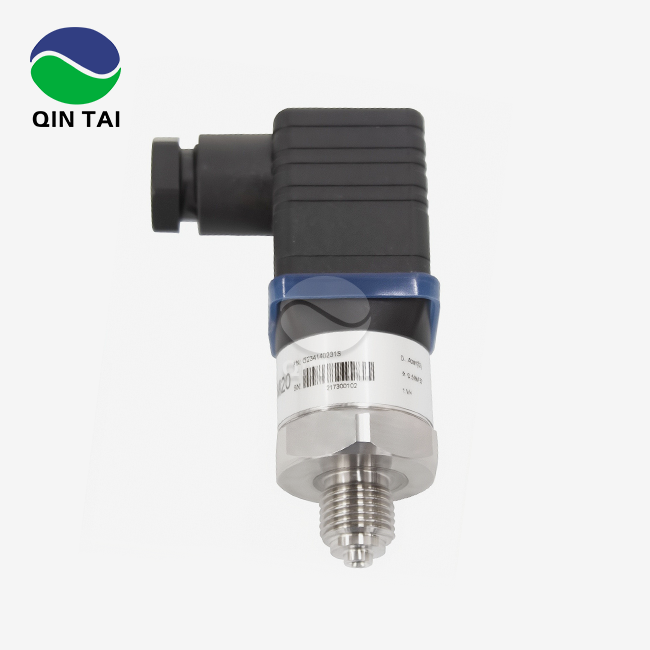
Combined measurement devices are very helpful at compressor stations along gas pipes. To get the most work done while avoiding surges that could damage expensive spinning equipment, these facilities must keep tight control over the conditions of suction and release. The QS-PT225 is small enough to be installed directly in process pipes using standard G1/4 or M12x1.5 connections. This takes less time than installing different instrument units.
Refining and Processing Applications
There are many unit processes that go into downstream refining, such as distillation, catalytic breaking, hydroprocessing, and mixing the products. To keep the quality of the product and keep the tools from breaking, each unit needs tight control over its working conditions. Separation tanks need accurate pressure readings to keep the balance between vapor and liquid, and temperature readings are needed for catalytic reactors to have the best reaction rates.
Monitoring pressure and temperature is used in storage tank farms to keep track of goods and keep people safe. Floating roof tanks need extra care to make sure they don't get a vacuum when the product is being withdrawn or an overpressure when the temperature rises. Modern receivers like the QS-PT225 are made of 304 stainless steel, which makes them reliable even when they are exposed to hydrocarbon vapors and harsh weather.
Benefits Through Integrated Measurement
Combined receivers have more benefits than just being easier to use. When one device replaces two different instruments, installation labor costs go down by a lot. This is especially true in pipe racks that are already full and don't have a lot of room for mounting choices. As wiring complexity goes down, material prices and troubleshooting time during installation go down as well.
When both measures come from the same process penetration point, measurement agreement gets better. This closeness makes sure that estimated values like mass flow, energy content, or fluid density are based on real conditions and not guesses. When both sensing parts share the same calibration cycle, maintenance plans automatically line up. This makes paperwork easier and cuts down on equipment downtime.

How to Choose the Right Pressure and Temperature Transmitters for Oil and Gas Procurement?
When choosing instruments for oil and gas sites, procurement managers and technical experts have to think about a lot of things. Environmental factors play a big role in the decision-making process because equipment has to work reliably even when it's exposed to corrosive materials, high temperatures, vibrations, and possibly dangerous atmospheres. By specifying the right dangerous area certifications, you can make sure that safety rules are followed and that people and property are protected.
Environmental and Performance Factors
Corrosive process media need building materials that can stand up to chemical attack for long periods of time. Wetted stainless steel parts are usually enough to protect against hydrocarbons, but when hydrogen sulfide or chlorides are present, you may need to use a different metal. The PPE+PAGF30 adapter material in the QS-PT225 is very resistant to fuels and oils, and it keeps its electrical integrity even when it's wet.
To choose the right pressure range, you need to carefully look at both normal working conditions and upset cases. Safe pressure ratings for Pressure and Temperature transmitters should be 1.5 to 2 times the highest predicted process pressure. Burst pressure ratings add an extra safety cushion. The QS-PT225 has adjustable ranges from 5 to 40 bar, so it can be used for a wide range of tasks, from high-pressure pumping systems to low-pressure gas recovery.
Requirements for accuracy depend on how important the application is and how much it affects the economy. The most accurate measurement is needed for custody transfers, which usually need to be within 0.1% of the truth. Process control systems usually need a precision of ±1.0%, weighing performance against cost. When usefulness rather than exact measurement is the most important thing, safety instrumented systems may be able to handle bigger ranges of errors.
Supplier Evaluation and Support
For long-term relationships to work, suppliers need to be able to do more than just meet product standards. How well providers can handle large projects or quick replacements in a situation depends on how much they can make. Qintai is China's top original equipment manufacturer (OEM) seller to big diesel engine makers like Weichai Power, Yuchai Power, and Quanchai Power. This shows that they can consistently make a lot of products and keep the quality high.
How quickly technical help responds affects both the initial building of the application and the ongoing troubleshooting of operations. Customization services allow suppliers to change process links, electrical interfaces, or pressure ranges on standard goods to fit specific needs. This gives you more options, which speeds up project plans and lowers the cost of installation.
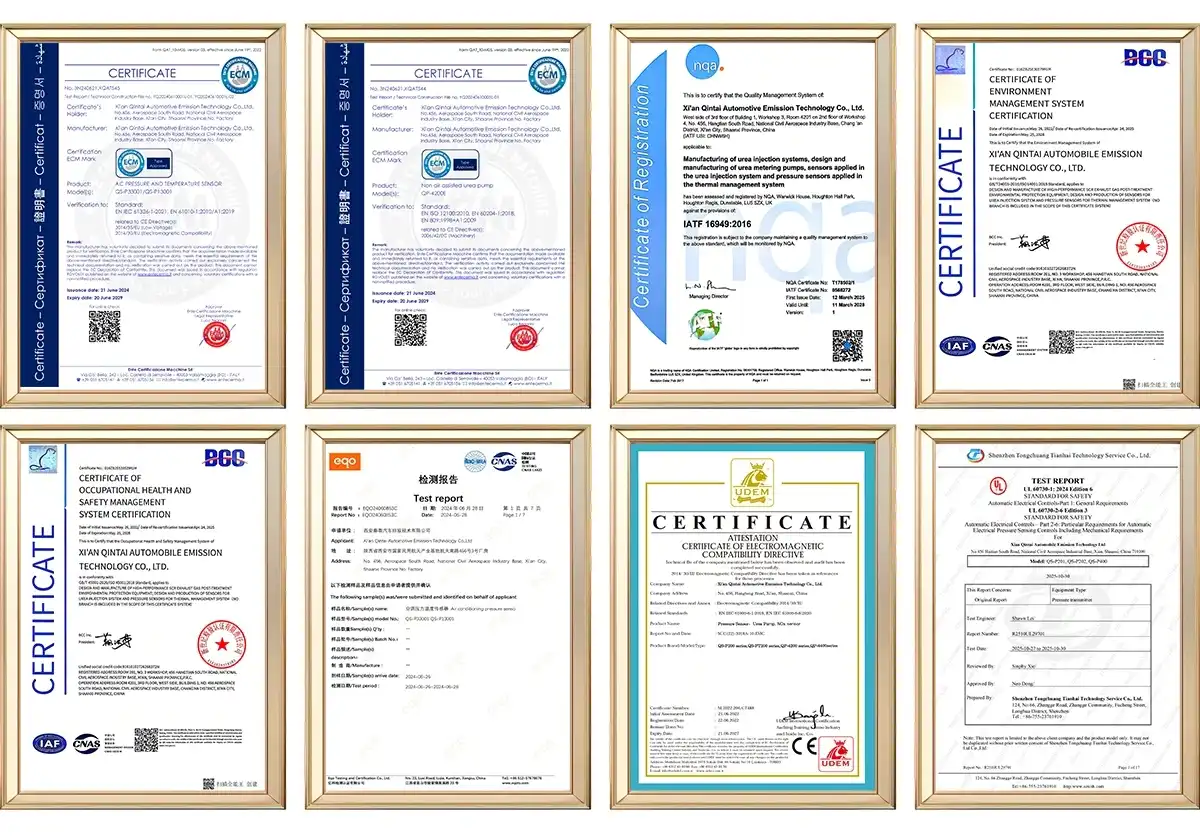
Portfolios of certifications show that you follow international rules and regional laws. The ISO9001 and IATF16949 certifications show that quality control systems meet the needs of the automobile and industrial sectors. Approvals for dangerous areas, like Ex certification, let you put things in places where explosives are present, and CE marking shows that the product meets European safety standards. Qintai's wide range of certifications, such as CMC, UL, REACH, and RoHS, give buyers trust in markets around the world.
Installation Best Practices and Maintenance Tips for Oil and Gas Facilities
Accuracy and long-term dependability of measurements are directly affected by how well they are installed. The first step in getting a site ready is to make sure that the process conditions match the transmitter's requirements for pressure range, temperature limits, and media compatibility. Pay close attention to what the maker says because the way the mounting is done affects the thermal reaction and the possibility of air trapping in liquid situations.
Mounting and Connection Guidelines
When combined emitters are put directly into process pipes, they work better than when they are put on long impulse lines, which introduce measurement lag and more leak points. The QS-PT225 is small and can be directly mounted with normal pipe thread connections. This makes installation easier. Specifications for mounting force between 10 and 20 N-m make sure that seals don't leak and don't damage sensor parts.
Power source stability and signal wire routing are important things to keep in mind when making electrical links. The QS-PT225 works on 4.75VDC to 5.25VDC and has security against reverse polarity. It can handle wire mistakes that would damage less durable devices. Overvoltage safety up to 32V DC keeps you safe from short-term voltage spikes that happen a lot in workplace electrical systems. By routing signal lines away from power cables, electromagnetic interference that can affect the accuracy of measurements is cut down.
Preventive Maintenance Programs
Schedules for regular inspections find problems as they start to happen before they stop the process. Visual checks for rust, damage, or weak connections only take a minute or two, but they save a lot of money in repairs. Periodic zero and span checks with portable calibrators make sure that the accuracy stays high without taking receivers out of service.
Cleaning methods depend on the specifics of the process, but wet parts can be thoroughly evaluated by removing and inspecting them once a year. If sensor elements are contaminated with particles or polymerizing oils, they may need to be cleaned with chemicals to get them working again. Leaks can be avoided by replacing worn-out parts like O-rings and gaskets at regular repair times.
The regularity of calibration strikes a balance between the need for accuracy and the cost of upkeep. Critical control loops may need to be checked every three months, while less demanding uses work fine with a recalibration once a year. Recording calibration data makes it possible for regulatory audits to follow them and shows trends of drift that help with planning Pressure and Temperature transmitters preventive maintenance.
Future Trends and Innovations in Pressure and Temperature Transmitters for Oil and Gas
The oil and gas industry's efforts to go digital are changing what people expect from instruments. Microprocessor-based electronics in smart transmitters allow for improved diagnostics, remote setup, and predictive maintenance. These features lower running costs and increase dependability. Integration with Industrial Internet of Things tools lets sites in different parts of the world see in real time how the health of their assets is changing.
In brownfield retrofits and remote areas, wireless communication technologies get rid of the need for expensive cables. Pressure and Temperature transmitters that are supplied by batteries or energy gathering talk to each other using protocols like WirelessHART or ISA100. This lets you put sensors anywhere you want without worrying about where the infrastructure is. These technologies are especially useful for tracking platforms and pipelines that are far from land, where standard wiring would be hard to set up.
Advances in material science keep making sensors last longer in harsh settings. When exposed to corrosive media or large temperature changes, ceramic sensor elements are more stable than steel diaphragms. Coatings that are improved with nanotechnology offer extra defense against chemical attack and fouling, which increases the time between calibrations and service life.
In addition to pressure and temperature, multi-parameter sensing can also measure density, viscosity, or sound waves all in the same device box. These smart devices use edge computing to figure out things like mass flow or fluid composition. This makes it easier for central control systems to do calculations and speeds up response times.
Demand for accurate measurements that make the best use of resources and lower pollution is driven by sustainability efforts. Having accurate data on pressure and temperature lets you fine-tune the burning process, which reduces the amount of fuel used and pollution created. Using sensitive transmitters in leak monitoring systems stops fugitive pollution and keeps valuable goods safe.
Conclusion
Pressure and Temperature transmitters are an important part of the infrastructure that keeps oil and gas activities safe and productive around the world. When compared to different instrument assemblies, combined devices like the QS-PT225 save room, improve measurement correlation, and make installation easier. The selection factors need to find a balance between technical performance and environmental challenges, paying special attention to accuracy requirements, the compatibility of materials, and the ability of the provider to provide support. The best way to get the most out of your instrumentation purchases is to put it correctly and set up preventative maintenance plans. New technologies like wireless connection, advanced diagnostics, and multi-parameter sensors keep making transmitters more useful. This puts them at the center of digital transformation efforts that move the industry forward.
FAQ
What distinguishes pressure transmitters from basic pressure sensors?
Pressure monitors send out unprocessed electrical signals that are related to the force that is being applied. However, these signals are not always standardized and can't be sent over long distances. Pressure and Temperature transmitters have electronics inside them that change sensor outputs into standard forms like 4-20mA current loops or digital protocols. This lets them communicate reliably with control systems that are hundreds of meters away.
How often should pressure and temperature transmitters be calibrated in oil and gas applications?
How often calibration is done depends on how important the process is and what the rules say. For example, custody transfer applications may need to be checked every three months, while general process control applications usually do this once a year. Extreme temps, corrosive media, or high amounts of shaking may mean that calibration needs to be done more often to keep up with accuracy standards.
What advantages do combined pressure and temperature transmitters offer?
By replacing two different tools with a single unit, integrated devices cut down on the cost of installation labor and materials. When sensors are placed in different places, measurement association errors happen. The shared fixing point gets rid of these errors. When both parameters are calibrated at the same time, maintenance is more efficient, and small designs save room in sites that are already crowded.
Partner with Qintai for Superior Pressure and Temperature Measurement Solutions
Qintai offers Pressure and Temperature transmitter technology that is fit for use in commercial settings. Their products are backed by more than 20 years of manufacturing quality and constant innovation. Our QS-PT225 combined transmitter is made of strong 304 stainless steel and is accurate within ±1.0% for both parameters. It was intended to work in harsh oil and gas settings. We support global sourcing needs for upstream, midstream, and downstream uses with pressure levels that can be changed, process links, and full certifications such as ISO9001, IATF16949, Ex, and CE.
As China's top OEM provider of Pressure and Temperature transmitters to major engine makers, we have the mass production capacity and quality control to meet the highest standards in both the automobile and industrial sectors. Our independent research and development team is always making sensor technologies better. We have 58 idea patents that show our dedication to being a technical star. Whether you need standard goods or solutions that are made to fit your specific needs, our engineering team is available to help you every step of the way during the buying process.
Please email our technical experts at info@qt-sensor.com to talk about your unique measurement problems and find out how Qintai's integrated sensor solutions can improve working efficiency while lowering the total cost of installation. Global OEM clients and resellers are welcome to work with us on a business-to-business basis.
References
1. American Petroleum Institute. Process Instrumentation and Control in Petroleum Refining Operations. API Publication 2015.
2. International Society of Automation. Industrial Pressure and Temperature Measurement: Principles and Applications. ISA Press 2019.
3. Energy Institute. Guidelines for Safe Installation and Maintenance of Process Instrumentation in Hazardous Areas. London: Energy Institute Publications 2020.
4. Society of Petroleum Engineers. Measurement Systems in Upstream Oil and Gas Production. SPE Monograph Series 2018.
5. International Electrotechnical Commission. Functional Safety of Electrical/Electronic Systems for Process Industries. IEC 61511 Standard 2021.
6. National Association of Corrosion Engineers. Materials Selection for Oil and Gas Production Instrumentation. NACE Technical Report 2017.
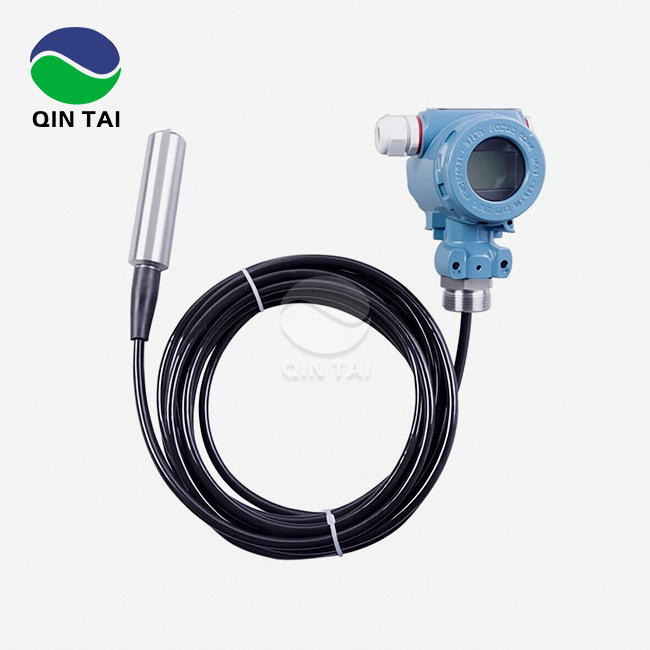
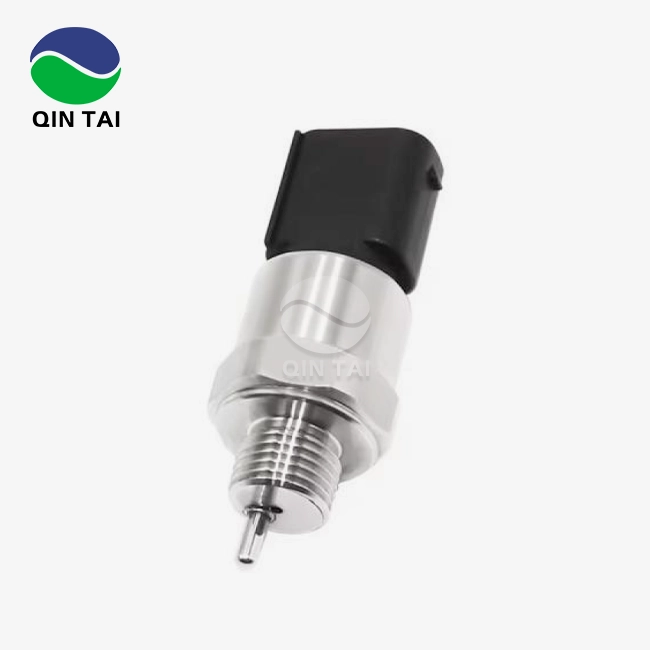

Our customers’ satisfaction speaks for our quality — contact us to experience the same reliable service.