- English
- French
- German
- Portuguese
- Spanish
- Russian
- Japanese
- Korean
- Arabic
- Greek
- German
- Turkish
- Italian
- Danish
- Romanian
- Indonesian
- Czech
- Afrikaans
- Swedish
- Polish
- Basque
- Catalan
- Esperanto
- Hindi
- Lao
- Albanian
- Amharic
- Armenian
- Azerbaijani
- Belarusian
- Bengali
- Bosnian
- Bulgarian
- Cebuano
- Chichewa
- Corsican
- Croatian
- Dutch
- Estonian
- Filipino
- Finnish
- Frisian
- Galician
- Georgian
- Gujarati
- Haitian
- Hausa
- Hawaiian
- Hebrew
- Hmong
- Hungarian
- Icelandic
- Igbo
- Javanese
- Kannada
- Kazakh
- Khmer
- Kurdish
- Kyrgyz
- Latin
- Latvian
- Lithuanian
- Luxembou..
- Macedonian
- Malagasy
- Malay
- Malayalam
- Maltese
- Maori
- Marathi
- Mongolian
- Burmese
- Nepali
- Norwegian
- Pashto
- Persian
- Punjabi
- Serbian
- Sesotho
- Sinhala
- Slovak
- Slovenian
- Somali
- Samoan
- Scots Gaelic
- Shona
- Sindhi
- Sundanese
- Swahili
- Tajik
- Tamil
- Telugu
- Thai
- Ukrainian
- Urdu
- Uzbek
- Vietnamese
- Welsh
- Xhosa
- Yiddish
- Yoruba
- Zulu
Why Diesel Engines Need Reliable Urea Dosing Sensors
Today's diesel engines are under a lot of pressure to meet strict pollution guidelines while still being efficient. The Selective Catalytic Reduction (SCR) system is what makes emission compliance possible. The Urea dosing pressure sensor is an important part of this system for keeping an eye on things. This very exact gadget checks the hydraulic pressure of Diesel Exhaust Fluid (DEF/AdBlue) all the time to make sure that the right amount is injected into the exhaust stream. If diesel engines don't have effective pressure sensing, they could break the rules about NOx emissions, have system problems, or have to deal with costly operating interruptions. This guide gives procurement managers, OEMs, R&D engineers, and aftertreatment system designers a lot of information about sensor technology, how to choose sensors, and how to find them. By understanding these basics, decision-makers can improve the way they buy things and make sure they meet Euro VI and EPA standards in the long run.
Understanding Urea Dosing Pressure Sensors in Diesel Engines
Core Functions and Operating Principles
In SCR systems, Urea dosing pressure sensors track the urea solution's hydraulic force as it moves from the dosing pump to the injection tip. This reading tells the Dosing Control Unit (DCU) or Engine Control Unit (ECU) what to do in real time. The DCU or ECU changes how the pump works to keep the injection pressure at the right level. The sensor usually sends out an electrical signal that is equal to the pressure and ranges from 0.5 VDC to 4.5 VDC. This ratiometric signal makes sure that it works with different ECU systems and allows for precise closed-loop control of urea supply.
Integration with SCR System Components
With the help of flow sensors, temperature sensors, and quality monitors, the pressure sensor forms a complete tracking network. Flow sensors measure how much urea is delivered, and quality sensors measure how concentrated the urea is. Pressure sensors, on the other hand, look for blockages, pump problems, or leaks in the dose circuit. With this many-sensor method, the ECU can check the health of the system and make dynamic changes to dosing techniques. When pressure numbers don't match what should be there, the system can send out diagnostic trouble codes (DTCs) like P204B to let workers know there might be a problem before the whole system fails.
Sensor Technologies and Performance Characteristics
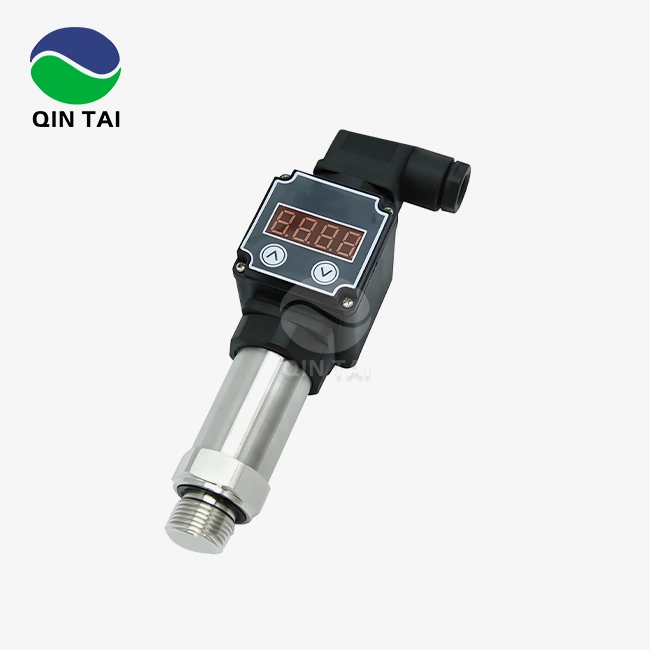
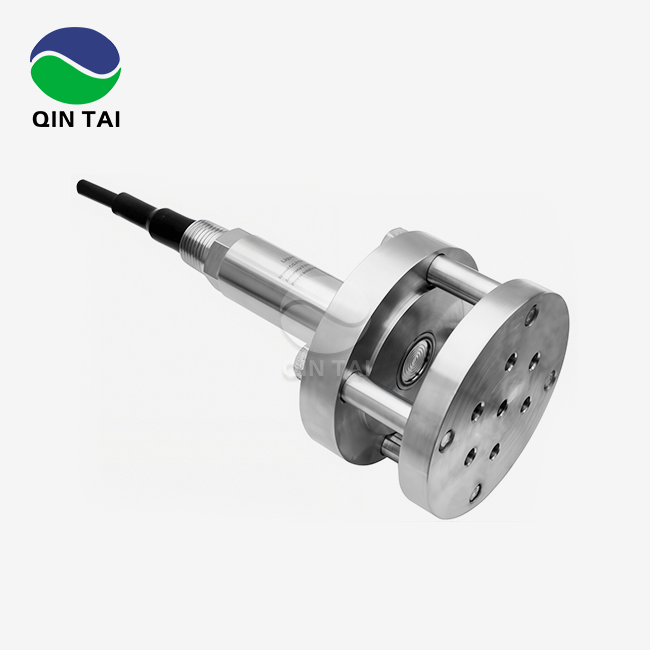
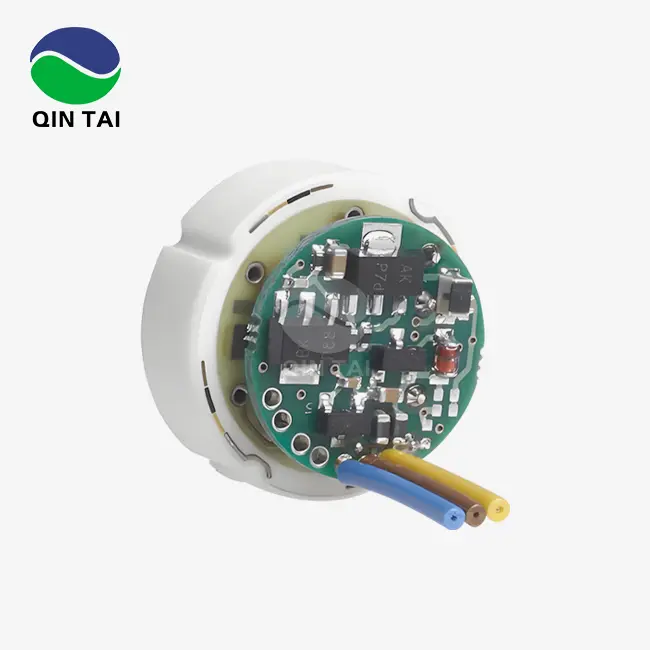
Most modern uses piezoresistive technology, in which a silicon plate changes shape when pressed, causing changes in electrical resistance that can be measured. This method is shown by Qintai's Model QS-P226, which has a self-made sensor core that gives an accuracy of ±0.5% over a measurement range of -14 psi to +130.5 psi. This accuracy is needed to keep the NOx exchange rate above 95%, which is what the law requires. The sensor's analog output link makes it easier to connect to current ECU architectures, and its small size makes it easy to fit into modern engine compartments with limited space.
Why Reliability in Urea Dosing Sensors Matters for Diesel Engines?
Emission Compliance and Regulatory Consequences
Failures of sensors directly affect how well the SCR system works, which causes high NOx emissions that are against the law. People in the United States who don't follow EPA rules can face big fines, car recalls, and damage to their companies' names. Reliable Urea dosing pressure sensor reading stops these things from happening by making sure that the engine always injects the same amount of urea. When sensors stay accurate for long periods of time, diesel engines reduce NOx over time, meeting current and future regulatory requirements without any breaks in compliance.
Operational Costs and System Protection
When pressure monitors aren't working right, they cause limits in limp mode that lower engine power output, which has a big effect on productivity in business settings. Operators of construction tools say that when vehicles enter "restricted performance states," they lose more than 40% of their output. In addition to stopping operations right away, faulty sensors hide problems that are happening, like pump wear or clogged injectors, so small problems can get worse and cause the whole system to fail. Early discovery of pressure anomalies allows for preventative maintenance actions that are much cheaper than repairs or replacements that need to be done right away.
Signs of Sensor Malfunction and Diagnostic Indicators
Unreliable urea dosing, frequent activation of limp mode, and constant DTCs linked to SCR system performance are all signs that pressure sensors are failing. Managers of procurement should know that these problems are often caused by things in the surroundings, like water getting in, chemicals being exposed, or mechanical vibration. Qintai solves these problems with strong sealing technologies that keep out water, dust, and chemicals, making sure that the products work reliably in harsh vehicle settings. This protection from the surroundings makes the sensor last longer than 15,000 hours of normal business use.

Best Practices for Calibration, Installation, and Maintenance
Calibration Protocols and Frequency Standards
Calibration of the Urea dosing pressure sensor correctly provides accurate measurements for the whole life of the gadget. As required by industry standards, the calibration should be checked for the first time when the machine is installed, and then it should be checked every 12 months or 2,000 working hours, whichever comes first. During the calibration process, the sensor output is compared to known pressure references across the whole measurement range. This makes sure that results stay within a ±0.5% range. Traceability is made possible by writing down the results of calibration, which is used in quality management systems and government checks.
Installation Guidelines for Optimal Performance
When the positioning is done right, air pockets don't form, which could affect the pressure numbers. If you can, put the sensor so that the electrical socket faces downward. This will let any humidity drain away from the electronic parts. To make sure there are no leaks and no damage to the sensor case, threaded joints need to be tightened to the right torque levels. Too much torque can cause mechanical stress that makes measurements less accurate, while too little torque can let DEF leak out and cause joint rust.
Maintenance Schedules and Troubleshooting Methods
At regular times, the connector pins should be visually checked for rust, the integrity of the seal should be checked for DEF leaks, and the mounting should be confirmed to be secure. The gold-plated connections on the QS-P226 prevent corrosion better than regular plugs, which means they don't need to be serviced as often. Technicians should make sure the source voltage is correct (5V ±0.25V), make sure the signal wires are connected, and compare the output voltage to the pressure tables given in the service paperwork in order to figure out what's wrong with the pressure sensor. This methodical technique finds out if the problem is with the sensor itself or with the electrical connections that support it.
How to Choose the Right Urea Dosing Pressure Sensor for Your Fleet or Project?
Core Selection Criteria for Procurement Decisions
When you evaluate Urea dosing pressure sensors, you have to weigh a lot of different performance factors against your price. Specifications for accuracy have a direct effect on how well pollution controls work, and a tolerance of ±0.5% is considered best practice in the business right now. Some things to think about when it comes to durability are the working temperature range, chemical protection, and mechanical vibration tolerance. The QS-P226 works successfully in temperatures ranging from -40°F to +185°F, so it can be used in a wide range of climates, from mining operations in the Arctic to building sites in the desert. The length of the warranty shows how confident the maker is, with 12 months being the norm in this business.
Compatibility with SCR System Architectures
The choice of sensors must take into account the needs of the ECU and the transmission methods that are used. The QS-P226's 0.5-4.5 VDC ratiometric output works with a lot of different current diesel engine control systems. Managers in charge of buying things should make sure that the pressure range specs match the system's design parameters. The pressure range specs should cover situations ranging from a small vacuum during pump priming to maximum injection pressure during high-load operation. To avoid having to buy expensive adapters, the mounting size and thread specifications (usually M10×1 or M12×1.5) must match how current dosing modules are set up.
Supplier Reliability and Support Infrastructure
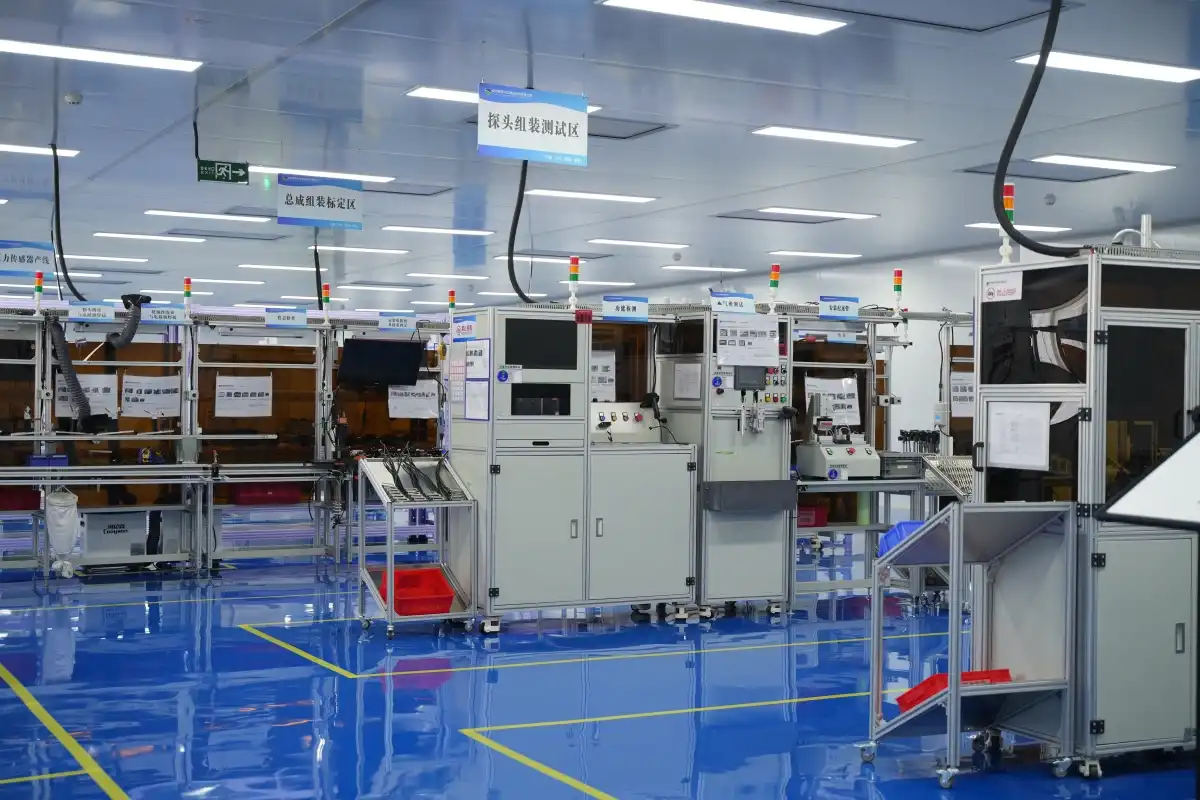
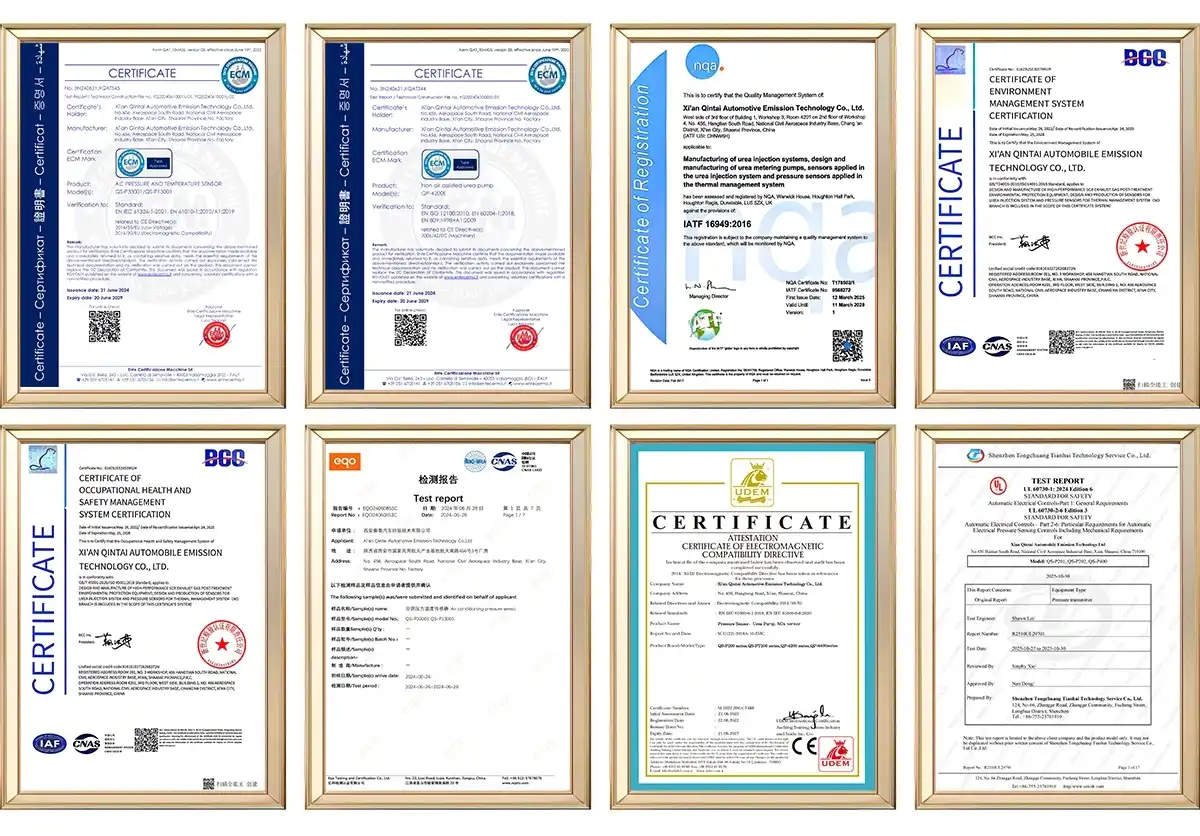
Buying from companies with a history of reliability lowers the chance of buying something and makes sure that the product is always available. Qintai is the main OEM seller to Weichai Power, Yuchai Power, and Quanchai Power, which shows that it can make a lot of things. Every year, it makes more than two million sensors. This level of production ability guarantees a steady supply for big orders without having to wait longer for delivery. The company's ISO9001 and IATF16949 certifications show that it follows standards for car quality management, and its 58 invention patents show that it is continuing to spend in research and development to make sensor technology better.
Procurement Insights: Streamlining Your Purchase of Urea Dosing Pressure Sensors
Supplier Channel Evaluation and Selection
To find trustworthy providers of Urea dosing pressure sensors, you need to look at more than just unit price. Genuine OEM parts from authorized distributors come with full guarantee support. On the other hand, fake parts from unreliable sources may break down early. Shipping prices and delivery times are affected by regional supply. This makes local distributor networks useful for aftermarket uses that need to replace parts quickly. Online shopping sites make prices and specs clear, but they need careful checks on the seller's qualifications and the product's authenticity.
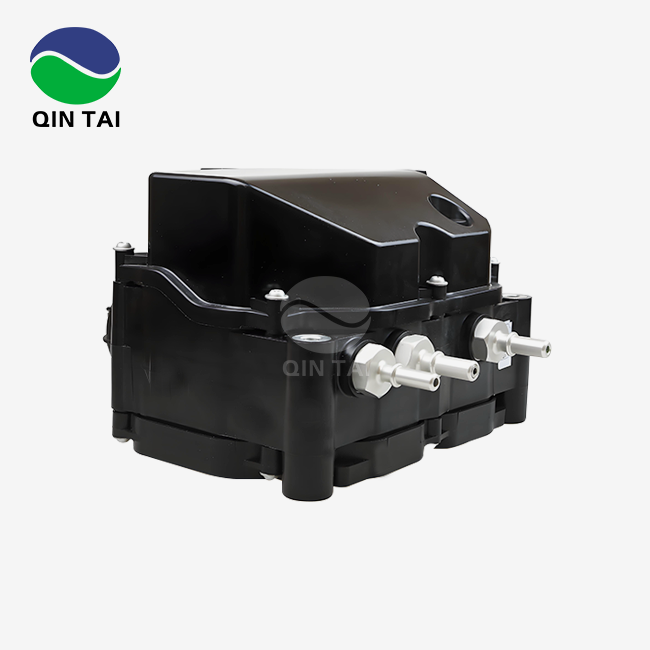
Qintai has agreements with distributors in more than 60 countries to make sure that there is local support infrastructure in the biggest diesel engine markets. This worldwide reach makes it possible to quickly get expert help during system integration and fixing, which lowers the costs of downtime caused by sensor problems. The company offers full OEM and ODM services that can handle specific requirements for pressure ranges, electrical connections, and mounting setups. These services meet specific application needs that normal catalog products can't meet.
Pricing Strategies and Volume Negotiation Approaches
Quality Urea dosing pressure sensors usually cost between $45 and $120 per unit, but this depends on the specs and the number of sensors ordered. When compared to small-lot prices, volume purchasing deals often offer discounts of 15–25%. This makes consolidated buying strategies financially beneficial for fleet owners and OEMs. Managers in charge of buying things should talk to suppliers about terms that include access to technical help, management of warranties, and the possibility of customizing products without having to pay too much for tools. Long-term supply deals keep prices stable and make sure that supplies are distributed evenly during times of high market demand.
Logistics Considerations and After-Sales Support
Shipping plans that work well keep inventory costs low while making sure that parts are available for production scheduling or maintenance tasks. Lead times range from having standard specs in stock right away to custom versions that need tooling changes taking 4-6 weeks. Processes for managing warranties should make it clear how to report problems, get a replacement, and who is responsible for shipping the item back. Through info@qt-sensor.com, Qintai's specialized after-sales team helps customers with technical questions during the sensor selection, installation, and operating troubleshooting stages.
Conclusion
Reliable Urea dosing pressure sensors are essential for an SCR system to work properly, and they have a direct effect on emissions compliance, working efficiency, and maintenance costs. Before making a purchase choice, you need to carefully look at the accuracy requirements, how long the product will last in the setting, how reliable the provider is, and the total cost of ownership. The QS-P226 from Qintai is an example of modern sensor technology because it has self-developed core technology, strong environmental protection, and foreign certifications that show the quality of the manufacturing process. By following the guide's selection criteria, installation best practices, and purchasing strategies, decision-makers can get the most out of their sensor buying while also making sure that diesel engine performance stays high and regulations are followed.
FAQ
How often should urea pressure sensors be calibrated?
Every year or every 2,000 hours of use, whichever comes first, Urea dosing pressure sensors should be checked. This plan makes sure that the sensor's measurement accuracy stays within the acceptable range for its entire useful life, which supports consistent emission control performance.
What distinguishes pressure sensors from flow sensors in SCR systems?
Urea dosing pressure sensors check the hydraulic force in the dose circuit to find problems like clogs and broken pumps. Flow sensors measure the rate of volumetric delivery. Both give information that is useful for both diagnosing the whole system and controlling the doses in the best way possible.
Can faulty pressure sensors cause permanent engine damage?
Urea dosing pressure sensor problems don't hurt engine parts directly, but they do cause limits in limp mode that lower power output. Long-term use of sensors that don't work right could cause the SCR system to break down, which could damage the catalyst because of problems with dosing urea or crystallization.
How do sensors accommodate AdBlue freezing and expansion?
When urea solution freezes at 12°F, it expands by 9%, and good Urea dosing pressure sensors have flexible internal structures that can handle this. This design keeps the parts from breaking when it starts to snow or ice, which is common in northern areas.
Partner with Qintai for Your Urea Dosing Pressure Sensor Requirements
Qintai Automotive Emission Technology Co., Ltd. has been working with SCR systems for more than 20 years and has advanced production skills that allow them to make pressure sensors that meet the strict needs of modern diesel uses. As the biggest Urea dosing pressure sensor manufacturer in China's OEM market, we offer full technical support from reviewing the original specifications to integrating production and running the sensors in the field.
This is shown by our QS-P226 sensor, which has self-developed core technology, ±0.5% accuracy, and strong weather protection that makes it work reliably in a wide range of industrial settings. Email our expert team at info@qt-sensor.com to talk about your particular needs and find out how our quality certifications, ability to customize, and global supply network can help you get the best emission control system.
References
1. Johnson, M. (2022). Selective Catalytic Reduction Systems: Design, Operation, and Maintenance. Automotive Engineering Press.
2. Environmental Protection Agency (2021). Heavy-Duty Highway Compression-Ignition Engines and Urban Buses: Exhaust Emission Standards. EPA Publication EPA-420-B-21-015.
3. Schmidt, H. & Weber, K. (2023). Sensor Technology for Diesel Emission Control: Principles and Applications. International Journal of Automotive Technology, 24(3), 567-584.
4. Society of Automotive Engineers (2022). Recommended Practice for SCR System Components and Testing. SAE Standard J2906.
5. Chen, L., Rodriguez, P., & Tanaka, Y. (2023). Reliability Engineering in Automotive Pressure Sensors: Field Performance Analysis. Proceedings of the International Conference on Automotive Sensors and Electronics.
6. National Highway Traffic Safety Administration (2022). Commercial Vehicle Emission Control System Maintenance and Compliance Guidelines. NHTSA Technical Report DOT-HS-812-987.

Our customers’ satisfaction speaks for our quality — contact us to experience the same reliable service.