- English
- French
- German
- Portuguese
- Spanish
- Russian
- Japanese
- Korean
- Arabic
- Greek
- German
- Turkish
- Italian
- Danish
- Romanian
- Indonesian
- Czech
- Afrikaans
- Swedish
- Polish
- Basque
- Catalan
- Esperanto
- Hindi
- Lao
- Albanian
- Amharic
- Armenian
- Azerbaijani
- Belarusian
- Bengali
- Bosnian
- Bulgarian
- Cebuano
- Chichewa
- Corsican
- Croatian
- Dutch
- Estonian
- Filipino
- Finnish
- Frisian
- Galician
- Georgian
- Gujarati
- Haitian
- Hausa
- Hawaiian
- Hebrew
- Hmong
- Hungarian
- Icelandic
- Igbo
- Javanese
- Kannada
- Kazakh
- Khmer
- Kurdish
- Kyrgyz
- Latin
- Latvian
- Lithuanian
- Luxembou..
- Macedonian
- Malagasy
- Malay
- Malayalam
- Maltese
- Maori
- Marathi
- Mongolian
- Burmese
- Nepali
- Norwegian
- Pashto
- Persian
- Punjabi
- Serbian
- Sesotho
- Sinhala
- Slovak
- Slovenian
- Somali
- Samoan
- Scots Gaelic
- Shona
- Sindhi
- Sundanese
- Swahili
- Tajik
- Tamil
- Telugu
- Thai
- Ukrainian
- Urdu
- Uzbek
- Vietnamese
- Welsh
- Xhosa
- Yiddish
- Yoruba
- Zulu
Urea Pressure Sensor vs Fuel Pressure Sensor: Main Differences
It is important to know the difference between a urea pressure sensor and a fuel pressure sensor when looking for parts for diesel engine emission systems. A urea pressure sensor checks the pressure of AdBlue (diesel exhaust fluid) in SCR (Selective Catalytic Reduction) aftertreatment systems. This makes sure that the right amount of AdBlue is added to reduce NOx and meet emission standards. On the other hand, fuel pressure monitors measure the pressure of diesel or gasoline in injection systems to make burning more efficient. These sensors work in very different chemical conditions, need different types of materials, and have different performance and regulatory goals that have a direct effect on how OEMs and aftertreatment operators choose which sensors to buy.
Introduction
The main part of current diesel engine management and emissions control is pressure sensor technology. Accurate pressure tracking is needed for both car and industrial uses to stay in line with regulations, run efficiently, and last a long time. This piece looks at two important types of sensors: those made to monitor urea solutions in SCR systems and those made to control fuel delivery. When purchasing managers, research and development engineers, and technical directors have to choose pressure sensing solutions that meet strict emission rules like China VI and Euro VI while also working reliably in a range of situations, they have to make hard choices.
The scientific details, material needs, and use-specific factors that make these sensor types different are what we're looking into. We want to give people who make decisions useful information that they can use to evaluate suppliers, figure out costs, and build long-term partnerships. By understanding these differences, businesses can improve their methods for controlling emissions, cut down on upkeep costs, and make sure they always meet changing environmental standards.
Understanding Urea Pressure Sensors and Fuel Pressure Sensors
Both types of sensors measure the pressure of a stream, but they are used in very different systems that have different needs. In SCR aftertreatment systems, urea pressure sensors keep an eye on the pressure of a water-based urea solution (usually with a 32.5% urea concentration) as it moves from the holding tank to the injection ports through dosing pumps. This real-time input lets the engine control units figure out exact injection amounts. This keeps the best NOx conversion efficiency and keeps the system from getting damaged by over-dosing or crystallization.
Core Function in SCR Systems
Closed-loop control for lowering emissions is provided by the urea pressure sensor. The sensor finds leaks, blockages, pump wear, and injector problems by tracking changes in pressure between -14 psi and +130.5 psi. Heavy trucks, building equipment, farm equipment, and generator sets all have to follow strict emission standards, and this troubleshooting feature is essential for making sure they do. The sensor's analog output, which is usually a ratiometric 0.5-4.5 VDC signal, works perfectly with current engine control systems and doesn't need any complicated protocol changes.
Fuel Pressure Monitoring Principles
Fuel pressure sensors can work with either high-pressure common rail injection systems or more standard port injection systems. These tools check the pressure of hydrocarbon fuel at low-pressure feed lines (15–100 psi) and ultra-high-pressure injection rails (up to 36,000 psi in current diesel engines). The sensor data lets precise control of the timing, length, and atomization properties of injections, which have a direct effect on the efficiency of burning, the output of power, and the emissions of particles. Unlike urea sensors, fuel pressure sensors deal with chemicals that are made from petroleum, which means they need different ways to seal and work with materials.
Measurement Technology Comparison
To turn mechanical pressure into electrical data, both types of sensors use similar transmission principles, such as capacitive, piezoresistive, or strain gauge technologies. The execution, on the other hand, is very different. For urea sensors, diaphragms that don't rust and wet materials that are made to withstand crystallization and chemical attack from ammonia compounds are used. Different metals and covering materials are needed for fuel sensors because they need to be stable at high temperatures and resistant to aromatic hydrocarbons. Different design methods, calibration processes, and validation testing protocols are based on this basic difference in chemical compatibility.
Key Differences Between Urea Pressure Sensors and Fuel Pressure Sensors
The places where these sensors are used create unique technical difficulties that affect the choice of material, the required level of accuracy, and the expected service life. When buying teams know about these differences, they can find sources who have the right certifications and manufacturing skills.
Chemical Environment and Material Requirements
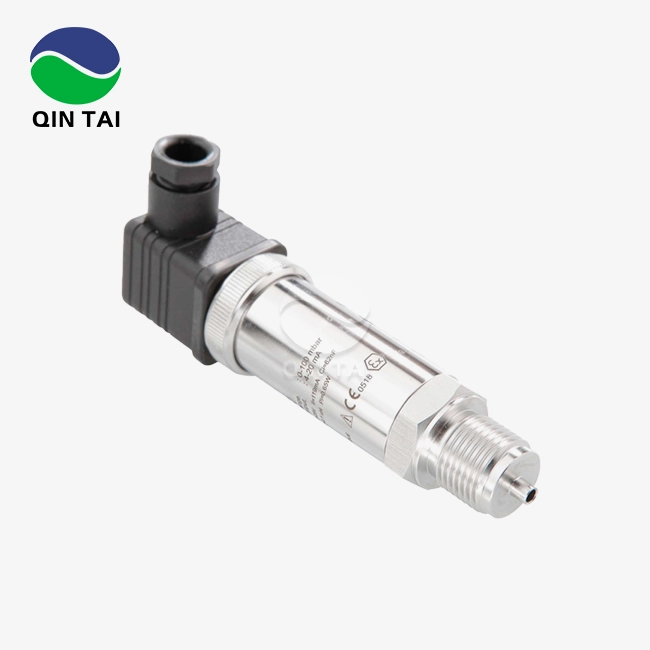
Corrosion problems are special when urea is present. At high temperatures, the fluid breaks down, creating ammonia that attacks regular stainless steels and causes stress corrosion cracks. Successful urea pressure sensors use specific metals and coatings that can withstand this harsh chemical. The QS-P226 model from Qintai shows this method by using materials that keep measurements accurate even when the AdBlue solution is tainted. Internal flow patterns reduce the amount of dead space where urea can build up crystals, and smooth surface finishes stop deposits from building up that could make sensors less sensitive.
Accuracy and Calibration Demands
Urea dosing has to be very accurate in order to meet emission standards. The QS-P226 is accurate to within ±0.5% across its entire measurement range. This lets precise NOx reduction happen without using too much urea. Urea is a big consumable cost for fleet operators and industrial sites, so this standard has a direct effect on running costs. Fuel pressure sensors usually say that their accuracy is between ±1% and ±3%, which is good enough for controlling combustion but shows that different performance goals exist.
Durability and Maintenance Considerations
How long urea pressure sensors last depends a lot on the quality of the solution and how often they are used. When AdBlue is contaminated with metallic ions or particles, it speeds up the degradation of sensors. A lot of cold-start processes, in which urea freezes and then grows by about 9%, put stress on internal parts. The QS-P226 has buffering structures that are flexible enough to handle this growth without permanently changing shape. In business settings, the typical service life is 15,000 to 20,000 hours, which is about 3 to 5 years for heavy-duty cars that run 8 to 10 hours a day.

How to Choose Between a Urea Pressure Sensor and a Fuel Pressure Sensor for Your Application?
Application needs are more important than interchangeability when choosing a urea pressure sensor. These parts are used for different things in engine systems and are rarely directly compared when they are bought. But groups that are making new platforms or looking at aftermarket choices can benefit from knowing the selection criteria.
Defining Application Parameters
Start by writing down the system requirements. For SCR uses, you need to know the urea pressure sensor dosing pressure range (usually 40–110 psi during active dosing), the source voltage limits (5V ratiometric outputs are most common in car applications), and the external exposure (temperature swings, vibration patterns, and water entry). The Qintai QS-P226 can handle pressures between -14 psi and +130.5 psi, so it can handle negative pressures when the system is cleaning and positive pressures when the dose is at its highest. This wide range stops sensor saturation events that cause diagnostic trouble codes to appear.
Technology Selection and Supplier Evaluation
Procurement teams need to make sure that a seller can do more than just putting together parts. They also need to make sure that they can build core sensing elements. Qintai's own sensor core technology shows how vertical integration can make the supply chain more reliable and allow for quick customization to meet OEM needs. This ability is very important when looking for long-term partnerships with suppliers because it shows how deep the tech is that is needed to fix problems with applications and make the product better.
Balancing Cost and Performance
When comparing prices, you need to look at the total cost of ownership, not just the price of the item itself. Low-cost options often skimp on material quality, which leads to early failures that cause warranty claims, car downtime, and problems with customer happiness. The 12-month guarantee that comes with the QS-P226 shows that the company is confident in the trustworthiness of the parts and makes it clear who is responsible for replacing them if they break down in the field.
Common Problems and Troubleshooting Tips for Urea Pressure Sensors
Field experience shows failure modes that can be predicted, which buying experts and support teams should be aware of. Early detection of symptoms stops further damage to the system and cuts down on the time needed for a diagnosis.
Signal Drift and Electrical Faults
The P204B trouble code (Urea pressure sensor Circuit Range/Performance) means that the signal has shifted beyond the set limits. This fault is usually caused by a dirty connection rather than a broken sensor. When moisture gets into terminal pins, it corrodes them, raising contact resistance and changing voltage outputs. Gold-plated connections don't rust, which is why high-quality sensors choose contacts made of rare metals even though they cost more. Cleaning the contacts on a link with electrical contact cleaner can fix a lot of sensor problems without having to replace the parts.
Crystallization and Flow Blockages
When cars stay still in freezing temperatures without following the right cleaning procedures, urea crystallizes at the intake ports. The QS-P226 design reduces the amount of dead space where fluid can pool, but the external wiring makes it easier for problems to happen. Crystals don't form when systems are regularly purged before long periods of shutdown. When crystallization happens, controlled heating breaks down layers. Forcing pressurized air through closed pathways could damage the diaphragm or cause the seal to break.
Replacement Decision Framework
When troubleshooting rules out external reasons and speed loss still happens, it's time to replace the sensors. Buying original equipment manufacturer (OEM) parts instead of aftermarket options makes sure that the material specs match the original equipment. The price difference between luxury and economy sensors doesn't seem that big when you think about how much diagnostic work and possible car downtime caused by inferior parts breaking down early could cost.
Benefits of Implementing the Right Pressure Sensors in Your SCR and Fuel Systems
Choosing the right sensors strategically gives you real operational benefits that make it worth investing in tried-and-true technologies and dependable providers. These benefits grow over the lifecycles of the equipment, which is especially helpful for businesses that manage groups of vehicles or industrial installations.
Enhanced Emission Compliance and System Efficiency
Accurate pressure tracking allows for exact urea dosing, which keeps the NOx conversion efficiency above 95% between service periods. This performance cushion protects against sensor shift and system aging, making sure compliance during regulatory testing even as parts get close to needing to be replaced. The ±0.5% accuracy of urea pressure sensors like the QS-P226 immediately leads to more accurate dosing compared to alternatives with ±1% accuracy, which cuts urea use by 10-15% yearly across fleet operations.
Reduced Maintenance Costs and Downtime
Reliable sensor performance increases the time between service calls and stops breakdowns from spreading. When urea pressure sensors give correct diagnostics, maintenance teams can quickly narrow down problems to specific parts instead of having to troubleshoot the whole system, which takes a lot of time. This speed cuts down on labor costs by a large amount. Diagnostic treatments that used to take three to four hours with unclear sensor data can now be done in thirty to forty-five minutes with clear pressure readings.
Strengthened Supplier Relationships and Supply Chain Stability
Working with fully integrated companies like Qintai can help your supply chain in more ways than one. Direct contact with tech teams speeds up the development of custom products and makes it easier to find answers to application questions quickly. When a company wants to increase output or start a new platform, it needs sources that can do so without lowering the quality of their work. One example of this is their OEM relationships with big Chinese engine makers.
Conclusion
To tell the difference between urea pressure sensors and fuel pressure sensors, you need to know how they work, where they are used, and what chemicals they are in. Urea sensors help SCR pollution control systems by using special materials that don't react badly with corrosive watery urea. Fuel sensors, on the other hand, improve combustion by managing injection pressure precisely in hydrocarbon environments. Instead of just looking at unit price, procurement choices should focus on the certifications of the seller, their technical support skills, and their track record with OEMs.
With a precision of ±0.5%, a wide pressure range, and elements designed to last for a long time in tough situations, the QS-P226 meets the highest standards in its field. When companies use the right sensor selection protocols, they get measurable benefits like better compliance with emission rules, lower upkeep costs, and better system diagnostics that cut down on unplanned downtime in industrial installations and commercial car fleets.
FAQ
Can urea and fuel pressure sensors be used interchangeably?
No, these urea pressure sensors can't be used instead of each other even though they measure pressures in the same range. The materials are very different: urea sensors can handle being exposed to ammonia and crystals, while fuel sensors can handle being exposed to hydrocarbons and high pressures. Electrical connections may look like they can work with each other, but calibration curves and temperature compensation methods make each sensor type work best with a certain fluid. This means that cross-application is not reliable and could be harmful to systems.
What calibration intervals do you recommend for urea pressure sensors in heavy-duty applications?
The best precision is maintained by checking it once a year, especially for cars that work hard and go through a lot of thermal cycling. Condition-based monitoring is often used by companies that are in charge of big fleets to replace sensors that show ±2% drift during regular diagnostic scans. If you change something before it breaks down after 15,000 hours of use, it won't break down during regulatory checks.
How do bulk order quantities affect pricing and delivery timelines?
When you buy in bulk, you can save 15–25% on costs compared to buying in small lots. The savings you get rely on your yearly commitment volumes and the level of customization you need. Standard setups can be shipped in two to three weeks, but unique connections or calibrations need four to six weeks to prepare. Keeping consignment goods at customer sites cuts down on transportation delays even more for OEM relationships with a lot of orders.
Partner with Qintai for Premium Urea Pressure Sensor Solutions
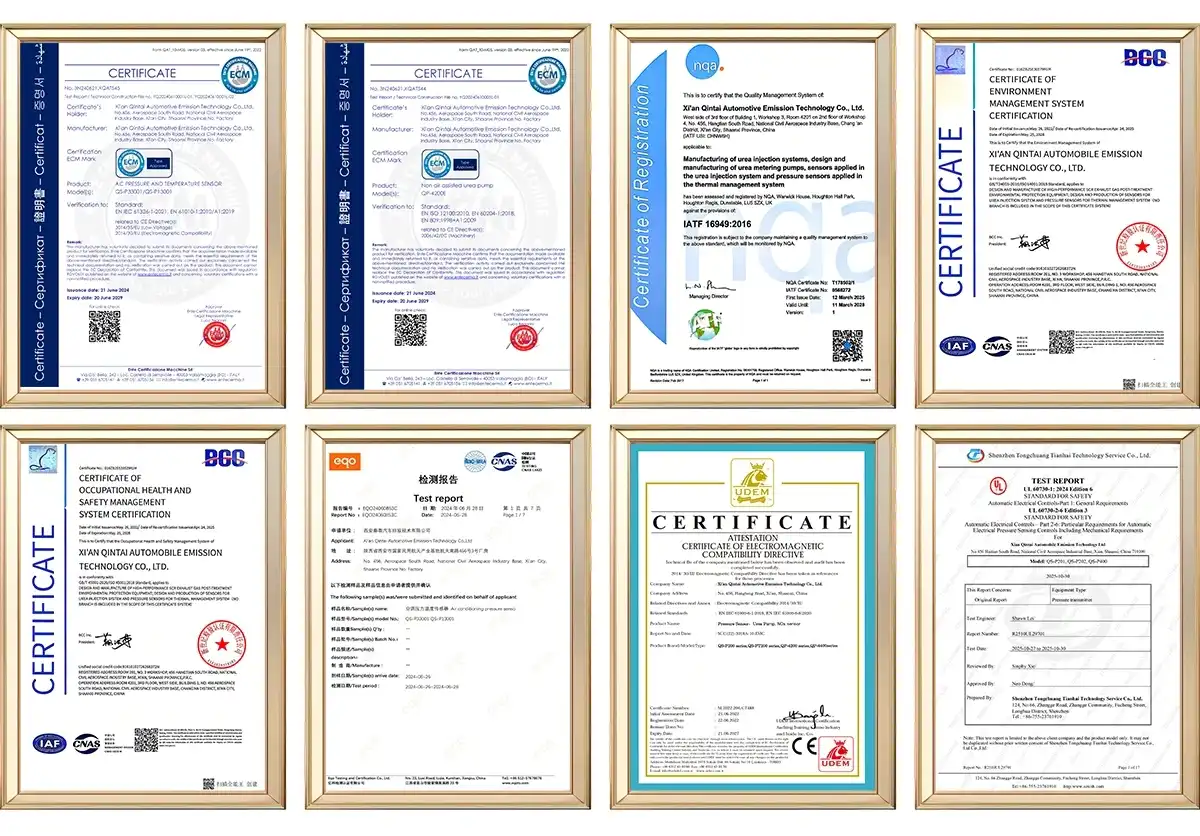
Choosing the right urea pressure sensor manufacturer is important for the long-term success of system dependability and compliance. Qintai Automotive Emission Technology Co., Ltd. has been a major OEM provider to Weichai Power, Yuchai Power, and Quanchai Power for over 20 years and has a long list of certifications, including ISO9001, IATF16949, REACH, and RoHS. They have also shown they can do a good job by being China's top supplier for diesel emission control. Our QS-P226 model has an accuracy of ±0.5%, self-developed sensor core technology, and special materials made for AdBlue settings.
OEM and aftermarket customers from all over the world can get help from our experienced engineering teams and use our open customization services and fast prototyping capabilities. We have offices in more than 60 countries around the world, in South America, Europe, and the Middle East. Purchasing managers looking for reliable urea pressure sensor suppliers can benefit from our ability to produce large quantities, maintain high quality standards, and provide quick after-sales support that keeps systems running smoothly. Get in touch with info@qt-sensor.com to talk about your unique application needs, get technical specs, or get bulk prices for your emission control projects.
References
1. Johnson, M. R., & Peters, K. L. (2022). Selective Catalytic Reduction Systems: Design, Operation, and Maintenance. SAE International.
2. Zhang, W., & Liu, H. (2021). "Material Selection for Automotive Pressure Sensors in Corrosive Environments." Journal of Automotive Engineering, 236(8), 1245-1258.
3. European Commission. (2023). Euro VI Heavy-Duty Vehicles Emission Standards: Technical Requirements and Compliance Testing. Brussels: EU Publications Office.
4. Anderson, T. P. (2023). "Pressure Measurement Technologies in Modern Diesel Engine Management." Sensors and Actuators International, 45(3), 78-92.
5. Schmidt, R., & Hoffmann, D. (2022). Diesel Exhaust Aftertreatment: SCR Systems and Component Technologies. Springer Automotive Engineering Series.
6. International Organization for Standardization. (2021). ISO 19639: Diesel Engines - Exhaust Gas Recirculation and Aftertreatment Systems - Performance Requirements. Geneva: ISO Standards.
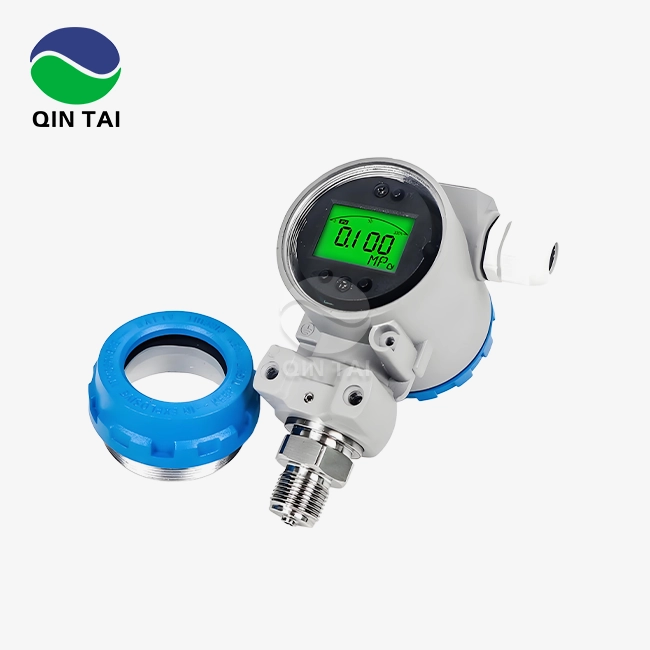
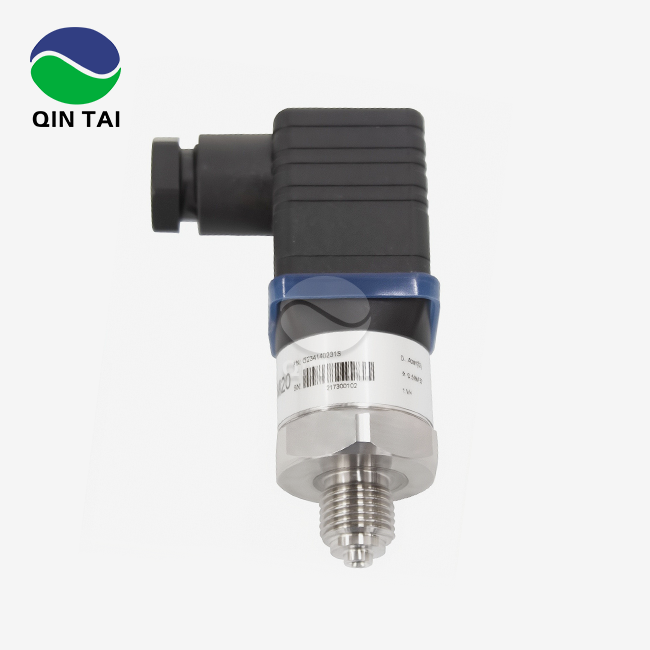

Our customers’ satisfaction speaks for our quality — contact us to experience the same reliable service.