- English
- French
- German
- Portuguese
- Spanish
- Russian
- Japanese
- Korean
- Arabic
- Greek
- German
- Turkish
- Italian
- Danish
- Romanian
- Indonesian
- Czech
- Afrikaans
- Swedish
- Polish
- Basque
- Catalan
- Esperanto
- Hindi
- Lao
- Albanian
- Amharic
- Armenian
- Azerbaijani
- Belarusian
- Bengali
- Bosnian
- Bulgarian
- Cebuano
- Chichewa
- Corsican
- Croatian
- Dutch
- Estonian
- Filipino
- Finnish
- Frisian
- Galician
- Georgian
- Gujarati
- Haitian
- Hausa
- Hawaiian
- Hebrew
- Hmong
- Hungarian
- Icelandic
- Igbo
- Javanese
- Kannada
- Kazakh
- Khmer
- Kurdish
- Kyrgyz
- Latin
- Latvian
- Lithuanian
- Luxembou..
- Macedonian
- Malagasy
- Malay
- Malayalam
- Maltese
- Maori
- Marathi
- Mongolian
- Burmese
- Nepali
- Norwegian
- Pashto
- Persian
- Punjabi
- Serbian
- Sesotho
- Sinhala
- Slovak
- Slovenian
- Somali
- Samoan
- Scots Gaelic
- Shona
- Sindhi
- Sundanese
- Swahili
- Tajik
- Tamil
- Telugu
- Thai
- Ukrainian
- Urdu
- Uzbek
- Vietnamese
- Welsh
- Xhosa
- Yiddish
- Yoruba
- Zulu
Urea Pump Uses in Diesel Emission Control and DEF Injection
In current diesel engines, the urea pump is a key part of both meeting pollution standards and running efficiently. Diesel Exhaust Fluid (DEF), which is also called AdBlue, is sent from the holding tank to the dosing module by this precise part. The pressures and flow rates are carefully controlled. Accurately measuring NOx in Selective Catalytic Reduction (SCR) systems is what the pump does to help diesel-powered equipment meet strict environmental standards while keeping heavy trucks, construction equipment, agricultural vehicles, and generator sets running at their best.
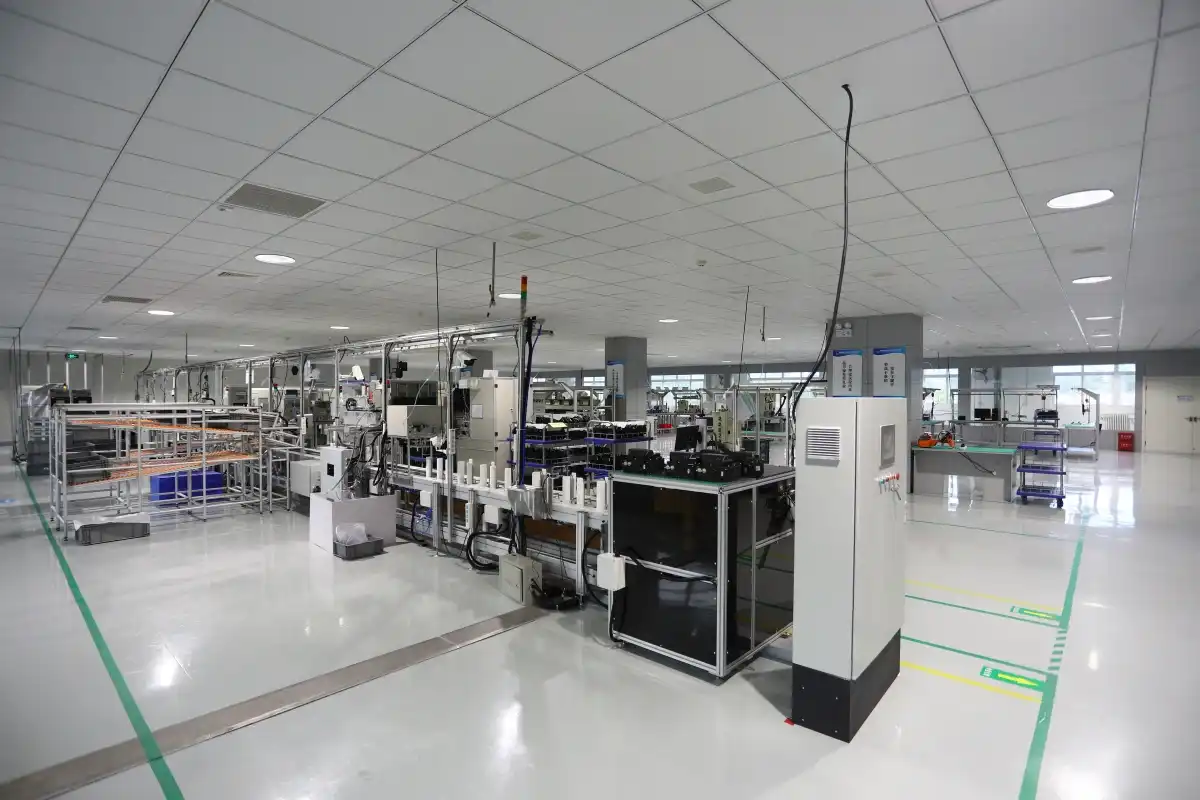
Understanding the Role and Function of Urea Pumps in Diesel Emission Control
Figuring out what urea pumps do and how they work is important for controlling diesel emissions.
Core Working Principles in SCR Systems
SCR technology is used in modern diesel engines to change dangerous nitrogen fumes into nitrogen and water vapor. The urea pump is the most important part of this process because it precisely controls how much DEF goes into the waste stream. The pump is always talking to the Engine Control Unit (ECU) to change the amount of treatment depending on the load of the engine, the flow of exhaust, and feedback from NOx sensors. This real-time adjustment makes sure that the catalyst works at its best while also avoiding over- or under-dosing of DEF, which could lead to compliance fails.
As the engine's exhaust gases leave the engine, they pass through the SCR catalyst, where chemical processes take place. The DEF urea pump sends the solution at pressures between 5 and 9 bar through special tubes that make a fine mist. This atomization lets the exhaust gases mix thoroughly with the catalyst bed before they reach it, which maximizes the efficiency of the conversion and minimizes the production of unwanted byproducts.
Classification and Technical Distinctions
When looking at options, people who work in procurement come across two main pump designs. Electric urea doser pumps are the most common type used today because they are very accurate at dosing and easily connect to an ECU. These units have brushless motors and high-tech pressure monitors that allow for reaction times in the microsecond range that match the changing conditions of an engine. Even though mechanical versions aren't used as much in new installs, they are simple and reliable in some older uses or places where electronic parts are under a lot of stress.
Besides this basic split, internal processes are very different. Diaphragm designs are very good at resisting DEF's acidic qualities and keep the flow steady across a wide range of temperatures. Different types of piston setups can handle higher pressures, making them ideal for heavy-duty uses and engines with a lot of displacement. By knowing these technical differences, R&D engineers can match the pump's features to the needs of the SCR system, the vehicle's job cycle, and the time between services that are expected.
Temperature Management and Freeze Protection
DEF crystallizes at temperatures below -11 degrees Celsius, which makes it hard to use in cold places. This problem is fixed in more advanced urea pump diesel systems by adding heating elements and smart temperature management procedures. The heaters built into the pump warm the DEF before it is delivered. These heaters work with heating systems placed on the tank. Freeze protection logic built into the control software makes sure that the system only starts dosing when the solution temperature goes above a certain level, which stops ice damage to internal parts.
When the system shuts down, clear functions remove DEF automatically from supply lines and tanks inside the machine. This preventative step gets rid of any leftover fluid that could freeze and damage the machinery or clog the pipes. When the engine starts up again, the system checks for problems, makes sure the fluids are at the right temperature, and then goes back to regular operation without a hitch. These high-tech features make servicing a lot easier and increase the life of parts, which is especially helpful for equipment that works in harsh environments.
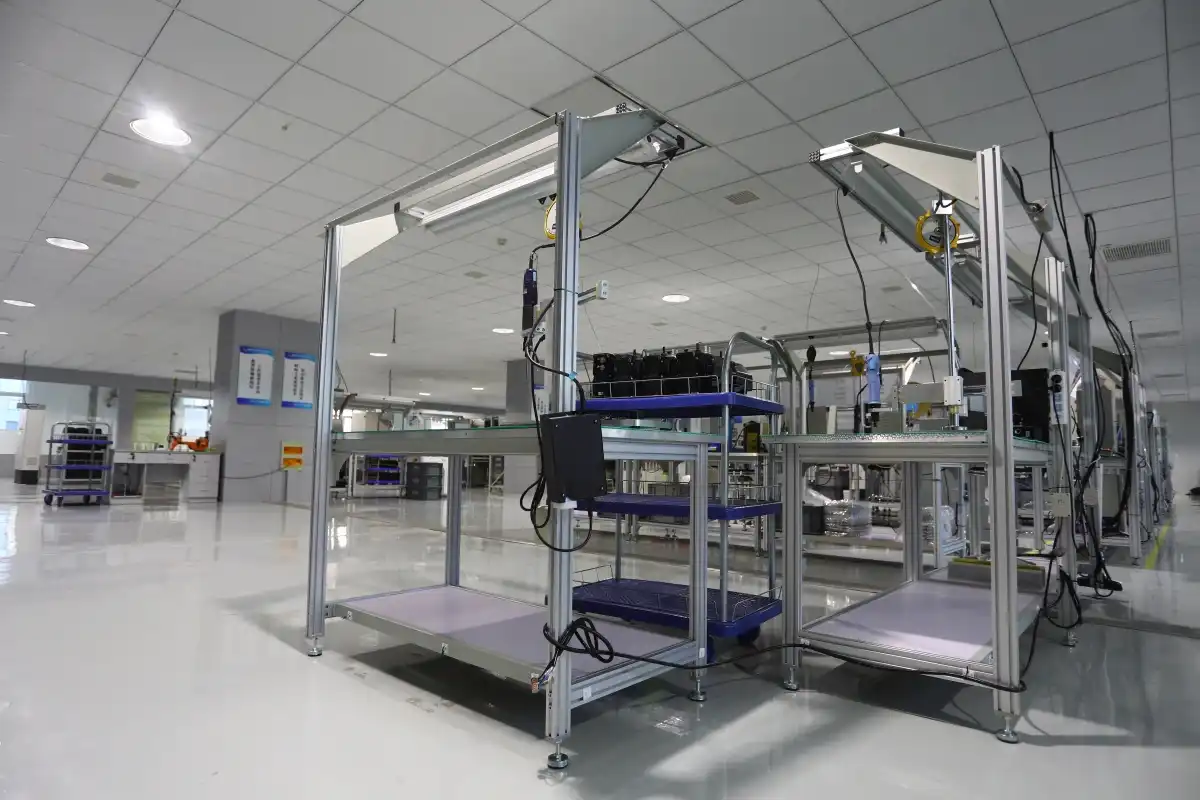
Common Challenges and Troubleshooting of Urea Pumps
Typical Failure Symptoms and Root Causes
System speed that is going down often shows up in small ways before it fails completely. When the pressure goes below certain levels, it could mean that the seals are broken, the diaphragm is worn out, or there is internal wear. Fluid dosing that isn't constant can cause fault codes and can be caused by dirty DEF, plugged filters, or worn-out check valves. Leaks on the outside around housing joints or electrical connections are a sign that the seal is wearing down or that the assembly wasn't done right during a previous service event.
Most of the time, contamination is the main reason why pumps fail too soon. Differences in DEF quality, bad storage methods, or dirt getting into the system all cause particles that hurt precision parts. Electrical problems in motor windings or sensor circuits are often caused by water getting into the connectors or the connectors rusting. Mechanical wear happens faster when pumps are used outside of their designed settings, like when they cycle too often or when they are used for a long time at high or low pressures.
Practical Maintenance Guidelines
Setting up regular review procedures cuts down on unexpected downtime and increases the life of a service. Maintenance should be done every six to twelve months, but this depends on the job cycle and the area in which the equipment is used. During routine maintenance, techs should check that all fluid paths are free of leaks and crystallization buildup, that electrical connections are still secure, and that pressure readings match what the maker says they should be.
When cleaning, you have to be very careful not to introduce contaminants or damage sensitive parts. When you flush your system, only use new, approved DEF. This keeps everything compatible and stops chemical reactions. Filters need to be replaced at regular times to keep the flow going and keep later parts from getting damaged by particles. Documenting repair tasks creates useful past records that help with troubleshooting and help procurement make decisions about when to replace something or how to improve the design.
Diagnostic Strategies for Quick Resolution
When problems happen, thorough analysis speeds up the fix time and reduces the amount of downtime. When troubleshooting tools are connected to a car's OBD port, they get saved fault codes that show exactly which subsystems are failing. By trying the pressure at key places in the delivery circuit, you can figure out if the issue is with the pump assembly, the supply lines, or the injector parts. Verification of the electrical circuit makes sure that there is a good power source, that the ground is solid, and that the pump and ECU can communicate signals.
Troubleshooting in the real world often shows trends that can be used to make preventative plans. In high-vibration situations, recurring pressure instability could mean that the fixing isn't right or that a part is wearing out, which would require changes to the design or strengthening. When marine or mine equipment that is exposed to water keeps having electrical problems, it shows that the sealing or connector specs could be better. Sharing these ideas with the technical and buying teams builds institutional knowledge that helps with choosing parts and putting systems together in the future.
How to Choose the Best Urea Pump for Your SCR System: A Decision Support Framework
Evaluating Electric Versus Mechanical Solutions
The choice between electric and mechanical designs depends on the needs of the application and the limitations of how the systems can be put together. Electric urea pumps work really well for precise dosing jobs where there aren't many emission gaps and the engine's working profile changes a lot. Because they can change supply rates instantly, they can support advanced SCR control methods that make the best use of DEF while still following the rules. Standardized communication methods make it easy to connect to current ECU systems and work with them. This makes the calibration and diagnostic processes easier.
Alternatives made of metal work better in situations where ease, serviceability, and working in places with strong electric fields are important. These designs usually cost less to make at first and don't need as many special tools to fix in the field. However, their dosing accuracy and reaction traits might not meet the strict standards of Euro VI or EPA Tier 4 Final. The long-term worth can be seen by looking at the total cost of ownership instead of just the purchase price. This includes the extra work needed for upkeep, the extra fuel used because the SCR isn't working as well as it should, and any possible fines for not following the rules.
Critical Selection Criteria
A good specification starts with a careful look at how well the vehicle will work with the specification and how well it needs to work. The required pump volume and pressure depend on the engine's displacement, estimated power output, and exhaust flow rates. Duty cycle analysis tells you whether the application needs high-output operation all the time or only sometimes, which changes how long you think the component will last. Environmental factors like altitude, temperature ranges, and shaking levels limit the choices that are ideal to those that show the right level of durability.
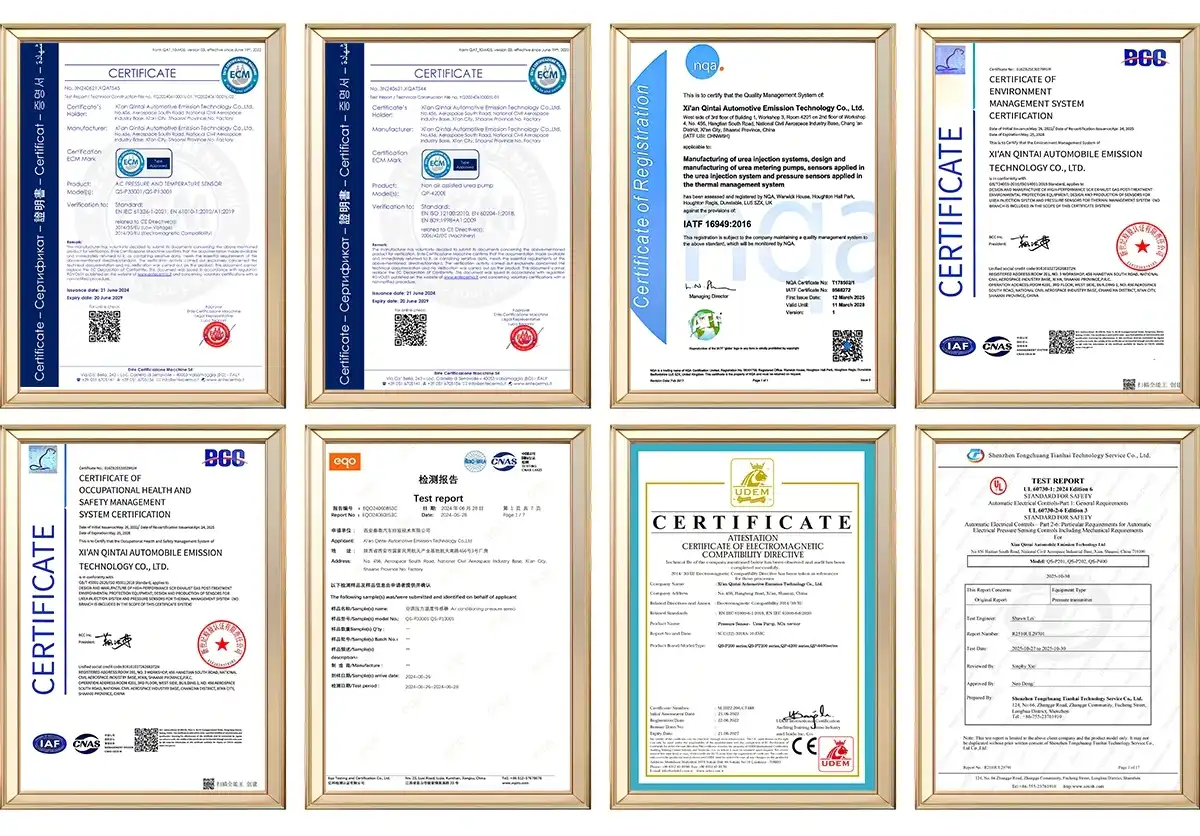
Certification qualifications are important proof of product quality and compliance with regulations. Certifications like ISO 9001 and IATF 16949 show that a manufacturing method and quality control systems are mature. Product-specific approvals, like CARB Executive Orders or EPA certification papers, show that parts of a pollution system meet the rules in that area. Patent assets show that a company is investing in new ideas and being a technical star. This is especially important for companies that want to form long-term technology partnerships.
Supplier Partnership Considerations
Beyond the requirements of the parts, the skills of the supplier have a big effect on the results of the purchase. Manufacturers can meet initial trial numbers and then ramp up to full production quantities without missing delivery dates if they have the manufacturing capacity and scalability to do so. Customization lets you adapt mounting interfaces, electrical connections, and communication protocols to different car architectures. This lowers the cost of integration and speeds up the time it takes for new platforms to hit the market.
When problems happen during field deployment, the framework for after-sales help is very important. Technical support teams that are quick to respond and know how applications work speed up fixing and reduce downtime. Warranty terms that show the maker believes in the product's dependability protect consumers financially against early fails and show a commitment to quality. Geographic service network coverage makes sure that parts are available and that local experts can be reached across all working countries. This is especially helpful for international teams or equipment that is sent to rural areas.

Benefits of Urea Pumps and Their Impact on Emissions Compliance and Operational Efficiency
Meeting Stringent Regulatory Standards
Diesel pollution rules are getting stricter all over the world, which means that modern SCR systems are required to get into the market. In Europe, Euro VI standards and in North America, EPA Tier 4 Final rules require NOx decreases of more than 90% compared to earlier generations. These goals can be reached with high-precision urea pumps and improved DEF injection methods that make the catalyst work as efficiently as possible in all circumstances.
Compliance is more than just getting certified; it also includes how well the car works while it's being used throughout its service life. Strong pump designs with built-in tests and self-monitoring features find degradation before emission limits are crossed, keeping operators from getting fined or having their reputations hurt. This dependability is especially useful in business settings where failures to meet emission standards can lead to operating limits or pricey upgrades.
Operational and Economic Advantages
Modern electric pumps use motor technologies that are less energy-intensive and smart control methods that keep stray power use to a minimum. The lower electricity load leads to better fuel economy, which is especially clear in situations where the engine is used for long periods of time. Over the course of several years of ownership, these small improvements in efficiency add up to big cost saves that more than make up for the higher prices of the parts.
Focusing on longer service intervals in durability engineering lowers the number of upkeep tasks and the work costs that come with them. High-quality materials that are not affected by DEF's corrosive qualities keep seals, housings, and internal systems from breaking down too quickly. Precision parts are kept clean by advanced cleaning systems, which increases the average time between breakdowns. These traits directly improve fleet uptime, which is a key measure for business owners because the availability of vehicles is what makes money and keeps customers happy.
Long-Term Value Proposition
Putting money into high-end urea pump diesel technology pays off in a number of ways. Less upkeep means lower direct service costs and less downtime for vehicles, which hurts production. Consistent performance of emission systems protects resell values as buyers of used equipment look more closely at compliance records. Operational dependability lowers the risks that come with fixes that come up out of the blue. This makes planning and allocating resources more predictable.
Technical specs, such as small, combined designs that combine the functions of the pump, filter, and heater, make installation easier and lower the complexity of the system. This merging cuts down on possible failure points and makes service processes easier to follow. Built-in purge functions and freeze protection make operating windows longer in harsh areas. This increases the use of equipment and its ability to make money throughout the year.
Procurement and Supply Chain Insights for Urea Pumps
Strategic Sourcing Approaches
To find your way around the global market for urea pumps, you have to balance a lot of different buying goals. When you work directly with known makers, you can get clear information about the specs of the parts, how they control quality, and how much they can make. This relationship model makes it easier to talk about customization, gives you access to technology roadmaps, and sets up ways for expert help to communicate. Regional wholesalers work with manufacturers to offer regional inventory, faster shipping for pressing needs, and centralized buying across a wide range of component categories.
Online business-to-business (B2B) tools make suppliers more visible and make it easy to compare prices from different sellers. These sites are especially helpful for people who buy aftermarket parts and are looking for cheap alternative parts that are of good enough quality. However, accuracy checks are very important when buying through middle-men. By asking for certification papers, trying samples, and making sure the supplier's credentials are real, you can avoid getting fake parts that hurt the performance and reliability of the system.
Negotiation Tactics and Cost Optimization
By committing to a certain amount of goods, you can get better prices and make sure that your production plans can be met. Multi-year contracts with yearly volume goals give makers a clear picture of what customers want, which helps them justify investments in capacity and process changes. Pricing that changes based on the size of the order encourages people to make more purchases at once, which lowers transaction costs and makes managing the supply chain easier.
Total cost modeling takes into account more than just the unit price to show the real value of a purchase. The length and terms of a warranty determine how risk is shared between the buyer and the seller. Longer coverage shows that the seller trusts the component and lowers the cost of ownership over time. Lead time agreements affect how much it costs to keep supplies and how flexible production schedules can be. Being close to each other geographically affects freight costs and allows for quick action when pressing repairs are needed.
Ensuring Component Authenticity and Quality
There are a lot of fake and low-quality parts in the aftermarket, which puts machine users at great risk. Original Equipment Manufacturer (OEM) parts have design improvements, material requirements, and quality checks that copy makers leave out to save money. Poorly made parts can lead to lower performance, shorter service lives, less accurate dosing, and even breakdowns in the emission system that can cause expensive compliance issues.
Verification methods keep buying teams safe from parts that have been tampered with. Requesting documents of conformity that show agreement with important standards and specs proves that the product is real. Suspicious parts can be found by looking at them physically for signs of quality, such as precise machining, consistent end quality, and the right labels. Getting to know approved sellers and manufacturers and building trusting supply chains with them protects you from fake goods and gives you options when quality problems happen.
Conclusion
Choosing the right urea pump is more than just choosing a component. It has a direct effect on carbon compliance, operating efficiency, and the total cost of ownership for all diesel-powered equipment. Understanding how pumps work in SCR systems, recognizing typical failure modes, and using structured decision models help procurement pros make choices that are in line with the goals of the company. As rules get stricter and technology keeps getting better, working with skilled providers who offer tried-and-true goods, quick support, and constant innovation gives businesses a competitive edge. Thorough evaluation of suppliers, smart buying, and close attention to the authenticity of parts protect equipment investments and ensure reliable, legal performance throughout service life.
FAQ
What maintenance intervals do urea pumps require?
Depending on job cycles, working conditions, and the stability of the DEF quality, inspection cycles for urea pumps should be between six and twelve months. Applications that see a lot of use, like long-haul trucking or constant industrial activity, should be checked more often to spot wear patterns early. As part of routine maintenance, electrical connections should be checked for continuity, leaks should be looked for, pressure specs should be confirmed, filters should be replaced, and diagnostic tool questioning should confirm correct dosing. Recorded maintenance records help with deciding when to replace something and show patterns that show where design or standard changes are needed for certain uses.
How do I ensure pump compatibility with my SCR system?
To make sure the pump works with the engine, its size, exhaust flow rates, and SCR catalyst properties must be matched. Electrical interface compatibility makes sure that the pump and ECU can talk to each other properly, which is especially important when systems use specific control methods. The mounting measurements, supply line fittings, and connector configurations must all match the design of the car. Talking to system installers or makers during the specification phase can help avoid mistakes that cost a lot of money and hurt performance or need expensive changes during installation.
What distinguishes electric from mechanical urea dosing pumps?
Electric versions are more accurate at dosing because they have pressure monitors built in and can change the speed of the motor at any time. This architecture allows complex SCR control methods that make the best use of DEF and improve emission performance. The systems that power mechanical pumps are powered by engines. These pumps are simple and protect electrical parts from damage, but they lack dynamic reaction and accurate dosing. Which design is best for a given need depends on the application's emission margins, cost goals, and working environment characteristics.
Partner with Qintai for Reliable Urea Pump Solutions
To meet emission standards and improve operations, companies that make urea pumps need to work together with others that are dedicated to quality and new ideas. Xi'an Qintai Automotive Emission Technology Co., Ltd. has more than 20 years of experience working with SCR systems on big trucks, building equipment, farm equipment, and generator sets for OEM clients around the world. High-reliability DEF urea pumps are part of our wide range of products. They have combined designs that combine the pump, filter, and heater functions for easy installation and reliable performance. Qintai urea pumps provide correct dosing in all temperature situations thanks to their built-in freeze protection and purge features.
They also use little energy and make little noise. Our solutions are very compatible with Bosch ECU systems so they can work well with certain SCR control methods. We are China's top OEM supplier and have 58 invention patents, ISO 9001, IATF 16949, and other foreign certifications. We offer full OEM and ODM services that allow for customization from concept to mass production. Get in touch with our technical team at info@qt-sensor.com to talk about your specific needs, ask for product catalogs, and find out how Qintai's proven technology and quick help can improve your emission control options while maximizing the value of your purchase.
References
1. Johnson, M.R., & Patterson, D.L. (2021). Diesel Emission Control Systems: Design, Integration and Performance. SAE International Press.
2. Environmental Protection Agency (2022). Heavy-Duty Highway Compression-Ignition Engines and Urban Buses—Exhaust Emission Standards. EPA Technical Report Series.
3. Schmidt, K., & Weber, T. (2020). Selective Catalytic Reduction for Diesel Engines: Fundamentals and Technology. Springer Publishing.
4. International Council on Clean Transportation (2023). Global Comparison of Heavy-Duty Vehicle Fuel Economy and Emission Standards. ICCT White Paper.
5. Zhang, L., Wang, H., & Chen, Y. (2022). Advanced Urea Dosing Systems for SCR Aftertreatment: Technical Challenges and Solutions. Journal of Automotive Engineering, 45(3), 287-304.
6. Automotive Industry Action Group (2023). Quality Management System Requirements for Automotive Production and Service Parts Organizations: IATF 16949 Implementation Guide. AIAG Publications.

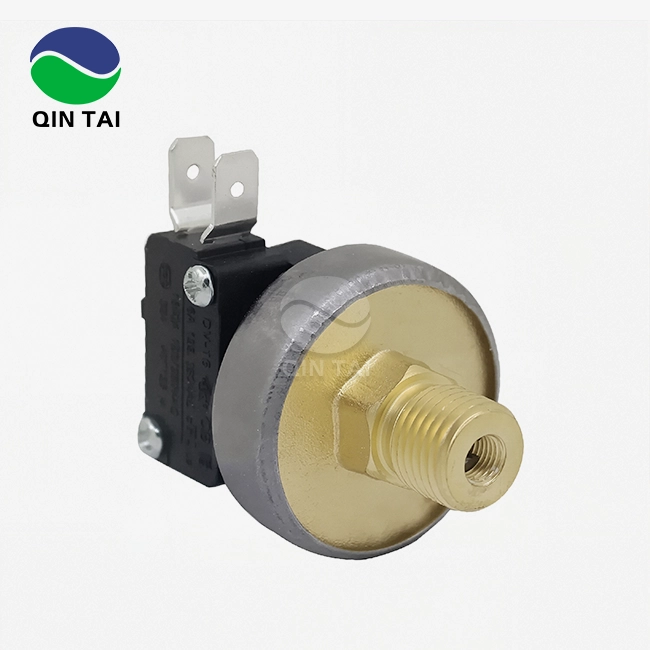


Our customers’ satisfaction speaks for our quality — contact us to experience the same reliable service.