- English
- French
- German
- Portuguese
- Spanish
- Russian
- Japanese
- Korean
- Arabic
- Greek
- German
- Turkish
- Italian
- Danish
- Romanian
- Indonesian
- Czech
- Afrikaans
- Swedish
- Polish
- Basque
- Catalan
- Esperanto
- Hindi
- Lao
- Albanian
- Amharic
- Armenian
- Azerbaijani
- Belarusian
- Bengali
- Bosnian
- Bulgarian
- Cebuano
- Chichewa
- Corsican
- Croatian
- Dutch
- Estonian
- Filipino
- Finnish
- Frisian
- Galician
- Georgian
- Gujarati
- Haitian
- Hausa
- Hawaiian
- Hebrew
- Hmong
- Hungarian
- Icelandic
- Igbo
- Javanese
- Kannada
- Kazakh
- Khmer
- Kurdish
- Kyrgyz
- Latin
- Latvian
- Lithuanian
- Luxembou..
- Macedonian
- Malagasy
- Malay
- Malayalam
- Maltese
- Maori
- Marathi
- Mongolian
- Burmese
- Nepali
- Norwegian
- Pashto
- Persian
- Punjabi
- Serbian
- Sesotho
- Sinhala
- Slovak
- Slovenian
- Somali
- Samoan
- Scots Gaelic
- Shona
- Sindhi
- Sundanese
- Swahili
- Tajik
- Tamil
- Telugu
- Thai
- Ukrainian
- Urdu
- Uzbek
- Vietnamese
- Welsh
- Xhosa
- Yiddish
- Yoruba
- Zulu
Pressure Sensor Certification Guide for Global Projects
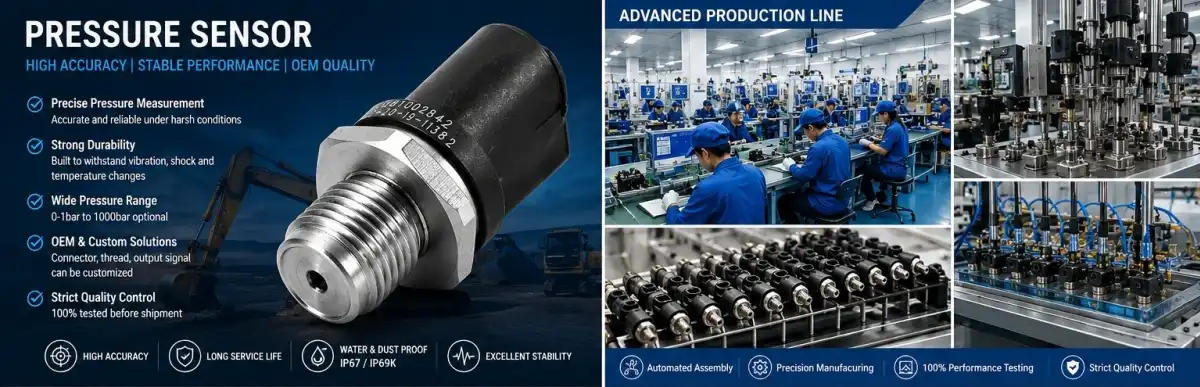
To find the right certified pressure sensors for commercial use, you need to know how certification guarantees accurate measurements, compliance with regulations, and long-term dependability. When buying things from other businesses around the world, using certified pressure sensors to make sure the quality of the goods meets international standards and lowers the risk of projects involving diesel engine systems, aftertreatment technologies, and emission control solutions. This guide helps project procurement professionals, buying managers, R&D engineers, and technical managers understand how certification affects sensor performance, choosing a provider, and meeting compliance standards. By knowing how licensing affects the life of a sensor and the accuracy of its measurements, you can make smart choices that balance scientific requirements with managing costs and keeping the supply chain stable.
Comprehending Certified Pressure Sensors: Technology, Standards, and Applications
Certified pressure sensors are basically different from standard devices because they have been tested and proven to work according to widely accepted standards. Certification makes sure that sensors meet certain safety standards, accuracy levels, and environmental resilience standards. This is very important for industrial uses where measurement mistakes can have big practical and financial effects.
Core Sensor Technologies and Their Certification Requirements
Because they are strong and can work with a wide range of pressures, piezoresistive pressure monitors are most common in diesel engines and aftertreatment systems. These sensors work with silicon diaphragms that have resistors built in. When mechanical stress is applied, the resistors change electrical resistance, giving accurate readings in places where there is a lot of vibration, like big trucks and building equipment. Certification testing makes sure that temperature compensation works correctly and that long-term drift doesn't happen. These are important features for emission tracking systems that need to meet China VI and Euro VI standards.
International Certification Standards Governing Pressure Sensors
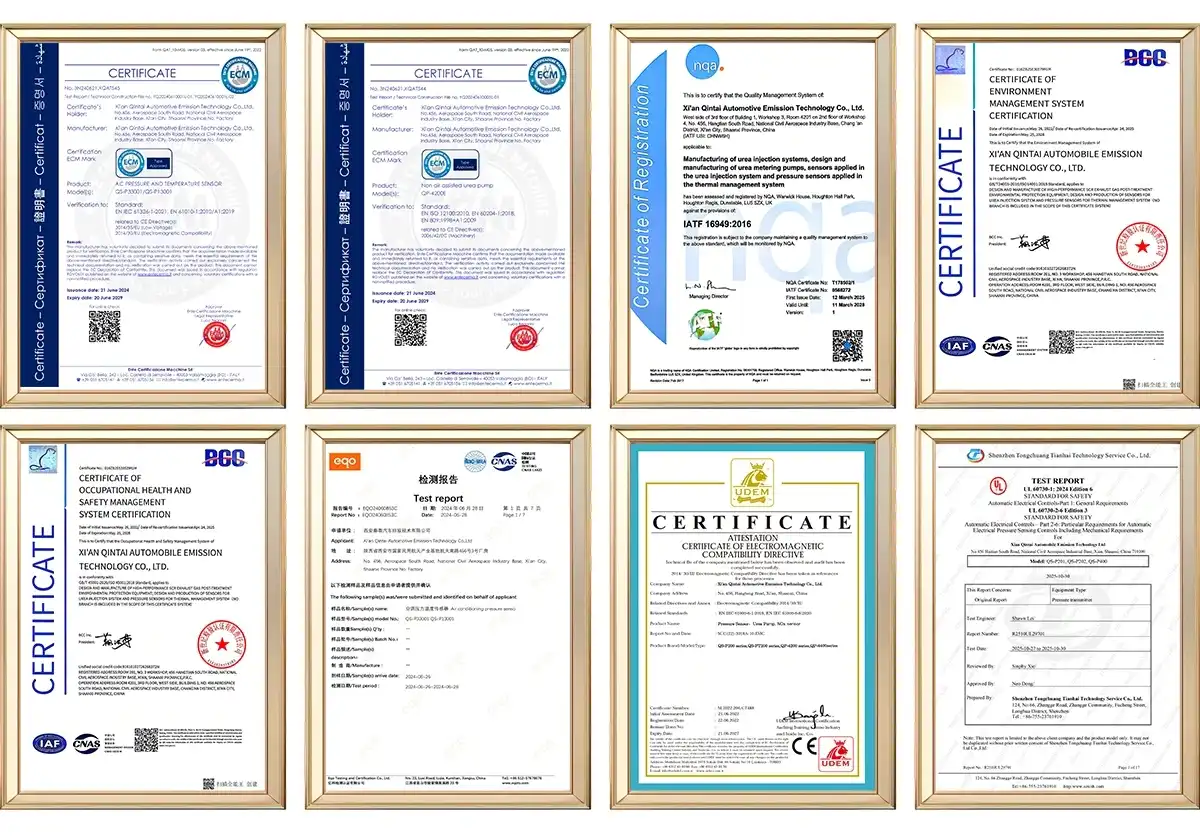
ISO 9001 certification sets standard quality management systems that make sure manufacturing processes are always the same. IATF 16949, on the other hand, is specific to the car industry and its needs for quality control in the supply chain and the approval of production parts. When buying managers choose sources for OEM partnerships, these standards give them peace of mind about mass production and stability from batch to batch.
The CE mark shows that a product meets the safety, health, and environmental protection standards of the European Union. This lets products from all EU member states be sold in their markets. This approval is very useful for companies that want to sell aftertreatment systems to business vehicles in Europe because it shows that they follow the rules for electromagnetic compatibility and pressure equipment.
The ATEX and IECEx approvals cover the explosion-proof needs of sensors used in dangerous places with burning gases or dust that can catch fire. Generator set makers that serve mines and power plants put these licenses at the top of their list because they prove that the sets are safe and don't have any ignition sources when sensors are working or when they fail.
Calibration Processes Ensuring Measurement Traceability
Certified sensors are first calibrated against reference standards that can be traced back to national measurement centers. This sets baselines for accuracy that can be measured and recorded. Calibration papers list the measurement error values for the whole working range of the sensor. This lets engineers check to see if the sensor works well enough for their needs. Regular recalibration times, usually every twelve to twenty-four months, based on the severity of the application and regulation requirements, keep the sensor's accuracy over its useful life.
Calibration errors have a direct effect on dosing accuracy and emission compliance, so they need to be checked carefully in high-stakes emission control systems. Integrators of aftertreatment systems that use SCR and DPF technologies need providers who keep detailed records of calibration and offer field recalibration services to make sure the system keeps working well.
How to Choose the Best Certified Pressure Sensors for Your Global Projects?
To choose the right certified pressure sensors, you need to make sure that the technical specs, approval levels, and supplier's skills all fit the needs of the project. When buying something, different situations call for different evaluation criteria. OEM diesel engine makers value consistent mass production and long-term supplier security more than anything else, while aftermarket parts sellers value low costs and compatibility with a wide range of applications.
Essential Selection Metrics for Industrial Pressure Sensors
Specifications for accuracy tell you how accurate the measurements are across the sensor's working range. They are usually given as a percentage of the full-scale output or a percentage of the reading. For diesel engine uses that need to keep an eye on exhaust back pressure, accuracy must be within ±1% to make sure the aftertreatment system works right. For less important monitoring points, ±2.5% accuracy is fine to save money on parts without affecting usefulness.
Durability factors include resistance to shaking, ability to handle changes in temperature, and interaction with different types of media. For heavy truck uses, sensors have to be able to handle constant vibrations and temperature changes from -40°C to +125°C. This means they need to be built tough and have sealed electrical connections. Agri-machinery works in damp and dusty places, so it needs ingress protection grades of IP67 or IP69K to keep breakdowns from being caused by contamination.
Certified Sensors Versus Uncertified Alternatives
Uncertified pressure sensors may be cheaper to buy at first, but they come with a lot of safety risks and extra costs that you might not know about. Regulatory authorities are looking more closely at parts of emission systems, and using sensors that aren't approved can cause projects to be held up, require retrofitting, or limit entry to the market. The price difference between certified and uncertified monitors is usually less than 5% of the total cost of the system, but it reduces risk much more than that.
Certified sensors usually come with a lot of scientific information, performance guarantees, and supplier quality agreements that help the project succeed in the long run. These features are especially helpful for companies that make environmental protection equipment that are in charge of industrial exhaust gas treatment systems that last for years. This is because the reliability of the sensors directly affects the client's contractual responsibilities.
Market Landscape and Supplier Recommendations
Well-known sensor makers have a wide range of products that have been used successfully in tough situations in the past. But providers that focus on the diesel engine and pollution control markets often offer better application-specific knowledge and more customization options. When evaluating providers, you need to look at how many certifications they have, how much they can produce, how well they can help with technical issues, and how reliable their delivery is.
The schedule of the project affects the choice of provider. Catalog goods usually ship within days, but customized sensor variants may need four to eight weeks for engineering approval and tooling preparation. If you are on a tight budget, you should look at the total cost of ownership, which includes calibration services, the availability of extra parts, and guarantee support, instead of just the unit purchase price.
Pressure Sensor Certification Process and Compliance for Global Procurement
Understanding the stages of a certification's lifecycle helps procurement workers handle the approval of suppliers and the ongoing checks for compliance. For certified pressure sensors to be certified, they have to go through a number of tests that compare their performance to certain standards. This creates paperwork that can be used for legal audits and quality assurance processes.
Testing Methods and Documentation Requirements
Type testing sets the standard for performance by using thorough evaluation methods that expose sensors to extremes of temperature and pressure, as well as electromagnetic interference. Accredited testing labs that follow ISO/IEC 17025 standards do these tests and write thorough test reports that show how the sensors behave in certain situations.
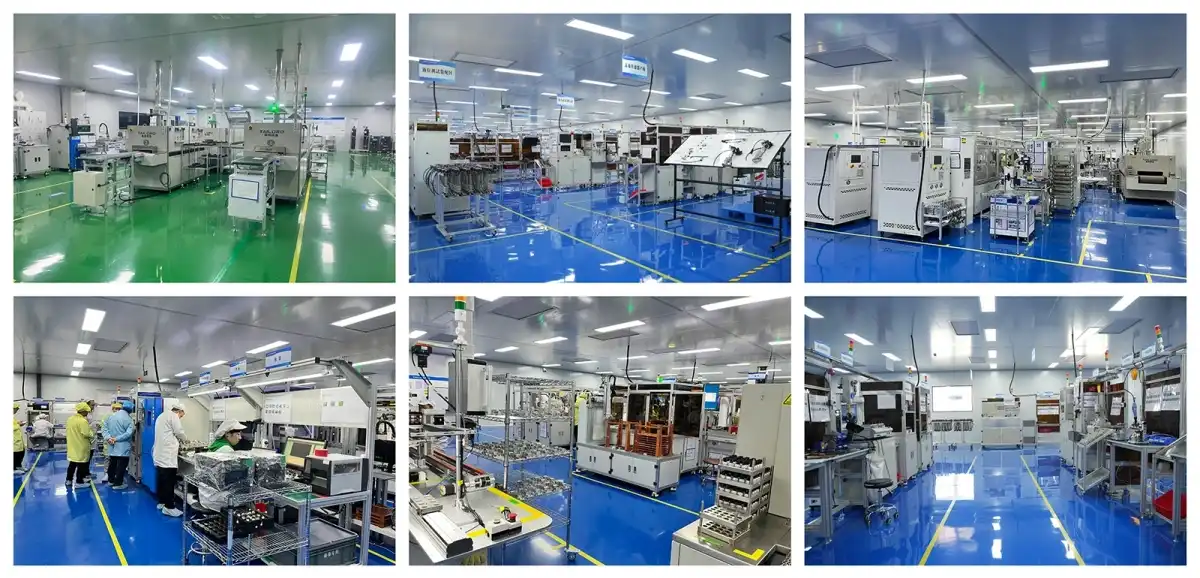
Production testing makes sure that the sensors that are made match the design standards that have been type-tested. This is usually done by checking the functionality and accuracy of each unit or a group of samples that are statistically representative. Manufacturers who keep their IATF 16949 certification use processes for approving production parts. These processes need to be monitored regularly for statistical process control to find performance drift before it affects the quality of the finished product.
Environmental and Safety Certification Standards
Explosion-proof rates tell you what kind of sensors can be installed in dangerous areas based on their certifications, which list gas groups, temperature classes, and equipment safety levels. In mining settings, generator set applications need sensors that are certified for Group I Category M2 installations. On the other hand, industrial applications on the surface usually need sensors that are certified for Group II Category 2 or 3 installations, based on the zone classifications.
The first number of an IP classification code tells you the level of protection against solid particles and liquids. The second digit tells you the level of protection against moisture. For commercial vehicles, IP67 protection is usually enough, but building equipment that needs to be cleaned with high-pressure water may need IP69K sensors that can handle hot jets.
Regional Certification Harmonization and Differences
For use in dangerous areas, European markets stress CE marking and ATEX certification, while North American projects usually need UL recognition and CSA approval. International standards are being adopted more and more in Asia-Pacific markets, but some places still have their own approval requirements that make it harder to get into those markets. People in charge of procurement for global projects should choose sensors that have multiple regional certifications to make compliance easier in different placement areas.
Long-term compliance means keeping track of when to renew certifications, handling recalibration schedules, and making sure that reference sources are up to date as standards change. Suppliers who offer help with certification management make things easier for administrators and make sure projects are ready for audits at all times.
Procurement Best Practices: Where and How to Buy Certified Pressure Sensors Globally?
Multiple sourcing methods, seller relationship models, and order management strategies must be balanced for efficient certified pressure sensors purchase. Depending on the needs of the project, different methods work best. For example, working directly with a maker gives you more freedom in customizing and technical support, while working with an approved dealer gives you quick access to standard goods with local stock and support.
Global Sourcing Channels and Supplier Evaluation
Direct OEM partnerships allow for the most technical involvement and customization, which makes them perfect for diesel engine makers who want to add sensors to production systems. These connections let people work together to make different kinds of sensors that are better at their jobs by improving their mounting options, electrical connections, and performance. Long-term supply deals that include volume promises protect you from changes in the market by ensuring better price and capacity allocation.
Authorized sellers handle purchases that need fast shipping, smaller orders, or a wide range of products. Aftermarket parts sellers benefit from working with distributors that let them access a lot of different brands without having to manage a lot of different producer accounts. When judging a wholesaler, you need to look at how technically skilled they are, how much inventory they have, and what extra services they offer, like special cable assemblies or sensor programming.
Managing Bulk Orders and Custom Configurations
For big jobs, you need to carefully plan how to balance the need for wait time with the need for customization and the need to cut costs. Standard stock sensors usually have the quickest shipping times, with orders of reasonable amounts shipping within one to two weeks. Custom sensor versions with changed electrical connections, mounting features, or pressure port configurations need to be reviewed by engineers and prototypes must be tested. This adds six to ten weeks to the time it takes to get production numbers.
The talks for bulk price should cover all of the project's needs, such as the number of parts needed for the first installation, the provisioning of spare parts, and the expected number of service replacements over a number of years. Structured deals with tiered prices based on yearly consumption amounts make costs predictable and ensure a steady supply of goods.
Conclusion
Certified pressure sensors are important parts of emission control systems, technologies for aftertreatment, and industrial uses where accurate measurements and following the rules directly affect the success of the project. Knowing what certifications are needed, how to choose suppliers, and the best ways to buy things lets you make smart choices about where to buy things that combine technical performance, cost management, and supply chain stability. As pollution rules get stricter and safety standards for factories get higher, the certification scene is always changing. This makes supplier relationships with full certification portfolios more valuable. Verifying technical specifications and evaluating a supplier's capabilities are both important parts of good buying strategies. This makes sure that the sensors chosen meet both short-term project needs and long-term practical goals.
FAQ
What distinguishes certified pressure sensors from uncertified alternatives?
Certified sensors go through independent testing and paperwork methods that compare performance to set standards. This gives proof of how accurate, long-lasting, and safe the sensors are. Uncertified sensors don't have this independent validation, which can lead to compliance risks and warranty limits that may be more expensive in the long run than the original cost saves.
How frequently should certified pressure sensors undergo recalibration?
Periods of recalibration vary from twelve to thirty-six months, depending on the intensity of the application and government rules. For emission control purposes, recalibration is usually needed once a year. For less important monitoring spots, the time between recalibrations may be extended to twenty-four months. Manufacturers give advice based on how drift is supposed to happen and how the system is being used.
Can certified pressure sensors withstand harsh industrial environments?
When properly defined and approved, sensors work great in harsh conditions like high vibrations, extreme temperatures, and exposure to media that is corrosive. Certification testing proves that the product is resistant to weather damage, and IP ratings and explosion-proof certifications show that it is safe for use in places like oil rigs, chemical plants, and mines.
Partner with a Trusted Certified Pressure Sensor Manufacturer
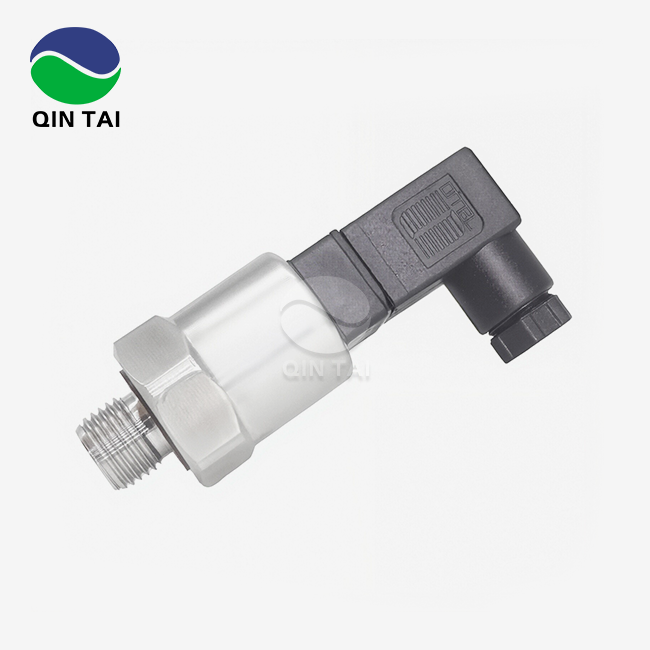
According to Qintai, they have been making approved certified pressure sensors for over twenty years and are experts in diesel engine SCR aftertreatment and emission control systems. Our wide range of certifications, such as ISO9001, IATF16949, CMC, Ex, UL, CE, REACH, and RoHS, ensures world compliance in a wide range of industry settings. We keep up the production capacity, quality consistency, and technical support infrastructure that demanding projects need as the major OEM provider to Weichai Power, Yuchai Power, and Quanchai Power.
Our independent research and development team has 58 idea patents and can make changes to meet the needs of any application, from farming equipment to generator sets and aftertreatment systems for business vehicles. Contact our engineering team at info@qt-sensor.com to talk about your project needs, get technical specs, or set up product demos that show how our certified pressure sensors can meet the needs of your applications for accuracy, reliability, and compliance.
References
1. International Organization for Standardization. "ISO 9001:2015 Quality Management Systems — Requirements." Geneva: ISO, 2015.
2. International Electrotechnical Commission. "IEC 61508: Functional Safety of Electrical/Electronic/Programmable Electronic Safety-related Systems." Geneva: IEC, 2010.
3. Society of Automotive Engineers. "SAE J1939 Recommended Practice for Serial Control and Communications Vehicle Network." Warrendale: SAE International, 2016.
4. European Committee for Standardization. "EN 60079: Explosive Atmospheres — Part 0: Equipment — General Requirements." Brussels: CEN, 2018.
5. American Petroleum Institute. "API RP 551: Process Measurement and Control." Washington: API Publishing, 2019.
6. Deutsches Institut für Normung. "DIN 16086: Pressure Gauges — Metrological Requirements and Testing." Berlin: DIN, 2020.
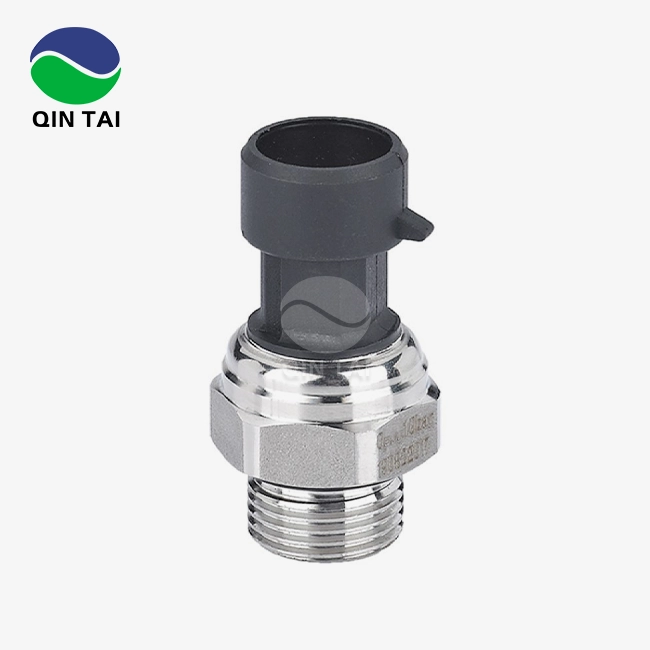
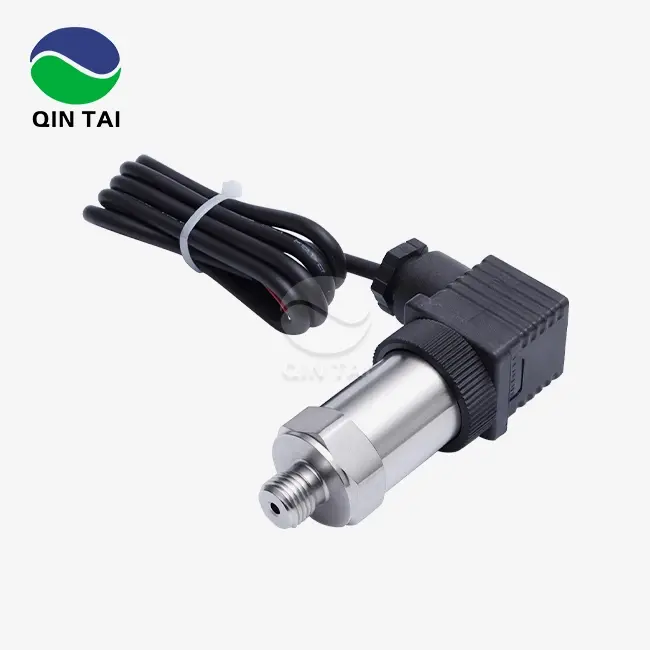
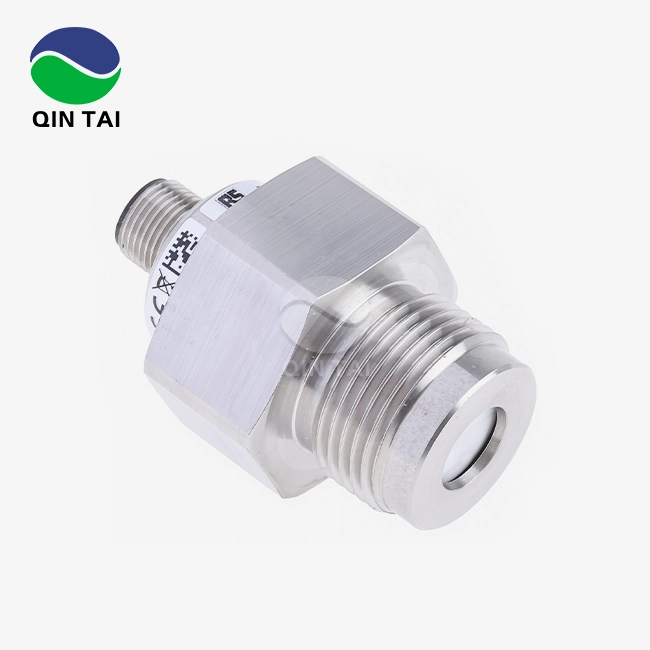

Our customers’ satisfaction speaks for our quality — contact us to experience the same reliable service.