- English
- French
- German
- Portuguese
- Spanish
- Russian
- Japanese
- Korean
- Arabic
- Greek
- German
- Turkish
- Italian
- Danish
- Romanian
- Indonesian
- Czech
- Afrikaans
- Swedish
- Polish
- Basque
- Catalan
- Esperanto
- Hindi
- Lao
- Albanian
- Amharic
- Armenian
- Azerbaijani
- Belarusian
- Bengali
- Bosnian
- Bulgarian
- Cebuano
- Chichewa
- Corsican
- Croatian
- Dutch
- Estonian
- Filipino
- Finnish
- Frisian
- Galician
- Georgian
- Gujarati
- Haitian
- Hausa
- Hawaiian
- Hebrew
- Hmong
- Hungarian
- Icelandic
- Igbo
- Javanese
- Kannada
- Kazakh
- Khmer
- Kurdish
- Kyrgyz
- Latin
- Latvian
- Lithuanian
- Luxembou..
- Macedonian
- Malagasy
- Malay
- Malayalam
- Maltese
- Maori
- Marathi
- Mongolian
- Burmese
- Nepali
- Norwegian
- Pashto
- Persian
- Punjabi
- Serbian
- Sesotho
- Sinhala
- Slovak
- Slovenian
- Somali
- Samoan
- Scots Gaelic
- Shona
- Sindhi
- Sundanese
- Swahili
- Tajik
- Tamil
- Telugu
- Thai
- Ukrainian
- Urdu
- Uzbek
- Vietnamese
- Welsh
- Xhosa
- Yiddish
- Yoruba
- Zulu
Pressure Transducer Selection for Chemical Processing Plants
Chemical processing plants have to find the right process pressure transducer by balancing technical requirements, legal compliance, and operating dependability. Chemical settings are tough because they have corrosive media, high temperatures, and strict safety rules. Because of this, transducer technology, materials, and source qualifications need to be carefully looked over. This guide helps purchasing managers and research and development engineers figure out how to choose the best models, compare them, and use new technologies that will improve measurement accuracy, uptime, and long-term cost savings in chemical manufacturing facilities.

Understanding Process Pressure Transducers in Chemical Plants
Defining Transducers, Transmitters, and Sensors
These terms are often used to refer to the same thing, but they actually refer to different parts of process pressure transducers. A sensor changes the pressure in the air into an electrical signal, which is usually in the form of a millivolt. Transmitters turn this signal into a standard output, such as 4-20 mA or digital protocols, by amplifying and conditioning it. This lets control systems directly connect to it. Sensors are a general term for the part that does the sensing. When measuring devices are added to distributed control systems (DCS) or programmable logic controllers (PLCs) in chemical plants, making sure the right specifications are met requires knowing these differences.
Working Principles and Core Sensing Technologies
Several tried-and-true ways of measuring are used in modern process pressure transducers. Strain gauge technology counts how much a metal plate deforms when it is under pressure. It works well and doesn't cost a lot of money for ranges from 0.5 bar to 600 bar. Piezoelectric sensors make an electrical charge that changes based on the force that is applied. This makes them perfect for tracking changing pressure in reactor systems. Capacitive sensors pick up changes in capacitance between a detecting diaphragm and a fixed plate. They are very sensitive for low-pressure uses. There are pros and cons to each technology when it comes to accuracy, response time, and weather resistance, which affects which ones are best for which chemistry processes.
Common Transducer Types for Chemical Applications
Chemical plants use different kinds of process pressure transducers based on what they need to measure. Gauge pressure transducers measure in relation to the air pressure and can be used to keep an eye on tank levels and pipeline flow. Absolute pressure transducers are needed for distillation columns and vacuum drying systems because they measure vacuum. Differential pressure transducers find the difference in pressure between two places. This is very important for keeping an eye on filters and measuring flow through control valves. Chemical-resistant types use special diaphragm materials like fluoropolymers, tantalum, or high-nickel alloys to handle the strong acids, alkalis, and liquids that are used in making medicines, chlor-alkali, and petrochemicals.
Critical Performance Factors and Material Compatibility
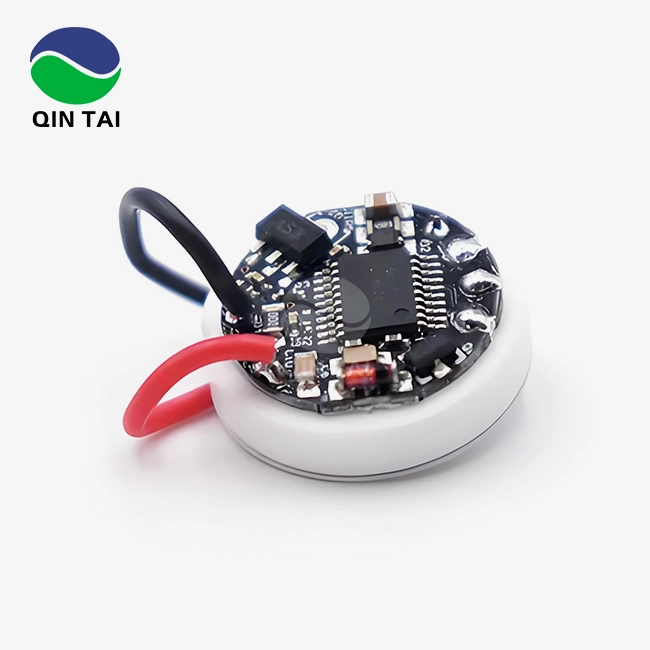
Most of the time, accuracy requirements are between ±0.25% and ±0.5% of full scale. Tighter limits are needed for batch stability in specialty chemical manufacturing. The measurement range needs to be able to handle normal working pressures while also protecting against 150–200% overpressure in case of water hammer or an emergency stop. Wetted material choice is key to durability. For light chemical work, stainless steel 316L is enough. Hastelloy C-276 or Monel, on the other hand, can handle chlorides and sulfuric acid. Because they are made of 96–99.5% high-purity alumina, ceramic process pressure transducers are very resistant to chemicals and are only second to diamond in terms of toughness. This makes them perfect for mineral processing plants that need to move slurry and measure abrasive media.
Critical Selection Criteria for Chemical Processing Applications
Aligning Specifications with Process Parameters
By matching the process pressure transducer's specs to the real-world conditions of the process, you can avoid premature failure and measurement mistakes. Normal conditions should be between 25-75% of full scale in the operating pressure range to get the most accurate readings while still leaving room for error. Temperature issues aren't just limited to process fluids; sites outside or close to furnaces need adjustment circuits or remote seal systems to deal with the changing temperatures. To check if two materials are chemically compatible, they need to be compared against rust charts from groups like NACE International that show specific chemicals, concentrations, and temperatures. Ignoring these basics can cause the diaphragm to perforate, the signal to get weaker, or a catastrophic release event to happen.
Regulatory Compliance and Safety Standards
Chemical companies that work with flammable solvents or explosive dusts need to choose process pressure transducers that are fundamentally safe or explosion-proof and are approved to ATEX (for European markets) or IECEx (for foreign markets). The amount of security needed is based on the zone classification: 0 through 22 for dust and gases and 0 through 2 for atmospheres with gases. Facilities in North America use NEC Class I Division 1/2 grades. According to IEC 61508 functional safety applications need SIL-rated devices with known failure rates and diagnostic coverage. For clean uses in making pharmaceutical or food-grade chemicals, you need to follow 3-A, EHEDG, or FDA rules and use tri-clamp fittings and electropolished wet areas to keep germs from growing.
Evaluating Accuracy, Response Time, and Signal Stability
Specifications for accuracy may seem simple, but they need to be carefully interpreted. Total error band (TEB) takes into account non-linearity, hysteresis, repeatability, and thermal effects across a wide range of working temperatures, so you can be sure of the results you're getting. Response time—milliseconds for piezoelectric sensors and seconds for mechanical gauges—affects the security of the control loop in exothermic polymerization that happens quickly. Signal stability over long periods of time rests on zero drift and span shift traits, which are usually given as a percentage change per year. Long-term stability is very important for ongoing processes like making ammonia or concentrating sulfuric acid, where yearly shutdowns for recalibration cause big losses in production.
Corrosion Resistance and Technology Comparison
Chemical companies mostly use wired process pressure transducers because they have been shown to be reliable. However, installing them is harder because the cables have to go through dangerous areas. Wireless models that use the WirelessHART or ISA100 protocols get rid of the need for cabling, but they raise worries about how long batteries will last in high temperatures and how well signals will work through metal structures. Modern wireless devices have batteries that last for 10 years in safe settings, and some models can even collect energy to extend their useful life. Connected infrastructure has security holes that can be fixed with security features like AES-128 encryption. The choice depends on the infrastructure that is already there, how important the measurements are, and the availability of upkeep resources.
Supplier Verification and Support Infrastructure
Evaluation of suppliers includes more than just product specifications. It also looks at quality systems, the level of expert help, and how resilient the supply chain is. ISO 9001 and IATF 16949 certifications show that a company's manufacturing processes are stable, and a large collection of patents shows that the company is committed to continuing to innovate. Warranty terms, which are usually between 12 and 24 months, show how confident the maker is in the product. However, for important uses, additional coverage choices should be looked at. Calibration services, whether they are done in-house by NIST-traceable labs or by third-party approved labs, make sure that accuracy standards are always met. During project execution and plant growth, suppliers who offer application engineering support, unique material configurations, and fast prototyping are very useful.
Top-Rated Process Pressure Transducers in 2026 for Chemical Processing
When looking at process pressure transducers options for chemical uses, procurement teams can use shortlists that have already been approved. Some of the biggest companies have made specific product lines to meet the needs of corrosion protection, hazardous area approval, and sanitary design. Knowing the various strengths helps you make the right choice.
The companies listed below are well-known stars in chemical process instrumentation. Each one offers unique technology benefits and market positions:
Rosemount (Emerson Process Management) is the leader in high-performance uses because its coplanar technology reduces the effects of temperature. Honeywell offers low-cost options that balance precision with the toughness needed in industrial settings. WIKA offers a wide range of materials and unique designs for chemical service. ABB combines measuring pressure with full environments for automating processes. In custody transfer uses, Endress+Hauser puts a lot of emphasis on metrological accuracy and long-term stability. Yokogawa and Siemens offer advanced diagnostics and asset management integration. Foxboro, on the other hand, still has a strong foothold in bases that have been placed for a long time. These companies are used as examples, but cheap alternatives can often be found from regional and specialized sellers with quick local support.
Making buying choices is easier when you compare specific models to the needs of the application. The Rosemount 3051S uses silicon-on-sapphire sensor technology and has a standard accuracy of ±0.04%. It has a dual-compartment case that keeps out the environment and is made of materials like 316 stainless steel and Alloy C-276 for long-lasting use. Its broad use in industrial alkylation units and the production of nitric acid shows that it is compatible with many chemicals. The Honeywell ST 3000 is accurate to within 0.075% and has a SmartLine design that supports multiple communication protocols. It is good for chemical production sites that are spread out and need to integrate FOUNDATION Fieldbus or HART.
The WIKA Model IPT-11 is an aftermarket substitute that is low-cost and has ceramic sensor cells that can handle the harsh cleaning agents used on pharmacy equipment. ABB 266HST differential sensors keep an eye on how well filters are working in catalyst recovery circuits. Meanwhile, Endress+Hauser Cerabar PMC21 uses oil-free ceramic capacitive cells for making food-grade solvents that need to be completely clean.
Installation, Calibration, and Troubleshooting Tips for Chemical Plants
Proper Installation and Setup Guidelines
Measurement accuracy and service life are directly affected by how well the equipment is installed. When choosing a mounting location, you need to think about how easy it is to get to the process connections, how long the impulse lines should be, and how to avoid dead-leg buildup, which happens when fluid that isn't moving crystallizes or polymerizes. Horizontal pipes need side-of-pipe tapping to keep sediment from getting in the way, while vertical runs can be mounted at the bottom or the top, based on whether solids or gas separation is important. Extreme temperature conditions near heaters or being outside require sunshields or insulated enclosures to keep the process pressure transducer within the adjusted temperature ranges.
Process connections, like NPT threads, flanged, or tri-clamp sanitary fittings, need to be properly sealed using sealing materials that are compatible with both the process fluid and the pressure grade. When it comes to electrical connections, they need to be rated for dangerous areas and have threaded conduit openings, cable glands, or junction boxes. Electrical noise interference can be avoided by grounding, especially in places near variable frequency drives or high-voltage switches. Setting up output scaling, damping factors, and warning setpoints in DCS or PLC programming is needed for integration with control systems. This must be confirmed through loop testing before the process is put into service.
Calibration Best Practices
Systematic testing procedures are needed to keep measurements accurate. The first testing happens while the product is being made, and certificates can be tracked back to national standards bodies. Verification in the field during installation proves that there was no damage during shipping or installation stress. The frequency of ongoing calibration relies on how important the process is: every three months for critical safety interlocks, once a year for general process tracking, or based on conditions when diagnostic features show drift beyond acceptable limits.
For sites that are easy to get to, portable pressure calibrators can be used for in-situ checks. For installations that can't be reached, the instruments can be taken to instrument shops that have deadweight testers and precision pressure controls. Offset mistakes and scale problems can be fixed with zero and span changes. Many current smart receivers allow digital trimming without having to physically reach the sensing elements. This means that changes can be made using handheld devices. Documentation compliance, which includes keeping calibration records, showing trend data, and looking into out-of-tolerance results, meets the needs of quality management systems and regulatory reviews and lets you know early on when equipment problems are starting to happen.
Common Troubleshooting Scenarios
Chemical plants have measurement problems that keep happening and can be systematically diagnosed. Signal drift is a slow change from known reference pressures. It is usually caused by diaphragm coating from polymerization, crystallization, or biological growth. Process contamination of sensing elements can be avoided by flushing connections or fitting chemical plugs with inert fill fluids. Electrical noise shows up as random changes in the signal. This can be fixed by making the grounding better, using insulated cables, or moving the sensors away from sources of electromagnetic interference.
Complete signal loss means there are problems with the wires, the power source, or the sensors themselves are so badly damaged that they need to be replaced right away. A slow reaction could mean that the impulse line is blocked or that the damper settings are too high. If a sensor stops working correctly after years of steady use, it may be because it has been used a lot, which means it needs to be replaced before it affects the quality of the process. Keeping extra units for important measures on hand reduces downtime during failures. Standardized mounting and pre-configured spare transducers make changeovers easier and faster.
Emerging Trends and Future Outlook of Pressure Transducers in Chemical Processing
Limitations of Traditional Wired Systems
In chemical plants that are getting old, traditional connected equipment is having more and more problems. Routing cables through crowded pipe racks adds to the cost of installation work and makes it harder to make changes during debottlenecking projects. In tough chemical environments, conduit systems rust, which can lead to ground flaws and safety risks. As junction boxes become more common, they need to be inspected more often for maintenance purposes. Terminal corrosion makes occasional problems hard to figure out. These infrastructure problems push people to move toward wireless architectures, even though process businesses that don't like taking risks tend to accept them slowly.
Wireless and Smart Transducer Innovations
Modern wireless process pressure transducers are reliable enough for non-critical tracking tasks, which makes it possible to add more measurement points without spending a lot of money. The WirelessHART and ISA100.11a standards make mesh networking safe by adding extra communication routes and a self-healing structure. Using batteries instead of electricity saves money on infrastructure costs, but energy budgets limit transfer frequency to once every minute, which isn't good for fast control loops. New advances in energy gathering, like thermoelectric devices that use differences in process temperatures, can make equipment last forever in some situations.
Smart transducers with microprocessors built in allow for improved tests that can find clogged impulse lines, sensor drift, and early signs of failure. Predictive algorithms look at statistical patterns and measurement noise to send maintenance alerts before a loss of accuracy affects process control. Integrating with asset management systems makes it easier to see how healthy all of a plant's instruments are at once. This lets you plan calibrations and keep extra parts on hand more efficiently based on how they're doing instead of set schedules.
Advanced Materials and Modular Designs
New materials science makes things last longer and be less likely to rust. For liquid work, silicon carbide ceramics are more resistant to wear than alumina ceramics. Graphene-enhanced layers stop hydrogen from getting into refining hydrotreating units at the molecular level. Additive manufacturing lets you make complicated shapes that improve flow patterns around sensing elements while combining multiple parts into one. This cuts down on leak points and makes it easier to clean in sanitary settings.
Modular designs remove electronics from sensing elements, so broken parts can be replaced in the field without having to replace the whole sensor. Standardized digital connections make it easier to connect robotic systems from different vendors, which lowers the technical work that needs to be done during expansions. These changes in architecture are in line with the plant's sustainable goals because they increase the useful life of equipment and lower electronic waste by replacing only the broken parts instead of throwing them away all at once.
Conclusion
For chemical companies to choose the right process pressure transducers, they need to carefully look at technical specs, material compatibility, and the supplier's abilities. Purchasing teams have to find a balance between the need for accurate measurements and the need to stick to a budget, all while making sure that regulations are followed and that the equipment will last for a long time in harsh settings. Organizations can improve their measurement systems to meet safety and efficiency goals by learning about new sensing technologies, the best ways to put them, and the latest innovations. Working with qualified suppliers who can give expert help, customization options, and proven knowledge in the chemical business is what makes implementation and operational performance work in the end.
FAQ
How often should pressure transducers be calibrated in chemical plants?
How often calibration is done depends on how important the process is and what the rules say. IEC 61511.1 says that safety instrumented systems need to be checked every 12 months, while tests for general processes are usually done every 24 months. Applications that use harsh chemicals or have a history of drift should be checked every three months. Condition-based calibration is possible with smart process pressure transducers that can diagnose themselves. This means that gaps can be extended when devices show stable performance.
What distinguishes pressure transducers from pressure transmitters?
Transducers make low-level electrical signals that change based on the applied pressure. These signals need to be "conditioned" from the outside. Transmitters have circuits for amplification and conversion that makes common outputs like 4-20 mA that can be directly connected to control systems. Digital transmission methods, setup storage, and diagnostic functions are some of the other great features that transmitters offer. Most current setups use transmitters instead of raw transducers because they are less likely to pick up noise and are easier to integrate.
Can standard pressure transducers withstand corrosive chemicals?
Chemical protection depends on the choice of material. Standard 316 stainless steel can handle a lot of organic solvents and weak acids, but it rusts quickly when it comes into contact with salt or sulfuric acid. Chemicals that are harsh can't damage special metals like Hastelloy, tantalum, or ceramic building. For correct specification, you need to look at rust compatibility guides that match wet materials with certain amounts, temperatures, and process fluids.
Partner with Qintai for Reliable Process Pressure Transducer Solutions
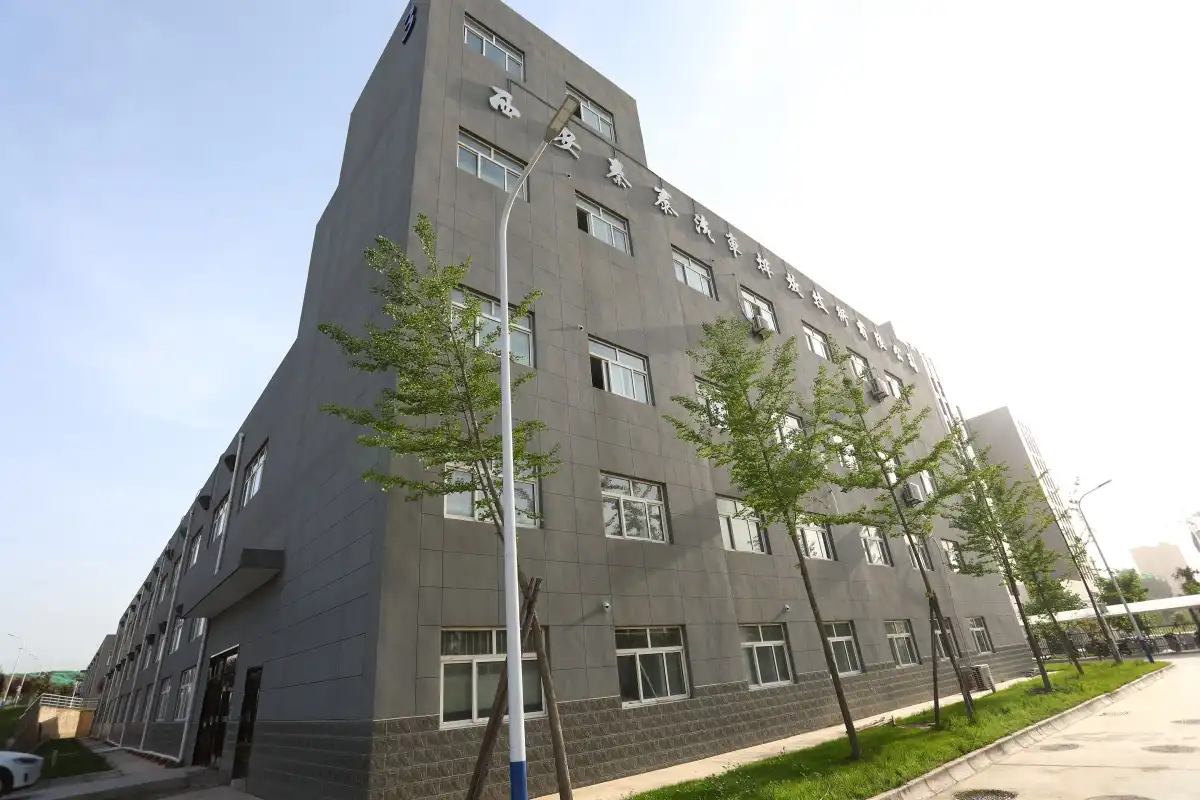
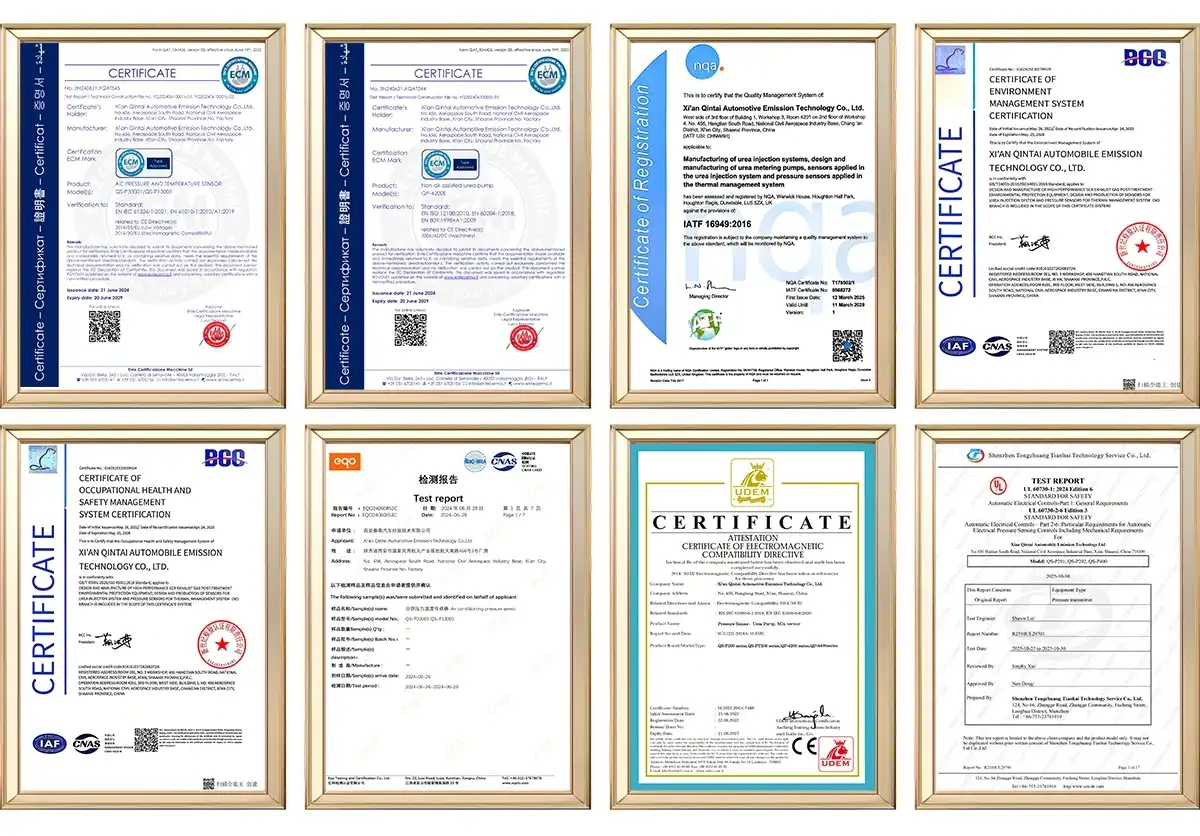
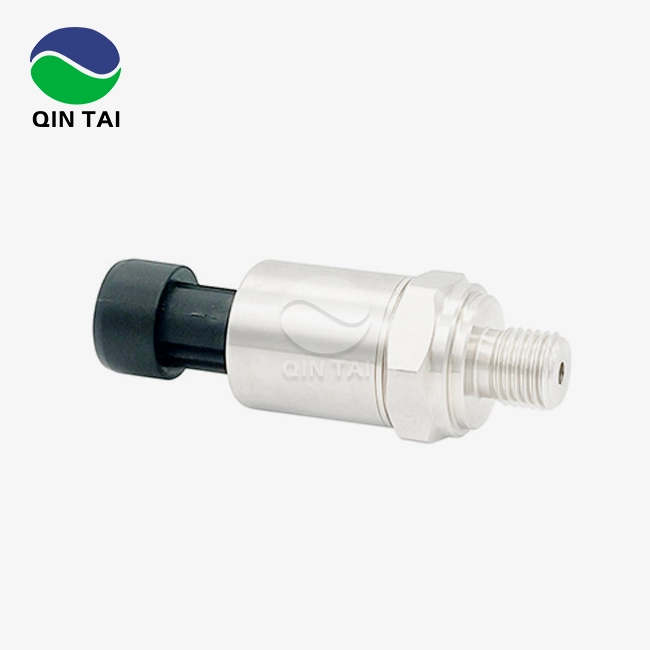
Qintai Automotive Emission Technology Co., Ltd. has been making sensors for more than twenty years and can help with chemistry processes. As China's top original equipment manufacturer (OEM) provider to major engine makers like Weichai Power and Yuchai Power, we have improved process pressure transducer technology by following strict quality standards that are approved by ISO9001, IATF16949, and REACH. Our independent research and development team is always coming up with new designs for ceramic pressure transducers that are highly resistant to chemicals, stable at temperatures ranging from -40°C to +135°C, and accurate enough to meet the most stringent process control needs.
Whether you need standard industrial sensors or fully personalized solutions with unique materials and output configurations, our OEM/ODM services can make goods that are exactly what you need. We keep a large stockpile to support fast shipping and keep project delays to a minimum. Our global distribution across more than 60 countries ensures quick local support. Get in touch with our expert team at info@qt-sensor.com to talk about your monitoring needs for a chemical plant with a reputable process pressure transducer maker that values quality, innovation, and the success of long-term partnerships.
References
1. American Institute of Chemical Engineers (AIChE), "Guidelines for Pressure Relief and Effluent Handling Systems," 2nd Edition, 2020.
2. International Society of Automation (ISA), "Recommended Practice for Installation, Operation, and Maintenance of Pressure Sensors and Transmitters," ISA-RP37.2-2018.
3. National Association of Corrosion Engineers (NACE International), "Materials Selection for Corrosive Environments in Chemical Processing," Publication 5A171-2019.
4. Liptak, B.G., "Instrument Engineers' Handbook: Process Measurement and Analysis," 5th Edition, CRC Press, 2022.
5. European Committee for Standardization (CEN), "Industrial Process Measurement, Control and Automation - Pressure Transmitters with Electrical Output," EN 60770-1:2021.
6. Chemical Processing Magazine, "Best Practices for Pressure Instrumentation in Chemical Plants: 2024 Industry Survey Results," March 2024 Issue.



Our customers’ satisfaction speaks for our quality — contact us to experience the same reliable service.