- English
- French
- German
- Portuguese
- Spanish
- Russian
- Japanese
- Korean
- Arabic
- Greek
- German
- Turkish
- Italian
- Danish
- Romanian
- Indonesian
- Czech
- Afrikaans
- Swedish
- Polish
- Basque
- Catalan
- Esperanto
- Hindi
- Lao
- Albanian
- Amharic
- Armenian
- Azerbaijani
- Belarusian
- Bengali
- Bosnian
- Bulgarian
- Cebuano
- Chichewa
- Corsican
- Croatian
- Dutch
- Estonian
- Filipino
- Finnish
- Frisian
- Galician
- Georgian
- Gujarati
- Haitian
- Hausa
- Hawaiian
- Hebrew
- Hmong
- Hungarian
- Icelandic
- Igbo
- Javanese
- Kannada
- Kazakh
- Khmer
- Kurdish
- Kyrgyz
- Latin
- Latvian
- Lithuanian
- Luxembou..
- Macedonian
- Malagasy
- Malay
- Malayalam
- Maltese
- Maori
- Marathi
- Mongolian
- Burmese
- Nepali
- Norwegian
- Pashto
- Persian
- Punjabi
- Serbian
- Sesotho
- Sinhala
- Slovak
- Slovenian
- Somali
- Samoan
- Scots Gaelic
- Shona
- Sindhi
- Sundanese
- Swahili
- Tajik
- Tamil
- Telugu
- Thai
- Ukrainian
- Urdu
- Uzbek
- Vietnamese
- Welsh
- Xhosa
- Yiddish
- Yoruba
- Zulu
Smart Pressure Transducers for Industrial Remote Monitoring

Smart pressure transducers have changed the way that factories take and record important pressure readings in real time. These high-tech gadgets mix old-fashioned pressure sensors with digital intelligence, which makes it possible for them to work seamlessly with remote tracking systems. By turning physical pressure into exact digital signals, they improve precision and diagnostic tools that make operations more efficient. For companies that make diesel engines, aftertreatment systems, and industrial equipment, these sensors give them the dependability they need to meet strict pollution rules. They also help with predictive maintenance plans that cut down on downtime and make equipment last longer.
Understanding Smart Pressure Transducers and Their Industrial Role
Industrial pressure measurement has moved beyond simple analog devices and now uses smart digital systems. Modern smart pressure transducers have microprocessors built in that let them self-diagnose, handle digital signals, and talk to tracking platforms in both directions. This change in technology is in response to the rising need for accuracy in complex industrial settings.
What Makes a Pressure Transducer "Smart"?
A smart pressure transducer is basically different from regular devices because it has intelligence built in. These devices have processing power built in that constantly looks at pressure data, finds problems, and sends system health information. Signal degradation that happens with analog transmission is not a problem with digital design. This means that measurements stay accurate over long wire runs. More advanced types store calibration data on the inside, so they can stay accurate even without external reference points. This self-contained intelligence makes installation easier and cuts down on places where things could go wrong.
Critical Applications Across Industrial Sectors
For process improvement, industrial automation depends a lot on accurate pressure tracking. Pressure sensors check the urea injection levels and exhaust backpressure in diesel engine aftertreatment systems to make sure they meet China VI and Euro VI pollution standards. Real-time pressure data is needed for construction equipment hydraulic systems to keep parts from breaking and make the best use of power transfer. Generator sets that are used in remote areas need long-lasting sensors that can keep an eye on them all the time without needing to be serviced often. In these situations, being able to send data directly or through industrial networks makes it possible for centralized tracking that helps people make smart decisions.
Real-Time Data Advantages for Remote Monitoring
Having the ability to watch equipment from afar changes how repair teams deal with problems. Continuous pressure data broadcast lets problems be found early, before they get worse and cause expensive crashes. Trend research shows how system behavior changes over time, which can be a sign of wear or degradation. When readings go above and beyond what is considered safe for operation, threshold alerts let workers know right away. Studies on industrial repair have shown that this proactive method cuts unplanned downtime by 30 to 40 percent on average. The economic gain goes beyond lower repair costs; it also includes keeping work at a high level and making tools last longer.
Comparison and Selection of Smart Pressure Transducers
If you want to choose the right pressure measuring device, you need to know about the basic differences that affect performance and integration. There are many methods on the market, and each one is best for a certain set of situations and measurements. Professionals in procurement have to find a mix between technical requirements, operational needs, and price limits.
Smart Transducers vs. Traditional Pressure Sensors
Usually, voltage or current readings from traditional analog devices are proportional to the pressure they measure. These devices don't have the ability to diagnose themselves and need different signal conditioning tools. Smart pressure transducers have diagnostic features, digital connection methods, and data processing all built into one unit. The digital output gets rid of the problems with electromagnetic interference that come up with analog data in places with a lot of electrical noise. The accuracy of measurements is two to three times better than with manual devices. Long-term steadiness lowers the number of times that tuning needs to be done, which lowers the total cost of ownership. Most of the time, the investment pays off within 18 to 24 months thanks to less upkeep work and better process control.
Understanding Pressure Transmitters and Transducers
The difference in terms is important for choosing the right components. Transducers change pressure into electrical signals that can be processed further. Transmitters, on the other hand, have signal filtering built in that creates regular output signals. By combining measurement and transmission capabilities, smart pressure transducers obfuscate this standard line. Devices that work with digital standards like Modbus, HART, or IO-Link are more flexible when connecting to current industrial control systems. The decision will rely on the infrastructure and communication architecture that are already in place. For older systems, analog output support may be needed, while fully digital versions are better for newer systems.
Sensing Technology Types and Their Applications
Industrial pressure measurement is mostly done with three main sensor methods. Strain gauge sensors are very accurate over a wide range of pressures and are still affordable for most uses. These gadgets can be used to check the oil pressure in gasoline engines and in hydraulic systems. Capacitive sensors are great for measuring low pressures and aren't very sensitive to changes in temperature, which makes them perfect for tracking difference pressure in DPF systems.
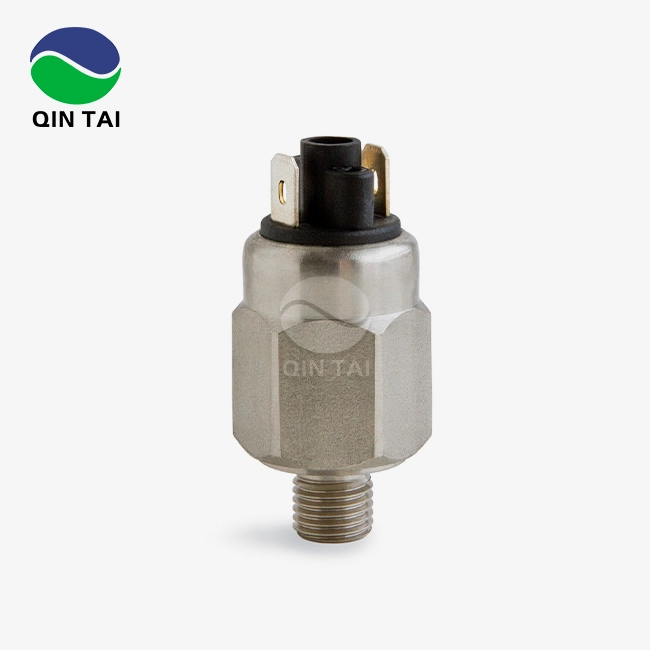
Piezoelectric devices can quickly react to changes in dynamic pressure, which makes them useful for high-frequency tasks like analyzing combustion pressure. Qintai's pressure sensor range includes strain gauge and thin-film technologies that work best in automotive and industrial settings. This gives customers a choice of options that meet their specific needs.
Key Selection Criteria for B2B Procurement
Many technical and business factors should be taken into account when making a procurement choice. Pressure range suitability must meet the needs of the application while leaving enough room for error. Extremes of temperature must be covered by operating temperature ranges, especially for outdoor setups or uses that are mounted on an engine. When media are compatible, sensor materials don't corrode when fluids or gases are recorded. The standards for accuracy should match the needs for process control.
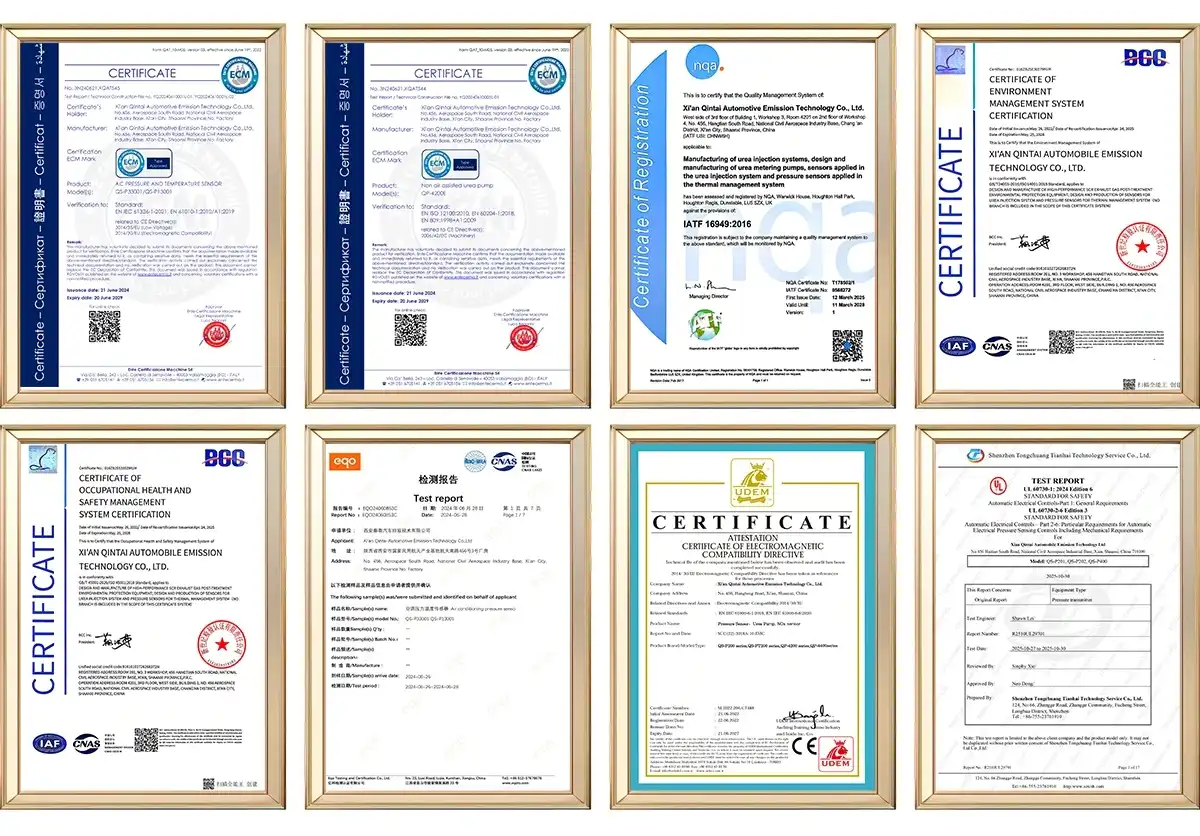
Tighter limits cost more but make control better. Response time changes the way a system works, especially in closed-loop control situations. For some businesses, certifications like ATEX, IECEx, or UL approval may be necessary. Certifications from suppliers, such as ISO9001 and IATF16949, show that they meet quality standards for making. Qintai keeps these licenses and other specialty approvals that show it is committed to quality and following the rules.
Installation, Calibration, and Maintenance Best Practices
The efficiency and trustworthiness of smart pressure transducers are directly affected by how they are installed and used. Common problems that affect measurement precision can be avoided by following the manufacturer's instructions during installation. Setting up regular repair plans keeps the calibration stable over time and increases the sensor's useful life.
Installation Guidelines for Optimal Performance
Where the sensor is mounted has a big effect on how accurate the measurements are and how long it lasts. Position sensors so that machinery vibrations are transmitted as little as possible, and if needed, use isolator clamps to do this. Orient sensors according to the manufacturer's instructions. Some designs need to be mounted at a certain angle to keep air from getting trapped. When measuring pulsing pressures, you should use pressure snubbers or dampeners to keep the detecting elements from wearing out.
Make sure there is enough space for electricity connections and future upkeep. To keep wetness out and make sure the signal stays strong, electrical lines need to be carefully monitored. When installing a pressure port, make sure to exactly follow the torque specs to avoid leaks without hurting the threads. Electrical noise that messes up messages can be removed by properly grounding. When arranging cables, they shouldn't go in parallel with power wires, and they should stay at the lengths between them that are stated in the installation paperwork.
Calibration Frequency and Procedures
Calibration keeps measurements accurate for as long as the sensor is used. In industrial settings, calibration checks are usually needed once a year, but for sensitive processes, they may need to be done every six months or three months. Environmental factors like changing temperatures, being exposed to vibrations, and contaminated media all speed up calibration shift. A lot of smart transducers have self-diagnostics that check internal reference values against practical readings and let users know when they need to confirm the calibration.
Professional calibration services use controlled test settings and reference standards that can be tracked. For guarantee compliance and the best accuracy repair, Qintai suggests factory calibration services. Portable pressure calibrators make it easy to do calibrations in the field, but they are usually less accurate than methods used in a lab. Keeping track of the past of calibration helps meet the needs of the quality system and with fixing.
Preventive Maintenance for Extended Sensor Life
Regular repair keeps measuring quality high and stops machines from breaking down too soon. Visual checks should look for damage, rust, worn cables, and connections that don't work right. Electrical testing makes sure that the output signals stay within the expected ranges, and tests show that everything is working normally. Cleaning methods rely on the process media; deposits or contamination need to be removed on a regular basis using solvents that are suitable or mechanical methods.
Impulse line maintenance keeps lines from getting clogged, which can lead to measurement mistakes in sites that are far away. Protecting the environment means checking the quality of seals and removing protective covers that are broken. Keeping thorough records of repair tasks helps find patterns that need to be fixed. These techniques keep unexpected breakdowns to a minimum and improve sensor performance over the course of their useful life.
Procurement Solutions: Where and How to Source Smart Pressure Transducers?
To find the right provider for smart pressure transducers, you need to look at both their professional skills and their business concerns. There are a lot of producers and sellers on the global market, and each one has its own benefits for different types of purchases. Strategic buying choices weigh the needs of the present with the possibility of forming a long-term relationship.
Evaluating Supplier Credentials and Capabilities
Qualified suppliers have a direct effect on the quality of the product and the dependability of the supply chain. Manufacturing standards like ISO9001 and IATF16949 show that quality control is done in a planned way. Industry-specific approvals, such as UL, CE, REACH, and RoHS compliance, show that the product meets all the rules. Patent files show that money is being spent on research and development, which leads to constant growth. Qintai has 58 invention patents, which show that sensor technology is always getting better.
Scalability for volume needs depends on production capacity; well-known makers can support growth from pilot to mass production. Location changes lead times and the difficulty of transportation. Delivery times can be sped up by making things in the country or using area distribution sites. When problems happen, having a system for expert help and warranty service after the sale is very important.
Advantages of Direct Manufacturer Relationships
There are many perks to working with makers instead of distributors. Customization for specific application needs is easier when you can talk directly with tech teams. Qintai provides full OEM and ODM services that change standard designs to fit unique needs. By agreeing to buy in bulk, you can get better prices on repeat orders and make sure there is a steady supply. The level of technical support that manufacturers offer goes beyond what distributors can provide.
Manufacturer experts understand the ins and outs of both design and application, which helps them fix effectively. Long-term connections make it easier for people to work together on making new products that match the powers of future sensors with changing customer needs. As the main OEM provider for Weichai Power, Yuchai Power, and Quanchai Power, Qintai has shown that it can handle challenging uses in the automotive and industrial sectors.
Custom Solutions for Specialized Requirements
Standard goods work well for most uses, but solutions that are made just for you are needed for unique situations. Changes that can be made to the pressure range, electrical connection specs, mounting arrangements, and output signal formats are all examples of customization choices. Qintai allows for flexible product design to fit different operating needs. Custom calibration settings make clarity work best in small windows.
The choice of material takes into account things that are toxic or very hot or cold. Support for integration helps match sensor connections with control systems that are already in place. Through joint engineering, development partnerships meet new needs for applications. These features are useful for people who build aftertreatment systems and need sensors that work with their own SCR or DPF designs.
Future Trends and Technology Evolution in Pressure Transducer Industry
As technology keeps getting better, industrial sensors can do new things. New technologies offer better speed, more features, and better integration with digital infrastructure. Knowing about these trends helps people who work in buying guess what the needs of the future will be and choose options that will work with those needs, including those involving smart pressure transducers.
Wireless Technology and IoT Integration
Wireless pressure sensors get rid of the need for expensive cables and complicated installations, and they also let you apply them in different ways. Battery-powered monitors that can work for years are good for situations where wired links aren't possible, like when the equipment is far away or turning. LoRaWAN, NB-IoT, and industrial WiFi standards are all low-power wireless systems that can meet a range of range and data rate needs. Integration with systems for the Industrial Internet of Things collects sensor data from assets that are spread out, allowing tracking and analysis across the whole business.
Connecting to the cloud makes it easier for machine learning apps to find small trends that show that problems are starting to happen. Cyber dangers can't get into industry networks because of security measures like encryption and authentication. These features are in line with Industry 4.0 plans to digitize factory processes to make them easier to see and control.
Advanced Diagnostic Capabilities
Next-generation sensors have advanced self-diagnostic features that check their own health and the accuracy of their measurements. The precision stays the same across all working temperature ranges because of internal temperature compensation. Pressure cycle counting keeps track of total stress input to figure out how long a service will last. Signal quality measures find problems with the wiring or electromagnetic interference (EMI) before they affect the data. These features lower the cost of maintenance and boost trust in important measures. Integrating diagnostic data with asset management systems lets you use condition-based repair plans that find the best times to fix things.
Sustainable and Energy-Efficient Designs
Environmental factors are becoming more and more important in sensor design. Energy collecting technologies get power from changes in temperature, vibrations, or the flow of fluids, so batteries don't need to be replaced. When choosing materials, they should be easy to recycle and have a low effect on the earth over the whole lifecycle of a product. The methods used in manufacturing reduce waste and energy use. As part of its dedication to sustainability, Qintai follows the REACH and RoHS rules that limit the use of dangerous materials. Better dependability extends the service life of sensors, which means they don't need to be replaced as often, which saves resources. These projects help the company's operations while also meeting its environmental goals.
Conclusion
Smart pressure transducers are an important piece of technology that makes it possible to remotely watch diesel engines, aftertreatment systems, building equipment, and power plants. Their combination of smart diagnostics and accurate measurement tools meets the needs of both legal compliance and operating efficiency. Technical requirements like accuracy, durability, and communication must be weighed against business concerns such as cost, delivery, and seller skills in the selection process.
When you setup, calibrate, and maintain something correctly, it will keep working well for a long time. The most value is gained from strategic purchasing partnerships with qualified manufacturers who offer customization help, technical know-how, and dependable supply lines. New technologies like wireless connection, IoT integration, and improved monitoring keep adding new features that help the transition to Industry 4.0.
FAQ
How often should smart pressure transducers be calibrated?
How often you calibrate depends on how important the program is and how it is being used. As a general rule, calibration testing should be done once a year for all uses. Calibration checks may need to be done every six months or three months for important processes that affect product quality, safety, or following the rules. Extreme temperatures, shaking, or corrosive media in the work area can speed up drift, which means that it needs to be checked more often.
What distinguishes smart pressure transducers from standard transmitters?
Smart transducers have digital processing and two-way contact features that regular emitters don't have. Standard receivers take readings of pressure and turn them into analog output signs, such as 4-20mA. Smart devices add monitoring features, digital communication methods, and the ability to set up settings that can be accessed through industrial networks. They keep calibration data on their own and show measures of measurement quality. This intelligence lets repair plans be planned ahead of time by constantly checking on health.
Can smart transducers integrate with existing automation systems?
These days' smart pressure transducers can talk to a lot of different control tools because they handle many different communication methods. Most programmable logic devices and distributed control systems can be connected thanks to industry-standard protocols like Modbus RTU/TCP, HART, PROFIBUS, and IO-Link. Devices that are hybrid and offer both digital contact and physical output give you options when the system changes. Setting up parameters and activating devices is easier with configuration tools. Qintai's pressure monitors have a number of interface choices that make them easy to integrate into a range of automation systems.
Partner with Qintai for Reliable Smart Pressure Transducer Solutions
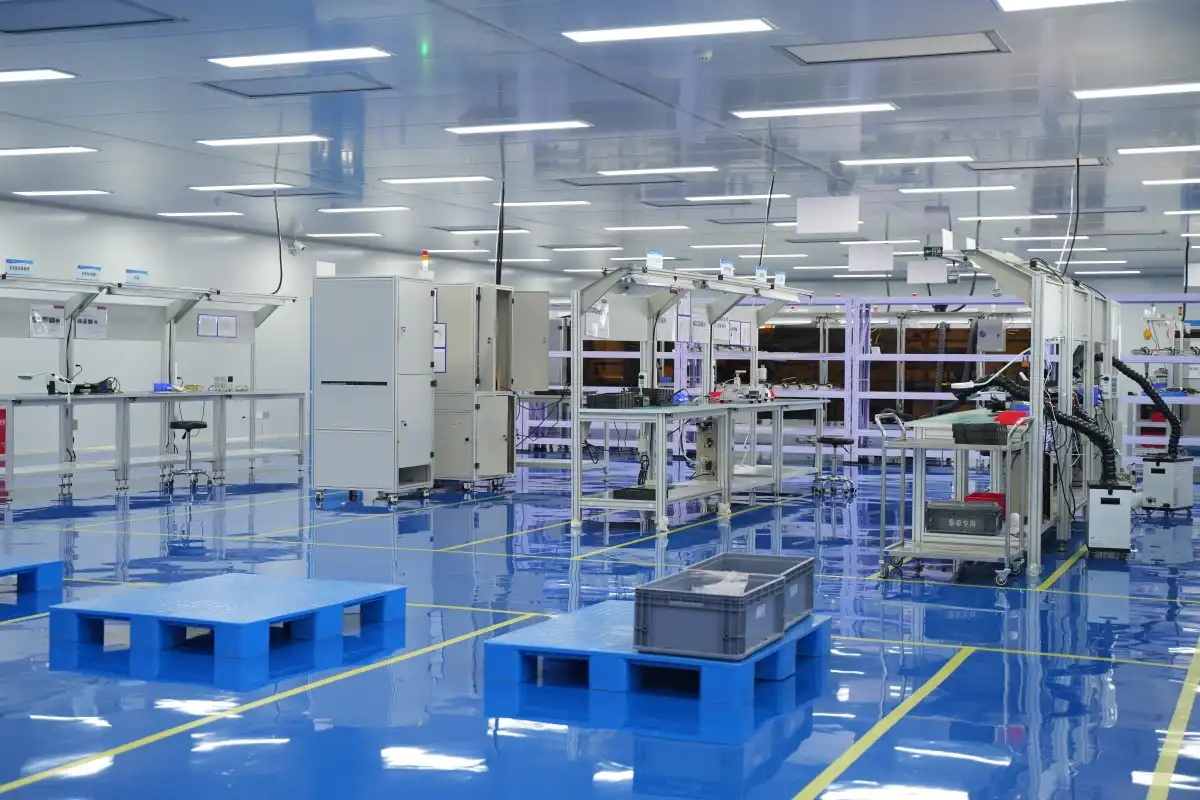
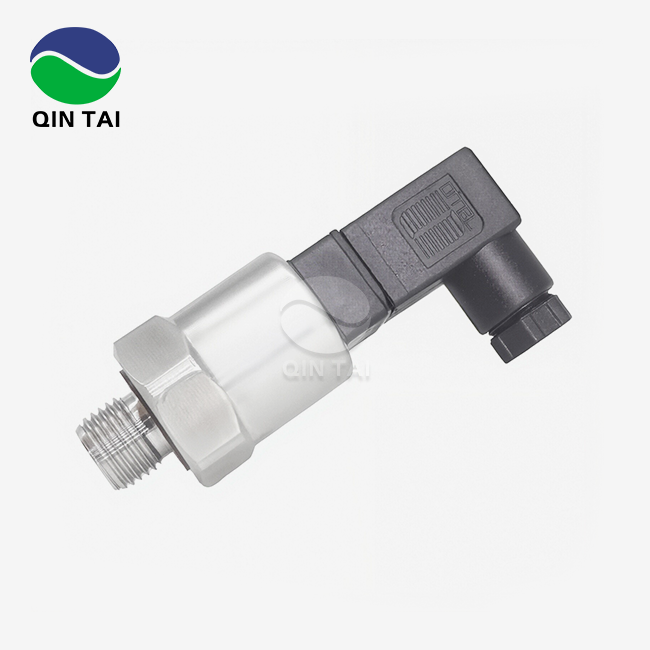
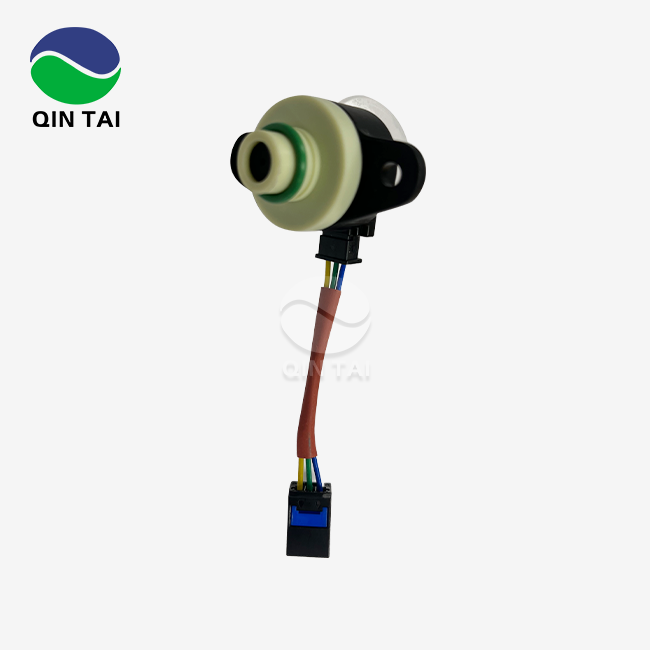
Precision measurements, dependability, and long-term supply partnerships that support production consistency are all things that are needed in industrial operations. Since 2001, Qintai has worked with the diesel engine and automotive businesses, learning a lot about how to use smart pressure transducers in tough situations. Our many qualifications, such as ISO9001, IATF16949, and foreign compliance approvals, show that we are committed to quality, which is something that B2B procurement managers value. As the main company that makes smart pressure transducers for big Chinese engine makers, we know what OEMs need in terms of both technical requirements and business standards.
Our independent research and development team is always improving the capabilities of our sensors while also allowing for easy customization to meet the specific needs of each application. Our professional team can help you find the right pressure monitors for industrial automation, hydraulic tracking, or emission control systems, from the beginning of the specification process to the end of the integration process. Get in touch with us at info@qt-sensor.com to talk about your pressure measurement needs and find out how our smart pressure transducer solutions make operations more reliable.
References
1. Chen, X., & Wang, L. (2022). Advanced Pressure Sensing Technologies for Industrial Automation. Industrial Instrumentation Press.
2. Martinez, R. (2021). Smart Sensors in Diesel Engine Emission Control Systems. Journal of Automotive Engineering, 135(4), 287-304.
3. Thompson, J., & Anderson, K. (2023). Industrial IoT Integration: Sensor Technologies and Applications. Manufacturing Technology Publishers.
4. European Commission. (2020). Euro VI Emission Standards: Technical Requirements and Compliance Guidelines. Publications Office of the European Union.
5. Peterson, M. (2022). Predictive Maintenance Strategies Using Smart Sensor Technologies. International Journal of Industrial Operations, 18(2), 145-167.
6. Zhang, Y., Liu, H., & Kumar, S. (2023). Calibration Methods and Accuracy Standards for Industrial Pressure Transducers. Measurement Science and Technology Review, 29(3), 412-428.

Our customers’ satisfaction speaks for our quality — contact us to experience the same reliable service.