- English
- French
- German
- Portuguese
- Spanish
- Russian
- Japanese
- Korean
- Arabic
- Greek
- German
- Turkish
- Italian
- Danish
- Romanian
- Indonesian
- Czech
- Afrikaans
- Swedish
- Polish
- Basque
- Catalan
- Esperanto
- Hindi
- Lao
- Albanian
- Amharic
- Armenian
- Azerbaijani
- Belarusian
- Bengali
- Bosnian
- Bulgarian
- Cebuano
- Chichewa
- Corsican
- Croatian
- Dutch
- Estonian
- Filipino
- Finnish
- Frisian
- Galician
- Georgian
- Gujarati
- Haitian
- Hausa
- Hawaiian
- Hebrew
- Hmong
- Hungarian
- Icelandic
- Igbo
- Javanese
- Kannada
- Kazakh
- Khmer
- Kurdish
- Kyrgyz
- Latin
- Latvian
- Lithuanian
- Luxembou..
- Macedonian
- Malagasy
- Malay
- Malayalam
- Maltese
- Maori
- Marathi
- Mongolian
- Burmese
- Nepali
- Norwegian
- Pashto
- Persian
- Punjabi
- Serbian
- Sesotho
- Sinhala
- Slovak
- Slovenian
- Somali
- Samoan
- Scots Gaelic
- Shona
- Sindhi
- Sundanese
- Swahili
- Tajik
- Tamil
- Telugu
- Thai
- Ukrainian
- Urdu
- Uzbek
- Vietnamese
- Welsh
- Xhosa
- Yiddish
- Yoruba
- Zulu
What Happens When a NOx Sensor Fails in Diesel Vehicles?
Emission monitoring is immediately hampered when a failed NOx sensor happens in diesel vehicles. The Engine Control Unit (ECU) stops being able to correctly measure the amount of nitrogen oxide in the exhaust gases. This causes warning lights to appear on the dashboard and the vehicle to go into limp mode to stop any more damage. There is a problem with this part that makes it harder to follow EPA and Euro VI rules. It also uses up to 15% more fuel and can cause expensive fines and vehicle downtime. Fleet managers risk having their operations interrupted, and OEM manufacturers risk production delays and warranty claims because sensors don't work properly.
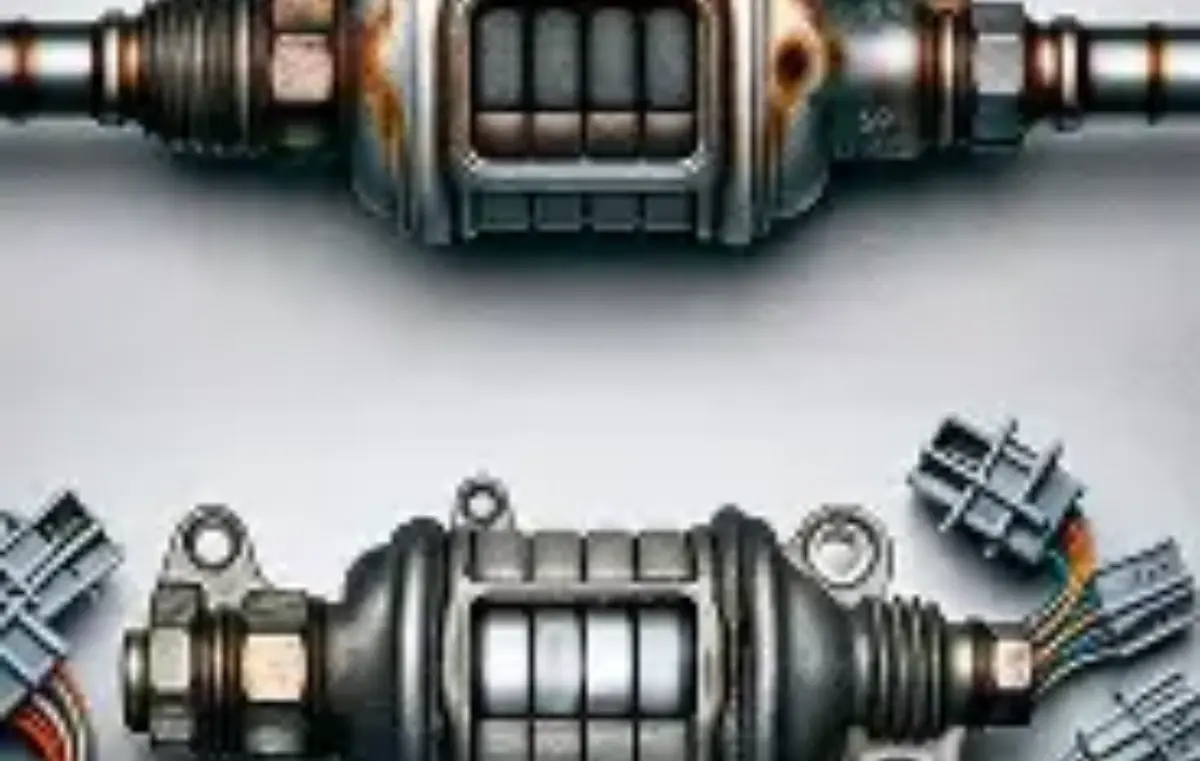
Understanding NOx Sensor Failures: Causes and Symptoms
To follow strict environmental rules, diesel engines need precise pollution control systems. NOx sensors are like the eyes of your aftertreatment system. They constantly check the levels of nitrogen oxide to make sure the Selective Catalytic Reduction (SCR) works at its best. Instead of measuring the amount of air to fuel like most oxygen sensors do, these special parts use dual-chamber ceramic technology to find NOx molecules and send real-time information to the engine control system.
Common Causes Behind Sensor Degradation
Environmental pollution is the main reason why sensors fail before they should. Deposits from exhaust particles, oil mist, and coolant leaks form on the sensor element, stopping gas flow and making measurements less accurate. This pollution happens very quickly in heavy construction equipment that works in dusty places, cutting the predicted sensor lifespan from 160,000 miles to less than 80,000 miles. Agricultural machine vibrations can loosen electrical connections, and going back and forth between very high and very low temperatures can wear down the ceramic base.
Recognizing Early Warning Signs
The most obvious sign that a sensor isn't working right is when the dashboard lights come on, but skilled technicians can also find problems with less obvious signs. The ECU adjusts the time of the injections to make up for wrong NOx readings, which can cause fuel efficiency to drop weeks before error codes show up. Diesel Exhaust Fluid (DEF) use going up is a sign that the system is trying to fix what it thinks is too much pollution. When sensors send erratic data to the SCR controller, fleet managers notice power loss during acceleration and rough idle patterns.
The Technical Function of NOx Measurement
It is important to get correct NOx readings at two key points in modern diesel engines with Selective Catalytic Reduction (SCR) systems: before the catalyst and after conversion. The sensor upstream checks the makeup of the raw exhaust, and the unit downstream checks how well the process is working. If either sensor fails, the system can't figure out the right DEF injection rates, which means that either too much urea is used or not enough emissions are reduced. This two-sensor design allows closed-loop control, which changes the strength of treatment based on how well it converts in real time instead of using set engine maps.
Diagnosing and Resetting NOx Sensor Problems
Correct evaluation keeps thousands of dollars from being wasted on replacing things that don't need to be replaced, such as a failed NOx sensor. Basic OBD-II readers don't give as much information about trouble codes as professional diagnostic tools do. These tools show voltage patterns, reaction times, and heater circuit integrity that regular tools don't, helping technicians accurately diagnose a failed NOx sensor before replacing it.
Systematic Diagnostic Procedures
Connect a scanner made by the manufacturer to read specific trouble codes for NOx sensor circuits. P2201 means that there are problems with the circuit's range or performance, and P2203 means that the heater circuit isn't working right. During normal use, voltage readings should go up and down between 0.2 and 4.8 volts. If the values stay the same at either end, it means that the sensor has died instead of drifting in calibration. When tested at room temperature, heater circuits should have a resistance of 4 to 8 ohms. Values outside of this range mean that the internal part is damaged and needs to be replaced instead of being restarted.
When do Reset Procedures Apply?
When you unplug the battery, the sensor adaptation values saved in the ECU are reset. This clears any temporary fault codes without fixing the underlying mechanical problems. This method only works when pollution or bugs in the software lead to wrong readings. Take the two battery leads apart, wait fifteen minutes for the capacitor to drain, then put them back together and do a restart cycle. During the next action, the ECU learns new standard values. But if there is damage to a real sensor, codes come back within 50 miles of driving. Fix the real issues, like exhaust leaks or DEF system problems, before you try to reset the sensors so that they don't fail again and again.
Real-World Diagnostic Scenarios
A construction fleet manager recently had to deal with multiple excavators showing the same P2201 code over and over again. The first diagnosis said that many sensors were failing, but a more in-depth voltage study showed that DEF with uneven quality was contaminating sensor elements. Changing to a urea solution that is in line with ISO 22241 fixed 80% of the problems without having to replace the sensors. In another case, farm trucks had NOx readings that were all over the place when they were cold starting. In subzero weather, engineers found that the heater circuit didn't have enough time to warm up. Software updates that extended the pre-heating time got rid of false codes and stopped parts from having to be changed that weren't needed.

Choosing the Right NOx Sensor for Your Diesel Fleet
Choice of sensors has a direct effect on fleet dependability and compliance costs over the long run. OEM parts are sure to work with other parts and come with a promise. Aftermarket parts, on the other hand, are cheaper but of lower quality. To make the choice, you have to weigh the original investment against all the costs that come up over the product's lifetime, such as installation work, failure rates, and regulatory risks.
Critical Selection Parameters
Accuracy in measurements is very important, especially for businesses that have to go through routine emissions tests. Sensors that meet ISO 11564 standards stay accurate within ±10% for the whole time they are working, making sure that they always follow the rules. Response time affects how well a system works when there are changing loads, which is common in construction and farming. High-quality sensors respond in less than 200 milliseconds, which allows for exact dosing of DEF during fast acceleration. The operating temperature range tells you if it's right for harsh settings. In desert areas, mining needs sensors that can handle exhaust temperatures of up to 850°C all the time. On the other hand, power production needs sensors that can stay stable during long times of inactivity at lower temperatures.
Manufacturer Landscape and Support Infrastructure
Bosch has the biggest piece of the global market because it has the most detailed documentation and the most parts are available through dealer networks. Their sensors work perfectly with major engine systems made by Cummins, Detroit Diesel, and other companies around the world. Denso has a lot of experience with tools made in Asia, and they can make options for Isuzu and Hino diesel engines, which are common in medium-duty truck markets. European makers can get specific sensors from Continental and Delphi Technologies that meet Euro VI standards. Regional support infrastructure is very important for foreign fleet operations that need to ship replacement parts quickly and get expert help from people in the area.
B2B Procurement Strategies for Volume Buyers
When you buy in bulk, you should talk about more than just unit prices. As for the warranty terms, make sure they cover both manufacturing flaws and early fails caused by problems with system integration. When you commit to buying 500 or more units a year, you can usually get 15 to 25 percent off and longer payment terms. Talk to your sellers about consignment inventory plans so that they keep stock at your facilities. This will keep you from having to wait for emergency orders. As part of big contracts, make sure that support staff get technical training. This will ensure proper installation and troubleshooting skills that lower the total cost of the system.
NOx Sensor Replacement and Maintenance Best Practices
The quality of the parts alone doesn't decide how long a failed NOx sensor will last; proper placement does. Specifications for torque, closing electrical connectors, and getting the exhaust system ready all have a big impact on failed NOx sensor efficiency. Preventive repair increases the time between replacements, which lowers the total cost of ownership by a large amount.
Sourcing and Compatibility Verification
When you buy sensors from approved sellers, you can be sure they are real and avoid the fake parts that are common in aftermarket channels. Check part numbers against the vehicle identification number and the engine serial number, as even small changes in specifications can make parts not work together. Before you place an order, compare the different types of connectors, thread specs, and wire lengths. Online markets have good prices, but there is a higher chance of fake goods. Suppliers that have been around for a while offer quality licenses and the ability to track batches, which are necessary for guarantee claims and regulatory paperwork.
Professional Installation Considerations
When taking apart an exhaust system, sensors can get dirty if the right steps aren't taken. Thoroughly clean threaded bosses to get rid of carbon deposits that stop them from closing properly and cause exhaust leaks that mess up measurements. Use an anti-seize substance that is made for high-temperature diesel fumes, but be careful not to get it on the sensor tip. Use measured tools to torque to the manufacturer's specs, which are usually between 40 and 50 Nm. Ceramic elements crack when they are over-tightened, and exhaust leaks happen when there isn't enough force. Keep electrical connections away from hot exhaust parts and use OEM clips to keep them in place against shaking. After installation, run forced regeneration cycles to set the ECU's standard calibration settings.
Preventive Maintenance Protocols
Diagnostic scans that are done regularly every 10,000 miles find sensor decay before it leads to total failure. Keep an eye on the voltage patterns for slow changes that could mean that contamination is building up. When engine makers release new software changes, they often include better tuning tables that make sensors last longer and work more accurately. Cover the electrical lines to keep water from getting on the sensors while they are being pressure washed. Check the DEF system parts every three months because crystals and contamination can affect sensor parts as they move through the aftertreatment system. Fix leaks in the exhaust system right away to keep it in good shape, since unmetered air messes up NOx readings and speeds up sensor wear.
Impact of NOx Sensor Failure on Emissions and Regulatory Compliance
Environmental rules about diesel pollution are getting stricter around the world, which makes sensor dependability a business-critical issue. A failed NOx sensor directly impacts compliance with real-time emissions monitoring required by EPA Tier 4 Final and Euro VI guidelines, and harsh fines are given for non-compliance. When a failed NOx sensor occurs, it can leave you legally responsible for more than just the operational problems it causes.
Environmental and Economic Consequences
When sensors don't work right, nitrogen oxide pollution can go over the legal limits by 300 to 500%, which is against most places' air quality standards. The EPA fines vehicles up to $4,527 a day for messing with pollution controls or driving while tracking systems are turned off. During roadside checks, fleet workers are looked at more closely, and vehicles with failed sensor codes are taken out of service right away until fixes are made.
Fines aren't the only thing that insurance affects; environmental liability coverage may not cover claims related to operating equipment that doesn't meet emission standards. Over time, companies lose a lot of money because their fuel economy goes down. Without accurate NOx input, engine control units automatically set themselves to safe settings that lower efficiency to protect emissions. This causes diesel use to rise by 10–15% and DEF efficiency to drop by the same amount.
Technological Advancements and Future Outlook
Next-generation sensors have self-diagnostic features and are made to be immune to contamination, which greatly increases the time between service visits. Silicon nitride ceramic plates are better at handling temperature shock than regular aluminum oxide materials. This makes them last longer in tough situations. Integrated wireless connection lets you check on the health of sensors from afar, which makes predictive maintenance plans easier and stops problems before they happen.
Using microelectromechanical systems technology, the automotive industry is making solid-state NOx sensors that will be more accurate and cost less to make. IoT-enabled fleet management platforms now combine sensor data with maintenance scheduling systems. This means that new parts are ordered instantly before they break, and service times are optimized based on real-world conditions instead of set mileage plans.
Conclusion
When a failed NOx sensor occurs in diesel pollution systems, it causes a chain of problems that make it harder to follow the rules, raise costs, and make the fleet less reliable. Your investment is safe if you understand how a failed NOx sensor happens, use organized diagnostic methods, and choose high-quality replacement parts from reliable manufacturers. Proper installation and preventative maintenance make sensors last a lot longer and ensure consistent pollution control performance. As rules get stricter worldwide and technology improves, working with experienced suppliers who offer full expert support becomes increasingly valuable. Predictive maintenance enabled by smart devices and data analytics represents the future of diesel emissions management, shifting from reactive fixes to proactive fleet optimization.
FAQ
What are the first signs indicating NOx sensor malfunction in diesel engines?
Initially, warning lights on the dashboard and higher DEF use are the first signs. Less fuel economy usually comes before warning codes by a few weeks. As the ECU tries to fix incorrect pollution readings, experienced drivers notice a loss of power when the engine speeds up and a rougher idle quality.
How often should NOx sensors be replaced in heavy-duty applications?
Under normal situations, repairs should be done every 150,000 to 200,000 miles. Heavy-duty uses like construction, mining, and farming machinery may need to be replaced every 80,000 to 120,000 miles because they are exposed to more dirt and pressure. The actual times depend a lot on the type of fuel used, the setting in which the engine is used, and how often it is maintained.
Can a faulty NOx sensor damage other emission system components?
When the ECU gets bad information, which leads to wrong DEF injection rates, this is called indirect damage. When too much urea is added, it crystallizes in the catalyst, which lowers its effectiveness and could mean that it needs to be cleaned or replaced, which can be very expensive. If the dose isn't right, high amounts of NOx can happen, which speeds up the breakdown of the catalyst. When sensors work right, they keep the whole aftertreatment system from wearing out too quickly.
Partner with Qintai for Reliable NOx Sensor Solutions
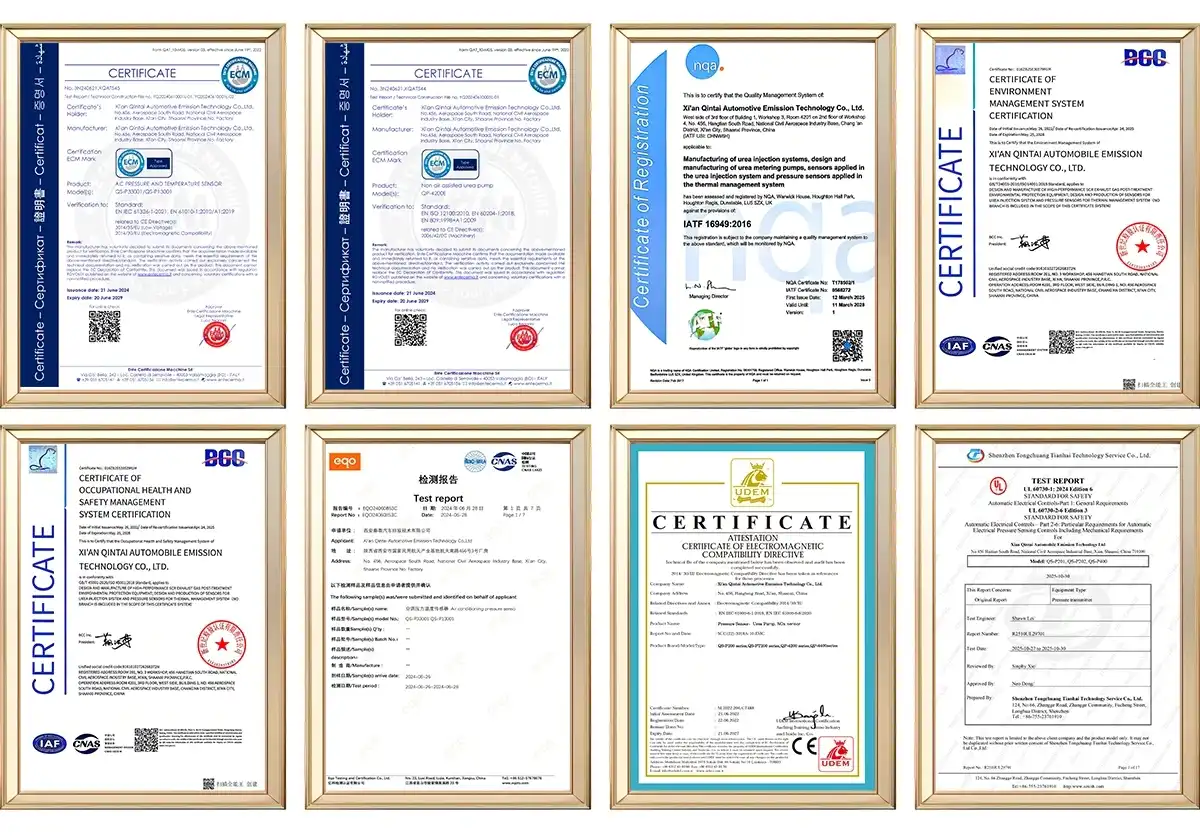
Qintai makes industrial-grade NOx sensors that are designed to work with diesel engines in heavy vehicles, construction equipment, and power plants. Our ISO 9001 and IATF 16949-certified manufacturing makes sure that the quality is always high enough to meet Euro VI and EPA emission standards. We are the biggest NOx sensor supplier in China and have partnerships with Weichai Power, Yuchai Power, and Quanchai Power.
This means we know how important it is for OEM manufacturers and aftertreatment system integrators that sensors work well. Our full insurance coverage and bulk discount programs help B2B buying strategies that focus on keeping costs low and working together for a long time. Get in touch with our expert team at info@qt-sensor.com to talk about custom sensor solutions, making sure they work with your engine platforms, and repair service packages that make parts last longer and improve fleet performance.
References
1. Society of Automotive Engineers. (2021). Diesel Exhaust Emission Control: NOx Sensor Technology and Applications. SAE International Technical Paper Series.
2. Environmental Protection Agency. (2020). Heavy-Duty Vehicle and Engine Emission Regulations: Compliance Requirements and Testing Protocols. EPA Office of Transportation and Air Quality.
3. Johnson, T. V. (2019). Diesel Emission Control Technology: 2019 in Review. SAE International Journal of Engines, 13(2), 152-179.
4. International Organization for Standardization. (2018). ISO 11564: Exhaust Gas Measurement Equipment - NOx Sensors for Diesel Engine Applications. Geneva: ISO Standards.
5. Majewski, W. A., & Khair, M. K. (2022). Diesel Emissions and Their Control. Warrendale: SAE International Publications.
6. Zhang, L., & Wang, J. (2020). Review of NOx Sensor Technologies for Modern Diesel Engine Emission Control Systems. Automotive Engineering International, 45(3), 287-304.

Our customers’ satisfaction speaks for our quality — contact us to experience the same reliable service.