- English
- French
- German
- Portuguese
- Spanish
- Russian
- Japanese
- Korean
- Arabic
- Greek
- German
- Turkish
- Italian
- Danish
- Romanian
- Indonesian
- Czech
- Afrikaans
- Swedish
- Polish
- Basque
- Catalan
- Esperanto
- Hindi
- Lao
- Albanian
- Amharic
- Armenian
- Azerbaijani
- Belarusian
- Bengali
- Bosnian
- Bulgarian
- Cebuano
- Chichewa
- Corsican
- Croatian
- Dutch
- Estonian
- Filipino
- Finnish
- Frisian
- Galician
- Georgian
- Gujarati
- Haitian
- Hausa
- Hawaiian
- Hebrew
- Hmong
- Hungarian
- Icelandic
- Igbo
- Javanese
- Kannada
- Kazakh
- Khmer
- Kurdish
- Kyrgyz
- Latin
- Latvian
- Lithuanian
- Luxembou..
- Macedonian
- Malagasy
- Malay
- Malayalam
- Maltese
- Maori
- Marathi
- Mongolian
- Burmese
- Nepali
- Norwegian
- Pashto
- Persian
- Punjabi
- Serbian
- Sesotho
- Sinhala
- Slovak
- Slovenian
- Somali
- Samoan
- Scots Gaelic
- Shona
- Sindhi
- Sundanese
- Swahili
- Tajik
- Tamil
- Telugu
- Thai
- Ukrainian
- Urdu
- Uzbek
- Vietnamese
- Welsh
- Xhosa
- Yiddish
- Yoruba
- Zulu
What Does a Urea Sensor Do in Diesel Emission Systems?
When strict pollution rules like EPA 2010 and Euro VI changed the diesel industry, a small but important part became the watchdog of compliance: the diesel urea sensor. This gadget checks the quality and amount of Diesel Exhaust Fluid (DEF) in Selective Catalytic Reduction (SCR) systems to make sure that NOx emissions fall to the levels required by law. These sensors are essential for heavy trucks, construction equipment, and industrial power generation because they constantly measure AdBlue properties like urea concentration, temperature, and fluid conductivity. This allows for precise dosing adjustments that protect both the environment and engine performance.
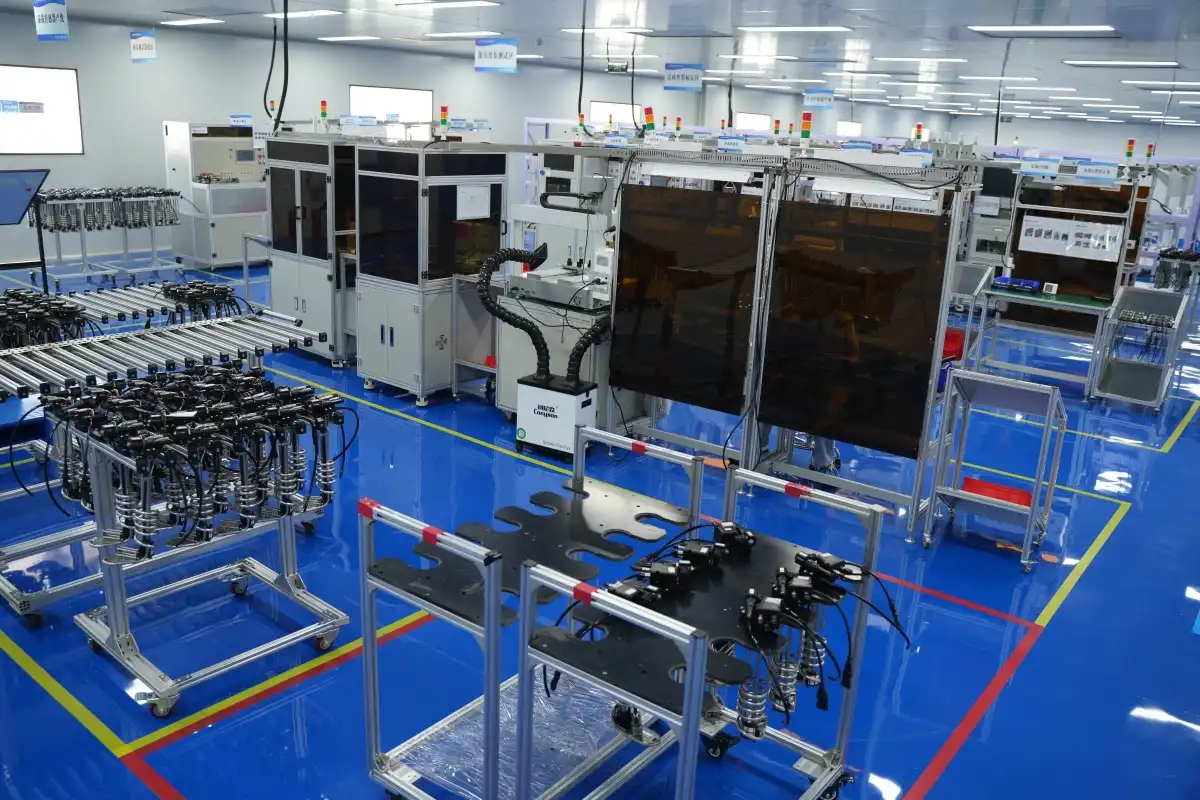
Understanding the Diesel Urea Sensor: Function and Importance
How Diesel Urea Sensors Work in SCR Systems?
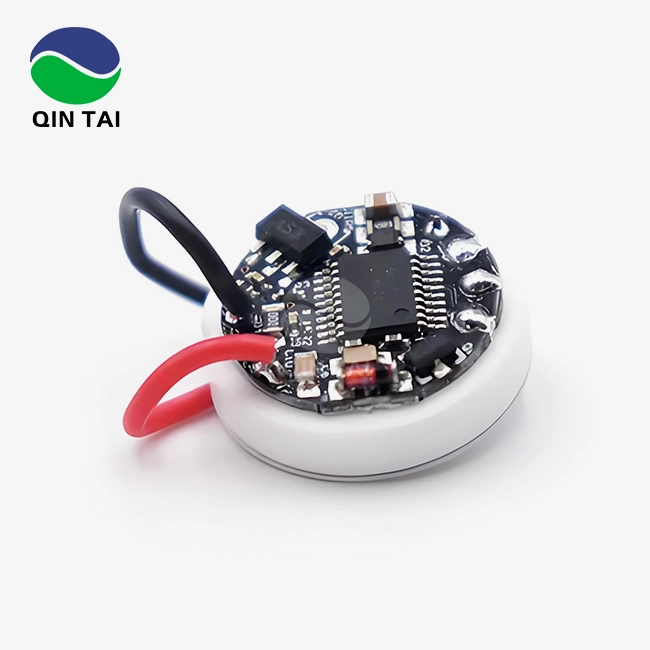
To change dangerous nitrogen oxides into safe nitrogen and water vapor, modern SCR technology depends on precise DEF input. The diesel urea sensor is placed inside the DEF tank or supply line. It checks the quality of the fluid in real time using visual, capacitive, or ultrasonic methods. The sensor tells the engine control unit (ECU) to change the dose rates or sound an alarm when the urea concentration is not at the needed 32.5% level. This feedback loop stops damage to the catalyst, makes sure that emission standards are met, and gets the most fuel economy out of the engine under all kinds of load situations.
Strategic Placement and Operational Lifespan
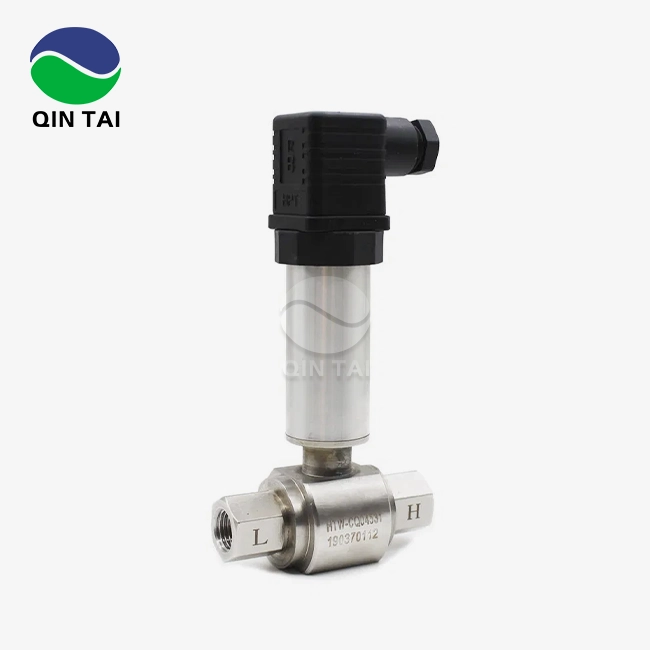
Placement of sensors has a direct effect on how accurate measurements are. Sensors on the tank check the quality of DEF that has been kept, and sensors in the line check the properties of the fluid right before it is injected. In normal situations, most good sensors work successfully for 100,000 to 150,000 kilometers. However, if they are exposed to dirty AdBlue or very high temperatures, this time can be cut short. Engineers should plan for regular checks to happen during repair windows. This is especially important for demanding uses like mining equipment or backup generators, where stress from the environment speeds up wear.
Impact on Engine Performance and Regulatory Compliance
In addition to controlling pollution, these sensors affect how well the whole engine works. If you get the numbers wrong, you could end up over-dosing (which burns DEF and could cause ammonia slip) or under-dosing (which can cause limp-mode derate and fines). Studies show that systems with less accurate measurements use 3–5% more fuel than systems with sensors that are properly set. To meet China VI or U.S. EPA standards, you need more than just working sensors. You also need parts with certifications that can be tracked and performance data that can be recorded. These are important things to think about when evaluating suppliers.
Common Issues and Troubleshooting Diesel Urea Sensors
Recognizing Failure Symptoms and Diagnostic Codes
Professionals often notice a number of danger signs, such as DEF-related messages on the dashboard, rapid drops in engine power, or higher DEF usage. Some common diagnostic trouble codes (DTCs) are P20EE (SCR efficiency below threshold), P203F (bad urea quality), and P207F (range problems with the tank level monitor). It takes a lot of testing—sampling DEF for refractometer analysis while keeping an eye on sensor voltage outputs under controlled conditions—to tell the difference between a diesel urea sensor that isn't working right and fluid that is contaminated.
Preventive Maintenance Best Practices
To make sensors last longer, external factors need to be taken into account ahead of time. Drift in optical sensors is usually caused by crystallization from dried urea deposits. To stop this from happening, the tank should be flushed out every time DEF is refilled. Capacitive sensors can be kept safe from damage caused by freezing in cold places by making sure tank heaters work properly. Recording initial sensor data when the system is brand new sets a standard for performance, which lets support teams spot gradual failure before it happens all at once. Managers in charge of buying things should make sure that new sensors come with calibration certificates that match the requirements set by the OEM.
Efficient Problem Isolation Strategies
Structured methods help expert teams figure out what's wrong. First, check the quality of the DEF on your own—contaminated fluid often looks like a sensor failure. Next, if you're working with off-road equipment, check the electrical lines for rust or water getting in. If the voltage at the sensor output stays the same when the temperature changes, but the DTCs keep showing up, look into parts further down the line, such as the dose module or NOx sensors. Keeping detailed repair logs helps find trends of failures that lead to better inventory management and reviews of supplier performance.
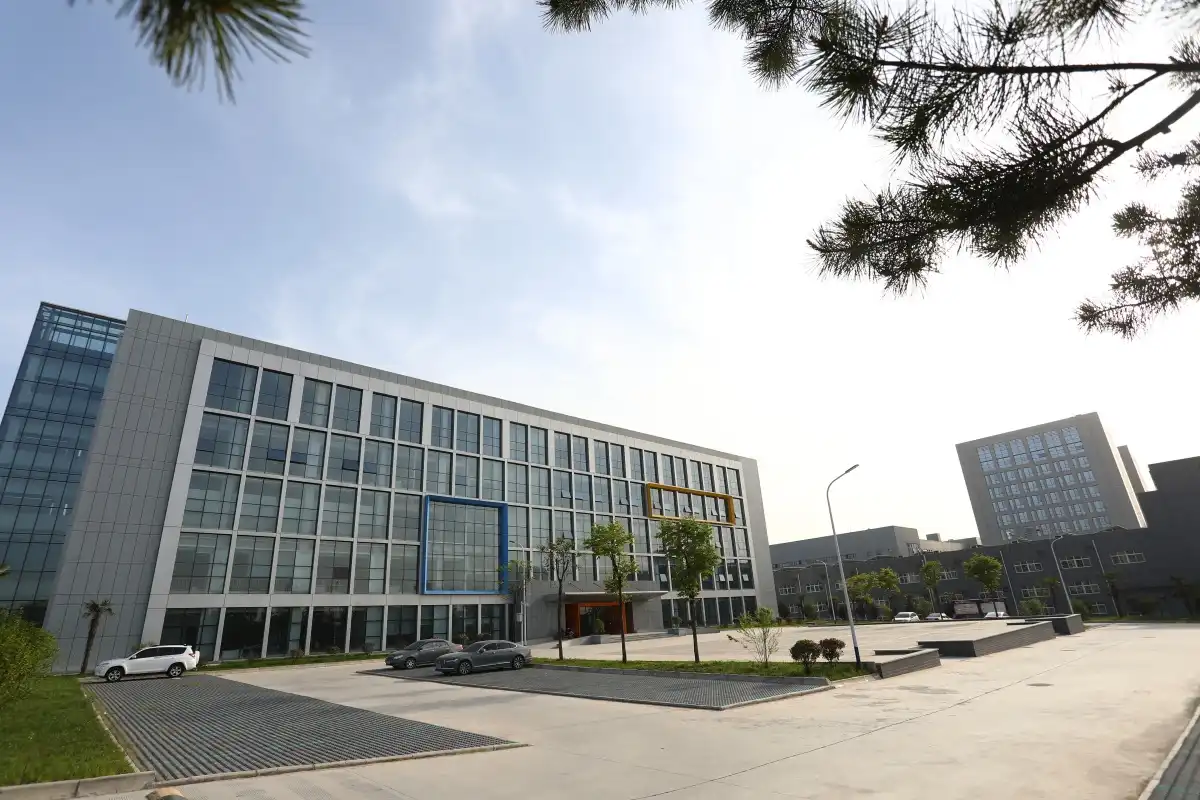
Comparing Diesel Urea Sensors: Brands, Types, and Performance
Leading Manufacturers and Technical Specifications
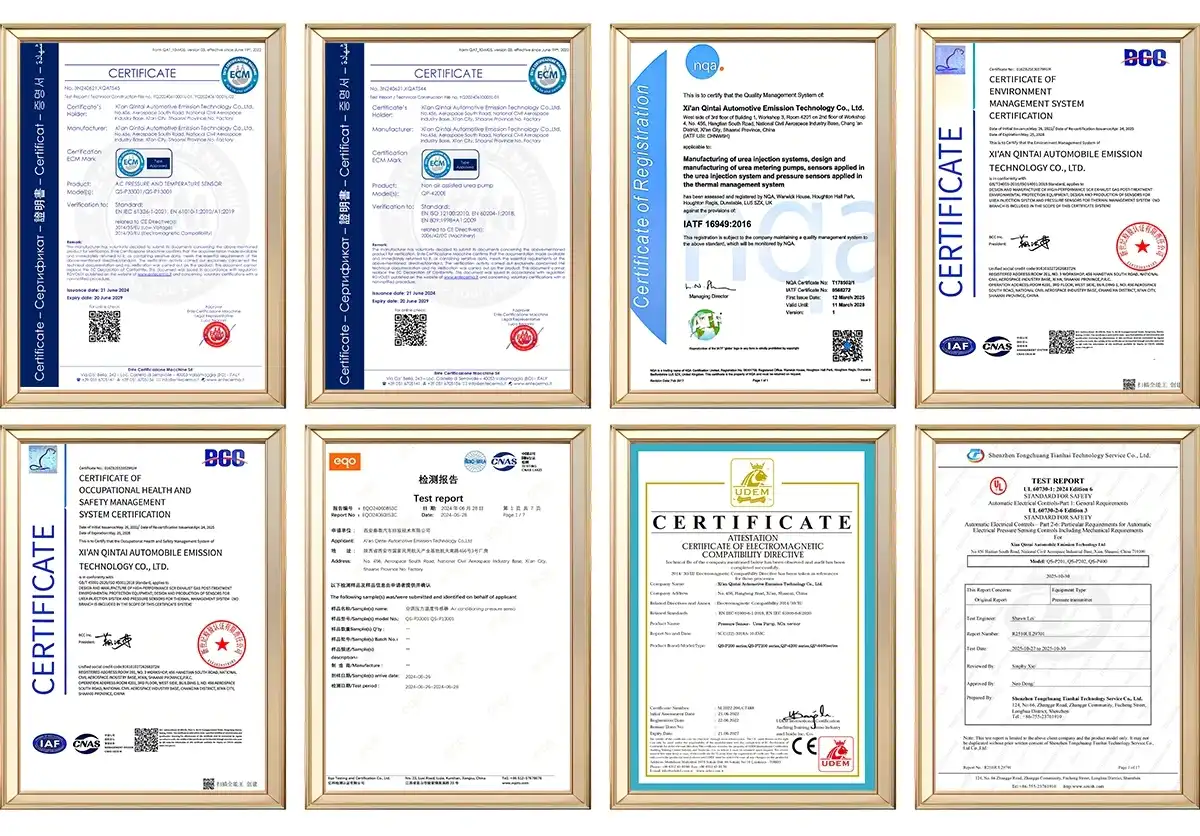
There are well-known companies in the market, such as Bosch, Continental, and Denso, that all make diesel urea sensors that are best for different uses. With strong EMI protection, Bosch units work best in heavy-duty trucks, while Continental sensors work better with complex driver-assistance systems. Chinese suppliers like Xi'an Qintai have become well-known thanks to their OEM partnerships with Weichai and Yuchai. They offer low prices and have ISO9001 and IATF16949 certifications. When engineers are looking at different options, they should compare the measurement range (which is usually -40°C to 85°C), the response time (which should be less than 5 seconds for important uses), and the ability to work with current CAN bus protocols.
Distinguishing Urea Sensors from NOx Sensors
Getting these different parts mixed up can lead to procurement mistakes. The diesel urea sensor checks the qualities of DEF before it is injected, mainly the temperature and concentration of the fluid. NOx monitors placed in the exhaust stream measure the real amounts of emissions after the cleaning process. Both give important input to the ECU, but they do different things that support each other. To avoid expensive mistakes during mass production procurement, purchasing managers should compare part numbers to the specifications of the car or engine family.
OEM Versus Aftermarket: Balancing Cost and Reliability
OEM sensors ensure that they will fit and work well, but they cost more. Aftermarket options cut initial costs by 30 to 50 percent, making them appealing to repair shops and fleet owners on a tight budget. But aftermarket reliability varies a lot. Reliable sellers offer independent test results and warranties that match or go beyond OEM terms. When engineers look at aftermarket sources, they should ask for failure rate data and make sure that the products meet SAE J1939 or ISO 22241 standards to make sure they will work with future software changes for emission systems.
Procuring Diesel Urea Sensors: How to Make the Right Choice?
Critical Evaluation Criteria for B2B Buyers
When choosing providers, dependability is the most important thing. Ask for proof of the mean time between failures (MTBF) and the temperature ranges that work best for your application. It's not just about the same size—make sure that the signals sent by the diesel urea sensors match the ones that the ECU needs and that any changes you make don't affect the tuning. Reputation of the supplier is important. Well-known companies with car quality management systems (IATF16949) show mature processes that keep batch-to-batch differences to a minimum during mass production runs.
Pricing Models and Volume Purchasing Advantages
Sensor prices are usually set in tiers, with prototypes costing more, trial production amounts costing less, and contracts for mass production getting discounts of 20 to 35 percent. By negotiating yearly deals with expected amounts, you can keep supply lines stable and lock in good rates. Pay close attention to hidden costs. For example, some providers charge extra for calibration services, expert documents, or faster shipping. Getting to know makers that offer all-in-one help, like Qintai's OEM/ODM services, makes these things easier to handle all at once.
Global Sourcing and Logistics Considerations
Lead times range from two weeks for basic parts to three months for sensors that are set just for you. When managing foreign sourcing, procurement teams should think about how long it takes to ship, clear customs, and check goods. Suppliers with regional warehouses can lower the cost of emergency purchases, which is very important for secondary wholesalers that need to keep their service promises. Checking the financial health and production capacity of suppliers helps keep things running smoothly during times of high demand, especially when serving multiple engine platforms across heavy truck and generator set product lines.
Optimizing Diesel Emission Systems with Advanced Urea Sensors
The Accuracy-Efficiency Connection
The accuracy of the measurements has a direct effect on how well the system works. When compared to devices with a ±5% range, diesel urea sensors with ±2% accuracy allow for tighter dose control, which cuts DEF waste by up to 8%. This change leads to real savings: at current U.S. prices, a business fleet that uses 3,000 liters of DEF a year saves $240 while still meeting emission standards. Modern sensors with temperature adjustment algorithms stay accurate even when the weather changes drastically from deserts in Arizona to winter in Canada. This is very important for equipment that works in a wide range of climates.
Emerging Technologies Shaping Future Developments
Adding IoT systems to sensors is changing what they can do. Modern devices send data to fleet management systems in real time, which lets predictive maintenance algorithms predict breakdowns weeks before they happen. Wireless connection makes wiring easier in engine bays that aren't very big, and encrypted data streams help protect connected car designs from security threats. New materials, like clay elements that don't crystallize when exposed to urea and marine-grade finishes that don't corrode, make things last longer and cost less to own overall.
Preparing for Evolving Regulatory Landscapes
As pollution standards get stricter around the world, so do the needs for sensors. The EPA's future Phase 3 rules on greenhouse gases and possible Euro VII standards will call for even more NOx reduction, which will put more pressure on SCR systems to work better. Manufacturers are set up for smooth changes with sensors that respond faster and measure over a wider range. When engineers define parts today, they should make sure that the sources they're working with have active research and development programs. Companies like Qintai, which has 58 invention patents, show a strong commitment to technology advancements that protect investment longevity.
Conclusion
The diesel urea sensor is the precise device that makes sure SCR systems meet pollution standards and work as efficiently as possible. In addition to its major job of checking the quality of DEF, this part also allows for predictive maintenance by connecting to the internet of things (IoT). It has an impact on compliance, cost control, and competitive edge in heavy-duty diesel applications. To make sure the procurement process goes smoothly, technical requirements must be balanced with the supplier's skills. This means looking at things like certifications, compatibility, and long-term support infrastructure. Partnering with manufacturers that have a track record of reliability and innovation is becoming more important for both business success and environmental duty as emission rules get stricter and technology improves.
FAQ
What maintenance intervals apply to diesel urea sensors?
Heavy trucks should have their diesel urea sensors checked every 100,000 kilometers, and fixed generator sets should have them checked every 50,000 hours. Replace any sensors whose voltage output drifts beyond what the maker says is acceptable or that set off repeated DTCs. Using a refractometer to check the quality of the fluid at each repair interval is important because contaminated DEF speeds up the breakdown process.
Can aftermarket sensors match OEM performance standards?
When properly adjusted, quality aftermarket sensors that meet SAE J1939 and ISO 22241 standards work about as well as OEM units. Make sure that providers give you test results that show their products are accurate to within ±2% and stable at all temperatures. Warranty coverage and the ability to get technical help are often ways to tell the difference between good aftermarket sources and bad ones.
How do environmental conditions affect sensor longevity?
The main things that cause stress are high temps, pressure, and dirty DEF. Dust and shocks can shorten the life of sensors in mine equipment by 30 to 40 percent compared to sensors used in highway trucks. These environmental problems can be solved by choosing industrial-grade parts with IP67 or better ingress protection and strong building materials.
Partner With Qintai for Reliable Diesel Urea Sensor Solutions
When choosing a diesel urea sensor provider, you need to be sure of their quality, compliance, and shipping reliability. Xi'an Qintai Automotive Emission Technology Co. Ltd has been a major OEM supplier to Weichai Power, Yuchai Power, and Quanchai Power for over twenty years and has a lot of experience with SCR systems. Our sensors have a lot of standards, like IATF16949, ISO9001, and REACH. They also have 58 idea patents that show they are always getting better.
Our engineering team offers quick technical help and flexible ODM services, whether you need standard parts or custom interfaces for unique uses. Procurement managers like that our prices are fair for large orders and that our product is always available. Get in touch with info@qt-sensor.com to talk about your emission system needs with a reputable diesel urea sensor maker that wants to help you meet your performance and safety requirements.
References
1. Johnson, M. & Peterson, R. (2022). "Selective Catalytic Reduction Systems: Technology and Application in Heavy-Duty Diesel Engines." SAE International Journal of Engines, 15(3), 412-428.
2. Environmental Protection Agency. (2021). "Diesel Emission Control: Technology and Compliance Strategies for Commercial Vehicles." EPA Report 420-R-21-005, Washington, DC.
3. Schmidt, H., Zhang, L., & Kumar, A. (2023). "Sensor Technologies for Automotive Emission Control: Performance Evaluation and Future Trends." Automotive Engineering International, 131(2), 34-47.
4. International Organization for Standardization. (2020). "ISO 22241: Diesel Engines - NOx Reduction Agent AUS 32 - Quality Requirements." Geneva, Switzerland.
5. Williams, T. & Chen, X. (2023). "Predictive Maintenance in SCR Systems: IoT Integration and Data Analytics Applications." Journal of Commercial Vehicle Technology, 8(4), 201-215.
6. Continental Automotive GmbH. (2022). "Urea Quality Sensors: Technical Specifications and Application Guidelines for Emission Aftertreatment Systems." Technical Documentation Series, Regensburg, Germany.
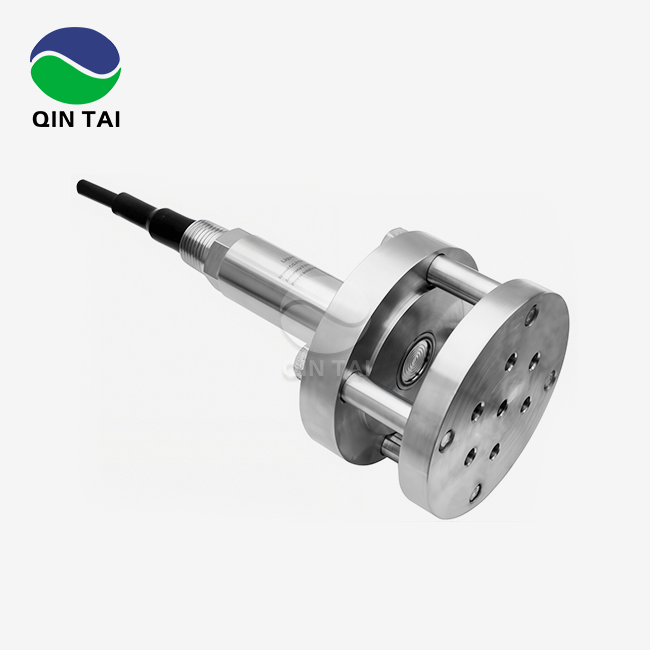

Our customers’ satisfaction speaks for our quality — contact us to experience the same reliable service.