- English
- French
- German
- Portuguese
- Spanish
- Russian
- Japanese
- Korean
- Arabic
- Greek
- German
- Turkish
- Italian
- Danish
- Romanian
- Indonesian
- Czech
- Afrikaans
- Swedish
- Polish
- Basque
- Catalan
- Esperanto
- Hindi
- Lao
- Albanian
- Amharic
- Armenian
- Azerbaijani
- Belarusian
- Bengali
- Bosnian
- Bulgarian
- Cebuano
- Chichewa
- Corsican
- Croatian
- Dutch
- Estonian
- Filipino
- Finnish
- Frisian
- Galician
- Georgian
- Gujarati
- Haitian
- Hausa
- Hawaiian
- Hebrew
- Hmong
- Hungarian
- Icelandic
- Igbo
- Javanese
- Kannada
- Kazakh
- Khmer
- Kurdish
- Kyrgyz
- Latin
- Latvian
- Lithuanian
- Luxembou..
- Macedonian
- Malagasy
- Malay
- Malayalam
- Maltese
- Maori
- Marathi
- Mongolian
- Burmese
- Nepali
- Norwegian
- Pashto
- Persian
- Punjabi
- Serbian
- Sesotho
- Sinhala
- Slovak
- Slovenian
- Somali
- Samoan
- Scots Gaelic
- Shona
- Sindhi
- Sundanese
- Swahili
- Tajik
- Tamil
- Telugu
- Thai
- Ukrainian
- Urdu
- Uzbek
- Vietnamese
- Welsh
- Xhosa
- Yiddish
- Yoruba
- Zulu
What Causes Urea Pressure Sensor Failure in Diesel Engines
Urea Pressure Sensors fail primarily due to urea crystallization within internal chambers, which creates deposits that obstruct diaphragms and degrade signal accuracy. Mechanical pressures from vibration, heat cycles (going from very hot to very cold), and corrosion at electrical connections also play a big role. Environmental factors, such as chemical and water exposure, speed up the breakdown of parts. Electrical faults caused by damaged wires or electromagnetic interference stop contact with engine control units. Understanding these ways that things can go wrong helps procurement managers and technical teams choose strong sensors and put in place preventative maintenance plans that make things last longer and keep emissions legal.
Introduction
Modern diesel emissions control is based on Selective Catalytic Reduction devices, which change dangerous nitrogen oxides into safe nitrogen and water vapor. A key part of these systems that is often forgotten is the Urea Pressure Sensor that checks the supply of Diesel Exhaust Fluid. When this sensor stops working, the whole plan for controlling emissions falls apart, which can lead to problem codes, engine deceleration, and possible violations of the law.
We've seen a huge number of fleets and factories deal with sensor problems that keep happening and slow down work while raising repair costs. When deciding between initial sensor prices and long-term reliability, purchasing managers have to make tough choices. Meanwhile, research and development engineers have to choose parts that can work in harsh conditions in big trucks, construction equipment, farming machinery, and generator sets. This in-depth study looks into the reasons why sensors fail and gives useful advice on how to choose, keep, and handle problems with these important parts.
Understanding Urea Pressure Sensors and Their Role in Diesel Engines
How Pressure Sensors Enable Precise DEF Dosing?
A Urea Pressure Sensor changes the mechanical pressure in the dosing system into voltage signs that the engine control unit can understand. This constant feedback loop lets the system change the injection rates on the fly, in response to changes in the engine's load and working conditions. The sensor usually has a piezoresistive element that is covered by a diaphragm and comes into touch with the fluid. This element changes resistance, which in turn creates a proportional voltage output.
Modern SCR systems need to be very accurate because even small mistakes in dosing can have big effects. If you don't inject enough DEF, NOx emissions can go over the limits set by regulators. On the other hand, if you dose too much, you lose fluid and can damage catalysts further downstream. The sensor must be able to record both negative pressures during priming sequences and positive pressures higher than 130 psi during maximum dose events.
Integration Within Complete SCR Architectures
The storage tanks, supply units, pumps, injectors, and control electronics all work together with these sensors to make the whole system work. The reading of the pressure helps the control unit figure out more than one problem, not just how accurate the dose is. Pressure drops quickly when supply lines are leaking or when seals fail. On the other hand, high pressures that last for a long time mean that urea crystals or frozen fluid are blocking the flow. When a pump's performance starts to decline, it shows up as strange pressure patterns during dosing rounds. This lets maintenance be planned ahead of time, before the pump breaks down completely.
Critical Performance Parameters for Industrial Applications
Generator sets that are used in mines, power plants, and backup power situations have special needs when it comes to pressure monitors. For these systems to work, the parts need to be industrial-grade and accurate for thousands of hours without needing to be re-calibrated. Stable temperature is very important because outdoor systems go through daily temperature changes and engine rooms get hot when they're working hard. Even with these loads, the sensor has to keep its calibration so that it can give accurate results that support reliable emission control for the whole life of the equipment.
Common Causes of Urea Pressure Sensor Failure
Urea Crystallization and Internal Contamination
Diesel Exhaust Fluid is made up of 32.5% urea mixed with deionized water. When the water disappears, the solution quickly crystallizes. During times when the Urea Pressure Sensor is not being used, fluid that is sitting still slowly evaporates inside the measurement box, leaving behind solid urea deposits. As more of these crystals build up on the sensing diaphragm, they cause mechanical interference that stops the transfer of exact pressure and, in the end, the signal fails completely.
When systems don't have proper cleanup routines after shutdown, the crystallization process speeds up by a huge amount. When engines stop quickly without giving the control system a chance to clear any remaining fluid from the supply lines, DEF that gets stuck in sensor tanks evaporates due to thermal cycling. Quality sensors have smooth internal shapes and minimal dead volumes to cut down on crystallization sites. However, even the most advanced designs can get deposits if the system doesn't have enough purge procedures or if the fluid used is contaminated or doesn't meet specifications.
Mechanical Damage From Operating Stresses
Heavy-duty diesel uses put constant mechanical stress on every part, which breaks down sensitive sensors over time. Sensor housings, mounting frames, and internal parts get worn out over time from vibrations from the engine and the car moving. The electrical connector, which is usually the weakest mechanical link, is bent over and over, which damages the crimp connections and wears out the wire where it enters the body of the connector.
Damage to sensor housings and threaded connections can be caused by road debris, repair work, or mistakes during installation. In many cases, we've seen that using too little force during installation breaks threads or crushes sealing surfaces, making holes in the seal that let water in. When safety seals fail, connector pins corrode. This makes electrical links that come and go, which causes false readings and diagnostic trouble codes.
Electrical Failures and Signal Degradation
Most sensors give off an analog voltage that is usually between 0.5 and 4.5 VDC. This voltage can still be affected by electrical interference and wiring problems. Noise on signal lines can be caused by electromagnetic interference from alternators, starter motors, and electronic control modules. This can lead to erratic pressure readings that make control systems lose their way. When the covering on wires gets damaged, they can short circuit to ground or power sources. This sends signals outside of their normal range, which immediately finds faults.
As parts get older, the piezoresistive parts inside the sensor break down. This leads to signal drift, which shows up as small calibration mistakes over time. The P204B trouble code is usually caused by this age process instead of a catastrophic failure. Gold-plated connections are more resistant to corrosion than regular brass links. This makes the electrical system more reliable in harsh settings where chemicals and weather can damage contacts faster.
Environmental Stressors and Chemical Exposure
Extremes of operating temperature can damage both sensor materials and electronics at the same time. When it gets cold outside, DEF freezes, which causes its volume to grow by 9%, putting huge loads on parts inside the sensor. Good designs have flexible buffering structures that can handle this growth without permanently changing shape. However, many sensors don't have enough freeze protection, so after freeze-thaw cycles, the diaphragm breaks or the case cracks.
When running at high temperatures for a long time while being full, it causes new problems. High temperatures speed up the aging process of sensor electronics, and differences in thermal expansion between different materials cause mechanical forces at the points where they connect. Chemical resistance is very important because even small amounts of hydrocarbon pollution or wrong DEF formulas can damage metal parts and sealing materials, speeding up corrosion and leading to early failures that need a whole new sensor.
Troubleshooting and Maintenance to Prevent Sensor Failure
Interpreting Diagnostic Codes and System Indicators
Modern engine control systems have advanced monitoring tools that help maintenance teams find problems with Urea Pressure Sensors before they lead to pollution violations or engine derates. Fault codes linked to circuit continuity show issues with the wires or a total failure of the sensor. Range and performance codes, on the other hand, show that the accuracy has been lowered due to contamination or old parts. Using scan tools to directly check the voltage at the sensor output shows sporadic faults that don't set off saved codes but still slow down the system.
When the SCR system finds problems, dashboard signs let workers know right away. When the pollution system fails, the failure indicator lamp lets drivers know, and when the DEF system fails, it warns them of low fluid levels or quality problems. If you don't pay attention to these signs, small problems can get worse and lead to major breakdowns, which could lower engine power and leave equipment stuck in the field.
Preventive Maintenance Protocols
At regular checkpoints, the sensor and its connector should be looked at visually to see if they are damaged, corroded, or leaking fluid. A lot of electrical problems can be avoided by making sure the connectors are properly seated and checking the wires for chafe or damage. Testing the quality of DEF makes sure that workers use fluid that meets ISO 22241 standards. This keeps sensors from getting damaged by contamination.
Cleaning methods can get sensors that have been damaged by minor crystallization working again. Taking the sensor off and putting it in warm water breaks down urea buildup without hurting the internal parts. This easy maintenance job often clears up occasional fault codes and gets accurate pressure readings back, which greatly extends the service life of the sensor. Systems with automatic purge processes need to be checked to make sure they work right. These functions flush any leftover fluid from supply lines and sensor tanks when the system is turned off.
Structured Troubleshooting Methodology
When problems with pressure sensors happen, thorough evaluation saves time and keeps parts from having to be replaced that aren't needed. Before blaming the sensor itself, technicians should check the voltage at the power source and the consistency of the signal return. Using controlled air pressure on the DEF supply to measure the output voltage across the sensor's working range lets you know if the sensor is sending the right signals or if it has experienced calibration drift.
Comparative testing between known-good sensors and suspect units helps tell the difference between sensor failures and problems at the system level that affect how well dose works. When you check the pump output pressure, the injector's operation, and the integrity of the supply line, you can often find that the numbers from the pressure sensor correctly show system faults instead of sensor failures. This all-around method cuts down on the time needed to diagnose problems and raises the quality of repairs, which gets equipment back into service faster and keeps maintenance costs low.
Selecting Reliable Urea Pressure Sensors for Enhanced Performance
Evaluating Manufacturer Specifications and Certifications
Before choosing a component, you need to know exactly what your application needs and how to match those needs to sensing specs. The Urea Pressure Sensor range needs to be able to handle all working situations, from priming to the highest dosing rates. The QS-P226 from Xi'an Qintai Automotive Emission Technology can measure pressures between -14 psi and +130.5 psi, which is the full range of SCR system pressures found in diesel engines used in cars and trucks.
Specifications for accuracy have a direct effect on how well pollution control works. Quality sensors, like the QS-P226, have an accuracy of ±0.5%, which means they give accurate pressure readings across the whole working range. This allows for exact DEF dosing that reduces NOx as much as possible while using as little fluid as possible. This level of accuracy helps businesses and teams stay in line with pollution rules without wasting expensive diesel exhaust fluid by giving too much.
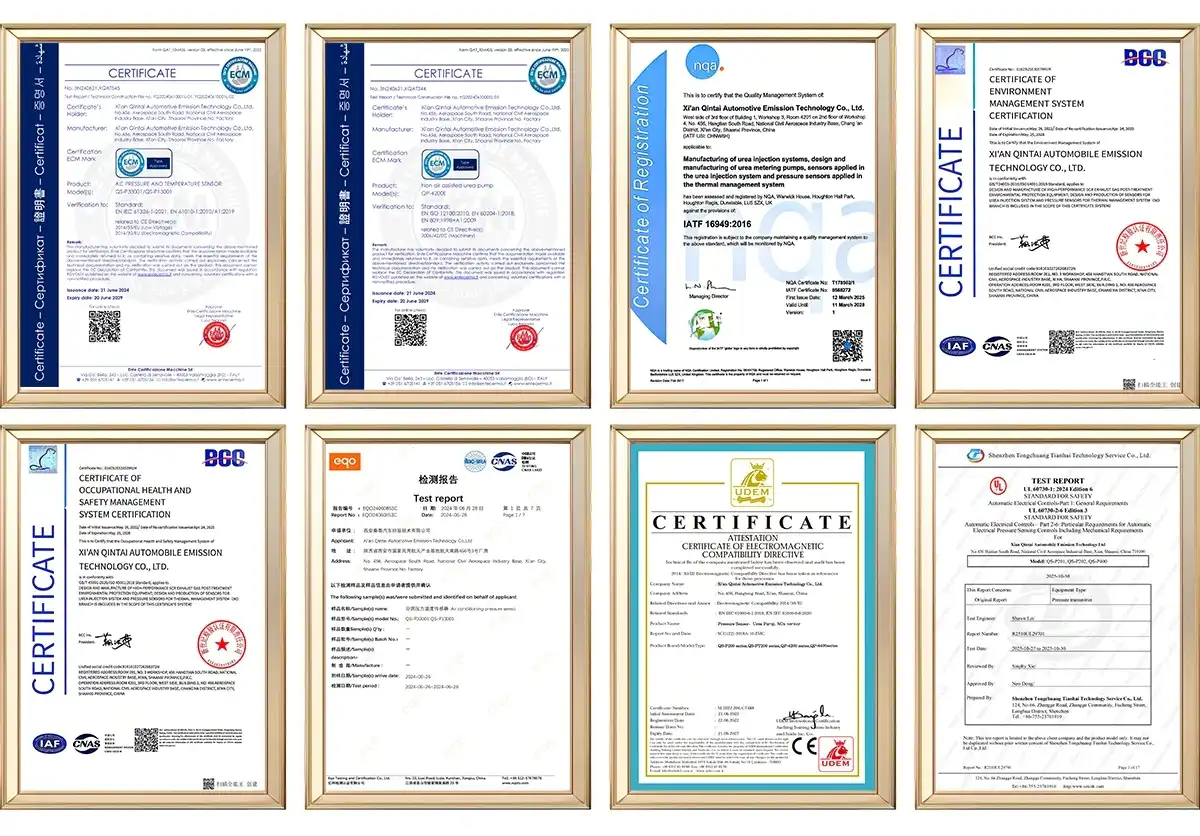
The output signal code and supply power must be compatible with what the engine control unit needs. The QS-P226's 5V input and analog 0.5-4.5 VDC ratiometric output work well with most current engine management systems. They give constant pressure feedback that lets closed-loop dosing control work. Certification to ISO 9001 and IATF 16949 standards shows that the products are made to a high level that can handle heavy-duty and vehicle uses. Other certifications, such as REACH and RoHS, make sure that the products are safe for use in global markets.
Here are the main performance benefits that set industrial-grade pressure sensors apart from cheaper alternatives:
- Chemical Resistance: High-quality sensor materials can handle urea rust and crystals effects that quickly break down cheaper designs. The QS-P226 keeps measuring accurately even when the DEF is messed up, so it doesn't send out false trouble codes that stop activities.
- Thermal Stability: To work effectively across a wide range of temperatures, from cold starts to high-temperature loads, you need a strong design and careful choice of materials. Quality sensors stay calibrated even when they are heated and cooled every day, so they don't lose their accuracy and need to be replaced often.
- Vibration Resistance: The rugged design means that it can handle steady vibrations from vehicles and equipment without affecting the accuracy of the measurements. Even though there are mechanical pressures that would break consumer-grade sensors in weeks, the internal parts stay in the right place.
- Environmental Protection: Sealed designs keep wetness and dirt out of the electronics inside, which extends their useful life in difficult conditions where sensors that aren't sealed would break quickly.
Comparing Digital and Analog Sensor Technologies
Traditional analog sensors give off voltage that is equal to the pressure they record. They are easy to use and work with most engine control systems already in place. This output file works well for most uses in cars and building equipment where modest accuracy is enough to meet emissions standards. The simple interface makes the system less complicated and makes it easier to fix problems when they happen.
Digital sensors talk to each other using standards like SENT (Single Edge Nibble Transmission), which gives them better clarity and diagnostic tools built right in. Digital interfaces that get rid of noise and improve flaw recognition are useful for industrial uses that need to be as accurate as possible. Generator set makers and aftertreatment system designers are choosing digital sensors for stationary installs more and more because the extra cost is worth it for the better performance and diagnostic tools they offer.
Supplier Evaluation Criteria for B2B Procurement
Long-term relationships with dependable sensor suppliers give you a competitive edge that goes beyond the cost of the initial parts. When adding sensors to new equipment or fixing problems in the field, technical help skills become very important. OEMs and system builders can speed up development and solve problems more quickly when suppliers offer engineering help, customization options, and fast after-sales service.
Mass production makes sure that there is a steady supply for high-volume needs, with no changes in quality between runs of production. As a main provider to top Chinese engine makers like Weichai Power, Yuchai Power, and Quanchai Power, Xi'an Qintai has the production scale and quality consistency needed for OEM uses that are very strict. Independent research and development (R&D) skills allow products to be constantly improved and tailored to meet the needs of specific applications.
Manufacturers' warranty plans show how confident they are in the stability of their products. The QS-P226 comes with a 12-month warranty that gives installers and end users peace of mind. Also, all production units are tested to make sure they don't have any problems that cause problems during initial installs. Flexible order amounts and bulk prices work for both small aftermarket providers and big OEM production plans.
Case Studies: Real-World Examples of Sensor Failures and Solutions
Fleet Experience With Crystallization Prevention
A regional trucking company with 150 Class 8 tractors had to repair the Urea Pressure Sensors on an average of one truck a year because they kept breaking. An analysis showed that drivers often turn off their engines right away when they park their cars without giving the systems a chance to clear out properly. The trapped fluid crystallized, which led to pollution that got worse over time and made the sensors less accurate within months.
Control systems were able to properly purge supply lines after new shutdown processes were put in place that required a 30-second idle time before the key was turned off. When combined with cleaning the sensors every three months as part of regular maintenance, this procedure cut the number of sensor changes by 75% while making the SCR system more reliable overall. The fleet saved about $45,000 a year on parts and labor costs and cut down on unplanned maintenance that used to mess up supply plans.
Industrial Upgrade to Enhanced Sensor Technology
A company that makes generator sets for mine operations had guarantee claims about sensors that stopped working early on equipment that was used all the time in dusty, high-vibration areas. The original sensors that were chosen because they were cheaper didn't work well with these harsh duty cycles; they broke after 8,000 to 12,000 hours of use instead of the expected 20,000 hours.
Upgrading to industrial-grade sensors with better resistance to shaking and sealing against the environment got rid of warranty claims and made customers happier. Even though the prices of the parts went up by 40%, the manufacturer's image was protected and failures in the field were eliminated, which saved money and time. Mining users said that their equipment was up and running more often and needed less upkeep, which justified the higher price of the sensors by lowering the total cost of ownership.
Diagnostic Protocol Optimization
During quality testing, an aftertreatment system technician had a hard time with returned units that showed occasional fault codes. An investigation showed that normal troubleshooting methods did not find the poor sensor performance that led to rare out-of-range readings. By using more precise pressure sources and longer tracking cycles in improved test methods, sensors with calibration drift were found before they were put into service.
This proactive screening cut the number of field failures by 60% and gave sensor suppliers useful information about differences in the quality of their products. Because the installer could safely extend the guarantee coverage, their SCR systems stood out in competitive markets where reliability is a key factor in buying choices. Working together with Qintai on a technical level made it possible to change the specs of the sensors to better fit the needs of the application. This made the system work better and made the customers happier.
Conclusion
The dependability of the Urea Pressure Sensor is a key factor in how well the SCR system works, how well it meets emissions standards, and how long the equipment works in diesel uses. Understanding how things break, like urea crystallization, mechanical pressures, electrical problems, and environmental decline, helps procurement managers and technical teams choose the right parts and do preventative maintenance that extends the life of the system.
Good sensors, like the QS-P226, have exact measurements, are built to last, and work with current engine management systems so they can reliably do their job in tough situations. By choosing reputable providers with technical knowledge, production capacity, and quick customer service, you can build partnerships that go beyond just buying parts and turn into cooperative problem-solving relationships. Your SCR systems will work at their best for as long as they're in service if you follow the right repair procedures, fix problems in a planned way, and carefully evaluate suppliers.
FAQ
What causes the P204B fault code in DEF pressure sensors?
If the P204B diagnostic trouble code reads "Urea Pressure Sensor Circuit Range/Performance," it means that the sensor output isn't within the expected range or is reacting wrongly to changes in pressure. This fault usually happens when the signal drifts because of old parts or dirt on the connecting connections. Gold-plated connection pins on high-quality sensors stop rust that speeds up drift, so they keep sending accurate signals for their entire service life. Before changing the sensor, troubleshooting should check that the connectors are solid and that the wire is still connected.
How does crystallization affect sensor accuracy?
When urea crystallizes, it leaves behind solid layers on the sensing diaphragm that stop pressure from being transmitted physically. As more crystals build up, the sensor reads lower pressures than they really are because the hard layers stop the diaphragm from fully deflecting. Advanced sensor designs include smooth internal areas that stop crystals from forming and reduce the amount of "dead volume" where fluid can sit and evaporate. Crystallization is greatly slowed down by regularly purging the system after it has been turned off. This keeps fluid from staying in the sensor cells during thermal cycles.
Can pressure sensors withstand DEF freezing events?
When Diesel Exhaust Fluid freezes at 12°F, it expands by about 9%, putting a lot of pressure on the sensor parts that are inside. Good sensors have flexible buffering structures inside that are made to handle this growth without any lasting damage. The QS-P226 can handle the multiple freeze-thaw cycles that are common in cold climate activities and still stay calibrated and structurally sound. When systems work in very cold conditions, tank heaters and protected supply lines keep the DEF delivery system from freezing.
What is the typical service life for quality pressure sensors?
Under normal circumstances, industrial-grade sensors made for business diesel uses can work for 15,000 to 20,000 hours. The actual service life depends a lot on the setting in which it is used, how it is maintained, and the quality of the fluid. Equipment that is subjected to harsh job cycles, such as heavy vibration, high temperature changes, or contaminated DEF, may need to be replaced more often. Regular cleaning and following the right way to turn off a monitor are examples of proactive care that can greatly extend its life beyond what is normally expected.
Partner With Qintai for Superior Urea Pressure Sensor Solutions
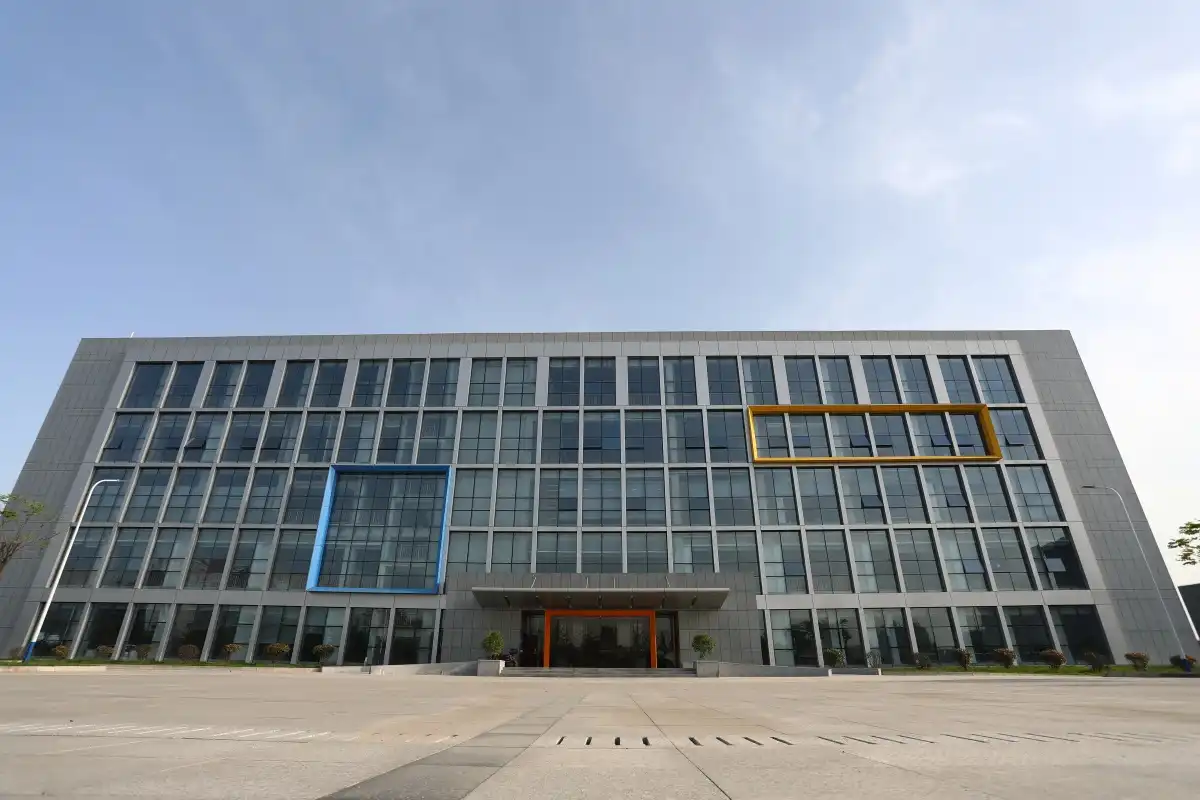
Xi'an Qintai Automotive Emission Technology is the best Urea Pressure Sensor maker in China. They have been making SCR sensors for over 20 years and also offer a wide range of OEM services to serve the diesel engine and aftertreatment markets around the world. Our QS-P226 sensor gives buying managers and R&D developers the accuracy, longevity, and compatibility they need for heavy trucks, building equipment, farm equipment, and generator sets.
We offer stability that you can be sure of because we are IATF 16949 certified, made our own sensor cores, and are the main supplier to China's top engine makers. You can talk to our technical team at info@qt-sensor.com about your application needs, ask for samples, or look into OEM/ODM partnerships that take advantage of our 58 idea patents and ability to fully customize large orders.
References
1. Johnson, M. R., & Chen, L. (2021). Selective Catalytic Reduction Systems for Diesel Engines: Component Reliability and Failure Analysis. SAE International Journal of Engines, 14(3), 445-462.
2. Wagner, T., Schmidt, H., & Bauer, F. (2020). Pressure Sensor Technologies for Automotive Urea Dosing Systems: Performance Requirements and Testing Protocols. Sensors and Actuators A: Physical, 298, 111-126.
3. Anderson, K. P. (2022). Diesel Exhaust Fluid Quality and Its Impact on SCR System Component Longevity. Journal of Emission Control Science and Technology, 8(2), 178-194.
4. Liu, X., Wang, Y., & Zhang, H. (2019). Crystallization Mechanisms in Urea-SCR Systems and Mitigation Strategies. International Journal of Automotive Technology, 20(5), 923-937.
5. Roberts, D. A., & Thompson, G. E. (2021). Heavy-Duty Diesel Emissions Control: System Integration and Component Selection for Regulatory Compliance. Warrendale, PA: SAE International Press.
6. Müller, J., Hofmann, L., & Weber, C. (2020). Sensor Degradation in Harsh Automotive Environments: Accelerated Testing and Lifetime Prediction Models. Automotive Engineering International, 128(4), 34-48.
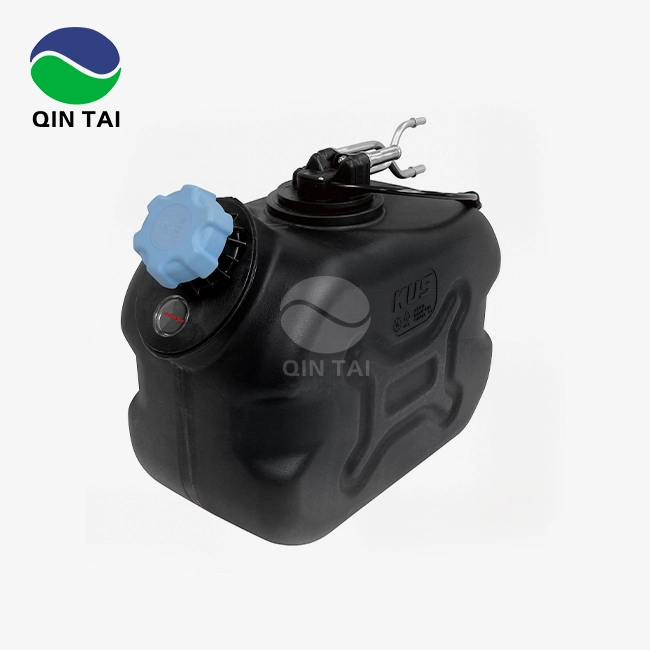

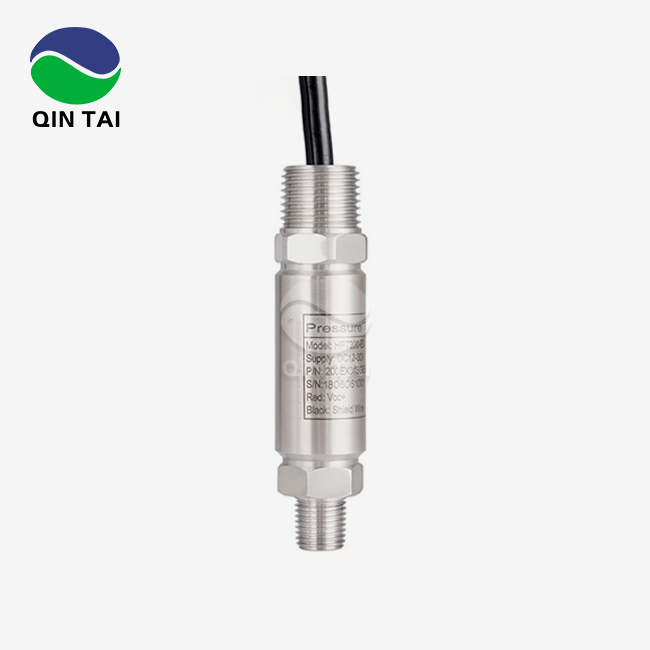
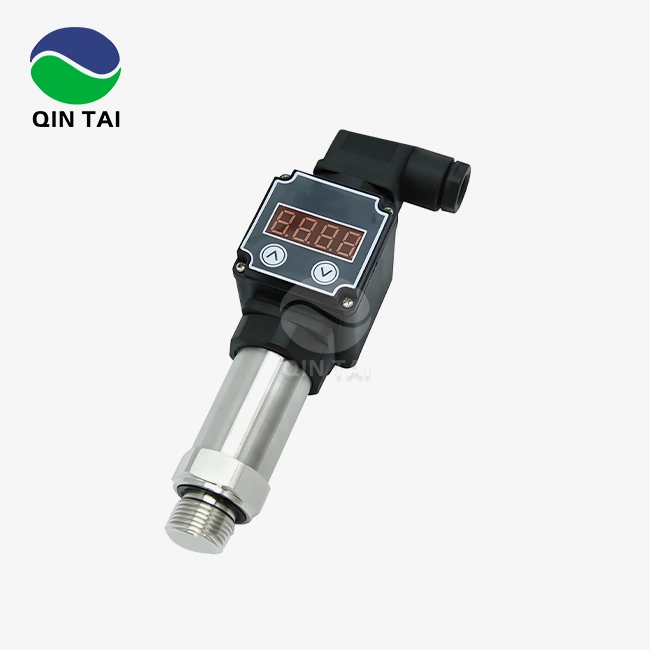

Our customers’ satisfaction speaks for our quality — contact us to experience the same reliable service.