- English
- French
- German
- Portuguese
- Spanish
- Russian
- Japanese
- Korean
- Arabic
- Greek
- German
- Turkish
- Italian
- Danish
- Romanian
- Indonesian
- Czech
- Afrikaans
- Swedish
- Polish
- Basque
- Catalan
- Esperanto
- Hindi
- Lao
- Albanian
- Amharic
- Armenian
- Azerbaijani
- Belarusian
- Bengali
- Bosnian
- Bulgarian
- Cebuano
- Chichewa
- Corsican
- Croatian
- Dutch
- Estonian
- Filipino
- Finnish
- Frisian
- Galician
- Georgian
- Gujarati
- Haitian
- Hausa
- Hawaiian
- Hebrew
- Hmong
- Hungarian
- Icelandic
- Igbo
- Javanese
- Kannada
- Kazakh
- Khmer
- Kurdish
- Kyrgyz
- Latin
- Latvian
- Lithuanian
- Luxembou..
- Macedonian
- Malagasy
- Malay
- Malayalam
- Maltese
- Maori
- Marathi
- Mongolian
- Burmese
- Nepali
- Norwegian
- Pashto
- Persian
- Punjabi
- Serbian
- Sesotho
- Sinhala
- Slovak
- Slovenian
- Somali
- Samoan
- Scots Gaelic
- Shona
- Sindhi
- Sundanese
- Swahili
- Tajik
- Tamil
- Telugu
- Thai
- Ukrainian
- Urdu
- Uzbek
- Vietnamese
- Welsh
- Xhosa
- Yiddish
- Yoruba
- Zulu
Signs Your SCR Pressure Sensor Needs Replacement
If you know when to replace your Urea dosing pressure sensor, you can avoid expensive emission problems and system downtime. When an SCR pressure sensor fails, it usually sets off warning lights, creates diagnostic trouble codes like P204B or P2096, and results in erratic pressure readings that make it harder to accurately shoot AdBlue. The ECU might have trouble controlling the right amount of dosing, which would put the car into "limp mode" with less engine power while NOx emissions go over the legal limits. If you notice these signs early, you can protect your diesel engine systems, keep them in line with Euro VI or EPA standards, and make sure they keep working reliably in heavy-duty situations.
Understanding Urea Dosing Pressure Sensors and Their Role in SCR Systems
Precision tracking parts that make sure emissions are met without hurting engine performance are a big part of modern diesel aftertreatment. At the heart of this technology is a very important part that checks the hydraulic pressure in the AdBlue delivery line. This lets the engineers accurately control the injection and make changes to the system in real time.
The Core Function of SCR Pressure Monitoring
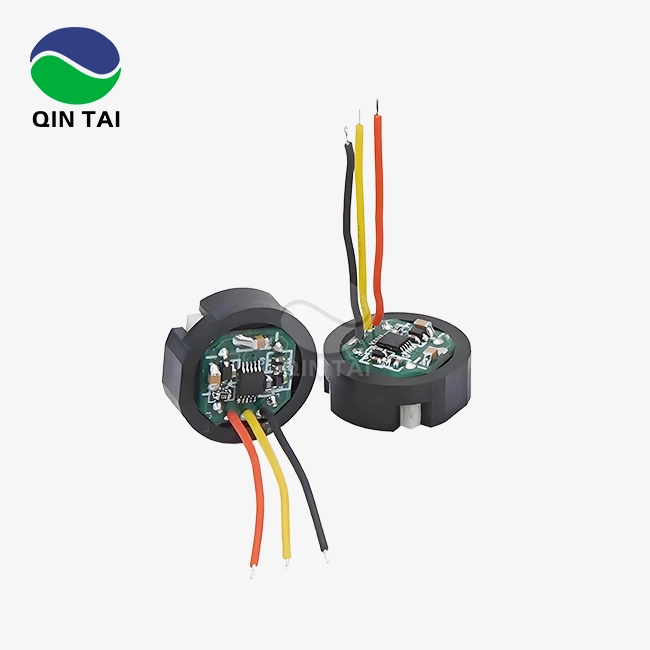
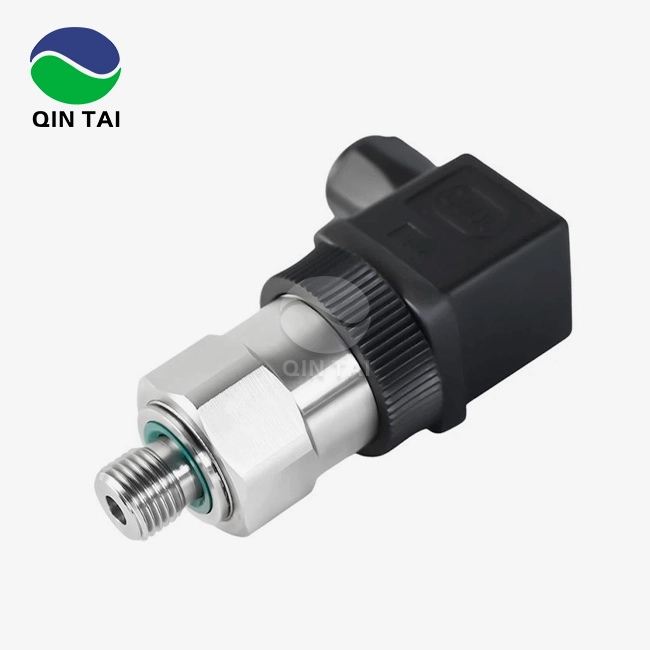
The dosing module and the engine control unit talk to each other through a Urea dosing pressure sensor. This sensor constantly checks the Diesel Exhaust Fluid's hydraulic pressure as it moves from the pump to the injection tip. The monitor sends analog voltage signals to the dose control unit, which figures out the exact amount of fluid that is needed to reduce NOx to the lowest level possible. Without accurate pressure input, the system can't tell if the pump is giving enough flow or if blockages are stopping the flow of fluid.
This ability to watch in real time solves some of the most important problems in pollution control. When pressure values don't match what was predicted, the ECU can change the speed of the pump or the timing of the injections right away to fix the problem. Under-dosing, which violates emission rules, and over-dosing, which wastes AdBlue and could damage catalyst substrates, are both successfully stopped by the monitor.
Integration with Engine Control Architecture
The pressure monitor is directly linked to the car's CAN bus network, which lets it talk to many control units without any problems. Modern SCR systems depend on this interaction to make sure that dose plans work with NOx sensor input, engine load, and exhaust temperature profiles. The dosing control unit uses pressure data and these factors to run closed-loop control methods that make sure emissions stay within the limits even when the system is being used in a variety of situations.
Technical details like measurement range (-14 psi to +130.5 psi) and accurate limits (±0.5%) have a direct effect on how well the system works. When accuracy is higher, it's easier to control the amount of fuel that is injected, which makes catalyst conversion efficiency more stable. The 5V input voltage standard makes sure that it works with most diesel engine electrical systems, and the analog output makes it easier to connect to current ECU platforms.
Common Symptoms Indicating the Urea Dosing Pressure Sensor Needs Replacement
Finding sensor degradation before it leads to total failure saves maintenance teams from having to fix things right away and facing fines from regulators. For the urea dosing pressure sensor, in particular, early detection is critical because its failure can directly impact emission compliance. There are a number of visible signs that the part needs to be replaced. These include warnings on the dashboard and small changes in performance that trained techs can find during regular diagnostics—such as inaccurate urea injection rates, pressure fluctuations, or fault codes related to the SCR (selective catalytic reduction) system.
Diagnostic Trouble Codes and Warning Indicators
When the pressure monitor stops working properly, the ECU notices right away that there is a problem with the signal and saves specific fault codes. P204B means that there are problems with the circuit's range or performance. This is usually due to signal drift that happens when internal parts get old or connecting pins get rusty. The P2096 and P2097 codes mean that the system finds NOx levels after the catalyst that don't match the dose rates that were told to it. This is usually a sign of bad pressure feedback that leads to injection mistakes.
When these codes are saved, the malfunction warning lamp lights up to let workers know they need to check the aftertreatment system. Some cars have warning lights or messages on the instrument clusters that are only for the SCR. These give more detailed information about the damaged subsystem. If you don't pay attention to these signs, the problem could get worse, going from just needing a new sensor to more serious system damage that needs a dosing module repair.
Performance Degradation Patterns
In addition to saved codes, devices that are failing show patterns of behavior. If the pressure numbers change outside of the normal working range, it means that the sensor element is wearing out or there are problems with the electrical connection. Response delays where pressure signs are behind what the system is actually doing could mean that internal parts are moving slowly because of contamination.
As a safety step, when the ECU can't confirm proper SCR function, the engine may go into limp mode, which makes the engine much less powerful. If the urea flow stops suddenly, this derate situation keeps the exhaust parts from getting damaged by heat. When there is uncertainty about how to control emissions, the engine management system usually makes the fuel economy worse by either improving burning or limiting speed.
If you use more AdBlue but the NOx reduction rate doesn't go up, it's likely that the dosing isn't right because of bad pressure input. On the other hand, some failure modes lead to under-dosing, which lets more pollution out while the fluid level in the tank drops more slowly than expected for the number of hours the machine has been running.
Main Causes of Urea Dosing Pressure Sensor Failures
Figuring out why these sensors break down helps teams that buy things choose stronger parts and helps repair groups come up with good ways to keep problems from happening. Several stressors work together to lower sensor performance over their normal service lives in harsh business settings.
Environmental and Chemical Stressors
Extreme conditions are put on sensors by the harsh working surroundings of SCR systems. When temperatures change from freezing outside to very hot exhaust zones, they put stress on sensor housings and interior diaphragms. AdBlue itself has its own problems. For example, the fluid's 9% volume increase when it freezes can damage sensors that don't have enough internal storage structures.
Chemicals make sensor parts and covering materials wear out faster. AdBlue is generally safe, but tainted fluid with particles or broken-down chemicals can lead to internal fouling. The internal sensing section of the sensor needs to keep the flow lines clear so that urea doesn't build up and block the pressure diaphragm. Even small amounts of pollution can make measurements less accurate over time until they need to be replaced.
Electrical links and mechanical fixing points get worn out by vibrations from the engine and the road. Heavy-duty vehicles, like building equipment and long-haul trucks, are subject to a lot more shaking than light-duty vehicles. This shortens the service life of sensors that aren't properly mounted and isolated electrically.
Installation and Maintenance Factors
A surprising number of early sensor problems are caused by bad fitting, and the urea dosing pressure sensor is particularly vulnerable. Cross-threading during installation hurts the sensor threads and makes leak paths that let water get in. If you use the wrong torque specs on a urea dosing pressure sensor, you could either not tighten connections enough, which would let pressure leaks happen and cause inaccurate urea injection, or you could tighten assemblies too much, which would crack sensor bodies or bend sensing elements. Given the sensor's role in SCR systems, even minor installation errors can lead to emission compliance issues and costly downtime.
When upkeep isn't done, problems that could have been avoided get worse and cause damage to sensors. If you don't fix small AdBlue leaks, crystals can form around sensor connections, which will finally eat away at the electrical pins. If you skip some calibration rounds, the signal will slowly drift until the readings are no longer within acceptable limits. These problems are caught by regular inspections before they get bad enough to need to be replaced.

Preventative Maintenance and Calibration for Longevity
With proactive care, sensor service life is extended while measurement accuracy is maintained throughout the operating time. Structured maintenance programs weigh the cost of inspections against the cost of breakdowns and unexpected downtime.
Inspection and Cleaning Protocols
Problems can be caught early by visually inspecting things on a regular basis. Maintenance workers should check the sensor contacts for rust, make sure the fixing points are tight, and make sure that AdBlue crystals haven't formed around the sensor body. Cleaning methods that use deionized water get rid of surface dirt without adding new dirt that could hurt performance.
Scheduled system purges flush out fluid that has been sitting in internal tubes for a while, which lowers the risk of crystals in sensor chambers. These purges are especially helpful for machines that have to start up cold a lot or sit idle for long periods of time, letting urea settle and build up. The small amount of AdBlue that is used in clear cycles is great protection against sensor fouling.
Calibration and Accuracy Verification
Calibration steps make sure that the voltage output from the sensor matches the applied pressure properly across the whole measurement range. Using specialized test tools, known pressure values are applied while the sensor reaction is measured. Any deviation from factory specs is recorded. Recalibration is needed when sensors need to be replaced, when system repairs change fluid pressure, or at regular times set by the OEM's maintenance plans.
When you compare the costs of upkeep to the costs of failure, you can see that regular calibration is worth the money. An easy calibration process that only takes a few hours of work stops emission test fails that can put whole fleets of vehicles on hold while fixes are made. Just-in-time planning and project schedules are important for businesses, and proactive calibration helps keep operations running smoothly.
Making the Right Replacement Decision: Choosing the Best Urea Dosing Pressure Sensor
When choosing new parts, you have to weigh the short-term cost against the long-term need for dependability and compliance. When it comes to making decisions, the structure is very different for emergency replacements that need to be done right away and planned upgrades that happen during maintenance times.
Evaluating Sensor Specifications and Compatibility
When you get new sensors, they have to match certain important specs, like the measurement range, output signal type, electrical socket design, and thread size. The pressure range needs to include the system's working range with enough room for error. Sensors with a value of -14 psi to +130.5 psi can handle the whole range, from pump starting to maximum injection pressure. Output signal compatibility makes sure that the new sensor can talk to the current ECU calibrations properly, so software changes are not needed.
Specifications for accuracy have a direct effect on the ability to meet pollution standards. For the urea dosing pressure sensor, an accuracy of ±0.5% gives you the precision you need for tight dosing control in places with strict regulations. The operating temperature range needs to be able to handle both very cold starts and long periods of high temperatures near the exhaust components. For light-duty uses, a 60–80°F range works well for the urea dosing pressure sensor, but for heavy-duty commercial vehicles, the ranges may need to be extended to withstand sustained heat from SCR systems.
OEM Quality Standards and Manufacturing Excellence
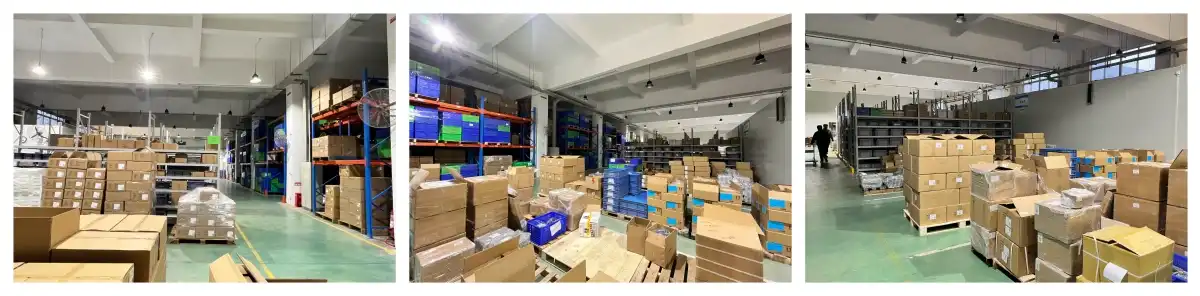
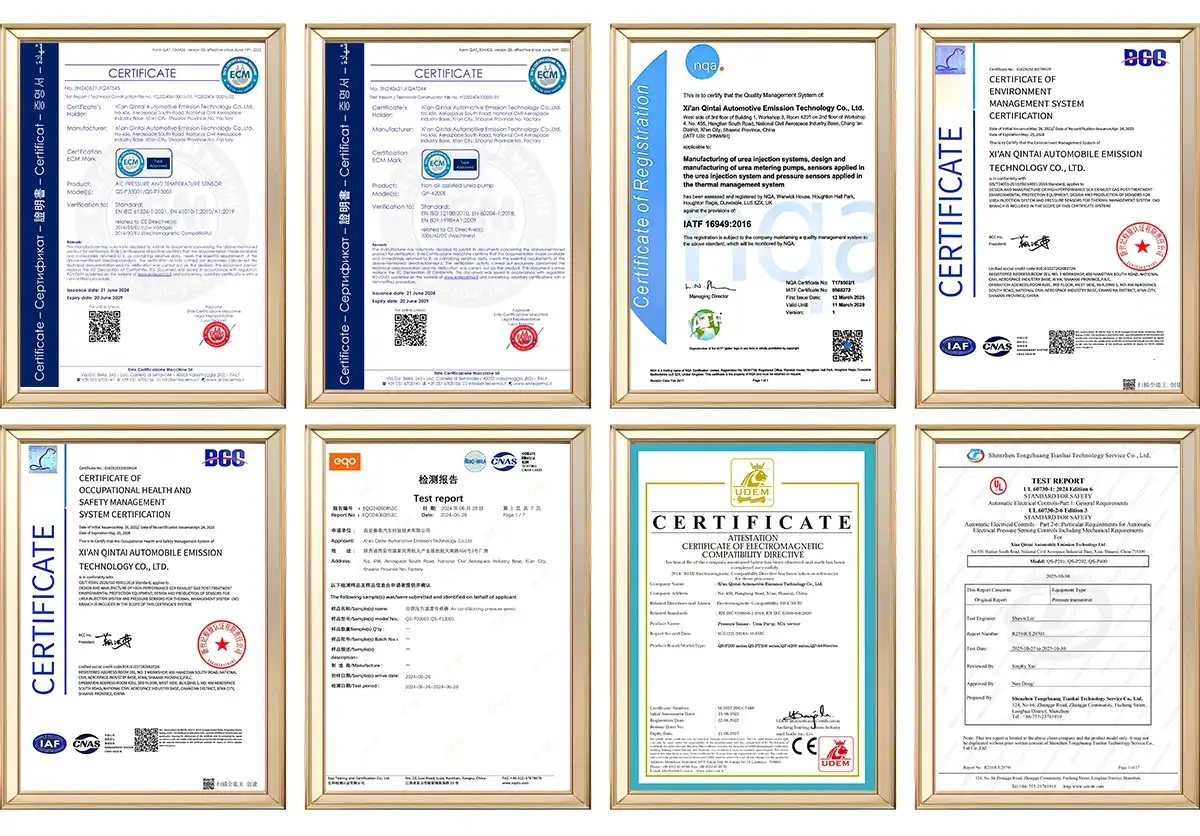
Leading makers stand out by having a wide range of quality standards and production skills that have been tested and proven. Facilities that have both ISO9001 and IATF16949 licenses show that they have a method for managing quality that includes planning, making, and testing. These approvals give procurement teams faith that controls in the manufacturing process keep bad parts from getting to customers.
Investing in research and development is what sets technology stars apart from commodity providers. Companies with large R&D departments are always making improvements to sensor designs to make them last longer and work more accurately. Patent files that cover core technologies like how to build sensor elements and signal processing methods show that the invention is new and not just a copy of an existing design.
OEM makers and aftertreatment integrators need a steady supply at scale, so production ability is very important. Suppliers that can make millions of sensors every year while still meeting quality standards can meet the needs of both people installing new equipment and people replacing old sensors after the fact. With this level of production depth, you can also make changes to fit unique needs without giving up the cost benefits of mass production.
The Qintai QS-P226 Advantage for Industrial Applications
The Model QS-P226 from Qintai shows how advanced engineering can be used in tough business diesel uses. The self-developed sensor core technology gets rid of the need to rely on outside sources for parts and makes sure that performance is always the same. This vertical connection makes it easier to keep an eye on quality and make changes to products based on data from the field.
Real-world worries about longevity are addressed by the sensor's strong environmental protection. Full closing keeps out water, dirt, and chemicals that are often found on building sites, farms, and factories. The analog output signal makes it easy to connect to current dosing control units without having to deal with complicated software updates or communication methods.
Modern SCR systems need rapid feedback, which can be provided by real-time tracking. By measuring pressure all the time, the control unit can react right away to changes in the system and change the dose rates as the engine load changes. This response keeps the catalyst working at its best across the whole operating range, from no power output to full power output.
Qintai's production skills are the result of specializing in pollution control for more than twenty years. The fact that the company is the biggest OEM provider in China's own market shows how good its products are and how reliable its delivery service is. Partnerships with big engine makers like Weichai Power and Yuchai Power show that the company has the technical know-how and reliability needed for large-scale production. The 86-person research and development team and 58 invention patents show that the company is continuing to invest in new ideas. This is what keeps sensor technology improving as emission standards change.
Conclusion
Knowing the signs of a failing urea dosing pressure sensor and how to choose a replacement saves your investment in emission control and keeps you in line with the rules. The diagnostic trouble codes, performance degradation trends, and physical signs we talked about make it clear that replacing the urea dosing pressure sensor needs to be done right away. Preventative maintenance makes parts last longer, but because these sensors are used in tough circumstances (e.g., exposure to hot exhaust gases, urea solution crystallization, and constant vibration), they will still need to be replaced at some point.
When choosing a new urea dosing pressure sensor, you have to weigh the accuracy requirements, the sturdiness in harsh environments, and the dependability of the supply. Manufacturers with quality certifications, strong research and development skills, and a track record of large-scale production can give you the peace of mind you need for important emission control uses—where failure of a urea dosing pressure sensor could cost you a lot of money and time due to non-compliance or SCR system shutdown.
FAQ
How does crystallization affect sensor performance?
Crystallization happens when AdBlue dries around sensor parts and forms solid layers that make it harder for fluids to move and for pressure to be transmitted. The internal design of the sensing chamber has a big effect on how likely it is to crystallize. Smooth flow lines with few dead areas keep fluid from building up in one place. Sensors with buffering structures that can handle freezing and expanding also don't get damaged by crystals. Regular system purges get rid of fluid that is collecting before crystals form, and the right way to store things in cold weather keeps freeze-thaw cycles to a minimum, which speeds up the formation of deposits.
Can sensors from different manufacturers interchange directly?
Mechanical fitting is possible if the threads are compatible (M10x1 or M12x1.5 standards), but electrical signal matching needs to be checked carefully. To get a correct reading of the pressure, the output voltage range and signal protocol must match the ECU calibrations. Some control units can accept sensor readings within certain tolerances, which lets you switch between brands, while others need to be exactly the same as the OEM. Different makers use different connector pinout designs, which could mean that non-OEM parts need adapter harnesses.
What service life should procurement teams expect?
Under normal circumstances, industrial uses can run for 15,000 to 20,000 hours. Extremely hot or cold places, strong vibrations, or fuel that isn't clean can cut service life by 30 to 40 percent. Regular calibration checks and system cleaning as part of proactive maintenance stretch operational times toward the upper range. Fleet data analysis helps set replacement intervals based on real failure patterns instead of random time periods. This makes the most of maintenance funds without putting them at risk of failures that were not expected.
Partner with Qintai for Reliable Urea Dosing Pressure Sensor Supply
Qintai provides high-quality SCR parts with full technical help and the ability to ship them anywhere in the world. Our QS-P226 Urea dosing pressure sensor maker qualifications include ISO9001 and IATF16949 certifications, which guarantee stable quality even when we make more than two million pieces a year. We are committed to coming up with new ways to control emissions, as shown by the 58 idea patents and sensor core technology that we created ourselves.
We help OEM and aftermarket customers with applications involving heavy trucks, building equipment, farm machinery, and generator sets by offering flexible specs and quick delivery. Get in touch with our technical team at info@qt-sensor.com to talk about your unique SCR system needs and find out how Qintai's excellent production and engineering can improve the reliability of your emission control.
References
1. Society of Automotive Engineers, "Diesel Exhaust Fluid Quality Standards and Testing Protocols," SAE Technical Paper Series, 2023.
2. Environmental Protection Agency, "Heavy-Duty Engine and Vehicle Standards: Emission Control System Diagnostics," Federal Register Documentation, 2022.
3. International Council on Clean Transportation, "Real-World Performance of SCR Systems in Commercial Applications," Emission Technology Assessment Report, 2023.
4. Automotive Industry Action Group, "Quality Management System Requirements for Automotive Production," IATF16949 Certification Guidelines, 2022.
5. Diesel Technology Forum, "Selective Catalytic Reduction Maintenance Best Practices for Fleet Operations," Industry Technical Bulletin, 2023.
6. Journal of Emission Control Science and Technology, "Pressure Sensor Degradation Mechanisms in Urea Dosing Systems," Peer-Reviewed Research Article, 2024.


Our customers’ satisfaction speaks for our quality — contact us to experience the same reliable service.