- English
- French
- German
- Portuguese
- Spanish
- Russian
- Japanese
- Korean
- Arabic
- Greek
- German
- Turkish
- Italian
- Danish
- Romanian
- Indonesian
- Czech
- Afrikaans
- Swedish
- Polish
- Basque
- Catalan
- Esperanto
- Hindi
- Lao
- Albanian
- Amharic
- Armenian
- Azerbaijani
- Belarusian
- Bengali
- Bosnian
- Bulgarian
- Cebuano
- Chichewa
- Corsican
- Croatian
- Dutch
- Estonian
- Filipino
- Finnish
- Frisian
- Galician
- Georgian
- Gujarati
- Haitian
- Hausa
- Hawaiian
- Hebrew
- Hmong
- Hungarian
- Icelandic
- Igbo
- Javanese
- Kannada
- Kazakh
- Khmer
- Kurdish
- Kyrgyz
- Latin
- Latvian
- Lithuanian
- Luxembou..
- Macedonian
- Malagasy
- Malay
- Malayalam
- Maltese
- Maori
- Marathi
- Mongolian
- Burmese
- Nepali
- Norwegian
- Pashto
- Persian
- Punjabi
- Serbian
- Sesotho
- Sinhala
- Slovak
- Slovenian
- Somali
- Samoan
- Scots Gaelic
- Shona
- Sindhi
- Sundanese
- Swahili
- Tajik
- Tamil
- Telugu
- Thai
- Ukrainian
- Urdu
- Uzbek
- Vietnamese
- Welsh
- Xhosa
- Yiddish
- Yoruba
- Zulu
How Harsh Environments Impact Temperature Transmitter Selection
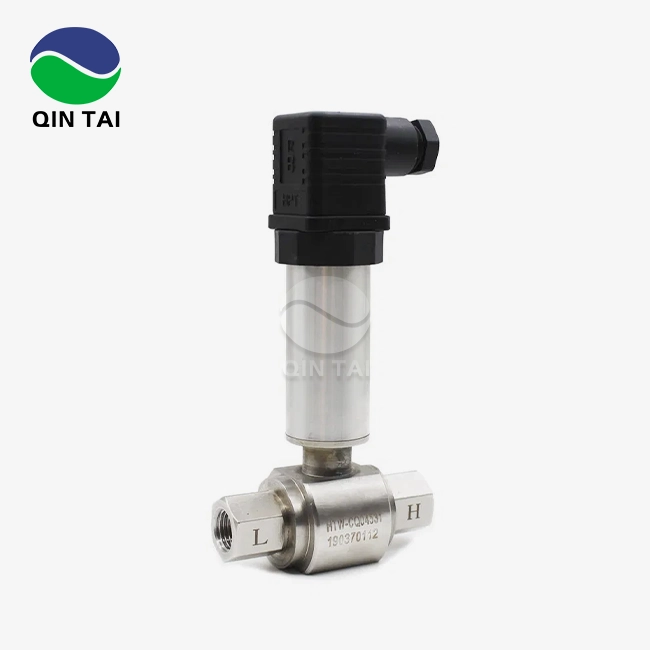
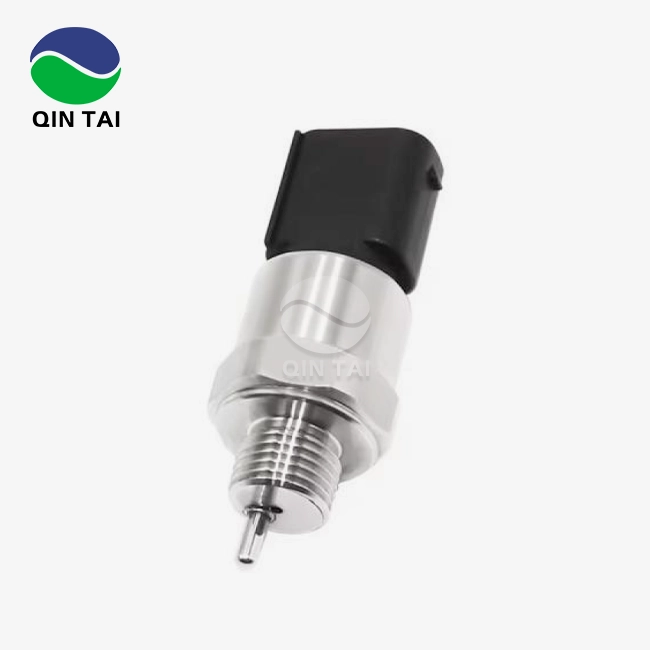
Specialized instruments are needed in harsh settings. It is very important to know how extreme conditions affect sensor performance when choosing temperature receivers for heavy-duty diesel engines, SCR aftertreatment systems, or industry emission control uses. A harsh environment transmitter has to be able to handle strong vibrations, sudden changes in temperature, corrosive exhaust gases, and big changes in temperature. These are problems that regular devices can't safely handle. Signal loss, early failure, and expensive downtime can happen if you choose the wrong transmission. We've spent decades working with OEM diesel engine makers and aftertreatment system designers to learn what really matters when equipment has to deal with harsh conditions every day.
Understanding Harsh Environment Temperature Transmitters
What Defines a Harsh Environment Transmitter?
Devices for measuring temperatures in industries that are made for tough jobs are very different from their regular versions. The cases of these receivers are made of tough materials, usually stainless steel or special alloys, that don't rust when exposed to acidic condensates and chemicals. The design is vibration-resistant, which keeps the electronics inside safe from mechanical shocks that happen a lot in diesel engines and other big machinery. Improved protection, usually with an IP67 or IP68 rating, stops water and dirt from getting in. Advanced compensation methods are built into the internal circuits to keep the accuracy even when high-current electrical systems and radio frequency noise cause electromagnetic interference.
Types and Material Adaptations
There are three main types that meet different needs in industry. Flame-proof housings with possible ignition sources are used in explosion-proof receivers to meet the needs of dangerous locations where flammable gases may be present. Industrial-grade units that have been toughened up focus on mechanical longevity and a wider temperature range without explosion approval. Intrinsically safe versions limit electrical energy to levels that can't start a fire, making them ideal for Zone 0 dangerous places. Choice of material is also very important. For most uses, 316L stainless steel is very resistant to corrosion, while Hastelloy or Inconel metals can handle very harsh chemical conditions.
How Environmental Factors Affect Performance?
Extreme temperatures can change the way sensors and electrical parts work. Temperatures in diesel exhaust aftertreatment systems can reach as low as -40°F during cold starts and as high as 1200°F during DPF regeneration cycles. This temperature cycling puts stress on the sensor parts and connection points, which could lead to drift or failure. When the engine is running, vibrations wear out the mounting parts and interior links. Exhaust condensates that are corrosive and contain sulfuric and nitric acids damage housings and electrical connections. High-power electricity systems send electromagnetic fields that cause noise in data lines. If proper shielding and filtering are not used, this can make measurements less accurate.
Key Factors in Selecting Temperature Transmitters for Harsh Environments
Evaluating Environmental Challenges
Diesel engines in heavy trucks make things very difficult. During DPF regeneration cycles, the temperatures of the exhaust gases change quickly. This creates a thermal shock that can break ceramic sensor elements or damage joints that are brazed together. Construction equipment works in dirty and dusty places where small particles can damage electrical lines. Agricultural equipment has to work in very cold winters and very hot summers, and it also has to deal with chemicals from manure. Generator sets need to work continuously and steadily in places like mines, power plants, or remote sites where it's hard to get to them for upkeep. Knowing the specific external factors you face helps you choose the right harsh environment transmitter.
Accuracy Requirements and Material Compatibility
To get the most out of urea doses and catalyst effectiveness, emission compliance systems like SCR aftertreatment need accurate temperature measurements. China VI and Euro VI rules need tight control, which makes measurement error an important standard. Most RTD-based transmitters are accurate to within 0.1°C, but they cost more than thermocouple-based transmitters that are accurate to within 1°C. Galvanic rusting can't happen if the sensor cover and process media are made of the same material. Most diesel exhaust uses stainless steel, but some industrial exhaust treatment systems need coats or metals that aren't common to keep chemicals from attacking them.
Essential Certifications for Compliance and Safety
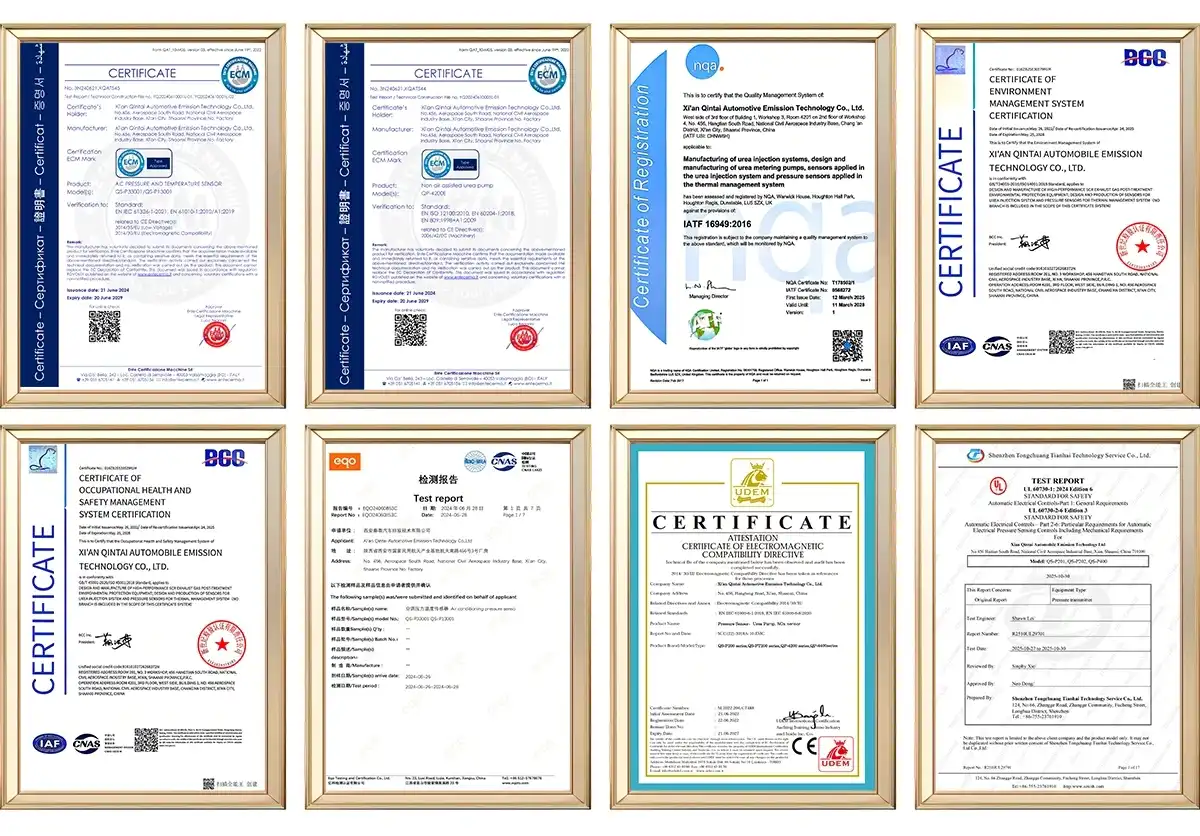
Certifications from regulatory bodies show that an emitter is suitable for certain uses and places. ATEX approval (European Union) and IECEx labels (international) make sure that explosion-proof designs meet the needs of dangerous areas. Safety Integrity Level (SIL) scores show how reliable a sensor is for safety-critical uses where a failed sensor could hurt someone. The UL and CE marks make sure that the electrical safety and electromagnetic compatibility are met. Automotive-grade transmitters that work with OEM diesel makers need to be validated by the IATF 16949 quality system and often need to be tested at the component level according to AEC-Q200 standards to show that they can withstand the harsh conditions in an automotive setting.
Cost-Performance Trade-offs
Standard business receivers are much cheaper than ruggedized industrial units, which makes buyers on a budget more likely to buy them. But early fails in harsh settings quickly wipe out any savings made at first thanks to the cost of replacements, system downtime, and possible warranty claims from customers. Purchasing managers have learned the hard way that a $150 standard emitter that breaks down every six months costs a lot more than a $400 industrial unit that lasts five years or more. When mass production is needed, field failure rates have a direct effect on brand image and guarantee reserves, which changes the math even more. When you buy something smart, you weigh the initial cost against the total cost of ownership.

Benefits and Applications of Harsh Environment Temperature Transmitters
When properly defined receivers are used in industrial settings, real benefits are seen. When dependability goes up, unplanned repair events happen less often and spare parts store needs go down. Longer service life lowers running costs over the whole system's life and cuts down on system failure. More accurate measurements allow for better process control, which improves diesel engine fuel economy and cuts down on emissions.
In dangerous places, making safety changes is very important. Certified explosion-proof receivers keep sources of burning out of areas that can catch fire. Temperature tracking that you can trust stops thermal runaway and protects your equipment. Accurately measuring the exhaust temperature keeps costly DPF and SCR catalysts from breaking down due to heat.
Here are typical applications where these benefits prove essential:
- Diesel Engine SCR Aftertreatment Systems: Monitoring the temperature of both the upstream and downstream catalysts makes sure that the time and amount of urea injection are just right, meeting pollution standards while also using as little urea as possible. Accurately measuring the temperature at the inlet and exit of the DPF controls the regeneration processes and keeps the catalyst from getting damaged by high temperatures.
- Heavy-Duty Vehicle Exhaust Systems: Multiple exhaust spots are constantly monitored for temperature, which gives troubleshooting information for managing the emission control system on board. The build is tough enough to handle steady vibrations from driving on the road and thermal cycling from different job cycles.
- Stationary Generator Sets: Long-term stable temperature measurements allow remote sites to plan ahead for repair. Industrial-grade dependability makes sure that backup power systems are always ready for important tasks, even if sensors need to be replaced often.
- Construction and Agricultural Machinery: Transmitters can handle being dropped, getting dust on them, and being exposed to chemicals from fertilizers or hydraulic fluids. Seasonal variations can be handled by wide working temperature ranges without affecting performance.
Real-world results validate the investment in harsh environment transmitters. When a big building equipment maker switched their Tier 4 emission systems from commercial to industrial-grade temperature sensors—and paired them with robust harsh environment transmitters for pressure and dosing monitoring—they cut warranty claims in the field by 40%. A generator set integrator changed the suggested time between sensor replacements from two years to five years after upgrading to harsh environment transmitters designed for extreme temperatures, vibration, and corrosive exhaust gases. This cut customers' upkeep costs by a lot and made them happier, proving that harsh environment transmitters deliver long-term reliability where standard components fail.
Maintenance and Lifecycle Management of Harsh Environment Transmitters
Common Maintenance Challenges
When working conditions are harsh, they cause certain upkeep problems. Corrosion hurts housings, terminal connections, and sensor sheaths, especially in places where acidic exhaust condensates build up when the device is working at low temperatures. Particles and soot that build up on the tips of sensors slow down their temperature reaction and can lead to wrong readings. Over time, vibrations from machines make mounting gear and electrical connections loose. Different materials expand and contract at different rates when heated and cooled, which can cause brazed joints or ceramic insulation to crack. When sensor parts get old or dirty, they lose their calibration.
Best Practices for Extending Transmitter Lifespan
Regular inspections catch problems as they start to form before they become major problems. In demanding situations like big truck exhaust systems, we suggest eye checks every three months to look for rust, loose connections, and physical damage. Every year, the device is checked against known temperature standards to find any drift that needs to be fixed or replaced. Protocols that are specific to the environment are important. For example, thread-locking compounds and lock-wire on mounting hardware work well in places with a lot of shaking, but corrosive environments need to check the integrity of the housing and electrical seals more often.
Proper installation prevents many premature failures. When choosing where to mount something, it's best to avoid places where condensation builds up and reduce the spread of vibration. The right depth of entry prevents thermal stress and provides exact measurement. Service life is increased by keeping cables away from sources of electromagnetic interference and from getting damaged by mechanical forces. When you fix something, using extra parts that the maker recommends keeps the design's integrity.
Avoiding Common Pitfalls
Misapplication is a bigger reason why transmitters fail than manufacturing flaws. Problems will happen if you specify devices that don't have enough temperature range, vibration strength, or entry protection. Purchasing managers sometimes choose emitters based only on price, without checking to see if the environmental scores meet the needs of the application. It is up to the technical teams to give thorough standards that cover all environmental stressors.
Lifecycle management is hard when suppliers don't provide enough help. When fixing installation problems or making systems run better, OEM relationships with makers that offer full expert support are very helpful. Warranty service timeliness has a direct effect on equipment uptime. Suppliers with nearby service centers and quick access to new parts keep costly downtime to a minimum. Working with qualified providers for a long time guarantees stable product quality and ongoing product improvements.
Market Insights and Procurement Tips for Harsh Environment Temperature Transmitters
Leading Global Suppliers and Key Players
In the market for industrial temperature transmitters, there are a number of well-known companies that have experience working in difficult conditions. Emerson's Rosemount business makes ruggedized receivers that are used a lot in power generation and petrochemical industries. Honeywell has strong approvals for devices that are used in dangerous places. Yokogawa makes high-precision tools for the process businesses. ABB and Siemens both have full industrial automation packages that include measuring temperatures. These well-known names come with large collections of certifications and service networks that span the world.
Specialized providers focusing on certain market segments also merit consideration. Companies that work in the diesel engine aftertreatment field know how hard it can be to meet the quality standards for cars, make a lot of products, and follow pollution rules. This is especially true for harsh environment transmitters, which must withstand extreme temperatures, moisture, vibration, and corrosive agents. It's possible for regional manufacturers to give better customization options and faster reaction times than global companies when it comes to harsh environment transmitters—for example, tailoring pressure or temperature transmitters for specific off-highway or marine applications.
Critical Purchasing Considerations
For price-performance balance, you need to look at more than just unit cost. You also need to look at the total cost of ownership. guarantees show how confident the maker is; longer guarantees show that the product has been reliable in the past. Lead times are very important for projects that need to be finished quickly or for mass production. Minimum order amounts limit the options for getting things. For example, changing the mounting arrangements, the electrical connections, or the temperature ranges can be done to make the product fit the needs of the application without having to pay a lot of money for a remake.
Technical specifications demand careful evaluation. With a safety cushion, the temperature range must be wider than the worst-case application extremes. Response time changes how well a control device works. The type of output signal (4-20mA, voltage, or digital protocols) must match the type of equipment that is getting it. EMI/RFI protection standards show how well noise can be blocked. Specifications for accuracy should talk about measured values, not what the sensor might be able to do in theory.
Certifications determine regulatory compliance and market access. ATEX and IECEx allow sales in dangerous locations in Europe and around the world. UL listing meets the safety standards for electricity in North America. Getting IATF 16949 quality system certification shows that your quality methods meet car standards. ISO 9001 is a basic standard for quality security. Certain types of licenses, like ABS (marine) or DNV-GL (offshore), are useful for certain types of markets.
Practical Supplier Evaluation Guidance
For RFQs to work, full application transparency is needed. Conditions in the environment, limitations on placing, needs for an electrical link, anticipated quantities, and the time frame all affect how suppliers respond. Quotes are made for goods that might not work for the job because the RFQ isn't full, which wastes everyone's time.
Evaluating suppliers involves more than comparing data sheets. A manufacturing capability evaluation checks that your output rate can be handled. Quality system checks make sure that the rules for the process meet your standards. Checking references with past customers shows how well the service works in real life and how quick the help team is. Sample testing in the real settings of your application verifies claims and shows any possible problems before you commit to buying in bulk.
After-sales support structure significantly impacts long-term satisfaction. Having access to technical support helps with startup questions and fixing problems in the field. The steps for filing a warranty claim should be clear and quick. Replacement parts are easy to find, so service can be restored quickly. Training materials help your team get the most out of the transmitters and spot problems early on.
Conclusion
To choose temperature sensors for harsh environments, you have to weigh technical performance, legal compliance, and prices over the product's entire life. Manufacturers of diesel engines and developers of aftertreatment systems have to deal with harsh conditions that include high temperatures, corrosive exhaust, heavy vibrations, and strict pollution rules. By knowing how external factors affect the dependability of a transmitter, design decisions can be made that keep expensive field failures from happening.
Your investment is safe if you choose the right materials, get the right approvals, and get the right environmental scores. Long-term success depends on working with providers that have a lot of experience, offer full expert support, and have quality systems that have been tested and proven to work with automotive-grade products. The right harsh environment transmitter makes the system more reliable without being noticed, while the wrong choice causes problems with the guarantee and makes customers unhappy.
FAQ
How do I determine if my application requires a harsh environment transmitter?
Compare the working settings to the standard specs for the transmitter. Ruggedized designs are usually needed for situations where the temperature stays above 185°F, there is shaking above 2g, or chemicals that break down easily are present. Better entry protection is helpful for outdoor setups that are exposed to weather and big changes in temperature. No matter how bad the environment is, harsh environment transmitter requirements are necessary for high-reliability uses where sensor failure could cause safety problems or expensive downtime.
What accuracy can I expect from temperature transmitters in diesel exhaust applications?
When chosen and set up correctly, RTD-based sensors can keep their accuracy within ±0.5°C to ±1.0°C across exhaust temperature ranges of 300°F to 1200°F. Different types of thermocouples can measure temperatures within ±2°F, which is good enough for many emission control tasks. Over time, sensor drift makes the accuracy worse. Verification testing once a year makes sure that emission regulations are still being followed.
Can transmitters be recalibrated or must they be replaced when accuracy drifts?
A lot of industrial-grade receivers can be re-calibrated in the field using portable calibrators or temperature baths. However, cost-benefit analysis shows that replacing temperature sensors is more cost-effective than calibrating them, so car emission applications often treat them as consumable repair items. For systems that stay in one place and get serviced more often, the ability to calibrate is more important.
What causes the most temperature transmitter failures in heavy-duty diesel applications?
Rapid temperature changes during DPF regeneration can cause thermal shock that breaks sensor elements or hurts brazed joints. Electrical links and mounting tools get worn out by vibration. During long periods of low-temperature activity, corrosive exhaust condensates damage housings and connections. When moisture gets in through broken seals, it damages the electronics inside. Most mistakes can be avoided by making sure that the specifications meet these stresses.
Partner with Qintai for Reliable Harsh Environment Transmitter Solutions
Manufacturers of diesel engines and developers of aftertreatment systems need temperature measurement partners who know how to handle the tough needs of heavy-duty uses. Qintai has been a specialist in diesel engine SCR systems and automotive-grade sensors for more than 20 years. They have a lot of certifications, such as IATF 16949, ISO 9001, and foreign safety approvals. We've shown that we can offer consistent quality on a large scale by being the main OEM provider of harsh environment transmitters to China's three largest diesel engine makers (Weichai, Yuchai, and Quanchai).
Our independent research and development team is always coming up with new antenna ideas that make them last longer and work better in harsh situations. We offer open OEM and ODM services that allow for customization from the first design phase through mass production. This makes sure that the solutions we provide exactly meet the needs of your application. Our engineering team is available to help you with technical issues at any time, whether you need ruggedized emitters for China VI compliance, specialized sensors for generator set uses, or low-cost aftermarket solutions.
Email our team at info@qt-sensor.com to talk about the problems you're having measuring temperature. We'll help you choose the best harsh environment transmitter setup for your needs, send you samples for testing, and work with you to build a supply relationship that meets your quality goals and production plans.
References
1. Smith, J.R., & Anderson, M.K. (2021). Industrial Temperature Measurement: Principles and Applications in Harsh Environments. Technical Publishing International.
2. European Committee for Standardization (2020). EN 60751:2020 - Industrial Platinum Resistance Thermometers and Platinum Temperature Sensors. CEN Standards.
3. Liptak, B.G. (Ed.). (2018). Instrument Engineers' Handbook, Volume One: Process Measurement and Analysis (5th ed.). CRC Press.
4. Johnson, T.V. (2019). Review of Diesel Emissions and Control. SAE International Journal of Engines, 12(3), 275-290.
5. International Electrotechnical Commission (2019). IEC 60770-1:2019 - Transmitters for Use in Industrial-Process Control Systems - Part 1: Methods for Performance Evaluation. IEC Publications.
6. Zhang, H., & Kumar, A. (2022). Sensor Reliability in Automotive Exhaust Aftertreatment Systems: Challenges and Solutions. Journal of Automotive Engineering and Technology, 15(2), 143-159.

Our customers’ satisfaction speaks for our quality — contact us to experience the same reliable service.