- English
- French
- German
- Portuguese
- Spanish
- Russian
- Japanese
- Korean
- Arabic
- Greek
- German
- Turkish
- Italian
- Danish
- Romanian
- Indonesian
- Czech
- Afrikaans
- Swedish
- Polish
- Basque
- Catalan
- Esperanto
- Hindi
- Lao
- Albanian
- Amharic
- Armenian
- Azerbaijani
- Belarusian
- Bengali
- Bosnian
- Bulgarian
- Cebuano
- Chichewa
- Corsican
- Croatian
- Dutch
- Estonian
- Filipino
- Finnish
- Frisian
- Galician
- Georgian
- Gujarati
- Haitian
- Hausa
- Hawaiian
- Hebrew
- Hmong
- Hungarian
- Icelandic
- Igbo
- Javanese
- Kannada
- Kazakh
- Khmer
- Kurdish
- Kyrgyz
- Latin
- Latvian
- Lithuanian
- Luxembou..
- Macedonian
- Malagasy
- Malay
- Malayalam
- Maltese
- Maori
- Marathi
- Mongolian
- Burmese
- Nepali
- Norwegian
- Pashto
- Persian
- Punjabi
- Serbian
- Sesotho
- Sinhala
- Slovak
- Slovenian
- Somali
- Samoan
- Scots Gaelic
- Shona
- Sindhi
- Sundanese
- Swahili
- Tajik
- Tamil
- Telugu
- Thai
- Ukrainian
- Urdu
- Uzbek
- Vietnamese
- Welsh
- Xhosa
- Yiddish
- Yoruba
- Zulu
Pressure Transducers with Remote Monitoring: Top Use Cases
Particularly for makers of diesel engines, aftertreatment systems, and heavy equipment, pressure transducers with remote tracking capabilities have become necessary in modern industrial settings. These high-tech gadgets change mechanical pressure into electrical signals and send important data to central control systems at the same time. This lets operators keep an eye on working factors in real time. Integration of remote monitoring lets procurement managers and research and development engineers find problems with pressure in SCR systems, DPF regeneration cycles, and emission control pathways before they get worse and cause costly failures or compliance violations. This directly helps vehicles meet China VI and Euro VI emission standards.
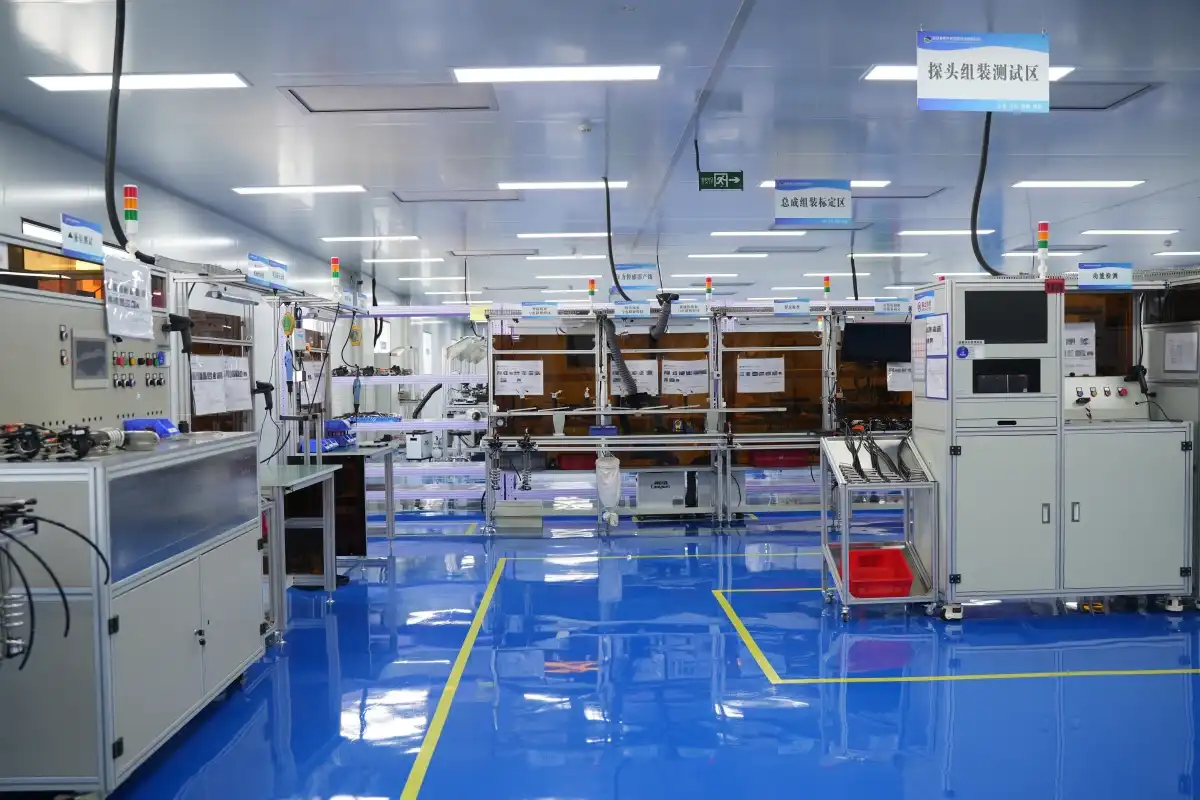
Understanding Pressure Transducers and Remote Monitoring Technology
How Pressure Transducers Work?
Devices that measure pressure work by feeling the force that is applied to a part of the device and then turning that mechanical change into an electrical output. Usually, piezoresistive, capacitive, or thin film technology is used for the detecting device. When put under stress, piezoresistive sensors change their electrical resistance. They have quick reaction times that make them perfect for tracking changing pressure in diesel exhaust systems.
Capacitive models accurately measure changes in capacitor plates caused by pressure, working best in labs with strict rules. Thin film designs, especially sputtered thin film designs, put down very thin layers of resistance material on metal diaphragms. This makes them very accurate and keeps temperature change to a minimum over a wide range of temperatures, from -40°C to 125°C. Because they can handle a wide range of temperatures, they are perfect for building equipment and farm tools that have to work in harsh circumstances.
Remote Monitoring Integration
When sensors are connected to the internet, they become smart tracking nodes. These days, systems talk to each other using industrial protocols like Modbus and CAN bus, or they use wireless standards like LoRaWAN and NB-IoT. Cloud-based platforms collect data from many sensors on big truck companies or spread-out generator sets, which lets diagnostics be done from one place. Studies on industrial automation show that predictive algorithms can predict repair needs by looking at patterns in pressure. This can cut unexpected downtime by up to 35%. This feature directly meets the main needs of OEM buying managers who want to make sure that mass production is consistent and aftertreatment integrators who need quick technical help.
Analog Versus Digital Signal Processing
The style of the signal output from pressure transducers has a big effect on how the system is integrated. Analog outputs (4-20mA or 0-5V) make it easy to connect pressure transducers to old control systems that are popular in retrofit and aftermarket uses. Digital connections, such as I2C, SPI, and industrial Ethernet, let you send data from pressure transducers with better resolution and connect multiple sensors without losing signal strength over long distances. When technical managers choose between formats for their pressure transducers, they should think about how well they will work with current infrastructure, how deep they want to go into diagnostics, and how scalable they will need to make future remote fleet management solutions.
Top Use Cases for Pressure Transducers with Remote Monitoring
Diesel Engine Emission Control Systems
Monitoring the exhaust after cleaning is probably the most important application area. Differential pressure monitors put in place before and after diesel particulate filters find soot buildup and start regeneration processes only when they are needed, not on set times. This improvement makes the filters last 20 to 30 percent longer while still meeting pollution standards. In SCR systems, these parts keep an eye on the urea flow pressure and the catalyst backpressure to make sure that the NOx conversion works as well as it can. Real-time alerts let workers know when changes in pressure mean that the catalyst is breaking down or the injectors are getting clogged. This keeps emission tests from failing, which could shut down whole production lines.
Heavy Truck Fleet Management
Centralized pressure tracking is very helpful for commercial vehicle owners who are in charge of hundreds of trucks traveling on regional routes. Tracking the brake system's air pressure keeps accidents from happening by letting repair teams know about broken compressors or line breaks before the whole system goes down. Engine oil pressure data sent while the engine is running shows how the bearings are wearing, so they can be replaced before they break down on the side of the road. Monitoring the fuel system pressure finds problems with the injectors early, which keeps the engine from breaking down completely. Based on case studies of fleet management, the total result lowers maintenance costs by about $1,200 per car per year and increases uptime by 12 to 15 percent.
Generator Set Reliability in Remote Locations
Unexpected generator breakdowns are not acceptable in remote areas where mining activities, telecommunications towers, and backup power sites are located. Monitoring the pressure of the lube system, the coolant system, and the fuel delivery system all the time lets you know right away if there are any technical problems. When pressure readings are different from normal, automated systems can start controlled shutdowns that protect expensive prime movers from major damage. When project procurement engineers choose generator packages, choosing models with built-in remote tracking cuts the number of site visits by 40% and increases the average time between failures from 2,500 to 3,800 hours.
Construction Equipment Hydraulic System Optimization
Machines like excavators, loaders, and cranes depend on hydraulic systems that work within very tight pressure ranges. Too much pressure breaks seals and breaks parts, while not enough pressure lowers pulling ability and cycle times. Installing wireless sensors at key places in the hydraulic circuit sends data to platforms for managing the equipment. This lets workers improve performance based on real-world load conditions instead of conservative factory settings. This application-specific tuning boosts output by 8–12% while lowering the amount of hydraulic fluid used and the number of times parts need to be replaced. This directly meets the needs of aftermarket sellers who want low-cost solutions that don't break down often.
Aftertreatment System Integration Testing
When SCR and DPF system solution companies combine parts from different sources, they have to follow a lot of complicated validation rules. Real-time monitoring of pressure during lab testing and car trials speeds up the development process by showing problems with interface compatibility right away. Engineers can set acceptable pressure ranges for different engine platforms using customizable alarm levels, and data logging makes all the certification paperwork needed for regulatory approval. Technical managers like how flexible modern sensing systems are. These systems can work with a variety of mounting options and electrical connections, so they don't need to make special sensor versions. This makes purchasing easier and reduces the need for extra inventory.

How to Choose the Right Pressure Transducer for Remote Monitoring?
Accuracy and Environmental Specifications
Different uses have very different needs for measurement accuracy when it comes to pressure transducers. For example, ±0.25% full-scale accuracy may be needed for emission certification tests involving pressure transducers in urea dosing or exhaust backpressure monitoring, but ±1.0% tolerances are fine for general machine tracking. When pressure transducers are exposed to exhaust gas temperatures above 600°C, they need special designs with thermal insulation or active cooling to make temperature adjustment possible.
When it comes to mobile equipment, vibration resistance is very important for pressure transducers. Industrial-grade rapid life testing should show that the pressure transducers can withstand 50G shock loads and ongoing 20G vibration exposure. Specifications for purchasing pressure transducers should clearly state the temperature ranges that can be used, the types of media that can be used (taking into account the sulfuric acid buildup in diesel exhaust and urea solution crystallization), and the levels of entry protection (at least IP67 for outdoor installations).
Connectivity and Protocol Compatibility
Aligning communication protocols is important for system cooperation to work well. Older diesel engines might need analog outputs that work with their current engine control units. On the other hand, newer platforms expect CAN bus interface that meets SAE J1939 or ISO 11898 standards. For retrofit installs in business car aftermarket uses, wireless connectivity gets rid of the need for costly changes to the harness. Supply chain managers should make sure that the sensors they choose support the necessary protocols without the need for extra hardware to convert between them. This is because each link adds a failure point and makes tuning more difficult.
Supplier Evaluation Criteria
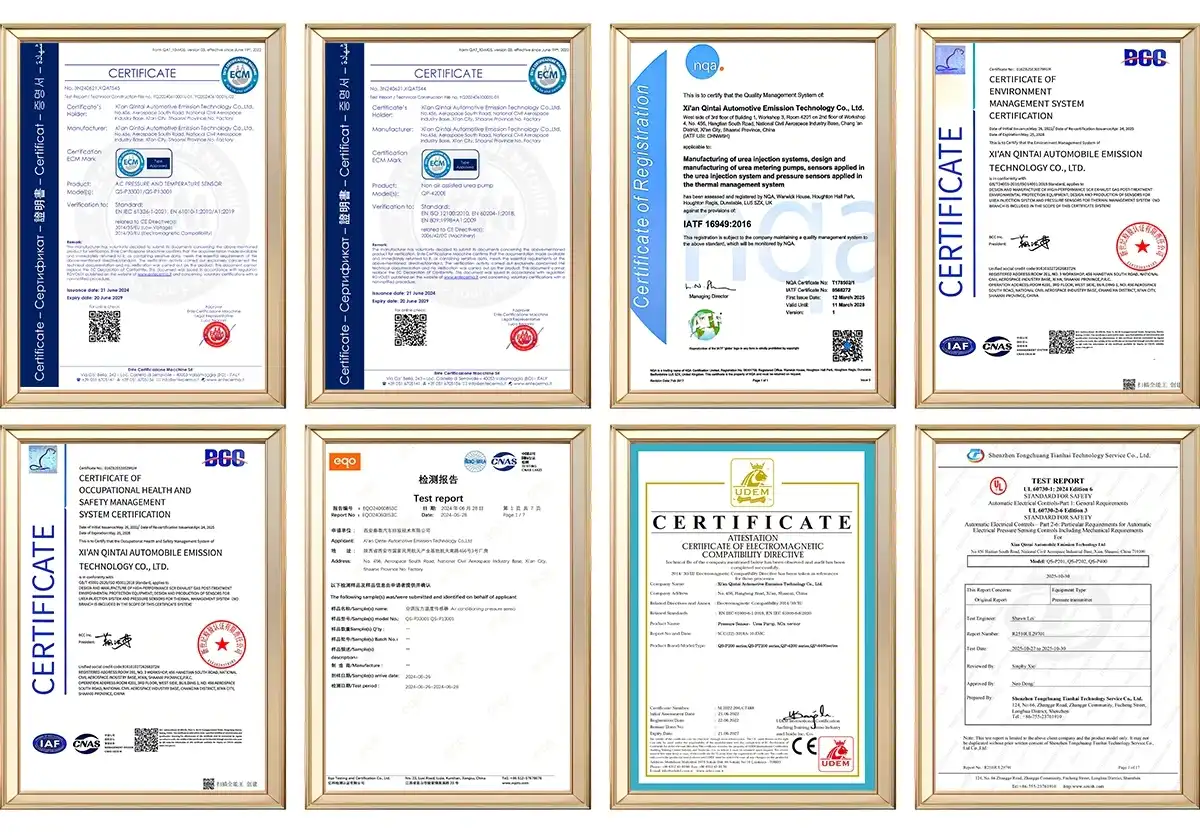
In addition to product specs, a supplier's skills have a big effect on the success of a long-term relationship. We suggest judging producers on a number of factors. For foreign markets, certifications should include ISO 9001 for quality management and IATF 16949 for car standards, as well as regional compliance marks like CE, UL, and REACH. Verification of production capacity makes sure that providers can go from making a few prototypes to meeting yearly needs for more than 50,000 units without lowering the quality.
Project delays can be avoided by making sure that technical support is prompt, which can be judged by how quickly questions are answered and by how available field application engineers are. After-sales guarantee terms of 24 to 36 months and clear RMA processes protect against batches that aren't working right. When you compare these factors between possible partners, such as well-known global names and specialized OEM suppliers, you can see that there are trade-offs between high prices and large support networks and cost-effective options that need more in-house technical resources.
Calibration, Maintenance, and Ensuring Accuracy in Remote Monitoring Systems
Calibration Methodologies
The first calibration in the workshop sets the standard accuracy, but over time, factors in the field cause measurements to drift. To do a traditional calibration, you have to take off the sensors and use deadweight tests or precision calibrators to compare the results to reference standards. Even though this process is correct, it causes tools to break down and costs money in work. In-situ verification is now possible with remote calibration methods.
This is done by briefly placing portable reference sensors next to installed units and comparing the results while the units are actually working. The comparison finds the drift amount without taking apart the system. The amount of time between calibrations depends on the type of application. For example, emission-critical sensors need to be checked every three months, while non-regulatory tracking can be done once a year.
Preventing Sensor Degradation
Long-term accuracy is at risk because of a number of failure processes. Media pollution, especially carbon deposits in exhaust systems, keeps sensor diaphragms from communicating with real pressure, which leads to falsely low readings. As a safety measure, sensors should be placed in places that limit their exposure to particles, and designs should include purge air fittings that allow for regular cleaning. Thermal cycling puts stress on mechanical parts.
Choosing sensors that can handle temperature variations 20% higher than their expected maximums will make them last longer. When installation force is wrong, it harms sensor bodies or sealing surfaces. Standard ½-20 UNF threaded sensors need 100 to 200 inch-pounds of fitting force. Going over this limit could cause the thread to seize or the diaphragm to bend. To keep tracking systems from breaking down too soon, maintenance teams should use torque wrenches that have been measured and check that the mounting holes are clean before installing anything.
Remote Diagnostic Capabilities
More advanced tracking tools have self-diagnostic features that check the health of sensors all the time. Out-of-range checks show numbers that are physically impossible, which could mean that the electricity is out. Rate-of-change research finds when sensor responses start to get worse before they become too inaccurate. Correlation algorithms look at related sensors, like upstream and downstream DPF pressure, and find outliers when one device acts strangely while the others stay the same.
These computer checks cut down on the need for human inspections by 60% and find intermittent problems that regular manual testing might miss. When purchasing managers look at different remote tracking systems, they should give more weight to platforms that offer full troubleshooting automation. This feature lowers the total cost of ownership by finding problems early on, which saves money.
Future Trends and Innovations in Pressure Transducers with Remote Monitoring
AI-Driven Predictive Analytics
When pressure transducers are integrated with machine learning systems that have been taught on past pressure data, they can very accurately predict when parts will fail. Neural networks find small changes in pressure patterns from pressure transducers that threshold-based alarms miss. They can predict when bearings will fail 200 to 300 hours before standard vibration analysis finds problems—enabling proactive replacement of pressure transducers and related components.
Predictive maintenance scheduling figures out the best service times so that repairs are done just before the chance of failure goes up and working parts aren't replaced too soon. Early users say that repair costs are 25–30% lower than with fixed-interval schedules, thanks to real-time pressure transducer data feeding AI models. When looking to buy pressure transducers, procurement teams should look for providers that offer AI-enhanced monitoring platforms or data export formats that can be used with third-party analytics.
Wireless Sensor Networks and Edge Computing
Battery-powered wireless devices don't need to be wired in, which saves money on installation costs. This is especially helpful for retrofit uses where running cables through current equipment is too expensive. Using technologies that collect energy, like vibration-powered engines and thermal converters, can make batteries last for years instead of months. Edge computing designs handle data locally at sensor nodes or gateway devices. This cuts the amount of bandwidth needed by the cloud by 80% and lets control respond in real time without being connected to the internet. This design for distributed intelligence works well for mining operations that are far away and for use in places where cell phone service isn't always reliable.
Industry 4.0 Integration Standards
Standardized digital twin frameworks make it possible to make virtual copies of real assets. This lets engineers model how pressure systems will behave in different working conditions. OPC UA communication standards make it easy for sensors from different makers to share data with centralized monitoring systems, regardless of the manufacturer.
Blockchain-based calibration approval makes records that can't be changed, which meets the needs of governmental audits. As digitalization in industry speeds up, R&D engineers should make it a priority to find sensor platforms that support these new standards. This will ensure long-term compatibility. Partnerships with providers that are actively involved in groups that are developing Industry 4.0 standards can be very helpful as the need for interoperability grows.
Conclusion
Sensors that can be monitored from afar—particularly pressure transducers—make operations better in heavy equipment, diesel engine making, and the integration of aftertreatment systems. The technology supports a wide range of industrial settings, from controlled production lines to rough field conditions, and meets important buying goals such as emission compliance, predictive maintenance, and total cost optimization.
For implementation to go well, pressure transducer accuracy requirements, communication needs, and provider skills must all be carefully looked at, followed by systematic testing and troubleshooting. As AI analytics and wireless networking get better, companies that adopt early pressure transducer monitoring will be able to get the most out of increased stability and lower costs. To maximize these benefits, procurement managers and technical experts should work with qualified providers who offer complete solutions including pressure transducers, connectivity platforms, and application support.
FAQ
What differentiates pressure transducers from pressure sensors?
The terms are often used equally, but there are some small differences between them. Pressure sensors are usually sense parts that send out raw electrical data that need to be further processed. Transducers have electronics inside them that changes sensor outputs into standard industrial signals, such as 4-20mA. When buying something, mentioning "transducer" makes sure that the outputs are ready to use and work with control systems without the need for extra boosting.
Can pressure transducers be customized for specific engine platforms?
Manufacturers with a good reputation let you change a lot of things, like the type of electrical connection, the thread design, the pressure range, and the output signal format. Custom calibration works with pressure levels that aren't standard, and changed mounting shapes make setups that don't have a lot of room possible. After the design is approved, it usually takes 6 to 10 weeks to develop custom versions, and you need to buy at least 500 units to make the tooling affordable.
What lead times should procurement managers expect for bulk orders?
For orders of less than 1,000 units, standard store items ship within two to four weeks. Orders of more than 5,000 pieces need to be scheduled for production 8 to 12 weeks in advance. Custom specs add an extra 6 to 8 weeks to the time it takes to validate a prototype. Setting up blanket purchase orders with planned releases helps sellers plan their production more efficiently. This can cut costs per unit by 15–20% compared to spot purchases and make sure there is enough inventory for large-scale production needs.
Partner with Qintai for Advanced Pressure Transducers Solutions
Long-term scientific and business success is guaranteed by choosing a pressure transducer manufacturer with a track record of success in diesel emission uses. Xi'an Qintai Automotive Emission Technology Co. Ltd. brings over two decades of specialized experience serving OEM diesel engine manufacturers and aftertreatment system integrators. Our ISO 9001 and IATF 16949 certified manufacturing processes deliver consistent quality across annual production volumes exceeding hundreds of thousands of units, directly supporting mass production requirements of major heavy truck and construction equipment manufacturers.
As the leading OEM supplier to Weichai Power, Yuchai Power, and Quanchai Power—China's premier diesel engine producers—we understand the technical demands of emission compliance and system integration. Our independent R&D team holds 58 invention patents covering sensor technology innovations specifically addressing SCR and DPF monitoring challenges. We offer comprehensive customization services adapting pressure ranges, electrical interfaces, and mounting configurations to your exact specifications, with engineering support available throughout development and production phases.
Our global distribution network spans 60+ countries across Europe, the Middle East, and South America, ensuring responsive after-sales service wherever your operations extend. Contact our team at info@qt-sensor.com to discuss your pressure monitoring requirements and receive detailed technical specifications, certification documentation, and volume pricing tailored to your procurement objectives.
References
1. Zhang, L., & Thompson, M. (2023). Advanced Sensor Technologies for Diesel Engine Emission Control. Journal of Automotive Engineering and Technology, 15(3), 287-304.
2. Industrial Automation Research Institute. (2024). Predictive Maintenance ROI Analysis in Heavy Equipment Applications. Industrial Systems Quarterly, 41(2), 112-129.
3. European Commission Joint Research Centre. (2023). Pressure Monitoring Requirements for Euro VI Heavy-Duty Diesel Engines: Technical Compliance Guidelines.
4. Anderson, K., & Patel, R. (2024). Wireless Sensor Network Architectures for Remote Industrial Monitoring. International Journal of Industrial IoT Applications, 8(1), 45-68.
5. Society of Automotive Engineers. (2023). SAE J1939 Network Communication Standards for Commercial Vehicles, Revision E.
6. Williams, D. (2024). Thin Film Pressure Sensor Technology: Performance Characteristics and Application Optimization. Sensors and Instrumentation Review, 29(4), 203-221.
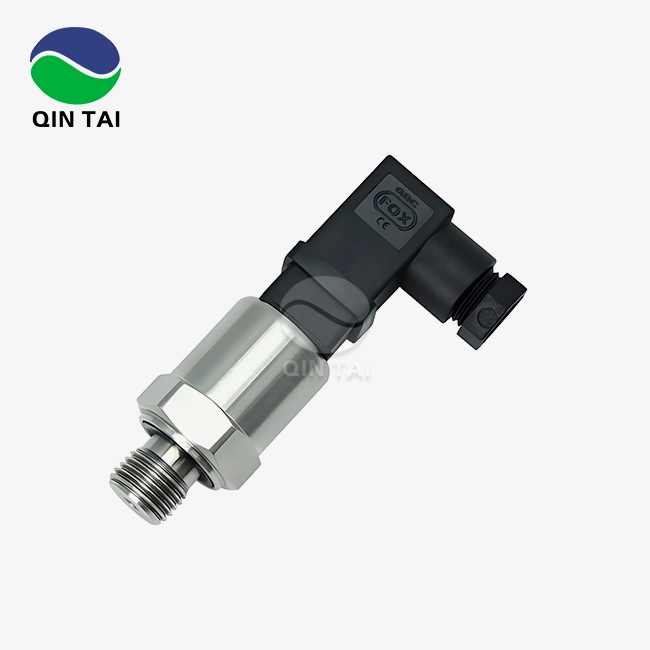
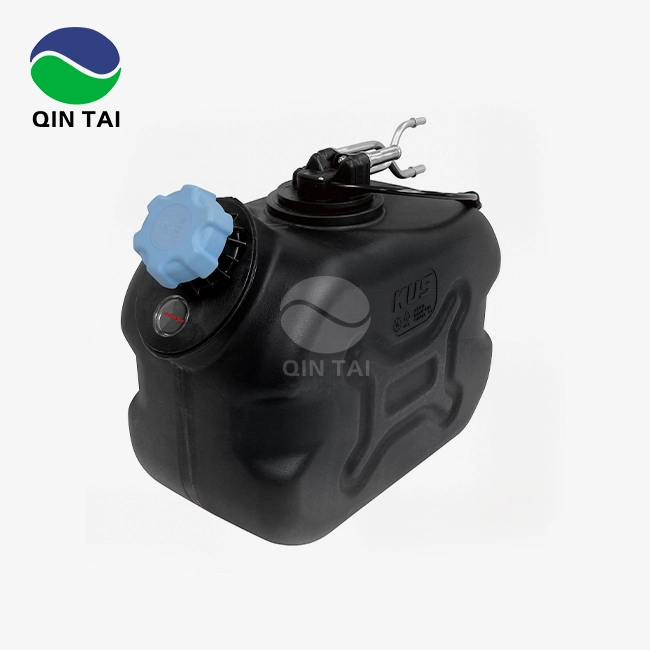
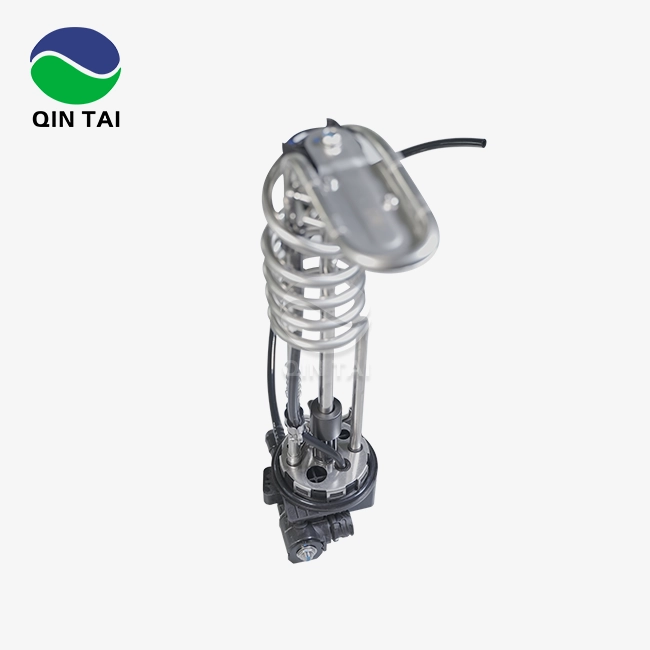
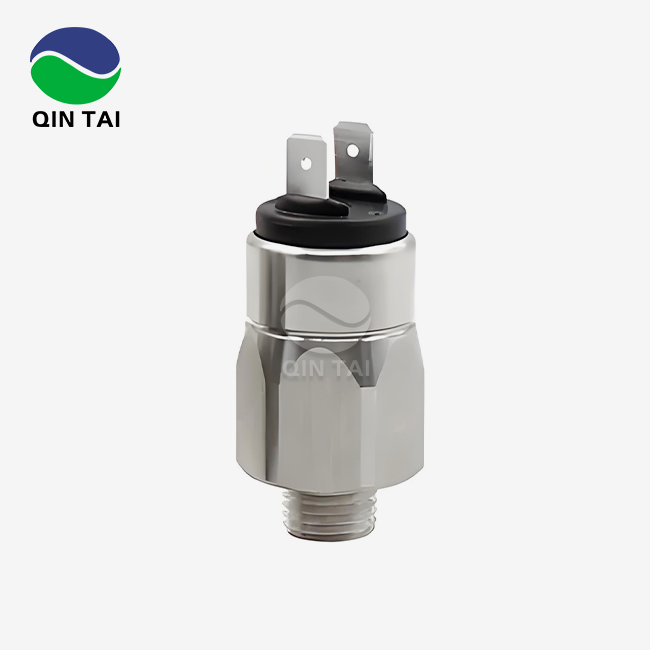

Our customers’ satisfaction speaks for our quality — contact us to experience the same reliable service.