- English
- French
- German
- Portuguese
- Spanish
- Russian
- Japanese
- Korean
- Arabic
- Greek
- German
- Turkish
- Italian
- Danish
- Romanian
- Indonesian
- Czech
- Afrikaans
- Swedish
- Polish
- Basque
- Catalan
- Esperanto
- Hindi
- Lao
- Albanian
- Amharic
- Armenian
- Azerbaijani
- Belarusian
- Bengali
- Bosnian
- Bulgarian
- Cebuano
- Chichewa
- Corsican
- Croatian
- Dutch
- Estonian
- Filipino
- Finnish
- Frisian
- Galician
- Georgian
- Gujarati
- Haitian
- Hausa
- Hawaiian
- Hebrew
- Hmong
- Hungarian
- Icelandic
- Igbo
- Javanese
- Kannada
- Kazakh
- Khmer
- Kurdish
- Kyrgyz
- Latin
- Latvian
- Lithuanian
- Luxembou..
- Macedonian
- Malagasy
- Malay
- Malayalam
- Maltese
- Maori
- Marathi
- Mongolian
- Burmese
- Nepali
- Norwegian
- Pashto
- Persian
- Punjabi
- Serbian
- Sesotho
- Sinhala
- Slovak
- Slovenian
- Somali
- Samoan
- Scots Gaelic
- Shona
- Sindhi
- Sundanese
- Swahili
- Tajik
- Tamil
- Telugu
- Thai
- Ukrainian
- Urdu
- Uzbek
- Vietnamese
- Welsh
- Xhosa
- Yiddish
- Yoruba
- Zulu
Pressure Transmitter Benefits for Water, Oil, and Gas Systems
Pressure transmitters serve as essential instruments in water, oil, and gas industries by converting physical pressure into standardized electrical signals, enabling continuous monitoring and control of critical processes. These devices provide operators with accurate, real-time data that ensures system integrity, prevents catastrophic failures, and maintains regulatory compliance across diverse industrial applications. By delivering consistent performance under demanding conditions, pressure transmitters help organizations reduce operational risks while optimizing resource management and productivity in their processing facilities.
Introduction
Accurate pressure measurement is now a must in all industrial fields around the world to keep operations safe and running smoothly. Reliable pressure monitoring is needed in water treatment plants, oil refineries, and natural gas processing plants to keep equipment from breaking, make sure products are safe, and keep workers from being exposed to dangerous situations. Pressure Transmitters today are much more than just simple gages. They use advanced sensing technologies and communication features that work well with automated control systems.
When industrial buyers have to choose pressure measurement options that work effectively in environments with changing temperatures, high and low pressures, and corrosion, they have to make hard choices. Our team at Qintai has spent more than 20 years making sensing technologies for tough diesel engine aftertreatment systems and other industrial uses, so we know what these problems are.
This complete guide is designed to help buying managers, R&D engineers, and technical managers make choices about what to buy by giving them useful information on Pressure Transmitter basics, how to choose one, and the best ways to run an operation. This guide will help you understand the technical and financial factors that affect how well a system works in the long term, whether you're planning a new installation or improving an old one.
Understanding Pressure Transmitters and Their Working Principles
What Makes Pressure Transmitters Different from Basic Sensors?
Pressure Transmitters change mechanical pressure into standard electrical outputs like 4-20mA current loops or digital protocols. Basic sensors, on the other hand, usually send out raw analog signals that need extra circuitry to clean them up. In industrial settings, where transmitters need to talk over long cable runs without signal loss, this difference is very important. Transducers are a more general term for any device that changes the form of energy. Transmitters, on the other hand, condition and boost messages for industrial control systems.
Common Pressure Measurement Technologies
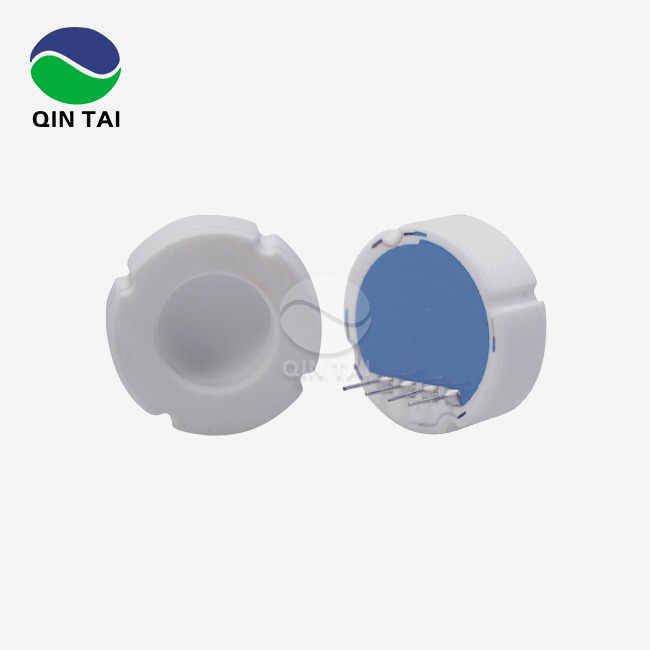
In the past, mechanical designs used Bourdon tubes and bellows, which are elastic parts that deform when they are put under pressure and drive potentiometers or other electrical parts through mechanical links. These days, electronic emitters use piezoresistive strain gages, capacitive diaphragms, or piezoelectric crystals, which change changes in pressure directly into electrical messages without using any mechanical steps in between. Using vacuum-sputtering to cast strain gages directly onto stainless steel diaphragms at the molecular level, thin-film technology is a big step forward. It gets rid of the need for sticky layers that can break down over time.
Gauge, Differential, and Absolute Pressure Configurations
Depending on the needs of the process, different pressure reference points are needed in industrial settings. Gage transmitters are great for keeping an eye on vessel and pipeline pressures in water distribution systems because they measure pressure in relation to the air pressure. Differential pressure devices find the difference in pressure between two places. They are often used in oil plants to check filters and measure flow. Absolute Pressure Transmitters work best in a perfect vacuum, which is necessary for systems that squeeze gasses and other uses where changes in air pressure could affect accuracy.
Integration Within Water, Oil, and Gas Infrastructure
Water companies put these devices all over their distribution networks to find leaks, keep an eye on how well pumps are working, and keep the pressures just right so pipes don't burst and customers get enough water. Many oil production sites use Pressure Transmitters for tracking wellheads, separator vessels, and pipeline networks. They keep an eye on things all the time to make sure they don't get too pressurized, which can be dangerous, and they also make the extraction process run more smoothly. In natural gas processing plants, accurate pressure measurements are needed for compression stages, monitoring storage tanks, and custody transfer tasks. The accuracy of the measurements has a direct effect on business transactions.

Benefits of Pressure Transmitters in Water, Oil, and Gas Systems
Enhanced Operational Efficiency Through Real-Time Monitoring
Continuous pressure data lets workers spot changes in performance before they become major problems that cost a lot of money or cause safety issues. This information helps water treatment plants find the best pump speeds, which lowers energy use while keeping service levels the same. Oil refineries keep an eye on the differences in pressure between the catalytic reactors and distillation columns to make sure that the conversion rates and quality of the products are at their best. Facilities that handle natural gas keep an eye on compression ratios and pipeline pressures to get the most gas through while staying safe.
Modern receivers get rid of the need to read gages by hand, which takes a lot of time and can lead to mistakes when measuring important things. Automated data collection lets you look at trends that show how equipment performance is slowly getting worse. This helps predicted maintenance plans that plan repairs for planned breaks instead of having to fix problems as they happen. This proactive approach cuts down on maintenance costs by a large amount and increases the life of equipment in industrial settings.
Precision and Reliability for Critical Process Control
In processes that are sensitive to pressure, measurement accuracy has a direct effect on the quality of the product, the safety gaps, and the ability to follow the rules. High-performance transmitters keep their accuracy specifications within ±0.1% of span throughout their operating range. This gives them the accuracy needed for processes that need to be tightly controlled and for custody transfers. Long-term stability makes sure that readings are accurate between calibrations, which lowers the need for upkeep and the costs that come with it.
Temperature compensation circuits in good transmitters fix ambient temperature effects automatically. Without them, measurement errors would happen when temperatures change a lot, like they do in process and outdoor settings. Designs that are resistant to vibration stop false readings in places where they are used near pumps, compressors, and other spinning machines that cause mechanical problems in factories.
Meeting Stringent Regulatory Requirements
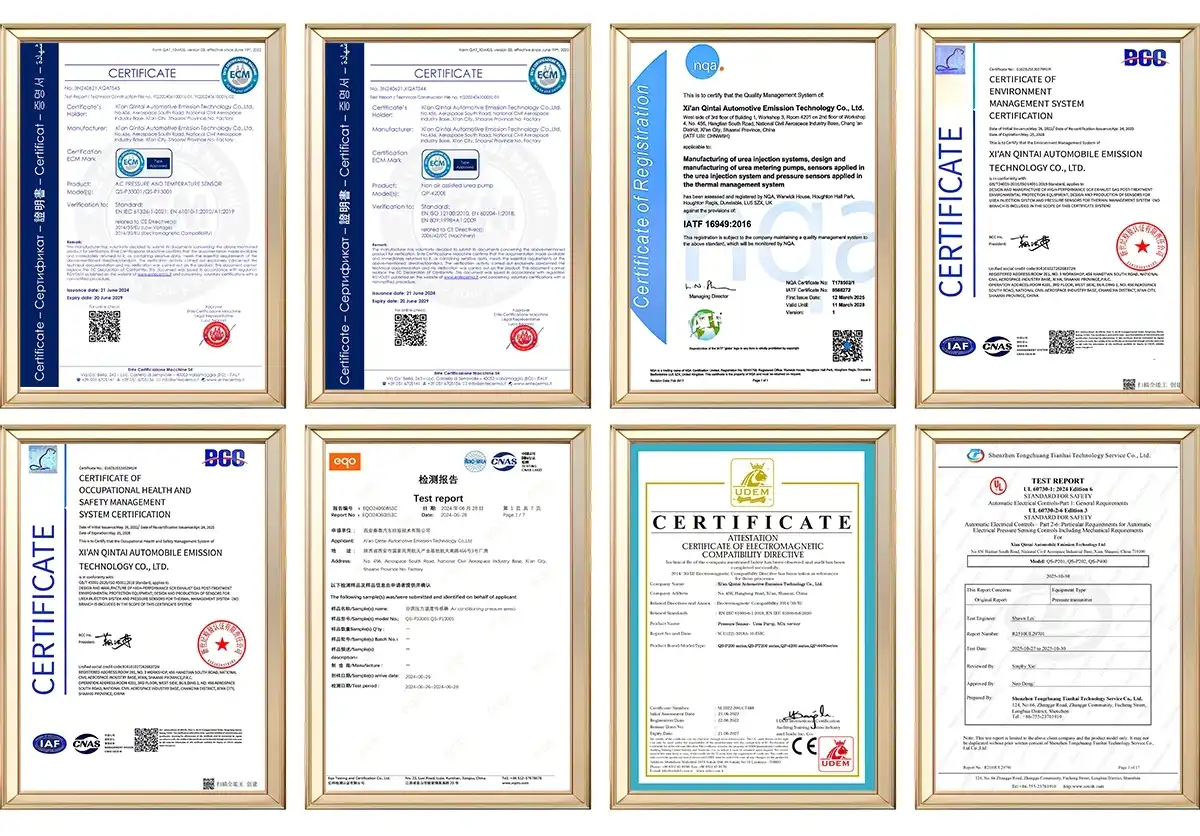
In many places, environmental laws require that pollution be monitored all the time. This means that exhaust gas recirculation systems, selective catalytic reduction units, and diesel particulate screens must have accurate pressure measurements. Transmitters that have the right certifications, like ATEX for environments with explosives, UL for electrical safety, and ISO compliance for quality management systems, show that they meet international standards. This makes it easier for them to get into new markets and get regulatory approval.
Traceability of calibration to national standards gives the proof needed for quality assurance programs and regulatory audits. Many fields need to check the accuracy of measurements on a regular basis. To stay in compliance without a lot of extra testing, receivers that have clear calibration instructions and stable performance are important.
Wireless Versus Wired Installation Considerations
Wireless Pressure Transmitters save a lot of money on installation costs in retrofit situations and in remote areas where running cables can be hard or cost a lot. Wireless units that are driven by batteries get rid of the need for electrical infrastructure. This makes it possible to watch areas that are dangerous without using naturally safe barriers. Wireless mesh networks can be used on a big scale in places like oil areas and water distribution systems with hundreds of measurement points, which makes the infrastructure investment worthwhile.
In critical control situations where real-time reaction and total reliability are more important than installation freedom, wired transmitters are still the best choice. The 4-20mA current loop standard has built-in benefits such as easy troubleshooting (for example, finding broken wires), built-in safety in dangerous places, and resistance to electrical noise that can mess up voltage-based signs. Digital protocols, such as HART and Foundation Fieldbus, combine strong physical layers with better diagnostic tools that help with more complex asset management plans.
How to Choose the Best Pressure Transmitter for Industrial Water, Oil, and Gas Applications?
Evaluating Technical Specifications Against Application Demands
To choose the right measurement range, you need to make sure that the transmitter's capabilities match the actual process pressures while leaving enough room for error. If the ranges are too small, they could damage the sensors or make them too full of information, and if they are too big, they lose detail and accuracy in the real working area. Because electronic parts have specific operating ranges that affect the overall reliability of the system, temperature ratings must include both the temperatures of the process media and the temperatures of the environment, even when the seasons change.
You should carefully look over accuracy specs because makers may list the best performance under ideal conditions instead of the worst accuracy across the whole working range. Total error band specs that take into account the effects of linearity, hysteresis, consistency, and temperature change give accurate expectations of how well the device will work. Response time is very important in situations where you need to find changes in pressure quickly, like in surge protection systems and control loops that act quickly.
Material Compatibility for Corrosive and Demanding Environments
Materials that are wetted during the process must not corrode when they come into contact with the media being tested. This includes harsh chemicals used to treat water, hydrocarbon compounds used in oil processing, and acidic condensates used in natural gas systems. For most uses, stainless steel diaphragms are very resistant to rust. For especially corrosive conditions, metals like Hastelloy or Monel are better. Standard transmitter materials can measure corrosive or thick media through isolation diaphragms thanks to chemical seal systems with fill fluids.
The ability to survive in harsh outdoor environments with changing temperatures, water exposure, and physical dangers depends on the housing materials used and their ingress protection ratings. With an IP67 or IP68 grade, aluminum or stainless steel casings keep water and other contaminants out that could damage electronics. Explosion-proof housings approved for Division 1 or Zone 0 dangerous sites make it safe to work in places where there are a lot of flammable gasses or vapors.
Certifications and Quality Assurance Programs
Industry-specific certifications show that you meet the standards of your industry and make the government approval process easier. The ATEX certification shows that it can be used in European situations with dangerous atmospheres, and the IECEx certification shows that it can be used anywhere in the world. SIL (Safety Integrity Level) approval records the dependability information needed to add receivers to safety-instrumented systems that stop catastrophic failures.
Quality management system standards, such as ISO 9001 and IATF 16949, show that providers follow written procedures for controlling designs, making sure products are consistent, and always getting better. Companies with these certifications show that they care about quality beyond the specifications of a single product. This lowers the risk of purchasing by verifying the supplier's abilities.
Supplier Capabilities and Support Infrastructure
When setting up large facilities or keeping standard spare parts inventories at multiple sites, mass production capacity comes into play. Suppliers who have shown they can produce large amounts of goods consistently ensure access without long lead times that could slow down projects or force people to make sacrifices when they need to replace something quickly. Delivery speed is affected by the availability of inventory and the efficiency of distribution networks. This is especially important for aftermarket applications where the cost of downtime makes it worth charging more for immediate availability.
Throughout the lifetime of a product, the level of technical help affects how well it can be used and how problems can be fixed. When suppliers give detailed installation instructions, calibration steps, and debugging tools, support teams can fix problems without having to involve the factory too much. Customization options let you get the best performance for certain uses by changing the pressure ports, the electrical links, or the output ranges to fit existing systems.
Installation, Calibration, and Maintenance Best Practices
Strategic Installation Techniques for Accurate Measurement
In designs that are sensitive to how gravity affects sensing elements, the orientation of the mounting affects how accurate the measurements are. Manufacturers list recommended angles that should be used unless the application limits the best placement. Impulse lines that connect process taps to emitters need to be carefully angled and drained so that liquid doesn't build up in gas service or vapor pockets don't form in liquid applications, which can cause measurement mistakes.
Vibration isolation stops mechanical disturbances from changing the output of sensors and speeding up the wear on parts. These effects can be lessened by mounting receivers away from pumps and compressors or using hardware that stops vibrations. In high-temperature situations, mistakes can be caused by thermal gradients between the process links and the sender electronics. To keep temperature correction working well, insulation or heat sinks are needed.
Commissioning and Calibration Procedures
Before putting receivers into service, an initial calibration check makes sure that measurements are accurate. This finds any damage from shipping or manufacturing flaws before they affect operations. With zero and span changes, the transmitter's output is matched to known reference pressures that can be traced back to national standards. This sets a baseline for performance recording. Multi-point calibration across the working range finds nonlinearity that two-point checks alone might miss. This is especially important for uses that need to be precise, such as those relying on a Pressure Transmitter for critical emission or hydraulic control.
The frequency of periodic recalibration depends on how important the application is, the manufacturer's stability requirements, and government rules. Many sites check important transmitters once a year, but every two or three years for less important uses that have been shown to be stable. Drift trends from multiple calibrations help find the best intervals by showing which devices are stable and can go longer without being checked and which ones aren't working right and need to be checked more often.
Preventive Maintenance Strategies
Regular checks find problems like connector corrosion, impulse line blockage, and mechanical damage before they become failures. Visual checks during regular plant tours don't take long and find problems right away. By comparing pressure readings from transmitters to nearby backup instruments or portable test gages, performance can be checked all the time without having to take transmitters out of service.
Intelligent transmitters have diagnostic features that allow for planned maintenance. These features keep an eye on internal factors such as temperature extremes, power source changes, and output saturation events that show problems are starting to appear. When maintenance teams look at diagnostic data trends, they can plan to fix problems during planned breaks instead of having to fix problems that happen at crucial production times.
Future Trends and Innovations in Pressure Transmitter Technology
Smart Diagnostics and Remote Asset Management
Modern transmitters have self-diagnostic algorithms that check the health of the sensor all the time. These algorithms can find partial blockages, membrane degradation, and electronic component drift before the accuracy drops too far. These features work with asset management software that gathers information from hundreds of instruments spread across multiple buildings. This makes maintenance tasks more important based on their real state rather than set schedules. Technicians can change settings and get diagnostic data without having to physically handle the system. This cuts down on work costs and lets the system respond quickly to changes in operations.
Connectivity to the cloud makes diagnostics possible outside of facilities, which lets equipment makers offer preventative repair services based on collected fleet data. Pattern recognition algorithms find failure signatures across thousands of installations. Based on statistical models, these algorithms warn users of problems before they show up locally.
Industry 4.0 Integration and Data Interoperability
Digital communication protocols, such as HART, Foundation Fieldbus, and Profibus PA, send diagnostic data along with process measurements, so there is no need for separate networks for configuration. These features can be used in places where connected infrastructure isn't possible, thanks to wireless standards like WirelessHART and ISA100. Pressure Transmitters can connect directly to plant information networks using Ethernet-based protocols. This makes it easier to connect them to business resource planning and factory execution tools.
Standardized data models make it possible for installations from different vendors to work together. This cuts down on training needs and makes managing spare parts easier. Adopting open protocols speeds up innovation by letting the best devices from different manufacturers work together in unified control architectures. This is better than forcing single-vendor solutions that aren't as cost-effective or as good at performance.
Materials Science and Sensor Technology Advances
Thin-film sensing technology gets rid of the need for organic glue that are used in standard bonded strain gages. This makes the long-term stability and temperature performance better by bonding sensing elements and diaphragms at the atomic level. This new development fixes one of the biggest problems in the industry: measurement drift, which makes calibrations more often and makes people less confident in automated control systems.
Micro-electromechanical systems (MEMS) manufacturing methods make it possible to make sensors that are very repeatable and smaller and cheaper than standard designs that are machined. Silicon-based MEMS sensors are very stable and can be made in large batches with electronics built in. This lowers the cost of production while increasing consistency. MEMS can now be used in higher temperature uses that were previously only possible with older technologies thanks to ongoing study into new materials like silicon carbide.
Conclusion
Pressure Transmitters are important parts of infrastructure that make it possible for water distribution networks, oil refineries, and natural gas processing plants to operate safely and effectively. To choose the right devices, you have to weigh the technical requirements against the needs of the application while also taking into account the supplier's skills, which can affect the long-term success of the operation. Quality of installation and upkeep practices have a big effect on how reliable measurements are, so you need to know a lot about them to get the most out of your investment. New technologies offer better diagnostic tools and better interaction with digital plant designs. This puts forward-thinking companies in a good position to take advantage of Industry 4.0 possibilities while still keeping the basic dependability that these mission-critical applications need.
FAQ
Q1: What distinguishes pressure transmitters from pressure sensors?
A: Pressure Transmitters have electronics inside that change sensor signals into standard outputs, such as 4-20mA or digital protocols that can be directly connected to control systems. Sensors send out raw messages that need to be processed further before they can be used with industrial equipment. When compared to sensors alone, transmitters offer self-contained solutions that can communicate over longer distances and with better immunity to noise.
Q2: How often should industrial pressure transmitters be calibrated?
A: How often you need to calibrate depends on how important the application is, the manufacturer's stability requirements, and government rules. Applications that are safety-critical usually need to be checked once a year, while applications that aren't safety-critical may be checked every three years. Setting patterns through repeated calibrations helps make schedules more efficient by showing which devices are stable and which ones need more attention.
Q3: Can wireless pressure transmitters reliably serve critical oil and gas applications?
A: Modern wireless receivers that use standards like WirelessHART are reliable enough for many tracking tasks where update rates of a few seconds are enough. Wired links are still preferred for critical control loops that need millisecond response times. Before putting them to use in mission-critical roles, battery life and network infrastructure needs to be compared to the needs of each application.
Partner with a Trusted Pressure Transmitter Manufacturer
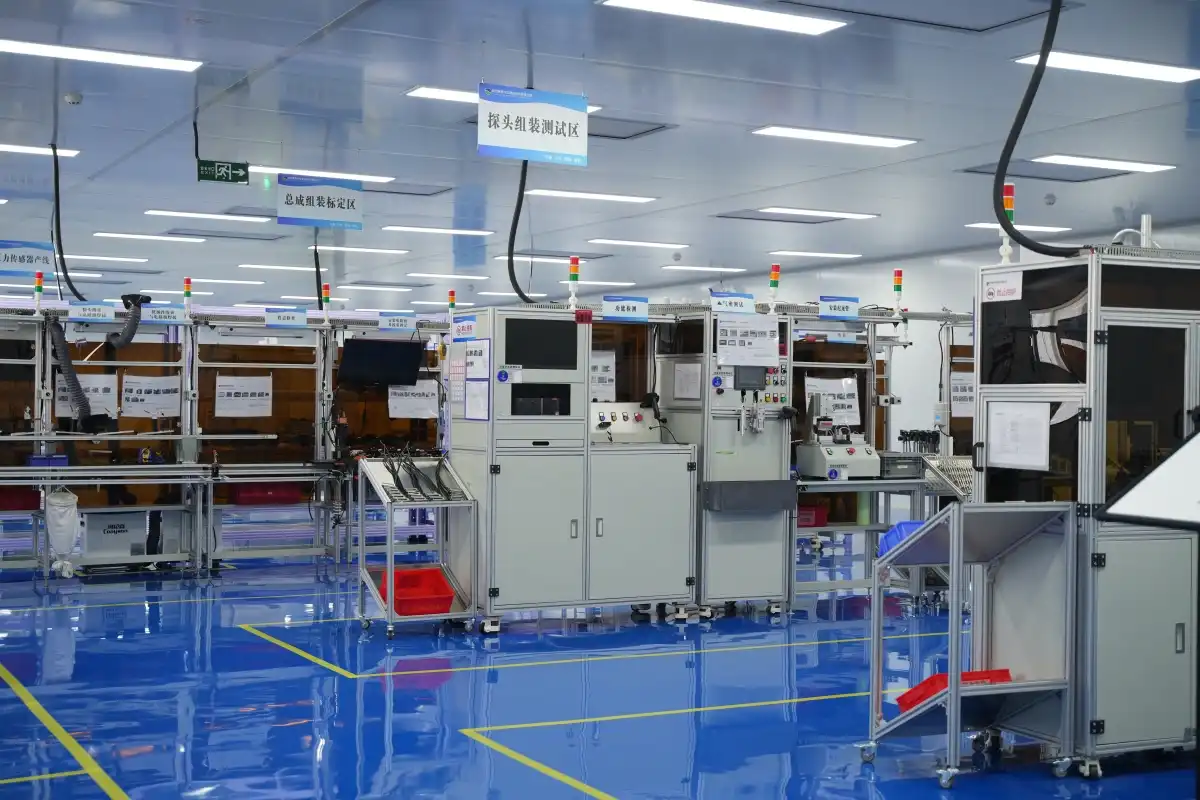
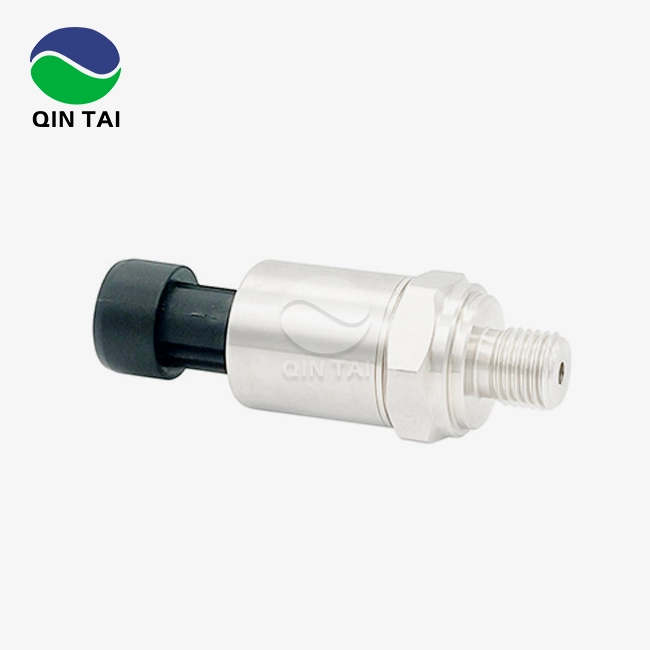
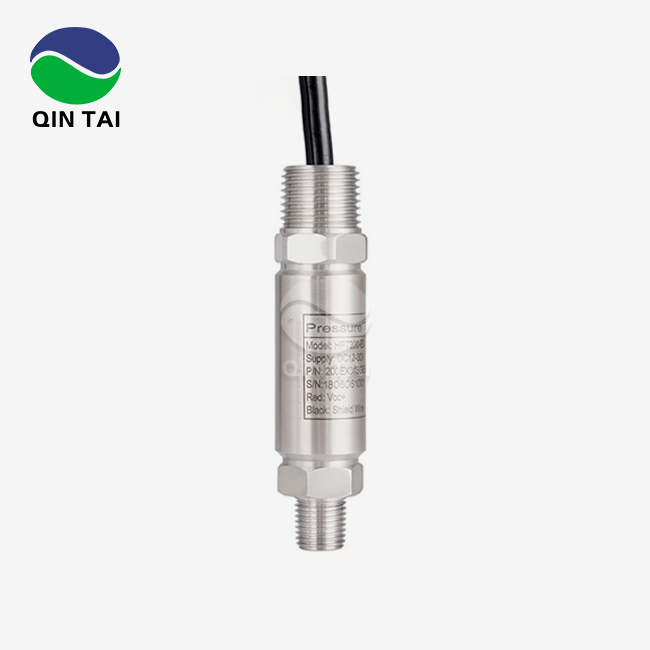
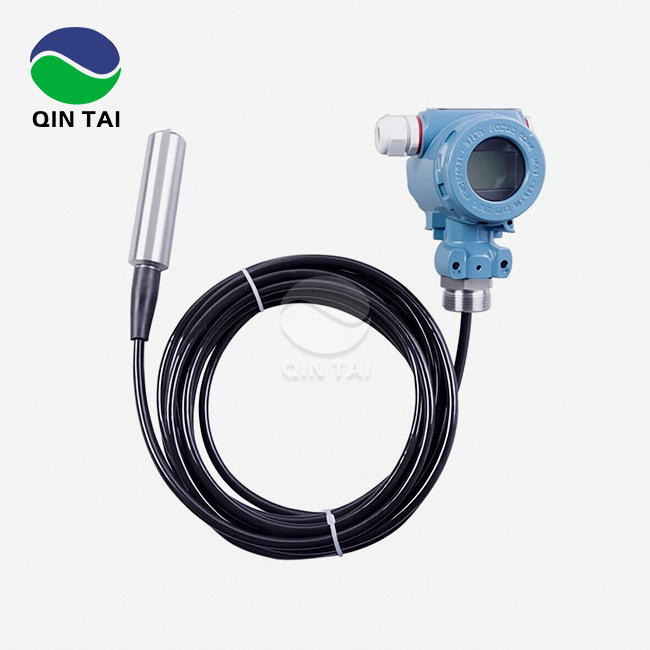
Since more than twenty years, Qintai has been developing and making precise sensors, and it is the biggest OEM provider in China's diesel engine aftertreatment market. Our Pressure Transmitter solutions use thin-film sensing technology and strong industrial construction to give water treatment plants, oil factories, and natural gas processing plants the steadiness and accuracy they need. We keep a lot of licenses, like ISO 9001, IATF 16949, ATEX, and UL, to make sure that our goods meet international quality standards and government rules.
Our engineering team is ready to find the best solutions for your needs, whether you need to produce a lot of products, make configurations that work best for certain uses, or get quick technical support throughout the lifecycle of your product. Contact us at info@qt-sensor.com to talk to one of our application engineers about your pressure measurement problems and find out how our manufacturing skills can help you meet your buying goals with low prices and on-time deliveries.
References
1. Liptak, B.G. (2018). Instrument Engineers' Handbook: Process Measurement and Analysis (5th ed.). CRC Press.
2. Webster, J.G. & Eren, H. (2014). Measurement, Instrumentation, and Sensors Handbook: Spatial, Mechanical, Thermal, and Radiation Measurement (2nd ed.). CRC Press.
3. International Electrotechnical Commission. (2020). IEC 61508: Functional Safety of Electrical/Electronic/Programmable Electronic Safety-Related Systems. Geneva: IEC.
4. American Petroleum Institute. (2019). API RP 551: Process Measurement and Control. Washington, DC: API Publishing Services.
5. Morris, A.S. & Langari, R. (2016). Measurement and Instrumentation: Theory and Application (2nd ed.). Academic Press.
6. NAMUR (2021). NE 107: Self-Monitoring and Diagnosis of Field Devices. Leverkusen: NAMUR Standards Organization.

Our customers’ satisfaction speaks for our quality — contact us to experience the same reliable service.