- English
- French
- German
- Portuguese
- Spanish
- Russian
- Japanese
- Korean
- Arabic
- Greek
- German
- Turkish
- Italian
- Danish
- Romanian
- Indonesian
- Czech
- Afrikaans
- Swedish
- Polish
- Basque
- Catalan
- Esperanto
- Hindi
- Lao
- Albanian
- Amharic
- Armenian
- Azerbaijani
- Belarusian
- Bengali
- Bosnian
- Bulgarian
- Cebuano
- Chichewa
- Corsican
- Croatian
- Dutch
- Estonian
- Filipino
- Finnish
- Frisian
- Galician
- Georgian
- Gujarati
- Haitian
- Hausa
- Hawaiian
- Hebrew
- Hmong
- Hungarian
- Icelandic
- Igbo
- Javanese
- Kannada
- Kazakh
- Khmer
- Kurdish
- Kyrgyz
- Latin
- Latvian
- Lithuanian
- Luxembou..
- Macedonian
- Malagasy
- Malay
- Malayalam
- Maltese
- Maori
- Marathi
- Mongolian
- Burmese
- Nepali
- Norwegian
- Pashto
- Persian
- Punjabi
- Serbian
- Sesotho
- Sinhala
- Slovak
- Slovenian
- Somali
- Samoan
- Scots Gaelic
- Shona
- Sindhi
- Sundanese
- Swahili
- Tajik
- Tamil
- Telugu
- Thai
- Ukrainian
- Urdu
- Uzbek
- Vietnamese
- Welsh
- Xhosa
- Yiddish
- Yoruba
- Zulu
What Maintenance Does a Urea Dosing System Require Annually for Fleets?
Annual maintenance for a Urea Dosing System in fleet operations typically involves comprehensive inspections of all SCR components, flushing and cleaning dosing lines to prevent crystallization, replacing filters and seals, calibrating sensors and control modules, checking pump performance, verifying DEF fluid quality, and conducting diagnostic scans to detect early failures.
This preventive approach ensures emission compliance, reduces unexpected breakdowns, and extends component lifespan. Proper upkeep prevents costly NOx regulation violations and maintains optimal fuel efficiency across heavy-duty trucks, construction equipment, agricultural machinery, and generator sets operating under stringent emission standards like EPA Tier 4 and Euro VI.
Introduction
Fleet managers and buying specialists are under more and more pressure to keep emissions in line while keeping costs down. The Urea Dosing System is an important part of Selective Catalytic Reduction technology because it changes dangerous nitrogen oxide pollution into harmless nitrogen and water vapor. Precise dosing is what makes the difference between following the rules and getting fined a lot of money when diesel exhaust fluid moves through the SCR catalyst.
We've seen a huge number of fleets have unplanned downtime because they didn't do their SCR maintenance. Crystallization in the injectors, sensor drift, and pump failures don't show up until the car goes into limp mode on the highway or on a construction site.
Routine repair once a year keeps these problems from happening and makes sure that your equipment meets the environmental standards required by EPA rules and your company's sustainable goals. This complete guide walks your technical team through every repair task they need to do to protect your investment and your image in a transportation world that is becoming more regulated.
Understanding the Urea Dosing System and Its Components
The SCR aftertreatment architecture depends on many interconnected parts working perfectly together. The dosing control unit is like the brain of the system; it figures out the best DEF injection rates by looking at the engine load, NOx sensor data, and the temperature of the output. This electronic controller talks to other modules all the time so that fluid delivery can be changed in real time.
Core Component Functions and Wear Patterns
The dose valve is the most likely to break because it is exposed to both hot exhaust gasses and urea solutions, which are very acidic. This precise injector breaks down DEF into tiny mist particles that can mix thoroughly with exhaust gasses before they reach the catalyst substrate. Sealing surfaces and solenoid responsiveness get worse after over 15,000 hours of use, thermal cycling, and chemical exposure.
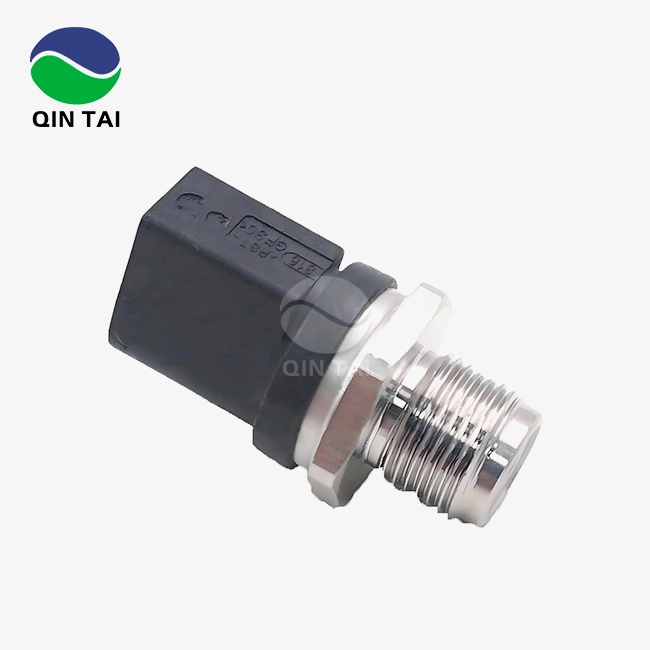
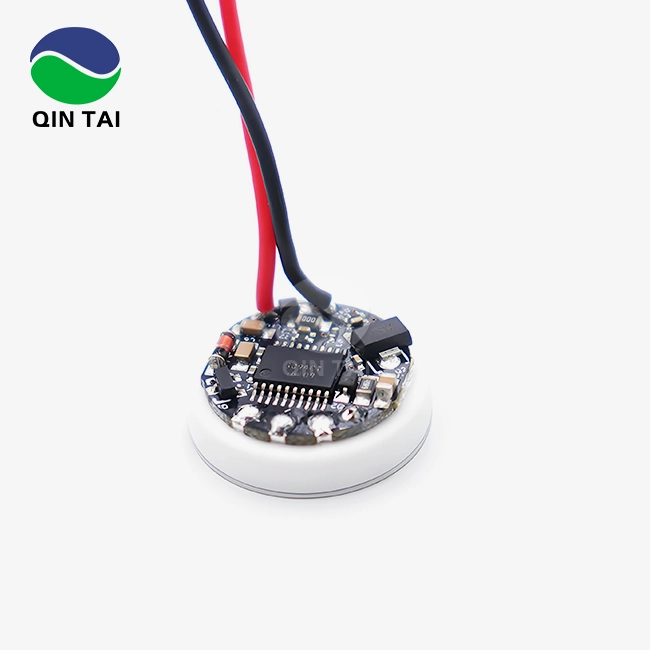
Urea Dosing Pressure Sensors keep an eye on the hydraulic pressure in the delivery circuit. They provide closed-loop input that stops the dose from being too low or too high. Our study shows that crystallization around the sensing diaphragms and corrosion of the connecting pins are unique problems that these sensors have to deal with. The design of the internal sensing chamber tells us if deposits will make the sensor less accurate or cause false diagnostic trouble codes like P204B.
Fluid Delivery Circuit Architecture
The system pump gets DEF from a special tank by going through screens that are meant to catch small particles of dirt. To keep the pump's suction pressure steady, you have to check the input lines for air leaks and make sure the tank vent works. In cold climates, the delivery circuit has heated lines that keep the AdBlue from freezing during the winter when it solidifies below 12°F. An annual inspection checks to see if the heating elements keep their resistance values and the insulation stays in place along the whole routing path.
Annual Maintenance Checklist for Fleets
Setting up a routine maintenance plan is what separates fleets that perform well from those that are having problems with breakdowns caused by emissions. The steps below are the building blocks of annual service plans that work.
Crystallized deposits build up even when the system is working normally. Flushing the whole dosing circuit gets rid of them. We suggest that you use deionized water instead of regular tap water because the minerals in tap water speed up the rusting of aluminum and stainless steel parts. To start the flushing process, the supply line is cut off at the dosing module. Water is then pumped through all the passages until the discharge is completely clear. Depending on the size of the system, this process usually needs two to three gallons of flush solution per vehicle.
Filter repair gets rid of particulate matter that comes from both bad DEF supplies and worn-out interior parts. No matter how it looks, the primary DEF filter cartridge should be changed because microscopic debris can pass through worn-out media without being noticed. Upstream contamination is caught by secondary inline filters close to the dose valve. This keeps the precision injection orifice from getting damaged.
Sensor Calibration and Diagnostic Verification
To keep doses accurate, modern SCR systems need information from more than one sensor. The NOx sensors before and after the catalyst need to be checked against standards for reference gasses on a regular basis to find any changes in their accuracy. Urea Dosing System performance relies heavily on these sensor inputs, because dosing calculations are affected by temperature sensors all along the exhaust path, so making sure they are accurate is very important for compliance.
Monitoring the urea pressure is an important part of system diagnostics. The Urea Dosing Pressure Sensor can find drops in pressure that mean there are leaks, blockages, or air getting in. It can also find situations where there is too much pressure, which could be caused by frozen AdBlue or broken relief valves. Sensor output should be checked once a year across the whole working range, from 0 to 10 bar, by comparing recorded values to pressure sources that have been calibrated. At Qintai, our sensors have gold-plated terminals to stop the signal drift caused by corrosion that causes range/performance fault codes.
When OEM manufacturers release software updates, they often include changes to dosing strategies, better diagnostic algorithms, and more ways to find faults. Technicians can flash the latest calibrations while looking over saved fault codes and freeze frame data from the last working period by connecting to the vehicle's onboard diagnostic system.
DEF Quality Management
Diesel exhaust fluid breaks down when it comes in contact with sunshine, high temperatures, and pollution in the air. Testing should be done once a year to make sure that the fluid concentration stays within the ISO 22241 range of 31.8% to 33.2% urea level. Measurements with a refractive index give quick confirmation in the field, while analysis in a lab finds metallic contamination and changes in alkalinity that lower the catalytic efficiency.
Inspections of storage tanks show if the environmental sealing is still effective at keeping out water and particles. Inside the tank, there shouldn't be any signs of algae growth or sediment buildup at the bottom. To keep the proper venting and keeping out contaminants, the tank fill cap and breather assembly need to be cleaned and their seals replaced.

Troubleshooting Common Urea Dosing System Issues During Annual Maintenance
Diagnostic trouble codes are the first step in systematically fixing problems, but skilled mechanics know that stored codes often point to symptoms instead of root causes. A P207F code that says "Reductant System Performance" could mean a dozen different problems with different parts or the way the system is running.
Identifying Pressure Circuit Failures
Pressure-related problems show up in a number of ways, such as spray patterns that don't do their job, pump cycles that don't work right, and sometimes the limp mode turns on. To rule out sensor-versus-system failures, the first step in the troubleshooting process is to connect a mechanical pressure gauge to the input of the dosing module. This skips the electronic Urea Dosing Pressure Sensor. Our Urea Dosing Pressure Sensor technology has flexible internal buffering that can handle the 9% volume expansion that happens when something freezes. This keeps the mechanical damage that usually happens with rigid sensor designs at bay.
To test a pump's performance, you have to compare the delivery amount to certain flow rates across the range of working pressures. Impeller vanes that are worn out or seals inside the pumping chamber that are breaking down often cause output to drop. The choice of whether to rebuild or replace relies on the availability of parts, the cost of work, and the terms of the guarantee.
Addressing Crystallization and Clogging
Urea aggregation is the most common problem that needs to be fixed in SCR systems. When water disappears from DEF solution, solid urea crystals are left behind that block pathways and make it hard for parts to move. As part of the yearly maintenance, the dosing valve injector tip, the decomposition reactor inlet, and the catalyst substrate must all be cleaned of any buildup.
For severe crystallization, you need special chemicals to dissolve it instead of mechanical methods that could damage precision surfaces. Most deposits can be removed without taking apart the dosing valve assembly by soaking it in warm deionized water for 30 to 45 minutes. Ultrasonic cleaning tanks speed up the process and can reach places inside that brushes or picks can't.
A large building fleet with 200 excavators and wheel loaders started doing routine repair once a year after 18% of their equipment went into low power mode during peak season. Crystallization around the injector tips caused spray patterns that weren't consistent, which led to dosing efficiency fault codes. After setting up an annual service protocol that included flushing the circuits completely and calibrating the sensors, the number of faults dropped by 87% over the next two operating seasons, and repairs that weren't planned for also dropped by a lot.
Safety Guidelines and Compliance During Maintenance
Compared to many industrial chemicals, diesel exhaust fluid doesn't pose as many health risks. However, workers and the environment are protected when it is handled properly. Because the solution is alkaline, it can irritate the skin and eyes when it comes in touch with them. Urea Dosing System maintenance procedures, in particular, require extra caution because the fluid is pressurized and may splash during disconnection, which is why eyewash stations and protected gloves must be easily available at all times during service processes.
Environmental Protection Measures
Containing the spill is very important when draining systems or replacing parts that still have DEF on them. Most places have rules that say even small amounts of pollution into soil or groundwater are illegal. Maintenance places should have floors that don't let water through and control sides to keep water from moving to storm drains. Materials made to absorb water work better than items made for oil when it comes to cleaning up spills.
The right way to get rid of contaminated DEF, used filters, and replaced parts is according to the rules for hazardous waste, even though the fluid is not considered hazardous. Putting used DEF in with other trash makes recycling harder and could be against the law. Setting up dedicated containers for trash collection makes compliance documentation easier.
Documentation and Traceability Requirements
EPA rules and Euro VI standards require full maintenance records that show the integrity of the emission system for the whole life of the vehicle. Part serial numbers, test measurements, calibration results, and technician certifications should all be included in the annual maintenance paperwork. This tracking keeps fleet owners safe during compliance checks and helps with warranty claims when parts break.
Digital repair management systems can look at trends across whole fleets and record more thorough information than paper logbooks. Tracking patterns of sensor drift, how often pumps need to be replaced, and the level of crystallization helps improve maintenance schedules and find operating conditions that need to be fixed.
Choosing the Right Urea Dosing System and Service Partners for Your Fleet
Quality of the parts directly affects how often they need to be maintained and how reliable they are in the long run. High-end SCR systems from well-known brands are built with features that reduce the chances of typical failure types. The internal shape of the dosing valve affects how well the spray atomizes and how resistant it is to crystallization. The level of sophistication of the software in the control module affects how well it can diagnose problems and adapt to different operating conditions.
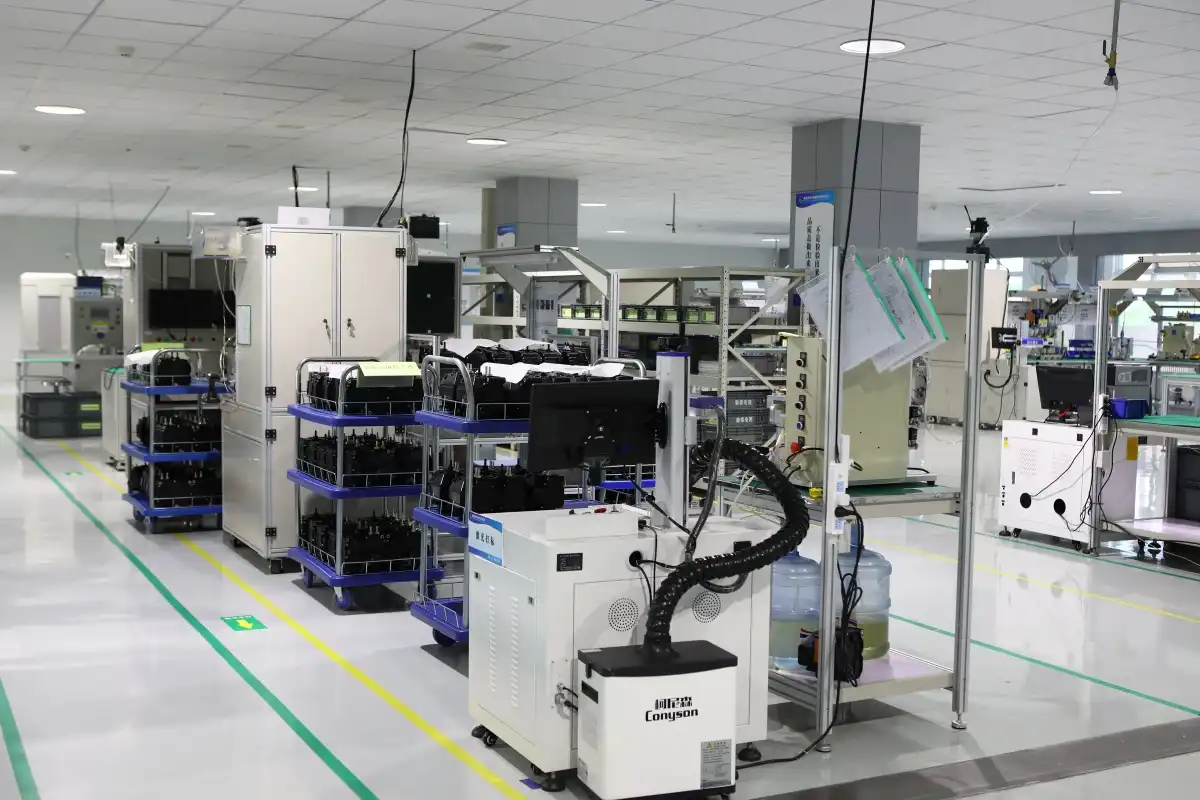
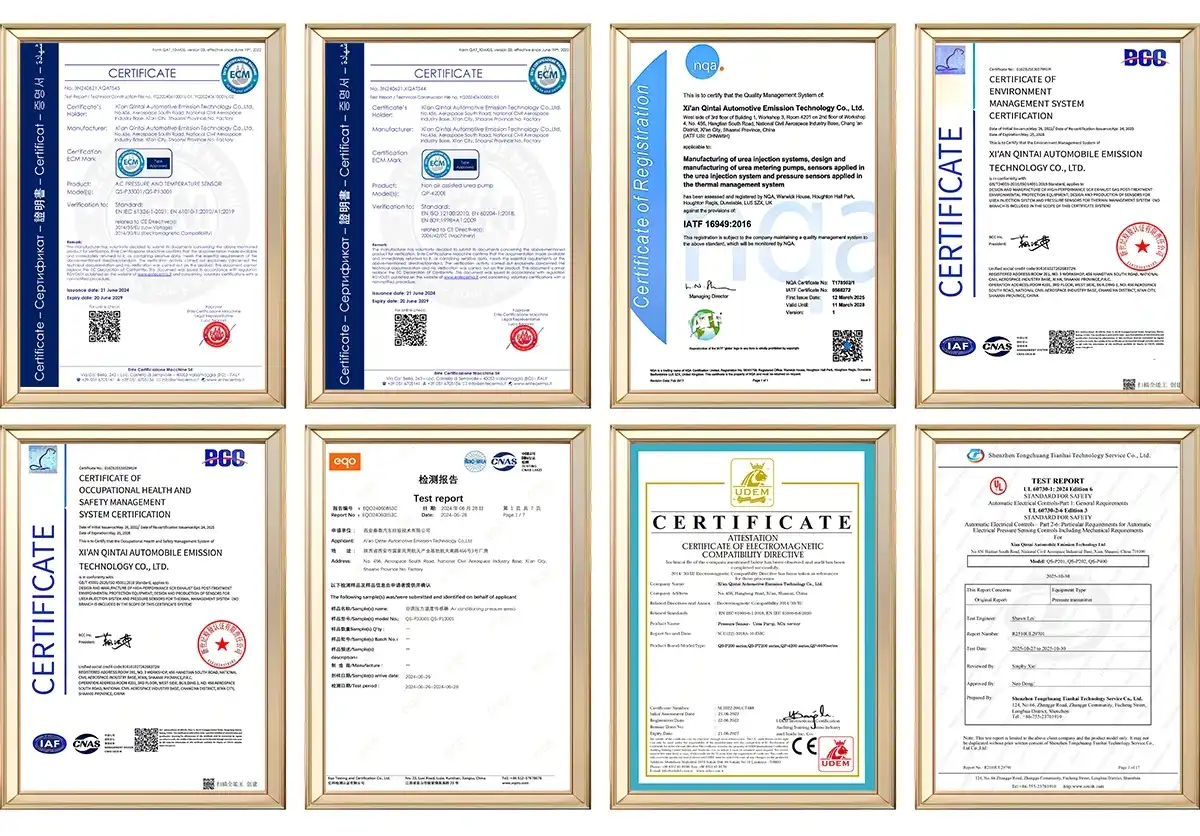
Qintai is the top OEM seller to Weichai Power, Yuchai Power, and Quanchai Power in China. This shows how skilled we are at making things and how high our quality standards are. Our ISO9001, IATF16949, and UL certifications give purchasing managers the peace of mind they need when they're looking for parts for big fleets. The 58 idea patents we've obtained show that sensor technology and SCR system interaction are always getting better.
Evaluating Service Provider Capabilities
Outsourcing annual maintenance means carefully checking the qualifications of the provider in addition to the price they advertise. Service teams' technical skills determine whether they can correctly diagnose complex intermittent failures or just replace parts until the codes go away. Urea Dosing System calibration and fault tracing, in particular, demand specialized knowledge beyond basic engine repair, which is why professional service shops are different from general repair shops because they have access to OEM diagnosis software, standardized test tools, and original replacement parts.
Geographic coverage is important for fleets that work in more than one region. It's hard to plan annual maintenance around planned downtimes when service providers don't have enough space or aren't in convenient places. Building relationships with authorized service networks makes sure that procedures and quality standards are always the same, no matter where vehicles are used.
Balancing In-House Versus Outsourced Maintenance
Large fleets often have their own service departments for routine maintenance, but they work with specialists for more complicated diagnostics and repairs at the component level. This hybrid method makes the best use of labor costs while still making sure that technology experts are ready for tough problems. Putting money into diagnostic scan tools, pressure test equipment, and technician training pays off because you don't have to hire outside help as often and vehicles are down for less time.
Smaller teams usually get better value for money by outsourcing everything to specialized companies that split the cost of capital equipment among many customers. The choice depends on the size of the fleet, the variety of equipment, and the number of skilled techs who are available in the local job markets.
Conclusion
Maintaining SCR Urea Dosing Systems once a year protects fleet investments and keeps emissions in line in a world where rules are becoming stricter. Breakdowns that cost a lot of money, stop work, and hurt relationships with customers can be avoided by regularly inspecting, cleaning, calibrating, and replacing parts. The steps in this guide give technical teams clear instructions on how to keep the system running at its best with different kinds of tools and in different kinds of situations. Purchasing managers and fleet operators want reliability, which can be found by working with reliable component suppliers and qualified service providers.
FAQ
How Often Should Urea Dosing Systems Undergo Complete Maintenance?
The standard for commercial fleets that work on normal duty cycles is to have comprehensive maintenance once a year. Heavy-duty equipment used in mining, building, or long-haul trucking may need to be inspected every six months to keep it from wearing out too quickly. Monitoring the number of diagnostic trouble codes and the amount of DEF used can help you find the best maintenance intervals for your needs.
What Happens When SCR Maintenance Gets Neglected?
Putting off upkeep causes systems to break down over time, which leads to emissions violations and limits on the vehicle's performance. Crystallization builds up and limits the flow of dosing, which doesn't reduce NOx levels enough and breaks EPA rules. Sensor drift leads to wrong dose calculations, and pump wear lowers the pressure of delivery. In the end, these problems put cars into "limp mode," which lowers their speed and power until they can be fixed.
How Can I Tell My Urea Dosing System Needs Service?
Some of the warning signs are failure indicator lights that are on, saved diagnostic codes that have to do with NOx sensors or dosing performance, higher DEF consumption rates, crystallization that can be seen around the dosing module, and sudden increases in the regeneration frequency. By keeping an eye on these indicators between scheduled maintenance periods, problems can be fixed before they get worse and cause costly failures or compliance violations.
Partner With Qintai for Reliable SCR Component Solutions
To keep emissions under control and operations running smoothly, you need reliable component suppliers and technical support. Since 2001, Qintai has been a specialist in making SCR aftertreatment systems, sending pressure monitors and dosing parts to the world's biggest diesel engine OEMs. Our independent research and development team is always making improvements to sensor technology to meet the needs of fleet uses that need resistance to crystallization, long service life, and durability in tough environments.
We provide full OEM and ODM services that allow for personalization from the very beginning of the planning process to mass production. Our engineering team works closely with your technical requirements to make sure that you get the Urea Dosing Pressure Sensors you need for new equipment or reliable replacement parts for the aftermarket. Contact us at info@qt-sensor.com or go to qt-sensor.com to talk about how Qintai's sensor technology can make your fleet's SCR system more reliable and lower the amount of work that needs to be done every year on it.
References
1. Society of Automotive Engineers International. "Recommended Practice for Diesel Exhaust Fluid Quality and Handling." SAE J2906, 2021.
2. U.S. Environmental Protection Agency. "Heavy-Duty Highway Compression-Ignition Engines and Urban Buses - Exhaust Emission Standards." EPA-420-B-21-032, 2021.
3. International Organization for Standardization. "Diesel Engines - NOx Reduction Agent AUS 32 - Part 3: Handling, Transportation, and Storing." ISO 22241-3:2017.
4. Automotive Industry Action Group. "Advanced Product Quality Planning and Control Plan Reference Manual." AIAG APQP, Second Edition, 2019.
5. Johnson Matthey Emission Control Technologies. "Selective Catalytic Reduction System Maintenance and Troubleshooting Guide for Commercial Vehicles." Technical Publication Series, 2020.
6. National Institute for Automotive Service Excellence. "Advanced Engine Performance Specialist Certification Test Preparation - Diesel Systems." ASE L2 Study Guide, 2022.
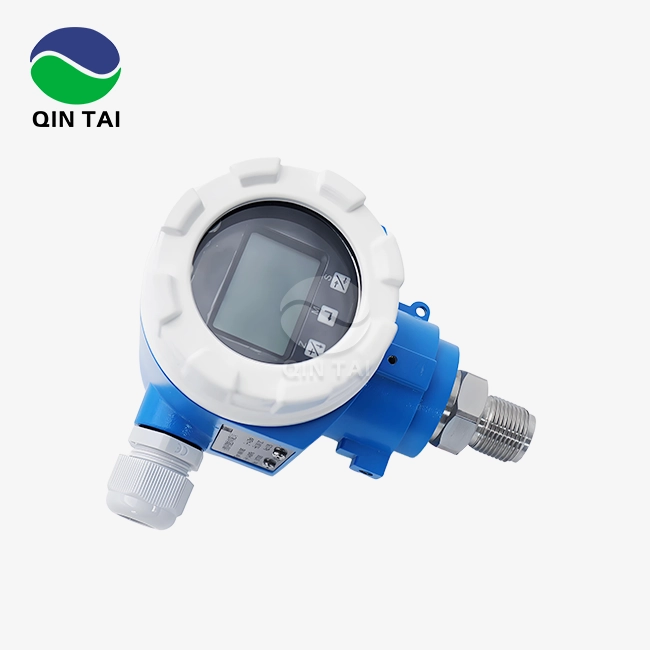

Our customers’ satisfaction speaks for our quality — contact us to experience the same reliable service.