- English
- French
- German
- Portuguese
- Spanish
- Russian
- Japanese
- Korean
- Arabic
- Greek
- German
- Turkish
- Italian
- Danish
- Romanian
- Indonesian
- Czech
- Afrikaans
- Swedish
- Polish
- Basque
- Catalan
- Esperanto
- Hindi
- Lao
- Albanian
- Amharic
- Armenian
- Azerbaijani
- Belarusian
- Bengali
- Bosnian
- Bulgarian
- Cebuano
- Chichewa
- Corsican
- Croatian
- Dutch
- Estonian
- Filipino
- Finnish
- Frisian
- Galician
- Georgian
- Gujarati
- Haitian
- Hausa
- Hawaiian
- Hebrew
- Hmong
- Hungarian
- Icelandic
- Igbo
- Javanese
- Kannada
- Kazakh
- Khmer
- Kurdish
- Kyrgyz
- Latin
- Latvian
- Lithuanian
- Luxembou..
- Macedonian
- Malagasy
- Malay
- Malayalam
- Maltese
- Maori
- Marathi
- Mongolian
- Burmese
- Nepali
- Norwegian
- Pashto
- Persian
- Punjabi
- Serbian
- Sesotho
- Sinhala
- Slovak
- Slovenian
- Somali
- Samoan
- Scots Gaelic
- Shona
- Sindhi
- Sundanese
- Swahili
- Tajik
- Tamil
- Telugu
- Thai
- Ukrainian
- Urdu
- Uzbek
- Vietnamese
- Welsh
- Xhosa
- Yiddish
- Yoruba
- Zulu
What Is the Best NOx Sensor for Heavy-Duty Diesel Vehicles in 2026?
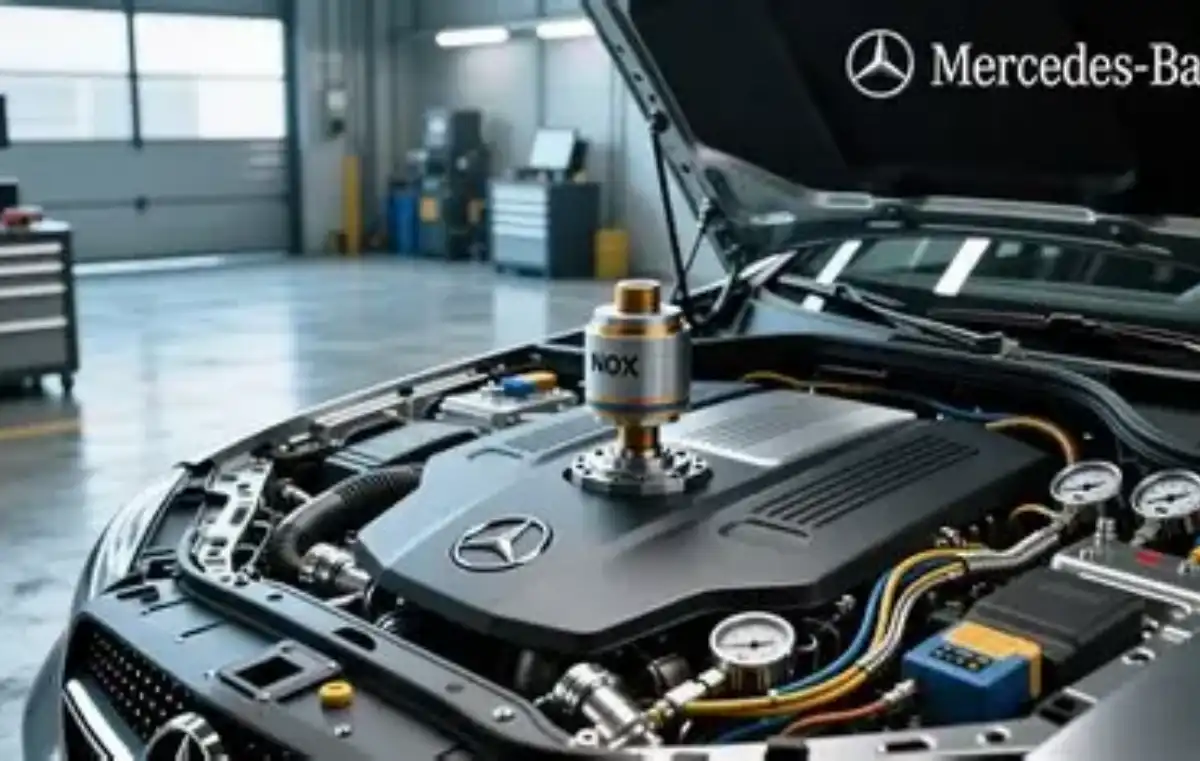
Nitrogen oxide emissions present a critical challenge in today's heavy-duty diesel sector. Strict regulations across the United States demand precision monitoring systems capable of maintaining compliance while optimizing engine performance. The NOx Sensor serves as the cornerstone of modern Selective Catalytic Reduction (SCR) systems, measuring exhaust emissions and ensuring that diesel exhaust fluid injection operates correctly.
Selecting the optimal nitrogen oxide detection system directly impacts regulatory adherence, operational efficiency, and long-term maintenance costs. Procurement managers and R&D engineers face mounting pressure to identify solutions that balance technical performance with cost-effectiveness. OEMs designing construction machinery, heavy trucks, agricultural equipment, and generator sets need sensors that deliver consistent accuracy across demanding duty cycles. Aftertreatment system integrators require compatibility with diverse ECU platforms, while aftermarket suppliers prioritize reliability and ease of installation. Understanding the technical and commercial implications of sensor selection enables informed decisions that protect fleet operations and environmental compliance.
Understanding NOx Sensors: Function, Types, and Importance
Nitrogen fumes are made when heavy-duty gasoline engines burn at high temperatures. These dangerous gasses pollute the air, and when emissions go over federal limits, companies are punished harshly by the government. The SCR system solves this problem by adding diesel exhaust fluid to the exhaust stream. This fluid changes the harmful nitrogen oxides into harmless nitrogen, water vapor, and small amounts of carbon dioxide.
How Nitrogen Oxide Detection Works
Modern diesel pollution monitors use zirconia ceramic technology to measure gas concentrations by conducting oxygen ions. Two sensors are usually placed in strategic places along the exhaust path to make the system work. The upstream sensor measures the engine's raw output, which lets the ECU figure out the exact amount of DEF to inject. The sensor further downstream checks the efficiency of the catalyst. This makes a closed feedback loop that keeps the system running at its best.
Each sensor has several ceramic cells that work one after the other. The detecting cell breaks down nitrogen oxides and makes a proportional electrical current, while the oxygen pump cell controls the amount of oxygen in the measurement room. This two-chamber design keeps other exhaust parts from interfering, so readings are accurate even when the engine is under heavy load or at high temperature.
Sensor Types and Applications
For the heavy-duty diesel market, there are three main technologies that are used. The UEGO (Universal Exhaust Gas Oxygen) sensors work well for upstream uses because they can respond quickly in hot settings. Potentiometric sensors are more accurate over time, but they take longer to start up. Amperometric sensors are widely used in both upstream and downstream positions because they balance response speed with durability.
Regulatory Compliance Requirements
Heavy-duty diesel engines must meet strict nitrogen oxide rules of less than 0.2 grams per brake horsepower-hour, according to EPA guidelines from 2010. Even stricter rules are set by California's laws, which require constant tracking and fault finding. Heavy-duty vehicles that don't have working detection systems will have their engine power cut off right away until the systems are fixed. Because of these rules, fleet operators who are in charge of following the law across state lines must make sure that sensors are always reliable.
Key Factors to Consider When Choosing the Best NOx Sensor in 2026
A lot of technical and business factors need to be carefully considered when making procurement choices. By understanding these criteria, you can find solutions that meet specific operational needs while keeping lifecycle costs low.
Accuracy and Response Time Performance
Accuracy of measurements has a direct effect on how much DEF is used and how well emissions are controlled. Good sensors stay accurate to within ±10ppm at low amounts and ±15% at levels in the middle. With a response time of less than 1400ms, the SCR system can quickly adjust to changing load conditions, which keeps emissions from going up when the vehicle speeds up. Sensors that are moving more slowly cause control delays that waste DEF and increase the chance of compliance fails during roadside checks.
Temperature adjustment technology makes sure that numbers are always the same over the whole temperature range, from 100°C to 800°C. If sensors don't have strong compensation algorithms, they get out of whack when exhaust temperatures change, which causes false diagnostic codes and maintenance tasks that aren't needed.
Durability and Service Life
Heavy-duty uses need sensors that can handle being exposed to diesel air contaminants for a long time. Lead compounds and sulfur deposits break down ceramic elements over time, making them less sensitive and more likely to break early. Modern sensors have protective coatings and stronger heating elements that don't get poisoned. This means that they can work for more than 6000 hours, compared to the usual 4000 hours.
Extreme vibrations and temperature changes happen in construction tools and mining uses that use sensors. Sealed waterproof housings with M20x1.5 threaded mounts stop water from getting in and damage to the parts. Temperatures between -40°C and 200°C must not damage the insulation or cause the connectors to fail in cable assemblies.
ECU Compatibility and Integration
Different types of communication methods are used by modern diesel engines to send sensor data. Sensors that work with more than 300 different protocol versions make sure that they can connect to major ECU systems from Cummins, Detroit Diesel, and other companies around the world. Integrators can fit the output characteristics of sensors to specific engine calibrations by changing software settings. This cuts down on costly adaptation delays during system development.
When buying something, you need to pay attention to the physical interactions. Standard electrical connectors are used by most manufacturers, but pin arrangements and cable lengths can be different, NOx Sensor being a typical component where such variations matter. When suppliers offer customizable harness assemblies, installation is easier and there is less chance of making mistakes in the field that could damage expensive electronic parts.
Brand Analysis and Market Positioning
Bosch and Denso, which have been around for decades and are experts in diesel technology, control the OEM supply chain. Their sensors usually cost a lot, but they come with a lot of validation data and a warranty. Continental and Delphi are both good options that have strong networks of aftermarket help all over North America. New suppliers from the Asia-Pacific area offer low-cost options, but buying teams need to check certification paperwork and the long-term supply of parts.
There are pros and cons to both OEM and aftermarket devices. Original equipment sensors are guarantyd to work with other devices and are covered by warranties, but they cost 40 to 60 percent more to replace than comparable aftermarket choices. Quality aftermarket sensors that meet SAE J1979 standards work just as well as original sensors but cost less, which makes them a good choice for repair plans for older fleets.

Top NOx Sensors for Heavy-Duty Diesel Vehicles in 2026: Brands and Models
To find the best monitoring systems on the market, you need to look at both technical specs and real-world success data. This review is mostly about solutions that have been shown to work in a variety of heavy-duty situations.
Leading Sensor Technologies
Bosch sensors are the best in their field when it comes to accuracy and durability. Their newest models use advanced ceramics that are poison-resistant and keep their calibration even when exposed to sulfur. Response times are always less than 1200ms, and startup times are less than 140 seconds, which lets the emission control kick in quickly during cold starts. Integration support includes full ECU libraries and help from field application engineers, which is why they are the OEM provider of choice for major engine makers.
Denso units are designed to be small and resistant to thermal shock, which makes them perfect for installing in current engine rooms that are tight on space. Their own design for a heating element gets it to working temperature in 155 seconds while using 15% less electricity than similar models. This efficiency benefit lowers the load on the alternator, which is especially helpful in generator set situations where unwanted electrical draws lower the overall efficiency of the system.
By streamlining the manufacturing process, Continental sensors find a balance between price and performance. Their modular design philosophy lets them replace cable assemblies and connectors in the field without having to throw away sensors. This lowers the cost of maintenance for fleets that are used a lot. The warranty lasts for 24 months or 250,000 miles, which protects you financially in case something unexpected breaks down during the important early service time.
Qintai Advanced Detection Systems
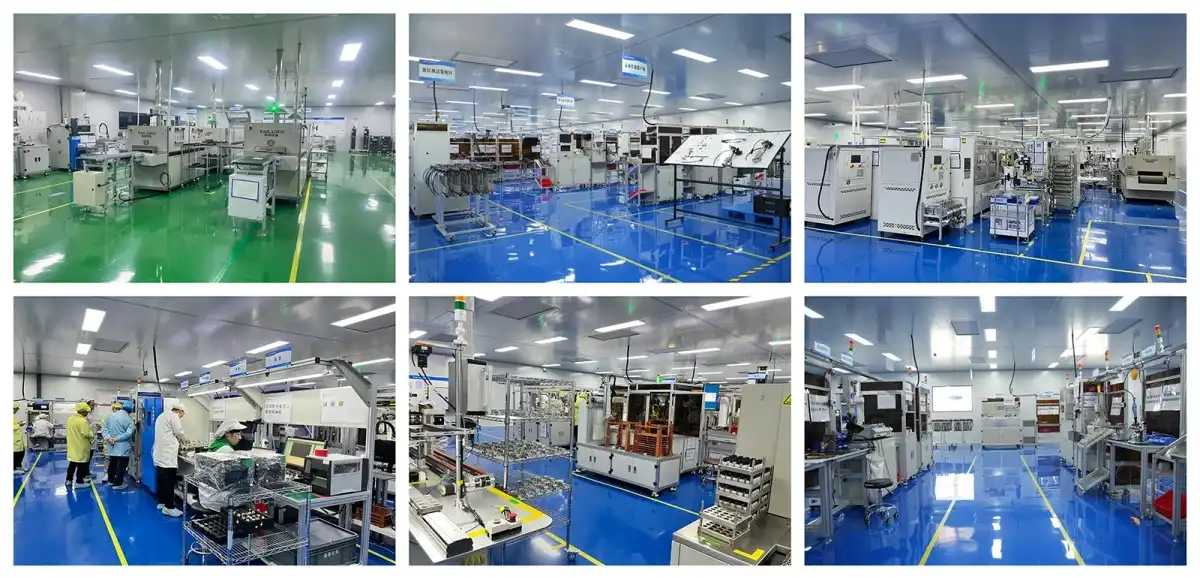
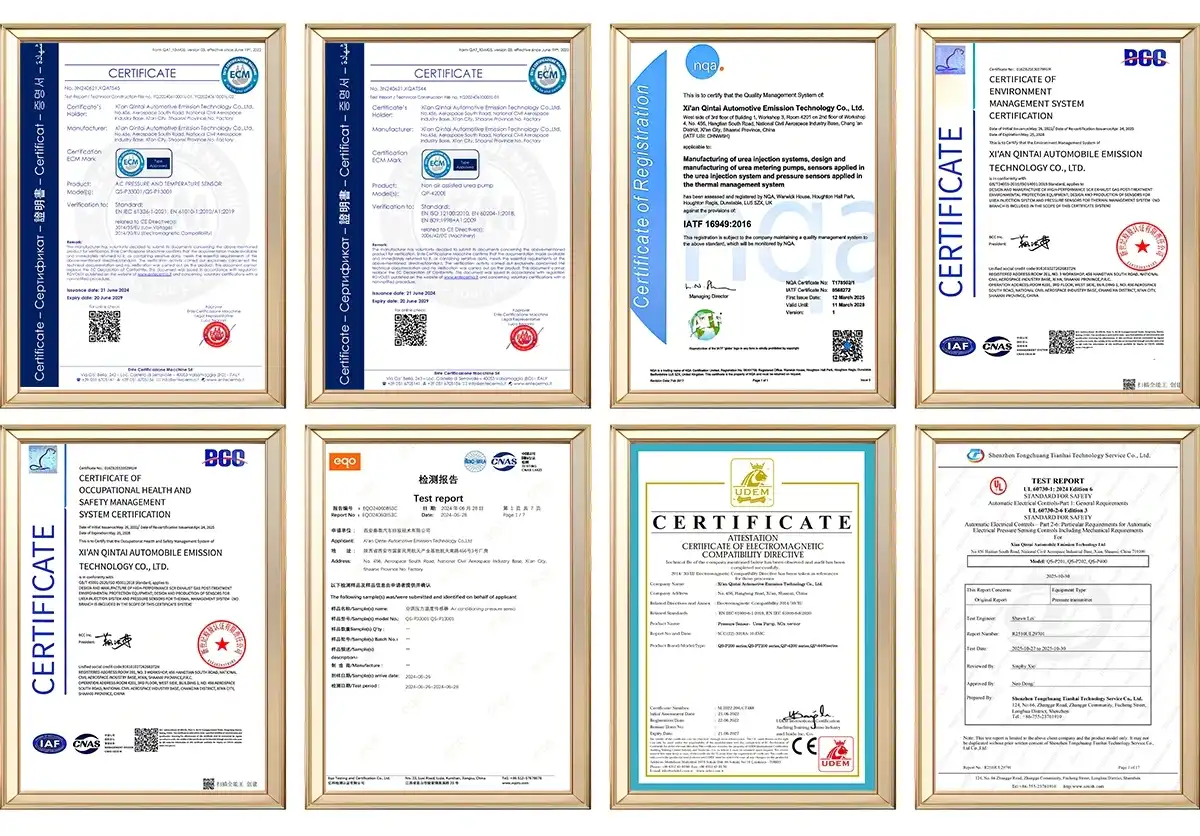
Because they were specifically designed to deal with diesel emission problems, Qintai sensors are a great value for challenging heavy-duty uses. The waterproof, sealed design can handle harsh working conditions found in mining, gardening, and building. Strict quality control processes approved under ISO9001 and IATF16949 standards make the product very reliable. These processes make sure that the quality of the making is the same from batch to batch.
Modern SCR systems need response characteristics that have reaction times below 1400ms and light-off periods that are much shorter than the standard 165-second threshold. This quick action lowers cold-start emissions, which helps trucks meet city air quality standards that are getting stricter. During the reported 6000-hour service life, signal stability stays very high. This keeps calibration drift to a minimum, which prevents false diagnostic trouble codes and service steps that aren't needed.
Better resistance to poisoning makes operations last longer in markets that use high-sulfur fuel and in situations where high exhaust particle loads are generated. The ceramic elements stay accurate even when exposed to levels of lead and sulfur dioxide that destroy most sensors after 3000 hours of use. This toughness directly means that fleet operators who are in charge of hundreds of vehicles with different duty cycles will need to replace parts less often and have less downtime for maintenance.
Qintai lets you make changes that are flexible, which helps OEMs and builders of aftertreatment systems with the interaction problems they face. Connectors and wire lengths can be changed to fit the space limitations of a certain car, and the look and interface can be made to match popular OEM products for easy retrofitting. Support for more than 300 different communication protocols makes sure that it works with all global ECU platforms. This gets rid of the integration problems that hold up the release of new products.
Comparative Considerations
When looking at different sensors, make sure that the technical specs match the needs of the application. Delivery teams in cities that start and stop often put a high value on quick light-off time and low-temperature performance. Long-haul trucking uses put a lot of emphasis on long service life and resistance to vibration. Off-road vehicles need to be very resistant to poisoning and last a long time. NOx Sensor selection, in particular, must align with these varying duty cycles—what works for a delivery truck may fail in an off-road environment. When buying teams know these differences, they can choose tools that work best for their operations instead of generic options that fall short on key performance factors.
Troubleshooting, Maintenance, and Replacement Best Practices
Maintenance on sensors extends their useful life and stops emission compliance failures that stop equipment that makes money from working. Fleet productivity is protected by knowing the most common ways things go wrong and taking steps to stop them.
Recognizing Sensor Degradation
Systems that find nitrogen oxide break down slowly instead of completely. Changes in how much DEF the car uses, higher-than-usual exhaust emissions during regular checks, and recurring diagnostic trouble codes are all early warning signs. Code P2201 means that a sensor circuit upstream isn't working right, and code P2203 means that a sensor downstream isn't working right. P229A suggests that the overall performance of the system is decreasing and that the calibration needs to be checked.
Sensor poisoning has specific signs, such as a slow response to changes in load and baseline reading drift. If the exhaust temperature stays high for longer than usual after the engine has been turned off, it could mean that a sensor warmer element has failed. If you take care of these symptoms right away, you can keep expensive SCR catalysts from getting damaged again and keep delivery schedules from being thrown off by roadside derating.
Maintenance Protocols
Inspections should happen at the same time as oil changes, which usually happen every 500 hours or 15,000 miles. A visual inspection checks the integrity of the connector, the condition of the cable insulation, and the security of the mounting thread. Electrical testing makes sure that the signal output and heater resistance are correct across the whole temperature range. Specialized diagnostic tools look at the internal readings of sensors to find degradation trends before they cause trouble codes to appear.
Cleaning methods make sensors last longer when they get dirty without damaging the internal parts. Solvents that have been approved can get rid of the carbon layers on the protected cap, letting air flow again to the ceramic element. Cleaning methods that are too rough can damage delicate ceramic structures, so it's still important to follow the manufacturer's instructions. If sensors show baseline drift that goes beyond the limits of calibration, they need to be replaced instead of being adjusted, which can hide problems.
Replacement Timing and Procedures
Failures during important processes can be avoided by replacing parts before they break down, between 5,000 and 5,500 hours of use. This time frame weighs the costs of parts against the chance of emissions violations and unplanned downtime. Fleet maintenance programs that use telematics to track sensor hours find the best times to replace groups of vehicles by combining parts orders and labor schedules.
When installing something, you need to pay attention to the torque requirements and how the anti-seize compound is used. When sensors are not torqued properly, exhaust leaks happen and mess up the readings. When sensors are torqued too much, ceramic elements crack or mounting threads become stripped.
When routing cables, they must stay away from hot exhaust parts and connector assemblies must not be put under too much stress when the engine moves. As part of the verification process after installation, NOx Sensor functionality is integrated into the checks, and leak tests, heater current measurements, and road tests with different loads to make sure the ECUs can talk to each other properly are all done.
Procurement Insights: Buying NOx Sensors for Heavy-Duty Fleets
Strategic methods to buying lower the total cost of ownership while keeping emissions in check and making sure operations are reliable. Knowing how the market works and what a provider can do helps you make smart buying choices.
OEM versus Aftermarket Decision Framework
Original equipment sensors are guarantyd to work with new vehicles and keep the insurance coverage. This benefit is most useful during the first three years of service, while the manufacturer's powertrain warranty is still in effect. After the warranty has expired, aftermarket sensors that meet SAE standards give the same performance at 30–50% less cost. Good aftermarket suppliers give certification papers that show they follow EPA rules, which protects fleet owners from legal trouble.
Negotiations for bulk purchases use promises of high volume to get better prices and better payment terms. Annual contracts with tiered volume discounts lower the cost per unit while making sure there is stock during times when a lot of replacements are needed. By building relationships with several qualified suppliers, you have back-up options for getting parts when you run out, which keeps maintenance schedules on track.
Total Cost Analysis
The purchase price is only one part of the total costs over the life of the product. The cost of upkeep work is directly related to how reliable the sensors are. High-quality sensors cut down on diagnostic time and stop errors from happening again. Longer service lives mean that parts don't have to be replaced as often, which saves money on both parts and labor over the life of the vehicle. Warranty coverage shifts the financial risk to the providers. This is especially helpful for big fleet setups where failure rates affect profits.
Real-world costs are different from stated prices because of logistics issues. When there is domestic inventory available, orders can be filled quickly, which cuts down on rush shipping costs and vehicle downtime while parts are being sourced. Suppliers with regional distribution centers can offer same-day or next-day delivery, which is very important for teams that don't keep a lot of spare parts on hand. Access to technical help affects how quickly problems are fixed, with fast application engineering resources cutting down on diagnostic delays that make repair times longer.
Supplier Partnership Criteria
Building long-term partnerships with skilled sensor makers gives you benefits over other competitors that go beyond the price of the parts. When suppliers offer customization services, they change their products to fit the needs of each vehicle. This lowers the engineering costs for OEMs that are making new platforms. Technical training programs make maintenance teams smarter, which cuts down on mistakes during installation and improves the accuracy of diagnostics. Thru collaborative development agreements, fleet owners can get early access to new technologies that can help them be more efficient than rivals who use old sensing systems.
During supplier qualification, certification documents need to be carefully checked. Certifications like ISO9001 and IATF16949 show that a quality management system is mature, and EPA compliance letters show that the system meets legal requirements. Intellectual property portfolios show how innovative a company is, which means that suppliers will likely keep improving technology instead of making existing designs more common. When the economy is bad, financial stability reviews protect against supply chain problems caused by vendors going bankrupt.
Conclusion
To find the best nitrogen oxide detection system for heavy-duty diesel applications in 2026, you have to balance technical performance, regulatory compliance, and cost. The dependability that modern emission control systems need comes from sensors with response times below 1400ms, service lives over 6000 hours, and better resistance to contamination. NOx Sensor performance is central to this dependability, as it directly dictates measurement accuracy and system responsiveness under real-world operating conditions.
Using supplier relationships, lifetime cost analysis, and proactive repair planning in your procurement strategies can help you run your fleet more efficiently and save money at the same time. By learning about sensor technologies, failure modes, and market trends, you can make smart choices that protect compliance, reduce downtime, and support long-term operating excellence in a wide range of heavy-duty applications.
FAQ
How often should nitrogen oxide sensors be replaced?
Depending on the quality of the sensor and how hard the application is, replacements are usually done every 4000 to 6000 hours of use. The higher end of this range is for premium sensors with advanced poisoning resistance. Standard units need to be replaced more often. Checking diagnostic data for baseline drift and response degradation lets you replace parts based on their condition, which extends their life without putting compliance failures at risk.
Do aftermarket sensors affect engine warranty coverage?
The Magnuson-Moss Warranty Act says that aftermarket sensors that meet OEM standards and EPA certification requirements keep the warranty good. Fleet operators can avoid warranty denial claims if suppliers provide proof that specifications are met. During the warranty period, installation should be done according to the manufacturer's instructions so that the warranty is not voided for bad service.
What causes P2201 diagnostic trouble codes?
Code P2201 means that there are problems upstream in the sensor circuit, such as open wires, broken heater elements, or problems communicating with the ECU. Diagnostic steps check the integrity of the connectors, measure the resistance of the heaters, and look at the signal voltage in all operating conditions. Sometimes, contaminated sensors set off this code even tho the electronics are still working. To fix the problem, the sensors need to be cleaned or replaced.
Partner With Qintai for Advanced NOx Sensor Solutions
Qintai is ready to help you with your heavy-duty diesel emission control needs with tested sensor technology and a lot of technical know-how. Since 2001, we've been a national high-tech company specializing in SCR aftertreatment systems and precise sensors made for diesel uses that are very tough. Our NOx Sensor manufacturer skills help OEMs all over the world with flexible customization, rapid prototyping, and scalable production capacity that can meet the needs of both initial development and ongoing mass production.
Our engineering team offers quick expert help at all stages of a product's life, from creating the initial specifications to fixing problems in the field. With ISO9001, IATF16949, and other foreign certifications, Qintai provides the consistent quality needed by uses that need to limit emissions. Contact us at info@qt-sensor.com to talk about your specific sensing needs, get technical information, or look into ways to work together. You can see all of our products at qt-sensor.com and learn how Qintai sensors can help you meet emission standards while also lowering your total cost of ownership.
References
1. Society of Automotive Engineers, "Heavy-Duty Diesel Emission Control Systems: Performance Standards and Testing Protocols," SAE International Technical Paper Series, 2025.
2. Environmental Protection Agency, "Nitrogen Oxide Measurement Technologies for Mobile Source Applications," EPA Compliance Monitoring Division, 2025.
3. Johnson, R.K. and Martinez, L.S., "Ceramic Sensor Degradation Mechanisms in Diesel Exhaust Environments," Journal of Automotive Engineering Technology, Vol. 28, No. 4, 2024, pp. 312-329.
4. International Council on Clean Transportation, "Global Heavy-Duty Vehicle Emission Standards Comparison," ICCT Research Report, 2025.
5. Chen, W., "Advanced Zirconia Sensor Technologies for Emission Monitoring," Materials Science in Automotive Applications, Vol. 19, 2024, pp. 145-162.
6. National Conference on Diesel Emission Control, "Fleet Maintenance Best Practices for SCR Systems," Annual Technical Proceedings, Detroit, Michigan, 2025.

Our customers’ satisfaction speaks for our quality — contact us to experience the same reliable service.