- English
- French
- German
- Portuguese
- Spanish
- Russian
- Japanese
- Korean
- Arabic
- Greek
- German
- Turkish
- Italian
- Danish
- Romanian
- Indonesian
- Czech
- Afrikaans
- Swedish
- Polish
- Basque
- Catalan
- Esperanto
- Hindi
- Lao
- Albanian
- Amharic
- Armenian
- Azerbaijani
- Belarusian
- Bengali
- Bosnian
- Bulgarian
- Cebuano
- Chichewa
- Corsican
- Croatian
- Dutch
- Estonian
- Filipino
- Finnish
- Frisian
- Galician
- Georgian
- Gujarati
- Haitian
- Hausa
- Hawaiian
- Hebrew
- Hmong
- Hungarian
- Icelandic
- Igbo
- Javanese
- Kannada
- Kazakh
- Khmer
- Kurdish
- Kyrgyz
- Latin
- Latvian
- Lithuanian
- Luxembou..
- Macedonian
- Malagasy
- Malay
- Malayalam
- Maltese
- Maori
- Marathi
- Mongolian
- Burmese
- Nepali
- Norwegian
- Pashto
- Persian
- Punjabi
- Serbian
- Sesotho
- Sinhala
- Slovak
- Slovenian
- Somali
- Samoan
- Scots Gaelic
- Shona
- Sindhi
- Sundanese
- Swahili
- Tajik
- Tamil
- Telugu
- Thai
- Ukrainian
- Urdu
- Uzbek
- Vietnamese
- Welsh
- Xhosa
- Yiddish
- Yoruba
- Zulu
Why Does a Urea Dosing Pump Fail? Causes, Tests, and Fast Fixes
Urea dosing pump failures disrupt emission control systems, creating costly downtime and compliance risks. These precision devices inject diesel exhaust fluid into Selective Catalytic Reduction (SCR) systems to neutralize harmful nitrogen oxide emissions. When your urea dosing pump malfunctions, engines may derate, operators face regulatory penalties, and repair bills escalate quickly. Understanding failure patterns, diagnostic methods, and efficient remedies enables procurement managers, R&D engineers, and technical managers to maintain uninterrupted operations while protecting equipment investments. This guide addresses real-world challenges across heavy-duty diesel applications in construction, agriculture, power generation, and transportation sectors.
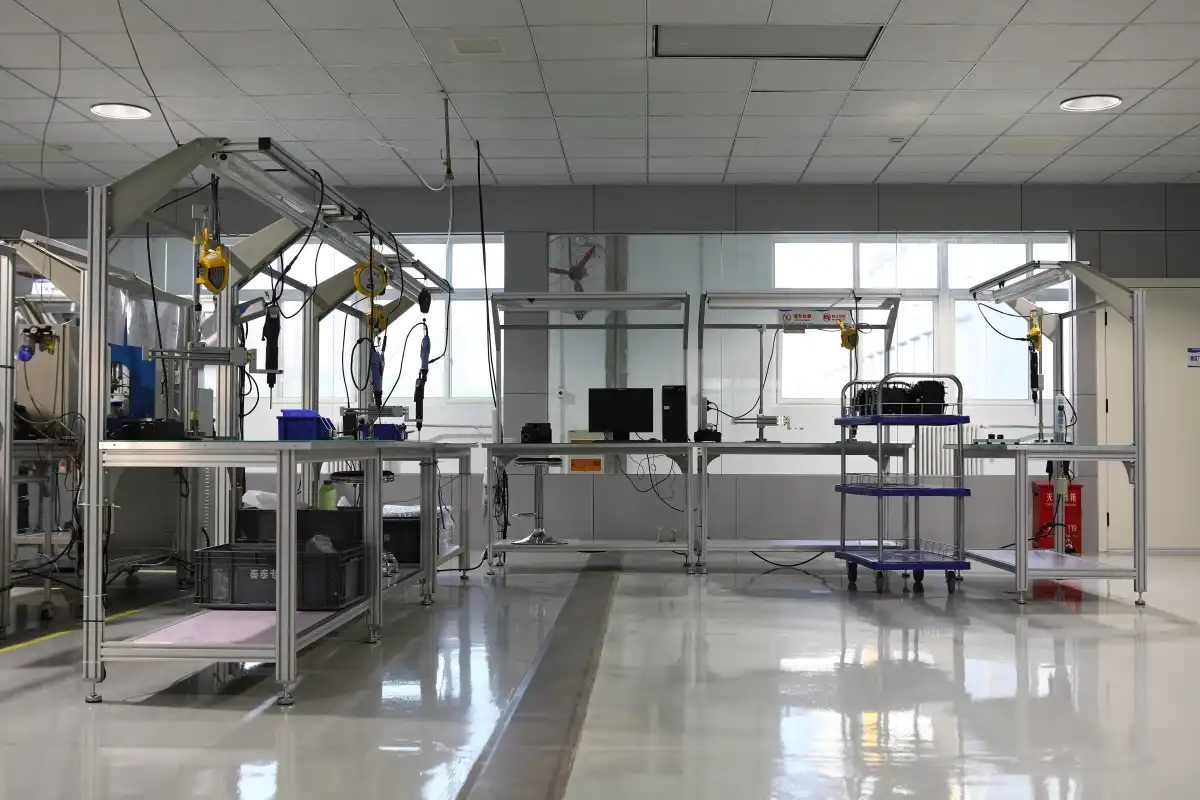
Understanding Urea Dosing Pump Failures
What Is a Urea Dosing Pump and How Does It Work?
Diesel exhaust fluid is sent from the holding tank to the dosing module at exact pressures by an Urea Dosing Pump, which is also known as a DEF pump or an AdBlue pump. This part talks to the Engine Control Unit (ECU) to change the amount of dosing depending on the load on the engine, the flow of exhaust, and feedback from the NOx monitor. The pump makes sure that the right amount of NOx is added to SCR systems and that the flow and pressure stay just right so that the catalyst works well. Modern pumps have filters, heating, and purge features built into small units that are made to work in tough industrial settings.
Common Failure Symptoms You Cannot Ignore
Recognizing early warning signs stops catastrophic failures and keeps SCR components further downstream safe. When flow rates aren't stable, NOx isn't converted properly, which can lead to panel alarms and even engine derating. When pressure goes below the specified levels, it means that there are internal leaks or blocks that are making the system less efficient. Erratic dosing, in which the amount injected changes without warning, hurts the catalyst substrate and makes emission control less effective. If you hear strange noises, see fluid leaking around seals, or hear the pump stop working completely, you need to pay instant attention. These signs help technical teams step in before small problems get worse and cause expensive system-wide crashes that mess up plans for operations.
Industries Most Affected by Pump Failures
Heavy truck fleets that have to follow China VI and Euro VI rules need dosing pumps that work well so they don't get fined for not following the rules. When construction equipment works in places that are dusty and vibrate a lot, the parts of the pumps wear out faster. Agricultural equipment that is stored for long amounts of time and is subject to yearly temperature changes has problems with crystallization. Generator sets that provide backup power for mines and other important facilities need to be very reliable so that they don't shut down without warning. Knowing the specific stressors in your industry helps procurement teams choose pumps that are designed to work in those conditions. This lowers the number of failures and increases the time between service visits.
Root Causes of Urea Dosing Pump Failures
Mechanical Wear and Material Degradation
Internal parts that are used continuously wear down over time, especially diaphragms, seals, and piston units that are used over and over again. Some plastics and elastomers break down quickly in AdBlue's alkaline chemistry, which speeds up the process of urea solutions not working with them. Crystallization happens when urea crystals build up in pumping tanks during cooling cycles. This makes it hard to move and damages precision surfaces. Particles that get in through poor filtration scratch the walls of the cylinder and the seats of the valves, which makes leaking routes that lower the pressure. Choosing pumps made from urea-resistant materials like special polymers and stainless steel alloys greatly increases their useful life.
Electrical and Control System Faults
To communicate with car ECUs and carry out precise metering commands, modern Urea Dosing Pumps rely on sophisticated electronics. Damage to the wiring harness from shaking, water, or mouse activity stops signals from getting through, which leads to strange behavior. When sensors, especially pressure and temperature sensors, don't work right, they send wrong information to control modules, which causes the wrong dose changes to be made. Software tuning mistakes cause either too much or too little dosing, which wastes fluid or fails emissions tests. Intermittent faults are hard to figure out without the right testing equipment because they are caused by changes in voltage and bad grounding connections. In order to fix electricity problems, you need to know how the pump fits into the overall aftertreatment system.
Operational Errors and Environmental Stressors
Baseline mistakes build up over time when the calibration is wrong during installation or servicing. Pumps and injectors get clogged up by low-quality diesel exhaust fluid that is dirty with particles or has been watered down. Problems that could have been avoided happen because of bad maintenance plans. For example, cleaning intervals are missed, filters are left alone, and purge processes are skipped when it's cold outside.
Extremes in the environment can be hard to deal with. For example, cold temperatures can cause fluids to expand and ice crystals to form if heaters aren't working right, and too much heat speeds up the breakdown of chemicals. When you look at the different ways that standard diaphragm pumps and specialized DEF urea pumps can fail, you can see that each has its own weaknesses that are caused by its mechanical design and the conditions it was made for.

Diagnosing and Testing Urea Dosing Pump Problems
Visual Inspection and External Checks
Before using diagnostic tools, start troubleshooting by carefully looking at the system to find obvious problems. Check electrical connections for rust, bent pins, or loose contacts that can get in the way of signal paths. Check the mounting brackets for cracks or loose parts that could be letting too much vibration through. Check the fluid lines for kinks, cuts, or bad routing that could be blocking the flow. Look for crystalline layers around fittings and seals that show the system has failed to leak or clear in the past. Write down the conditions around the pump. Is it near direct sources of heat, road spray, or chemical contaminants? These notes help set goals for future tests and tell the difference between installation issues and component breakdowns.
Flow Rate and Pressure Performance Testing
For accurate diagnosis, you need to compare the actual pump output to what the manufacturer says it should be. Set up accurate flow meters on the pump's discharge lines and run it through its working range while keeping track of the amount of fluid supplied per unit of time. To figure out how much performance has been lost, compare the results to the values given in the datasheet.
By connecting gages to the pump's input and exit ports and cycling it through different duty cycles, you can find internal leaks and broken valves. When pressure drops outside of acceptable limits happen, it means that seals or diaphragms are worn out and need to be replaced. By measuring the temperature while the machine is running, burning problems caused by electrical problems or mechanical binding can be found. These concrete measures take away the need for guesswork, so procurement teams can make choices about whether to fix or replace something based on facts.
Calibration Verification and System Integration Tests
You can check the accuracy of the tuning by telling the ECU to deliver at a certain rate and then measuring the real delivery. Deviations outside of acceptable levels show that the setting has changed and needs to be fixed or the pump needs to be replaced. Using diagnostic software, check the ways that the pump controller and engine management system can talk to each other.
Keep an eye on the pressure, temperature, and position feedback from sensors to make sure that control modules get correct information. Check how well the purge function works by watching the fluid completely drain away during stop rounds. Integration testing finds out if the issue is with the pump unit or somewhere else in the SCR system, like injectors that are clogged or NOx monitors that aren't working right and sending wrong information, which is critical when diagnosing a suspected Urea Dosing Pump failure. With this methodical approach, testing time is cut down and parts aren't replaced when they aren't needed.
Maintenance Best Practices to Prevent Failures
Using preventive repair plans greatly increases the life of pumps and lowers the number of surprise breakdowns. Set up cleaning plans that work for the working conditions—monthly checks for heavy-duty tasks, every three months for light ones. To keep abrasive contamination from getting to precision parts, replace filters at the intervals suggested by the manufacturer. Make sure the purge system works before putting it away for the winter to avoid damage from freezing.
Keep thorough repair logs that record fluid quality tests, pressure readings, and part changes so that you can spot trends as they appear. Teach people who work in repair how to handle urea solutions and electrical lines the right way. These proactive steps cut down on the costs of downtime and help build long-term relationships with suppliers based on reliable performance and low operational costs.
Fast Fixes and Reliable Solutions for Pump Failure
Immediate Troubleshooting Remedies
When a pump stops working, a few quick fixes can get it working again without having to repair major parts. To get rid of clogs, flush the system with clean water and then fill it back up with new diesel exhaust oil that meets ISO 22241 standards. To do an electricity restart, turn off the battery power for a few minutes. This gives the control modules a chance to clear any fault codes and set up the communication protocols again.
To fix errors caused by software, re-calibrate the dosing parameters using OEM diagnostic tools. Tighten any loose electrical connections and place any hardware that has come loose because of shaking. Check the fluid levels and fill up the tanks to get rid of problems with air entry that are causing cavitation. If pressure difference readings show that inline filters are blocking flow, they should be replaced. These simple steps often fix problems that are caused by neglected maintenance rather than major component failure.
Repair Versus Replacement Decision Factors
To balance cost and practical effect, you have to look at how bad the failure is and how old the equipment is. It makes financial sense to fix pumps when the problems are with wear parts that can be replaced, like seals, diaphragms, or filters, rather than damage to the structure itself. Compare the price of a replacement pump to the total cost, which should include labor, downtime, and parts.
Thoughtfully consider the effects on your warranty—unauthorized fixes may void coverage for units that were just put. Check the patterns of failures; problems that keep happening are usually a sign of design flaws that can be fixed by using newer, better models. Look at how newer pumps have improved stability, ECU compatibility, or freeze safety features thanks to new technologies. Investing in better technology can save you money in the long run, even if it costs more at first.
Upgrading to Enhanced Pump Technologies
Improvements in pump design make it a good idea to do more than just replace the old one. Brushless motors in electric pumps make them run more quietly, use less energy, and last longer than older technologies. Newer materials are better at resisting urea crystallization and rust, which means that repair needs are less often. Combined designs that include pump, filter, and heater parts make fitting easier and make the system work better together.
Adjustable control interfaces make it easy to work with different ECU platforms. This is especially helpful for aftertreatment system integrators who have to deal with a lot of different vehicle platforms. At Qintai, we design Urea Dosing Pumps that are small and integrated, with freeze protection and purge functions built right in. Our units keep correct dosing even when the temperature is very hot or very low. They are also very reliable and last a long time. Choosing the right type of pump—diaphragm, peristaltic, or gear—depends on the flow rate, pressure, and external stresses that are unique to the application.
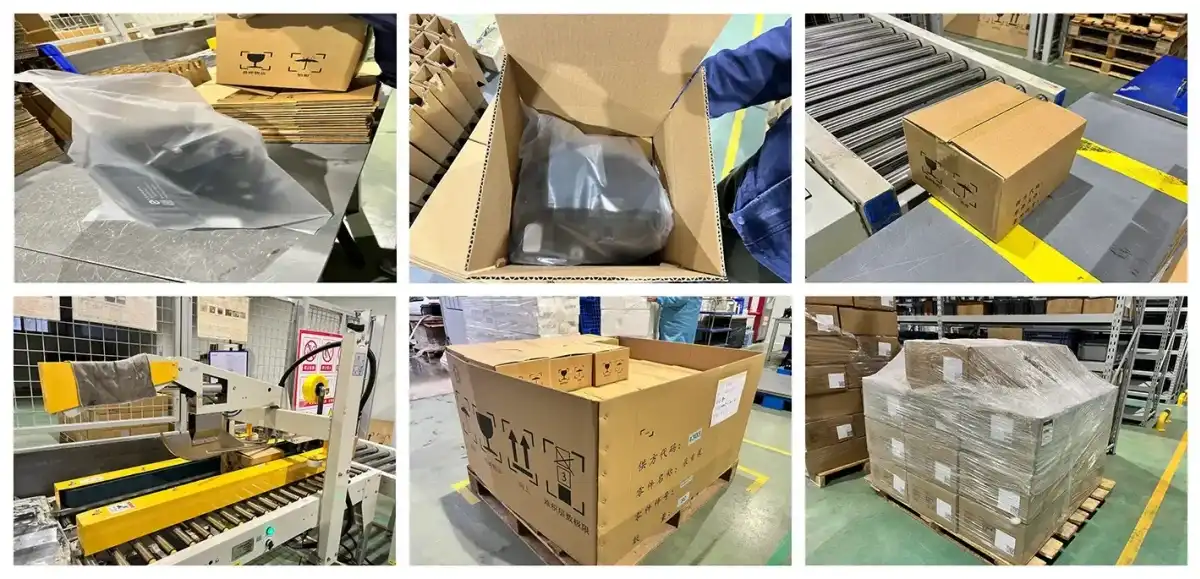
Procurement Tips for Buying Urea Dosing Pumps
Evaluating Supplier Credentials and Support Services
Choosing a supplier has a huge effect on the success of a business that goes beyond the initial buy price. Check for certifications like ISO9001, IATF16949, and emission-specific standards that show quality production and following the rules. Check the terms of your warranty. Full programs that protect against early failure lower the total cost of ownership. Check to see if there is technical support available.
Quick engineering help solves integration problems and troubleshooting needs quickly. Look into shipping wait times and inventory management tools to make sure replacement parts come quickly when you need them right away. Ask for references from customers in similar industries to check the quality of the service after the sale and the claims of performance. Long-term operating efficiency is supported by strong supplier relationships based on open communication and reliable execution.
Balancing Cost with Quality and Performance
When cheap pumps fail early or don't work well, they can end up costing a lot more than they were worth. In a full price review, the total lifecycle costs are taken into account, such as installation, upkeep, downtime, and how often the product needs to be replaced. Higher-quality pumps made from better materials and with tighter manufacturing tolerances are worth the extra cost because they last longer and are more reliable.
Carefully compare the technical details; the system's performance is directly affected by how stable the flow rate, pressure, and environmental flexibility are across all working ranges. Independent testing data, third-party certifications, and field performance documents should be used to back up promises. Purchasing managers who are good at keeping costs down know that making smart investments in high-quality parts lowers overall costs and helps meet compliance and uptime goals.
Validating Technical Specifications and Compatibility
Integrity issues and poor performance can be avoided by carefully checking the specifications. Check detailed datasheets to make sure that the flow rates, pressures, and electrical needs are right for the job. Check that the material is compatible with the chemistry of diesel exhaust fluid and the contaminants that are expected. Make sure that the control interface methods work with the ECU platforms that are already in use. For example, Qintai pumps work well with Bosch ECU systems, which makes integration easy for OEM applications.
Check the mounting measurements and connection types to make sure they will physically fit in the place you have. Before making large purchases, ask for sample testing opportunities that let you confirm the product works as it should in real-world situations. Write down all the requirements in buying contracts that make it clear what is expected of the performer and what is acceptable. This care protects the money spent on purchases and helps build strong, long-term relationships with suppliers.

Conclusion
Mechanical wear, electrical problems, human error, and environmental stressors that mess up emission control systems are some of the reasons why Urea Dosing Pumps break down. Systematic diagnostics that include visual checks, performance tests, and calibration checks quickly find the root causes. Quick fixes, like clearing out blockages and recalibrating, bring back usefulness, and planned changes to new technologies improve long-term dependability. It's important to check the qualifications of suppliers, find a good balance between price and quality, and make sure that the products will work with each other technically. Diesel engine makers, aftertreatment integrators, and equipment operators can stay in line with regulations, cut down on downtime, and protect their business investments in demanding industrial settings by using preventative maintenance and working with dependable providers.
FAQ
Q1: How Often Should Urea Dosing Pumps Be Calibrated?
A: The frequency of calibration depends on how hard the operation is and the conditions outside. Heavy-duty uses gain from calibration checks every three months to keep the accuracy of dosing within the limits set by the manufacturer. In less challenging settings, times may be pushed back to every six months. Always re-calibrate after replacing parts, updating the ECU software, or having emission tests fail over and over again. Keeping calibration logs helps with warranty compliance and preventative repair plans.
Q2: What Distinguishes Electric from Pneumatic Urea Pumps?
A: Modern SCR systems are mostly electric pumps because they are easier to handle electronically, take up less space, and use less energy. Compressed air sources are needed for pneumatic pumps, which makes the system more complicated but useful in dangerous environments because they don't explode. Electric models are easier to connect to car ECUs, which lets them use complex dosing plans that are based on real-time engine parameters.
Q3: Does Poor Maintenance Void Warranty Coverage?
A: Most makers make regular servicing a condition of the warranty. Failures that happen because of neglect instead of manufacturing flaws may not be covered if filter changes are skipped, contaminated fluid is used, or proper purging procedures are not followed. Keeping service logs of repair tasks saves warranty rights and shows that you did your job when there is a disagreement.
Partner with Qintai for Dependable Urea Dosing Pump Solutions
Qintai has all the options that procurement managers and R&D engineers need to find a trusted Urea Dosing Pump provider. As the top China OEM provider, we've been specializing in SCR aftertreatment systems since 2001 and have earned 58 idea patents, ISO9001 certification, and IATF16949 certification. Our pumps are very reliable, have small, integrated designs, and have freeze protection built right in. They also do a good job of dosing at all temperatures. Our performance meets China VI and Euro VI pollution standards, and we are a core source to Weichai Power, Yuchai Power, and Quanchai Power. Our separate research and development team can make changes as needed and provides full OEM/ODM services to help with mass production needs. Contact our team at info@qt-sensor.com to talk about your unique application needs and find out how our proven knowledge improves the performance of SCR systems in markets around the world.
References
1. Johnson, M. R., & Peterson, L. K. (2021). Diesel Emission Control Systems: Design, Operation, and Maintenance. SAE International Publications.
2. Chen, W., & Roberts, S. A. (2020). "Failure Mode Analysis of Urea Dosing Components in Heavy-Duty SCR Systems." Journal of Automotive Engineering and Technology, 12(3), 145-162.
3. European Automobile Manufacturers Association. (2022). Best Practices for Diesel Exhaust Fluid Quality and Handling. ACEA Technical Report TR-2022-08.
4. Zhang, H., Kumar, P., & Schmidt, T. (2019). "Material Compatibility and Durability Testing for Urea SCR Components." International Journal of Engine Research, 20(7), 754-768.
5. Miller, D. J. (2023). Commercial Vehicle Aftertreatment Systems: A Practical Guide for Fleet Managers. Transport Engineering Press.
6. Williams, C. R., & Anderson, B. F. (2021). "Predictive Maintenance Strategies for SCR System Components in Off-Highway Applications." Construction Equipment Maintenance Quarterly, 18(2), 88-104.
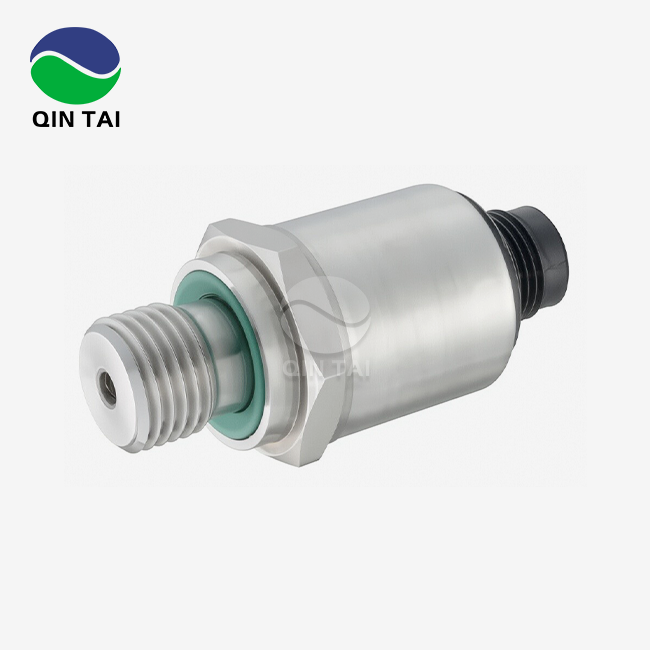
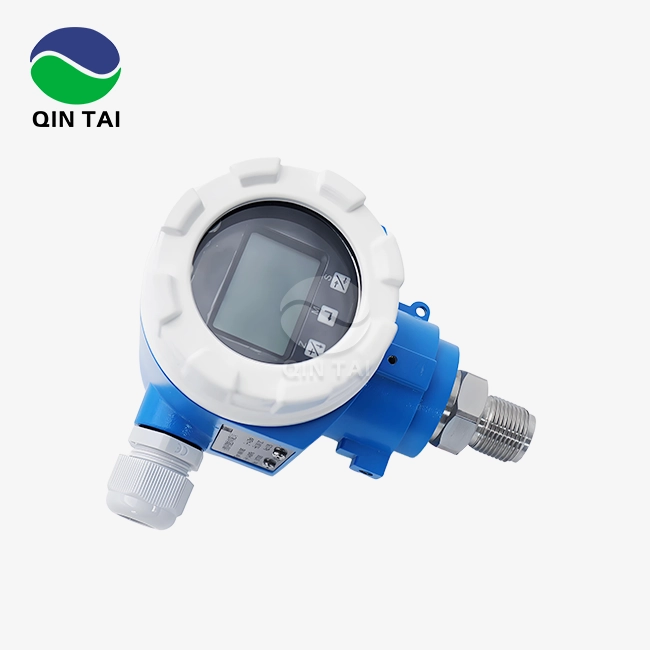

Our customers’ satisfaction speaks for our quality — contact us to experience the same reliable service.