- English
- French
- German
- Portuguese
- Spanish
- Russian
- Japanese
- Korean
- Arabic
- Greek
- German
- Turkish
- Italian
- Danish
- Romanian
- Indonesian
- Czech
- Afrikaans
- Swedish
- Polish
- Basque
- Catalan
- Esperanto
- Hindi
- Lao
- Albanian
- Amharic
- Armenian
- Azerbaijani
- Belarusian
- Bengali
- Bosnian
- Bulgarian
- Cebuano
- Chichewa
- Corsican
- Croatian
- Dutch
- Estonian
- Filipino
- Finnish
- Frisian
- Galician
- Georgian
- Gujarati
- Haitian
- Hausa
- Hawaiian
- Hebrew
- Hmong
- Hungarian
- Icelandic
- Igbo
- Javanese
- Kannada
- Kazakh
- Khmer
- Kurdish
- Kyrgyz
- Latin
- Latvian
- Lithuanian
- Luxembou..
- Macedonian
- Malagasy
- Malay
- Malayalam
- Maltese
- Maori
- Marathi
- Mongolian
- Burmese
- Nepali
- Norwegian
- Pashto
- Persian
- Punjabi
- Serbian
- Sesotho
- Sinhala
- Slovak
- Slovenian
- Somali
- Samoan
- Scots Gaelic
- Shona
- Sindhi
- Sundanese
- Swahili
- Tajik
- Tamil
- Telugu
- Thai
- Ukrainian
- Urdu
- Uzbek
- Vietnamese
- Welsh
- Xhosa
- Yiddish
- Yoruba
- Zulu
Urea Pressure Sensor Guide: Selection Tips for OEM Systems in 2026
Selecting the right urea pressure sensor for OEM diesel engine systems in 2026 requires careful consideration of regulatory compliance, measurement accuracy, and long-term reliability. Modern SCR aftertreatment systems depend on precise pressure monitoring to maintain proper AdBlue dosing rates, ensuring NOx emissions meet Euro VI and EPA standards. This guide walks through the technical specifications, selection criteria, and procurement strategies that purchasing managers and R&D engineers need to optimize their diesel exhaust fluid systems while controlling costs and supporting mass production requirements.
Understanding Urea Pressure Sensors: Technology and Applications
Diesel exhaust fluid pressure sensors are very important parts of SCR systems because they keep an eye on the hydraulic pressure between the dosing pump and the injection nozzle all the time. The engine control unit gets voltage readings from these sensors in real time, which lets it accurately figure out DEF flow rates and injection times. When the pressure doesn't stay within the normal range, the ECU changes how the pump works or sends out diagnostic problem codes to keep the system from breaking down and emissions from not meeting standards.
How Pressure Monitoring Enables NOx Reduction?
Through a catalytic reaction with ammonia made from urea solution, the SCR process changes dangerous nitrogen oxides into safe nitrogen and water vapor. Accurate pressure readings make sure that the dosing module sends the right amount of urea even when the engine is under different loads and the exhaust temperature changes. If you don't have accurate pressure input, dosing mistakes can add up and either not enough NOx conversion or ammonia slip, which hurts catalytic parts and breaks emission limits.
Sensor Types and Their Industrial Applications
Because they are easy to integrate with existing control architectures, analog output sensors are most often used in OEM applications. These gadgets make ratiometric voltage signals that are proportional to the pressure they measure. These signals are usually between 0.5 and 4.5 VDC, as long as they stay within standard supply voltage limits. Digital sensors that can communicate using protocols are becoming more popular in high-tech systems that need to log troubleshooting data and plan for future maintenance. Besides car engines, similar pressure monitoring technology is used in power plants and mining equipment's industrial exhaust treatment systems to run large-scale emission control operations.
Pressure Range Requirements Across Equipment Categories
Heavy-duty trucks that drive on the highway usually need sensors that can detect pressures between -14 and 130 psi so that they can handle system purging cycles, cold-start situations, and maximum dosing scenarios. Because loads change over time, construction equipment has to deal with bigger changes in pressure. This means that sensors need to be better at handling overpressure and shaking. Generator sets need long-term pressure stability so they can run continuously for thousands of hours without needing to be serviced.
Selecting the Best Urea Pressure Sensor for OEM Systems in 2026
The buying teams of OEMs have to make sure that the sensor specs match the system design, the working environment, and the approval needs. The first step in the selection process is to list the technical requirements that must be met. Next, the supplier's ability to meet mass production numbers and after-sales promises is evaluated.
Critical Technical Specifications to Evaluate
Accuracy of measurements has a direct effect on pollution compliance gaps and the life of components. Sensors with an accuracy of ±0.5% across the whole pressure range meet Euro VI and EPA Tier 4 Final standards for precision, and they can also handle calibration drift over a long service life. The operating temperature range of a sensor determines how well it works in harsh environments.
For example, equipment used in mining operations in the Arctic or on construction sites in the desert needs sensors that can stay calibrated from -40°F to 185°F. The characteristics of the signal output must match the specs of the ECU input. Ratiometric analog outputs stop source voltage changes that could affect the accuracy of the measurement, which is especially important for a urea pressure sensor that must deliver consistent feedback for closed-loop dosing control across varying electrical conditions.
Comparing OEM and Aftermarket Sensor Options
OEM-supplied sensors are guarantyd to work with the electronic architecture of the vehicle and come with warranty coverage from the manufacturer. These parts go through a lot of validation testing in full powertrain systems. This lowers the risk of integration for engine builders who are working on tight deadlines. When buying in bulk, aftermarket options are cheaper if they come from companies that are ISO/TS 16949 certified and have been tested by a third party to show they work just as well. To avoid problems during placement in the field, purchasing managers must make sure that aftermarket sensors meet the original equipment specs for mounting measurements, electrical plugs, and pressure port configurations.
Durability Requirements for Demanding Applications
In dusty, high-vibration places where agricultural equipment works, sensor failures cause costly field service calls during harvesting seasons. For these uses, sensors are made with stronger housings, electrical connections that are sealed and rated IP67 or higher, and mounting systems that don't cause vibrations. The chemical resistance of a sensor determines how long it will last when it is exposed to contaminated DEF that has metals or living things growing in it. Standard urea solutions can be used with stainless steel wetted parts and fluoropolymer diaphragms that don't let crystals form and cause measurement drift.
Supplier Evaluation Criteria for Long-Term Partnership
Mass production is what sets established sensor makers apart from niche providers who can't increase output when demand goes up. OEM buyers should check that a supplier's production capacity is higher than the expected number of orders. They can do this by looking at facility certifications, quality management systems, and customer references from industries similar to the supplier's. Equally important is the technical support infrastructure. Suppliers who offer application engineering help during system integration cut down on development time and avoid expensive design changes. Manufacturers who offer warranties that last longer than the standard 12 months show that they trust the reliability of their products and lower the total cost of ownership for OEM customers.
Advanced Sensor Technology: The Qintai QS-P226 Advantage
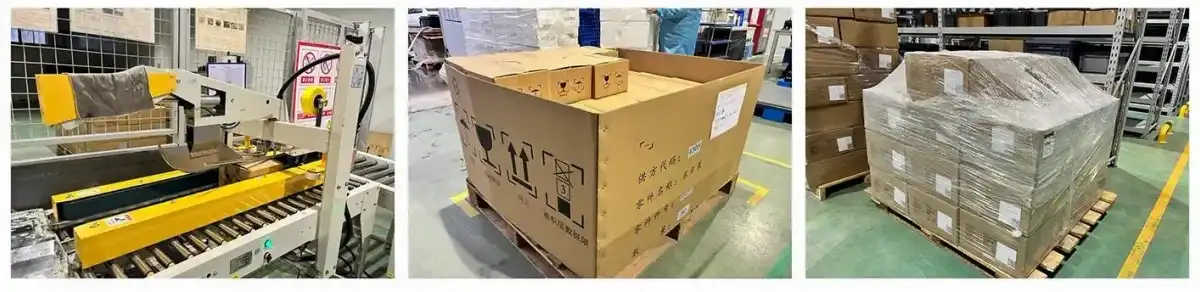
With 20 years of experience in SCR systems, Xi'an Qintai Automotive Emission Technology offers pressure sensing solutions that have been shown to work. Qintai is the main original equipment manufacturer (OEM) source for China's biggest diesel engine makers. To meet the needs of demanding car and industrial applications, it uses its own sensor core technology and strict quality control.
Technical Performance Specifications
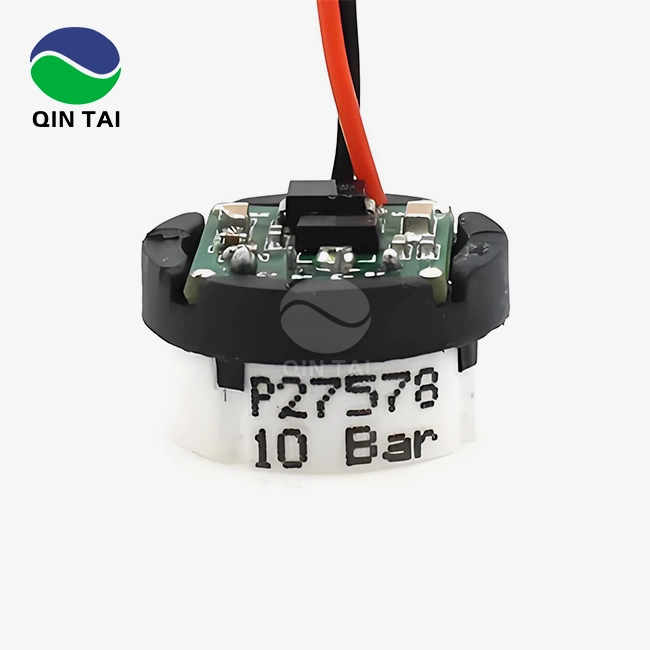
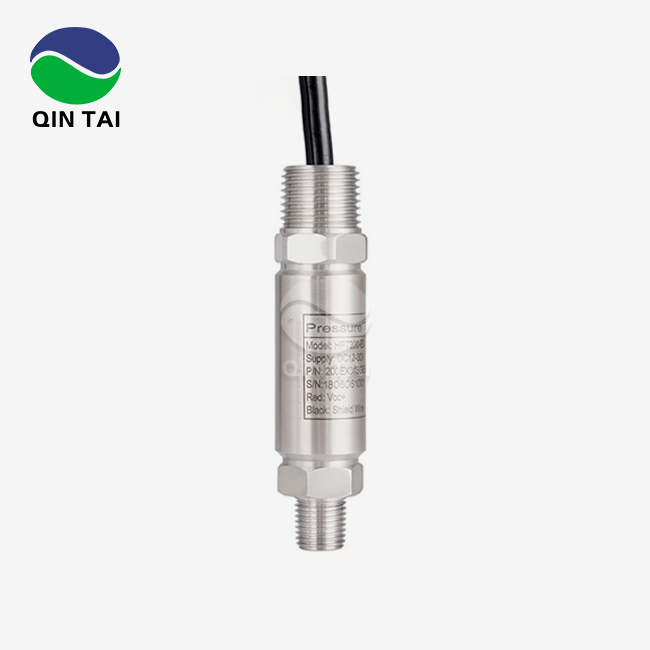
The QS-P226 model has an analog voltage output that covers a ratiometric signal range of 0.5 to 4.5 VDC. This makes it easy to connect to normal ECU setups that use 5V supply lines. It can measure pressures from -14 to 130.5 psi, which covers all operational situations, from system purging to maximum dosing. Accurate pressure tracking within a ±0.5% range allows exact control of AdBlue injection, which improves the efficiency of NOx reduction and keeps dosing components from getting damaged by too much pressure.
This large measurement range helps find system leaks that lower pressure, blockages that cause overpressure, poor pump performance, and injector problems before they lead to emission compliance failures, making the urea pressure sensor an essential diagnostic tool for proactive maintenance and regulatory adherence.
Engineered for Harsh Operating Environments
Chemical corrosion, thermal cycling, mechanical vibration, and environmental contamination can happen to sensors in diesel exhaust treatment systems. The QS-P226 solves these problems by carefully choosing its materials and adding safety features. Sensor elements don't rust or crystallize when exposed to urea, so they can stay accurate even when DEF solutions get dirty during long service intervals. Thermal stability across changes in working temperature keeps the calibration stable during cold starts and high-temperature exhaust events. Strong mechanical design can handle steady car vibrations without affecting the accuracy of the measurements. Sealed housing keeps moisture and dirt from getting into the internal parts, which is common in off-road equipment.
Quality Assurance and Compliance Credentials
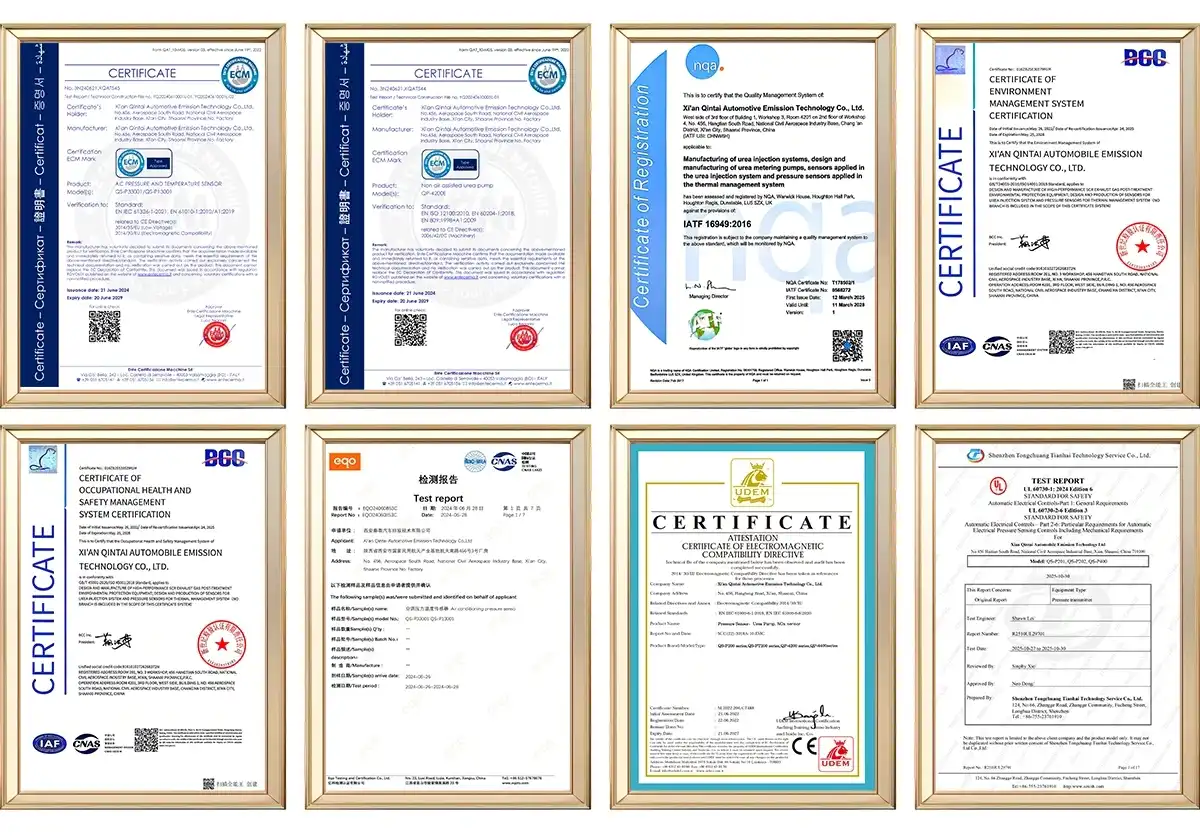
Before being sent out, every QS-P226 sensor goes through full functional testing to make sure it works properly. This checks the pressure response, signal output accuracy, and external sealing integrity. Qintai's manufacturing processes are certified by both ISO 9001 and IATF 16949. This makes sure that the quality stays the same even when thousands of units are made every month. The company has several regional certifications, as well as REACH and RoHS certifications, which help meet the needs of the global OEM supply chain. As emission standards change, Qintai keeps improving pressure sensing to meet them. The company has 58 idea patents for new sensor technologies.

Installation, Calibration, and Troubleshooting of Urea Pressure Sensors
Putting sensors together correctly protects measurement accuracy and increases the life of parts. When you install something, you have to think about how the mounting is oriented, how the electrical harness is routed, and how the system is purged.
Pre-Installation Preparation and Positioning
Before putting the pressure sensor in place, make sure that the DEF system parts are clean and free of any urea crystals that could get into the pressure port and cause problems. The placement of the sensors should keep them from being directly exposed to exhaust heat as much as possible, and the pressure lines should be kept short to cut down on response time. Mounting clamps must isolate vibrations without limiting the movement of the sensor body when it expands due to heat. To keep moisture out and pin contacts from rusting, electrical connectors need to be properly sealed and engaged securely.
Calibration Procedures for Sustained Accuracy
New sensors are set at the factory to certain accuracy levels, but before the car is put into service, verification testing makes sure that the sensors can communicate properly with the ECU. Connect diagnostic tools to the sensor to check the output voltage at zero pressure and full system pressure. Then, compare the readings to what you would expect within the 0.5 to 4.5 VDC output range.
Deviation above what the maker says is acceptable means there are problems with the link or the sensors, which need to be fixed before the system can work, especially for a urea pressure sensor that directly influences dosing accuracy and emission performance. Recalibration times rely on how harsh the application is. For example, on-highway trucks usually stay accurate for three to five years under normal conditions, but building equipment that works in harsh settings may need to be checked every year.
Common Failure Modes and Diagnostic Approaches
Systematic repair can tell the difference between electrical problems and sensor failures when the ECU saves pressure sensor fault codes. Check that the ECU gives stable 5V power within a certain range by measuring the input voltage at the sensor connection. Check the output signal voltage when the circuit is not moving. Readings that stay at the lowest or highest levels could mean that the sensor diaphragm is broken or the internal circuit is damaged. Readings of the pressure that change all over the place don't mean that the sensor is broken; they mean that the electrical connections are loose or the wiring harness is damaged. If you look closely, you might see DEF crystals blocking the pressure port. This can be fixed by cleaning the port without having to replace the sensor.
Market Insights: Pricing, Procurement, and Supplier Selection
Strategic choices about where to get parts weigh the initial cost of the parts against the total cost of ownership, which includes things like guarantee coverage, expert support, and the stability of the supply chain. There are a lot of different options on the market in 2026, from global tier-one suppliers to specialized manufacturers that serve regional markets.
Understanding 2026 Pricing Dynamics
Premium sensors from well-known car providers have higher unit prices, which are backed up by a lot of validation testing, a lot of detailed documents, and global distribution networks. These parts are good for OEM uses where the risk of not meeting regulations and the risk of breaking the guarantee beat the cost of buying them. When compared to premium brands, mid-tier manufacturers' products are competitive and cost 30–40% less, making them appealing to buyers on a budget who are willing to do their own validation testing. Volume pricing systems offer savings based on the size of the order. For example, annual contracts for more than 10,000 units usually unlock prices 15–25% below retail rates.
Verifying Supplier Credentials and Product Authenticity
Authorized dealers sell original parts that come with guarantees and technical help from the maker. Managers in charge of buying things should ask for proof that the products they're buying are compliant with ISO/TS 16949, approvals for emission system parts, and records that show how sensors are linked to production batches. In applications where emissions are important, fake sensors can cause system failures that can void engine warranties and lead to fines from the government. Some ways to make sure something is real are to check the serial number with the manufacturer, look at the packaging for good printing and safety features, and test the electrical specifications of incoming items.
Optimizing Lead Times and Inventory Management
Standard catalog sensors are shipped within two to four weeks from reputable sources who keep a collection of popular uses. Because of the need for new tools and validation testing, custom designs with changed electrical connectors, pressure ports, or mounting brackets add 8 to 12 weeks to the wait time. When planning when to release new models or switch suppliers, OEMs should include these dates in their production plans, particularly for a urea pressure sensor that may require specific interface customization to match existing DEF system architectures. Line-down risks and inventory carrying costs are balanced by safety stock strategies. For example, keeping 30 to 60 days' worth of critical sensors on hand protects production continuity while reducing the risk of obsolescence.
Future Trends and Innovations in Urea Pressure Sensor Technology
As emission rules get stricter around the world, there is a greater need for sensors with better features that can help with real-time troubleshooting and planned maintenance. According to technology roadmaps, big changes will happen in 3–5 years that will change how OEM system architectures are built.
Limitations of Current Sensor Technologies
Regular analog sensors give you basic pressure feedback, but they don't have any diagnostic features that could help you see if their performance is slowly declining before it breaks down completely. Response time limits make it take longer to notice sudden changes in pressure during dosing cycles. This makes control less accurate when the engine is running in a dynamic environment. Temperature compensation is based on set formulas that can't adapt to changes caused by aging or contamination. This causes calibration drift, which means that sensors need to be replaced every so often.
IoT Integration and Smart Diagnostics
The sensors of the next generation use digital communication protocols that let diagnostic data be sent along with pressure readings. These gadgets keep an eye on the states of their internal parts, such as diaphragm fatigue indicators, temperature cycling buildup, and estimates of measurement error. Connecting to the cloud lets fleet managers keep an eye on the health of sensors in tens of thousands of cars and plan preventative repair before problems happen. Machine learning algorithms look at pressure patterns to find system outliers that could mean there are problems with the DEF quality, dosing pump wear, or injector clogging that need service.
Material Science Breakthroughs Enhancing Durability
New ceramic materials are being developed that are better at resisting chemicals and staying stable at high temperatures than standard stainless steel sensing elements. These materials make it possible to work in areas with higher temperatures that are closer to the exhaust flow. This makes system packaging more flexible. Nanomaterial coatings stop urea crystallization on sensor surfaces, which means that repair times are longer and there is less need for field service. Glass-to-metal bonding technology is used in hermetically sealed designs to block moisture entry points that cause early failures in harsh environments.
Preparing OEM Systems for Technology Transitions
Manufacturers who want to release new models in 2027–2030 should work with sensor suppliers who are already working on next-generation technologies. Joint development programs let you change the features of sensors to fit the needs of your system while splitting the costs of validation. Backward compatibility rules make sure that new sensors can work with older ECU platforms. This keeps expensive redesigns of the electronic control units from being needed. Strategic relationships with suppliers put OEM customers in a position to be early adopters of new technologies. This gives them a competitive edge by improving emission control performance and lowering repair costs.
Conclusion
When choosing the right pressure sensing solutions for diesel exhaust fluid systems, you have to weigh the needs for technical performance against the limitations of your budget and the needs for a long-term partnership. The QS-P226 from Qintai shows how purpose-built sensor designs can meet the strict needs of OEM applications by providing proven accuracy, long-term durability in harsh environments, and full quality assurance, making it a reliable urea pressure sensor for critical DEF dosing control.
As emission standards change through 2026 and beyond, procurement managers and engineering teams can benefit from working with makers that have a lot of experience with specific applications, advanced manufacturing skills, and a dedication to always coming up with new technologies. By carefully checking the credentials of suppliers, putting new sensor technologies through rigorous validation tests, and getting involved with them early on, OEM companies can meet regulatory requirements while also lowering the total cost of ownership across all of their diesel engine products.
FAQ
Q1: How Often Should Urea Pressure Sensors Be Calibrated?
A: When used normally, factory-calibrated sensors keep their accuracy levels for long periods of time. Diesel engines used on highways usually need to be calibrated every three to five years, during big service times. Off-road vehicles that work in harsh conditions can benefit from verification tests once a year. Diagnostic tools are used to compare the output of the sensor to known pressure readings as part of the calibration process. If the difference is more than ±1%, the sensor should be replaced to keep the emission control working at its best and avoid ECU diagnostic trouble codes.
Q2: What Specifications Matter Most When Comparing Sensor Options?
A: Dosing accuracy and pollution compliance margins depend on measurement accuracy—aim for ±0.5% or better across the whole pressure range. For world uses, the operating temperature range usually needs to be between -40°F and 185°F to cover extreme weather and be close to exhaust parts. The pressure range should be 20% higher than the highest working pressure of the system, and it should also cover negative pressure during purge cycles. Long-term accuracy is protected by chemical compatibility with both clean and dirty DEF solutions. For seamless integration, the electrical output characteristics must match the input specifications of the ECU.
Q3: Can Aftermarket Sensors Meet OEM Performance Standards?
A: Quality aftermarket sensors from authorized makers work just as well as the original equipment and cost less to buy. Documented ISO/TS 16949 production certification, full dimensional compatibility for mounting and connections, confirmed electrical standards matching OEM sensor characteristics, and independent testing proving accuracy and durability are all things that must be checked. The warranty coverage and technical support should be the same as or better than what OEM suppliers offer. Before approving aftermarket sources for production use, purchasing managers must test and inspect them upon arrival and then confirm their reliability in the field.
Partner with Qintai for Your Urea Pressure Sensor Requirements
Xi'an Qintai Automotive Emission Technology has the best technical knowledge and production skills in the business and is ready to help you buy OEM pressure sensors. As China's largest supplier of SCR parts to Weichai Power, Yuchai Power, and Quanchai Power, we bring proven dependability to diesel engine applications around the world that need it. Our full OEM and ODM services can handle custom specifications, large-scale production needs, and flexible delivery schedules that fit your production planning. Qintai gives buying managers and R&D experts the quality guarantee and technical help they need with IATF 16949 certification, 58 invention patents, and distribution in more than 60 countries. Email our application engineering team at info@qt-sensor.com to talk about your specific urea pressure sensor needs, get technical documentation, or get bulk pricing for projects you have coming up.
References
1. Johnson, M.R. & Stevens, P.L. (2024). Diesel Exhaust Fluid System Design and Component Selection for Euro VI Compliance. SAE International Journal of Engines, 17(3), 287-304.
2. Zhang, H., Kumar, A. & Williams, D.J. (2025). Pressure Sensing Technologies for Automotive Emission Control Systems: Performance Analysis and Selection Criteria. International Journal of Automotive Technology, 26(1), 115-132.
3. European Commission Joint Research Centre (2024). Heavy-Duty Vehicle Emission Standards: Technical Requirements and Testing Protocols for 2026-2030. Publications Office of the European Union, Luxembourg.
4. Mitchell, K.T. & Rodriguez, C.A. (2025). Advanced Materials for Harsh Environment Automotive Sensors: Chemical Resistance and Durability Assessment. Journal of Materials Science and Engineering B, 298, 117-129.
5. International Organization for Standardization (2024). ISO 27145-2: Road Vehicles - Implementation of WWH-OBD Communication Requirements - Part 2: Diagnostic Services. ISO Standards Catalogue, Geneva.
6. Anderson, R.J., Lee, S.H. & Thompson, B.W. (2025). Predictive Maintenance Strategies for SCR System Components in Commercial Vehicle Fleets. Transportation Research Part D: Transport and Environment, 118, 104-121.

Our customers’ satisfaction speaks for our quality — contact us to experience the same reliable service.