- English
- French
- German
- Portuguese
- Spanish
- Russian
- Japanese
- Korean
- Arabic
- Greek
- German
- Turkish
- Italian
- Danish
- Romanian
- Indonesian
- Czech
- Afrikaans
- Swedish
- Polish
- Basque
- Catalan
- Esperanto
- Hindi
- Lao
- Albanian
- Amharic
- Armenian
- Azerbaijani
- Belarusian
- Bengali
- Bosnian
- Bulgarian
- Cebuano
- Chichewa
- Corsican
- Croatian
- Dutch
- Estonian
- Filipino
- Finnish
- Frisian
- Galician
- Georgian
- Gujarati
- Haitian
- Hausa
- Hawaiian
- Hebrew
- Hmong
- Hungarian
- Icelandic
- Igbo
- Javanese
- Kannada
- Kazakh
- Khmer
- Kurdish
- Kyrgyz
- Latin
- Latvian
- Lithuanian
- Luxembou..
- Macedonian
- Malagasy
- Malay
- Malayalam
- Maltese
- Maori
- Marathi
- Mongolian
- Burmese
- Nepali
- Norwegian
- Pashto
- Persian
- Punjabi
- Serbian
- Sesotho
- Sinhala
- Slovak
- Slovenian
- Somali
- Samoan
- Scots Gaelic
- Shona
- Sindhi
- Sundanese
- Swahili
- Tajik
- Tamil
- Telugu
- Thai
- Ukrainian
- Urdu
- Uzbek
- Vietnamese
- Welsh
- Xhosa
- Yiddish
- Yoruba
- Zulu
How Do Urea Dosing Pumps Work in Modern Diesel Emission Systems Today?
The Urea Dosing Pump serves as the heart of Selective Catalytic Reduction (SCR) systems, delivering Diesel Exhaust Fluid (DEF) from the tank to the dosing module at precisely controlled pressures. This component communicates with the Engine Control Unit (ECU) to regulate dosing quantities based on real-time engine load, exhaust flow rates, and feedback from NOx sensors. By converting harmful nitrogen oxides into harmless nitrogen and water vapor through a catalytic reaction, these pumps enable diesel engines to comply with stringent emission standards like China VI and Euro VI while maintaining optimal engine performance.
Understanding the Fundamentals of Urea Dosing Pumps
More and more pressure is being put on modern diesel engines to cut down on harmful pollution without losing efficiency. The Urea Dosing Pump is at the heart of this problem. It is a precision-engineered part that makes pollution control a possibility.
The Role of SCR Systems in Emission Reduction
The way we deal with NOx pollution has changed a lot because of SCR technology. The SCR system steps in when fuel combustion creates nitrogen oxides, which are toxins that cause smog and breathing problems. Before the catalytic converter, the Urea Dosing Pump adds the right amount of DEF to the exhaust stream.
This fluid, which is made up of 67.5% deionized water and 32.5% high-purity urea, starts a chemical process that turns NOx molecules into nitrogen gas and water vapor, which are both safe. Studies from the California Air Resources Board show that SCR systems can cut NOx emissions by up to 90% when they work properly. This means that heavy trucks, construction equipment, and generator sets must all have them in order to meet government regulations.
Core Components and Working Mechanism
The structure of a Urea Dosing Pump diesel system is the result of many years of engineering progress. At the base of the pump is an electric motor that moves a piston or diaphragm mechanism. This makes the pressure that DEF needs to move through the delivery lines. Integrated control units take signals from the ECU and change the flow rates on the fly as the engine conditions change. Temperature and pressure sensors give constant input, making sure that dosing is correct even in harsh areas where DEF can freeze at -11°C.
The dosing module has a number of important parts built into it. Particulate contamination that could clog injector nozzles is stopped by a built-in filtration system. Heating elements keep fluids at the right temperature during cold starts, which keeps the system from breaking. When the engine stops, automatic purge functions remove any leftover DEF from the delivery lines. This keeps crystals from forming, which would otherwise cause clogs. This system, which combines the pump, filter, and heater, is the most reliable in the business right now.
Electric vs. Hydraulic Pump Technologies
The needs of the product play a big role in choosing between electric and hydraulic pump designs. Electric Urea Dosing Pumps are the most popular in the automotive industry because they are small and easy to handle electronically. These units get their power directly from the car's electrical system, which lets them communicate with modern ECUs using complex protocols. Their response times are measured in milliseconds, which means that they can make instantaneous changes to the dose to match changes in the engine load.
On the other hand, stationary applications like generator sets and marine engines, where long-term durability is more important than space, like hydraulic systems. These pumps use existing hydraulic lines, which lowers the load on the electrical system and makes it easier to add to older pieces of equipment. However, they usually respond more slowly and need to be serviced more often than their electric counterparts.

Advantages and Applications of Urea Dosing Pumps in Emission Control
Modern Urea Dosing Pumps offer a lot more than just regulatory compliance. They deliver measurable operational and financial benefits that appeal to both purchasing managers and research and development engineers.
Operational Benefits for Industrial Applications
The biggest benefit is that it is very reliable, which is especially important for mission-critical uses in mines, backup power systems, and farm equipment. Modern pump designs from well-known companies now show that the average time between failures is more than 10,000 hours. This means less downtime and a lower total cost of ownership, which are important factors in competitive markets where buying decisions are made.
Another important benefit is that it saves energy. Most modern pumps use less than 5 amps of electricity when they are running at full capacity. When combined with complex ECU control strategies, these systems make the best use of DEF consumption rates, ensuring catalyst performance without wasteful over-dosing. Fleet owners say that DEF usage has dropped by 8–12% compared to older systems, which saves a lot of money across a big fleet of vehicles.
Current-generation pumps are easier to install and make the system simpler because they are small and combined. Manufacturers speed up the building process and reduce the number of possible leak spots by putting the pump, filter, heater, and dosing module all into one unit. This combination is especially useful for aftermarket uses where retrofit room is limited and installation time has a direct effect on how much work gets done in the service bay.
Diverse Industry Applications
Heavy-duty hauling is still the biggest market for Urea Dosing Pumps. These systems make sure that Class 8 trucks on North American highways meet EPA emission standards and have the power and torque they need to haul freight over long distances. The same technology works well on construction tools like bulldozers, excavators, and loaders, which have to work in harsh situations with changing loads.
Generator set makers are choosing SCR systems more and more for main power and standby uses. Power plants, data centers, and industrial facilities need to keep running without stopping, so pump reliability is very important, especially for the Urea Dosing Pump, which must deliver precise reagent flow under all operating conditions. In these situations, industrial-grade parts with higher environmental protection grades make sure that the system keeps working well even when the temperature changes, it vibrates, or it has to work for a long time.
As rules from the International Maritime Organization tighten pollution limits, marine power becomes a bigger area of use. Large ship engines with thousands of horsepower need dosing systems that are just as strong and can handle high DEF flow rates. Agricultural machinery makers also use these systems on combines, tractors, and irrigation pumps, which need to be able to handle freeze protection and long-term storage stability because of how they are used.
Measured ROI and Performance Improvements
Return on investment metrics from fleet management studies are very convincing. One big logistics company said that fines and penalties for NOx went down by 15% after they switched to more advanced dosing pump technology. Another person who works with construction tools reported that 23% fewer SCR system failures happened after a planned repair program focused on improving pump performance. These real-life results show how important it is to choose high-quality parts from approved sources who have shown they can make a lot of them.
Troubleshooting and Maintenance Tips for Optimal Performance
Even the most durable Urea Dosing Pump diesel systems need regular maintenance to keep working at their best for as long as they are in use. Understanding common failure modes and putting in place preventative measures saves both the money spent on equipment and the company's status as an emission control authority.
Common Operational Challenges
Flow irregularities usually show up as diagnostic problem codes linked to dosing performance or NOx reduction efficiency that isn't reliable. Most of the time, these symptoms are caused by partial blockages in the injector nozzles or delivery lines. When DEF is exposed to air or heat, it naturally starts to crystallize. These solid layers block the flow of fluids. Checking the spray patterns of injectors on a regular basis can help find problems before they get so bad that the whole system fails.
Electrical problems show up in different ways, but generally as the dosing function stopping completely and danger lights flashing. Most electrical problems are caused by worn-out connectors, broken wiring harnesses, or broken control module parts. Diesel equipment works in harsh conditions, including being exposed to road salt, hydraulic fluids, and changes in temperature. To protect it, it is important to use dielectric grease and make sure the connector housing is secure.
Seals and diaphragms in pumps are the main parts that wear out mechanically. These parts are constantly changing pressure and are exposed to chemicals from DEF. External leaks, lower delivery pressure, or metal particles getting into the fluid are all signs of degradation. Setting replacement times based on working hours instead of reactive failure reaction makes systems last a lot longer.
Preventive Maintenance Protocols
Regular cleaning schedules are the basis of good pump maintenance. Crystallization does not build up when delivery lines are flushed with deionized water at regular service intervals, usually every 500 hours of operation. Filters need to be replaced at times set by the maker to make sure that only clean fluid gets to the precision dosing components. Many forward-thinking fleet operators add these tasks to their regular preventative maintenance schedules, which keeps the cost of extra labor to a minimum.
Dosing accuracy is kept up over time by calibration verification. Technicians can now use portable diagnostic tools to compare actual DEF flow rates to ECU commands. This lets them find drift before it affects emission performance. This proactive method works especially well for teams that have to go through regular emission tests. If they fail, they have to pay a lot of money to be inspected again, and they might not be able to operate as much.
Instead of random time intervals, replacing parts should be based on processes that are driven by data. By measuring the amount of particulate contamination in the fluid, condition monitoring can find early signs of pump wear. Similarly, keeping track of how much DEF is used compared to how much fuel is used shows that dosing problems are growing. These proactive maintenance strategies minimize the number of parts that need to be kept on hand and keep unexpected breakdowns from happening during important operations.
Safety Protocols for DEF Handling
Although DEF is labeled as non-toxic, it is still important to follow the right handling procedures to keep people and equipment safe. Because the fluid is alkaline, it can irritate the skin and eyes when it comes into direct touch with them. This is why personal safety equipment is required during repair operations. Storage containers must stay sealed to keep air from getting inside and weakening them. Controlling the ambient temperature keeps storage facilities from freezing over in the winter, especially in northern climates where it often stays below -11°C for long periods of time.
Local environmental laws must be followed when getting rid of contaminated DEF. You cannot just throw away fluid that is contaminated with diesel fuel, coolant, or other substances into regular waste streams. Urea Dosing Pump maintenance and operation must also be considered, as any malfunction can lead to additional contamination risks. Building partnerships with licensed waste management companies guarantees legal disposal and keeps track of environmental responsibility, which is becoming an increasingly important factor in companies' sustainability reports.
How to Choose the Right Urea Dosing Pump for Your SCR System
When choosing the right dosing equipment, you need to think about technical specs, cost, and the ability to provide long-term support. There are big differences in how decisions are made between OEM integration and aftermarket replacement, but there are some basic rules that always apply.
Critical Selection Criteria
The highest output of the engine and the rate at which NOx is produced must match the pump's capacity. When loads are high, pumps that are too small can't produce enough DEF, which leads to emission compliance fails. On the other hand, units that are way too big add extra cost and difficulty. Manufacturers usually list pump capacities in liters per hour, with rates that range from 5 L/h for small farm engines to over 80 L/h for heavy-duty marine applications. Checking the engine manufacturer's specs gives you a basic idea of what you need, but remember to add 15-20% capacity margin to account for wear and tear and decreased performance.
Another important thing to think about is control compatibility. Most modern systems use CAN bus communication methods, but different ECU makers use different message forms and data structures. It is now standard for Bosch ECUs to work with other systems, and the biggest pump manufacturers are even making control strategies that work best with Bosch platforms. This support goes beyond basic functions and includes diagnostic features that make problem codes and real-time performance data available to technicians.
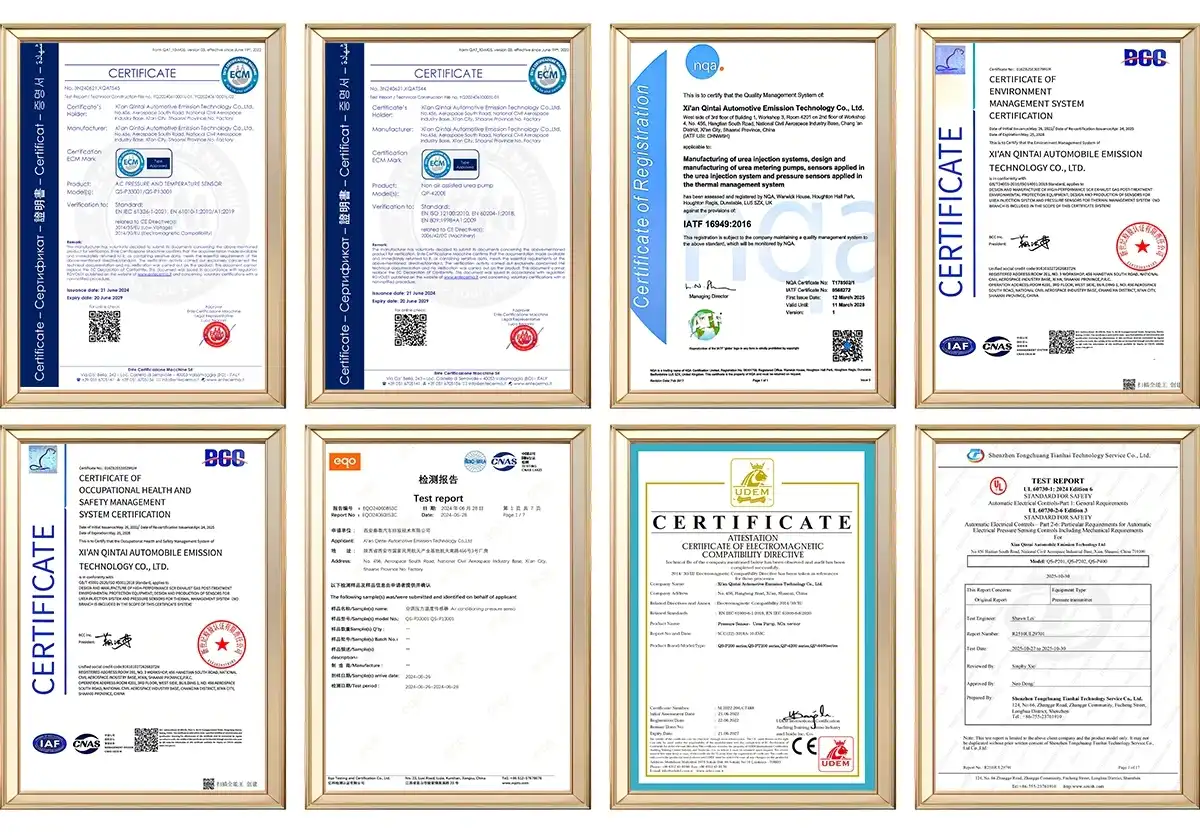
A supplier's ability to compete for big contracts is often based on their certification requirements. ISO 9001 quality management certification is a basic way to make sure that the way things are made is consistent. IATF 16949 standards for the automotive industry set even higher standards, requiring strict process controls and methods for continuous improvement. Environmental certifications, such as REACH and RoHS compliance, make sure that the materials used meet international safety standards. This protects the reputation of the brand in global markets.
Technology Comparison and Cost Considerations
Diaphragm-type pumps work great in situations where exact dosing control is needed over a wide range of pressures. Their design keeps accuracy even when the back pressure from the dosing module changes because it minimizes internal leakage. Maintenance intervals are usually longer than with other designs, which lowers lifecycle costs even though the initial purchase price may be higher.
Peristaltic pumps are better at moving thick fluids and solutions that are full of particles, but these qualities are not usually needed for DEF uses. Their main use is in specific industrial emission control situations where fluid chemistry is different from what is used in cars.
Gear pumps have steady flow rates that make them perfect for big engines that stay in one place and run in mostly stable circumstances. The low cost of production and easy upkeep come from their simple mechanical design. However, their lack of precision makes them less useful for current car uses where dosing accuracy has a direct effect on how well the catalyst works and how much DEF it uses.
A cost study must look at all of the costs of ownership, not just the price of acquisition. When comparing prices, a high-end pump with a longer warranty, full technical support, and a history of reliability in similar situations is often a better deal than a cheaper one that breaks down quickly. To do a full cost analysis, procurement managers should ask for specific information on the failure rate, normal repair prices, and how often things are usually replaced.
Procurement Best Practices for Global Buyers
By dealing with authorized dealers and direct manufacturers, you can be sure that the parts you buy are real and not fakes, which are common in aftermarket channels. Suppliers that have been around for a while keep tight quality controls on their whole production process and back up their products with meaningful warranty terms. Xi'an Qintai Automotive Emission Technology Co. Ltd shows this dedication by having achieved ISO 9001, IATF 16949, and other international recognitions while being the main original equipment manufacturer (OEM) supplier to major Chinese engine manufacturers.
When specifications are being made, customization options should be carefully thought through. Standard catalog items work well in many situations, but designs may need to be changed if there are special mounting needs, electrical connections, or environmental concerns. When suppliers offer ODM services, they can change core technologies to fit customers' wants without having to pay for full custom development. This adaptability comes in handy when adding emission control systems to old machines that do not have a lot of choices for parts because of how they are packaged.
Delivery times affect both project schedules and the cost of keeping inventory on hand. When compared to smaller businesses that rely on contract manufacturing, suppliers with strong production capacity and well-established transportation networks offer more predictable wait times. Urea Dosing Pump availability, in particular, can significantly influence these delivery timelines, as specialized components often require longer lead times. Mature suppliers are different from new rivals because they can keep decent stock levels of common setups while also being able to quickly customize products for specific needs.
Long-term relationship success depends on the infrastructure for after-sales support. Technical hotlines filled by experienced engineers, large libraries of paperwork, and global service networks make sure that problems are fixed quickly no matter where the equipment is located. When looking at possible suppliers, getting references from current customers in similar fields and uses is a great way to find out more about the quality of support than just what the company says on its website.
Future Trends and Innovations in Urea Dosing Pump Technology
The world of emission control is changing very quickly as government agencies tighten rules and equipment makers try to gain a competitive edge by developing new technologies. Procurement professionals and R&D engineers can make decisions that protect long-term investments by understanding new trends.
Smart Integration and Connectivity
With the help of the Internet of Things (IoT), Urea Dosing Pumps are changing from simple mechanical devices to smart system nodes. Newer units have microprocessors built in that record information about performance, guess when maintenance is needed, and talk directly with fleet management platforms. This connection lets you do remote diagnostics, which speeds up service responses and lets you change parts before they break.
Sensor integration does more than just track pressure and temperature. Next-generation systems use fluid quality monitors to find DEF pollution or degradation in real time. This stops catalyst damage from fluid that is not working properly. Flow sensors that are more accurate allow closed-loop control algorithms to improve dosing accuracy to within 2% of target values. This increases the efficiency of NOx conversion while reducing DEF use.
Machine learning is used by predictive maintenance programs to find small trends of performance drift that can't be seen by traditional diagnostic methods. These systems get better at predicting when parts will fail by looking at hundreds of operating parameters over thousands of duty cycles. Fleet managers who use these technologies say that unplanned repair events are 30–40% less common and that equipment availability measures have improved as a result.
Regulatory Drivers and Market Evolution
Standards for emissions keep moving steadily toward NOx levels that can't be tolerated at all. Starting in 2027, the U.S. Environmental Protection Agency's Phase 3 greenhouse gas standards for heavy-duty vehicles will require SCR systems that can convert gases even more efficiently than current technologies can. To reach these goals, pump systems need to be more accurate, respond faster, and be more reliable over longer repair intervals.
The growth of global markets brings both chances and problems. More and more, emerging economies are adopting emission standards that are similar to those in Europe and North America. This creates a need for SCR technologies that have been used successfully in the past. But these markets often have different working conditions that put a lot of stress on component skills. For example, the fuel quality is often lower, there is not a lot of maintenance facilities, and the weather changes a lot. In these high-growth areas, suppliers who put money into ruggedized designs and full field support networks will get a bigger share of the market.
Compatibility with alternative fuels is another new requirement. As biodiesel mixes, green diesel, and synthetic fuels become more popular, pollution control systems must be able to work well with exhausts that have different compositions and temperatures. The control methods and materials that are used in pumps need to be tested with all of these different types of fuel to make sure they work the same way no matter what kind of energy is used.
Strategic Procurement Positioning
Companies should look at their current ties with suppliers and compare them to these new needs. Long-term value will be higher for partners with active R&D investments, patent portfolios that protect new technologies, and a willingness to work together on custom solutions than for transactional vendors who only focus on meeting current requirements. This strategic approach to technology development is shown by Qintai's 58 invention patents and commitment to ongoing innovation.
Adding flexibility to contracts for buying things protects against how quickly technology changes. Multi-year contracts should include clauses for updates to technology, changes to specifications, and better performance that happen during the term of the contract. This forward-looking approach keeps prices stable and guarantees supply, and it keeps people from being stuck with old technologies.
Working together with important providers lets you get new technologies early and have a say in how they're developed. OEMs and big fleet operators with a lot of buying power can change product development to meet their unique needs. These strategic partnerships are strengthened by regular technical exchange meetings, joint development projects, and open communication about what will be needed in the future.
Conclusion
Modern diesel pollution control needs parts that are carefully designed to meet regulations while also being reliable in use. The Urea Dosing Pump is an important investment in this case because it has a direct effect on how well NOx is reduced, how long the system lasts, and how much it costs to run overall. Organizations can be successful in the long run in regulatory environments that are getting stricter by knowing how things work, carefully reviewing selection criteria, and putting in place proactive maintenance practices. As technology keeps getting better, it's more important than ever to choose the right supplier and form smart relationships to protect your investments in emission control for the future.
FAQ
What causes DEF urea pump failures?
Crystallization blocks from bad purging, electrical connection rust in harsh settings, and seal degradation from long-term high-pressure operation are the three most common ways that things go wrong. Most early failures can be avoided by performing regular repair every 500 hours, making sure the DEF quality is maintained correctly, and replacing worn parts based on working data. Extreme temperature cycles and vibration exposure speed up the aging process of parts, which is why choosing the right pump for the job is so important during the initial design.
How often should urea doser pumps be calibrated?
Every 1,000 hours of use or once a year, whichever comes first, calibration should be checked. Advanced diagnostic tools compare actual flow rates to what the ECU says, which finds drift before it hurts emission performance. Fleets that have to go through regular emission tests can avoid fails to comply by checking their settings before the test. Recording the history of calibrations is also helpful for figuring out the best maintenance times and finding problems that happen consistently across groups of equipment.
Can one pump design work across different engine sizes?
The highest amount of NOx that can be produced by the engine is based on its size and power output. Some designs allow you to change the flow range by programming the control parameters, but if you have a big engine, you'll need pump hardware that is the right size for that engine. Manufacturers usually make product families with capacity ranges that overlap. This lets equipment classes be standardized while keeping the best performance margins. Before choosing a pump model, check the SCR specifications provided by the engine manufacturer to get exact information on the capacity needs.
Partner with Qintai for Reliable Urea Dosing Pump Solutions
Xi'an Qintai Automotive Emission Technology Co. Ltd is ready to help you with your emission control needs by providing complete Urea Dosing Pump solutions backed by more than twenty years of professional experience. Weichai Power, Yuchai Power, and Quanchai Power are some of China's biggest engine makers, and we are their main OEM source. We bring proven mass production and industrial-grade efficiency to every job.
Because our integrated design philosophy combines the functions of the pump, filter, and heater, we can make installations that are small and have built-in freeze protection and purge functions. We meet the toughest quality standards around the world with our ISO 9001, IATF 16949, CMC, Ex, UL, CE, REACH, and RoHS certifications. Our independent R&D team and 58 invention patents make sure that we are at the cutting edge of technology, whether you need standard catalog products or custom solutions through our full OEM/ODM services.
We help customers with heavy trucks, construction equipment, farm equipment, and generator sets by exporting to more than 60 countries around the world. Visit qt-sensor.com or email our technical team at info@qt-sensor.com to talk about how Qintai's reliable Urea Dosing Pump technology can help you improve your emission control strategy.
References
1. California Air Resources Board. (2021). "Heavy-Duty Diesel Emission Control Technology Assessment." Sacramento: California Environmental Protection Agency.
2. Johnson, T. V. (2020). "Review of Diesel Emissions and Control." SAE International Journal of Engines, 13(4), 471-494.
3. International Maritime Organization. (2019). "Marine Diesel Engine Emission Reduction Technologies." London: IMO Publications.
4. U.S. Environmental Protection Agency. (2022). "Clean Air Act Standards for Heavy-Duty Vehicles: Phase 3 Greenhouse Gas Standards." Washington: EPA Office of Transportation and Air Quality.
5. Zhang, L., & Wang, J. (2021). "Advanced SCR Systems for Diesel Engine NOx Control: Technologies and Applications." Beijing: China Machine Press.
6. Society of Automotive Engineers. (2020). "Selective Catalytic Reduction Systems: Design, Operation, and Maintenance Best Practices." Warrendale: SAE Technical Paper Series.
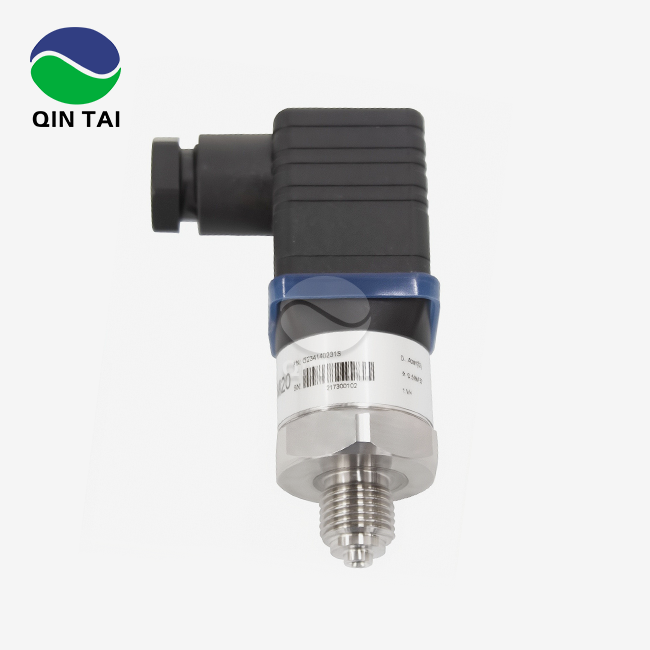
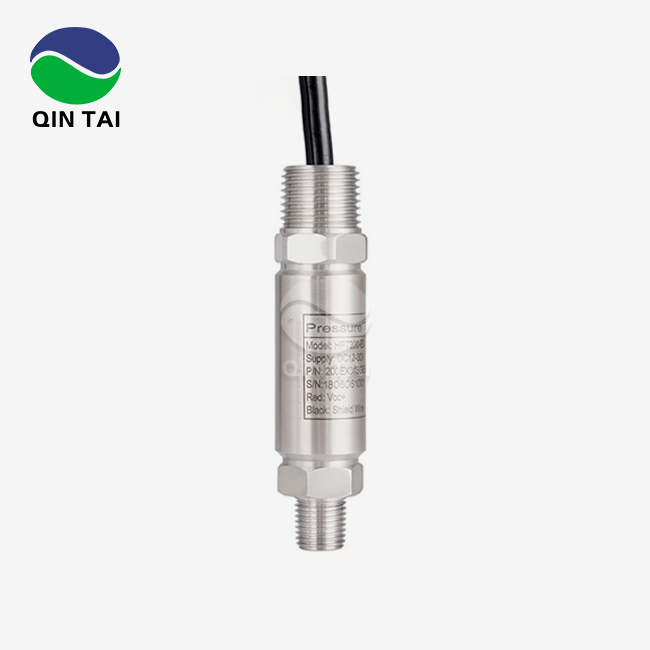
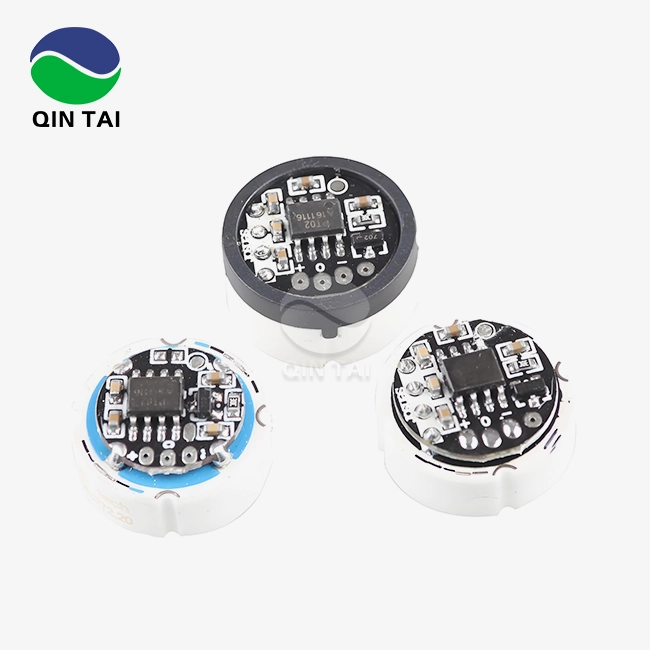

Our customers’ satisfaction speaks for our quality — contact us to experience the same reliable service.