- English
- French
- German
- Portuguese
- Spanish
- Russian
- Japanese
- Korean
- Arabic
- Greek
- German
- Turkish
- Italian
- Danish
- Romanian
- Indonesian
- Czech
- Afrikaans
- Swedish
- Polish
- Basque
- Catalan
- Esperanto
- Hindi
- Lao
- Albanian
- Amharic
- Armenian
- Azerbaijani
- Belarusian
- Bengali
- Bosnian
- Bulgarian
- Cebuano
- Chichewa
- Corsican
- Croatian
- Dutch
- Estonian
- Filipino
- Finnish
- Frisian
- Galician
- Georgian
- Gujarati
- Haitian
- Hausa
- Hawaiian
- Hebrew
- Hmong
- Hungarian
- Icelandic
- Igbo
- Javanese
- Kannada
- Kazakh
- Khmer
- Kurdish
- Kyrgyz
- Latin
- Latvian
- Lithuanian
- Luxembou..
- Macedonian
- Malagasy
- Malay
- Malayalam
- Maltese
- Maori
- Marathi
- Mongolian
- Burmese
- Nepali
- Norwegian
- Pashto
- Persian
- Punjabi
- Serbian
- Sesotho
- Sinhala
- Slovak
- Slovenian
- Somali
- Samoan
- Scots Gaelic
- Shona
- Sindhi
- Sundanese
- Swahili
- Tajik
- Tamil
- Telugu
- Thai
- Ukrainian
- Urdu
- Uzbek
- Vietnamese
- Welsh
- Xhosa
- Yiddish
- Yoruba
- Zulu
Urea Dosing Pressure Sensor Buying Guide: Features, Cost, and Fit
Selecting the right urea dosing pressure sensor directly impacts your diesel engine's emission compliance, operational efficiency, and long-term cost control. These precision devices monitor DEF pressure within Selective Catalytic Reduction systems, ensuring accurate urea injection to meet Euro VI and EPA standards. This guide walks procurement managers, R&D engineers, and supply chain professionals through critical selection criteria, cost considerations, and practical fit assessments to help you source sensors that balance regulatory compliance with mass production reliability and total cost of ownership.
Understanding Urea Dosing Pressure Sensors: Features and Functionality
What Urea Dosing Pressure Sensors Do
Urea dosing pressure sensors are the precise tools in SCR aftertreatment systems. They measure the Diesel Exhaust Fluid's hydraulic pressure all the way from the dosing pump to the injector nozzle and back again. These sensors send voltage readings to the Engine Control Unit in real time. This lets adaptive dose algorithms change the rate of urea injection based on the temperature of the exhaust, the percentage of NOx, and the load on the engine. Under-dosing, which fails emission tests, and over-dosing, which crystallizes urea and clogs injectors, are both stopped by this closed-loop feedback mechanism.
Core Technical Features That Matter
Most OEM applications care most about how accurate the measurements are. Professional sensors are accurate to within 0.5% of the full pressure range, which for heavy-duty uses is usually between -14 psi and +130.5 psi. Extreme temperature changes must not affect the sensor's data, from -40°C for arctic cold starts to +125°C for high-load operation. Response time changes the accuracy of dosing when the engine is going thru short-term conditions like acceleration or regeneration cycles. Good sensors can update their signals in less than 50 ms, which lets the ECU change the dose before the exhaust conditions change a lot.
How long a sensor lasts in corrosive environments depends on how well it works with 32.5% aqueous urea solutions. In more advanced designs, diaphragms made of 316L stainless steel or special polymer housings with IP69K ingress protection stop water and chemicals from getting in and breaking down the materials. Meeting ISO 7637 pulse immunity standards, the electrical interface must keep the integrity of the signals even when alternators, starter motors, and high-voltage ignition systems send electromagnetic waves that mess with them.
How Sensors Interface With SCR Systems
The sensor is placed between the pump's exit and the injector's opening and is directly connected to the dosing module's supply line. It gives off an analog signal that is related to the pressure that is being monitored. This signal is usually between 0.5 and 4.5 VDC and is tied to a 5V supply voltage. The ECU uses this signal along with information from NOx sensors, temperature probes, and airflow meters to figure out the best rates for delivering urea. When the pressure isn't what it should be, the ECU sends out diagnostic trouble codes and may enter limp mode to protect the catalyst from damage or too many fumes.
Cost Factors and Pricing Insights for Urea Dosing Pressure Sensors
Technology and Material Influences on Pricing
The high cost of making sensors is due to the fact that they use piezoresistive sensing elements, which are very good at turning changes in mechanical stress into changes in electrical resistance. High-end sensors use MEMS-based silicon chips with temperature adjustment circuits, while cheaper ones might use thick-film resistive elements that are less stable and accurate. The price is greatly affected by the material of the sensing diaphragm. For example, 316L stainless steel is more expensive than normal metals but is better at resisting corrosion, which means that sensors can work for longer than 10,000 hours.
Having a certification adds a lot of value. IATF 16949 vehicle quality standards require sensors to go thru a lot of validation tests, such as temperature shock cycles, vibration endurance, and chemical immersion procedures. OEM-approved sensors cost more to validate, but they get rid of risks and worries about liability related to integration. There may not be enough testing records for aftermarket alternatives, which could lead to compliance gaps during type approval processes.
Typical Price Ranges and Value Considerations
In bulk, entry-level sensors for light commercial use usually cost between $45 and $85 per unit. These work well with low-pressure systems that work at less than 8 bar and have modest duty rates. Heavy cars and building equipment use mid-range sensors that cost between $90 and $160. These sensors have wider temperature ranges and stronger housings. Industrial-grade sensors cost $175 to $280 and come with longer guarantees and connector systems that can be replaced in the field. They are used in stationary generator sets and marine uses.
The total cost of ownership is more than just the price of the car. A monitor with ±2% accuracy might cost $30 less than one with ±0.5% accuracy, but it can lead to dosing mistakes that cause DEF use to rise by 8–12% per year. For a fleet that uses 5,000 liters of DEF a year, this means $800 in extra fluid costs, which is a lot more than the initial savings. Urea dosing pressure sensor reliability is also important—early sensor failures lead to diagnostic appointments, extra work, and maybe even failed emission tests that stop operations and hurt relationships with customers.
Bulk Purchasing Advantages for OEM Partners
When you buy in bulk, you can get big economies of scale. When you buy more than 1,000 units, you can usually get 18–25% off the list price. With annual supply deals that include expected amounts, suppliers can plan production more efficiently, which lowers costs per unit by another 12 to 15 percent. Value-added services like custom calibration profiles, dedicated technical support, and consignment inventory programs that lower the need for working capital while making sure parts are available during production ramp-ups are common in long-term partnerships.

Selecting the Right Urea Dosing Pressure Sensor for Your Fleet or Business
Matching Specifications to Application Requirements
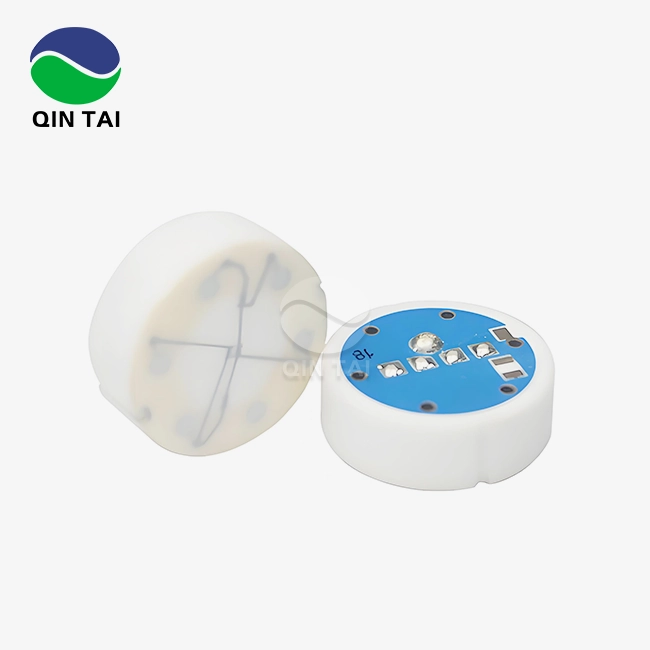
When choosing a pressure range, you need to think about the safety gaps and system design factors. When SCR systems are set to a minimum pressure of 6 bar, they need monitors that can handle transient spikes when the pump is turned on. When pressure cycles beyond their rated limits, sensors that are too small wear out faster. The Qintai Model QS-P226 is a great example of how to match specifications correctly. It has a measurement range of -14 psi to +130.5 psi, making it suitable for both light-duty and heavy-duty diesel applications that need to meet emissions standards.
The operating environment assessment tells us what safety levels we need. Agricultural equipment has to deal with dust, water, and fertilizer, so it needs sealed housings that are IP68 or IP69K. Extreme vibrations mean that mining equipment needs stronger mounting plates and internals that can handle stress. Temperature values have to include both the extremes of the environment and radiant heat from exhaust parts. For example, sensors placed near turbochargers may experience localized warmth up to 150°C even when the temperature outside is -30°C.
Evaluating Supplier Capabilities and Support
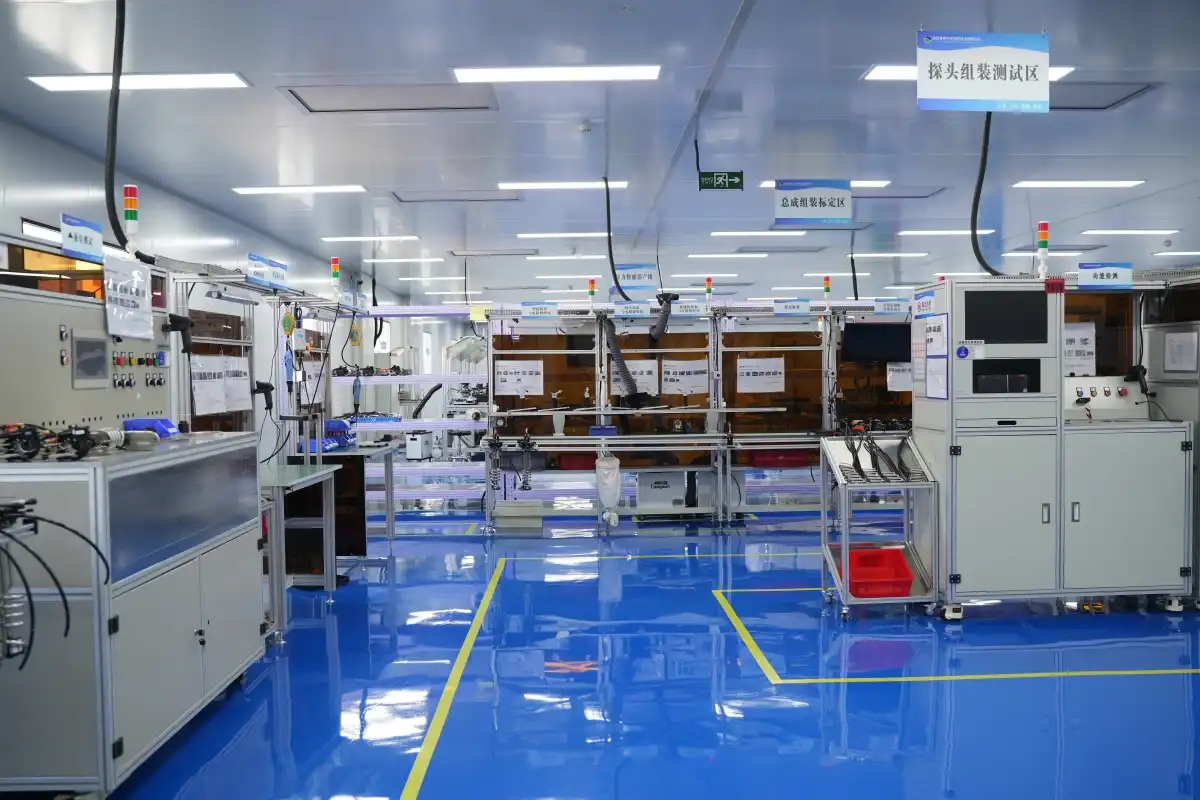
Supplier technical ability has a direct effect on how well the merger goes. Manufacturers with dedicated research and development teams can give application-specific advice on where to put sensors, how to build wiring harnesses, and how to set the settings for ECU calibration. Companies with multiple patents in pollution control technology show that they can come up with new ideas that lead to better products and designs that will work in the future. The 58 invention patents and 86-person engineering team at Qintai show how deep the company's technical knowledge needs to be in order to optimize complex SCR systems.
Scale of production affects how reliable a supply is. Suppliers that make more than two million units a year have the infrastructure to support the start of mass production without any problems. Having more than one production line protects against equipment failures or quality holds. Spreading out production sites across different regions lowers the risk of problems with regional supply chains, natural disasters, or changes in regulations that affect the availability of parts.
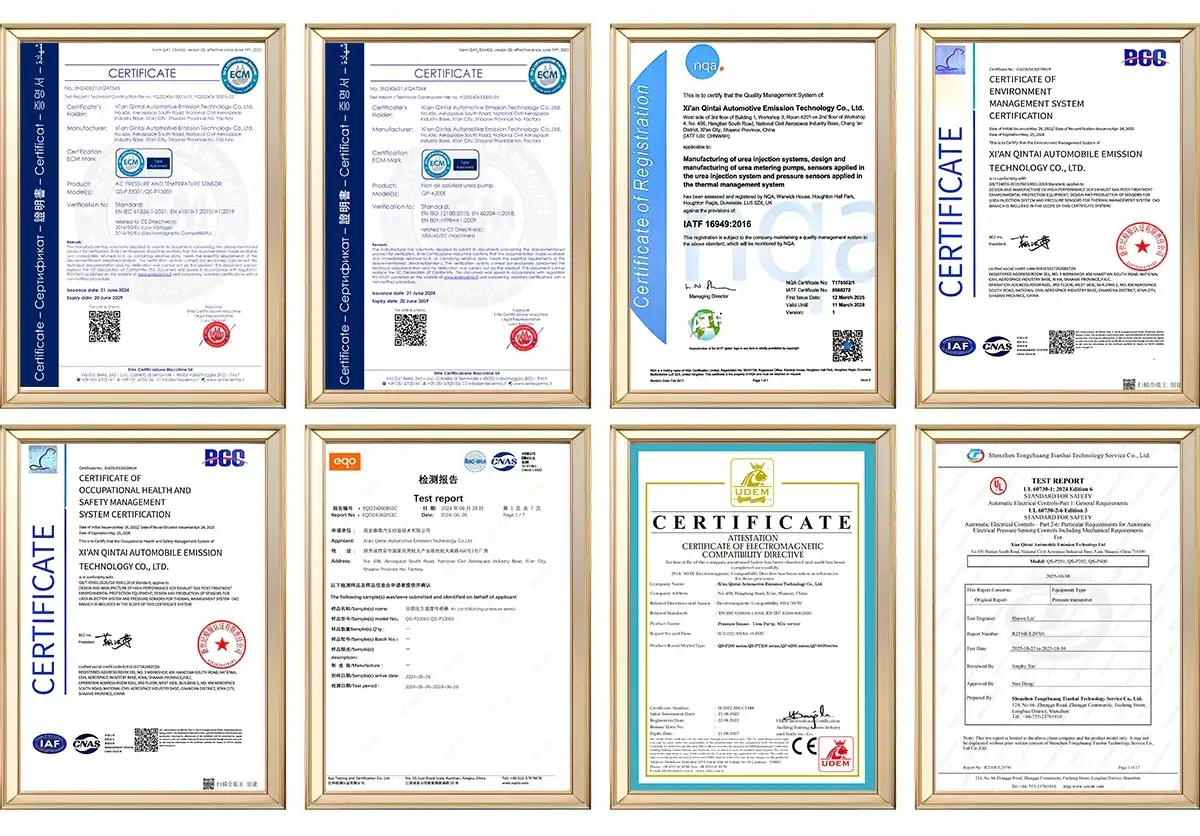
Quality certifications make sure that the way things are made is done in an objective way. ISO 9001 sets the basic standards for quality management, and IATF 16949 adds controls for process capability, measurement systems analysis, and production part approval that are special to the car industry. Maintaining both certifications shows that a supplier is dedicated to consistent quality, which lowers the need for incoming inspections and warranty claims for OEM customers.
Installation and Calibration Best Practices
Installing sensors correctly keeps them from breaking down too soon and makes sure that measurements are accurate. For signal integrity, mount sites must stay close to dosing units but away from direct spray from DEF injectors. When installing, use the torque values recommended by the OEM. If you over-tighten, the sealing elements will be crushed, which will cause leaks. If you under-tighten, vibrations will cause the parts to come free. Make sure that the electrical connections are made with sealed weatherpack-style connectors that have gold-plated terminals to keep them from rusting in damp places.
How to calibrate depends on the type of sensor and the platform of the ECU. Self-developed sensor cores, like the ones in Qintai's QS-P226 type, are tested in the workshop and come pre-calibrated to meet published standards. But system-level calibration might be needed to take into account pressure drops in the feed line, the way the pump works, and the flow rates of the injectors. Follow the manufacturer's instructions for adjusting the urea dosing pressure sensor. This is usually done by keeping an eye on the pump activation cycles to set the standard pressure curves. Write down the results of the calibration for quality control and future reference when troubleshooting.
Maintenance, Troubleshooting, and Lifespan of Urea Dosing Pressure Sensors
Common Failure Modes and Early Detection
Crystallization of urea is the most common way that sensors fail. When DEF hardens in the pressure port, it stops the sensing diaphragm from being affected by changes in pressure. This means that the ECU always gets static readings, even when the pump is running. Early signs include problem codes in the dose system, higher DEF use without better emissions, and trouble starting after long periods of inactivity. Visually checking sensor ports on a regular basis for white crystalline deposits lets you clean them before they get completely blocked.
When the pressure is changing, the diaphragm gets worn out, which shows up as signal drift and numbers that aren't consistent during steady-state operation. When sensors are exposed to millions of pressure bursts, the detecting element breaks down into tiny cracks or relaxes under stress. Comparing the output of a current sensor to the baseline values that were recorded during installation helps find signs of slow loss of accuracy before they get too low to be accepted. Rather than problems with the sensor elements themselves, sudden changes in the signal are often caused by electrical problems like corroded contacts or broken wires.
Extending Sensor Lifespan Through Preventive Care
Updating the DEF directly affects how long the sensor lasts. Only use fluids that meet the purity standards set by ISO 22241; urea that is contaminated with particles or metal ions speeds up corrosion and the formation of deposits. Keep DEF in sealed containers out of the sun so that the concentration doesn't change because of evaporation. Replace DEF tank filters at the intervals recommended by the manufacturer to get rid of contaminants before they get to the dosing components.
Failures caused by stress can be avoided with thermal control. When the temperature changes, sensors expand and contract, which could cause mechanical links to loosen or solder joints to crack. Allow systems to slowly cool down after high-load operation before turning them off. This way, the temperature can drop without causing thermal shock. In places that get very cold, make sure the DEF tank heaters work right to keep sensors and supply lines from freezing and breaking.
Troubleshooting Framework for System Diagnostics
When diagnostic trouble codes show that a pressure sensor isn't working right, you should rule out other possible reasons before replacing the sensor. Make sure that the supply voltage at the sensor connector reaches 4.8 to 5.2 VDC when the load is applied. Voltage drops caused by corroded connections or issues with the ECU's power supply can look like sensor failures. Using a dosage module test bench or repair tool to turn on the pump and measure the voltage coming from the sensor across the whole pressure range. Output that follows the given 0.5-4.5 VDC ratio metric shows that the sensor works, pointing to problems with how the ECU interprets the data or mistakes in the software calibration.
An examination of the device shows installation issues that lead to incorrect results. Make sure the mounting surfaces are flat; brackets that aren't straight can cause mechanical stress that changes the output of the sensor. Check wire leads for damage like insulation melting from heat or chafing against sharp edges. The metal on connector pins should be shiny and bright, with no green corrosion or white salt deposits. Take care of these mechanical and electrical issues first before saying that problems are caused by a failed sensor element.
Procurement and Supply: Where and How to Buy Urea Dosing Pressure Sensors
Vetting Reliable B2B Suppliers
The first step in evaluating a supplier is to check their manufacturing credentials and quality systems. Ask for copies of the ISO 9001 and IATF 16949 certificates to make sure they are still valid and that the certification covers all relevant product categories, including those for the urea dosing pressure sensor. Look at audit reports from big OEM users. These show that process controls and product performance are being checked by a third party. Established suppliers keep clear records of where parts come from, which lets us quickly find the root cause of any quality problems that happen in the field.
Transactional vendors and strategic partners are different in terms of the level of technical support they offer. Check how quick the seller is to your first questions. Suppliers who answer your detailed specification questions within 24 hours show that they have internal knowledge and are committed to providing excellent customer service. For difficult installations or specific settings, ask for help with the program. Instead of just completing orders, good providers offer technical resources to help with choosing the right sensors, mounting them in the best way, and integrating them with current SCR architectures.
Direct Relationships Versus Distribution Channels
For OEM customers who buy a lot, building direct relationships with manufacturers can be helpful. Direct buying gets rid of the margins that distributors make, which lowers the cost of parts by 15–22% compared to channel prices. Manufacturers give customers early access to new goods and can meet particular needs, such as changing the range of pressures or electrical connectors. Direct communication with engineering teams speeds up the resolution of technical issues and allows for collaborative product development that fits the needs of future platforms.
Distribution channels meet specific needs for customers in the aftermarket and for smaller production runs. Distributors keep a wide range of different types of sensors in stock, which lets them quickly fill urgent orders with no minimum order quantities. Regional distributors offer technical support in the languages and time zones of their customers, making it easier to communicate than when dealing with an international manufacturer. Customers can get all the parts they need for an SCR system from a single vendor when the portfolios include more than one brand. This simplifies logistics and lowers administrative costs.
Ensuring Supply Chain Continuity
Supply agreements should spell out what is expected in terms of lead times, minimum order quantities, and how resources will be distributed when there aren't enough resources. Talk to your suppliers about safety stock rules that require them to keep specific inventory buffers to support your production plans. Set up clear ways for people to talk about engineering changes, notifications of obsolescence, and quality incidents. As part of the annual business review process, suppliers' performance is evaluated, the need for capacity expansion is talked about, and everyone agrees on the technology roadmaps that will make sure sensor specifications keep up with regulatory requirements.
Dual sourcing methods lower the risks that come with relying on a single provider. Find other instrument providers that meet the same technical standards, even if most of the business stays with the main partners. Keep the qualification status of backup sources up to date so that production can be quickly switched to backup sources if problems arise with primary suppliers. Based on how much risk you are willing to take and how important your production is, find a balance between the benefits of a resilient supply chain and the benefits of volume concentration.
Conclusion
To choose Urea dosing pressure sensors, you have to weigh the technical performance, the total cost of ownership, and the supplier's skills. Accurate measurements within ±0.5% ensure that emissions are met and DEF use is optimized. Built to last, with IP69K security and a wide temperature range, this product is reliable in a wide range of demanding situations, from heavy cars to stationary power generation. Partnering with suppliers that can show they have the manufacturing size, quality certifications, and technical support skills to lower integration risks and allow long-term cost optimization thru bulk purchases and working together to make products better all the time.
FAQ
How often should urea dosing pressure sensors be calibrated?
Factory-calibrated sensors, like the QS-P226, usually stay accurate for their whole useful life without needing to be re-calibrated in the field. To account for differences in the supply line and pump performance, system-level adaptation may be needed during installation or after parts are replaced.
What are the risks of using non-OEM pressure sensors?
Non-approved sensors might not have gone thru full validation testing, which could lead to gaps in emission compliance and problems with the warranty. Mismatches in dimensions can make fitting hard, and differences in accuracy can make doses less accurate. When bought from approved makers, quality aftermarket sensors that meet OEM standards are a cost-effective option.
What happens when a urea pressure sensor fails?
If a sensor fails, the ECU can't accurately control the dose, so it goes into limp mode, which lowers the engine's power. NOx pollutants rise a lot, which could lead to fines and damage to the environment. The vehicle may turn off all DEF injection to protect the catalysts from getting the wrong amount of fuel. This would make it impossible to keep driving in places where emission controls are in place.
Partner With a Trusted Urea Dosing Pressure Sensor Manufacturer
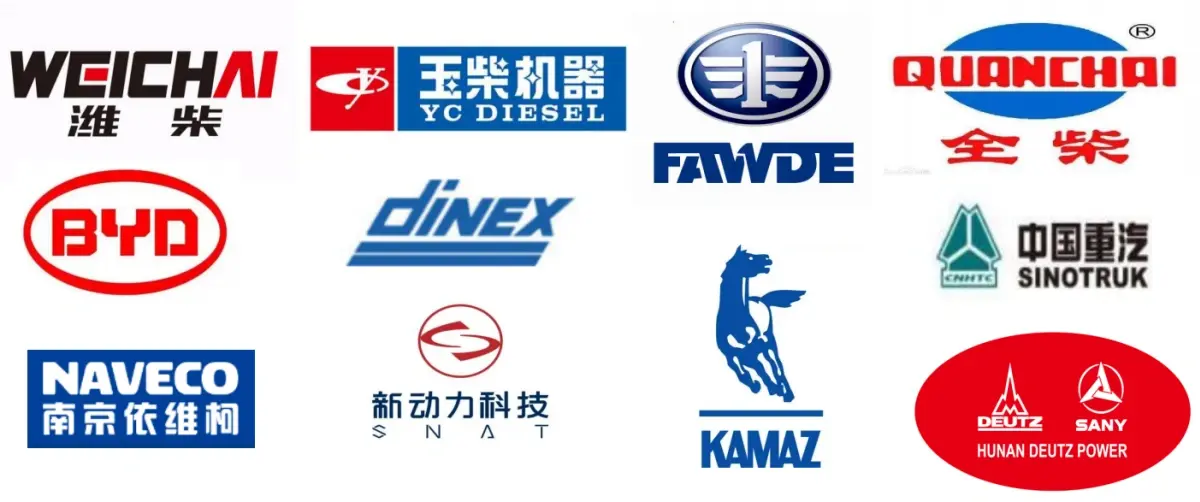
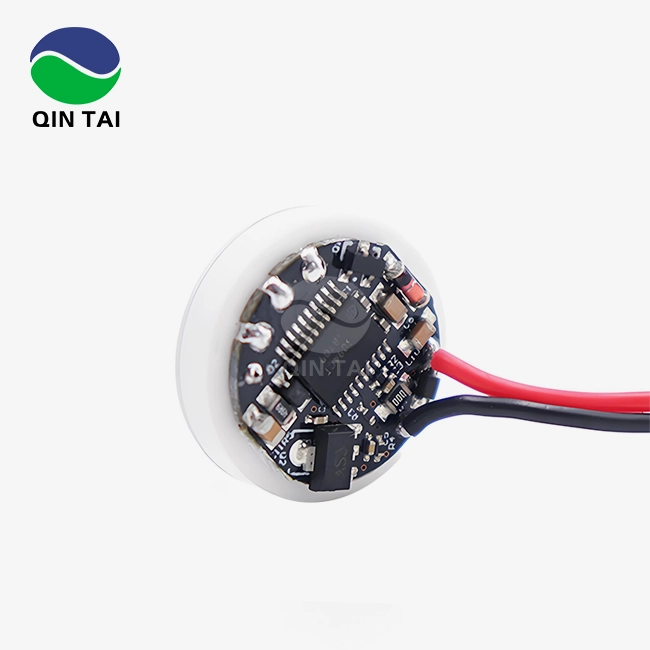
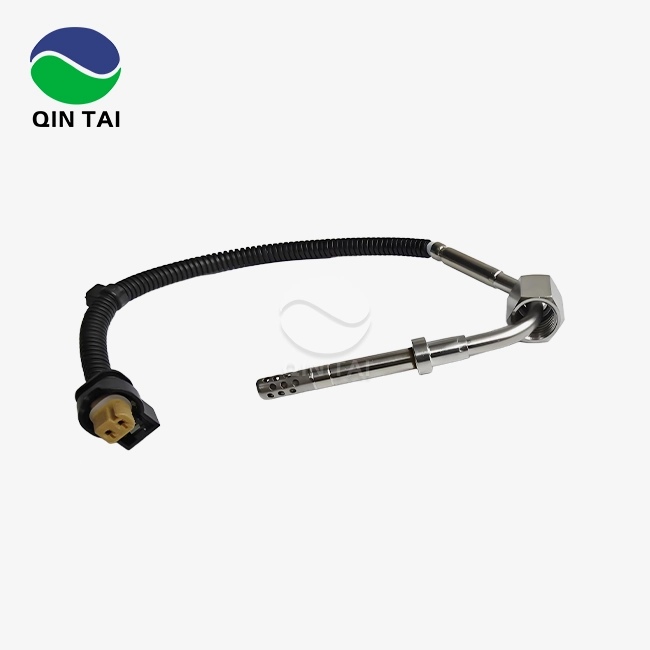
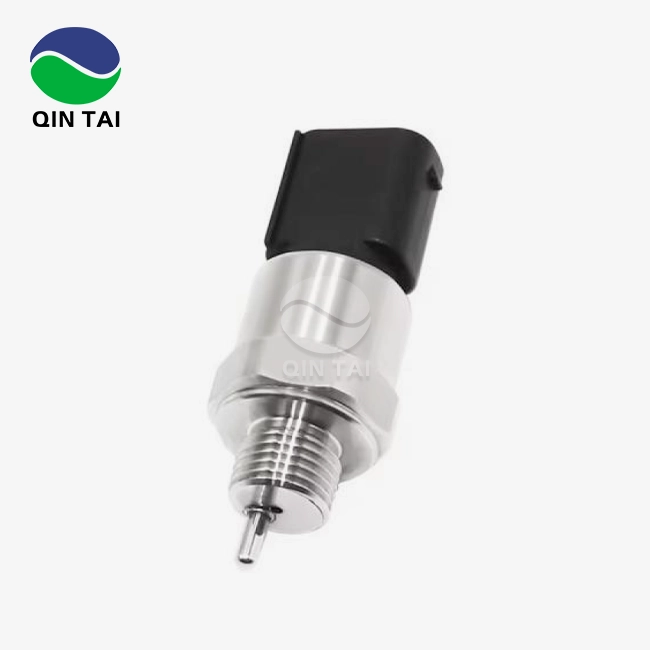
Xi’an Qintai Automotive Emission Technology Co., Ltd. is an expert in making precise SCR sensors and has been in the diesel pollution control business for 20 years. Our QS-P226 pressure sensor is accurate within ±0.5% from -14 to +130.5 psi, and it uses self-developed sensor core technology that doesn't depend on the supply chain. We are the No. 1 OEM provider to Weichai Power, Yuchai Power, and Quanchai Power in China. We have 58 idea patents, IATF 16949 approval, and the ability to make more than two million units per year.
Get in touch with our team at info@qt-sensor.com to talk about unique sensor options that will help you meet your emission control needs. You can look at our full line of SCR aftertreatment parts designed to meet global legal requirements by going to qt-sensor.com.
References
1. International Organization for Standardization. (2016). "ISO 22241: Diesel Engines – NOx Reduction Agent AUS 32 – Quality Requirements." Geneva: ISO Standards Publications.
2. Society of Automotive Engineers. (2019). "SAE J1979: E/E Diagnostic Test Modes - Standardized DTCs and Fault Code Reporting." Warrendale, PA: SAE International Technical Papers.
3. European Commission. (2018). "Regulation (EU) 2018/956: Heavy-Duty Vehicle CO2 Emission Standards and Fuel Consumption Monitoring." Official Journal of the European Union, Brussels.
4. United States Environmental Protection Agency. (2020). "EPA Tier 4 Final Emission Standards for Nonroad Diesel Engines: Compliance and Certification Guidance." Washington, DC: EPA Office of Transportation and Air Quality.
5. German Association of the Automotive Industry. (2017). "VDA 6.3 Process Audit: Automotive Quality Management System Requirements for Production Part Approval Process." Berlin: VDA Quality Management Center.
6. International Electrotechnical Commission. (2015). "IEC 60068-2: Environmental Testing - Tests for Temperature, Humidity, and Mechanical Stress in Automotive Applications." Geneva: IEC Publications.

Our customers’ satisfaction speaks for our quality — contact us to experience the same reliable service.