- English
- French
- German
- Portuguese
- Spanish
- Russian
- Japanese
- Korean
- Arabic
- Greek
- German
- Turkish
- Italian
- Danish
- Romanian
- Indonesian
- Czech
- Afrikaans
- Swedish
- Polish
- Basque
- Catalan
- Esperanto
- Hindi
- Lao
- Albanian
- Amharic
- Armenian
- Azerbaijani
- Belarusian
- Bengali
- Bosnian
- Bulgarian
- Cebuano
- Chichewa
- Corsican
- Croatian
- Dutch
- Estonian
- Filipino
- Finnish
- Frisian
- Galician
- Georgian
- Gujarati
- Haitian
- Hausa
- Hawaiian
- Hebrew
- Hmong
- Hungarian
- Icelandic
- Igbo
- Javanese
- Kannada
- Kazakh
- Khmer
- Kurdish
- Kyrgyz
- Latin
- Latvian
- Lithuanian
- Luxembou..
- Macedonian
- Malagasy
- Malay
- Malayalam
- Maltese
- Maori
- Marathi
- Mongolian
- Burmese
- Nepali
- Norwegian
- Pashto
- Persian
- Punjabi
- Serbian
- Sesotho
- Sinhala
- Slovak
- Slovenian
- Somali
- Samoan
- Scots Gaelic
- Shona
- Sindhi
- Sundanese
- Swahili
- Tajik
- Tamil
- Telugu
- Thai
- Ukrainian
- Urdu
- Uzbek
- Vietnamese
- Welsh
- Xhosa
- Yiddish
- Yoruba
- Zulu
What Accuracy Should a Pressure and Temperature Transmitter Offer?
When selecting measurement instruments for diesel engine aftertreatment systems, hydraulic equipment, or HVAC applications, accuracy stands as the defining factor between operational success and costly failures. A pressure and temperature transmitter should typically offer accuracy within ±1.0% full scale (F.S.) for most industrial applications, balancing measurement reliability with cost-effectiveness.
This specification ensures compliance with emission regulations, maintains process stability, and supports long-term operational efficiency. The right accuracy level depends on your specific application requirements, environmental conditions, and regulatory demands—making informed selection critical for OEMs, system integrators, and aftermarket suppliers.

Introduction
Precision in measurements is important for everything in today's business world, from meeting emission standards to making sure technology lasts a long time. The accuracy of your measuring tools has a direct impact on product quality, following regulations, and overall costs, whether you're in charge of SCR/DPF systems for heavy trucks, keeping an eye on hydraulic pressures in construction equipment, or making sure generator sets work properly. Pressure and Temperature transmitters act as the eyes and ears of modern control systems, converting physical parameters into data that can be used to keep things moving easily.
This piece answers the most important question that purchasing managers, R&D engineers, and technical decision-makers have: what amount of accuracy is most important for your application? We'll talk about how accuracy specs translate to real-world performance, look at the things that affect measurement accuracy, and give you tips on how to choose devices that meet your technology needs and your budget. If you know these basics, you can avoid over-specification, which wastes time and money, and under-specification, which puts safety and compliance at risk.
Understanding Accuracy in Pressure and Temperature Transmitters
What Accuracy Really Means
How close a transmitter's output is to the real observed value is called its accuracy. This is not the same as accuracy, which means being able to get the same reading every time under the same conditions. It's possible for a device to be precise but inaccurate, consistently reading 5% higher than the real value, or it could be accurate but imprecise, with readings all over the place. Both traits are needed in industrial settings.
Key Accuracy Parameters You Should Know
When looking at transmitter specs, the overall accuracy is determined by a number of factors. Linearity is a way to check how well the output stays on a straight line over a measurement range. The change in output when approaching a number from above or below is measured by hysteresis. Repeatability means that testing the same value more than once will always give the same result. These make up the total error band, which is the biggest difference you can expect in certain situations.
The accuracy of most industrial transmitters is given as a percentage of full scale. A ±1.0% F.S. For a 40 bar transmitter, this means that readings can be off by as little as 0.4 bar across the whole range. When measuring temperature, ±1.0% F.S. is often used as a standard. NTC thermistor-based gadgets often work in temperatures ranging from -40°C to 130°C.
Calibration Standards That Matter
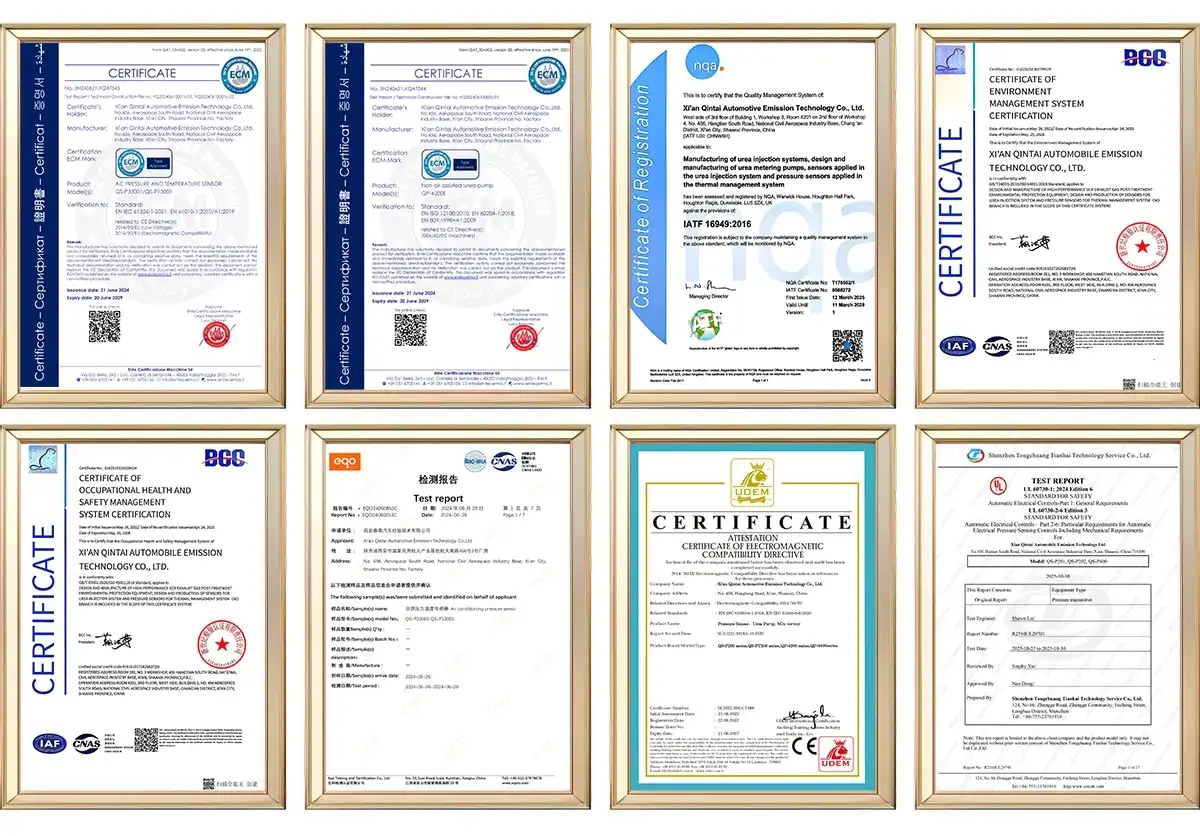
Instruments made by reputable companies are calibrated against standards set by groups like the National Institute of Standards and Technology (NIST). Devices that meet the quality standards of ISO 9001 and IATF 16949 go thru strict testing procedures that confirm what they say they can do. Certifications from groups like UL and CE show that safety and electromagnetic compatibility standards have been met. These standards affect measurement reliability indirectly by making sure that electrical components behave correctly. In this context, a reliable Pressure and Temperature transmitter must adhere to these rigorous benchmarks.
Factors Affecting Accuracy of Pressure and Temperature Transmitters
Environmental Influences on Performance
Changes in temperature make it hard for sensors to stay stable. Most of the time, ceramic pressure sensors are better at working in a wide range of temperatures than silicon-based ones. They can stay calibrated from -40°C to 130°C. Electronic parts and signal processing circuits can be harmed by humidity. Also, noise is introduced by mechanical vibrations in mobile equipment or construction machinery. Devices made of strong 304 stainless steel can handle these environmental stresses better, keeping their accuracy for longer periods of time.
Sensor Technology Choices
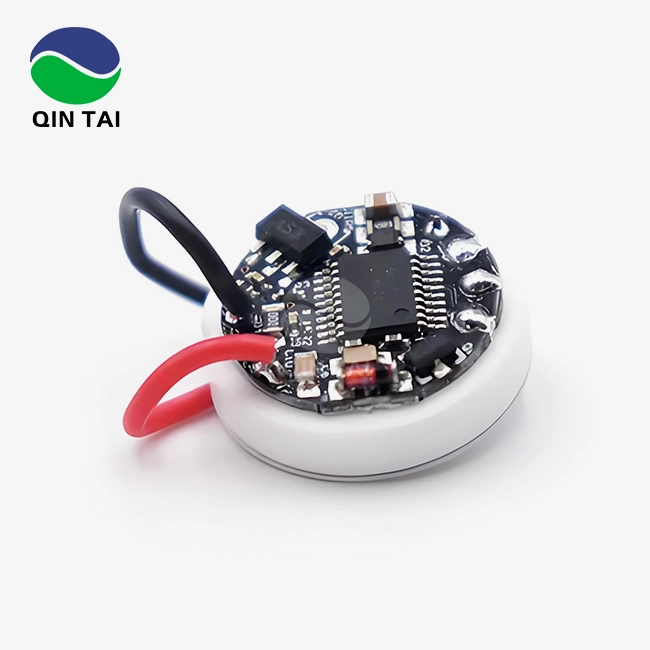
Different types of sensor systems have different levels of accuracy. When measuring engine oil, refrigerants, and hydraulic fluids, ceramic pressure sensors work well with a wide range of media and are stable. Negative Temperature Coefficient (NTC) thermistors are a cheap and accurate way to measure temperature in most industrial settings. When these technologies are put together in one package, like dual-output Pressure and Temperature transmitters, measurement correlation errors that happen when using separate sensors in different places are taken care of.
Signal Processing and Output Quality
These days' receivers use digital compensation methods to fix problems caused by temperature changes and nonlinearity. Voltage-outputting devices (like those that offer 0.5V to 4.5V DC) make it easy to connect to control systems and keep the signal strong over short distances. Electronics are protected against installation mistakes and electrical surges that can happen in machinery and vehicles by overvoltage protection up to 32V DC and reverse polarity protection.
Installation and Maintenance Impact
When placed incorrectly, even the most accurate emitter can't send accurate data. To keep mechanical stress from affecting sensor readings, it is important to follow the mounting torque standards, which are usually between 10 and 20 N·m. Electrical lines need to be properly sealed to keep moisture out, which can cause signal shift and failure before its time. Motors, inverters, and switching circuits close can't mess up measurement data if the wiring is done in a way that minimizes electromagnetic interference.
How to Choose the Right Accuracy Level for Your Application
Industry-Specific Accuracy Requirements
Diesel engine makers who want to follow pollution rules like China VI and Euro VI need Pressure and Temperature transmitters that can keep numbers stable in all kinds of weather. With a precision level of ±1.0% F.S. gives accurate enough readings to keep an eye on the temperatures and pressure differences in exhaust gasses and particle filters without adding extra cost. The same level of accuracy and tough construction that keeps things from breaking down are good for construction equipment that works in dusty, high-vibration areas.
Balancing Cost and Performance
Buying decisions involve more than just the initial purchase price. There is an emitter with ±1.0% F.S. devices with ±0.1% accuracy cost a lot more than those with accuracy, which is important when outfitting groups of cars or production lines with tools. Integrated designs of dual-output devices make installation easier, save room, and reduce the amount of work that needs to be done. These benefits add up for big projects. Established producers that can make a lot of the same thing ensure stable quality and availability, which cuts down on wait times and inventory costs.
System Integration Considerations
Practical usability is based on how well it works with existing control systems. Standardized electrical connectors on voltage output transmitters, like the TE 1-967640-1, make it easier to integrate them into OEM designs and applications that are made after the fact. Customizable pressure levels (from 5 bar to 40 bar) and process links (G1/4, M12x1.5, M10x1) make it possible for single device platforms to be used for multiple tasks, which makes it easier to keep an inventory of different parts.

Comparing Accuracy: Pressure and Temperature Transmitters vs Sensors
The Value of Signal Conditioning
Raw sensors send out signals that are proportional to the parameters they measure, but they need to be turned into usable data by circuitry outside the sensor. Pressure and Temperature transmitters have signal filtering, temperature adjustment, and amplification all built into one unit. By putting compensation circuits close to sensing elements, this integration improves accuracy by reducing the effects of thermal gradients and electromagnetic pickup that hurt performance. Dual-output sensors that measure both pressure and temperature are a good example of this benefit because they give correlated readings that get rid of time and location errors.
Reliability Under Industrial Conditions
Standalone sensors work great in the lab but not so well in the hard conditions of industry. Transmitters have safe housings, electrical separation, and environmental sealing that keep them working even when they are exposed to oil, water, vibration, and changes in temperature. When you put together 304 stainless steel probes and engineered polymer connectors (PPE+PAGF30), you get devices that can handle conditions that would destroy unprotected sensors and keep working accurately for a long time.
Brand Performance Benchmarks
Consistency is achieved by well-tuned quality control systems and improved production methods by well-known makers. The QS-PT225 from Qintai shows how focused engineering can deliver useful accuracy specs (±1.0% F.S.). diesel engine OEMs, HVAC system installers, and hydraulic equipment manufacturers can all use it to measure both pressure and temperature. This level of specification meets the needs for controlling emissions and making sure the process runs smoothly, and it also supports the low prices needed for mass production.
Ensuring and Maintaining Accuracy: Calibration, Installation & Maintenance
Calibration Methods and Intervals
By comparing the emitter output to approved reference standards in a controlled environment, laboratory calibration gives the most accurate results. Field calibration is a useful way to check things in real life by using portable tools at installation sites. Most industry uses should be calibrated once a year, but important systems should be checked every six months. In places with a lot of vibration or when using rough materials, it may be necessary to check more often to catch accuracy loss before it affects process control.
When dual-output Pressure and Temperature transmitters are being calibrated, both the pressure and temperature channels must be checked across their full ranges. Modern devices with digital compensation store calibration data in memory that doesn't lose its power, so they stay accurate without having to be adjusted all the time. This feature lowers lifecycle costs and makes sure that the device works the same way throughout its lifetime.
Installation Best Practices
When the mounting is done correctly, air traps in liquid systems and condensate buildup in gas uses are avoided. Both of these things can lead to measurement mistakes. When using the right tools, process connections must be tightened to the specified torque values. If they are not tightened enough, leaks can happen, and if they are tightened too much, sensor elements can be damaged. Dielectric grease on connector pins and safe cable routing that stops bending stress and vibration damage are good for electrical connections.
Troubleshooting Common Accuracy Issues
Signal drift is usually caused by a dirty sensor, water getting into the system, or an electronic part breaking down. When process connections are checked regularly, oil or refrigerant leaks that cover sensors and change readings can be found. Electrical testing makes sure that the source voltage is stable and that the grounding is correct, which are both very important for keeping the output accurate. Readings that come and go are usually caused by loose connections, corroded terminals, or broken wires, not a sensor failing.
Systematic troubleshooting finds the root causes when transmitters deviate beyond acceptable limits. Sensor problems can be separated from problems further down the line in the display or control system by comparing readings to known standards. Tests done in controlled conditions (stable pressure and temperature) show if the transmitter is at fault or if the process isn't stable. This way of diagnosing problems cuts down on downtime and keeps working equipment from having to be replaced when it's still good.
Conclusion
It's important to find the right accuracy standard for Pressure and Temperature transmitters by weighing scientific needs against cost, application setting, and the need to integrate the system. A ±1.0% F.S. This level of accuracy is good for most commercial uses, from cleaning diesel engines to hydraulic systems and HVAC equipment. It gives accurate readings without spending too much on extra features.
Knowing the things that affect accuracy, like the environment, sensor technology, installation quality, and maintenance methods, helps you make smart buying decisions that improve performance and return on investment. The built-in style of dual-output transmitters makes measurement correlation better and installation easier, which raises the overall system reliability.
FAQ
How often should I calibrate the Pressure and Temperature transmitters?
Most industrial uses can handle annual calibration, which gives enough proof without too much service interruption. Six-month gaps are good for critical systems that affect safety or follow the rules. If you work in a place with a lot of vibration, rough media, or extreme temperatures, you may need to check it every three months. Devices with stable ceramic sensors and digital adjustments tend to stay accurate longer than silicon-based options, which could mean that calibration times are longer. Keeping records of calibrations helps quality control systems work and shows that rules are being followed during checks for a Pressure and Temperature transmitter.
Can I upgrade analog transmitters to improve accuracy?
Modern transmitters that use digital signal processing are more accurate and less sensitive to noise thanks to better compensation algorithms. When you switch from analog devices to ones with digital voltage adjustment, the temperature stays stable better and there is no drift like there was in past designs.
The QS-PT225 is an example of modern technology because it uses NTC thermistors, ceramic pressure sensors, and digital compensation to get an accuracy of ±1.0% F.S. accuracy over a wide range of temperatures. Retrofit projects should check to see if the output signals and connectors work with the current control systems to make sure the integration goes smoothly.
What accuracy do emission control systems require?
China VI and Euro VI emission rules call for measurements that are stable and accurate instead of very precise. Pressure sensors that check the difference pressure in the DPF usually need ±1.0% F.S. accuracy, good enough to find filter loading and start renewal processes. With ±1.0% F.S., temperature sensors that track the conditions of exhaust gasses work just as well. the details. Keeping this level of accuracy over the entire working range (-40°C to 130°C) that is found in automotive uses is very important. System integrators value total error band specifications that take temperature effects into account more than just accuracy at room temperature.
Partner with Qintai for Reliable Measurement Solutions
As a top maker of Pressure and Temperature transmitters, Qintai has more than 20 years of experience in diesel engine aftertreatment and industry measurement. Our QS-PT225 dual-output device measures both ceramic pressure and NTC temperature in a small, low-cost package that gives you ±1.0% F.S. accuracy. accuracy even in tough working conditions. Our products are certified to meet international quality standards like ISO9001, IATF16949, UL, and CE. They also help OEMs around the world with their mass production needs.
We know that purchasing managers and R&D engineers need more than just specs. They need partners who can provide constant quality, the freedom to make changes, and quick technical help. We are committed to performance and dependability, which is why we are the main Pressure and Temperature transmitter supplier to China's top diesel engine makers. Our engineering team works together to make sure that the solutions we offer are the best ones for your needs, whether you need standard configurations or custom pressure ranges, process connections, and electrical interfaces.
Email us at info@qt-sensor.com to talk about how you want to measure things. For both prototype development and mass production, our technical experts give you detailed specifications, advice on how to use the product, and competitive quotes. You can look at all of our products at qt-sensor.com and learn how Qintai's proven sensor technology can help your system work better and be more reliable.
References
1. Industrial Measurement Systems and Sensor Technologies, Society of Automotive Engineers Technical Paper Series, 2022.
2. Accuracy Standards for Process Control Instrumentation in Emission Control Applications, International Journal of Engine Research, Volume 24, 2023.
3. Ceramic Sensor Technology for High-Temperature Industrial Applications, Sensors and Actuators Journal, 2021.
4. Installation and Maintenance Guidelines for Pressure and Temperature Transmitters in Mobile Equipment, National Fluid Power Association Technical Bulletin, 2022.
5. Calibration Best Practices for Industrial Process Instrumentation, American Society for Quality Measurement Systems Analysis Reference Manual, 2023.
6. Dual-Parameter Measurement Systems for Diesel Engine Aftertreatment Control, Heavy Duty Trucks Technical Conference Proceedings, 2023.
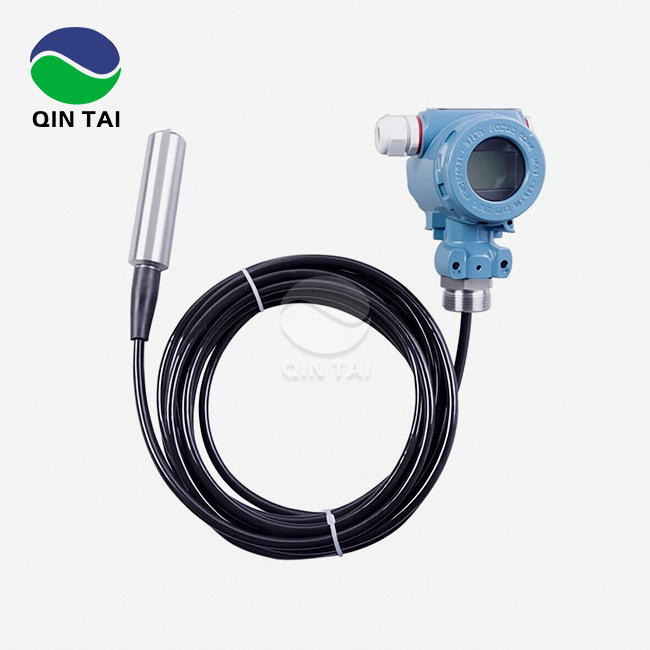
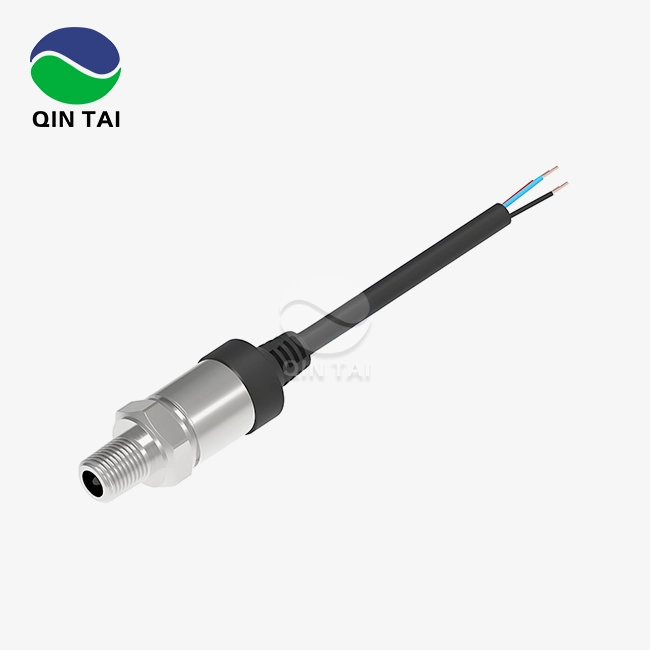

Our customers’ satisfaction speaks for our quality — contact us to experience the same reliable service.