- English
- French
- German
- Portuguese
- Spanish
- Russian
- Japanese
- Korean
- Arabic
- Greek
- German
- Turkish
- Italian
- Danish
- Romanian
- Indonesian
- Czech
- Afrikaans
- Swedish
- Polish
- Basque
- Catalan
- Esperanto
- Hindi
- Lao
- Albanian
- Amharic
- Armenian
- Azerbaijani
- Belarusian
- Bengali
- Bosnian
- Bulgarian
- Cebuano
- Chichewa
- Corsican
- Croatian
- Dutch
- Estonian
- Filipino
- Finnish
- Frisian
- Galician
- Georgian
- Gujarati
- Haitian
- Hausa
- Hawaiian
- Hebrew
- Hmong
- Hungarian
- Icelandic
- Igbo
- Javanese
- Kannada
- Kazakh
- Khmer
- Kurdish
- Kyrgyz
- Latin
- Latvian
- Lithuanian
- Luxembou..
- Macedonian
- Malagasy
- Malay
- Malayalam
- Maltese
- Maori
- Marathi
- Mongolian
- Burmese
- Nepali
- Norwegian
- Pashto
- Persian
- Punjabi
- Serbian
- Sesotho
- Sinhala
- Slovak
- Slovenian
- Somali
- Samoan
- Scots Gaelic
- Shona
- Sindhi
- Sundanese
- Swahili
- Tajik
- Tamil
- Telugu
- Thai
- Ukrainian
- Urdu
- Uzbek
- Vietnamese
- Welsh
- Xhosa
- Yiddish
- Yoruba
- Zulu
Best Pressure Sensor Buying Guide for Harsh Industrial Environments
Choosing the right Pressure Sensor for harsh industrial environments has a direct effect on how well the system works, how well it meets regulations, and how much it costs in the long run. Whether you're an R&D engineer at a diesel engine maker, a technical manager at an aftertreatment system integrator, or a procurement professional in the generator set business, you need to find the right sensing solution by balancing technical requirements, the ability of the supplier to work with the environment, and the supplier's capabilities. This guide tells you what you need to think about in order to make a good purchasing decision that protects your industrial processes from things like high temperatures, corrosive chemicals, vibration, and contamination. It starts with understanding sensor technologies and performance metrics and ends with evaluating suppliers and making sure the right installation is done.
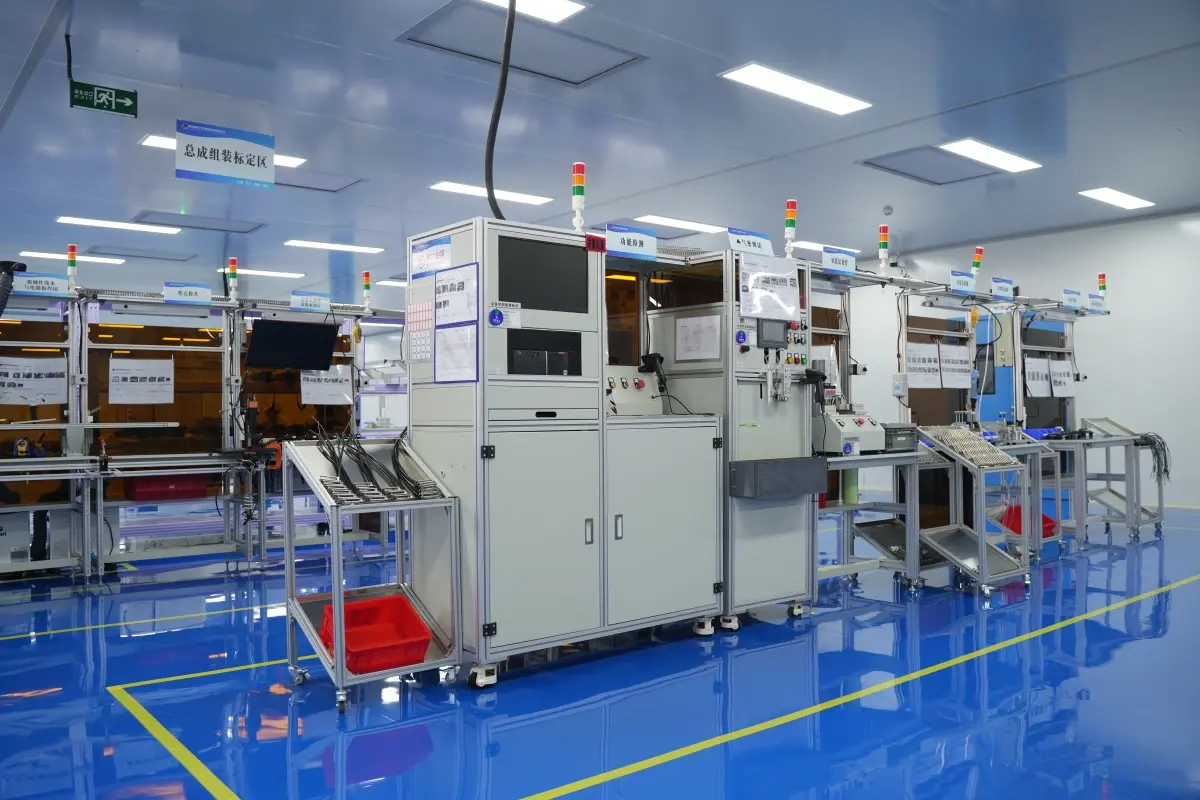
Understanding Pressure Sensors for Harsh Industrial Environments
Pressure Sensors change the pressure in the air into electrical signs that allow for exact process control, pollution tracking, and system diagnosis. These devices have to be able to handle mechanical shocks, changing temperatures, and chemical exposure while still measuring accurately in demanding situations like diesel engine SCR aftertreatment systems, HVAC equipment, and hydraulic machinery.
Core Operating Principles and Sensing Technologies
For different business problems, different detection systems work best. Capacitive ceramic Pressure Sensors have a ceramic diaphragm that changes shape when pressure is put on it. This diaphragm acts as an electrode and a fixed electrode acts as a capacitor. When the pressure changes, the diaphragm deforms, which changes the capacitance between the sensors. This is measured and turned into an electrical output that is related to the pressure. This design is very stable and doesn't rust, which makes it perfect for use in engine control systems for cars, monitoring fuel pressure, and air pressure applications in HVAC systems.
Piezoresistive sensors use strain gages that are attached to a diaphragm and change the electrical resistance based on the pressure. They are good for measuring dynamic pressure in hydraulic systems and generator sets because they are accurate and respond quickly. When put under mechanical stress, piezoelectric sensors create an electrical charge. They are very good at detecting changes in pressure, but they need signal conditioning to make steady readings. It is common for construction equipment and heavy trucks to use strain gage transducers because they work well across a wide range of temperatures.
Distinguishing Sensors, Transducers, and Switches
Understanding the terms used in procurement specifications makes them clearer. Pressure Sensors measure pressure and produce unprocessed electrical signals. Pressure Sensors change pressure into standard output signals, such as 0-5 V or 4-20 mA, so that they can work with control systems. When certain levels of pressure are reached, pressure switches send separate outputs, which can be used for warning purposes. Submersible Pressure Sensors, which are also known as level probes or submersible pressure transmitters, are submerged in liquids to measure the hydrostatic pressure. This lets you check the level directly in tanks and reservoirs. If you choose the right type of device, it will work perfectly with your current automation infrastructure.
Critical Performance Metrics to Evaluate Before Buying
To pick the best sensing option, you need to carefully look at the technical details that match your work setting and the rules that apply. This part talks about the key performance indicators that tell the difference between reliable consumer-grade devices and industrial-grade ones.
Accuracy, Calibration, and Measurement Stability
How closely sensor numbers match real pressure amounts is called accuracy. Most industrial uses need accuracy within ±0.5% to ±1% of full scale. However, for important tasks like tracking emissions, accuracy of ±0.25% or higher may be needed. Over time, measurement accuracy is kept up by factory calibration, field calibration, and regular renewal. Modern sensors have digital compensation algorithms that fix problems like temperature drift and nonlinearity. This means that they don't need to be calibrated as often and don't cost as much to maintain.
Long-term steadiness means that the signal doesn't change much over months or years of nonstop running. In corrosive environments, devices with ceramic sensing elements are more stable than metal diaphragms. On the other hand, piezoresistive sensors work best in high-vibration settings like construction equipment.
Environmental Protection and Durability Standards
IP (Ingress Protection) scores show how well a barrier keeps dust and water out. IP67-rated sensors can handle being submerged for a short time, making them good for outdoor installations and places that get wet. The IP69K grade means that it can withstand high-pressure and high-temperature sprays, which is important for farming equipment and food processing. In addition to IP codes, you should also look at the temperature range specs. For engine bay installations, industrial sensors should work properly from -40°C to +125°C or higher.
Corrosion protection relies on which materials are used when they are wet. Housings made of stainless steel 316L can handle most industrial chemicals, and ceramic sensing elements can handle harsh media like acids, bases, and solvents. Specifications for vibration endurance are important for mobile machinery. Sensors made to IEC 60068-2-6 standards can withstand constant vibrations of up to 20 g, which keeps heavy trucks and building equipment from breaking down too soon.
Procurement Considerations: MOQ, Lead Times, and Cost Management
Minimum order quantities depend on the supplier and the type of product. Standard stock sensors may have MOQs of 10 to 50 units, while unique designs need 500 to 1,000 units to make the investment in tools worth it. Off-the-shelf items have lead times between 2 and 6 weeks, but custom sensors need 8 to 16 weeks for prototype testing and production ramp-up.
The best way to allocate budget is to compare the unit cost to the total cost of ownership, which includes installation work, calibration regularity, and guarantee coverage, especially when selecting a Pressure Sensor that must balance upfront expense against long-term reliability and maintenance needs. For annual purchase agreements, negotiating volume pricing can cut costs per unit by 15–30%. This makes it easier for OEM manufacturers who need to make a lot of units to keep costs down.
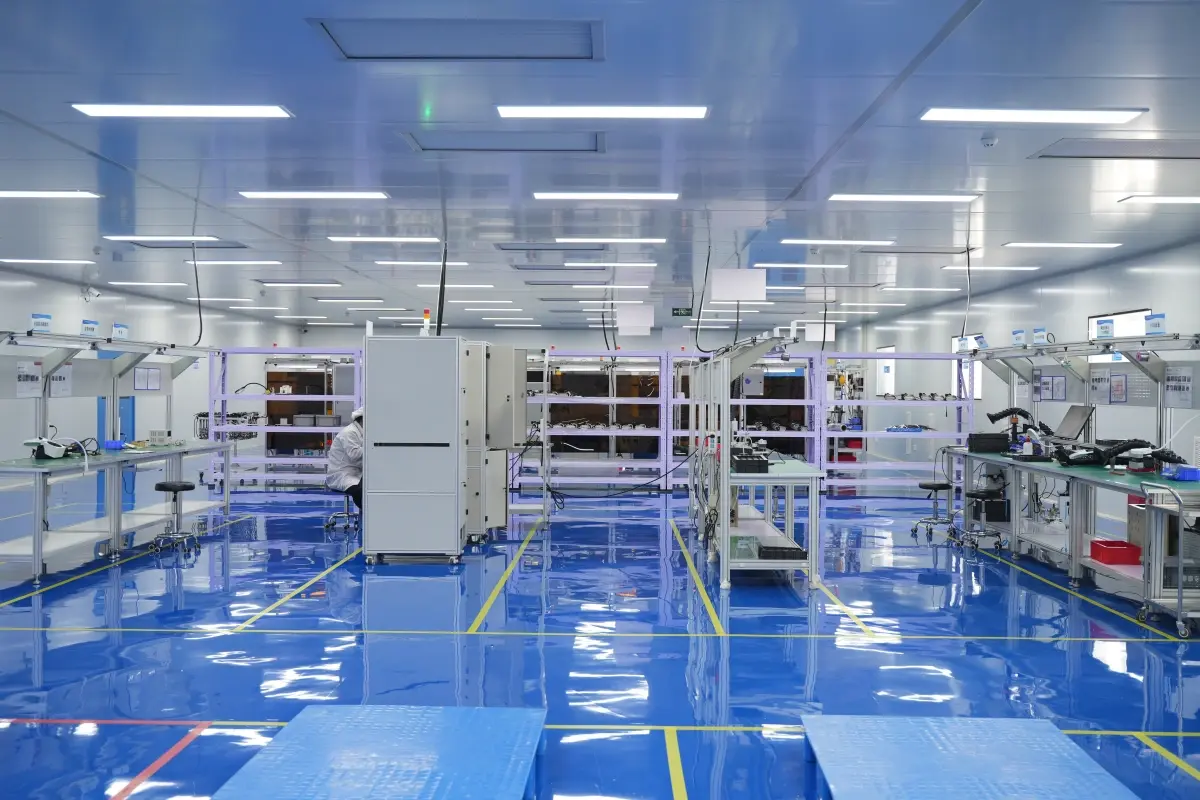
How to Choose the Best Pressure Sensor for Harsh Industrial Applications?
By matching the sensor's specs to the area where it will be used, you can be sure of its steady performance and compliance with regulations. This part gives you a structure for writing down technical needs and comparing what suppliers have to offer.
Defining Technical Requirements Based on Environmental Factors
First, write down the operating conditions, such as the range of pressures, the type of media, the highest and lowest temperatures, the level of vibration, and the needs for the electrical interface. Diesel engine uses that need to check the pressure of the SCR system usually need values of 0 to 10 bars or 0 to 20 bars with 4-20 mA analog outputs that work with engine control units. Wet materials that don't rust when exposed to urea solutions are needed, and sensors that can handle high temperatures and thermal shielding are needed for exhaust gasses that are over 200°C.
Generator set uses in mines or power plants put a high value on long-term stability and industrial-grade dependability. They often ask for sensors with a 10-year design life and two sets of output signals in case one fails. Universal mounting interfaces and plug-and-play electrical connections are useful for aftermarket repair shops because they make installation easier on a wide range of car types. This simplifies inventory management and cuts down on the need for technician training.
Comparing Manufacturers and Value-Added Services
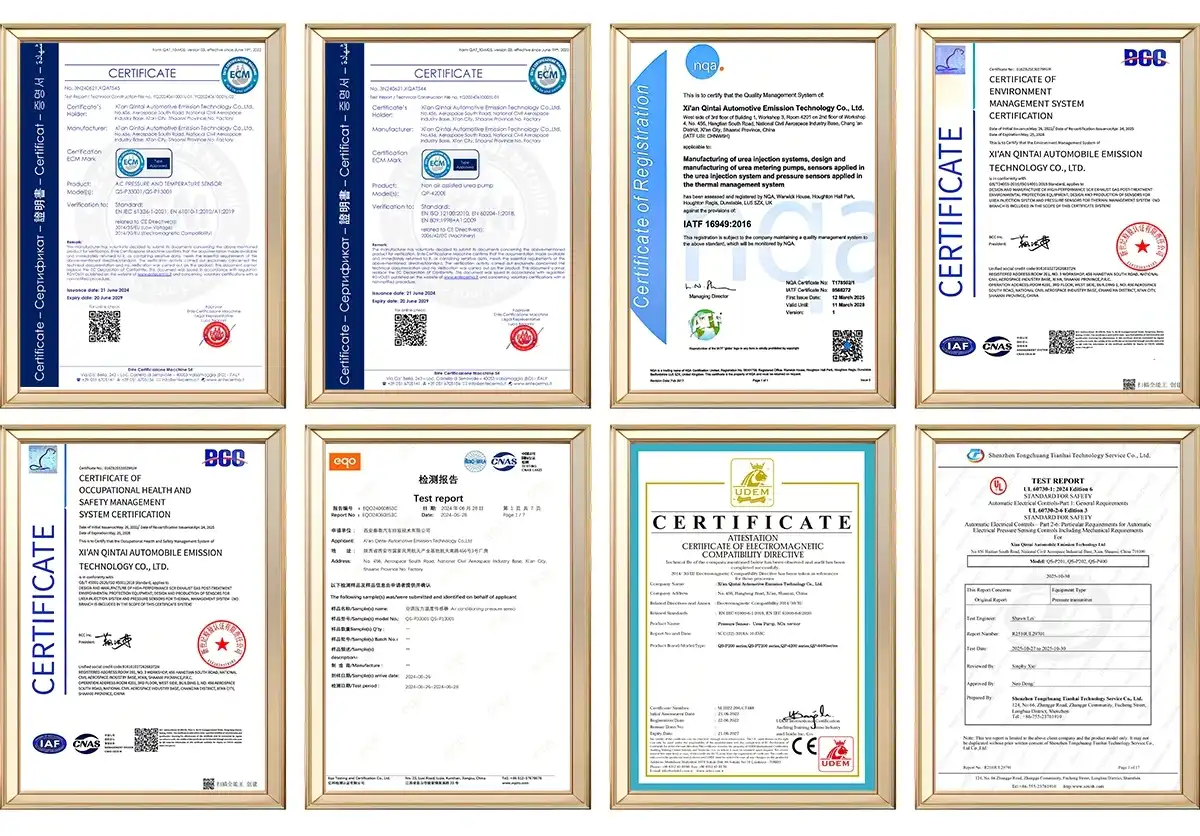
Leading manufacturers set themselves apart by the types of certifications they offer, the level of expert help they offer, and the terms of their warranties. Look for suppliers that have ISO9001 and IATF16949 certifications. These show that they have quality management systems that meet the standards of the car business. For sensors used in dangerous areas, explosion-proof certifications (ATEX, IECEx) are needed. EMC compliance (ISO 11452, CISPR 25) keeps electromagnetic interference from messing up the electrical systems of vehicles.
The level of technical help affects the success of a project. OEM installers can speed up their time-to-market with the help of suppliers who offer application engineering help, custom calibration services, and fast prototype development. Aftertreatment system integrators really like it when suppliers test sensors to make sure they work with SCR/DPF controllers and offer flexible interface parameters that make system integration easier.
Custom Versus Off-the-Shelf Solutions
Standard pressure ranges, electricity outputs, and mounting options make off-the-shelf monitors suitable for use in a variety of situations. They are available right away, cost less per unit, and have been proven reliable in a wide range of installations. When there are non-standard pressure levels, special electrical connectors, built-in temperature adjustments, or unique mounting shapes, custom sensors are made to solve those problems. Customization makes wait times longer and minimum order quantities higher, but it gives OEM goods better performance and a way to stand out from the competition, especially when the Pressure Sensor must operate under unique media, temperature, or space constraints that standard models cannot address.
Compare the need for customizing with the time and money you have to spend on purchase. Custom designs can be tested with prototyping programs before they are made into production tools. This lowers risk and confirms performance improvements. Iterative design optimization is supported by suppliers with in-house R&D teams and flexible production capabilities. This makes sure that the final specs meet both technical needs and cost goals.

Installation, Troubleshooting, and Maintenance Best Practices
When sensors are installed correctly and regularly maintained, they last longer and keep their accuracy even during demanding operational cycles. Systematic approaches to commissioning, diagnostics, and calibration verification are helpful for field engineers.
Interpreting Datasheets and Ensuring Compatibility
Datasheets list electrical properties like source voltage, output signal type, and load impedance. They also list mechanical properties like thread size, electrical connection type, and pressure port design. To avoid damage during installation, make sure that the 12V, 24V, or 5V source voltage works with your computer system. To stop leaks and make sure the right amount of sealing torque is applied, make sure the pressure port threads (G1/4, NPT1/4, M14x1.5) match the plumbing that is already there.
When connecting electricity, you need to pay attention to how you shield and ground the wires. Electromagnetic interference from ignition systems or electric motors is kept to a minimum by shielded wires. Proper grounding stops ground loops that cause measurement noise. To keep the signal strong, stick to the cable lengths recommended by the manufacturer. This is especially important for analog voltage outputs that are sensitive to cable capacitance.
Troubleshooting Common Issues
Signal drift is often caused by changes in temperature, mechanical stress, or pollution. Temperature-induced drift shows up as small changes in the offset that happen at the same time as changes in the atmospheric or surface temperature. Make sure that the temperature compensation specs for the sensors match your working range, and think about moving the sensors away from sources of extreme heat. Zero-point shifts are caused by mechanical stress from overtightening mounting threads or vibration-induced fatigue. Check the mounting hardware and use thread sealant according to the manufacturer's instructions.
Electrical noise shows up as readings that aren't consistent or high-frequency changes. Make sure the shield connections are good, the grounding is good, and the sensor wires are not near high-current power lines. To stop interference from close electrical devices capacitively coupling, ferrite cores or twisted-pair wires may be needed.
Calibration Schedules and Preventive Maintenance
Set calibration times based on how important the application is and what the maker suggests. Emission-critical sensors in China VI or Euro VI compliant engines need to be calibrated and checked every year to stay in line with regulations. Non-critical level monitoring can go up to every two years. Keep track of the calibration results and trend analysis to figure out how drift will happen and when to do the next calibration, especially for a Pressure Sensor that operates in thermally or mechanically demanding environments.
Visual checks for corrosion, cable damage, or pressure port contamination are part of preventive maintenance. Avoid using rough tools to clean pressure ports because they can damage the closing surfaces. Instead, use approved solvents that are compatible with sensor materials. Maintenance teams can do simple troubleshooting and field calibration checks with the help of online lessons, hands-on classes, and technical manuals. This cuts down on downtime and service call costs.
Procurement Tips and Supplier Selection Strategies for B2B Buyers
When you build strategic relationships with suppliers, you can be sure that you will have access to reliable parts, technical support, and competitive prices for both the prototype development and mass production phases. This part lists the criteria that should be used to evaluate potential partners and set up procurement agreements.
Identifying Reputable Suppliers and Certification Requirements
Third-party certifications from reputable suppliers show that their factories are mature enough to make goods. ISO9001 confirms systematic quality management, and IATF16949 talks about the process control and traceability needs of the automotive industry. The CMC certification shows that the product meets Chinese metrology standards, and the explosion-proof certifications (Ex, ATEX) let it be used in dangerous industrial areas.
Check the supplier's R&D skills in addition to qualifications. Suppliers with multiple idea patents show they are innovative in both technology and intellectual property, which makes it less important to rely on standard designs. Independent research and development teams let people work together to solve problems for custom applications, and in-house testing labs speed up the validation and approval testing of prototypes.
Negotiation Tactics and Contract Clauses
When you commit to buying a lot, you can get better prices. Suppliers can plan production and get materials more efficiently when they have annual purchase deals that set goal amounts. Customers can save money on costs through tiered price structures. Talk about wait time guaranties that depend on how accurate the forecasts are. For example, agreeing to rolling 12-week forecasts may help you get fast delivery for important orders.
Quality assurance clauses spell out the requirements for acceptance, the ways that defects will be checked, and how they will be fixed. Set the acceptable quality levels (AQL) for inbound inspection, the standards for root cause analysis for failures in the field, and the terms of the warranty. Full warranties that last between 24 and 36 months lower the risk, especially for sensors that are placed in hard-to-reach places where the cost of new work is higher than the cost of the parts.
After-Sales Support and Supply Chain Continuity
The level of after-sales assistance is what sets suppliers apart during production ramp-up and ongoing operations. Check how quickly the technical hotline responds, how available the field application engineering is, and how easy it is to get new parts. When your suppliers keep regional stores in the places you want to reach, emergency resupply lead times drop from weeks to days. This keeps production from stopping too often.
Dual-sourcing methods, inventory buffer agreements, and planning for the lives of components are all parts of supply chain risk management. Make it clear when products become obsolete—at least 12 months' notice is needed for smooth changes to new models. Long-term suppliers invest in technology roadmaps and capacity expansion that are in line with customer growth. This creates stable partnerships that keep businesses running.
Conclusion
It's important to find a balance between technical performance, environmental resilience, and supplier capabilities when choosing Pressure Sensors for harsh industrial environments. Different types of sensors—capacitive ceramic sensors, piezoresistive transducers, and submersible level probes—each have their own benefits when used in diesel engine aftertreatment, HVAC systems, hydraulic machinery, and generator sets. Strict scrutiny of accuracy requirements, environmental ratings, and certification portfolios makes sure that emission rules are followed and that the system works reliably. Long-term value is maximized through strategic supplier relationships that provide custom engineering support, low bulk pricing, and strong after-sales service. Procurement risk is managed in complex global supply chains.
FAQ
Q1: What factors most significantly influence pressure sensor accuracy in industrial applications?
A: The accuracy relies on the quality of the sensing element, the temperature adjustment programs, and the way the device is calibrated. Ceramic sensitive sensors stay stable over a wide range of temperatures, and digital correction fixes issues like nonlinearity and thermal drift. Regularly checking the calibration stops long-term drift, especially in uses that need to meet emission standards.
Q2: How often should industrial pressure sensors undergo recalibration?
A: Recalibration times depend on how important the application is and how bad the environment is. To stay in line with China VI or Euro VI, emission tracking sensors in diesel engines usually need to be checked once a year. Monitoring at a non-critical level may go as far as every two years. Trending calibration data helps predict drift patterns and find the best time for recalibration, which balances the need for accuracy with the cost of maintenance.
Q3: Can capacitive pressure sensors handle aggressive chemical environments?
A: Because their detecting elements are made of inert ceramic that is not affected by acids, bases, or solvents, capacitive ceramic sensors work well in harsh settings. Wet parts are more resistant to chemicals when they are housed in stainless steel 316L housings. To keep sensor materials from breaking down too quickly, make sure they are matched with the right media. For chemicals that aren't common, look at compatibility charts or ask application engineering for help.
Partner with Qintai for Reliable Pressure Sensor Solutions
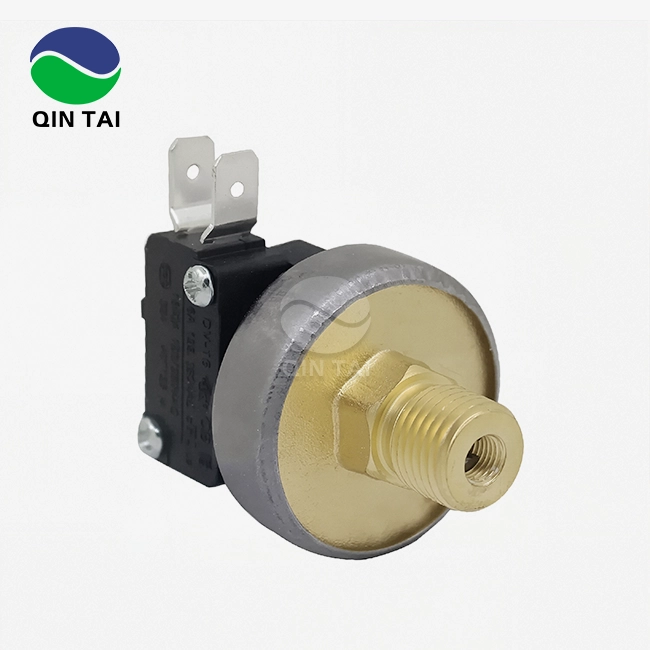
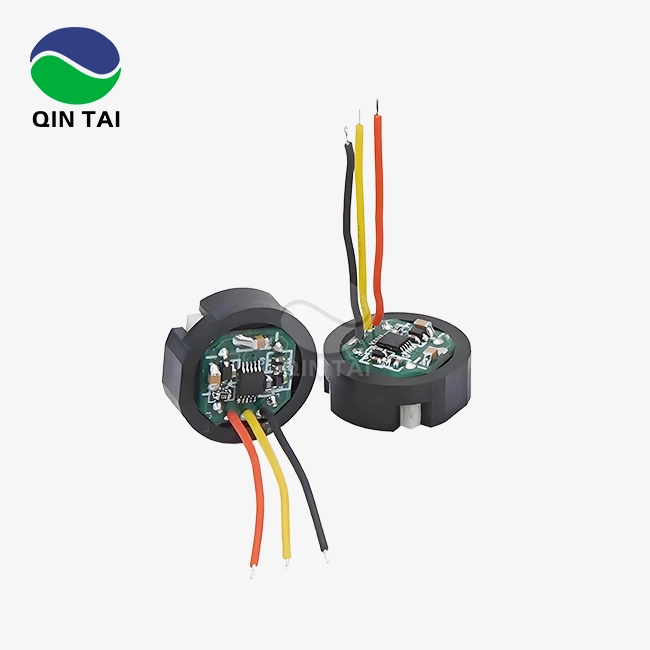
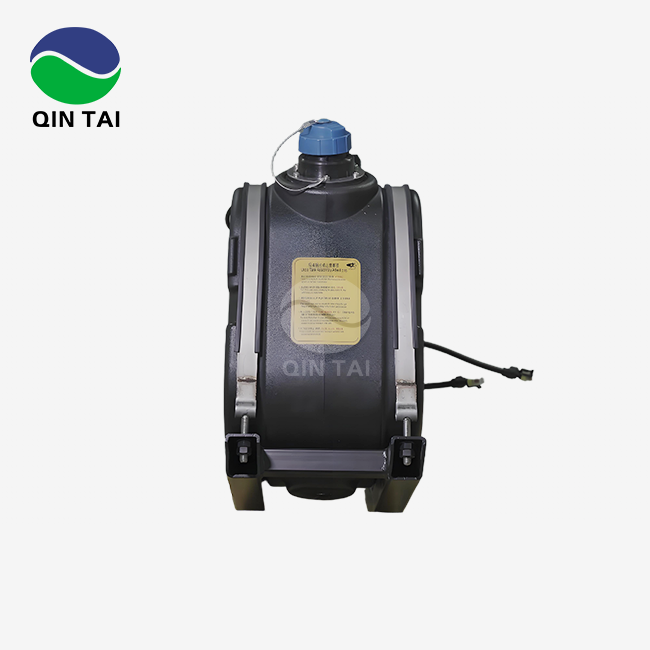
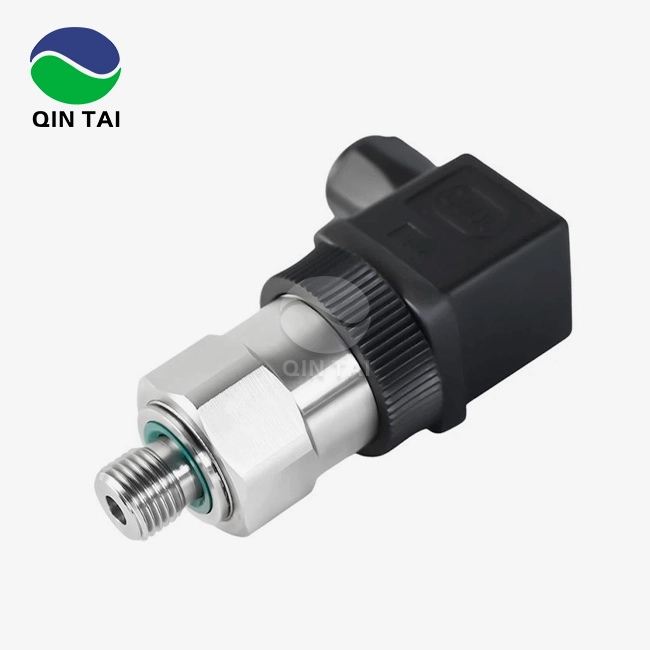
The engineers at Qintai have been providing industrial-grade sensing solutions to diesel engine makers, aftertreatment system integrators, and original equipment manufacturers (OEMs) around the world for more than twenty years. We are a certified Pressure Sensor supplier with ISO9001, IATF16949, and several idea patents. We offer full OEM/ODM services to help with your projects from the first proposal to mass production. In harsh places like Euro VI engine bays and generator sets in mines and power plants, our capacitive ceramic sensors, piezoresistive transducers, and submersible level probes have been shown to work reliably. Contact us at info@qt-sensor.com to talk about your technical needs, get product datasheets, and look into your customization options.
References
1. Wang, J., & Liu, H. (2021). Advanced Pressure Sensing Technologies for Automotive Emission Control Systems. Society of Automotive Engineers International.
2. Chen, X. (2020). Ceramic Capacitive Sensors: Design Principles and Industrial Applications. Journal of Process Instrumentation Technology, 45(3), 112-128.
3. ISO 9001:2015. Quality Management Systems — Requirements. International Organization for Standardization.
4. IATF 16949:2016. Quality Management System Requirements for Automotive Production and Relevant Service Parts Organizations. International Automotive Task Force.
5. Miller, R., & Thompson, K. (2019). Pressure Measurement in Harsh Industrial Environments: Best Practices and Emerging Technologies. Industrial Automation Press.
6. European Commission. (2018). Euro VI Heavy-Duty Vehicle Emission Standards: Technical Implementation Guidelines. Official Journal of the European Union.

Our customers’ satisfaction speaks for our quality — contact us to experience the same reliable service.