- English
- French
- German
- Portuguese
- Spanish
- Russian
- Japanese
- Korean
- Arabic
- Greek
- German
- Turkish
- Italian
- Danish
- Romanian
- Indonesian
- Czech
- Afrikaans
- Swedish
- Polish
- Basque
- Catalan
- Esperanto
- Hindi
- Lao
- Albanian
- Amharic
- Armenian
- Azerbaijani
- Belarusian
- Bengali
- Bosnian
- Bulgarian
- Cebuano
- Chichewa
- Corsican
- Croatian
- Dutch
- Estonian
- Filipino
- Finnish
- Frisian
- Galician
- Georgian
- Gujarati
- Haitian
- Hausa
- Hawaiian
- Hebrew
- Hmong
- Hungarian
- Icelandic
- Igbo
- Javanese
- Kannada
- Kazakh
- Khmer
- Kurdish
- Kyrgyz
- Latin
- Latvian
- Lithuanian
- Luxembou..
- Macedonian
- Malagasy
- Malay
- Malayalam
- Maltese
- Maori
- Marathi
- Mongolian
- Burmese
- Nepali
- Norwegian
- Pashto
- Persian
- Punjabi
- Serbian
- Sesotho
- Sinhala
- Slovak
- Slovenian
- Somali
- Samoan
- Scots Gaelic
- Shona
- Sindhi
- Sundanese
- Swahili
- Tajik
- Tamil
- Telugu
- Thai
- Ukrainian
- Urdu
- Uzbek
- Vietnamese
- Welsh
- Xhosa
- Yiddish
- Yoruba
- Zulu
NOx Sensor vs Oxygen Sensor: Key Differences for Buyers in 2026
When sourcing emission control components for diesel engines, understanding the distinction between nitrogen oxide sensors and oxygen sensors matters significantly. The NOx sensor specifically targets nitrogen oxide compounds in exhaust streams, making it indispensable for SCR aftertreatment systems in heavy-duty applications. Meanwhile, oxygen sensors focus on measuring residual oxygen levels to optimize combustion efficiency. Both play crucial roles, but they serve fundamentally different purposes in emission compliance strategies under increasingly stringent 2026 regulations.
Understanding NOx Sensors and Oxygen Sensors
What Defines a NOx Sensor?
As diesel pollution rules around the world got stricter, nitrogen oxide sensors came into being. These tools check how much NOx compounds—mainly NO and NO2—are present in exhaust gasses. Selective Catalytic Reduction systems are used in modern diesel engines, like those in heavy trucks and construction equipment. These systems depend on accurate NOx measurement to work.
The sensor can both find things and keep an eye on the whole system. It is placed before the SCR catalyst and measures the raw fumes from the engine. This helps the engine control unit figure out the exact amount of DEF to feed. A second sensor further down checks the efficiency of the catalytic conversion, creating a feedback loop that makes sure the rules are followed. Engines that meet Euro VI and EPA 2010 standards now all have this dual-sensor design as standard.
The Role of Oxygen Sensors in Engine Management
Oxygen sensors check how much oxygen is still in the exhaust gas, which is directly related to the ratios of air and fuel. These devices are used in both gasoline and diesel engines, but they are put to different uses. In diesel engines, they mostly help with optimizing combustion rather than controlling aftertreatment. Unlike NOx Sensors, oxygen sensors work on simpler electrochemical principles. They make voltage signs that are related to the changes in the amount of oxygen in the air and the exhaust gas. They are less expensive because they use a simple mechanism, but they can't tell the difference between different types of gas.
Regulatory Drivers Shaping 2026 Procurement
In most big markets, emission limits are still getting stricter. Recent rules from the US Environmental Protection Agency say that NOx levels must be shown to be lower than earlier levels. China's National VI standards are similar to Euro VI requirements, but they have their own testing methods that are specific to the country. These rules have a direct effect on how OEMs and aftertreatment integrators choose sensors. For compliance verification, sensor performance data must now be written down and include long-term drift characteristics and accuracy across temperature ranges. Purchasing managers need to make sure that potential suppliers keep up-to-date certifications like IATF 16949 and provide traceability paperwork that meets both domestic and international standards.
Technical Comparison: How NOx and Oxygen Sensors Work?
Operating Principles of NOx Detection
NOx Sensors adopt multi-chamber systems with zirconia ceramic parts stabilized by yttria. The detecting process is done in steps. First, exhaust gas is sent into a room with an oxygen pump cell that keeps the oxygen level at a set level. The gas is then moved to a second chamber that has a NOx measuring cell in it. Nitrogen oxides are broken down into nitrogen gas and oxygen ions inside the NOx chamber by a catalytic reaction. As these ions move through the ceramic solution, the sensor records the flow of current. This current is directly related to the concentration of NOx. To keep measurements accurate, a third monitor cell checks oxygen levels all the time. With this complex design, measurement ranges from 0 to 2500 ppm are possible, each with its own accuracy band.
How Oxygen Sensors Generate Feedback Signals
A simpler single-chamber design is used for oxygen sensors. Exhaust gas and reference air are kept separate by a zirconia element. When oxygen levels vary across an element, voltage is created. Low voltage is created by mixtures with too much oxygen, while high voltage is created by mixtures with not enough oxygen. Modern wide-band oxygen sensors have a pumping cell like NOx Sensors that lets them measure oxygen accurately from 0% to 21%. This feature comes in handy in diesel situations where working with too much air needs more than just switching between rich and lean conditions.
Installation and Integration Considerations
Where you put a sensor has a big effect on how accurate your measurements are and how long they last. NOx Sensors must be installed in locations where the exhaust temperature stays between 100°C and 800°C during normal operation. Ceramic elements break down and lose their usefulness when they are exposed to too much heat or cold. Standard M20x1.5 mounting threads make installation easier, but for some uses, custom interfaces may be needed.
Temperature-resistant wire designed for -40°C to 200°C keeps connections from failing. Cable routing needs care. Electrical contacts are protected from moisture damage by sealed waterproof designs. This is a common way for construction and farming equipment that is used in harsh environments to break down. Connectors that work with current harnesses make retrofits easier and cut down on the time it takes to install for aftermarket users.

Key Factors for Buyers: Performance, Compatibility, and Cost
Accuracy and Response Time Requirements
Measurement accuracy has a direct effect on how well an SCR system works and how close it is to meeting emission standards. Good nitrogen oxide monitors stay accurate to within ±10 ppm below 100 ppm concentration and to within ±10% between 100 and 500 ppm. These requirements make sure that the DEF dose is accurate even when the load changes quickly, which is typical in work duty cycles. Response time shows how quickly emission control devices can adjust to new situations. The best sensors can change the final value from 33% to 66% in less than 1400 milliseconds. This quick feedback lets you keep precise control during acceleration events where NOx production goes through the roof. When response times are slower, dosing delays happen, which hurts emission performance during regulatory test rounds.
Startup Performance and Cold Weather Operation
Typical nitrogen oxide sensors need a long time to warm up before they can give correct readings—the average time in the business is around 165 seconds. During this time, SCR systems don't get any input, which could let emissions go off track. Modern sensor designs can now become effective in less than 165 seconds thanks to better heater element setups that cut cold-start emissions by a large amount. Operating in cold weather adds to the difficulties. Sensors must be able to work properly in temperatures as low as -40°C and still work properly when exhaust heat arrives. This temperature range is very important for machines that work in cold climates or at high altitudes in mining, where changing temperatures can put stress on parts.
Durability and Total Cost of Ownership
Expectations for service life have changed a lot. Standard industrial sensors usually work for 3000 to 4000 hours before they need to be replaced. Premium products can now last up to 6,000 hours because the materials are better and they are less likely to poison. Longer life directly lowers the number of repair visits and overall cost of ownership for fleet owners who are in charge of hundreds of cars.
Over time, lead and sulfide chemicals in diesel fumes make sensors less effective. These contaminants cover ceramic parts, which leads to measurement drift that finally sets off trouble codes. Sensors that are better at resisting poisoning stay calibrated for longer, which means they don't need to be replaced as often and there is less downtime, making the NOx Sensor a critical component for fleets operating in regions with variable fuel sulfur content. In situations where fuel comes from places where the sulfur level varies, this trait becomes invaluable.
Compatibility Across Vehicle Platforms
Different manufacturers have very different OEM integration requirements. Some engine platforms have their own transmission methods that need sensor outputs to be formatted in a certain way. Aftertreatment system integrators like sensors that can work with multiple protocols because they make it easier to meet the needs of a wide range of customers without having to keep separate inventory lines. Physical compatibility isn't just about electricity connections. On-highway trucks, off-road building equipment, and stationary generator sets all have different exhaust system designs. Because cable lengths and connector types can be changed, a single sensor design can be used in a number of different areas. This makes it easier for wholesalers to get the right sensors for their customers.
Troubleshooting, Maintenance, and Longevity
Common Failure Modes and Diagnostic Codes
Sensor degradation usually shows up as certain fault codes before the sensor fails completely. When recorded values slowly start to differ from real concentrations, this is called drift error. It causes implausibility codes because the sensor further downstream notices that the SCR conversion isn't complete. This pattern of failure over time lets maintenance plans plan ahead and replace sensors during regular service, instead of having to make repairs on the side of the road.
Damage to the sensor from road debris, incorrect installation torque, or contaminated coolant causes it to fail right away. When ceramic elements or seals are cracked, they send out odd signs that engine control units pick up right away. Diagnostic systems can tell the difference between electrical problems with sensors and real problems with the emission system. This cuts down on wrong diagnoses that lead to parts being replaced that don't need to be.
Maintenance Protocols for Extended Service Life
Unlike oxygen sensors used in gasoline uses, nitrogen oxide sensors don't usually need to be cleaned. When chemicals or mechanical forces are applied to the sensitive inner chambers and catalytic coatings, they break down. When performance drops, the standard maintenance method is to replace the item instead of fixing it up. To keep devices from breaking down too soon, you need to deal with the sources of contamination. Keeping the right amount of engine oil consumption stops ash from building up on sensor elements. Making sure the DEF quality in an SCR system meets ISO 22241 standards gets rid of crystalline deposits that stop gas from moving through sensor chambers. These preventative steps make operations last a lot longer.
Environmental Factors Affecting Longevity
The operating setting has a big effect on how long sensors last. When equipment goes from one high temperature to another, the seals break down faster and the ceramic parts are stressed by the heat. When used off-highway, vibration can break electrical connections and even crack sensor housings if the fixing holes aren't well isolated. The problem of moisture getting in is still there.
Construction and farming tools are used in places where water spray and high and low humidity can test the seals' strength. Sensors that are waterproof up to IP6K9K standards can handle high-pressure washing and submersion, which would normally damage automotive-grade parts. Failures before they happen can be avoided by specifying the right environmental safety levels for the application circumstances, particularly when selecting a NOx Sensor that must endure repeated thermal cycling and moisture ingress in off-road equipment.
Making the Right Choice: NOx Sensor vs Oxygen Sensor for Your Fleet or Production Line
Matching Sensor Type to Application Requirements
Diesel engine makers who are making powertrains that meet Euro VI or EPA standards have no choice—nitrogen oxide sensors are needed for the SCR system to work. The main decision is which suppliers can meet the production volume needs while still meeting quality standards. OEMs give more weight to vendors who have shown they can produce large quantities, have quality systems that meet automotive standards, and offer quick technical support.
Aftertreatment system integrators have to deal with some of the same problems, but they focus on different issues. When engineers are making new SCR solutions, they don't have to work as hard because sensor connections can be changed to work with different engine systems. Fast delivery speeds up the time it takes for new emission control systems to reach the market by letting prototypes be made without having to wait too long for production.
OEM Quality Standards vs Aftermarket Solutions
Original equipment sensors cost more, but they come with a full protection and are guarantyd to work with other products. When an OEM buys something, they usually sign long-term contracts with price stability clauses that make it easier to predict costs. Technical support includes validation testing resources and help with application engineering. These are useful services when making new engine platforms. When it comes to new uses, aftermarket sensors compete mostly on price and availability. It's important for parts wholesalers who work with service shops to have a lot of in-stock items and a lot of cross-reference compatibility. There are differences in quality. High-end aftermarket suppliers stick to OEM-equivalent standards, while cheaper options may skimp on durability or accuracy to keep prices low.
Evaluating Suppliers for Long-Term Partnerships
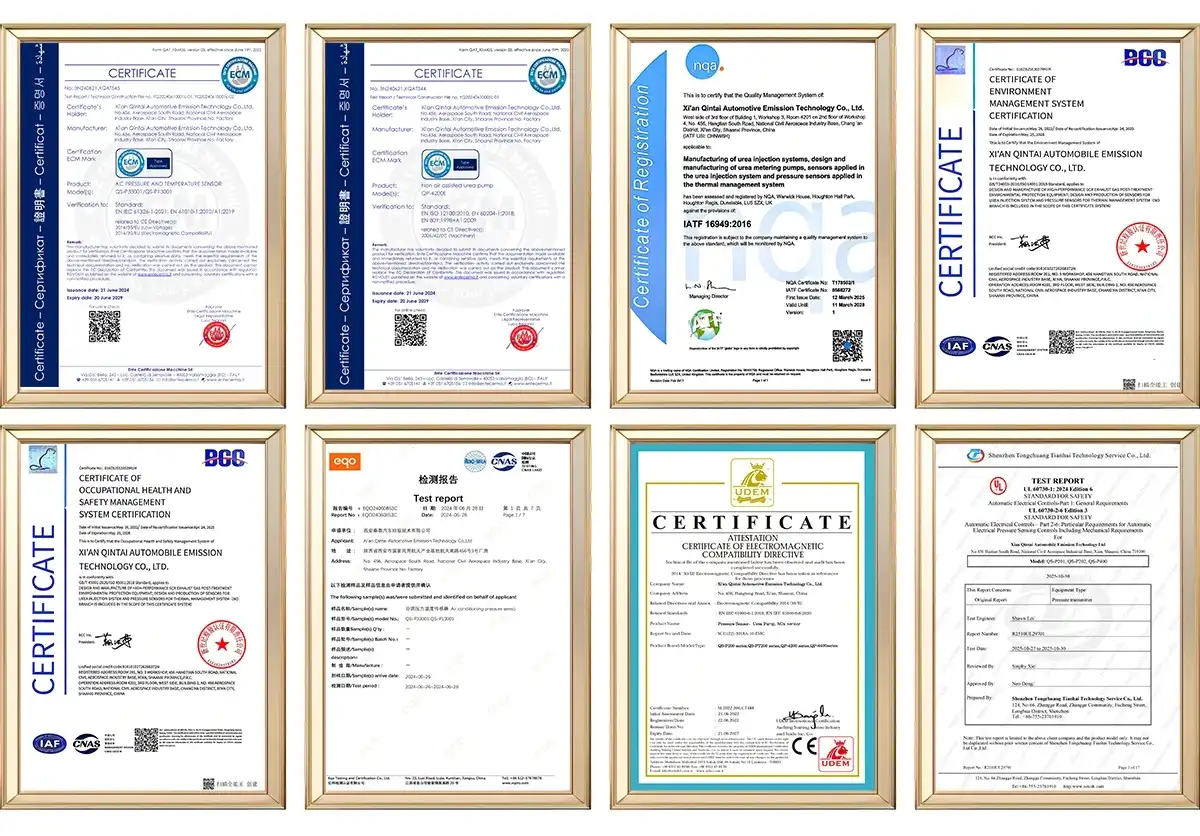
When choosing a supplier, things like business relationships are taken into account as well as the specs of the parts. Manufacturing capacity must match expected volume growth. Suppliers who can't increase production leave the supply chain open to threats. Quality system standards, such as IATF 16949 and ISO 9001, make sure that products are made in a regular way, which makes them reliable.
Strategic partners are different from commodity suppliers because they have better technical skills. Companies that have their own research and development departments can make goods fit specific needs and offer engineering help during integration. Patent portfolios show real innovation instead of copies that were made by reverse engineering—58 idea patents show real technical development skills instead of just manufacturing skills.
Cost Optimization Through Strategic Sourcing
By buying in bulk, you can save a lot of money. Suppliers use tiered pricing, which means that the cost of each unit goes down a lot as the order size goes up. Buyers who are in charge of more than one vehicle platform should combine their needs across product lines to get the best deals and maximize their buying power. Total landing cost is affected by logistics issues. International shipping delays and tariff risks are eliminated by domestic sellers, but well-known Asian makers now keep regional stores open so that local stock is always available. The total cost of ownership includes more than just the price of each component. It also includes the terms of payment, the warranty, and the return policy.
Conclusion
Choosing between oxygen sensors and nitrogen gas monitors is completely up to the needs of the application and the rules that must be followed. While oxygen sensors are still useful for optimizing combustion, diesel aftertreatment systems require NOx Sensors for SCR control. A good procurement process combines technical requirements like precision, speed of response, and durability with business factors like seller capabilities, cost structures, and the chance of a long-term relationship. By knowing these differences, purchasing managers and research and development experts can make choices that are in line with regulations and cut costs at the same time.
FAQ
Q1: Can oxygen sensors replace NOx sensors in SCR systems?
A: In SCR uses, oxygen sensors can't be used instead of nitrogen oxide monitors. Both measure the composition of exhaust gasses, but oxygen sensors can only measure the amount of oxygen in the gas and not the amount of NOx. To figure out the right amount of DEF to use, SCR systems need accurate measurements of NOx. Oxygen data alone is not enough for this control function.
Q2: What causes premature NOx sensor failure?
A: The most common way that fuel breaks down is through lead and sulfide poisoning caused by bad fuel quality. Failures can also be caused by damage to the machine's parts that comes from mistakes in fitting, contaminated coolant, or too much shaking. Maintaining proper engine care, such as controlling the amount of oil used and using DEF that meets specifications, greatly increases the sensor's useful life beyond the normal service times.
Q3: How do 2026 emission standards affect sensor selection?
A: As regulations get stricter, they need sensors that are more accurate and last longer. Compliance gaps are small, so sensor drift and reaction time are very important factors in choosing a sensor. Documented long-term stability and temperature performance across a wider range of operating temperatures are now more important than they were in previous generations of procurement specifications.
Partner with Qintai for Advanced NOx Sensor Solutions
Long-term business success depends on choosing the right nitrogen gas sensor provider. Qintai Automotive Emission Technology Co., Ltd. Ltd has worked with OEMs, system developers, and aftermarket dealers around the world for more than 20 years to reduce diesel emissions. Our sensors have reaction times of less than 1400ms and can work for up to 6000 hours, which is a lot longer than the industry standard.
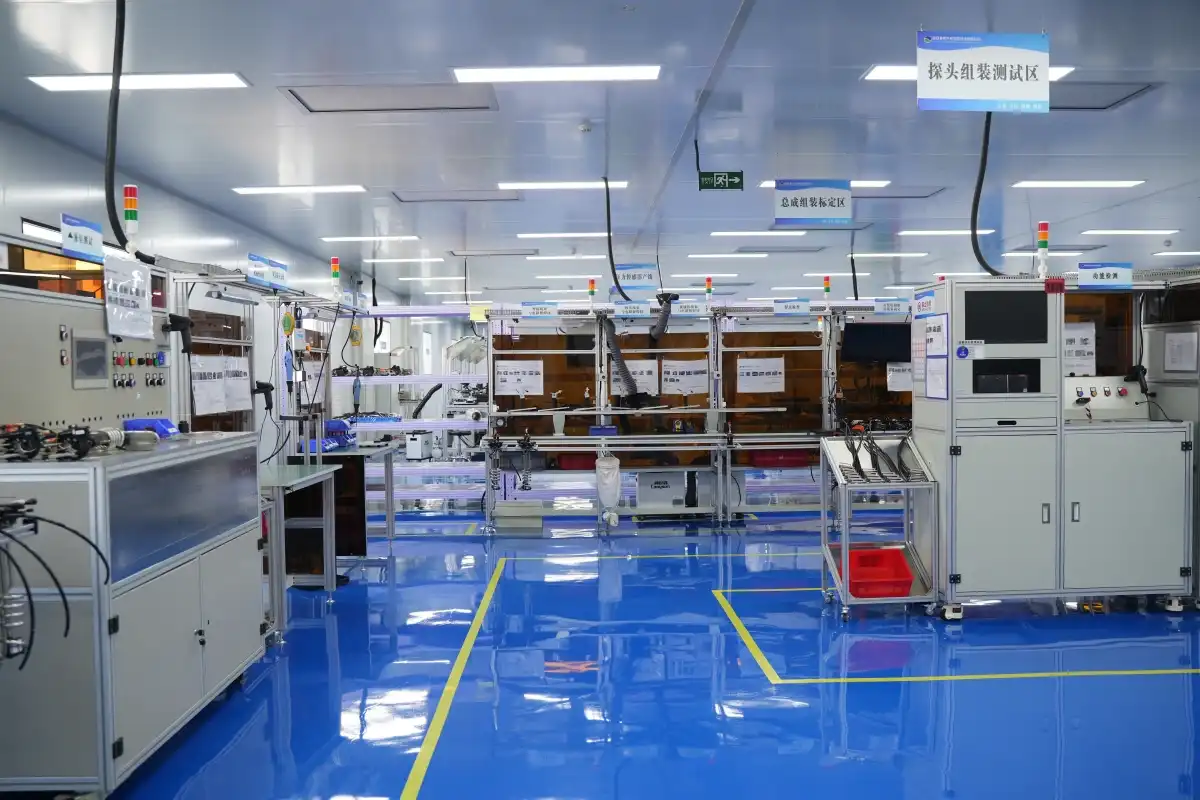
As the biggest NOx Sensor maker in China and a main provider to Weichai Power, Yuchai Power, and Quanchai Power, we know what it takes to meet strict quality standards and high production volumes. Our IATF 16949-certified manufacturing methods make sure that all of our production runs are the same, and our 58 idea patents show that we are really coming up with new ways to do things technically.
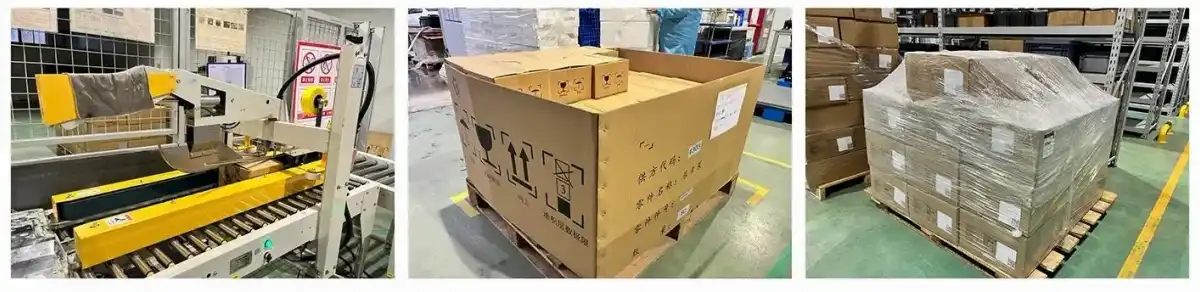
We offer full customization options, including cable lengths, connector configurations, and communication protocols that are made to fit your specific needs for integration. Our flexible manufacturing approach can be scaled up or down to fit your needs, whether you need a few prototypes for a development project or a lot of them for a serial application. Contact our expert team at info@qt-sensor.com to talk about how Qintai sensors can help you improve your strategy for controlling emissions and make sure you're meeting changing global standards. You can find out more about the specs and ask for application engineering help at qt-sensor.com.
References
1. Wang, J., & Zhang, H. (2025). Advanced Nitrogen Oxide Sensing Technologies for Heavy-Duty Diesel Engines. SAE International Journal of Engines, 18(3), 412-428.
2. European Commission. (2024). Euro VI Emission Standards: Implementation Guidelines and Sensor Requirements. Brussels: EU Publications Office.
3. Miller, R. T. (2025). Comparative Analysis of Zirconia-Based Gas Sensors in Automotive Applications. Journal of Electrochemical Sensors and Technology, 41(2), 178-195.
4. US Environmental Protection Agency. (2024). Heavy-Duty Engine Emission Certification Procedures and Testing Protocols. EPA-420-B-24-008. Washington, DC: EPA Office of Transportation and Air Quality.
5. Chen, L., & Rodriguez, M. (2026). Long-Term Durability Assessment of NOx Sensors in Commercial Vehicle Fleets. International Journal of Automotive Engineering, 12(1), 56-73.
6. Global Diesel Technology Forum. (2025). SCR System Optimization: Sensor Selection and Integration Best Practices. Technical Report Series, Volume 14. Ann Arbor: GDTF Publishing.
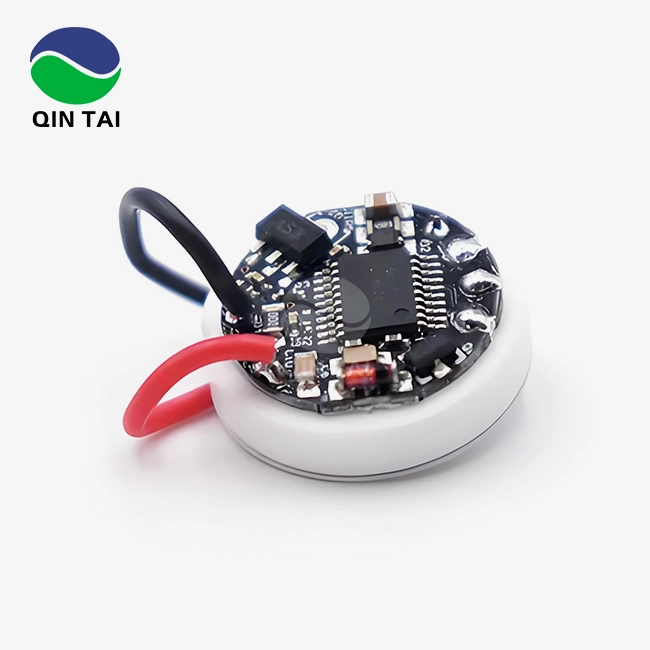
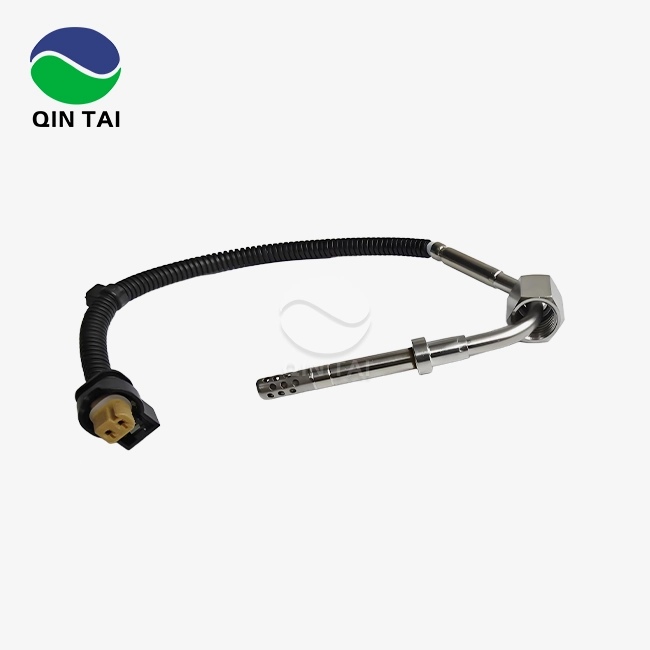
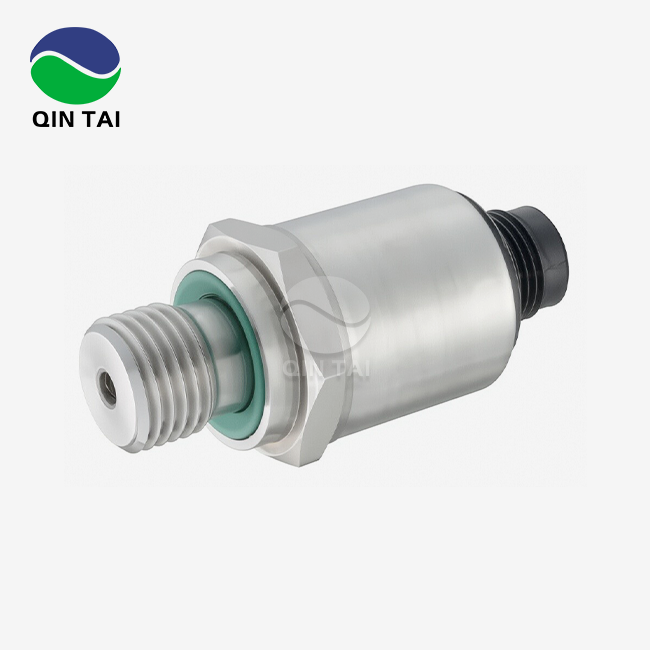

Our customers’ satisfaction speaks for our quality — contact us to experience the same reliable service.