- English
- French
- German
- Portuguese
- Spanish
- Russian
- Japanese
- Korean
- Arabic
- Greek
- German
- Turkish
- Italian
- Danish
- Romanian
- Indonesian
- Czech
- Afrikaans
- Swedish
- Polish
- Basque
- Catalan
- Esperanto
- Hindi
- Lao
- Albanian
- Amharic
- Armenian
- Azerbaijani
- Belarusian
- Bengali
- Bosnian
- Bulgarian
- Cebuano
- Chichewa
- Corsican
- Croatian
- Dutch
- Estonian
- Filipino
- Finnish
- Frisian
- Galician
- Georgian
- Gujarati
- Haitian
- Hausa
- Hawaiian
- Hebrew
- Hmong
- Hungarian
- Icelandic
- Igbo
- Javanese
- Kannada
- Kazakh
- Khmer
- Kurdish
- Kyrgyz
- Latin
- Latvian
- Lithuanian
- Luxembou..
- Macedonian
- Malagasy
- Malay
- Malayalam
- Maltese
- Maori
- Marathi
- Mongolian
- Burmese
- Nepali
- Norwegian
- Pashto
- Persian
- Punjabi
- Serbian
- Sesotho
- Sinhala
- Slovak
- Slovenian
- Somali
- Samoan
- Scots Gaelic
- Shona
- Sindhi
- Sundanese
- Swahili
- Tajik
- Tamil
- Telugu
- Thai
- Ukrainian
- Urdu
- Uzbek
- Vietnamese
- Welsh
- Xhosa
- Yiddish
- Yoruba
- Zulu
Why AdBlue Dosing System Efficiency Matters for Diesel Engines
AdBlue dosing system efficiency stands at the heart of modern diesel emission control, directly determining whether your fleet meets stringent EPA and CARB standards while avoiding costly operational penalties. Precise urea injection ensures optimal NOx reduction through Selective Catalytic Reduction technology, translating to lower fuel consumption, reduced maintenance expenses, and uninterrupted engine performance. When dosing accuracy falters, diesel engines face forced derating, compliance failures, and expensive component replacements—issues that ripple through entire supply chains and fleet operations.


Understanding AdBlue Dosing System Efficiency and Its Impact
For SCR aftertreatment systems to work well, they need to deliver the right amount of Diesel Exhaust Fluid at the right time. There needs to be a stoichiometric balance in the chemistry of reducing NOx: too little DEF leaves dangerous emissions unchecked, and too much DEF makes deposits that clog injectors and poison catalysts. We've seen that dosing with an accuracy of within ±2% keeps the compliance gaps needed for heavy-duty uses like Class 8 trucks and building equipment. This accuracy affects three important performance areas that buyers and R&D engineers look at closely when choosing suppliers.
Direct Influence on Emission Compliance
You have to meet Euro VI or EPA Tier 4 Final standards in order to get into the market. How well your diesel engines convert NOx depends on how precisely they are dosed. For heavy-duty applications, this efficiency level should be above 90%. When dose isn't done right, onboard diagnostic signals set off torque limiting, which puts cars into limp mode and stops work. Logistics fleet owners say that each breakdown caused by emissions costs between $400 and $800 in lost income per vehicle per day. This doesn't include the cost of repairs or fines from the government.
Operational Cost Optimization Through Precise Metering
The amount of DEF used is directly related to how well the dose is given. AdBlue use is cut by 8–12% when systems keep tight control over urea injection are used instead of less precise options. This saves a lot of money for large fleets. By optimizing dosing, a fleet of 100 big trucks that use about 1,500 gallons of DEF every month can save more than $2,000 a year per car. When you consider that the spark doesn't need to be replaced as often and the injectors don't need to be serviced as often, these saves add up.
System Reliability and Long-Term Performance
Consistency in dosing keeps downstream SCR parts safe from chemical and thermal damage. Temperature changes from -40°F in the north to +185°F in the engine rooms make parts less durable. Dependable dosing units keep working even at these temperatures, so mine equipment, farm equipment, and backup generator sets can keep running even when power goes out.
Key Components and Technology Behind AdBlue Dosing Systems
Modern DEF injection architectures have many parts that work together to make the spray very precise, down to the micron level. Knowing about these layers of technology helps procurement teams figure out which specifications have a real effect on long-term value and which are just marketing claims. The core design is made up of five combined parts that can respond in milliseconds. At the base, high-precision pumps keep the pressure fixed between 58 and 87 psi. This creates the difference in pressure that is needed for atomization. These pumps have to keep their output constant over millions of pumping events while also not crystallizing from DEF freeze cycles, which is a fundamental requirement for any reliable AdBlue Dosing System operating in cold climates.
Advanced Sensor Integration for Adaptive Dosing
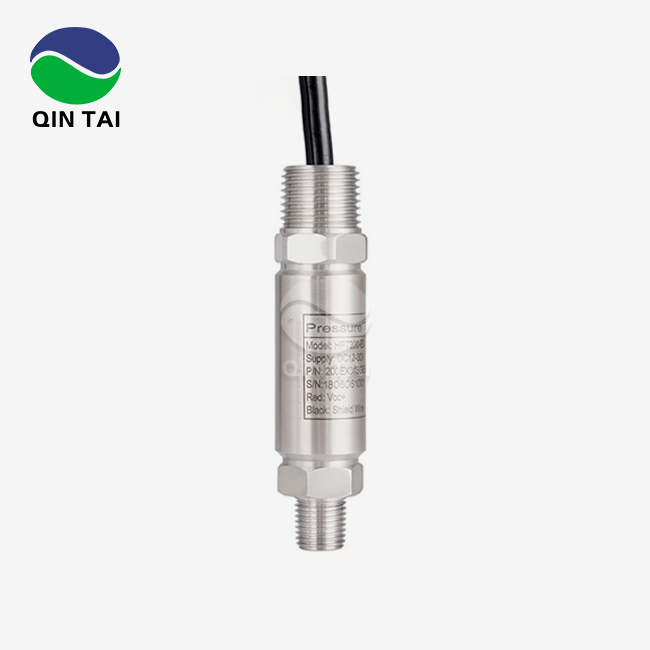
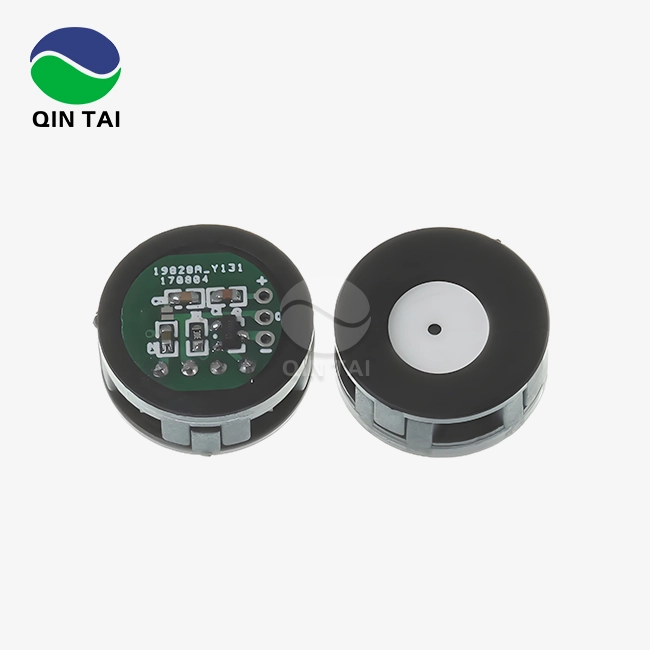
Pressure, temperature, and NOx monitors send data to control units in real time, which lets dosing methods change based on the situation. Good sensors that can measure with a precision of ±1% make sure that the control algorithms get accurate information. At Qintai, we make pressure sensors that can work in urea environments and keep their calibration over 200,000 kilometers of service intervals. This is very important for OEM applications where choosing the right parts is based on the warranty.
Based on changes in DEF viscosity, temperature adjustment programs change the length of the injection. Diesel Exhaust Fluid has a 50% higher viscosity at 12°F than at its ideal working temperature of 77°F. This means that longer injector pulse widths are needed to give the same amount of urea mass. Dosing mistakes of more than 15% happen in systems that don't have advanced compensation, which hurts both emissions and efficiency.
Control Unit Intelligence and ECU Integration
Modern control units use NOx sensor readings from downstream to adjust dosing rates on the fly using closed-loop feedback. This intelligence fixes issues like changes in DEF quality, worn-out injectors, and old catalysts that make open-loop systems lose compliance. CAN bus integration with engine management systems lets strategies work together, and dosing can change depending on load, exhaust temperature, and regeneration cycles.
Self-diagnostic features find problems before they lead to compliance failures. Advanced systems keep an eye on more than 20 fault situations, such as air getting in, dosing line jams, and sensor drift, and send warnings to the operator's screen before performance starts to drop. This predictive feature cuts down on unplanned maintenance by finding broken parts during regular service times instead of when they break down on the side of the road.
Common Challenges and Maintenance Practices for Optimal Performance
It's possible for even well-designed dosing systems to break down under normal use if they aren't maintained properly. To keep the total cost of ownership as low as possible, procurement specifications should include both how strong and easy to service the parts are.
Injector Clogging and Crystallization Management
DEF crystallization is still the main way things go wrong, especially in stop-and-go urban transit apps. When engines turn off, any fluid that is still in the hot injector tips disappears, leaving behind urea crystals that build up over time. High-quality injectors have purge methods that use compressed air to clean the valves before the engine is turned off. This increases the service life from 80,000 kilometers to 150,000 kilometers.
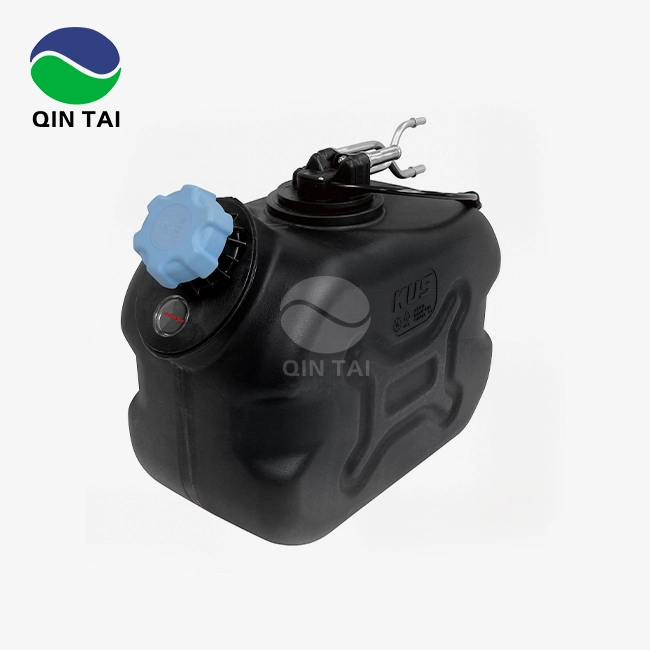
The urea filter adblue is the first line of defense against particulate pollution. This precise part stops crystals and other small particles (5–10 microns) before they reach the dose pumps. This keeps the catastrophic failures that happen when cheap filters let contaminants through. Depending on the working climate, replacement intervals are usually between 120,000 and 200,000 kilometers. However, building equipment that works in dusty conditions needs to be serviced more often, making the durability of the entire AdBlue Dosing System heavily dependent on both filter quality and purge cycle effectiveness.
Sensor Drift and Calibration Requirements
Sensors for pressure and temperature slowly move out of calibration as they are heated and cooled and attacked by chemicals. Quality parts that keep the accuracy within ±2% for five years cut down on the need for recalibration by a large amount. Managers in charge of buying things should make sure that the systems they are considering use ISO 22241-compliant materials that don't release extractables, which are dissolved glue or plastics that pollute DEF and poison catalysts.
Every 50,000 kilometers, the system is checked automatically with diagnostic tools that compare the amount of fuel injected to what was ordered. This preventative method finds damage early, so fixes can be planned instead of having to be done in an emergency. As part of their after-sales plan, we suggest working with providers who offer full diagnostic help and access to calibration tools.
Proactive Maintenance Strategies
Scheduled maintenance that goes beyond just replacing filters makes the system much more available. Parts that break down slowly rather than suddenly are checked for deposits in the dose line, the pump filter is cleaned, and the heater element is tested as part of comprehensive maintenance. When compared to reactive maintenance methods, these practices lead to 40% fewer breakdowns related to emissions in fleets. Whether maintenance windows last longer hours or days depends on how easy it is to get high-quality spare parts. Maintaining distributor networks with local supplies is how suppliers make sure that important parts ship within 24 hours, which keeps equipment from being down for too long. When looking at different providers, make sure that their logistics skills meet the location and urgency of your operations.

Comparing AdBlue Dosing Systems: Making Informed Procurement Decisions
To choose the right SCR technology, you need to know what the application needs and then match those needs with what the supplier can do. Not every dosing method works the same way in all types of job cycles, from light business cars to heavy mining equipment. Heavy-duty uses need industrial-grade dependability that has been shown to last more than a million injection cycles. Engineered systems for Class 8 trucks have stronger pumps, bigger heaters for really cold starts, and extra sensors that keep the system running even if one fails. When buying building equipment or generator sets, the specs should make it clear that they need to go through heavy-duty validation testing, such as extended thermal cycles and vibration resistance.
Light-duty and medium-duty uses can save money by using simpler designs that still meet safety standards without adding too much complexity. Commercial delivery trucks that follow regular routes in cities don't have to deal with the harsh temperatures or vibrations that off-highway equipment does. This means that component standards can be made that balance performance with purchase cost. When expert managers look at competing products, they should focus on three selection factors besides price. Certification of dosing accuracy by independent testing labs proves success in an objective way. When suppliers give you ISO 19438 multipass filtration data and burst pressure testing results, it shows that they are serious about engineering, which means they will be reliable in the field.
Compatibility with current car architecture decides how hard it is to integrate and how possible it is to retrofit. Systems with flexible mounting options and CAN protocols make installation easier on a wide range of equipment platforms, which saves engineers time and money on tools. At Qintai, we've made sure that our SCR solutions have adaptable interfaces that can work with a range of sensor inputs and control methods. This way, they can be used by OEMs and can also be upgraded after the fact, particularly when the AdBlue Dosing System must interface with diverse engine control units without extensive re-engineering.
The long-term viability of a supplier affects the availability of parts and the continuity of technical support. Companies with IATF 16949 certification show that they have mature quality management, which protects against supply problems. We've been in business for 23 years and have partnerships with major Chinese engine makers like Weichai and Yuchai. This gives procurement teams the stability they need to make multi-year platform commitments.
Maximizing Value in AdBlue Dosing System Procurement
Strategic sourcing is more than just looking at the price of a component. It also looks at the total cost of ownership, which includes things like guarantee coverage, how quickly expert support can help, and how reliable the supply chain is. Procurement managers with a lot of experience set up relationships with suppliers that bring value throughout the lifecycle of a product.
Having full guarantee terms that protect against early failures lowers the risk of losing money when a new platform is first released. Coverage should include more than just replacing parts. It should also include troubleshooting help, testing services, and faster shipping for emergencies. Suppliers who offer 24-month warranties with access to an expert hotline show that they are confident in their work and want their customers to be successful.
How quickly operational problems are fixed depends on how well the product's after-sales service works. Technical teams that are quick to respond and offer fixing advice within hours keep small problems from getting worse and causing long periods of downtime. When looking at possible suppliers, check their support system by asking for technical documents, asking specific questions about applications, and making sure they have diagnostic tools available.
Strategies for buying in bulk lower the cost per unit while making sure there is enough inventory to meet production needs. Suppliers can improve industrial efficiency and pass savings on to customers when they make volume promises that last between 12 and 24 months. Setting up framework deals with tiered prices based on yearly quantities helps keep budgets stable while still allowing for changes in demand.
Strategic suppliers are different from commodity vendors because they offer customization support that is tailored to specific applications. Changes that deal with special mounting requirements, sensor connections, or harsh weather conditions make integration possible without affecting performance. During the whole development process, Qintai's engineering team works together with OEM customers to make sure that our SCR solutions are exactly what the customers want, from the first prototype to mass production.

Conclusion
The effectiveness of the AdBlue Dosing System has a direct effect on whether diesel engines meet government standards and run efficiently. Choosing to buy precision-engineered parts that have been shown to last protects against compliance failures, lowers operating costs, and makes sure that the fleet is always available. Technical and buying teams can choose systems that will last for a long time in demanding uses like big trucks and fixed power generation if they understand the basics of the technology, how it needs to be maintained, and how to choose a provider.
FAQ
Q1: How often should AdBlue dosing systems undergo calibration?
A: How often you need to calibrate depends on how hard the application is and how good the parts are. Heavy-duty equipment needs to be checked every 50,000 kilometers, while light-duty equipment can go up to 100,000 kilometers. Systems that use highly stable sensors that stay accurate within ±2% for long periods of time lower the number of times they need to be calibrated and the costs of maintenance that comes with it.
Q2: What signs indicate dosing system maintenance needs?
A: Warning lights on the dashboard showing NOx sensor mistakes, higher DEF use than the normal 3-5% of fuel use, and the engine going into limp mode all mean that the dosing is wrong. Crystallization that can be seen around the injectors or exhaust temperatures dropping below the normal operating range are also signs that maintenance is needed. Taking care of these symptoms right away stops catalyst damage and repairs that cost a lot of money.
Q3: Can older diesel engines retrofit modern dosing systems?
A: It depends on the current SCR infrastructure and the amount of mounting room that is available. Engines that came with basic aftertreatment systems can be upgraded to more advanced ones if the electronic control units can handle new sensor inputs and calibrations. For retrofits to work, they need to be checked for electrical compatibility by engineers, packaged properly, and certified by regulators. This is something that experienced sellers do as part of full upgrade projects.
Partner with Qintai for Superior AdBlue Dosing System Solutions
Qintai is the biggest maker and provider of SCR aftertreatment systems in China. Since 2001, they have been providing precision-engineered parts to OEMs around the world. Our factory is ISO 9001 and IATF 16949 approved, and the dosing systems we sell are strong enough to meet the needs of heavy trucks, building equipment, and generator sets in 60 countries. We are a core supplier for Weichai, Yuchai, and Quanchai and have 58 invention patents. This means that we are both technically excellent and reliable. Email our engineering team at info@qt-sensor.com to talk about your specific application needs, look into your customization options, and learn how our full OEM and ODM services can help you meet emission standards while keeping costs low.
References
1. Anderson, M. & Roberts, K. (2021). Diesel Emission Control Systems: Technology and Performance Analysis. SAE International Press.
2. Chen, L., Wang, J. & Martinez, R. (2022). "Optimization of SCR Dosing Strategies for Heavy-Duty Applications." Journal of Engine Research, 45(3), 287-304.
3. European Automobile Manufacturers Association. (2020). Euro VI Heavy-Duty Vehicles: Emission Performance and Technology Assessment. Brussels: ACEA Technical Publications.
4. Johnson, P. (2023). Selective Catalytic Reduction Systems: Design, Operation and Maintenance. Warrendale: SAE International.
5. National Renewable Energy Laboratory. (2022). Diesel Exhaust Fluid Quality and Dosing System Performance. Technical Report NREL/TP-5400-81254. Golden, CO: U.S. Department of Energy.
6. Zhang, H., Kumar, S. & Thompson, D. (2023). "Long-Term Reliability of AdBlue Injection Systems in Commercial Vehicles." International Journal of Automotive Technology, 24(2), 445-459.


Our customers’ satisfaction speaks for our quality — contact us to experience the same reliable service.