- English
- French
- German
- Portuguese
- Spanish
- Russian
- Japanese
- Korean
- Arabic
- Greek
- German
- Turkish
- Italian
- Danish
- Romanian
- Indonesian
- Czech
- Afrikaans
- Swedish
- Polish
- Basque
- Catalan
- Esperanto
- Hindi
- Lao
- Albanian
- Amharic
- Armenian
- Azerbaijani
- Belarusian
- Bengali
- Bosnian
- Bulgarian
- Cebuano
- Chichewa
- Corsican
- Croatian
- Dutch
- Estonian
- Filipino
- Finnish
- Frisian
- Galician
- Georgian
- Gujarati
- Haitian
- Hausa
- Hawaiian
- Hebrew
- Hmong
- Hungarian
- Icelandic
- Igbo
- Javanese
- Kannada
- Kazakh
- Khmer
- Kurdish
- Kyrgyz
- Latin
- Latvian
- Lithuanian
- Luxembou..
- Macedonian
- Malagasy
- Malay
- Malayalam
- Maltese
- Maori
- Marathi
- Mongolian
- Burmese
- Nepali
- Norwegian
- Pashto
- Persian
- Punjabi
- Serbian
- Sesotho
- Sinhala
- Slovak
- Slovenian
- Somali
- Samoan
- Scots Gaelic
- Shona
- Sindhi
- Sundanese
- Swahili
- Tajik
- Tamil
- Telugu
- Thai
- Ukrainian
- Urdu
- Uzbek
- Vietnamese
- Welsh
- Xhosa
- Yiddish
- Yoruba
- Zulu
Preventive maintenance for SCR urea sensors
It is important to do preventative maintenance on SCR urea sensors to make sure that the system stays reliable and meets emissions standards over time. Checking the SCR urea pressure sensor on a regular basis can help you avoid costly downtime by finding early signs of wear, contamination, or calibration drift. Setting up regular cleaning routines, safe storage methods, and regular recalibration helps keep urea doses accurate, which directly improves NOx reduction performance. Procurement managers and technical teams that put preventative strategies first can make sensors last longer, save money on repair costs, and make sure that their trucks always meet strict emission standards like EPA Tier 4 and Euro VI rules.
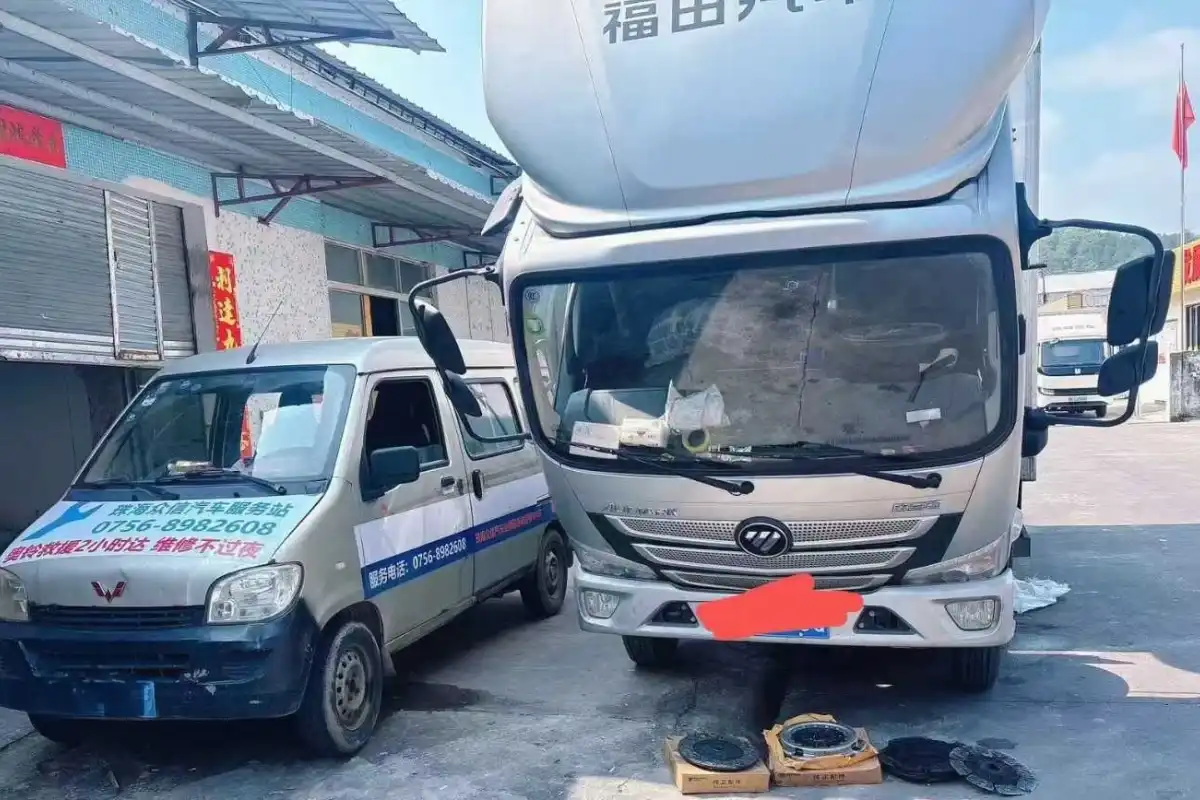
Comprehending the Role and Function of SCR Urea Pressure Sensors
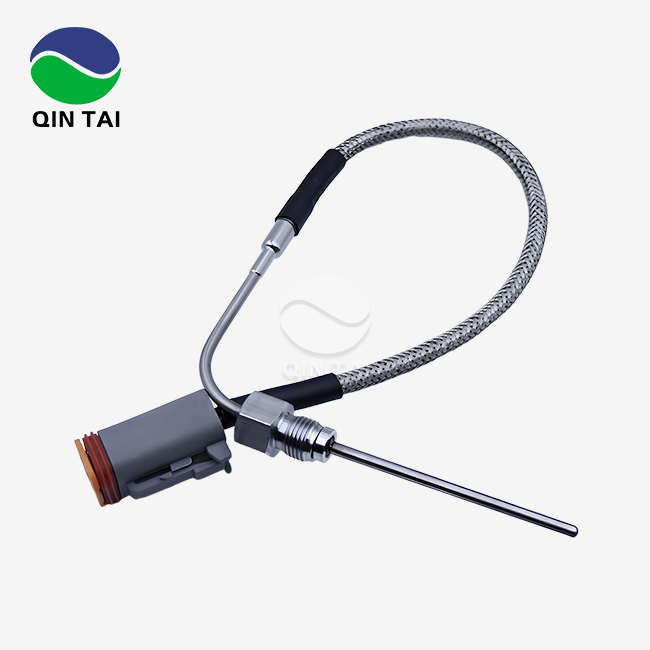
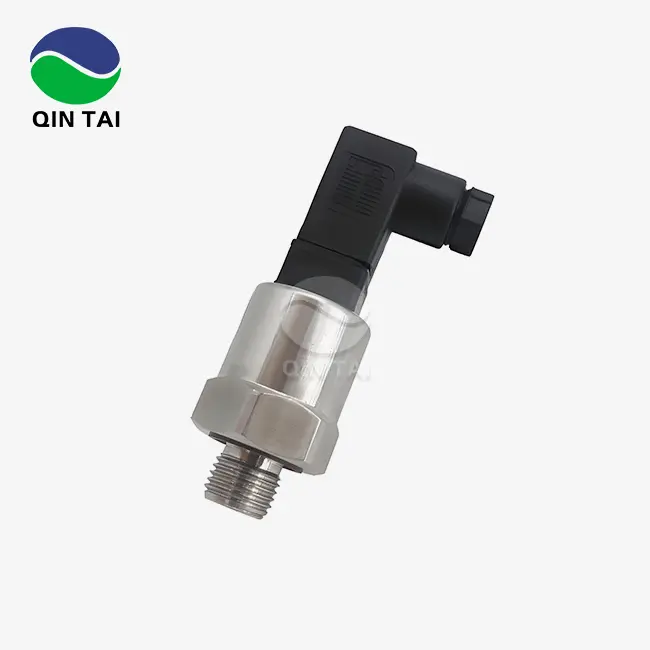
In current diesel exhaust aftertreatment systems, the SCR urea pressure sensor is the most important feedback device. This sensor is placed between the urea dosing pump and the injector nozzle. It constantly checks the pressure levels to make sure that the diesel exhaust fluid (DEF), which is more widely known as AdBlue in foreign markets, is delivered correctly.
How SCR Urea Pressure Sensors Enable Closed-Loop Control?
Real-time pressure input is the only thing that makes closed-loop control work. The sensor sends information about the pressure to the engine control unit (ECU) or dose control unit (DCU). The ECU or DCU then changes the pump speed and injector time to match the new information. This dynamic change makes sure that the right amount of urea is added to the exhaust stream so that the dangerous nitrogen oxides are turned into harmless nitrogen and water vapour as quickly as possible. The system can't adapt to changes in engine load, environmental temperature, or DEF viscosity without correct pressure data.
Typical Operating Ranges and Performance Indicators
Most SCR systems in cars and factories work with pressures between 4 and 9 bar, but sensors that can handle up to 12 bar may be needed for heavy-duty uses. Measurement precision within ±2% of full scale, response time (usually less than 50 milliseconds), and thermal stability across working temperatures from -40°C to +120°C are all signs of good performance. These specs have a direct effect on how well the system can change to different operating needs.
Warning Signs of Sensor Malfunction
Recognising early signs of sensor degradation stops system breakdowns from spreading. Unreliable pressure readings, a lot of diagnostic trouble codes (DTCs) linked to urea doses, and rising DEF use for no clear reason are all signs of possible sensor problems. Crystallised urea layers around the sensor body, corroded electrical connections, or damage that can be seen on the protective casing are all physical signs. Fixing these problems right away through preventative maintenance keeps you from having to make emergency fixes and not following the rules.
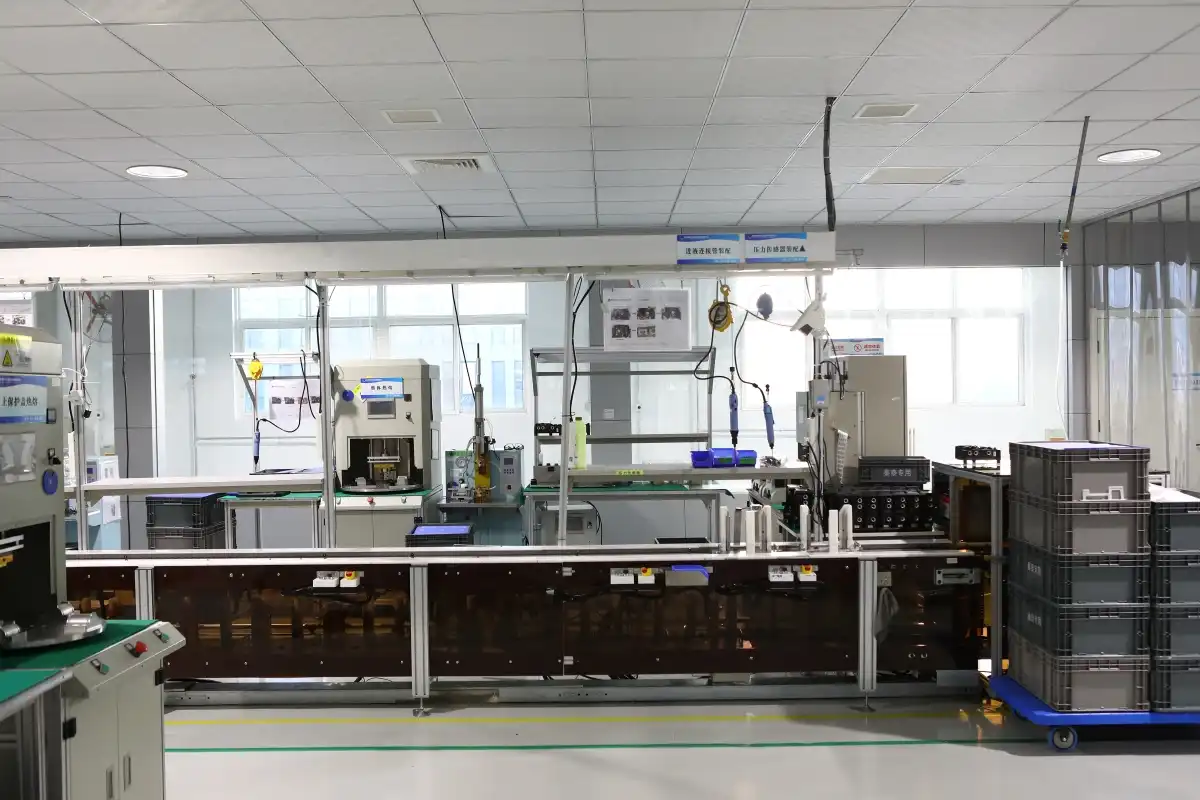
Preventive Maintenance Checklist for SCR Urea Pressure Sensors
Setting up a full repair schedule will protect your investment in emissions control technology and keep it running as long as possible. Systematic care takes into account the special problems that urea's acidic properties and the tough conditions where these SCR urea pressure sensor units work cause.
Routine Visual Inspections and Contamination Control
Visual checks should be done every 500 hours of operation or every three months, whichever comes first. Check for cracks in the sensor case, corrosion in the electrical connections, and urea leaks in the parts around the sensor. The most common reason for early failure is contamination from crystallised urea. Even small amounts can stop the sensing element from working properly, leading to wrong results. To clean, take the sensor off and run it through distilled water at room temperature. Never use high-pressure spray, as that could damage the diaphragms inside. After cleaning, let it dry completely in the air before putting it back in place.
Calibration Procedures and Verification Intervals
Verification of calibration should be done at the same time as your repair plan, which is usually once a year or every 2,000 hours of use. Using precise test tools, this process compares the output of a sensor to a reference pressure source. A lot of new sensors have digital output methods that make it easier to check this through diagnostic tools. If values are more than 3% off from the reference standard, the device needs to be re-calibrated or replaced. Recording the past of tuning helps find patterns that can tell you about end-of-life situations before they happen.
Proper Installation Guidelines to Prevent Premature Failure
Long-term dependability depends on how well the installation was done. Place sensors in the ways that the maker tells you to so that air pockets don't form, which can mess up pressure readings. Specifications for torque are very important. Tightening too much harms sealing surfaces, while loosening too little lets air leak out. Only use thread sealants that have been cleared to work with urea solutions. Regular pipe dope often breaks down in DEF settings. To stand up to engine vibration, electrical cables must be properly secured and have pressure relief. Keep wires away from sources of heat and sharp ends that could wear down insulation over time.
Storage and Handling Best Practices
Protecting sensors from damage in the surroundings while they wait to be installed is important. They should be kept in their original packaging in a cool, dry place between 5°C and 30°C. Avoid putting sensors in direct sunshine or high or low humidity, which can speed up the seal's breakdown. Never handle sensors by their electrical leads or sense ports; always handle them by their housings. Before installing, make sure the package is intact and look at the date of manufacture. Sensors usually have a shelf life of three years from the date of manufacture.
By taking these preventative steps, technical teams can set up a repair routine that they can stick to. Investing in regular care pays off because it cuts down on emergency visits and makes replacement cycles more reliable, which helps with budget planning.
Common Issues and Troubleshooting Techniques for SCR Urea Pressure Sensors
Failure modes and their underlying reasons can be identified more quickly and fixed more effectively when you know about them. Most SCR urea pressure sensor problems are caused by external factors rather than flaws in the way they were made. This means that most of them can be avoided by following the right repair procedures.
Pressure Reading Inconsistencies and Their Causes
Usually, changing pressure levels mean one of three things: air getting into the urea supply line, crystallised deposits partially blocking the line, or diaphragm breakdown inside the machine. Signals aren't always clear because air bubbles and liquid urea don't contract the same way. This problem is fixed by bleeding the supply chain in a planned way. Crystallisation happens when the concentration of DEF goes above 32.5% because water evaporates or when systems are not used for a long time. Partially blocking the flow stops it, which causes pressure spikes that sensors mistake for real data. Internal diaphragm wear generally shows up slowly, causing average readings to drift over time instead of changing quickly.
Signal Errors and Communication Faults
These days, sensors talk to each other using CAN bus standards or analogue voltage outputs. Most of the time, electrical problems, not mechanical ones, cause signal mistakes. When pins in an electrical connection get corroded, they add resistance that changes voltage signals or stops digital communication. Data transfer can be messed up by electromagnetic interference from close parts, especially high-current starter motors. To check the accuracy of the signal, you need troubleshooting tools that can listen in on the real-time conversation between the sensor and the ECU. Most communication problems can be fixed by replacing broken wiring leads and making sure there is proper grounding.
Environmental Stress Factors
Heavy-duty diesel uses put sensors through a lot of stress, changes in temperature, and exhaust condensate that is corrosive. Solder joints and attaching tools break down over time because of vibration. Putting in sensors with bases that reduce shaking or rubber isolators greatly increases their service life. When temperatures change quickly from hot to cold, this is called thermal cycling. It forces materials at different rates of growth. This problem can be lessened by choosing sensors that are rated for temperature ranges used in industry. If mounting sites don't have enough drainage or protected boots, exhaust condensate with sulfuric acid can damage sensor housings.
Systematic Troubleshooting Protocols
Troubleshooting that works follows a reasonable order. Start with tests that won't hurt the system: look for DTCs, watch live data streams, and make sure the power stays on. Do not move on to physical checks until software or wire problems have been ruled out. When you take sensors out to look at them, write down how the covering surfaces, threads, and any visible contamination patterns look. On a test bench, comparing bad sensors to known-good ones helps find out if the problem is with the sensor itself or with parts of the system that support it.
When repair teams know about these common breakdown patterns, they can act quickly and effectively instead of replacing parts one at a time. By knowing this, the average time it takes to fix something goes down, and the whole fleet is more available.
Choosing the Right SCR Urea Pressure Sensor for Your Fleet and Operations
To choose sensors that meet business needs and buying goals, you have to look at a lot of technical and financial factors. The best choice weighs the short-term cost of the option against the long-term need for dependability and support infrastructure. For many operations, the SCR urea pressure sensor technology selected must withstand rigorous environmental demands while maintaining high precision.
Comparing Sensor Technologies
SCR urea pressure sensors use either piezoresistive or thin-film strain gauge methods, and each has its own benefits. Piezoresistive sensors work well in tough settings and situations with a lot of pressure because they work reliably and with little drift. Thin-film sensors are good for standard car uses because they are cheaper and have faster response times and better accuracy. This choice is based on your needs for pressure range, estimated temperature changes, and vibration exposure. Some systems use both pressure sensors and ultrasonic level sensors in the DEF tank to provide additional sense. This is called cross-verification, and it makes diagnostics more accurate.
OEM Versus Aftermarket Considerations
Original equipment maker (OEM) sensors are guaranteed to work with other sensors and usually come with longer warranties. These are two very important things for fleet managers to keep up with emissions regulations. These sensors go through a lot of certification testing with certain types of engines. This makes sure that they work perfectly with factory calibrations. When it comes to older technology that is no longer under warranty, aftermarket options can save you money. But buying teams need to make sure that aftermarket sensors are certified and meet the ISO 22241 standards for DEF system parts. Reliable aftermarket sellers offer thorough compatibility charts and expert help that is on par with what you'd get from the OEM.
Evaluating Supplier Credentials and Support Infrastructure
Supplier selection includes more than just the details of the product. It also includes the whole help environment. Well-known brands have regional distribution networks that make sure new parts are available quickly, so there is less downtime when they break. It's very important that providers have technical support—application experts who know about diesel emissions systems can help with troubleshooting in a huge way.
Certification standards like ISO 9001 and IATF 16949 show that quality management processes are uniform, and approvals specific to an industry show that the processes meet legal requirements. The length of the warranty shows how confident the company is in the product's stability. For example, expensive sensors usually come with three-year warranties, while cheaper ones only have one-year warranties.
Compatibility with Fleet Management Systems
Telematics and platforms for predictive repair are becoming more and more important to modern fleet management. Sensors with digital output standards make it easier to connect to these systems, so you can check on pressure trends from afar and set off automatic alerts. This connection changes maintenance from being reactive to being proactive, planning actions based on the real state of parts instead of random time intervals. Checking to see if sensors support common transmission protocols like SAE J1939 makes sure they can work with the fleet control system that is already in place.
To make smart sensor choices, you need to weigh these technical and business factors against your unique working situation. When procurement managers take the time to do thorough evaluations, they make aftertreatment systems that are more reliable and cost less.
Enhancing SCR System Efficiency through Preventive Maintenance
Preventive maintenance is more than just keeping parts in good shape; it's a smart way to improve the total performance of a system. When businesses adopt this point of view, they see gains in working efficiency, legal compliance, and the overall cost of ownership. Proper monitoring of the SCR urea pressure sensor data is essential for these strategic improvements.
Setting Clear Maintenance Objectives
Maintenance programmes that work well start with measurable goals that are in line with business results. Cutting down on unplanned downtime by 30%, making sensors last up to 5,000 hours, or making sure there are no emissions-related compliance issues at all are all specific goals that help decide how to use resources. These goals should be passed down from the top level to the technical teams. This will create unity across the organisation around maintenance success. Reviewing success against these goals on a regular basis finds ways to keep getting better and supports spending money on advanced diagnostic tools or training programmes.
Incorporating Predictive Analytics and Remote Monitoring
New tools are changing the way upkeep is done from using a calendar to using conditions. Wireless sensor networks send pressure data in real time to cloud platforms, where machine learning algorithms look for trends that don't make sense, which could mean that a failure is about to happen. With this feature, repair teams can step in during set service windows instead of having to go to breakdowns on the side of the road. When it comes to maintenance costs, expert despatch costs have a big effect on the economics of maintenance. This is why remote tracking is so useful for fleets that are spread out or equipment that stays in one place. The information also helps with failure mode analysis, showing if certain working conditions speed up wear and letting operators make changes.
Building a Culture of Continuous Improvement
To achieve long-term success in repair, technicians must be involved and know how their daily work affects the organization's overall goals. This skill is built through structured training programmes that teach both basic information and practical skills for fixing problems. Setting up feedback loops where workers report what they see in the field to engineering teams makes it possible to improve repair processes based on what works in the real world. Maintenance milestones like reaching 10,000 hours of mean time between fails are celebrated through programmes that show appreciation. These programmes reinforce the importance of preventive care.
Measuring Success through Key Performance Indicators
Quantitative measures show that efforts in preventive maintenance are working. Mean time between failures (MTBF) shows how reliable something gets over time. The maintenance cost per working hour shows whether proactive tactics lower overall costs compared to reactive ones. First-time fix rates show how accurate the diagnosis is and how many parts are available. Emissions test pass rates show directly if maintaining sensors helps with following the rules. Keeping an eye on these KPIs makes people responsible and gives you information to back up budget requests for repair resources.
Organizations that elevate preventive maintenance from a technical task to a strategic capability unlock competitive advantages through more reliable equipment and more efficient operations. This transformation requires leadership commitment, appropriate resources, and a culture that values preventative care over reactive firefighting.

SENSOR+TEST, June 9 – 11, 2026
We look forward to your visit,warmly welcome to our booth 1-526!
Get your free ticket online now:
https://www.sensor-test.de/service/ticket/?52790
Conclusion
Maintaining SCR urea pressure sensor regularly is an important part of following emission rules, making sure they work well, and keeping costs down. Systematic checks, following the right cleaning procedures, and regular testing all help sensors last longer while keeping the measurement accuracy that is needed for effective NOx reduction. Knowing about typical failure modes speeds up fixing and lowers the chance of unplanned downtime. A solid basis for long-term success is built by choosing sensors that meet operational needs and working with providers that offer strong technical support. As emission rules get stricter around the world, companies that learn how to do regular maintenance will be able to keep up with the changes while also lowering their total cost of ownership across all of their teams and equipment.
FAQ
Q1: How often should SCR urea pressure sensors be calibrated?
A: Every year or every 2,000 hours of use, whichever comes first, calibration should be checked. Applications that get a lot of use might benefit from being checked more often. If checking shows drift higher than the manufacturer's limits (usually ±3%), the device needs to be recalibrated or replaced. Keeping records of calibrations helps with legal paperwork and figuring out when to replace things.
Q2: What distinguishes pressure sensors from ultrasonic level sensors in SCR systems?
A: Pressure sensors keep an eye on the urea supply pressure between the injector and the pump. This lets closed-loop dose control work. Ultrasonic level sensors check how much DEF is in the tank. Pressure sensors make sure the right amount of fuel is injected, and level sensors keep the tank from running dry. Both types of sensors are used in high-quality systems to keep an eye on everything and make sure everything is okay during tests.
Q3: Does preventive maintenance affect sensor warranty coverage?
A: Preventive maintenance that is properly recorded usually backs up guarantee claims by showing that the manufacturer's suggestions were followed. On the other hand, if you don't do the required maintenance at the right times or clean it the wrong way, your guarantee may not cover it anymore. Always follow the manufacturer's instructions and keep service records to protect your guarantee rights and show that you've followed the rules during checks.
Partner with Qintai for Reliable SCR Urea Pressure Sensor Solutions
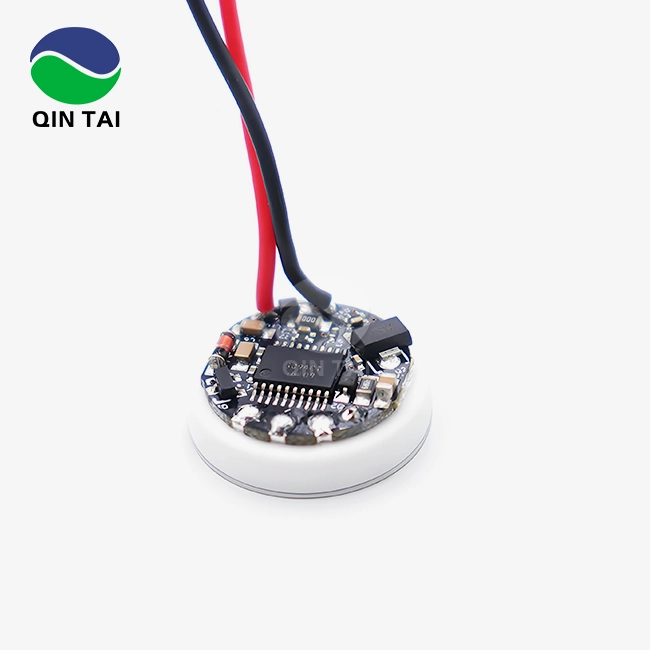
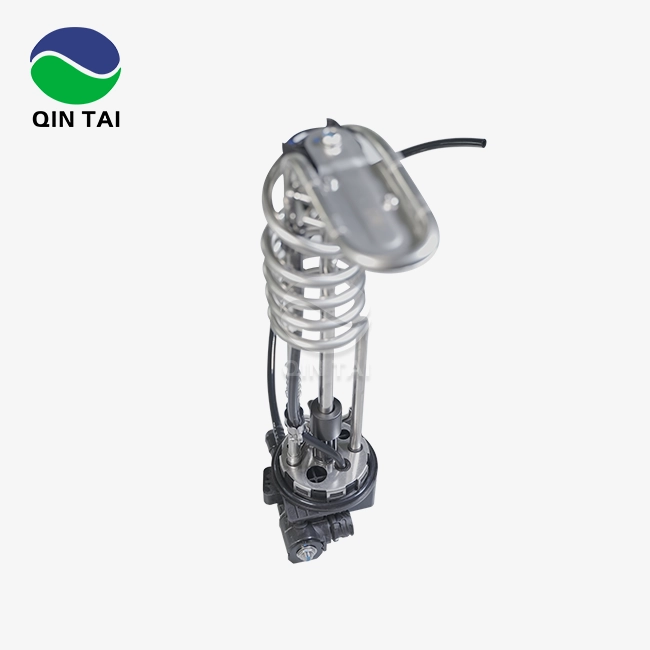
Xi'an Qintai Automotive Emission Technology has a history of being a reliable source of SCR urea pressure sensors that procurement managers should look at. We have been China's top OEM supplier to Weichai Power, Yuchai Power, and Quanchai Power for more than twenty years, so we know a lot about diesel aftertreatment sensors. Quality is always guaranteed by our ISO 9001 and IATF 16949 certifications, and our 58 invention patents show that we are committed to coming up with new ideas all the time.
We provide full OEM and ODM services that can be easily changed to fit your unique technology needs. Our separate research and development team makes sure that every sensor meets strict emission standards, such as those set by the EPA and Euro VI. In addition to making great products, we offer quick shipping and helpful technology support to keep your downtime to a minimum. Get in touch with us at info@qt-sensor.com to talk about how our services as an SCR urea pressure sensor maker can help your fleet meet emissions standards and run more efficiently.
References
1. Johnson, R. & Chen, L. (2022). "Advanced Diagnostics for Selective Catalytic Reduction Systems in Heavy-Duty Diesel Engines." Journal of Automotive Engineering and Technology, 14(3), 187-203.
2. Environmental Protection Agency (2021). Technical Support Document: Selective Catalytic Reduction System Components and Performance Standards. EPA Office of Transportation and Air Quality, Washington, DC.
3. Meyer, T., Anderson, K., & Williams, P. (2023). "Failure Mode Analysis of Urea Dosing Pressure Sensors in Commercial Vehicle Applications." International Journal of Diesel Engine Technology, 29(2), 45-62.
4. Society of Automotive Engineers (2022). SAE J1939 Digital Annex: Diesel Exhaust Fluid System Communications. SAE International Standards, Warrendale, PA.
5. Zhang, H., Schmidt, M., & Patel, A. (2021). "Predictive Maintenance Strategies for SCR Aftertreatment Components Using Machine Learning." Proceedings of the International Conference on Vehicle Electronics and Safety, Berlin, Germany, 312-327.
6. International Organization for Standardization (2020). ISO 22241-4: Diesel Engines - NOx Reduction Agent AUS 32 - Part 4: Refilling Interface. ISO Technical Committee 22, Geneva, Switzerland.

Our customers’ satisfaction speaks for our quality — contact us to experience the same reliable service.