- English
- French
- German
- Portuguese
- Spanish
- Russian
- Japanese
- Korean
- Arabic
- Greek
- German
- Turkish
- Italian
- Danish
- Romanian
- Indonesian
- Czech
- Afrikaans
- Swedish
- Polish
- Basque
- Catalan
- Esperanto
- Hindi
- Lao
- Albanian
- Amharic
- Armenian
- Azerbaijani
- Belarusian
- Bengali
- Bosnian
- Bulgarian
- Cebuano
- Chichewa
- Corsican
- Croatian
- Dutch
- Estonian
- Filipino
- Finnish
- Frisian
- Galician
- Georgian
- Gujarati
- Haitian
- Hausa
- Hawaiian
- Hebrew
- Hmong
- Hungarian
- Icelandic
- Igbo
- Javanese
- Kannada
- Kazakh
- Khmer
- Kurdish
- Kyrgyz
- Latin
- Latvian
- Lithuanian
- Luxembou..
- Macedonian
- Malagasy
- Malay
- Malayalam
- Maltese
- Maori
- Marathi
- Mongolian
- Burmese
- Nepali
- Norwegian
- Pashto
- Persian
- Punjabi
- Serbian
- Sesotho
- Sinhala
- Slovak
- Slovenian
- Somali
- Samoan
- Scots Gaelic
- Shona
- Sindhi
- Sundanese
- Swahili
- Tajik
- Tamil
- Telugu
- Thai
- Ukrainian
- Urdu
- Uzbek
- Vietnamese
- Welsh
- Xhosa
- Yiddish
- Yoruba
- Zulu
Which industries commonly use pressure sensors?
Many different types of industries use pressure sensors to make sure that measurements are accurate, workers are safe, and operations run smoothly. These devices are very important for keeping an eye on fluid and gas pressure levels in many fields, including automobile, heavy machinery, energy creation, oil and gas, and environmental protection. While industrial and farming equipment rely on pressure sensors for hydraulic system tracking, diesel engine makers combine pressure sensors into SCR aftertreatment systems to ensure emissions compliance. These measuring tools are essential for modern business processes because they are reliable and can be used in a lot of different ways.
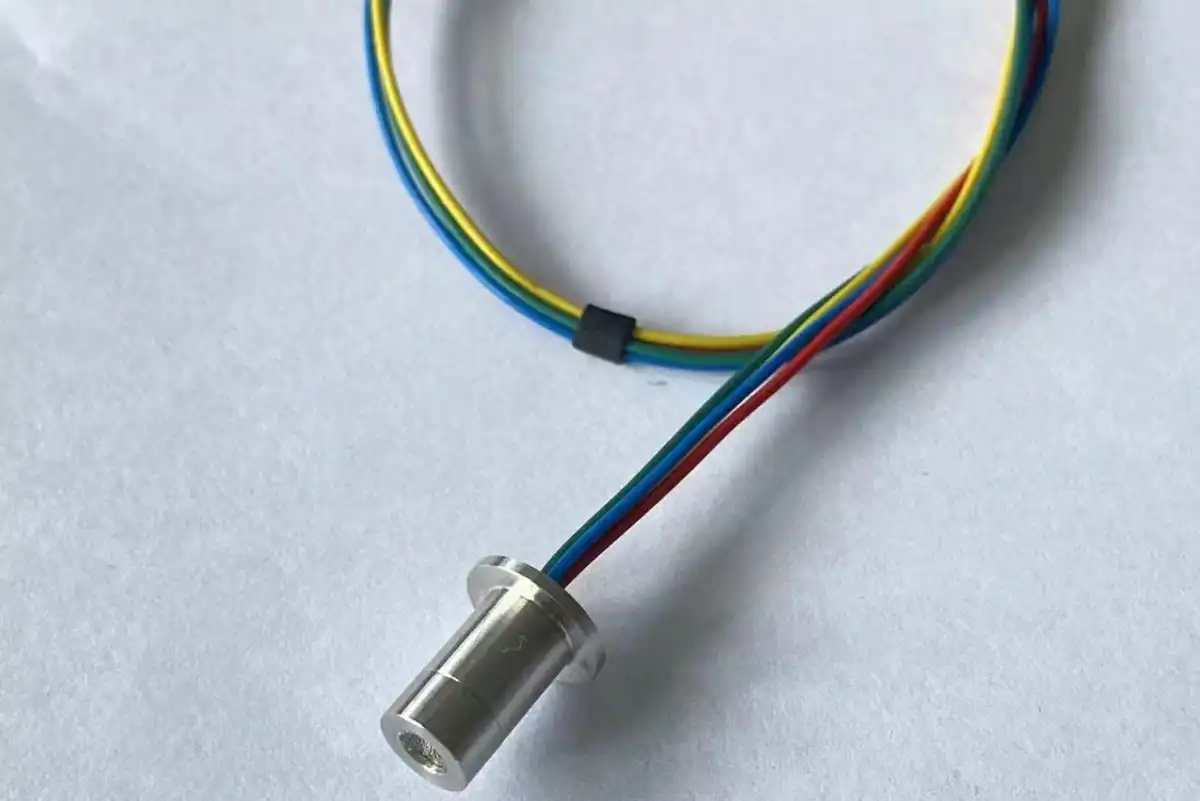
Introducing Pressure Sensors and Their Industrial Relevance
What Are Pressure Sensors and How Do They Work?
A pressure sensor is a machine that turns the force acting on a certain area into electrical data by sensing for it and measuring it. These gadgets are very important for predictive maintenance strategies because they gather real-time information about the state of equipment, which helps maintenance teams see trends of failure before they happen.
Strain gauges are the most common type of pressure sensor technology. These are mechanical parts that grow or contract when the pressure changes. When force is applied, the strain gauge records the changes in shape and converts them into voltage signs. After the electricity is sent out, it is recorded as pressure data in terms like Pascals (Pa) or pounds per square inch (psi). These devices are often linked to Computerized Maintenance Management Systems in modern manufacturing systems. This allows for centralized tracking of whole facilities. This connection lets you get instant alerts when pressure readings go outside of certain limits. This keeps your equipment from breaking and your production from stopping.
Key Technologies Behind Pressure Sensing
Different sensor systems are used in different industries to meet different needs. Piezoresistive sensors use semiconductors that change their electrical resistance when they are put under mechanical force. This makes them very sensitive and accurate for measuring changes in pressure. Capacitive pressure sensors have a ceramic diaphragm that changes shape when pressure is put on it. This diaphragm acts as an electrode, and a fixed electrode acts as a capacitor. The capacitance between the sensors changes when the shape of the diaphragm changes. This creates signs that can be measured and are related to the pressure that is being applied. This technology works great in situations where long-term steadiness and resistance to electromagnetic interference are important.
Within their rated ranges, hydraulic pressure sensors can only pick up changes in pressure in liquid systems. These gadgets have sensors that measure the pressure of hydraulic fluid, transduction mechanisms that turn mechanical force into electrical signals, and signal conditioning hardware that sorts and styles output for controllers or display systems. Knowing about these changes in technology helps procurement managers and R&D engineers choose the best options for their operations.
Distinguishing Pressure Sensors, Transducers, and Transmitters
In business settings, these terms have different meanings even though they are often used equally. Changes in physical pressure are picked up by sensors, which send out basic signs. Transducers change these messages from one type of energy to another, most of the time from mechanical to electricity. To make things even better, transmitters prepare, boost, and standardize signals so they can be sent over long distances to control systems. They do this by using standard outputs like 4-20 mA current loops. By making these differences clear, technical teams can choose devices that work with their system design and communication methods.
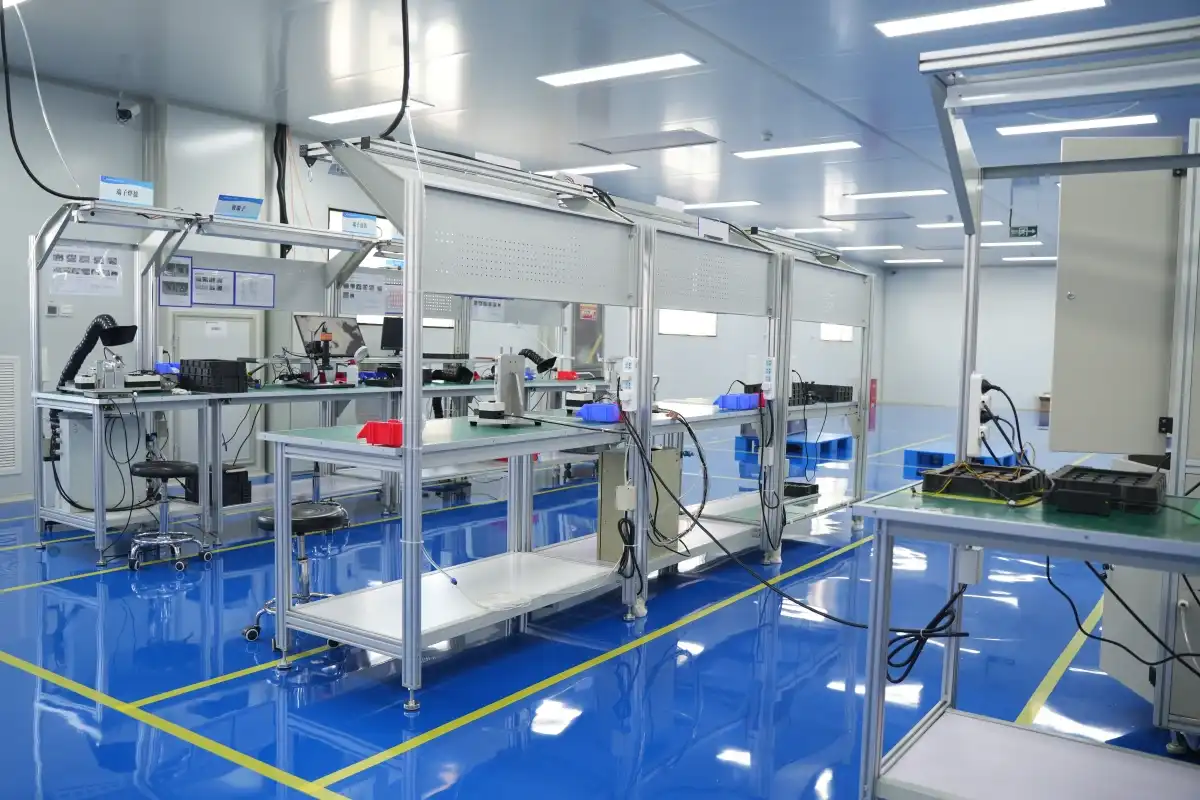
Top Industries That Commonly Use Pressure Sensors
Automotive and Heavy Truck Manufacturing
The car industry is one of the biggest users of technology that measures pressure. These tools are needed by diesel engine makers to check fuel injection systems, turbochargers, and exhaust gas recirculation. In order to make sure that pollution standards are met, pressure sensors built into SCR aftertreatment systems check the difference in pressure across diesel particulate filters. This makes sure that the right regeneration processes happen and that China VI and Euro VI standards are met.
For heavy truck uses, sensors need to be able to handle big changes in temperature, pressure, and exhaust gases that are bad for electronics. OEM providers that work with names like Weichai Power and Yuchai Power must make sure that their gadgets last a long time and keep working well after millions of cycles. Tire pressure tracking systems also use special sensors that send data wirelessly. Regularly checking and adjusting the tires' air pressure can make your car safer and save you money on gas.
Construction and Agricultural Machinery
A lot of construction and farming equipment depends on hydraulic systems. Measuring pressure correctly is important for making sure the systems work safely and efficiently. Multiple sensors are used in the hydraulic circuits of excavators, bulldozers, and loaders to keep the systems from overheating and damaging expensive parts. For these uses, you need strong gadgets that can handle shocks, dust, and a wide range of temperatures.
Precision farming systems use pressure sensors and hydraulic actuators to control planting depth, fertilizer application rates, and reaping methods. These systems are made by companies that make agricultural tools. In the aftermarket, sensors that are cost-effective, easy to install, and work with a wide range of equipment types are highly valued. To keep downtime to a minimum during busy holiday times, repair shops and parts providers look for devices with low failure rates and full after-sales support.
Generator Sets and Power Generation
Manufacturers of generator sets for mines, power plants, and backup power rely on pressure sensors to protect the engines and keep an eye on how well they're working. These devices keep an eye on the pressure of the lubricating oil, the coolant, and the fuel system. If they detect signs of possible breakdowns, they shut down the engine automatically. Industrial-grade dependability is necessary in remote sites where it's hard to do upkeep.
Power creation settings have their own problems, like having to work continuously under load, being exposed to high temperatures, and having strict uptime requirements. Sensors used in these situations need to be very durable and work reliably over a long period of time. This is usually proven by long-term testing in the field. When project sourcing teams look at suppliers, they look at things like recorded lifespan data, environmental adaptability certifications, and brand support from well-known companies in the industry.
Oil and Gas Exploration and Processing
The oil and gas industry needs special pressure measuring systems that can work in dangerous places where explosions are possible. For these uses, sensors with Ex approvals, fundamentally safe designs, and materials that don't react with fuels that are corrosive are used. For tracking downhole pressure during drilling, you need equipment that can handle temperatures above 150°C and pressures over 15,000 psi.
A lot of sensors are used in refineries and processing plants to keep an eye on pressures in the distillation columns, pipe systems, and safety release circuits. The real-time data from these gadgets lets the process be improved while keeping dangerous overpressure situations from happening. Digital pressure transmitters that work with industrial communication standards like HART and Profibus make it easier to keep an eye on everything from one place and plan ahead for repair needs.
HVAC Systems and Building Automation
Heating, ventilation, and air conditioning systems use pressure sensors to control the flow of air, check the state of filters, and keep the system balanced. Digital pressure sensors that talk over BACnet or Modbus protocols are used by building automation platforms. Demand-controlled airflow makes this possible, which saves energy. For these uses, sensors that use little power, take up little space, and stay calibrated over time are preferred.
Differential pressure sensing across air filters is helpful for commercial HVAC systems because it sends repair alerts before a lack of airflow hurts system performance. In pharmaceutical and chip manufacturing, cleanrooms need very accurate pressure control that is kept up by networks of precise sensors. This keeps contamination from happening.
Environmental Protection and Emission Control
Environmental protection equipment companies that are working on ways to treat industrial exhaust gases need sensors that can accurately identify these gases and work well with other systems. Integrators of SCR and DPF systems need devices with flexible interfaces that can work with a variety of engine platforms and quick technical help during the solution creation stages.
In pollution control systems, pressure difference sensors check how much of the catalyst substrate is loaded. This helps figure out when the best time is to regenerate particulate filters. Solution engineers who are looking at sensor providers put a high value on the quality of the technical documentation, the experience of the project execution team, and quick after-sales service that makes setting up the system and fixing problems go more smoothly.
Selecting the Right Pressure Sensor for Your Industry Needs
Performance Criteria and Specifications
To choose the right pressure measuring tools, you have to compare a number of performance factors with the needs of the application. Specifications for accuracy usually fall between ±0.5% and ±0.05% of full-scale output, with tighter limits costing more. When choosing components, R&D engineers have to weigh the need for accuracy against the need to stay within budget.
Response time is very important in dynamic applications like engine control systems, where measurements need to be updated every millisecond. Temperature compensation makes sure that results are accurate across all working ranges. This is especially important for outdoor equipment that is exposed to changing weather throughout the year. When choosing a pressure range, it's important to think about short-term spikes that are higher than regular working conditions. This way, you can make sure that the sensor doesn't get damaged.
Technology Comparison and Application Matching
Piezoresistive sensors have great dynamic response properties that make them useful for tracking combustion and fuel injection in cars. There is a wide bandwidth and a high sensitivity on these devices, but they might need temperature adjustment circuits. Capacitive ceramic sensors are very stable over time and don't get affected by electromagnetic fields. This makes them perfect for controlling industrial processes and keeping an eye on the environment, where measurement drift needs to be kept to a minimum for years on end.
When it comes to high-volume OEM uses, thin-film technology is a cost-effective option. On the other hand, single-crystal silicon sensors provide the best performance for very precise needs. When purchasing managers look at different sensor technologies, they should ask for comparison data that is collected in a way that is similar to their application setting. This data should include temperature changing, vibration profiles, and media compatibility.
Evaluating Suppliers and Supply Chain Considerations
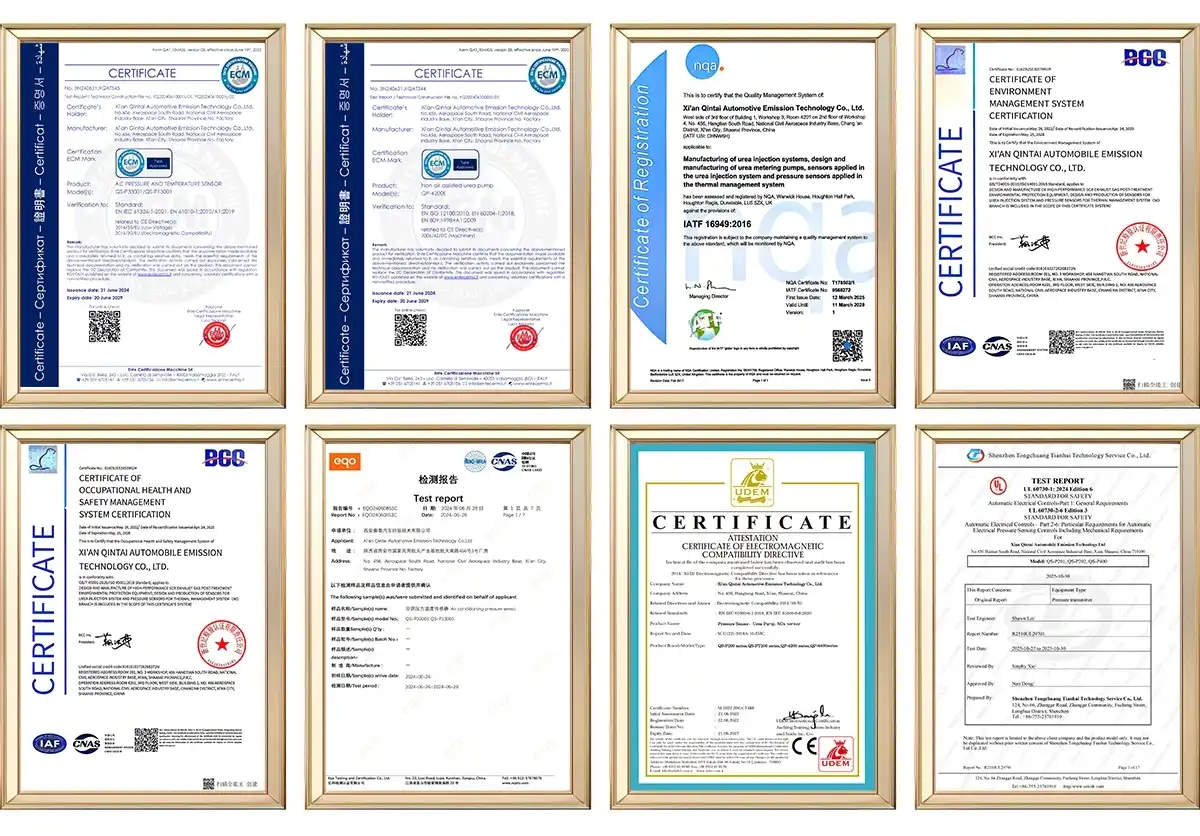
The criteria used to choose a supplier go beyond the specs of the parts. They also look at the supplier's certifications, production capabilities, and possibilities for long-term partnerships. IATF 16949 certification means that the quality system meets car standards, while ISO 9001 approval means that the manufacturing process is generally good. For setups in dangerous places, you need explosion-proof certifications like ATEX, IECEx, or Ex approval.
When evaluating manufacturing capacity, it is important to make sure that providers can handle large amounts of production while maintaining quality and on-time delivery. Supply chain managers can learn a lot from looking at how sellers handle their inventory, how consistent their lead times are, and how willing they are to meet urgent needs. Premium suppliers are different from basic suppliers because they offer technical support services like application engineering help, custom parameter programming, and quick prototype development. It is possible to find concrete proof of excellent manufacturing by looking at source quality data like parts-per-million defect rates and field failure figures.

SENSOR+TEST, June 9 – 11, 2026
We look forward to your visit,warmly welcome to our booth 1-526!
Get your free ticket online now:
https://www.sensor-test.de/service/ticket/?52790
Case Studies: Pressure Sensor Applications Across Industries
Diesel Engine Emission Control Optimization
A major Chinese heavy truck maker worked with a company that makes SCR aftertreatment systems to create a solution that meets China VI standards and needed very accurate differential pressure sensors across the diesel particulate filter. For this job, the sensors had to be able to work nonstop at exhaust temperatures of up to 650°C and still be accurate within ±2% over a measurement range of 0–10 kPa.
The chosen piezoresistive sensors had electronics that could handle high temperatures and ceramic pressure ports that wouldn't rust in exhaust gas. Integration with the engine control unit made it possible to change the regeneration approach in real time based on how much soot was actually there instead of using estimate methods. Field tests over 50,000 km showed that 99.7% of the sensors worked correctly and that regeneration efficiency was 15% higher than with time-based methods. This meant that less fuel was used and the filters lasted longer. This approach proved how important it is to have expert help from the seller during the steps of system calibration and parameter optimization.
Hydraulic System Monitoring in Construction Equipment
A building equipment maker had problems with their hydraulic pumps breaking down often because they weren't keeping an eye on the pressure in their excavators closely enough. Analysis showed that sudden rises in pressure during fast movements of the actuators went beyond the design limits of the pump but happened too quickly for workers to notice by looking at the gauge.
By using fast-response pressure sensors with sampling rates of 1 kHz, electronic control systems were able to pick up on these short-lived events and instantly start the pressure relief procedures. The sensors were built to withstand the harsh vibrations and shocks that come with operating a tracked car. After the system was put in place, guarantee claims for hydraulic problems dropped by 73% during the first year of production, showing a clear return on investment. After that, the maker made these sensors the same for all of their products and set up a long-term supply deal that stressed consistent quality and working together technically.
Generator Set Reliability Enhancement
A company that makes power generation tools for rural mining operations needed sensors that could measure the pressure of lubricating oil in temperatures ranging from -40°C to +85°C with little calibration drift. In the past, some sensor choices lost their accuracy in very cold temperatures, which led to fake alarms that made operators less confident in the tracking system.
Capacitive pressure sensors with digital compensation methods stayed accurate to within 0.5% across the whole temperature range, so they didn't need to be re-calibrated by hand. The 4-20 mA analog output worked perfectly with control screens that were already in place for the generator. Over the course of three years, temperature variations caused no problems at all with the 200 generator sets that were put into use in Arctic mining sites. Because of this record of dependability, the manufacturer was able to increase the time between service visits and lower the cost of upkeep, which made them more competitive in harsh environment uses.
HVAC Energy Efficiency Through Intelligent Monitoring
A company that works with building automation made an energy management system that uses differential pressure sensing across HVAC air handling units to find the best ventilation rates based on real occupancy and filter conditions instead of set plans. For the purpose, low-cost sensors that could be used in hundreds of units per building were needed.
Digital pressure sensors with built-in microprocessors gave the area intelligence by sending information about the state of the filters and the flow of air to the main building control system using the BACnet protocol. Through demand-controlled ventilation techniques, installations in business office buildings cut HVAC energy use by 22% while keeping indoor air quality standards high. The sensors' ability to stay calibrated for five years meant that they didn't need to be maintained regularly. This cut down on costs over their entire life and helped building owners meet their sustainability goals.
Conclusion
Pressure sensors are important parts of many different types of industries because they allow for emission control, process optimization, safety guarantee, and planned repair. When procurement managers and technical teams know about the organizational principles, technology choices, and application-specific needs, they can make better selection decisions that improve the performance and stability of equipment. The automotive, building tools, power generation, oil and gas, and environmental protection industries all have their own problems that need custom sensor solutions that balance accuracy, durability, and cost-effectiveness. Partnering with experienced providers who have a track record of success, full certifications, and quick technical help is the best way to make sure that implementation goes smoothly and operations run smoothly for a long time.
FAQ
Q1: What differentiates pressure sensors from pressure transducers in practical applications?
A: Pressure sensors pick up changes in pressure and send out basic electrical signals. Transducers, on the other hand, change mechanical pressure into standard electrical signals that can be used by measurement systems. When buying things for industry, transducers usually come with signal processing hardware that makes the outputs louder and compatible with control systems.
Q2: How often should industrial pressure sensors be calibrated?
A: How often you have to calibrate relies on how important the application is, how it is used, and any rules or regulations that apply. For approval purposes, emission control applications usually need to be calibrated once a year. On the other hand, non-critical tracking functions can usually work well for two to three years without being calibrated. Sensors exposed to extreme temperatures, corrosive media, or mechanical shock require more frequent verification.
Q3: Which sensor technology performs best in harsh industrial environments?
A: All-welded stainless steel piezoresistive sensors are very durable against vibration, shock, and sudden changes in pressure that happen in heavy machinery and mobile equipment. For use in the process industry with corrosive fluids, capacitive ceramic sensors offer better chemical protection and long-term stability. When temperatures are very high, above 200°C, they usually need special high-temperature electronics or remote-mounted designs that keep sensitive parts from being exposed to the heat.
Partner with Qintai for Reliable Pressure Sensor Solutions
Qintai Automotive Emission Technology Co., Ltd. has more than 20 years of experience designing and making pressure sensors for tough industrial uses. We know how important it is for big trucks, construction equipment, farming machinery, and generator sets to work well because we are the main OEM pressure sensor source for China's top diesel engine makers, such as Weichai Power, Yuchai Power, and Quanchai Power.
Our factories are ISO 9001, IATF 16949, and Ex-certified, which means they make sensors that meet strict emission standards and give buying managers and R&D engineers the stability, uniformity, and mass production capacity they need. Because we can customize so much, we can change the sensor inputs, pressure ranges, and output protocols to fit your system's design. During the connection phase, our technical support team responds quickly to make sure that everything works well with your aftertreatment systems and control platforms.
To talk about your application needs and get detailed datasheets, email our research team at info@qt-sensor. We offer evaluation units as samples and reasonable prices for large orders of pressure sensors. Our reliable supply, quality assurance, and commitment to partnership will help you reach your buying goals. You can look at our whole line of sensors at qt-sensor.com and learn why global makers trust Qintai for their most important measurement needs.
References
1. Industrial Pressure Sensor Technology and Applications, Society of Automotive Engineers International, 2022.
2. Emission Control Systems for Diesel Engines: Sensors and Measurement Strategies, SAE Technical Paper Series, 2021.
3. Hydraulic System Design and Pressure Monitoring Best Practices, International Fluid Power Society, 2023.
4. Building Automation and HVAC Sensor Integration Standards, ASHRAE Technical Guidelines, 2022.
5. Harsh Environment Sensor Selection Criteria for Oil and Gas Applications, Instrumentation, Systems, and Automation Society, 2021.
6. Predictive Maintenance Strategies Using Industrial Pressure Sensing Networks, IEEE Industrial Electronics Journal, 2023.

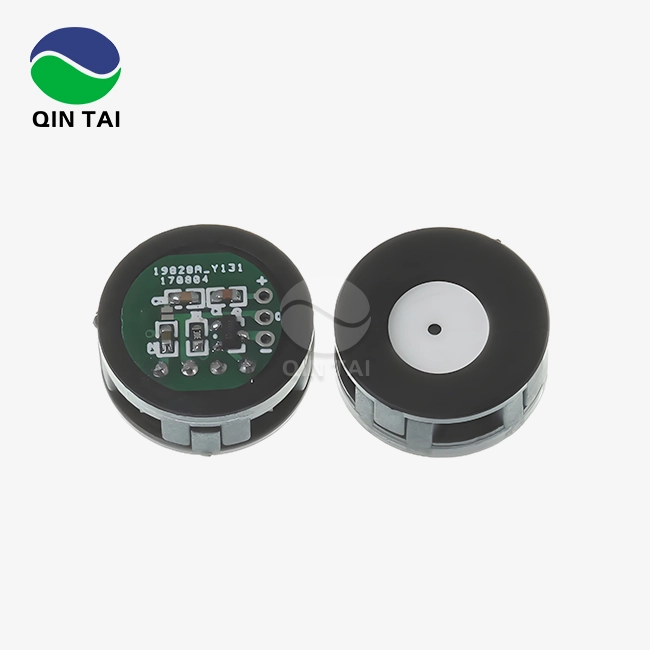
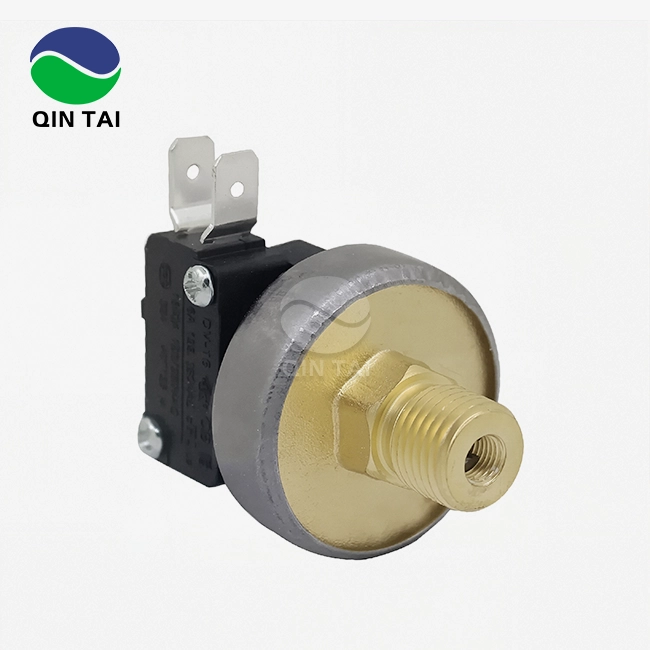
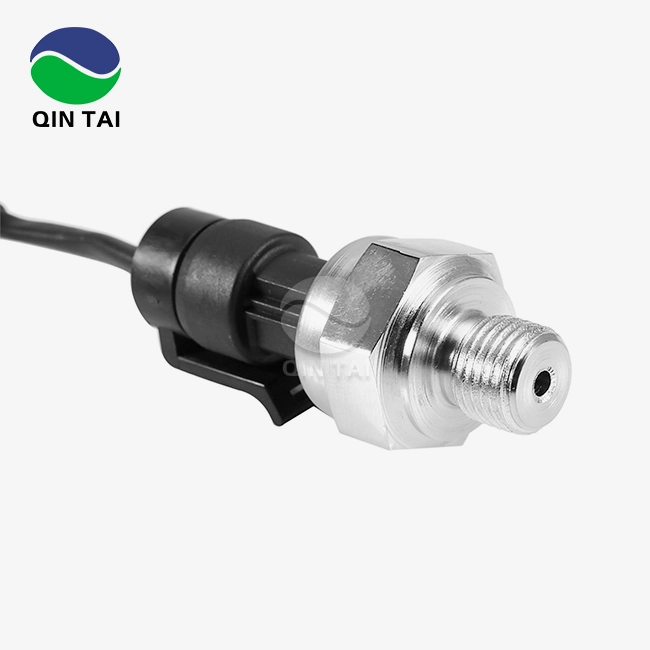

Our customers’ satisfaction speaks for our quality — contact us to experience the same reliable service.