- English
- French
- German
- Portuguese
- Spanish
- Russian
- Japanese
- Korean
- Arabic
- Greek
- German
- Turkish
- Italian
- Danish
- Romanian
- Indonesian
- Czech
- Afrikaans
- Swedish
- Polish
- Basque
- Catalan
- Esperanto
- Hindi
- Lao
- Albanian
- Amharic
- Armenian
- Azerbaijani
- Belarusian
- Bengali
- Bosnian
- Bulgarian
- Cebuano
- Chichewa
- Corsican
- Croatian
- Dutch
- Estonian
- Filipino
- Finnish
- Frisian
- Galician
- Georgian
- Gujarati
- Haitian
- Hausa
- Hawaiian
- Hebrew
- Hmong
- Hungarian
- Icelandic
- Igbo
- Javanese
- Kannada
- Kazakh
- Khmer
- Kurdish
- Kyrgyz
- Latin
- Latvian
- Lithuanian
- Luxembou..
- Macedonian
- Malagasy
- Malay
- Malayalam
- Maltese
- Maori
- Marathi
- Mongolian
- Burmese
- Nepali
- Norwegian
- Pashto
- Persian
- Punjabi
- Serbian
- Sesotho
- Sinhala
- Slovak
- Slovenian
- Somali
- Samoan
- Scots Gaelic
- Shona
- Sindhi
- Sundanese
- Swahili
- Tajik
- Tamil
- Telugu
- Thai
- Ukrainian
- Urdu
- Uzbek
- Vietnamese
- Welsh
- Xhosa
- Yiddish
- Yoruba
- Zulu
How often should a pressure sensor be calibrated?
In industrial settings, the tuning of pressure sensor units has a direct effect on how well they work and how well they follow the rules. Depending on the type of sensor, how much it is exposed to the environment, and the accuracy requirements, calibration times are usually between three months and a year. At Qintai, we've seen purchasing managers struggle with this balance: if they calibrate too often, maintenance costs go up for no reason, and if they calibrate too little, measurement drift weakens emission control systems, which could lead to expensive violations of regulations and equipment failures.
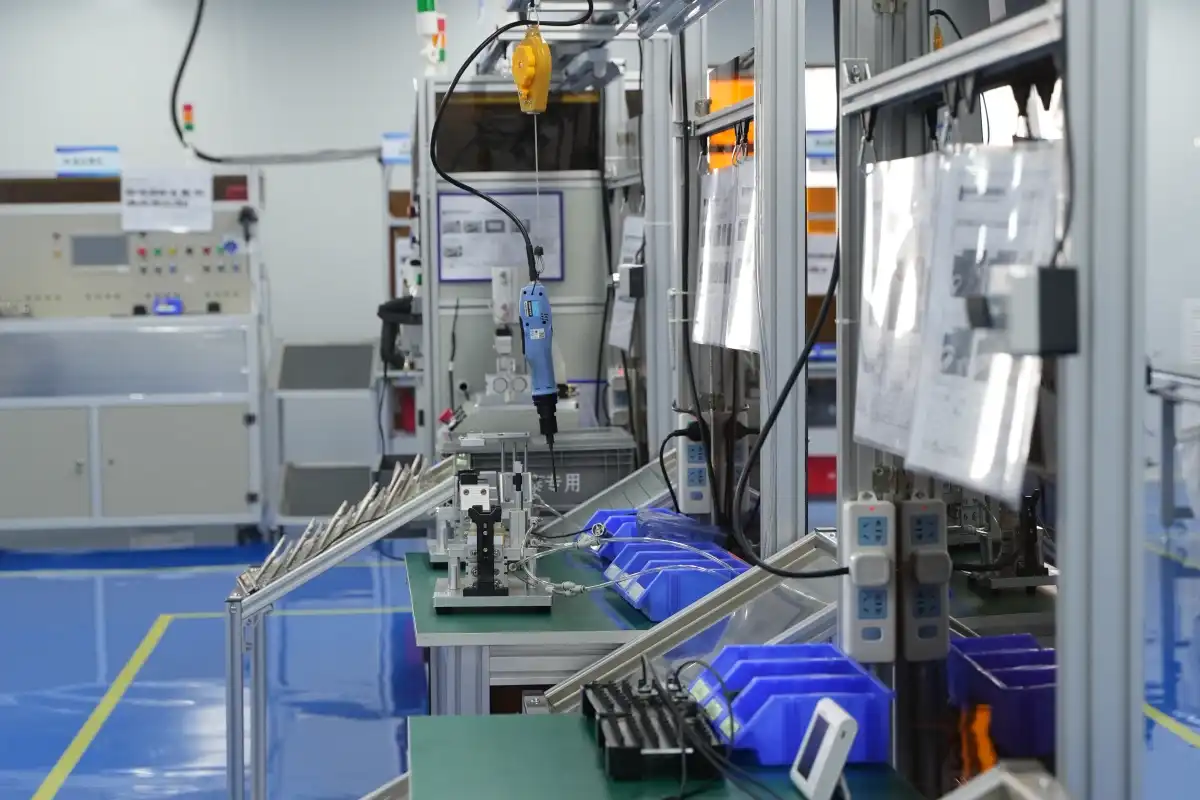
Introducing Pressure Sensor Calibration
What Pressure Sensor Calibration Actually Means?
Calibration checks that the electrical output of a pressure sensor properly matches the pressure input. Calibration is different from basic functional testing, which just checks that a sensor reacts to changes in pressure. Calibration compares sensor data to traceable reference standards and keeps track of any differences. This process makes documents that say the measurements are accurate within certain limits, which are usually given as a percentage of the full-scale output or in pressure units like psi or kPa.
Why Calibration Differs from Testing and Verification?
Testing only checks to see if a device works, while verification makes sure that a sensor meets its original requirements without any changes. As part of calibration, sensor output is changed when numbers are too low or too high, and both the as-found and as-left conditions are recorded. This difference is very important when looking at how well sensors work over time and figuring out when they will need repair.
The Connection Between Calibration and System Reliability
In pollution control uses, measurement accuracy has a direct effect on how well the system works. When exhaust pressure sensors in diesel particulate filters move outside of what is expected, they send wrong regeneration time signals to the engine control unit. This means that the soot doesn't burn off completely, the engine uses more fuel, and the DPF could get damaged. By finding drift before it affects practical parameters, regular calibration stops these kinds of failures from starting a chain reaction. When we work with heavy truck makers, we've seen that following calibration plans cuts warranty claims for aftertreatment system failures by about 30 to 40 percent compared to reactive maintenance methods.

Factors Influencing Calibration Frequency
Sensor Technology and Inherent Stability
Different sensing systems have different levels of steadiness, which directly affects how long between calibrations you need to do. When they are used normally, piezoresistive pressure sensor models, which are often found in diesel engines, need to be calibrated every six to twelve months. Silicon diaphragms can change resistance, which is used to measure pressure. These diaphragms can move slightly over time due to mechanical stress.
Because they use non-contact measurement principles, capacitive pressure sensors, such as ceramic capacitive types, are more stable over time. As the ceramic diaphragm bends under pressure, the capacitance between the wires changes. This keeps the mechanical wear to a minimum. Most of the time, these sensors stay accurate for 12 to 24 months in safe settings before they need to be calibrated again. When used in building equipment, hydraulic pressure sensors have to work in harsh conditions with the possibility of contamination and high temperatures. To make sure they work properly, they often need to be calibrated every three months.
Environmental Conditions and Accelerated Drift
Operating surroundings has a big effect on how stable sensors are. Extreme temperature shifting happens a lot in generator sets and farm equipment. It causes thermal expansion and contraction, which moves zero points and span values over time. Heavy trucks and building tools that are vibrated cause mechanical stress that speeds up the wear and tear on sensing elements. Industrial pollution treatment systems can damage electrical connections and sensor surfaces with corrosive gases and high humidity.
Our manufacturing data from sensors used in mine generators shows that devices that are constantly above 80°C need to be calibrated 40–50% less often than the same sensors that are used in climate-controlled settings. When setting up repair plans and figuring out lifecycle costs, procurement teams should take these environmental multipliers into account.
Application-Specific Accuracy Requirements
In emission-critical uses, tighter limits and more frequent calibration are needed to meet regulatory requirements. To make sure that SCR dosing and DPF recycling are done correctly, China VI and Euro VI guidelines say that measurements of exhaust pressure must be accurate to within ±2% of the reading across the operating range. For these uses, calibration is usually needed every 6 to 12 months, along with proof tests in between.
Backup power systems and non-critical tracking uses, on the other hand, can handle ±5% accuracy, with calibration intervals of 18 to 24 months. Figuring out where your app fits on this range helps you balance the need to be compliant with support funds. Instead of using one-size-fits-all methods, we work closely with R&D engineers to make sure that sensor specs and calibration processes are tailored to the specific needs of the job.

Recommended Calibration Intervals and Best Practices
Industry Standard Calibration Schedules
As a general rule, most workplace standards say that testing should be done once a year. But some industries make their own rules based on practical risk and the rules that apply to them. In the vehicle aftertreatment business, a pressure sensor that controls emissions is usually replaced every 6 to 12 months. For non-safety systems in HVAC systems, the time between replacements is usually 12 to 18 months.
ISO 9001 and IATF 16949 quality management systems need to have recorded calibration times that are based on risk assessment, usage habits, and past performance data. At Qintai, we got these approvals by putting in place strict calibration tracking that shows our dedication to measurement transparency. To make sure that products always work the same, procurement managers should check that sensor providers follow the same quality standards.
Building An Effective Calibration Management System
Scheduled times and condition-based triggers work well together in testing programmes. Sensor installation times, working hours, environmental exposure, and performance trends should all be monitored by digital tracking systems. When sensors are getting close to their calibration dates or show strange drift patterns while they're working, automated alerts let maintenance workers know right away so that accuracy loss doesn't hurt system performance.
Modern CMMS platforms combine streams of sensor data with calibration dates, which lets repair plans be planned ahead of time. These systems look at old calibration records to find sensors that tend to move more quickly. This lets buying teams figure out which ones need to be replaced with ones that are more stable. At Qintai, we help our customers by giving them full drift characterisation data from our testing methods. This helps maintenance teams set the best calibration intervals for their unique operational profiles.
Cost-Benefit Analysis of Calibration Frequency
Calibration strikes a balance between the costs of failure risk and the costs of measurement certainty. More regular calibration costs more in terms of labour and equipment, but it lowers the chance of operation that isn't up to standard, which could lead to safety incidents, regulatory violations, or product flaws. We suggest that you figure out the total cost effect by comparing the costs of calibration to the costs of failure, weighted by how likely they are to happen.
An SCR system programmer who is in charge of 500 pressure sensors across various projects might pay a third party $50 to $75 per sensor every year for calibration, which adds up to $25,000 to $37,500 per year. Increasing gaps to 18 months lowers annual costs by about one-third, but it also raises the chance of drift. If just 2% to 3% of sensors move outside of what is allowed before being picked up, it could easily cost more to fix the system or make sure that emissions rules are followed than was saved by the calibration. This study helps technical managers show that they have set aside enough money for calibration to the buying department and the boss.

SENSOR+TEST, June 9 – 11, 2026
We look forward to your visit,warmly welcome to our booth 1-526!
Get your free ticket online now:
https://www.sensor-test.de/service/ticket/?52790
How to Perform Pressure Sensor Calibration?
Step-by-Step Calibration Process
The first step in calibration is to visually check and clean the sensing holes to make sure they stay clear. The pressure sensor is connected to calibration tools that can measure the electrical output signal and apply exact, known pressures across the device's measurement range. Technicians usually test five places, from 0 to full scale, and write down the applied standard pressure and the sensor output at each one.
Results comparison against the sensor's paper specs reveals whether performance remains within tolerance. When differences are too high, techs either fix the sensor if it's possible because of how it was built, or they mark it as broken so that it can be replaced. Final confirmation shows that the sensor is now back within the acceptable range after the changes. During the whole process, approval paperwork is made that can be linked to national or foreign measurement standards.
Essential Equipment and Facility Requirements
For calibration to be accurate, the reference standards must be at least three to four times more accurate than the sensors being measured. By using precisely known masses to create reference pressure, deadweight tests offer great accuracy for moderate-pressure uses. Electronic pressure calibrators work faster and can store data, which makes them useful for calibration programmes that need to do a lot of readings.
Temperature-controlled areas stop thermal effects that might cause mistakes in measurements during testing. When you connect gas or hydraulic parts correctly, you can avoid leaks that could throw off pressure readings. Companies that do their own testing have to pay to keep their reference equipment in good shape and get it certified on a regular basis. This can add up to big infrastructure costs that smaller businesses may not be able to afford.
In-House Versus Outsourced Calibration Services
Large OEMs with their own measurement teams often do their own internal testing to keep a closer eye on quality and schedules. For high-volume operations, this method requires spending money on testing tools, trained staff, and the building's infrastructure, but it gets rid of shipping delays and the costs of using outside services.
Accredited labs are usually hired by aftermarket providers, repair shops, and smaller operators to do the calibration. This method lets you use high-tech tools and qualified experts without spending a lot of money, but it causes delays in shipping and charges extra for each unit. We suggest a mix of methods, where important or high-volume sensors are calibrated in-house and specialised or low-volume devices are calibrated by outside services.
Interpreting Calibration Results and Certificates
Calibration papers show both the "as-found" and "as-left" conditions. They show if sensors stayed within the parameters set before they were adjusted and prove that they meet the parameters set after calibration. The as-found data shows important trends: sensors that are regularly found close to their tolerance limits indicate that they are about to fail or that the application conditions are not right.
When evaluating sensor suppliers and models, procurement managers should look at the history of calibration. Products that need to be adjusted often or show increasing drift patterns are signs of problems with the design or the quality. On the other hand, sensors that are consistently well within their specifications during calibration can be checked more often or at longer times. When deciding whether to make something or buy it, these patterns help, as do talks with suppliers about long-term relationships.
Optimizing Pressure Sensor Selection for Reduced Calibration Needs
Technology Selection Based on Stability Requirements
Long-term steadiness and tuning needs are largely determined by the type of pressure sensor used. We suggest that when considering choices for pollution control uses, you look at the total lifetime costs instead of just the original purchase price. Capacitive ceramic sensors usually cost 15–25% more than piezoresistive options, but they are much more stable over time, which could cut the number of times they need to be calibrated by 30–50%.
The investment pays off, especially in hard-to-reach places where calibrating equipment involves taking it apart or taking it down for a while. Generator set makers who put sensors in sealed cases get a lot of benefits from longer calibration times that keep service interruptions to a minimum. Our ceramic capacitive pressure sensors are very stable and don't get dirty easily, which makes them perfect for exhaust system uses that need to be very reliable.
Advanced Features That Extend Calibration Intervals
Modern digital sensors have built-in self-diagnostic features that keep an eye on performance factors and let users know when accuracy starts to slip before it gets too far off. Temperature compensation programmes change data to take temperature effects into account. This cuts down on a major source of measurement mistake. Some more complex models have built-in reference parts that let them be checked automatically without any extra hardware.
With wireless pressure sensors that can be monitored from afar, you can keep an eye on performance and look at trends without having to physically access the sensor. These features are especially useful in mines and power generation, where sensors need to work in dangerous or hard-to-reach places. Although these high-tech devices are more expensive, the longer stability and fewer maintenance access needs often make them a better overall value for demanding uses.
Custom-Engineered Solutions for Specific Environments
Standard catalogue sensors are made to work in a lot of different situations, which means they can't always give you the best performance. Custom sensors made to fit your exact pressure range, temperature profile, and exposure to the world can make things much more stable and increase the time between calibrations. Our independent research and development team at Qintai works with customers to make sure that the materials used for sensing elements, the shapes of housings, and the signal conditioning are all perfect for their needs.
This ability to customise helps OEM diesel engine makers who want to cut costs across all production levels the most. By making sensors that are perfectly matched to the exhaust pressure ranges and heat profiles of certain engine families, we've helped users increase the time between calibrations from 6 months to 12 months while also making measurements more accurate. The investment in development pays for itself quickly over the normal production rates in the heavy truck and building machinery markets.
Procurement Strategies for Maximizing Sensor Performance
By forming long-term relationships with sensor providers, you can work together to improve performance in ways that go beyond simple purchases. One of the biggest OEM suppliers in China for diesel engine sensors, Qintai has strong supply relationships with Weichai Power, Yuchai Power, and Quanchai Power. This gives them a lot of experience working with different types of applications. Our 58 invention patents show that we are always coming up with new ideas to make things more stable and lower costs.
When procurement managers look at possible sources, they should check how well they can provide technical help, how easily they can make changes, and how consistently their products are made. Getting ISO 9001 and IATF 16949 certifications means that you have a method for managing quality that makes sure your products always work well. Our CMC, Ex, UL, CE, REACH, and RoHS certifications let us sell compatible goods all over the world and keep up the technical communication needed for constant growth.
Mass production capacity determines whether sellers can meet your needs while keeping quality. We put money into production facilities and supply chain management so that we can safely support both OEM programmes that are already in place and aftermarket distribution networks that are growing. We can be a true partner instead of just a source for parts because we have the technical know-how and production scale to do so.
Conclusion
How often a pressure sensor is calibrated relies on the type of sensor, its working environment, the level of accuracy needed, and the risk of the application. An regular calibration is a good starting point, but to get the most out of it, you need to look at your unique situations. In harsh settings, piezoresistive sensors may need to be checked every three months. On the other hand, stable capacitive systems in controlled conditions can last for 18 to 24 months.
Smart buying weighs the costs of calibration against the chance that something will go wrong, choosing sensors that are naturally stable and that are compatible with your upkeep capabilities. Setting up calibration plans based on how the technology has worked in the past instead of random times saves money and improves reliability. Calibration can be turned from a compliance task into a chance to improve performance by working with providers who offer technical know-how, the ability to make changes, and uniform quality.
FAQ
Q1: What signs indicate a pressure sensor needs immediate calibration?
A: A pressure sensor problem can be indicated by sudden changes in readings without matching process changes, erratic output fluctuations, or system performance issues like incorrect DPF recycling timing. Check sensor data against known reference conditions or measurement places that have already been used. Failures to meet pollution standards or higher fuel use in diesel engines that can't be explained may be caused by pressure measuring drift.
Q2: What risks come from skipping scheduled calibration?
A: Uncalibrated sensors slowly move out of range, which leads to choices by the control system that are based on wrong information. In pollution applications, this causes the SCR to be dosed or the DPF to regenerate incorrectly, which breaches regulations, uses more fuel, and could damage the catalyst. Accidents are more likely to happen in safety-critical uses. Products that don't meet specifications may come from quality methods that use pressure detection.
Q3: Should we calibrate internally or use external services?
A: Organisations that keep a lot of sensors and have committed technical staff can benefit from internal calibration because it speeds up the process and lowers the cost per unit after the equipment is bought. Outsourcing testing is generally a better and more cost-effective option for smaller businesses or those that use a variety of sensor types. Think about using a mix of ways, where high-volume, important sensors are looked after internally and specialised or low-volume devices are sent to the outside.
Partner with Qintai for Reliable Pressure Sensor Solutions
Xi'an Qintai Automotive Emission Technology Co. Ltd. blends 20 years of experience with aftertreatment for diesel engines with modern manufacturing skills for pressure sensor units. As China's top OEM provider, our dedication to precise measurements, long-term steadiness, and close customer relationships shows. Our ISO 9001 and IATF 16949 certified manufacturing ensures consistent quality that extends calibration intervals and lowers the total cost of ownership. This is true whether you need ceramic capacitive sensors for demanding exhaust applications, hydraulic pressure transducers for construction equipment, or custom-engineered solutions for unique needs.
From the pilot stage to mass production, we offer procurement managers and R&D engineers full technical data, help with application engineering, and flexible customisation services. Our independent research and development team is always coming up with new ways to make sensors more stable and less likely to move, which directly addresses problems with calibration frequency. Email our technical team at info@qt-sensor.com to talk about your unique application needs and find out how Qintai pressure sensor manufacturers can help you get the most out of your measurement systems while keeping costs low over their entire lifespan. To help you evaluate suppliers, we offer examples, help with application testing, and thorough calibration characterisation data.
References
1. Kumar, S. and Patel, R. (2021). "Industrial Pressure Sensor Calibration: Methods, Standards, and Best Practices." Journal of Instrumentation and Measurement Technology, 45(3), 287-304.
2. Anderson, M.K. (2020). "Calibration Interval Optimization for Process Control Sensors: A Risk-Based Approach." Measurement Science Review, 18(2), 112-125.
3. Thompson, J.L. and Williams, E.H. (2022). "Sensor Drift Mechanisms in Automotive Exhaust Systems: Environmental Factors and Prediction Models." SAE Technical Paper Series, 2022-01-0847.
4. International Organization for Standardization (2019). "ISO/IEC 17025:2017 - General Requirements for the Competence of Testing and Calibration Laboratories." Geneva: ISO Press.
5. Chen, W. and Liu, X. (2021). "Comparative Stability Analysis of Piezoresistive and Capacitive Pressure Sensors in Diesel Engine Applications." Sensors and Actuators A: Physical, 318, 112-124.
6. National Institute of Standards and Technology (2020). "Guidelines for Pressure Sensor Calibration and Uncertainty Analysis." NIST Handbook 150-2C, U.S. Department of Commerce.
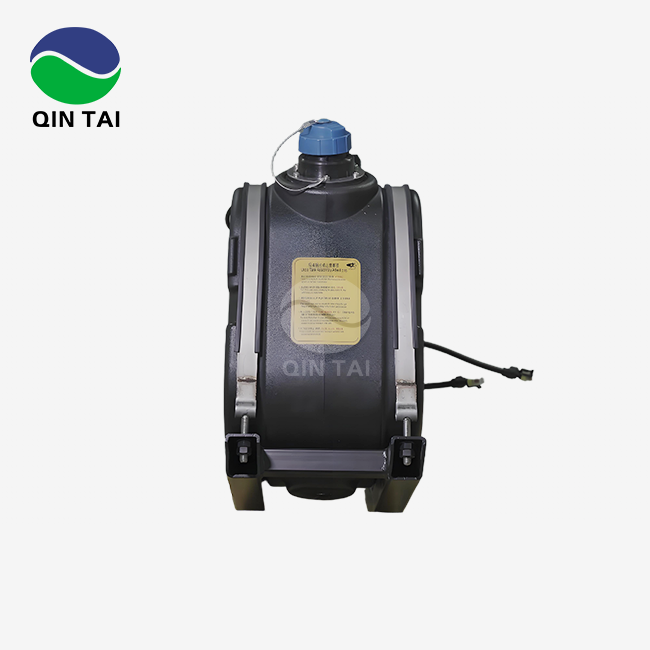
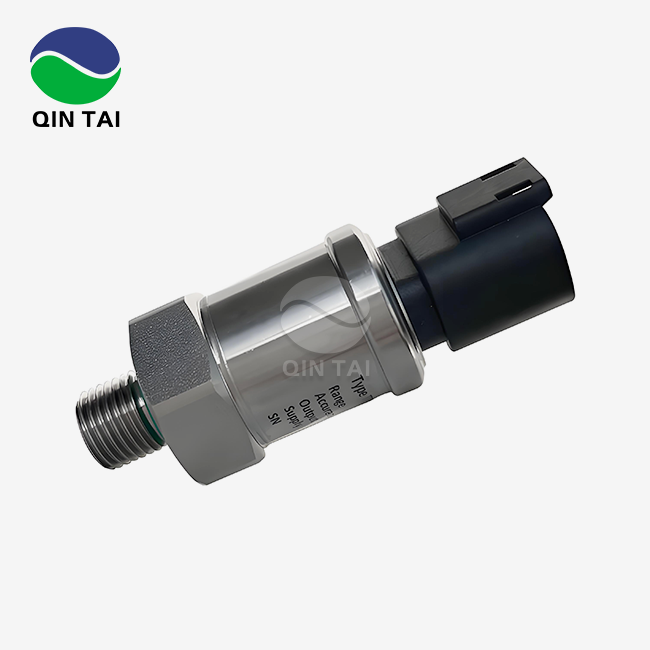
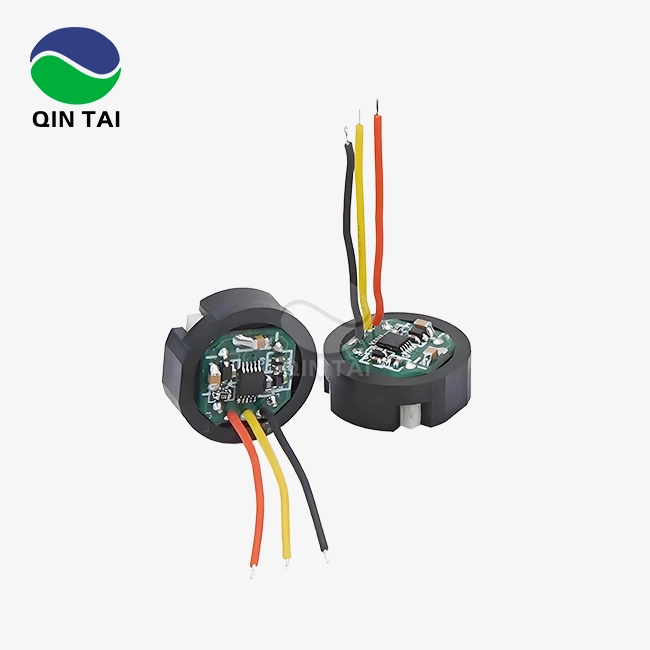
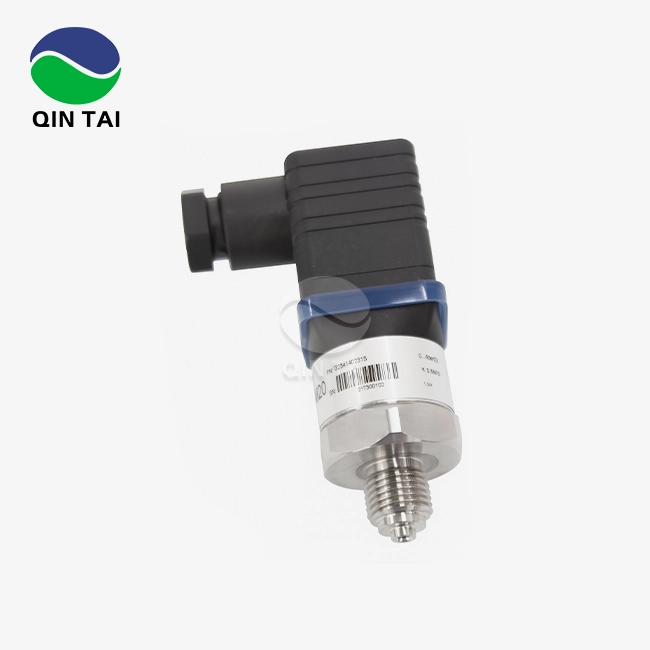

Our customers’ satisfaction speaks for our quality — contact us to experience the same reliable service.