- English
- French
- German
- Portuguese
- Spanish
- Russian
- Japanese
- Korean
- Arabic
- Greek
- German
- Turkish
- Italian
- Danish
- Romanian
- Indonesian
- Czech
- Afrikaans
- Swedish
- Polish
- Basque
- Catalan
- Esperanto
- Hindi
- Lao
- Albanian
- Amharic
- Armenian
- Azerbaijani
- Belarusian
- Bengali
- Bosnian
- Bulgarian
- Cebuano
- Chichewa
- Corsican
- Croatian
- Dutch
- Estonian
- Filipino
- Finnish
- Frisian
- Galician
- Georgian
- Gujarati
- Haitian
- Hausa
- Hawaiian
- Hebrew
- Hmong
- Hungarian
- Icelandic
- Igbo
- Javanese
- Kannada
- Kazakh
- Khmer
- Kurdish
- Kyrgyz
- Latin
- Latvian
- Lithuanian
- Luxembou..
- Macedonian
- Malagasy
- Malay
- Malayalam
- Maltese
- Maori
- Marathi
- Mongolian
- Burmese
- Nepali
- Norwegian
- Pashto
- Persian
- Punjabi
- Serbian
- Sesotho
- Sinhala
- Slovak
- Slovenian
- Somali
- Samoan
- Scots Gaelic
- Shona
- Sindhi
- Sundanese
- Swahili
- Tajik
- Tamil
- Telugu
- Thai
- Ukrainian
- Urdu
- Uzbek
- Vietnamese
- Welsh
- Xhosa
- Yiddish
- Yoruba
- Zulu
Why Modern Diesels Depend on Sensors More Than Ever
Modern diesel engines are very different from their mechanical predecessors, and this change depends on high-tech tracking tools. To meet strict pollution rules while providing exceptional performance, today's diesel powertrains heavily rely on pressure sensors and other detection components. These high-tech gadgets check important things like fuel injection pressure, turbocharger boost levels, and exhaust gas recirculation rates. They do this by turning changes in the real world into electrical signs that the engine's control units can understand right away. It would be very hard to meet the standards for EPA Tier 4, Euro VI, or China VI without this real-time data input. Adding advanced sensing technology has completely changed how diesel engines work, which is why both OEMs and aftermarket sellers put a lot of emphasis on sensor dependability.
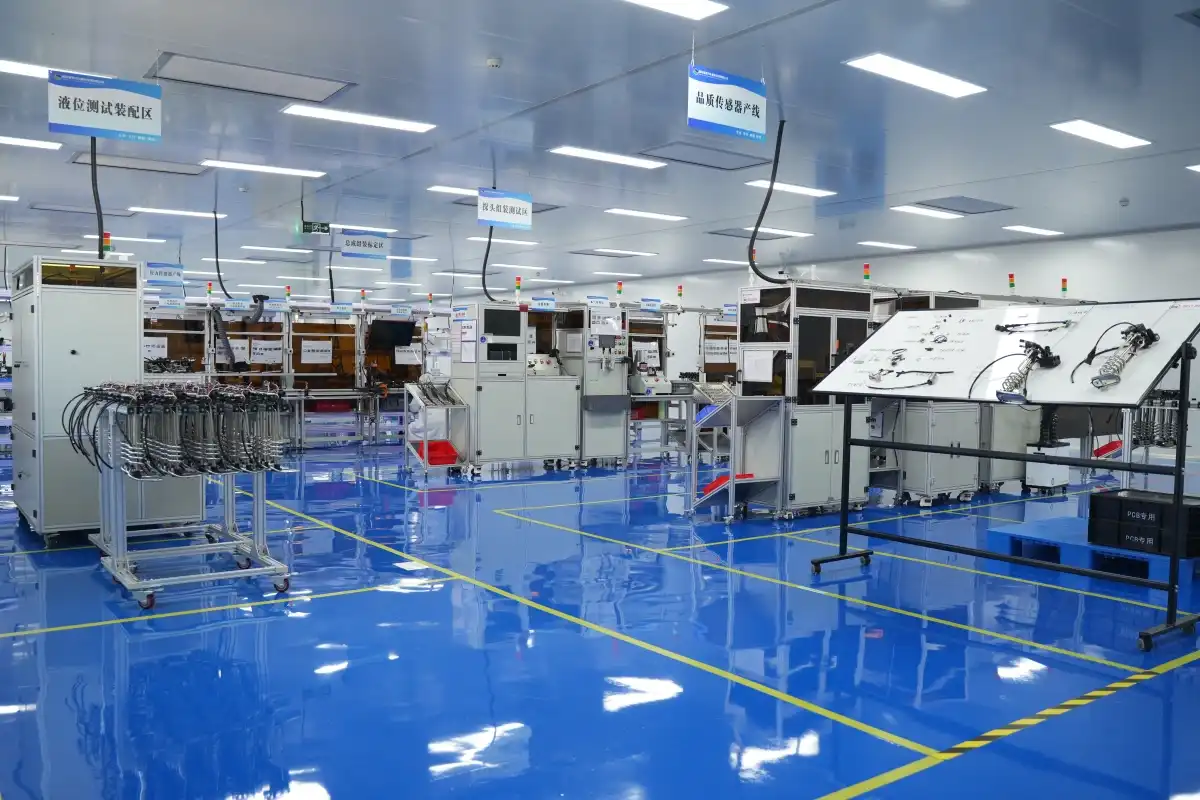
The Growing Role of Pressure Sensors in Modern Diesel Engines
In the last twenty years, the diesel business has changed in a big way. Engine management systems no longer use mechanical governors and fuel pumps. Instead, they use computer controlled designs with sensors that act as their eyes and ears.
From Mechanical to Electronic Control Systems
Earlier diesel engines were completely mechanical. They controlled the flow of fuel and engine speed with timing gears, centrifugal governors, and injection pumps that were moved by hand. Even though they were strong, these devices weren't precise enough for current emission limits. Modern engines have common rail fuel injection, variable geometry turbochargers, and multi-stage exhaust gas recirculation. These are all controlled by computer control units that get information all the time from sensors placed in key areas of the motor.
Critical Measurement Points in Contemporary Diesels
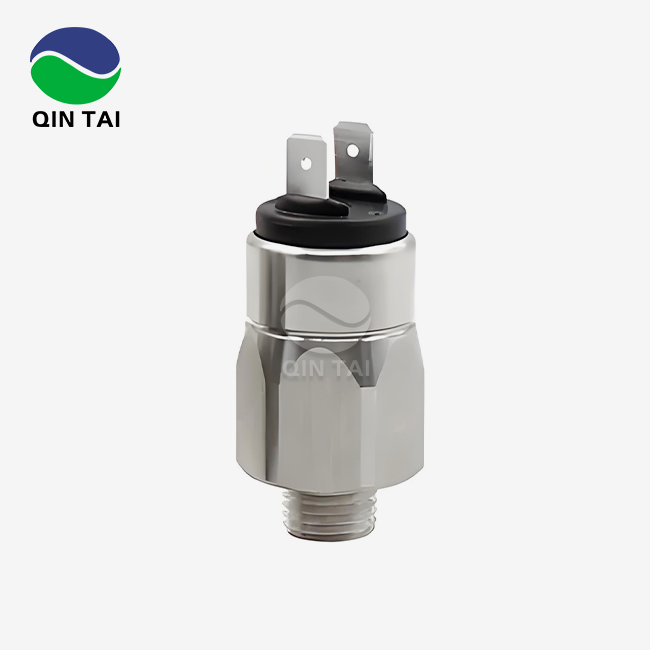
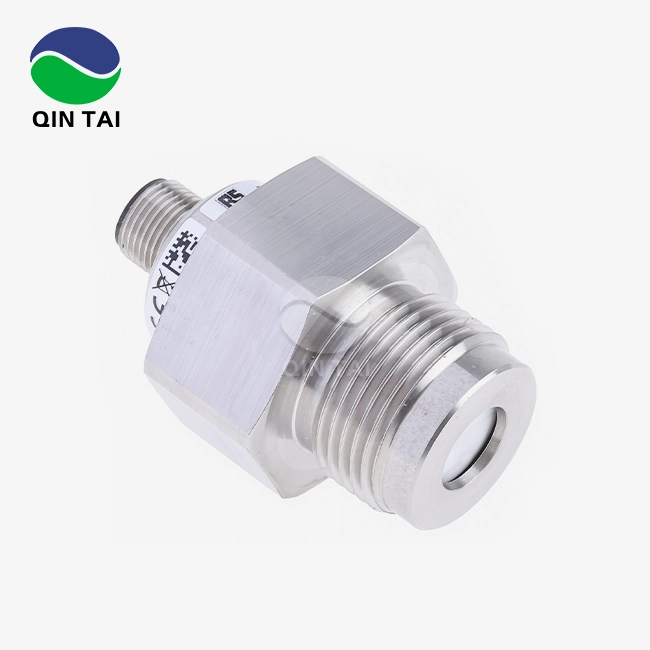
There are several places in current diesel engines where pressure can be monitored. In more modern systems, fuel rail sensors measure injection pressure, which is often higher than 30,000 psi. Transducers in the intake pipe measure the boost pressure from the turbochargers. This lets the precise control of the air-fuel ratio happen. Differential pressure sensors in diesel particulate filters let workers know when the filters need to be regenerated. Monitoring the exhaust backpressure keeps aftertreatment systems from getting damaged. Each measurement point gives important information that helps the burning process work better while releasing fewer dangerous gases.
Impact on Fuel Efficiency and Emission Reduction
Monitoring pressure correctly has a direct effect on how well the engine uses fuel and how well it treats the environment. When sensors in the fuel rails notice changes in pressure, the ECU quickly changes the time and length of injections to keep the best combustion patterns. The Society of Automotive Engineers has done studies that show that properly adjusted fuel pressure control can cut emissions by up to 40% and increase economy by 3 to 5 percent. Monitoring the pressure of the exhaust gas recycling system all the time makes sure that NOx reduction systems work as they should, which helps companies meet government rules without lowering power output.
Regulatory Compliance Requirements
In most big markets, rules about emissions have become tighter over time. Tier 4 guidelines from the U.S. Environmental Protection Agency for off-road vehicles require decreases in NOx and particulate matter of more than 90% compared to earlier tiers. Similar rules apply to on-road cars in Europe under Euro VI standards. It is not possible to meet these requirements only with mechanical systems.
It is possible to precisely handle selective catalytic reduction systems, exhaust gas recirculation valves, and diesel particulate filters with pressure sensors. These are the building blocks of compliant aftertreatment designs. When OEMs choose parts for new engine platforms, they need to make sure that the sensors they use have the right approvals and can measure accurately enough to meet legal standards.
Key Types of Pressure Sensors Used in Diesel Engines and Their Advantages
Several pressure sensor technologies have been shown to work well in diesel uses. Each has its own unique features that make it good for certain measurement tasks.
Piezoresistive Sensors for High-Pressure Applications
Piezoresistive sensors have strain gauges on a plate that bends when pressure is put on it. The electrical resistance of the strain gauge changes in the same way that the diaphragm does, which makes a voltage output that can be measured. It works really well in places with a lot of pressure, like common rail fuel systems, where it needs to last a long time and respond quickly. Piezoresistive designs can handle the temperature changes and vibrations that come with diesel engines, and they can keep their tuning accuracy over millions of pressure cycles.
Capacitive Sensors for Precision Measurement
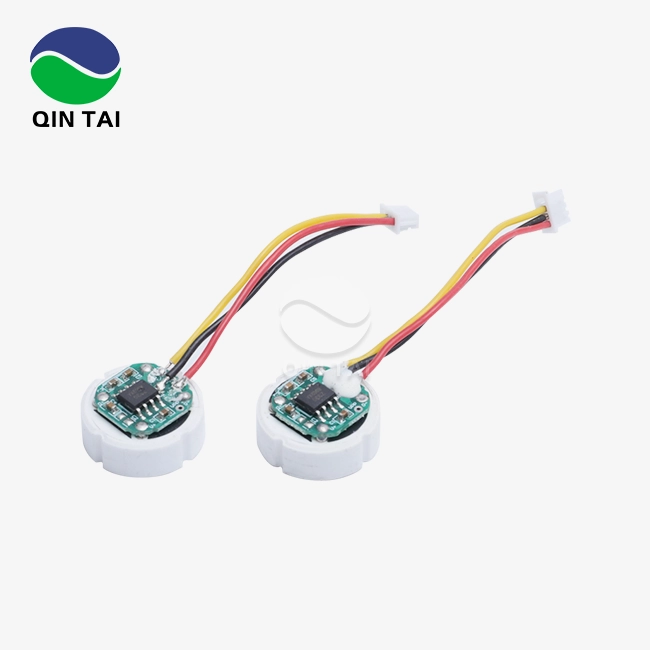
In capacitive detection, a ceramic diaphragm is placed across from a set electrode to make a changeable capacitor. When the pressure changes, the gap between the sensors changes, which changes the capacitance in a predictable way. The capacitance reading is turned into an electrical signal that shows how much pressure is being applied. These sensors are very accurate and don't change much with temperature, which makes them useful for tracking the pressure in the intake pipe and other tasks that need accurate low- to medium-level pressure readings. The clay construction works well with a wide range of media and stays stable over time.
Comparative Analysis: Accuracy and Environmental Tolerance
Procurement teams should look at a number of performance factors when considering sensor technologies. Most piezoresistive sensors have faster reaction times—often less than one millisecond—which is very important for keeping an eye on changing pressures during combustion events. Capacitive sensors are great at measuring accurately and adjusting for changes in temperature, and they can keep working correctly across a wide range of temperatures without needing complex correction methods.
Costs depend on the application. Capacitive sensors may have higher unit costs, but their higher steadiness can lower the number of times they need to be calibrated and their lifetime costs. Temperature tolerance is especially important in diesel engines, where temperatures regularly rise above 125°C while the engine is running.
Digital Output Advantages for ECU Integration
More and more modern pressure sensors use digital transmission methods instead of analog voltage outputs. Digital connections, such as CAN bus or I2C, let sensors send troubleshooting data and calibrated pressure values straight to engine control units. This design gets rid of mistakes in the analog-to-digital conversion and makes wiring setups easier to use. Digital sensors can diagnose themselves and let repair systems know about drift or failure situations before they affect how well the engine works. Modern maintenance methods try to keep unexpected downtime to a minimum, and this predictive ability fits right in.
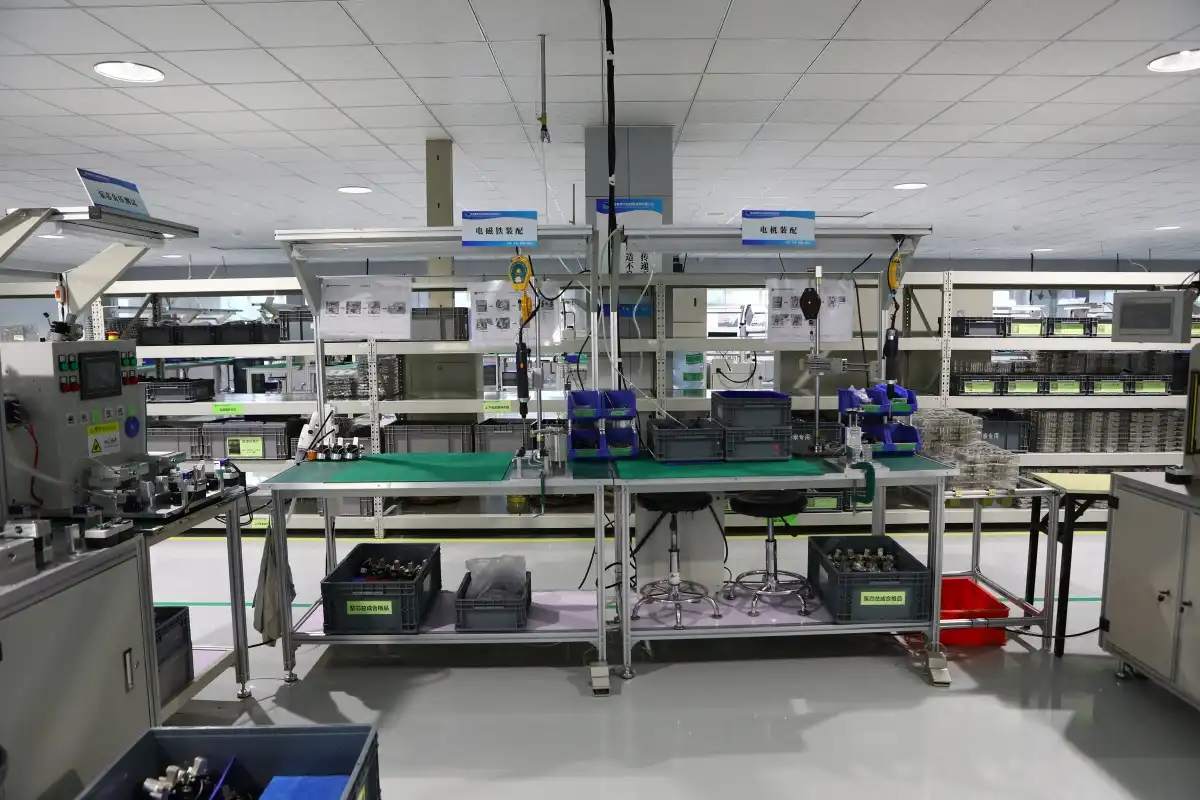
How Pressure Sensors Address Critical Challenges in Diesel Engines?
Diesel engines have to deal with a lot of technical problems because of how they are used, but pressure tracking helps solve these problems.
Meeting Stringent Emission Standards
To follow the current pollution rules, you need to have more control than ever over the combustion and waste aftertreatment processes. Pressure sensors make closed-loop control strategies possible, which change working settings all the time based on what's happening in the real world. A case study from a big heavy-duty truck maker showed that installing high-accuracy fuel rail sensors cut the range of NOx emissions by 18% across their production fleet. This made sure that they always met the rules, even when the fuel quality or working conditions changed.
Process Control and Performance Optimization
Monitoring pressure improves engine speed in addition to making sure emissions rules are followed. Controlling the boost pressure makes the most power while keeping turbocharged parts from going too fast. Monitoring the pressure inside the crankcase can find blow-by situations that show ring wear before they become deadly. Oil pressure sensors keep bearings and other parts that need oil safe. Each data point makes operations more efficient and parts last longer, which lowers the total cost of ownership for people who run machines.
Calibration and Maintenance Best Practices
Paying attention to the installation and tuning steps is needed to keep sensors accurate over their working life. As much as possible, sensors should be placed away from sources of high shaking and temperature differences. Electromagnetic radiation from ignition systems and alternators must be reliably blocked by electrical links. Drift can be found before it affects engine performance by checking against known pressure standards on a regular basis. By following the manufacturer's instructions for torque values and installing seals, you can avoid mechanical stress that could affect the accuracy of your measurements. These steps make sensors last longer and make sure that the data that engines use for control stays accurate.
Troubleshooting Common Sensor Issues
When problems with sensors happen, thorough analysis cuts down on downtime as much as possible. If you get a report of varying pressure, it's probably because of a problem with the electrical connection, not the sensor itself. The first thing you should do is check the contacts for corrosion or loose pins. If there is a thermal shock or a mechanical contact on the sensor placement, it could cause sudden offset mistakes.
Gradual drift is often caused by contaminated media or worn-out diaphragms. Following the datasheet's instructions for media compatibility and pressure cycle limits keeps things from breaking down too soon. When maintenance teams know the right way to diagnose problems, they can quickly tell the difference between sensor issues and real system problems. This speeds up the repair process.
Selecting the Right Pressure Sensors for Diesel Engine Applications: Buyer's Guide
When choosing pressure sensors for diesel uses, procurement professionals have to think about a lot of things.
Essential Selection Criteria
A sensor's usefulness is based on a number of technical factors. It's important that the measurement range includes the expected working pressures plus a safety limit. For example, fuel rail sensors need to be able to work in ranges from 0 to 3000 bars, while intake manifold sensors can work in ranges from 0 to 5 bars. The accuracy standards should meet the needs of the application.
For example, measurements that depend on emissions need to be accurate to within 0.5% of the full scale or better, while tracking that is not as sensitive may be able to handle an error of 2%. As a general rule, the operating temperature range for a diesel engine under the hood should be between -40°C and +150°C. The type of output signal—analog voltage, current loop, or digital protocol—must work well with the way the engine is controlled now.
Environmental Durability Requirements
Vibration, temperature cycling, humidity, and media contact are just a few of the tough conditions that sensors in diesel engines must endure. Vibration resistance is very important; specs usually say that it has to be able to handle 20g acceleration over a wide frequency range. Thermal shock resistance makes sure that sensors can handle sudden changes in temperature during cold starts and recovery processes. Sensor housings with an ingress protection grade of IP67 or higher keep water and dirt out. Media compatibility testing shows that sensor materials can handle being exposed to diesel fuel, engine oil, exhaust gases, and the urea solution used in SCR systems for a long time.
Market-Leading Manufacturers and Product Features
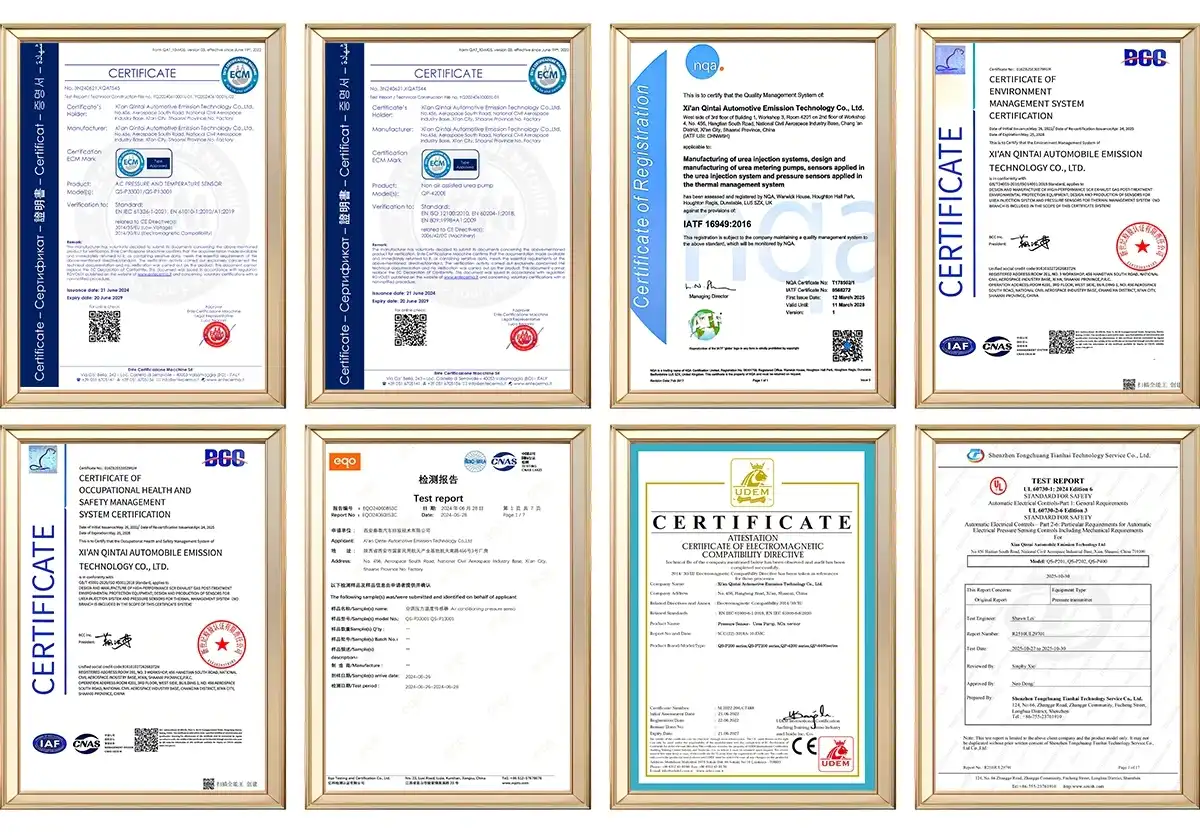
The gas sensor market is dominated by a few well-known companies. Bosch has a wide range of products that are tailored to the needs of both personal and business vehicles. Their main focus is on ECU integration and diagnostic skills. Honeywell makes industrial-grade sensors that are known for being well-built and having a wide working range that makes them good for off-road vehicles. Continental and Delphi Technologies both make OEM-quality parts that have been tested a lot in real cars. When procurement teams look at providers, they should make sure that they have all the necessary certifications, such as IATF 16949 for car quality management and any necessary emission standard approvals.
Custom and OEM Sensor Solutions
Catalogue sensors can meet a lot of needs, but unique solutions are better for solving special problems in an application. OEM partnerships make it possible for sensor designs to be optimized for specific engine layouts. These designs can include mounting options, connector types, and output qualities that are unique to the customer. Customized pressure levels, electricity setups, and environmental requirements make sure that the system works at its best.
When you buy in bulk through OEM agreements, unit costs usually go down, and the supply chain stays stable. Manufacturers like Qintai have been specializing in diesel pollution systems and sensor technology for more than twenty years. They offer full customization services, as well as a lot of R&D resources and the ability to make more than a million pieces a year.

SENSOR+TEST, June 9 – 11, 2026
We look forward to your visit,warmly welcome to our booth 1-526!
Get your free ticket online now:
https://www.sensor-test.de/service/ticket/?52790
Future Trends and Innovations in Pressure Sensor Technology for Diesel Engines
The progress of pressure sensor technology keeps speeding up, thanks to new needs in diesel uses.
Advanced Materials and Miniaturization
Next-generation sensors use advanced ceramics and silicon carbide, which can withstand temperatures above 200°C. This lets them be mounted closer to combustion tanks for more accurate measurements. MEMS fabrication methods make tiny sensor parts that take up very little room while keeping or even improving performance standards. In small engine designs, where space limits make it hard to put sensors in the usual places, smaller form factors make it easier to integrate them.
IoT Integration and Predictive Maintenance
More and more modern pressure sensors are connected, which lets them work with Internet of Things systems. Continuous data streams from cloud-connected sensors are transmitted to predictive maintenance algorithms, which find patterns of wear and tear before they happen. Machine learning models look at pressure trends across whole fleets to find the best service times and make extremely accurate predictions about how long parts will last. With this feature, maintenance can go from fixing problems after they happen to managing things before they happen, which greatly lowers running costs.
Enhanced Diagnostics and System Intelligence
In the future, sensors will have more intelligence built in, so they can do advanced diagnosis and data preparation at the sensor level. Smart sensors will be able to tell the difference between real changes in pressure and measurement errors caused by electrical noise or mechanical shaking. This will make the signals that reach engine control units better. Multi-parameter sensors that measure pressure, temperature, and flow all at the same time will cut down on the number of parts needed and give engine optimization programmes more data.
Strategic Recommendations for Procurement Teams
To keep up with changes in technology, you need to keep working with sensor providers and doing study in the field. People who work in procurement should build ties with manufacturers that show they spend in research and development and have certification portfolios that cover new standards. By judging providers on their technical support skills instead of just their unit prices, you can be sure that you will have access to application experts during product design and troubleshooting. Long-term partnerships give people first access to new goods and let people work together to create the best answers. Watching trade magazines and going to technical groups are good ways for buying teams to learn about new technologies before they become standard.
Conclusion
Modern diesel engines depend on complex tracking technology. This shows how the industry has changed to focus on environmental responsibility and precise control. Pressure sensors have become essential parts that make it possible to follow strict emission rules while also improving performance and efficiency. Knowing the technical differences between sensor technologies, application needs, and supplier skills helps procurement workers make smart choices that help the company reach its goals.
Pressure sensing systems will stay essential to the success of diesel operations as it continues to improve through electrification, alternative fuels, and connection. In order to take advantage of new possibilities and handle technology changes well, businesses should work with experienced manufacturers that offer full technical help and customization options.
FAQ
Q1: What pressure range do diesel fuel rail sensors typically measure?
A: These days, common rail diesel systems work at pressures ranging from 1,500 to 3,000 bar, based on the type of engine and the emission goals. To make sure the right time of injections and fuel atomization, sensors must be able to handle these high pressures while keeping their accuracy across the whole working range.
Q2: How often should the pressure sensors in a diesel engine be checked?
A: Calibration periods rely on the seriousness of the application and what the maker recommends. For example, for critical emission tracking, checks should be done once a year, while for less demanding applications, checks should be done every other year. Digital sensors that do continuous diagnostic tracking may be able to extend the time between calibrations by finding drift before it affects performance.
Q3: Can pressure sensors help diesel engines use less gas?
A: Monitoring pressure accurately allows exact control of fuel injection and ideal management of boost pressure, which has a direct effect on the efficiency of combustion. Studies show that sensor systems that are well taken care of can improve fuel economy by 3 to 5 percent. This is done by making control algorithms work better and finding situations that hurt efficiency early on.
Partner with Qintai for Reliable Pressure Sensor Solutions
With more than twenty years of experience making diesel engine aftertreatment systems, Qintai is one of the best companies that makes pressure sensors. Our commitment to quality standards that procurement teams expect is shown by our ISO9001, IATF 16949, and other foreign certifications. We are a key seller to some of China's biggest engine makers, like Weichai, Yuchai, and Quanchai, so you can trust us to deliver in even the toughest situations.
Our independent research and development team is always making sensor technology better. They have 58 idea patents for new designs that are better for emissions compliance and long-term use. Qintai offers full support from the initial planning stage through mass production and after-sales service, whether you need catalogue goods or OEM solutions that are specifically designed to meet your technical needs. Get in touch with our scientific team at info@qt-sensor.com to talk about how our knowledge of pressure sensors can help your diesel engine run better and meet government standards.
References
1. Society of Automotive Engineers (2021). "Impact of Fuel Pressure Control Accuracy on Diesel Emission Performance." SAE Technical Paper Series.
2. Johnson, M. & Peterson, R. (2020). "Advanced Sensor Technologies for Heavy-Duty Diesel Applications." International Journal of Engine Research, Vol. 21, Issue 8, pp. 1342-1359.
3. Environmental Protection Agency (2022). "Tier 4 Emission Standards Compliance Guidelines for Diesel Engines." EPA Regulatory Documentation.
4. Schmidt, H. & Chen, L. (2019). "Comparative Analysis of Pressure Sensor Technologies in Automotive Applications." Automotive Engineering International, Vol. 127, No. 4, pp. 28-35.
5. Williams, T. (2021). "Predictive Maintenance Strategies Using IoT-Enabled Sensor Networks in Commercial Vehicles." Fleet Maintenance & Technology Journal, Vol. 15, Issue 2, pp. 45-52.
6. Anderson, K. & Rodriguez, J. (2023). "Material Innovations in High-Temperature Pressure Sensing for Diesel Aftertreatment Systems." Journal of Materials in Automotive Engineering, Vol. 9, No. 1, pp. 112-128.
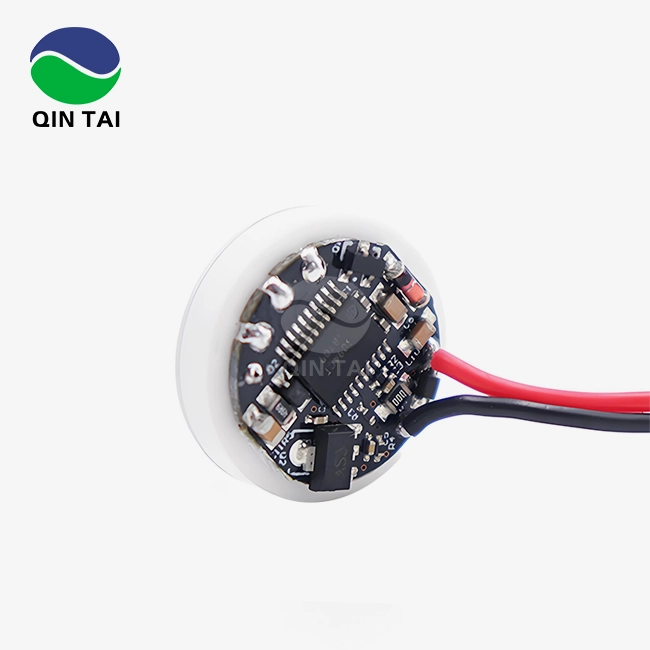

Our customers’ satisfaction speaks for our quality — contact us to experience the same reliable service.