- English
- French
- German
- Portuguese
- Spanish
- Russian
- Japanese
- Korean
- Arabic
- Greek
- German
- Turkish
- Italian
- Danish
- Romanian
- Indonesian
- Czech
- Afrikaans
- Swedish
- Polish
- Basque
- Catalan
- Esperanto
- Hindi
- Lao
- Albanian
- Amharic
- Armenian
- Azerbaijani
- Belarusian
- Bengali
- Bosnian
- Bulgarian
- Cebuano
- Chichewa
- Corsican
- Croatian
- Dutch
- Estonian
- Filipino
- Finnish
- Frisian
- Galician
- Georgian
- Gujarati
- Haitian
- Hausa
- Hawaiian
- Hebrew
- Hmong
- Hungarian
- Icelandic
- Igbo
- Javanese
- Kannada
- Kazakh
- Khmer
- Kurdish
- Kyrgyz
- Latin
- Latvian
- Lithuanian
- Luxembou..
- Macedonian
- Malagasy
- Malay
- Malayalam
- Maltese
- Maori
- Marathi
- Mongolian
- Burmese
- Nepali
- Norwegian
- Pashto
- Persian
- Punjabi
- Serbian
- Sesotho
- Sinhala
- Slovak
- Slovenian
- Somali
- Samoan
- Scots Gaelic
- Shona
- Sindhi
- Sundanese
- Swahili
- Tajik
- Tamil
- Telugu
- Thai
- Ukrainian
- Urdu
- Uzbek
- Vietnamese
- Welsh
- Xhosa
- Yiddish
- Yoruba
- Zulu
Use of capacitive sensors for liquid level detection
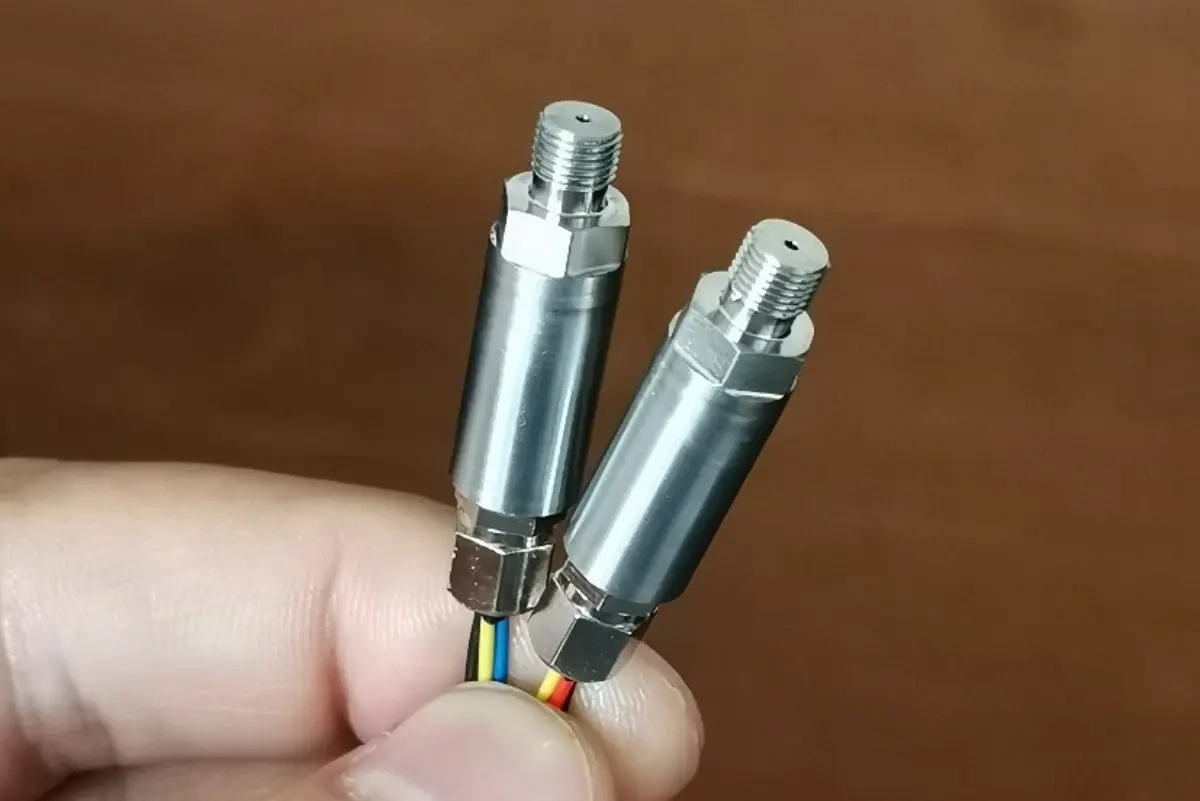
Capacitive sensors have changed the way we measure liquid levels in factories, and they can be used for a lot more than just finding liquid levels. A capacitive pressure sensor is widely used in diesel engine aftertreatment systems and emission control applications. Many professionals are familiar with this type of sensor, and the same ideas can be used to accurately track liquid levels in a wide range of industrial settings. The technology checks changes in capacitance as the level of liquid changes. It gives manufacturers non-intrusive, very accurate readings that help them stay in line with emission standards and make sure that tanks, reservoirs, and fluid management systems that are important to heavy machinery and power generation equipment stay stable.
Understanding Capacitive Sensors in Liquid Level Detection
Core Operating Principles of Capacitive Technology
Capacitive sensor technology depends on capacitance, which is a basic electrical feature. When this is used to find the level of a liquid, the sensor records how the dielectric constant between two wires changes as the level of the liquid goes up or down. This works with the basic capacitance formula C = ε₀εᵢA/d, where capacitance changes depending on the dielectric constant of the material between the electrodes. Unlike mechanical float switches or acoustic sensors, capacitive pressure sensor designs can also measure liquid levels through non-conductive container walls. This means they don't need to come into direct touch with fluids that could be harmful or corrosive.
A probe is usually used as one electrode in a sensor, and the tank wall or a reference electrode is used as the other plate. When liquid fills the space around the probe, the dielectric constant changes a lot compared to air. This makes the capacitance change in a way that can be measured. This change is picked up by complex signal processing circuits that turn the change in capacitance into a standard electrical output, like 4-20 mA or digital codes that work with industrial control systems.
Differentiating Liquid Level and Pressure Sensing Applications
Both systems use capacitive principles, but they are used for very different things. Most pressure sensors have a bendable diaphragm that changes the distance between the wires when force is applied. On the other hand, liquid level sensors keep the distance between the electrodes the same while the dielectric medium changes based on the presence of liquid. This difference is very important for procurement managers who are looking at options for urea tanks in diesel engines, hydraulic storage in building equipment, or coolant systems in generator sets.
Pressure measurement is based on force per unit area and needs reference rooms that are sealed. Level sensing, on the other hand, is based on changes in dielectric properties and can work in containers that are open or vented. When R&D engineers know this difference, they can choose the right sensing technologies for different uses in SCR aftertreatment systems. For example, they need to be able to precisely measure both the level of DEF (Diesel Exhaust Fluid) and the backpressure of the exhaust to meet China VI and Euro VI emission standards.
Inherent Advantages Over Alternative Technologies
For industrial uses, capacitive level sensors are especially appealing because they have a number of strong advantages. Because they are solid-state, they don't have any working parts, so they wear out and break down much less often than mechanical float systems. This means that the equipment will last longer and need less upkeep, which is important for mining equipment that is used in rural areas and farm equipment that is constantly vibrating and working in harsh conditions.
The technology works very well with many different kinds of liquids, from conductive ones like water and diesel fuel to non-conductive ones like oils and DEF solutions. Because it is so flexible, makers can use the same sensor platform for all of their different product lines. This makes managing supplies easier and makes buying things simpler. The sensors also measure the level continuously instead of just at one point. This lets tank managers use more advanced strategies and prevents costly downtime in business services and industrial equipment through predictive maintenance routines.
Applications and Industry Use Cases for Capacitive Liquid Level Sensors
Diesel Engine Aftertreatment Systems
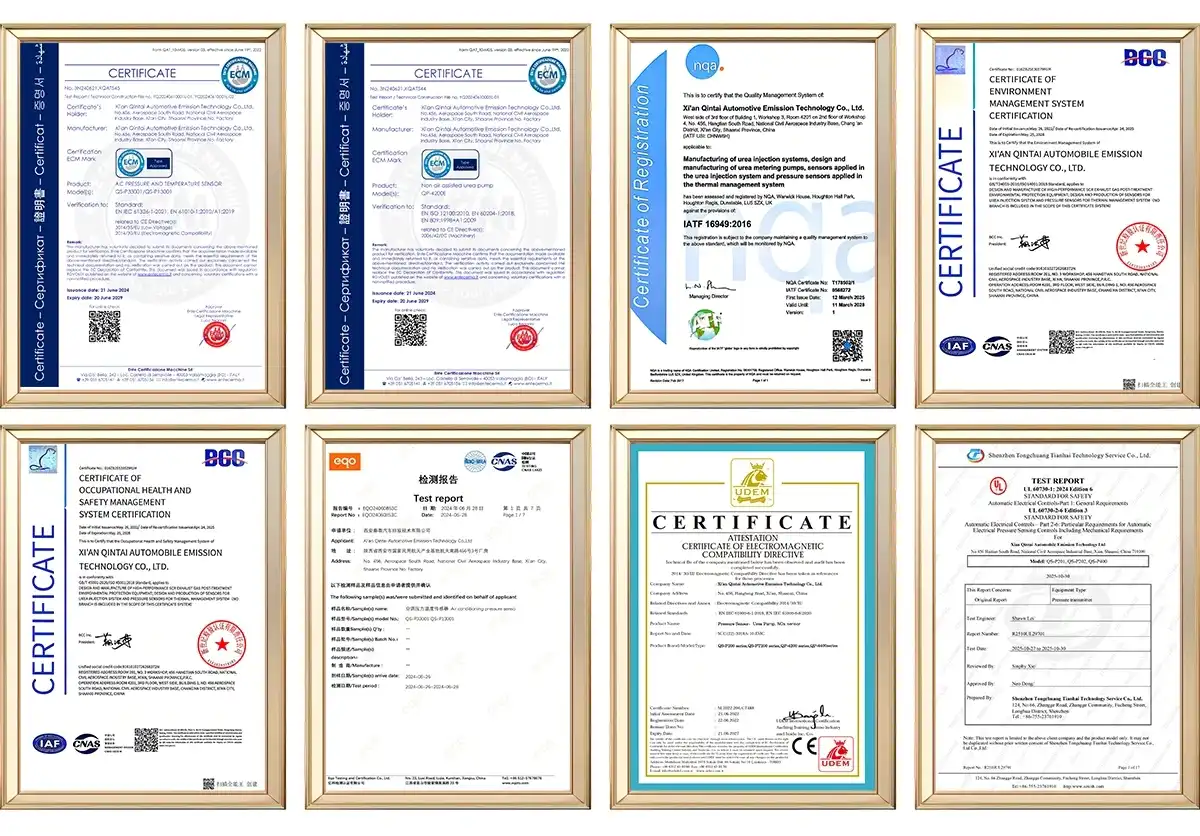
Capacitive sensors are very important in the diesel engine business for keeping an eye on DEF levels for SCR systems. These sensors have to work effectively in temperatures ranging from -40°F to 185°F and not break down when exposed to urea solutions. Heavy truck makers are using our capacitive pressure sensor technology more and more. They need sensors that meet strict vehicle qualification standards, such as IATF 16949 certification, and that work consistently after millions of thermal cycles.
Capacitive level sensors have been built into the emission control designs of major OEMs, such as companies that make building and farming tools. The sensors send real-time input to the engine control units, which lets them use exact dosing strategies that reduce NOx as efficiently as possible while using as little DEF as possible. Compliance with stricter emission rules is directly supported by this feature, which also helps keep running costs low. This is a strong benefit for both fleet owners and equipment buyers in the US market.
Industrial Fluid Management Applications
Capacitive level sensors are very important in generator set fuel systems, hydraulic reservoirs, and managing coolant for fixed power tools, in addition to their use in cars. These sensors are used in mining to keep an eye on the lube levels in crushers and loaders that work in dusty, vibration-prone areas where other sensors fail early. Since liquid levels can be seen through clear plastic or metal containers, there is no need for sight glasses or external level signs that can be broken by impact in rough industrial settings.
Power plants have put in sensitive sensors to keep an eye on their backup diesel fuel sources. This makes sure that they are always available when the power goes out. The sensors easily connect to building management systems and SCADA networks, letting you keep an eye on things from afar and reducing the need for regular tank checks. This combination helps planned maintenance by letting facility managers know when refuelling is needed before supplies drop to dangerous levels. This keeps expensive emergency service calls and equipment shutdowns from happening.
Proven Performance in Harsh Environments
Companies that make environmental protection equipment that processes industrial waste gases like capacitive level sensors because they are resistant to chemicals and don't change much when heated or cooled. A lot of the time, these uses involve harsh chemicals, high temperatures, and dirty air that would quickly break down other sensing technologies. Even if there is dirt or a coating on the surface, capacitive devices can still measure accurately because the sense field can pass through thin layers of residue that would blind optical or ultrasound sensors.
Capacitive level sensors are being used more and more in industrial cars and building equipment by the automobile aftermarket. Repair shops like how easy it is to install because it usually only needs basic electrical connections and doesn't need any complicated tuning steps. Dealers keep these sensors in stock because they work with a lot of different vehicle models. This lowers the cost of keeping inventory and makes sure that customers' orders are filled quickly, which is directly good for making money in the competitive parts delivery business.
How to Choose the Right Capacitive Sensor for Liquid Level Detection?
Critical Selection Parameters
To choose the right capacitive level sensor, you need to carefully look at a number of technical details. The measurement range needs to be the same size as the tank or storage, and the sensing length needs to be long enough to cover the whole operating level span. Different uses have different accuracy needs. For example, emission control systems need to be accurate to within ±2% to make sure that dosing estimates are correct. Less important uses may be able to handle ±5% errors, which lets them use cheaper sensor solutions.
Environmental suitability includes more than just temperature ranges. It also includes grades for pressure, vibration strength, and entry protection. When equipment is used outside or in an unregulated climate, it needs to be sealed with IP67 or higher to keep water out, which could damage sensor electronics. When purchasing managers look at a capacitive pressure sensor for farm equipment, they should make sure that the device meets the necessary reliability standards and has the right certifications for the markets they want to sell to. For example, UL certification is needed for placements in North America, while CE marking is needed for possible export uses.
Comparing Capacitive Technology with Alternatives
When engineers compare capacitive sensors to other technologies, they should look at the total cost of ownership, not just the price of the original buy. While ultrasonic sensors may have lower purchase costs, they need clear sound paths and may not work as well in dusty areas or situations where foam is being formed. Radar-based level sensors are very accurate, but they cost a lot, which might be hard to explain unless you need to make very accurate measurements.
When it comes to industrial liquid level applications, capacitive technology hits a good mix between performance, dependability, and cost. The sensors work well with a variety of liquids, can handle some contamination, and provide stable long-term performance with little shift. Because of these qualities, they work especially well for high-volume OEM uses where companies need to keep quality high across tens of thousands or hundreds of thousands of units while keeping prices low enough to compete in global markets.
Supplier Assessment and Partnership Considerations
It is just as important to pick the right technology as it is to pick the right sensor source. When R&D engineers are making new equipment platforms, they should give more weight to makers who have a history of mass production, strong quality management systems that are certified to ISO 9001 and IATF 16949 standards, and a lot of expert support resources. Being able to offer customised sensor configurations, such as different probe lengths, electrical connections, or signal conditioning for specific applications, is very helpful for OEMs who want to make their products stand out or make them easier to integrate into existing system architectures.
Reliability of the supply chain has become an important selection factor, especially after recent global breakdowns that showed flaws in lean stocking strategies. Aftermarket distributors and equipment makers that have to deal with unpredictable changes in demand can get a competitive edge from suppliers who keep enough stock on hand and offer reasonable wait times. Established providers that have worked with major diesel engine makers and construction equipment OEMs in the past bring useful application knowledge that can shorten development times and lower the risk of expensive failures in the field.

SENSOR+TEST, June 9 – 11, 2026
We look forward to your visit,warmly welcome to our booth 1-526!
Get your free ticket online now:
https://www.sensor-test.de/service/ticket/?52790
Best Practices for Implementation and Calibration
Installation Guidelines for Optimal Performance
Installing sensors correctly has a direct effect on how accurate measurements are and how reliable they are over time. For a capacitive pressure sensor, the probe should not be placed in areas with a lot of turbulent flow near the fill lines or exit connections, because moving liquid could cause measurement noise in these areas. When you mount the sensor upright, the dielectric field shape stays the same and air pockets don't form, which could lead to readings that aren't accurate. Keep enough space between the probe and the tank walls when putting sensors in metal tanks to avoid electrical interference that could mess up capacitance measurements.
To keep the signal strong and stop electromagnetic interference from other devices, electrical links need to be carefully thought out. When installing cables near high-power electrical systems, motor drives, or radio frequency sources that are common in industrial settings, shielded cables are the best choice. To keep noise coupling to a minimum and ground loops from causing measurement errors, grounding methods should be in line with industry norms. Technical managers in charge of integrating SCR systems should work closely with sensor makers to make sure that the right steps are taken to put the sensors correctly and that the system works properly before starting production.
Calibration Procedures and Precision Requirements
Capacitive level sensors usually need to be calibrated the first time they are used to account for differences in the shape of the tank, the dielectric properties of the liquid, and the way they are mounted. Setting reference points at empty and full states is part of the process. This lets the sensor electronics connect capacitance values to liquid levels. Modern sensors have built-in automatic calibration processes that make commissioning easier and make sure that the accuracy is the same across all sites. OEM makers can work with sensor providers to create pre-calibrated solutions that are perfect for certain tank designs. This gets rid of the need for field calibration and lowers the cost of labour for installation.
Periodic testing makes sure that the sensor's measurements are always accurate for as long as it is used. The length of time between calibrations depends on how important the function is. For example, more frequent checks are needed for harsh settings or important emission control functions than for less important tracking functions. A lot of current sensors have built-in self-diagnostic features that can find common types of failure, like electrical problems, effects of contamination, or drift that goes beyond what is accepted. These features work well with predictive maintenance strategies, which are being used more and more by fleet owners and industrial facilities that want to get the most out of their equipment while keeping costs down.
Maintenance and Troubleshooting Strategies
Compared to mechanical options, capacitive level sensors don't need as much routine care. However, a regular check helps find problems before they stop working. A visual check should look for broken probes or wires, rust at electrical connections, and heavy contamination that could affect the accuracy of the measurements. Cleaning methods depend on the liquid being looked at. For most uses, residue buildup can be removed by wiping the area every so often with the right agents.
Checking for proper grounding, making sure electrical connections are correct, and making sure installation shape fits the original calibration conditions are common ways to fix readings that don't make sense. Intermittent faults are usually caused by broken wires or corroded connections instead of sensor failures. This is why it's important to do a thorough analysis before blaming any parts. When purchasing sensors for aftermarket uses, purchasing managers should look for providers that offer full technical support, such as debugging guides, application help, and quick field service, to cut down on the time needed to figure out what's wrong and get the problem fixed faster.
Future Trends and Innovations in Capacitive Liquid Level Sensing
Emerging Materials and Design Advances
Researchers are still looking into new dielectric materials and wire designs that might make sensors work better while also making them cheaper to make. New ceramic composites are better at resisting chemicals and staying stable at high temperatures. This means they can be used in more difficult situations, like in systems that treat waste gases or in industrial processes that need to be done at high temperatures. Miniaturisation efforts are making sensor designs that are smaller and smaller, making them ideal for setups that don't have a lot of room in current diesel engines, where the packaging density keeps going up with each generation.
New technologies in the manufacturing process, such as automated assembly and improved closing methods, are increasing production yields and making products like the capacitive pressure sensor more reliable over time. These changes are good for OEM buyers because they make products more consistent and lower guarantee risks, which are important things for makers with small profit margins in global markets that are very competitive. Companies that buy next-generation production tools can offer better quality at lower prices, which makes them very appealing to procurement managers who are looking for long-term source partnerships.
Digital Integration and Smart Sensor Capabilities
Capacitive level sensors are changing from simple measuring tools to complex system parts as digital communication methods and built-in intelligence are added. Sensors with microprocessors can process signals locally, use advanced diagnostic methods, and talk back and forth with car networks or industrial control systems using standard protocols such as CANbus, Modbus, or industrial Ethernet. This connectivity lets you set up the system from afar, watch its performance in real time, and plan for future repair needs, which are all very useful features that go beyond simple level measurement.
IoT integration is the next step forward because it lets sensors send data straight to cloud-based analytics tools that collect data from whole fleets or building networks. This feature supports advanced optimisation strategies, such as modelling how much DEF will be used in the future, managing inventory automatically for distant tank networks, and planning repair based on conditions, which lowers costs and raises equipment availability. When choosing long-term providers, buying managers who are forward-thinking should look at their digital roadmaps and make sure they are compatible with new industrial IoT standards.
Strategic Implications for Procurement
These changes in technology have big effects on how companies buy things and work with suppliers. Because new ideas are coming out faster, component makers and OEM engineering teams need to work together more to make sure that new features fit the needs of changing products. If a supplier has strong research and development skills and is ready to work with other companies on development projects, they will have a big edge over vendors who are only interested in competing on price for common goods.
As product life cycles get shorter and market needs change quickly because of new rules or competition, supply chain agility becomes more important. Manufacturers who can support flexible production numbers, offer customisation with short notice, and keep their expert support teams active are a good way to protect yourself from market uncertainty. Rather than just buying things from sellers, it's better to build strategic ties with them. This way, you can make sure you have access to new technologies and keep supplies coming in for ongoing production programmes.
Conclusion
In conclusion, capacitive pressure sensors are reliable and accurate at finding the level of liquid in a wide range of industrial settings, from diesel engine emission control systems to construction equipment hydraulic tanks. The technology's built-in benefits, such as the ability to work without touching anything, its wide range of liquid compatibility, and its solid-state dependability, make it a great choice for harsh settings where speed and durability are very important. To choose the best sensor, you need to carefully think about the needs of the product, the surroundings, and the total cost of ownership. Strategic relationships with makers that show technical know-how, quality standards, and the ability to produce large amounts of goods make it easier to get new ideas and lower supply chain risks in a global market that is getting more complicated.
FAQ
Q1: How does capacitive liquid level sensing differ from capacitive pressure measurement?
A: Capacitive liquid level sensors pick up changes in the dielectric properties as liquid pushes air out from between the electrodes, and pressure sensors watch how much the diaphragm bends when force is applied. For level measurement, the dielectric constant of the medium is used, while for pressure sense, changes in the spacing between the electrodes are used. Both technologies use similar ways to process signals, but they are used for very different kinds of measurements in industrial systems.
Q2: What factors influence capacitive sensor accuracy in liquid level applications?
A: There are many things that can change the accuracy of a measurement, such as the steadiness of the liquid dielectric constant, changes in temperature, contamination on the probe surfaces, and the shape of the tank. These effects are lessened by using the right setting, choosing the right sensor for the type of liquid, and installing it correctly. Environmental factors, such as electromagnetic radiation or mechanical vibration, can cause measurement noise, which needs to be properly shielded and mounted.
Q3: Can capacitive sensors be customized for specific industrial liquids or harsh conditions?
A: Leading makers offer a wide range of customisation choices, such as changing the probe materials to make them more chemically compatible, changing the electrode configurations to work with different dielectric ranges, and making the housings more rugged for use in harsh environments. We work closely with OEM customers to create unique solutions that meet the needs of each application. These can be anything from coatings that protect against harsh chemicals to designs that can withstand high pressures for protected tank systems. This level of adaptability ensures the best performance in a wide range of workplace settings and helps manufacturers' plans for setting themselves apart.
Partner with Qintai for Superior Capacitive Sensing Solutions
We at Xi'an Qintai Automotive Emission Technology have been designing and making high-performance sensors for tough industrial uses for more than twenty years. We are China's top original equipment manufacturer (OEM) provider to major diesel engine makers like Weichai Power, Yuchai Power, and Quanchai Power. This means we know the strict quality and performance standards that are needed to be successful in global markets. Our capacitive pressure sensor technology, which has 58 invention patents and standards such as ISO 9001, IATF 16949, and UL recognition, gives your projects the dependability and accuracy they need.
Get in touch with our expert team at info@qt-sensor.com to talk about your liquid level tracking needs and find out how Qintai's tried-and-true sensor solutions can help your product work better. As a reliable company that makes capacitive pressure sensor and sells them in more than 60 countries around the world, we're ready to become your strategic partner in delivering cutting-edge sensing technology that meets the changing needs of industrial automation, fluid management, and emission control. You can look at all of our products at qt-sensor.com and ask for full technical documentation that is specific to your engineering review process.
References
1. Webster, J.G. (2018). The Measurement, Instrumentation and Sensors Handbook: Spatial, Mechanical, Thermal and Radiation Measurement. CRC Press, Boca Raton, FL.
2. Fraden, J. (2016). Handbook of Modern Sensors: Physics, Designs, and Applications (5th ed.). Springer International Publishing, New York.
3. Chen, Y., Liu, H., & Zhang, Q. (2019). Advanced Capacitive Sensing Technologies for Industrial Applications. Journal of Instrumentation and Measurement Engineering, 45(3), 287-304.
4. Ripka, P., & Tipek, A. (2021). Modern Sensors Handbook. ISTE Press, London.
5. Bao, M.H. (2020). Micro Mechanical Transducers: Pressure Sensors, Accelerometers and Gyroscopes. Elsevier Science, Amsterdam.
6. SAE International (2020). Diesel Exhaust Emission Control Systems Standards and Recommended Practices. SAE Technical Paper Series J2910, Warrendale, PA.
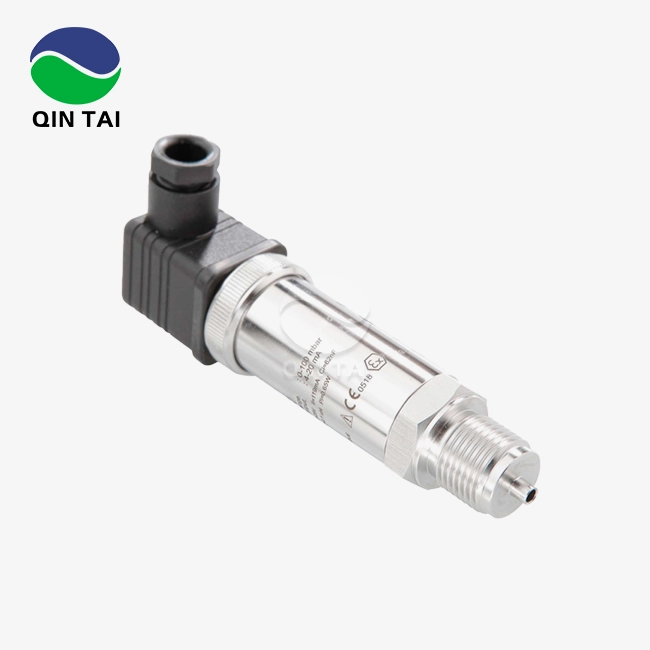
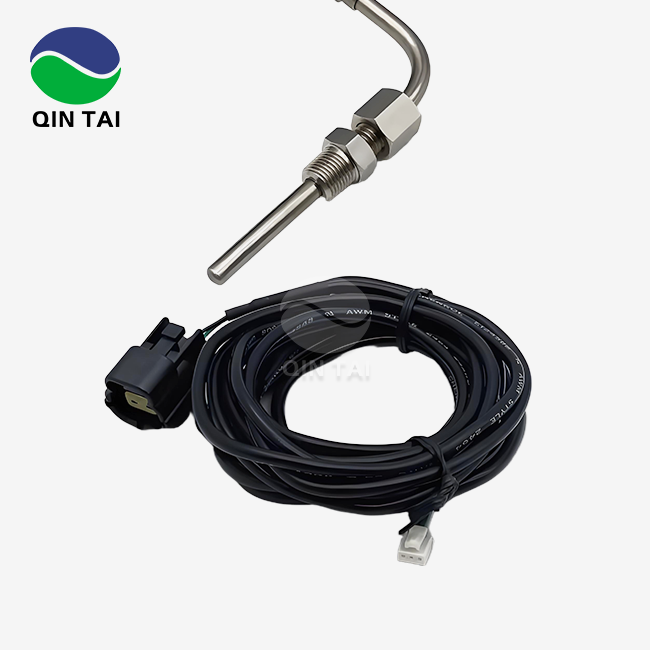
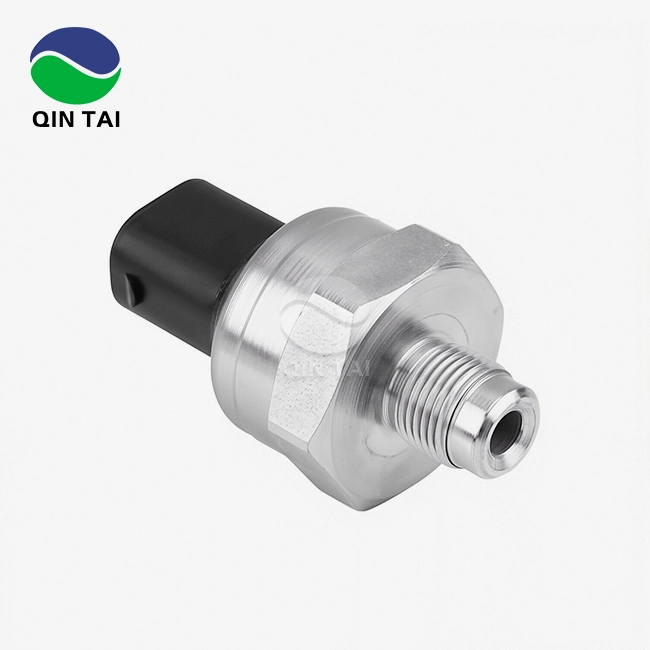

Our customers’ satisfaction speaks for our quality — contact us to experience the same reliable service.