- English
- French
- German
- Portuguese
- Spanish
- Russian
- Japanese
- Korean
- Arabic
- Greek
- German
- Turkish
- Italian
- Danish
- Romanian
- Indonesian
- Czech
- Afrikaans
- Swedish
- Polish
- Basque
- Catalan
- Esperanto
- Hindi
- Lao
- Albanian
- Amharic
- Armenian
- Azerbaijani
- Belarusian
- Bengali
- Bosnian
- Bulgarian
- Cebuano
- Chichewa
- Corsican
- Croatian
- Dutch
- Estonian
- Filipino
- Finnish
- Frisian
- Galician
- Georgian
- Gujarati
- Haitian
- Hausa
- Hawaiian
- Hebrew
- Hmong
- Hungarian
- Icelandic
- Igbo
- Javanese
- Kannada
- Kazakh
- Khmer
- Kurdish
- Kyrgyz
- Latin
- Latvian
- Lithuanian
- Luxembou..
- Macedonian
- Malagasy
- Malay
- Malayalam
- Maltese
- Maori
- Marathi
- Mongolian
- Burmese
- Nepali
- Norwegian
- Pashto
- Persian
- Punjabi
- Serbian
- Sesotho
- Sinhala
- Slovak
- Slovenian
- Somali
- Samoan
- Scots Gaelic
- Shona
- Sindhi
- Sundanese
- Swahili
- Tajik
- Tamil
- Telugu
- Thai
- Ukrainian
- Urdu
- Uzbek
- Vietnamese
- Welsh
- Xhosa
- Yiddish
- Yoruba
- Zulu
Understanding the Role of Pressure Sensors in the Testing of Emissions
Pressure sensors are very important parts of emissions testing systems because they turn changes in the physical pressure in exhaust streams into electrical signs that can be used for real-time tracking and compliance checks. Diesel engine makers, people who put together aftertreatment systems, and people who control emissions can use these special tools to measure pressure differences accurately across filtration components, keep an eye on backpressure in selective catalytic reduction (SCR) systems, and make sure that exhaust gas recirculation (EGR) valves work within certain limits. More strict emission standards, like EPA Tier 4 Final and Euro VI rules, mean that precise pressure measuring is needed to make sure that diesel engines meet environmental requirements while still running efficiently.
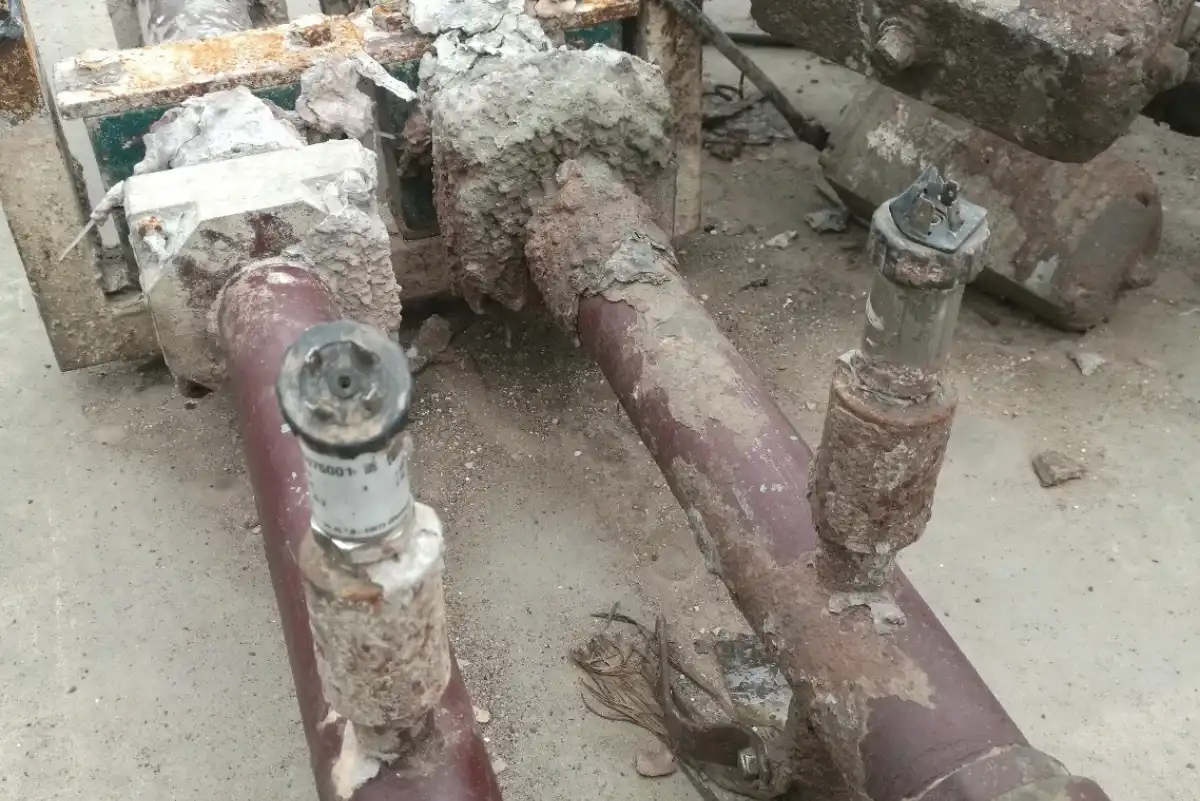
Fundamentals of Pressure Sensors in Emissions Testing
Core Functionality in Emission Control Systems
Devices that measure pressure work by picking up the mechanical force acting on a certain area of surface and turning that physical change into an electrical output that can be understood. When these instruments are used for pollution tests, they constantly check for changes in pressure across diesel particulate filters (DPF), SCR catalyst substrates, and exhaust pathways. A strain gauge device is the most common way to do this. When pressure changes, tiny deformations happen, which causes voltage changes that are proportional to the force being applied. Then, engine control units or special data acquisition systems look at these voltage signs to check the health of parts, the load on filters, and the general performance of the system.
Key Sensing Technologies for Harsh Environments
Because they work well in high-temperature, corrosive exhaust conditions, three main methods are used for emission tests. Piezoresistive sensors use semiconductors whose electrical resistance changes when they are mechanically stressed. This makes them very good at picking up on small changes in pressure across DPF surfaces. Capacitive sensors measure how the distance between a flexible diaphragm and a set electrode changes as the pressure changes.
They are more stable in situations where temperatures change, like in diesel exhaust systems. When mechanical stress is put on piezoelectric devices, they produce an electrical charge. This makes them useful for measuring dynamic pressure in rapid exhaust flows. Each technology has its own benefits, based on whether the application needs to keep an eye on the static pressure all the time or quickly respond to pressure jumps that happen during regeneration cycles.
Classification by Pressure Reference Point
To choose the right pressure sensor for emission testing, you need to know about the different types of pressure references. Absolute pressure sensors measure force in relation to a perfect vacuum. This means they can be used to keep an eye on exhaust backpressure in situations where the altitude changes and changes in atmospheric pressure could affect results. Gauge pressure devices measure the pressure in the air. They are often used to check the difference in pressure across particulate filters, where the maintenance intervals are set by the amount of load rather than fixed numbers.
Differential pressure sensors measure the difference in pressure between two places directly. This lets you know right away if a filter is limiting the flow of air without having to do extra work to account for the atmosphere. We've seen that diesel engine makers usually choose differential sensors to watch the DPF, while absolute sensors are used for controlling the turbocharger and adjusting for altitude.
Integration Points Within Aftertreatment Systems
Multiple pressure measuring spots are built into modern diesel aftertreatment designs so that full system diagnostics are possible. Upstream of the diesel oxidation catalyst (DOC), sensors check the backpressure of the raw exhaust to find any limits that could slow down the engine. Differential measurements taken across the DPF base show how much soot is building up, which starts renewal processes before there is too much backpressure.
In SCR systems, watching the pressure makes sure that the right amount of reductant is added by checking the conditions of the exhaust flow. In EGR systems, measuring the difference in pressure is what controls the correct recycling rates. With these integration points, pressure sensors go from being passive devices for measuring pressure to being active parts of closed-loop emission control schemes.
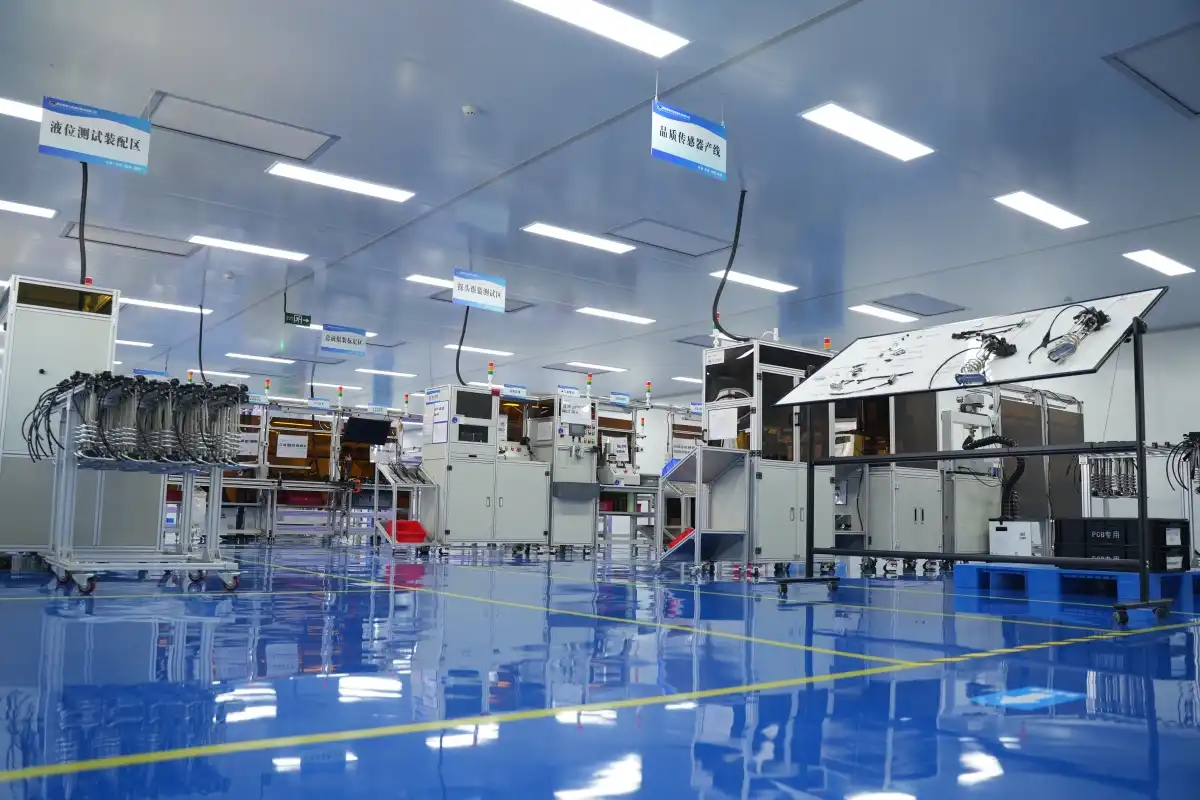
Comparison of Pressure Sensor Technologies for Emissions Testing
Capacitive Versus Piezoresistive Performance Characteristics
When looking at different sensor technologies for emission tests, capacitive and piezoresistive designs show different performance patterns that affect the choice that is made. Capacitive sensors are very stable over long periods of time and don't move much, so they can keep their calibration accuracy over long service intervals without having to be re-calibrated often. Their ceramic diaphragm design makes them more resistant to thermal shock and corrosive exhaust condensates, which makes them last longer in tough diesel exhaust settings.
Piezoresistive sensors respond more quickly and are more sensitive to small changes in pressure, which makes them useful for finding small changes during brief test cycles. In piezoresistive devices, the silicon-based sensing elements can drift due to temperature, which needs to be fixed with compensation circuits. However, more recent designs include temperature sensors built in that fix output signals automatically.
Improvements in material science have made both systems much more resistant to natural damage. Capacitive sensors now have alumina ceramic diaphragms that can survive being exposed to temperatures above 850°C for long periods of time without breaking down. This means they can meet the heat needs of active DPF regeneration. Piezoresistive designs use silicon-on-insulator plates that have built-in overpressure safety. This keeps the design from getting damaged when there are sudden increases in pressure, like when the filter is being cleaned.
Based on our engineering experience, capacitive technology usually has a lower total cost of ownership for continuous monitoring because it needs less maintenance. On the other hand, piezoresistive sensors work best in lab testing settings where they need to be maintained because they respond quickly and are very sensitive.
Analog Output Versus Digital Communication Protocols
The way signals are sent has a big effect on how hard it is to integrate systems and how accurate measurements are. Analog output sensors send out constant voltage or current signals that are related to the pressure they measure. They usually send out 0-5VDC or 4-20mA outputs that work with older data gathering systems. These devices are easy to set up and don't need much setup. However, signal integrity can be lost over long wire runs because of electromagnetic interference from ignition systems and alternator noise. For analog transfer, the receiving controller has to do its own analog-to-digital conversion, which adds to the quantization mistakes that build up along the measurement chain.
By changing pressure readings to digital code inside the sensor housing, digital communication methods like CAN bus, LIN, and I2C get rid of mistakes that happen during transmission. A lot of the time, these smart pressure sensors have microprocessors built in that do diagnostics, temperature correction, and linearization before sending data bits to engine control units.
Digital methods allow contact in both directions, so host systems can set measurement ranges, ask for diagnostic data, and check the health of sensors using standard communication paths. We've found that aftertreatment system installers are choosing digital sensors more and more, even though they cost more per unit. This is because digital sensors make wiring harnesses easier, lower the risk of installation errors, and offer full fault detection features that make testing on the production line faster.
Differential Versus Absolute Measurement Applications
Which one to use for measuring pressure—differential or absolute—depends on the testing needs and working situations. Differential sensors measure the drop in pressure directly across emission control parts. This lets you know right away if the filter is full or the catalyst is blocked, without having to adjust for the air pressure. These devices are very useful for tracking DPFs because the difference in pressure between the inlet and exit is directly related to the amount of soot buildup, which lets maintenance plans be planned ahead of time.
Absolute pressure sensors measure force in relation to vacuum. They give accurate results even when barometric pressure changes because of changes in altitude or weather. Because of this, absolute sensors are necessary for controlling turbochargers because they accurately measure boost pressure, which lets engineers find the best air-fuel ratios for different weather situations.
When it comes to calibration, these types of measurements are very different from one another. To make sure measurements are accurate, differential sensors need to have the same level of accuracy across both detecting ports. Usually, they need less than 0.5% full-scale error. Absolute sensors need to keep their vacuum reference integrity throughout their working life. If there is any vacuum cavity leaking, it causes lasting calibration drift. Choosing the right one often depends on whether the application needs to find changes or get exact values. Differential measurement works best for condition monitoring, while absolute measurement is needed for control methods that need exact pressure values.
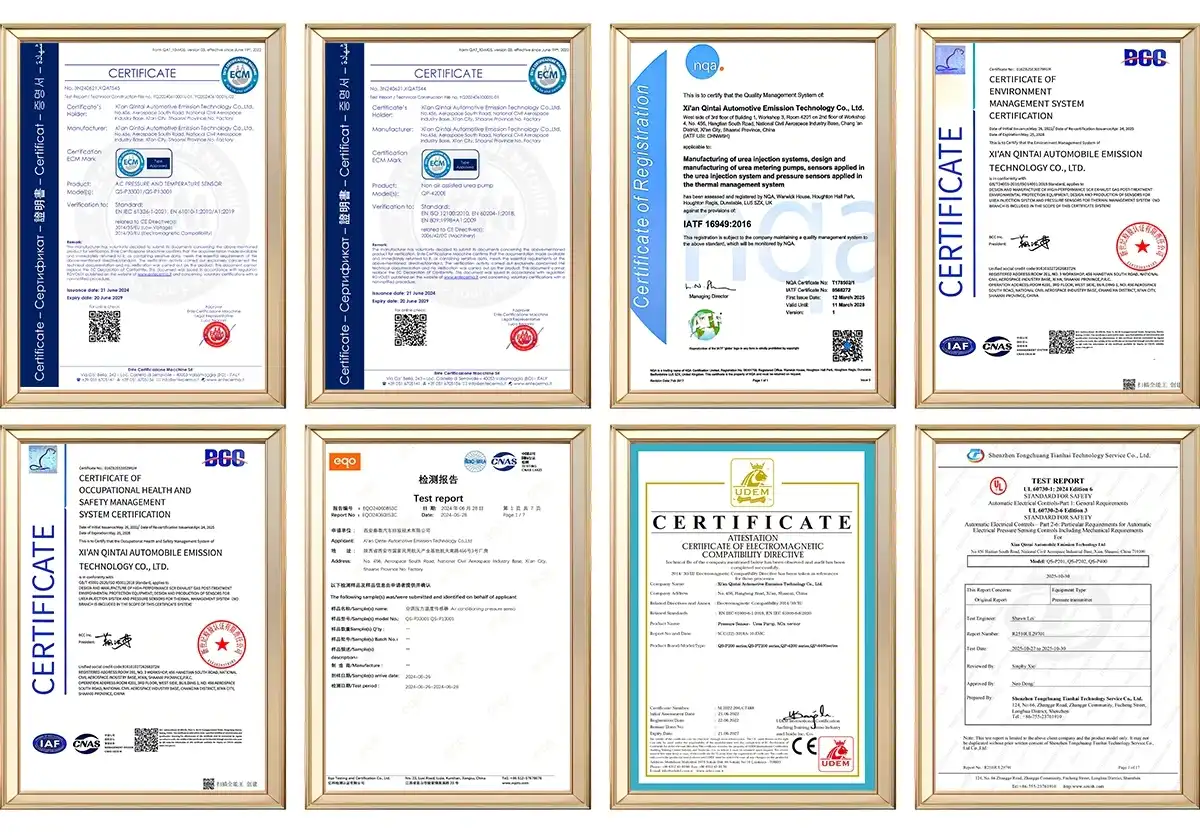
Critical Performance Factors and Calibration for Emission Testing Sensors
Environmental Variables Affecting Measurement Accuracy
When used for emission tests, temperature changes are the most difficult environmental factor for pressure sensors. The temperature of the exhaust gas ranges from room temperature during cold starts to 650°C during steady-state operation, with some areas reaching over 850°C during active DPF renewal. These changes in temperature cause a number of errors, such as zero-point drift, changes in span, and mismatches in thermal expansion between sensing elements and mounting structures.
Modern emission-grade sensors have temperature sensors built in. These temperature sensors allow real-time compensation methods to correct output data based on the current working temperature. By choosing devices whose working temperature ranges match the real installation conditions, measurement mistakes can be avoided and parts can last longer.
Vibration and mechanical shock make it harder to be accurate when testing emissions in mobile devices. Heavy-duty trucks and building equipment vibrate sensors continuously over a wide frequency range. This can wear out sensing diaphragms and cause electrical connections to break. We suggest choosing devices with strong mechanical designs, like those made of welded stainless steel and fixing holes that reduce shaking.
Sensor drift happens over time as membrane properties change because of repeated stress. To keep measurement tracking, it is important to check measurements against reference standards on a regular basis. The measurement result changes depending on the direction of the pressure change. Well-designed sensors have hysteresis below 0.1% full scale by carefully choosing the materials they are made of and improving their mechanical design.
Calibration Protocols and Compliance Standards
Setting up strict testing processes makes sure that pressure readings stay accurate for as long as the sensor is working. We do the initial factory calibration using NIST-traceable reference standards across the whole measurement range. We write down the calibration factors that let us accurately figure out the pressure from the sensor output. Most industrial emission testing needs only one recalibration every year, but sensors that are subject to harsh thermal cycles or corrosive condensates may need to be checked more often. During the calibration process, known pressure inputs are applied across the measurement range while sensor outputs are recorded. Offset and span parameters are then changed until measured values match reference standards within certain limits.
Standards in the industry, like ISO 9001 and IATF 16949, require that testing methods be written down and linked to international measurement standards. Calibration papers should have information about the sensor itself, the reference standard, the surroundings during calibration, measurement results at several pressure points, and a study of the uncertainty. This process is sped up by automated calibration systems that use controlled pressure patterns while data acquisition systems record outputs and make calibration documents automatically. Keeping records of calibrations allows for trend analysis that finds sensors that are drifting more quickly, so they can be replaced before their accuracy starts to affect emission test results.
Troubleshooting and Preventive Maintenance
When problems with pressure measurements happen, systematic repair methods cut down on downtime as much as possible. Some common ways that things break are pressure ports getting blocked because of particles building up, sensing diaphragms getting hurt from too much pressure, and electrical connections breaking down because of shaking or rust. If pressure values aren't consistent or are outside of the normal range, you should visually inspect the pressure port and use compressed air to clear out any obstructions. By comparing the output of a suspect sensor to that of a calibrated reference device, you can tell if the measurement mistakes are coming from the sensor itself or from the signal conditioning hardware that goes with it.
By following regular maintenance practices, you can make sensors last longer and keep their measurement accuracy. By checking the fixing hardware on a regular basis, you can keep it from coming loose, which could cause mechanical stress that would affect the accuracy. Using sintered metal screens to protect pressure ports stops particles from getting in and keeps pneumatic response times the same.
Electrical socket seals need to be checked for wear and tear, and silicone oil is used to keep their resistance to moisture. By keeping track of both calibration and repair activities, you can build detailed histories of devices that help you decide when to replace them and show systemic problems that affect many sensors. These proactive steps make it much less likely that unexpected problems will happen during important emission approval testing.

SENSOR+TEST, June 9 – 11, 2026
We look forward to your visit,warmly welcome to our booth 1-526!
Get your free ticket online now:
https://www.sensor-test.de/service/ticket/?52790
Selecting and Procuring Pressure Sensors for Emissions Testing
Decision Framework Based on Application Requirements
Creating a structured selection process will help make sure that the sensors picked meet technical standards and are delivered on time and at the lowest cost. The choice framework starts by listing operating factors, such as the measurement range, the level of accuracy needed, the process temperature ranges, the compatibility of the media, and the design of the pressure ports.
For DPF differential pressure tracking, diesel engine emissions testing usually needs measurement ranges from 0 to 100 kPa. For turbocharger uses, it may need 0 to 400 kPa absolute pressure capability. The level of accuracy needed depends on the testing standards. For example, EPA emissions certification usually says that measurement errors must be less than 2% of the number to make sure that legal compliance gaps are met.
Supplier Evaluation and Brand Comparison
When analyzing possible suppliers, it's not enough to just compare prices; you also need to look at their professional skills, quality systems, and support infrastructure. Leading makers of pressure sensors keep extensive testing facilities that make sure their products work well in a wide range of temperatures, shaking levels, and electromagnetic compatibility conditions. Other quality approvals, like IATF 16949, show that the manufacturing process is controlled in a way that meets car standards and allows for consistent quality and tracking. When choosing a sensor, it's very helpful to have application engineering support from the supplier. This helps you understand the specs in the datasheet and suggest the best setups for different emission testing scenarios.
Comparing well-known names shows differences in performance and customer service that affect the total cost of ownership. Major sensor makers have a wide range of products and have worked in the field for decades, but their prices tend to represent their expensive standing. We've seen that specialized emission sensor makers often offer better application-specific tech help and are ready to come up with custom solutions to solve specific integration problems.
If providers are ready to support trial numbers, provide evaluation samples, and help with integration testing, it shows that they want to work with you as a partner instead of just as a customer. The location of factories affects the reliability of the supply chain and the time it takes to get goods to customers. For example, regional factories can respond faster to urgent needs.
Procurement Channels and Commercial Considerations
Strategic buying methods get the best prices while also making sure that production needs are met by a steady flow of goods. When you work directly with a maker, you can usually get the best prices for large orders. With yearly blanket orders, you can discuss rates, and planned releases can be made to fit your production plans. Authorized distributors add value by keeping stock locally, offering expert help, and combining purchases for a wide range of parts.
We suggest building ties with both makers and distributors so that you can get the best prices on bulk orders while also having the freedom to make prototypes and get replacements quickly if needed. Framework agreements should be negotiated by procurement teams. These agreements should include pricing structures, lead time promises, quality standards, and guarantee terms that protect against supply disruptions.
When you agree to a volume price system, you get discounts based on how much you expect to use each year. Usually, prices go down when you buy 100, 500, or 1,000 units a year. For high-volume OEM uses, you may be able to negotiate even more. Payment terms, the choice of currency, and Incoterms all have a big effect on landing prices, especially when buying things from other countries.
Logistics for delivery require careful attention to packaging rules that keep items from getting damaged during shipping. For example, moisture barrier bags and electrostatic discharge protection are necessary to keep sensor readings and electronics working properly. Lead time management is the process of weighing the costs of keeping inventory against the risks of a production line stopping. Safety stock levels show how reliable the supply chain is and how much demand changes.
Interpreting Datasheets and Technical Specifications
A thorough study of the datasheet stops mistakes that could hurt the performance of the system or require expensive redesigns. Key features include a pressure range with a clear reference type (gauge, absolute, or differential), an accuracy range given as a percentage of the full scale or reading, an operating temperature range for both the medium being measured and the ambient temperature, and a compensated temperature range when the accuracy range is clear. Manufacturers describe accuracy in a number of ways, such as by combining non-linearity, hysteresis, and repeatable standards. To fully understand measurement error, these specifications must be carefully interpreted.
Electrical specs list the required source voltage, the amount of current that is used, the characteristics of the output signal, and how well the device works with electromagnetic fields. The mechanical specs talk about the types of pressure port threads, the recommended mounting torque, and the general dimensions that affect the fitting environment. Before making a final choice on procurement, we suggest asking for clarity on any unclear specs.
Assumptions about parameters that aren't clearly stated often lead to application incompatibilities being found during integration. The warranty terms should say how long the covering lasts, how often failures are expected, and what the maker has to do for broken units. The availability of technical support, such as application engineering help, calibration services, and spare parts, affects the long-term owning experience beyond the initial buy decision.
Future Trends and Innovations in Pressure Sensors for Emission Testing
Smart Sensors with Embedded Intelligence
Microprocessors are being added to new sensor designs to turn dormant measuring devices into smart system parts. These smart sensors do local signal processing, such as digital filtering, temperature adjustment, and linearization techniques, which improves accuracy while making it easier for the host controller to do its job. Embedded indicators constantly check sensor health factors like the stability of the membrane, the usefulness of the temperature sensor, and the performance of the electronic circuit. When problems are found, diagnostic trouble codes tell maintenance systems exactly what's wrong. This lets fixes be targeted instead of time-consuming fixing. As the price of microprocessors goes down and regulations demand full system tracking, we think that emission testing pressure sensors will automatically include intelligence.
Smart sensor technology can be used in revolutionary ways, like for predictive repair. By keeping an eye on performance trends like calibration drift rates, response time degradation, and signal noise increases, embedded algorithms can figure out how much longer something will work and suggest replacing it before it breaks.
This feature comes in very handy for emission testing, where broken sensors during certification tests can lead to costly delays and even fines for not following the rules. Self-calibration features that use reference pressure sources or measures compared to redundant sensors offer longer service times and lower maintenance costs. With remote configuration, measurement parameters, filter constants, and transmission methods can be changed in the field without having to replace the sensors physically.
Advanced Materials for Extreme Conditions
New developments in materials science are being made to deal with the growing heat and chemical problems that come up with more advanced emission control methods. Silicon carbide sensor elements can be exposed to temperatures above 1000°C for long periods of time without losing their measurement accuracy. This means that pressure can be monitored directly within catalyst surfaces during regeneration events. Alumina ceramic diaphragms that have protective layers formed by chemical vapors don't break down easily when they come into contact with sulfuric acid condensates and hydrocarbons, which shorten the life of most sensors. We see more and more of these advanced materials being used in places where standard sensors need to be replaced often because they are exposed to the air.
When placing sensors in places that make it hard to route electricity, wireless pressure transfer gets rid of the need for wiring harnesses. Using energy gathering technologies, thermal gradients or mechanical movements can be turned into electricity that can power regular measurement transfer, so batteries don't need to be replaced. These wireless systems work especially well for retrofitting emission tracking systems, where adding wires to old equipment would be very expensive. As technology gets smaller, more sensors can be packed into smaller aftertreatment packages. This gives doctors more medical information than just single-point measures by showing how pressure is distributed in space.
Conclusion
Pressure sensors are important measuring tools in current emission testing and control systems because they allow accurate tracking of diesel particulate filters, SCR catalysts, and exhaust system parts. When choosing a technology, you have to weigh the pros and cons of capacitive and piezoresistive sensors, analog versus digital communication, and differential versus exact measurement methods based on the needs of the application.
Long-term measurement accuracy and total ownership costs are greatly affected by how resilient an environment is, how the measurements are calibrated, and how well the source relationships are maintained. New smart sensor features, better materials, and changing government rules are all pushing this important technology to keep getting better. If procurement workers understand these technical issues and build relationships with reliable providers, they can help their companies stay in compliance while also lowering costs.
FAQ
What distinguishes a pressure sensor from a pressure transducer?
A pressure sensor picks up changes in pressure, while a transducer turns pressure into a standard electrical output signal. The terms are often used equally, but they mean different things. In real-world emission tests, both terms refer to full devices that measure pressure and give off electricity that can be used by data gathering systems.
How frequently should emission testing pressure sensors be calibrated?
Most industry standards and legal needs can be met with annual calibration intervals. Applications with high temperatures, corrosive settings, or important compliance testing may benefit from checking every six months to make sure that measuring accuracy stays within acceptable limits during service intervals.
Which pressure sensor technology provides the highest accuracy for automotive emission applications?
For ongoing monitoring, capacitive sensors tend to be more stable and accurate over time, while piezoresistive designs have faster response times that are better for transient tests. Both technologies can achieve accuracy levels below 0.5% full scale when used correctly and kept up to date. Therefore, the choice should be based on the needs of the application rather than the limits of the technologies themselves.
Partner with Qintai for Reliable Emission Testing Solutions
If you need help with pollution testing, Xi'an Qintai Automotive Emission Technology has industrial-grade pressure sensor options designed for diesel engine aftertreatment uses. Differential, absolute, and gauge pressure sensors are all in our product line. They can be used for DPF tracking, SCR system integration, and full emission control designs. As the main provider of pressure sensors to major diesel engine makers like Weichai Power, Yuchai Power, and Quanchai Power, we know the strict specifications and dependability needs that drive buying choices. Our ISO9001 and IATF16949-certified manufacturing methods back up the quality with thorough testing procedures.
Customization is possible to meet the individual installation needs, transmission protocols, and measurement ranges of your apps. Email our engineering team at info@qt-sensor.com to talk about the problems you're having with emission testing and get expert advice that fits your needs. We keep a lot of stock on hand so that we can deliver quickly, and we back our OEM partnerships with dedicated account management and quick technical help.
References
1. Kumar, S., & Bhattacharya, P. (2019). Pressure Measurement Technologies for Diesel Engine Emission Control Systems. SAE International Journal of Engines, 12(4), 445-462.
2. Environmental Protection Agency. (2020). Heavy-Duty Engine and Vehicle Standards and Highway Diesel Fuel Sulfur Control Requirements. Federal Register, 85(28), 7516-7589.
3. Weber, C., & Schmidt, M. (2021). Sensor Technologies for Real-Time Emission Monitoring in Commercial Vehicles. Automotive Engineering International, 129(6), 34-41.
4. International Organization for Standardization. (2018). ISO 15500-9:2018 Road Vehicles - Compressed Natural Gas (CNG) Fuel System Components - Part 9: Pressure Indicator. Geneva: ISO.
5. Zhang, L., & Anderson, R. (2022). Advanced Pressure Sensing Materials for High-Temperature Automotive Applications. Journal of Materials Science and Engineering, 48(3), 217-234.
6. Society of Automotive Engineers. (2021). SAE J1979-2:2021 E/E Diagnostic Test Modes - Part 2: Communication Parameter Definitions and Test Protocol. Warrendale: SAE International.

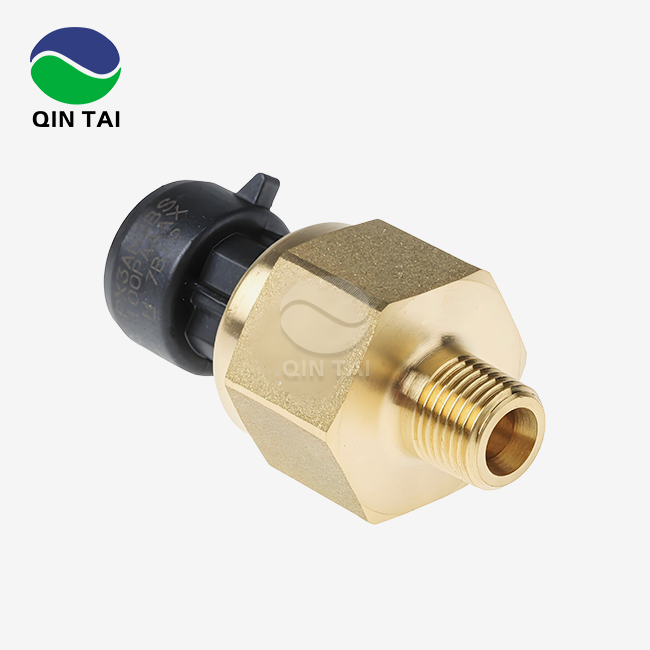
 Sensors.webp)

Our customers’ satisfaction speaks for our quality — contact us to experience the same reliable service.