- English
- French
- German
- Portuguese
- Spanish
- Russian
- Japanese
- Korean
- Arabic
- Greek
- German
- Turkish
- Italian
- Danish
- Romanian
- Indonesian
- Czech
- Afrikaans
- Swedish
- Polish
- Basque
- Catalan
- Esperanto
- Hindi
- Lao
- Albanian
- Amharic
- Armenian
- Azerbaijani
- Belarusian
- Bengali
- Bosnian
- Bulgarian
- Cebuano
- Chichewa
- Corsican
- Croatian
- Dutch
- Estonian
- Filipino
- Finnish
- Frisian
- Galician
- Georgian
- Gujarati
- Haitian
- Hausa
- Hawaiian
- Hebrew
- Hmong
- Hungarian
- Icelandic
- Igbo
- Javanese
- Kannada
- Kazakh
- Khmer
- Kurdish
- Kyrgyz
- Latin
- Latvian
- Lithuanian
- Luxembou..
- Macedonian
- Malagasy
- Malay
- Malayalam
- Maltese
- Maori
- Marathi
- Mongolian
- Burmese
- Nepali
- Norwegian
- Pashto
- Persian
- Punjabi
- Serbian
- Sesotho
- Sinhala
- Slovak
- Slovenian
- Somali
- Samoan
- Scots Gaelic
- Shona
- Sindhi
- Sundanese
- Swahili
- Tajik
- Tamil
- Telugu
- Thai
- Ukrainian
- Urdu
- Uzbek
- Vietnamese
- Welsh
- Xhosa
- Yiddish
- Yoruba
- Zulu
Understanding Why Some Pressure Sensors Fail, and What to Do about It
Pressure sensors fail when subjected to mechanical stress, extreme environmental conditions, electrical instabilities, or calibration errors that compromise their ability to accurately measure force exerted over a surface area. These failures disrupt critical operations in diesel engines, aftertreatment systems, and industrial equipment, leading to regulatory non-compliance, production delays, and elevated maintenance costs. Addressing these challenges requires understanding failure mechanisms, implementing robust diagnostic protocols, and partnering with reliable manufacturers who deliver sensors engineered for demanding applications.
Common Reasons Why Pressure Sensors Fail
In many industrial settings, pressure sensors are put under a lot of stress. This is especially true in diesel engine systems, where they measure exhaust backpressure, DPF renewal cycles, and SCR catalyst performance. When procurement managers and R&D experts know why these devices break, they can make decisions that cut down on downtime and make tools last longer.
Mechanical Damage from Vibration and Shock
When they are in use, heavy cars and building equipment make a lot of vibrations. In sensor diaphragms and mounting systems, these steady mechanical stresses result in microcracks. Whether it's a strain gauge, a ceramic sensitive component, or a piezoelectric crystal, the detecting element breaks down physically over time, which changes how accurate the measurements are. This pattern of wear is sped up by agricultural equipment working on rough ground, which makes vibration resistance an important feature to consider when choosing a sensor.
Environmental Wear from Temperature Extremes
Pressure sensors in diesel engine aftertreatment systems are exposed to temperature changes that can go from below zero at cold starts to over 600°C in exhaust gas. These temperature cycles cause materials to expand and contract, which can weaken seals, crack solder joints, and damage electronic parts. Generator sets that work in underground or rural power stations have the same problems because the conditions are so different. Long-term dependability is directly affected by choosing sensors with the right temperature coefficients and thermal stability standards.
Exposure to Corrosive Media
Diesel exhaust fluid, which is used in SCR systems, breaks down when heated. Pressure sensors that record the difference pressure or DEF injection pressure must be able to withstand chemical attacks and still keep their measurements accurate. Protective features include stainless steel housings, ceramic diaphragms, and special finishes, but picking the right material is still very important. Whether a sensor lasts 5,000 hours or 20,000 hours in service depends on how resistant it is to rust. This is a big difference that affects the total cost of ownership.
Electrical Faults and Signal Interference
Electromagnetic interference is made by alternators, starter motors, and computer control units, which are all parts of modern diesel engines that have a lot of sensors. This noise can mess up pressure readings if sensor wires aren't properly shielded or if there isn't enough grounding. This can lead to strange engine behaviour or fake diagnostic trouble codes. During load dumping or jump-starting, voltage spikes can damage sensor electronics forever. This is especially true for older analogue designs that don't have protective circuits.
Calibration Drift Over Time
Even if sensors are placed correctly, their tuning will slowly change over time as the sensing elements get older. Changes in standard capacitance are seen in capacitive pressure sensors, while changes in resistance values are seen in strain gauge-based designs. This drift is a problem in uses that need to be accurate, like when figuring out how much to dose for SCR systems or when to regenerate the DPF. If sensors aren't regularly re-calibrated, they might give voltage values that are within acceptable ranges even though the real pressure measurements are above or below what is allowed.
Different type of sensor methods have different failure rates. Analogue sensors are more likely to be affected by electrical noise, but they are easier to use in older systems. Digital sensors that have signal processing built in are better at blocking noise and making diagnoses, but they need to be able to communicate using the same protocols. Piezoelectric systems work great for measuring dynamic pressure but not so well for measuring steady pressure. Capacitive pressure sensors are very stable over time and work well for monitoring diesel aftertreatment. However, they need to be carefully installed so that the diaphragm doesn't get dirty.
Diagnosing Pressure Sensor Failures—Step-by-Step Approach
Through systematic fixing, diagnostic time is cut down and parts aren't replaced when they aren't needed to be. A organised method makes it easy to find the root causes of pressure sensor problems in diesel engine systems or industrial equipment.
Identifying Failure Symptoms
Failures of sensors show up in clear trends. Erratic signal output shows up as changing pressure readings even though the working conditions are stable. This is usually a sign of electrical interference or connections that aren't tight. Output drift slowly moves away from known pressure values, which could mean that the calibration is getting worse or the diaphragm is wearing out. When sensor readings are delayed compared to changes in pressure, there may be a problem with the damper or the computer processing. Loss of all signals means there is a problem with the power source, the wire is broken, or the sensor has failed completely.
Understanding Environmental Influences
Failure modes are greatly affected by the operating surroundings. High-temperature diesel exhaust systems put more stress on sensors, which speeds up the ageing process. When particles get into construction equipment that is used in dusty areas and block pressure ports or cover sense diaphragms, the machinery stops working properly. Generator sets that are near wet coastlines have corrosion problems that don't happen in dry areas. Knowing about these external factors helps with diagnosis and helps with choosing sensors in the future.
Leveraging Diagnostic Tools and Data
Modern ways of diagnosing use a lot of different kinds of knowledge. Electronic control units save "freeze-frame" data that records the values of sensors when a fault happens. The amount of drift can be seen by comparing the output of a current sensor to the calibration requirements. By looking at sensor data with an oscilloscope, electrical noise or unstable power supplies can be found. Looking back at maintenance records from the past can help you find trends. For example, if the same assets keep breaking down, it could be because of bad fitting or not enough environmental protection.
Calibration logs give correct diagnosis baseline values that are needed. A sensor reporting 150 kPa when actual pressure measures 200 kPa clearly requires replacement or recalibration. However, determining whether this error stems from sensor degradation, wiring resistance, or ECU input conditioning requires methodical testing at multiple operating points.
Best Practices to Prevent Pressure Sensor Failures
Fixing mistakes after they happen is much more expensive than preventing them in the first place. Taking proactive steps can increase the life of sensors and make measurements more accurate in diesel engine systems and other industry settings.
Proper Installation Techniques
Where the sensor is mounted has a big effect on how long it lasts. Putting pressure sensors away from sources of high shaking lowers the stress on the mechanical parts. By positioning sensors so that vapour can drain, liquid doesn't build up and damage electrical lines or freeze in cold places. It's important to stick to the torque specs—too much torque can damage the closing elements, and too little torque can let leaks happen. When routeing cables, it's important to keep them away from sharp turns, pinch points, and heat sources that break down insulation.
Scheduled Calibration and Maintenance
How often calibrations are done depends on how hard the programme is. Diesel engines that meet China VI or Euro VI emission standards need to be checked more often than generator sets that are working in normal conditions. Setting calibration times based on working hours instead of date time takes into account how things are actually used. During upkeep, techs should look for corrosion in the electrical contacts, make sure the mounting is secure, and check the pressure ports to see if they are blocked. These easy checks find problems as they start to form before they become major problems.
Selecting Sensors for Harsh Environments
When sensors are needed in places with high temperatures, toxic atmospheres, or strong vibrations, they need to be specially designed for those circumstances. Ceramic capacitive designs are more stable when it comes to temperature than semiconductor-based designs. In dirty settings, all-welded stainless steel construction seals better than O-ring assemblies. Response time specifications must meet the needs of the application. For example, sensors that answer slowly are good for checking the level of a tank over time but not so good for analysing the dynamic pressure of combustion.
Material suitability isn't just for the body of the sensor. Chemicals must not harm internal parts like diaphragms, fill fluids, and electrical isolators for the entire service life that is defined. Instead of depending only on the temperature ranges mentioned in basic datasheets, people in charge of buying things should ask for detailed material certifications and proof of environmental testing.
Integration of Digital Monitoring Capabilities
Digital pressure sensors with built-in communication methods allow for constant tracking, which changes upkeep from being reactive to being proactive. When these sensors are connected to CMMS platforms, they send real-time data that shows how performance is slowly declining before it fails completely. When readings go outside of normal ranges, maintenance teams are notified. This lets them change the parts during planned downtime instead of having to make emergency fixes that stop production.
Wireless sensor networks get rid of the problems that come with hardwiring in upgrade situations and give you a lot of installation choices. Battery-powered versions are easier to set up on mobile tools like building equipment and farm vehicles, where wired links would not work. Investing in digital monitoring infrastructure pays off with less downtime, better operations insight, and shorter repair intervals.

SENSOR+TEST, June 9 – 11, 2026
We look forward to your visit,warmly welcome to our booth 1-526!
Get your free ticket online now:
https://www.sensor-test.de/service/ticket/?52790
Making Smart Procurement Decisions to Minimize Sensor Failures
Decisions about what to buy have a direct effect on the trustworthiness of sensors, the performance of the system, and the total cost of ownership. To make sure long-term success, R&D engineers and buying managers need to look at more than just the original price.
Evaluating Critical Specifications
Accuracy specifications show how accurate a measurement is, but they must also be taken into account with the working conditions. If temperature correction isn't mentioned, a sensor that is rated for ±0.5% accuracy at 25°C might show ±2% error at 150°C. Response time is very important in diesel engines where pressure changes quickly when the turbocharger is working or when the DPF is being regenerated. Environmental ratings, such as IP security numbers, show how well a seal keeps dust and water out.
How hard it is to integrate a system depends on how compatible the communication interfaces are. Analogue output sensors that use 4-20mA or 0-5V data can easily connect to older control systems, but they can't be used for diagnostics. Digital sensors that use CANbus, Modbus, or I²C protocols can send and receive more data and do self-diagnostics, but they need receiving equipment that is compatible with them. To avoid problems with compatibility during installation, the procurement specs should make it clear what the electrical interface needs are.
Comparing Manufacturers and Quality Standards
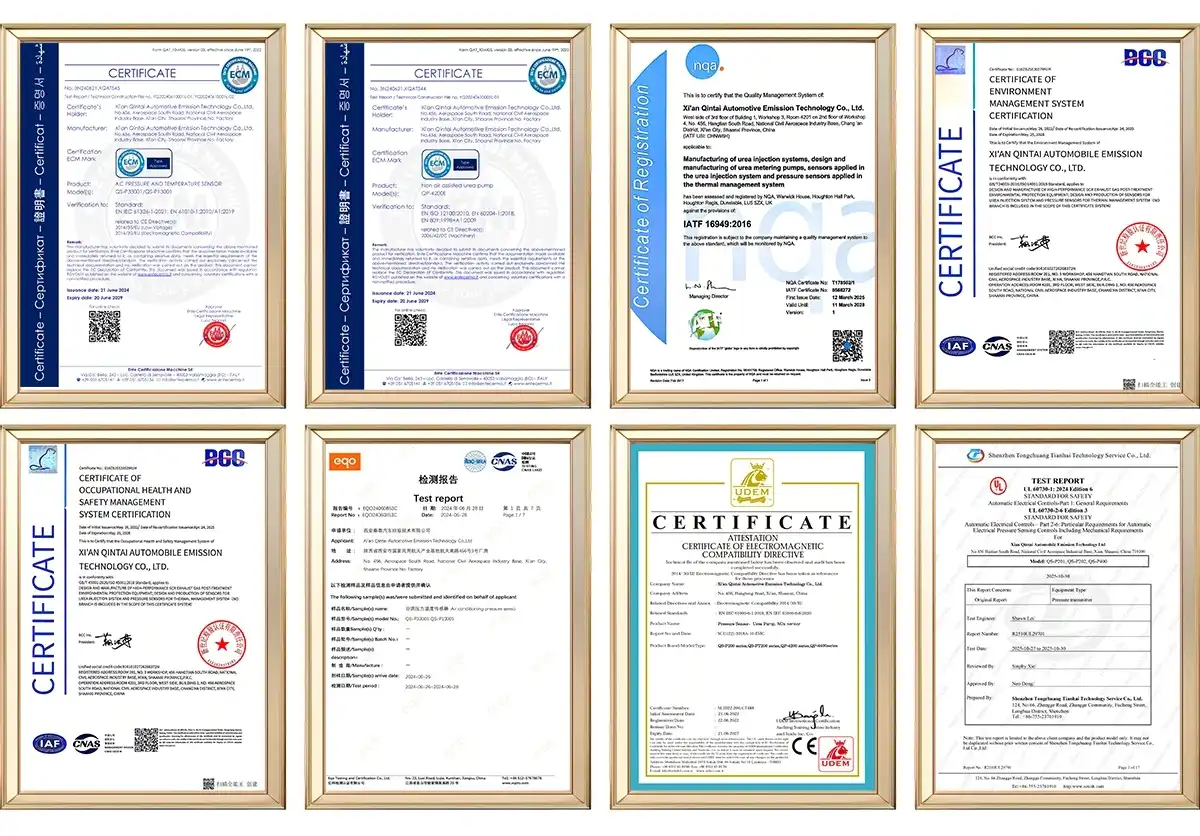
Manufacturers with a good reputation show quality through certifications instead of just marketing claims. ISO9001 approval means that quality management systems are well-established, and IATF16949 covers the special needs of the car industry when it comes to diesel engine uses. Ex certifications show that sensors meet the safety standards for areas that could explode, like mines and chemical plants. UL, CE, REACH, and RoHS approval shows that the equipment sold in North America and Europe follows the safety and environmental rules that apply to that market.
Suppliers are set apart during the merger phase and throughout the lifecycle of a product by the level of technical help they offer. Manufacturers that offer application engineering help improve the way pressure sensors are chosen and installed. Respondent after-sales help quickly fixes problems in the field, reducing the costs of downtime that often go over the cost of replacing sensors. A supplier's dedication to product evolution in line with changing emission rules and technology needs is a key factor in the possibility for a long-term relationship.
Navigating Supply Chain Considerations
Variable lead times affect production plans and the amount of goods that needs to be kept on hand. Suppliers who keep standard sensor types in stock make it possible for quick deployment in aftermarket uses where customers want things to be done quickly. Custom sensor solutions that need to be modified to fit particular needs usually take longer to build, but they work better in certain situations.
Bulk buy deals save money and make sure that supplies don't run out. Volume promises help companies decide how much to make, keep prices stable, and maybe even make goods that are just right for customers who buy a lot. When new equipment platforms come out or when switching between generations of emission standards means that sensor specifications need to be updated, these relationships are very helpful.
Custom Solutions for Specialized Requirements
Standardised sensors work well for most uses, but sometimes they need to be customised. Designs may need to be changed if there are unusual pressure ranges, harsh weather conditions, or unique mounting limitations. Companies that offer both OEM and ODM services make sensors that are specifically designed for certain diesel engine designs or aftertreatment system setups. This customisation goes beyond just the mechanical packing. It also includes calibrated pressure ranges, electrical connections, and communication methods that are specific to the needs of the customer's ECU.
The choice to develop custom sensors strikes a mix between the cost of development and the benefits of better performance and being able to stand out from the competition. Customisation is often a good idea for diesel engine makers who want to meet emission standards or for aftertreatment developers who need sensors that work with their own system designs. Technical risk in custom development programmes can be lowered by looking at a supplier's research and development (R&D) skills, patent collection, and experience with projects like yours.
Real-World Case Studies: How Failures Were Resolved Effectively?
Examples from real life show how organised methods to choosing sensors, installing them, and maintaining them can solve common problems that come up when measuring pressure in industrial settings.
Resolving High-Temperature Drift in Industrial Processes
A company that makes generator sets had backup power units for mine activities that had sensors fail early. After only 2,000 hours of use, the pressure sensors that were checking the boost pressure of the turbocharger showed a lot of calibration drift. This is a long time compared to the recommended 10,000-hour service gap. An investigation showed that waste heat from nearby aftertreatment parts raised the body temperature of the sensor above what was allowed.
The problem was fixed by switching to ceramic capacitive sensors that are made to work in high-temperature settings. These gadgets had thermal shields that separated the electronics from the sensing diaphragm and used signal filtering that took temperature into account. The mounting process was also changed to improve the temperature separation between the sensors and the heat sources. Post-implementation tracking showed stable calibration for all 10,000-hour service intervals. This eliminated the need for early replacement costs and cut down on repair events.
Protecting Sensors in Corrosive Chemical Environments
An SCR system installer that works with diesel engine makers had to deal with guarantee claims about pressure sensor corrosion in DEF dosing circuits. When hot urea solutions were put on standard stainless steel sensors, they corroded in pits, which led to leaks and measurement mistakes that made it harder to meet emission standards. The corrosion pattern got worse in systems that went through a lot of temperature cycles.
To solve this problem, a lot of material testing was needed, using virtual working conditions to try different alloys and ceramics. The chosen answer used sensors with all-ceramic wetted parts and special O-ring materials that don't break down when exposed to urea. Better closing designs stopped DEF from getting into electrical lines. Field testing on a number of different engine platforms showed that they could work reliably for more than 15,000 hours without any corrosion-related problems. This meant that they met the standards for emission longevity and reduced the risk of breaking the warranty.
Improving Accuracy Through Digital Sensor Adoption
An auto testing centre had trouble making measurements that were the same every time when they tried to describe the performance of diesel engines across emission certification rounds. Analogue pressure sensors that were tracking the backpressure in the intake manifold and the exhaust had enough noise and drift that differences between tests were too big to be acceptable. This lack of consistency made it harder to build engine calibration and get government approval.
Changing to digital pressure sensors that have signal processing and temperature adjustments built in made measurements much more stable. The digital devices gave diagnostic information, like the health state of the sensors and out-of-range condition flags, that let techs know when problems were starting to happen before they affected the validity of the test. Communication over CANbus made wiring easier and got rid of ground loop problems that were common in older analogue systems. The accuracy of tests got a lot better, which sped up research and gave people more faith in the results of certification tests.
These case studies show that the dependability of pressure sensors relies on matching technology to application needs, installing them correctly, and choosing providers who can offer expert support for the entire duration of a product. Spending money on the right sensor solutions pays off because they lower upkeep costs, make operations more reliable, and improve system performance.
Conclusion
Mechanical stress, weather exposure, electrical problems, and calibration drift are some of the things that can cause pressure sensors to fail. These are problems that engineers and procurement workers can fix by choosing the right sensors and keeping them in good shape. Knowing how different sensor technologies work in harsh situations helps you make better buying choices that cut down on downtime and keep costs in check. Systematic troubleshooting methods quickly find the root causes, and preventative measures like proper installation, regular calibration, and digital tracking make sensors last longer. Real-world examples show that working with skilled makers who offer specialised options, thorough certifications, and quick technical support leads to higher dependability in tough diesel engine and industrial settings.
FAQ
Q1: How often should pressure sensors be calibrated?
A: How often calibration is done depends on how serious the application is and how accurate it needs to be. Diesel engines that meet strict pollution standards usually need to be checked once a year, but generator sets that are kept in a stable climate may not need to be checked for 18 to 24 months. Extreme temperatures, high shaking levels, and contact with contaminants can all cause calibration slip, which means that checks need to be done more often.
Q2: What are the key differences between analog and digital pressure sensors?
A: Analogue sensors give off constant voltage or current readings that are proportional to the pressure they record. This makes them easy to use and compatible with older control systems. On the other hand, they are more likely to be affected by electrical noise and can't diagnose themselves. Microprocessors are built into digital pressure sensors to handle temperature compensation, signal filtering, and transmission methods such as CANbus and Modbus.
Q3: How do wireless pressure sensors reduce industrial downtime?
A: Wireless sensors get rid of the limitations of hardwiring, allowing installation in places that weren't possible before because of problems with cable routeing. By sending data in real time to central tracking systems, repair teams can always see how the equipment is working and notice if it's losing its efficiency before it breaks down. Predictive maintenance strategies that use data from portable sensors plan repairs to happen during planned downtime instead of having to fix things when they break down without warning.
Partner with Qintai for Reliable Pressure Sensor Solutions
Qintai is a top company that makes pressure sensors that diesel engine OEMs, aftertreatment system installers, and industrial equipment manufacturers all over the world trust. Our ISO9001, IATF16949, and other foreign certifications show that we are committed to meeting the high quality standards that markets in Europe and North America expect. We design sensors for harsh conditions like SCR systems, DPF uses, and high-temperature industrial processes. We have 58 idea patents and our own research and development department.
We know what it takes to meet pollution standards and last for a long time because we are the main source to China's biggest diesel engine makers. Our OEM and ODM services allow for customisation from the idea stage to mass production. They are backed by quick expert help and low prices for bulk purchases. Contact our team at info@qt-sensor.com to talk about your unique pressure sensor needs and find out how our solutions can help your system work better and have fewer problems.
References
1. Johnson, M. R., & Williams, K. L. (2021). Pressure Measurement in Diesel Engine Aftertreatment Systems: Technology and Applications. SAE International Publishing.
2. Chen, H., & Rodriguez, P. (2020). "Failure Analysis of Industrial Pressure Sensors in High-Temperature Environments." Journal of Sensor Technology and Applications, 34(2), 145-162.
3. Thompson, R. A. (2022). Predictive Maintenance Strategies Using Digital Sensor Networks. Industrial Press Inc.
4. Anderson, T. F., & Kumar, S. (2019). "Corrosion Resistance of Pressure Sensor Materials in Automotive Urea-Based SCR Systems." International Journal of Automotive Engineering, 28(4), 312-329.
5. European Committee for Standardization. (2023). Pressure Sensors for Automotive Applications—Performance Requirements and Testing Methods. CEN Technical Report 156.
6. Mitchell, D. B., & Zhang, L. (2021). "Diagnostic Approaches for Pressure Sensor Failures in Industrial Control Systems." Maintenance Engineering and Reliability Review, 41(3), 78-95.
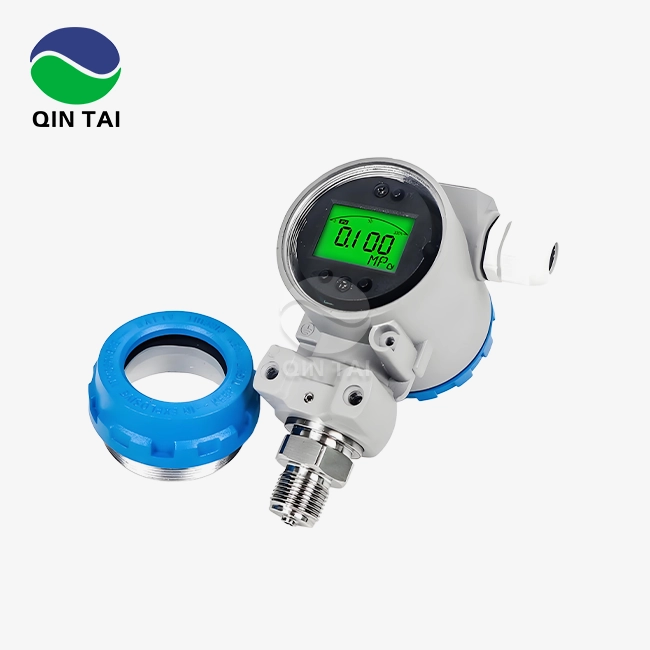
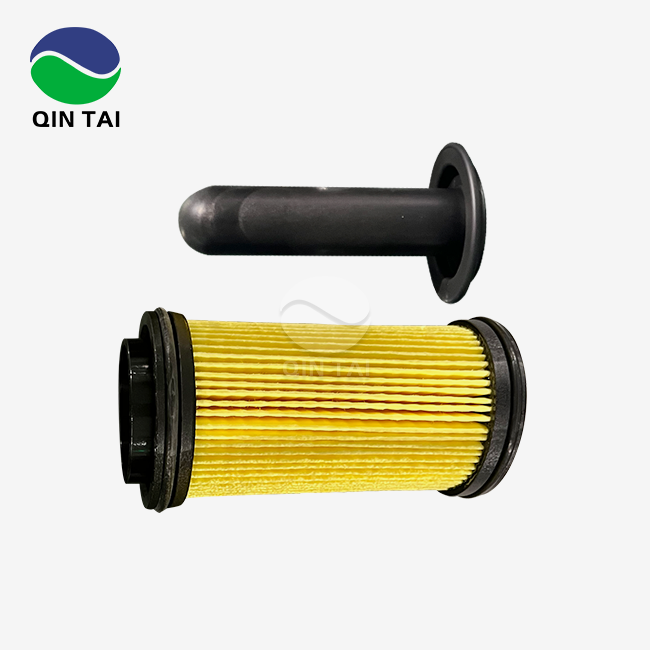
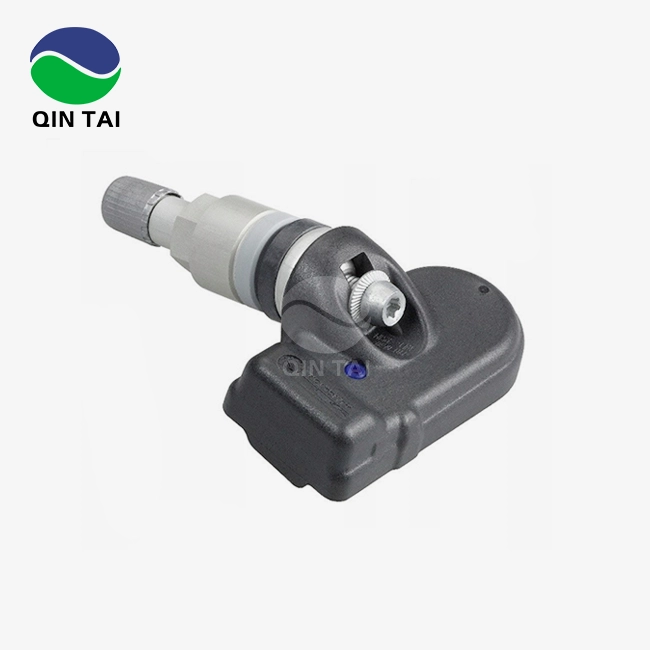

Our customers’ satisfaction speaks for our quality — contact us to experience the same reliable service.