- English
- French
- German
- Portuguese
- Spanish
- Russian
- Japanese
- Korean
- Arabic
- Greek
- German
- Turkish
- Italian
- Danish
- Romanian
- Indonesian
- Czech
- Afrikaans
- Swedish
- Polish
- Basque
- Catalan
- Esperanto
- Hindi
- Lao
- Albanian
- Amharic
- Armenian
- Azerbaijani
- Belarusian
- Bengali
- Bosnian
- Bulgarian
- Cebuano
- Chichewa
- Corsican
- Croatian
- Dutch
- Estonian
- Filipino
- Finnish
- Frisian
- Galician
- Georgian
- Gujarati
- Haitian
- Hausa
- Hawaiian
- Hebrew
- Hmong
- Hungarian
- Icelandic
- Igbo
- Javanese
- Kannada
- Kazakh
- Khmer
- Kurdish
- Kyrgyz
- Latin
- Latvian
- Lithuanian
- Luxembou..
- Macedonian
- Malagasy
- Malay
- Malayalam
- Maltese
- Maori
- Marathi
- Mongolian
- Burmese
- Nepali
- Norwegian
- Pashto
- Persian
- Punjabi
- Serbian
- Sesotho
- Sinhala
- Slovak
- Slovenian
- Somali
- Samoan
- Scots Gaelic
- Shona
- Sindhi
- Sundanese
- Swahili
- Tajik
- Tamil
- Telugu
- Thai
- Ukrainian
- Urdu
- Uzbek
- Vietnamese
- Welsh
- Xhosa
- Yiddish
- Yoruba
- Zulu
Pressure Sensor for Automotive Applications
In order to watch and handle important functions like engine combustion and emission control, modern car systems rely heavily on pressure sensors. These gadgets find out how much force is being applied to certain places and turn that force into electrical signs that control units can understand. Choosing reliable car pressure sensors has a direct effect on regulatory compliance, working efficiency, and long-term system stability. This is true whether you're looking for parts for heavy-duty diesel engines or building aftertreatment systems for industrial vehicles. Knowing about sensor technologies, performance requirements, and buying methods will help you make sure that your goods meet strict emission standards and work the same way in all kinds of settings.
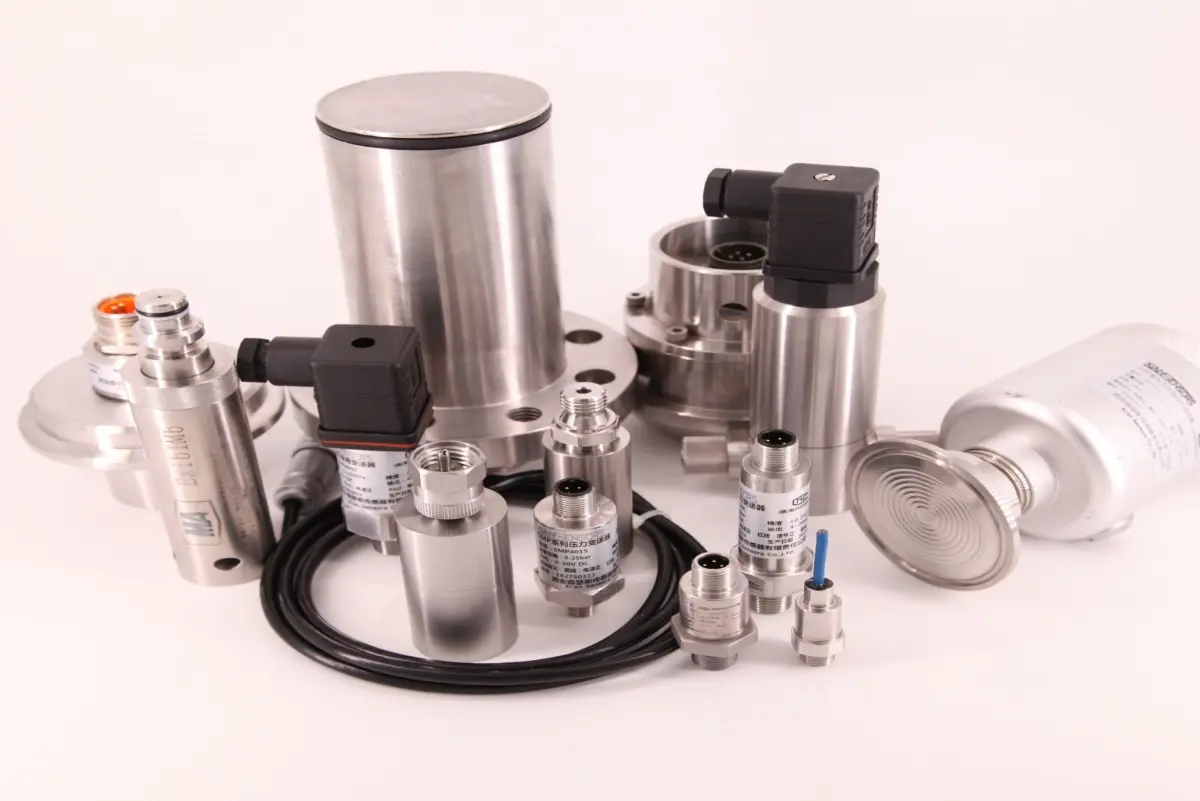
Introducing Pressure Sensors in Automotive Applications
Automotive pressure sensors are important measuring tools used in many parts of a vehicle. These parts find changes in the force of gases and liquids, turning physical events into usable electrical data that lets the system be adjusted in real time.
How Automotive Pressure Sensors Function?
The way most car pressure sensors work is by using strain gauges or capacitive elements that react to force. When you put more pressure on a detecting diaphragm, it deforms physically, which causes changes in resistance or capacitance that can be measured. A strain gauge-based sensor, which is popular in diesel engines, expands and contracts very small amounts when hydraulic or pneumatic pressure changes.
The electrical resistance changes in a way that depends on how much power is applied. The conditioning electronics in the sensor boosts and filters these signals, turning the raw voltage changes into standard output forms that engine control units can understand. This process only takes milliseconds, which means that pollution control systems, fuel injection timing, and turbocharger adjustment can all get input right away.
Key Sensor Technologies in Modern Vehicles
Different sensor systems meet the needs of different types of cars. Crystalline materials used in piezoelectric sensors create electrical charges when put under mechanical stress. This makes them perfect for measuring how quickly pressure changes in combustion tanks. Capacitive pressure sensors have a bendable diaphragm between two set electrodes. When pressure changes the diaphragm's position, the capacitance values change.
When accuracy is needed over a wide temperature range, these devices really shine, especially in SCR systems and DPF tracking. Piezoresistive sensors put semiconductor strain gauges right into silicon diaphragms. This makes them small and sensitive enough to watch brake fluid and intake manifold pressure. In terms of measurement range, temperature stability, and response traits, each method has its own unique benefits.
Absolute, Gauge, and Differential Pressure Measurements
Depending on the machine being watched, different pressure reference points are needed for automotive uses. Absolute pressure sensors are needed for barometric adjustment in engine control systems because they measure force in relation to a perfect vacuum. These sensors help R&D workers figure out the best ways to pump fuel at different elevations. It is common for tire pressure tracking systems and hydraulic circuits to use gauge pressure sensors, which give readings based on the air pressure in the surrounding area.
Differential pressure sensors compare two pressure sources at the same time. They are very useful for keeping an eye on DPF regeneration, since soot buildup causes pressure drops that can be measured across filter substrates. When buying managers know about these different types of measurements, they can choose the right sensors for diagnostic and emission control systems.
Core Performance Factors and Selection Criteria for Automotive Pressure Sensors
When choosing the right pressure sensors, it's important to carefully weigh the performance requirements against the needs of the operation. To make sure long-term system stability, technical managers have to find a balance between the need for accuracy and the ability to handle harsh environments.
Critical Performance Specifications
The measurement precision is directly related to the sensor's sensitivity, which controls the change in output signal for each unit change in pressure. Accurate NOx reduction depends on getting exact pressure readings from the waste stream, which can only be done with high-sensitivity devices. Specifications for accuracy set the biggest measurement mistake that is allowed, which is usually given as a percentage of full-scale output.
Automotive uses that meet China VI and Euro VI standards need sensors that are accurate to within ±1% to make sure that emissions rules are followed for the whole life of the car. Response time shows how quickly sensors pick up changes in pressure, which is very important for fuel injection systems that need to make timing tweaks at the millisecond level to get the best combustion efficiency. The temperature compensation circuits keeps the accuracy of the measurements even when the temperature ranges from -40°C to +150°C, which is typical in diesel engine compartments and exhaust aftertreatment systems.
Environmental Considerations for Harsh Automotive Conditions
In automotive settings, sensors are exposed to vibrations, changes in temperature, water, and chemicals. Heavy trucks and building equipment have sensors that must be able to handle constant vibrations of more than 20G acceleration without losing their integrity. In exhaust gas uses, where temperatures can change from room temperature to 600°C during regeneration processes, thermal shock resistance is very significant. When purchasing managers look at pressure sensors for generator sets, they should make sure that they have an IP67 or higher grade for entry protection.
This makes sure that the sensors are sealed properly against dust and short-term water immersion. Choosing the right material can also affect how long something lasts. For example, stainless steel diaphragms and ceramic sensitive elements don't rust when they come into contact with condensation and chemical agents in diesel exhaust fluid systems. These factors that affect longevity have a direct effect on how much upkeep costs and how often warranty claims are made by aftermarket providers.
Matching Sensor Types to Application Requirements
Manifold absolute pressure sensors with measurement ranges from 10 to 400 kPa are often used by engine control systems to figure out the right air-fuel ratio. To support common rail injection accuracy, fuel rail pressure sensors need to be able to handle higher pressures (often 200 to 2,500 bar) and respond very quickly.
Emission control systems need special sensors that can work in exhaust settings that are toxic and give accurate differential pressure readings for DPF monitoring. When technical managers choose sensors for HVAC climate control, they look for ones that can accurately measure low pressure ranges (0–10 kPa) so that passenger pressure stays stable. When R&D engineers know about these application-specific needs, they can choose sensors that meet both performance and cost standards during the product development stages.
Comparative Analysis of Leading Pressure Sensors for Automotive Applications
By looking at various pressure sensor technologies and the skills of different manufacturers, you can make smart purchasing choices that meet the needs of output scale and quality.
Piezoelectric Versus Capacitive Sensor Technologies
Piezoelectric sensors have great dynamic reaction qualities and can pick up pressure changes of up to 100 kHz. This is especially useful for analysing combustion and finding knock in diesel engines. However, these tools can't measure static pressure and usually cost more than other options. Capacitive ceramic pressure sensors are the best choice for tracking emissions because they stay stable and accurate over a wide range of temperatures.
This makes them the best choice for applications that need to make sure they stay in line with regulations for five to ten years. Capacitive designs are useful in many car parts because they can measure both static and dynamic pressure. Piezoresistive silicon sensors are a cheap way to make a lot of things, and they're accurate enough for less important tasks like checking the coolant pressure and adjusting the transmission fluid.
Manufacturer Capabilities and Market Positioning
When it comes to buying things, global car sensor manufacturers bring different skills to the table. Companies like Honeywell and Bosch have been around for a long time and have a lot of products that have been used successfully in OEM uses. They also have a lot of technical information and global marketing networks to back up their products. Their pressure sensors usually have automotive-grade credentials, such as IATF 16949 approval and AEC-Q200 component testing. This meets the quality assurance standards that buying managers look for when they evaluate suppliers.
Most of the time, mid-tier makers offer affordable prices and open MOQ policies that make them good for aftermarket uses and smaller production runs. Regional providers, especially those that sell industrial vehicles, may be able to provide customisation services that global companies only do for large orders. Instead of just depending on datasheet specifications, project engineers should ask for proof data that shows how well the sensor works in real-world situations when they are comparing manufacturers.
OEM Customization and Production Scalability
When diesel engine makers move from making prototypes to making the whole engine, mass production ability is very important. Sensor providers must show that they can keep the quality of their products the same even when making thousands or millions of pieces a year. Customisation services let R&D teams choose the types of connectors, mounting arrangements, and output signal forms that work with current control systems. Some makers offer application-specific calibration by pre-programming temperature adjustment curves to work with certain engine systems.
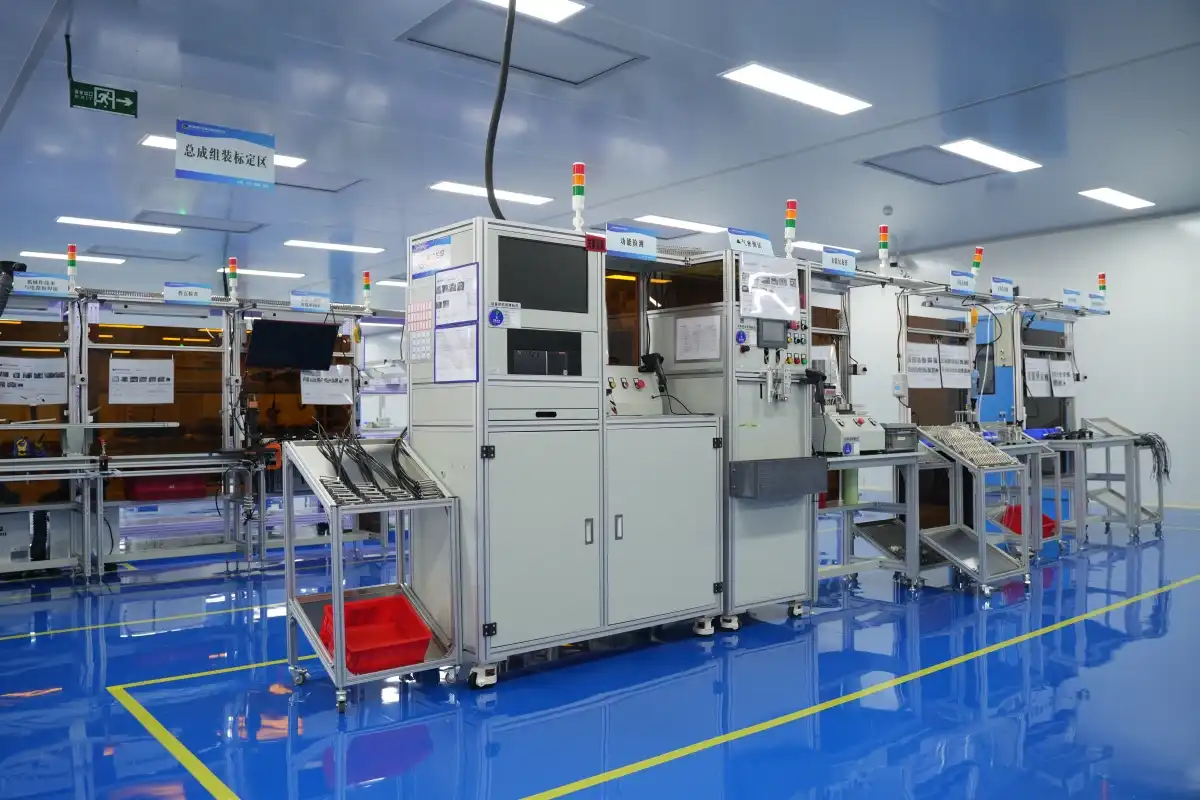
This cuts down on the time needed for integration and validation testing. Supply chain managers should look at how much a seller can produce, how they handle stockpiles, and how quickly they can respond to changes in demand. Automotive pressure sensor makers with their own testing labs and automated production lines usually have better batch-to-batch accuracy than wholesalers who get parts from a lot of different suppliers.
Procurement and Supply Chain Insights for Automotive Pressure Sensors
The total cost of ownership is minimised through strategic pressure sensor procurement methods, which also make sure that the supply of parts is in line with output schedules and quality standards.
Supplier Evaluation and Quality Assurance
Comparing unit prices isn't the only way to choose a good supplier. You should also look at their quality systems, technical help, and the possibility of a long-term relationship.
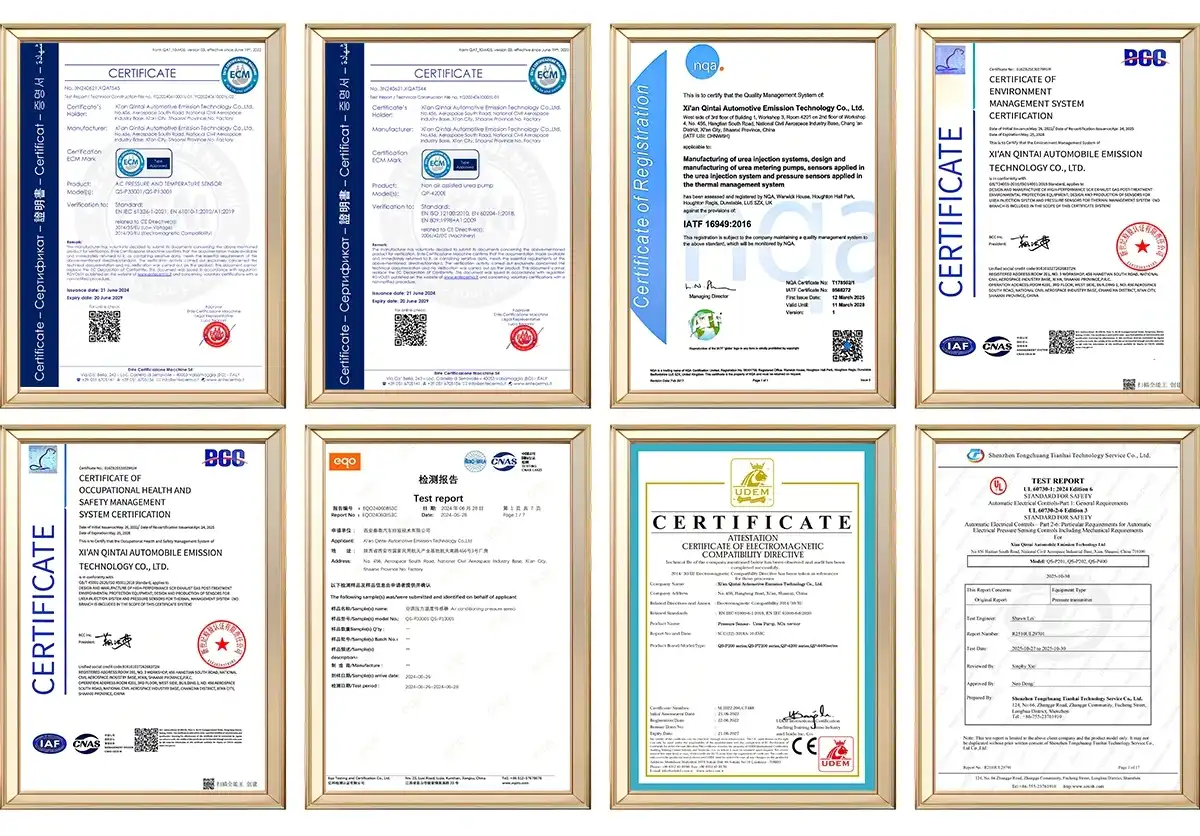
• ISO 9001 and IATF 16949: Purchasing managers should check that sellers maintain these certifications, demonstrating commitment to car quality management rules.
• MTBF calculations: Ask for failure rate data from real-world production settings instead of theoretical calculations; performance in the field is a better sign of durability.
• Audit supplier: Check testing methods to ensure they simulate problems like temperature changes, vibrations, and media compatibility encountered in your applications.
Quality control is especially important for pollution control parts, since broken sensors can lead to problems with compliance or car recalls.
• NOx reduction: Set up inspection procedures verifying key specs like accurate pressure ranges, temperature compensation, and signal consistency across lots.
• DPF monitoring: Traceability is easier when suppliers provide batch codes and quality documentation to facilitate root cause analysis.
• Warranty programs: Some makers offer longer guarantee periods for sensors used in aftertreatment systems, transferring potential risk to the manufacturer.
Bulk Purchasing Strategies and MOQ Optimization
Volume agreements affect both the price per unit and the freedom of the supply chain. When big diesel engine OEMs negotiate annual contracts, they can get big price cuts compared to buying on the spot, especially if they agree to use the same sensor setups on all of their engines. But having too much inventory can lead to obsolescence if the design changes or the production number changes without warning.
Supply chain managers should look at how much is being used and how long it takes to make things in order to figure out the best amount to order while matching price benefits with handling costs. Some sellers offer vendor-managed inventory programmes where they keep stock at regional delivery centres. This lowers your need for working capital while still making sure that parts are available when production goes up.
Different sensor makers have very different minimum order number rules. Global suppliers usually ask for bigger promises because they are trying to make their production more efficient. On the other hand, specialised car sensor companies that serve the aftermarket can usually handle smaller orders with faster response times. When looking for pressure sensors for generator sets that don't have regular production plans, it may be more important to have variable MOQ terms than small price differences per unit. Purchasing managers should also look at how long it takes for suppliers to make things. For example, normal catalogue items might ship within a few weeks, but special sensors need months for engineering, tools, and validation testing.
After-Sales Support and Technical Services
Comprehensive help after the sale is what sets strategic supplier partners apart from transactional providers. Technical hotlines filled by application engineers help with fixing when problems appear during production integration during installation or performance. Some companies that make pressure sensors offer on-site commissioning support. This helps maintenance teams set standard performance measures and calibration processes that make the sensors last longer. Calibration services are especially useful for high-precision tasks that need to be checked on a regular basis to make sure the measurements stay accurate. This is especially important for emission tracking systems that have to go through regulatory checks.
Product lifecycle management support helps buying teams deal with parts that are no longer being made. Suppliers who are proactive let customers know ahead of time when production is going to stop and offer ways to switch to new goods that are backwards-compatible. This forward-looking method cuts down on the need for qualification tests and rework costs. The quality of the documentation also affects how well a product can be supported in the future. Full datasheets, application notes, and interface guides save engineers time during the initial development phase and make it easier for aftermarket service techs to fix problems.

SENSOR+TEST, June 9 – 11, 2026
We look forward to your visit,warmly welcome to our booth 1-526!
Get your free ticket online now:
https://www.sensor-test.de/service/ticket/?52790
Real-World Automotive Applications and Troubleshooting Tips
To actually use car pressure sensors, you need to know how to integrate them into the system and how to keep them in good shape so that the measurements stay accurate over time.
Critical Automotive Subsystems Using Pressure Sensors
Absolute pressure data from the manifold is used by engine control units to figure out air mass flow. This allows for accurate fuel injection dosing that maximises combustion efficiency and pollution output. Boost pressure sensors in turbocharged diesel engines keep powertrains from getting too pressurised while increasing power density. These sensors need to give accurate readings across a wide range of pressures, from air pressure when the engine is not working to 3 bar or higher when the engine is running at full speed.
Multiple pressure sensors are used by emission tracking systems in cars with SCR to measure exhaust backpressure before the DPF, differential pressure across the particulate filter substrate, and DEF injection system pressure. These measures help control programmes figure out the best time for regeneration, figure out how loaded the filters are, and make sure that the right amount of reductant is added to get the best NOx conversion efficiency.
Ultra-high-pressure sensors must be able to measure rail pressure up to 2,500 bar and stay accurate within 1% across the entire working range for fuel delivery systems used in common rail diesel uses. In this case, if a sensor fails, it instantly enters limp-home modes that seriously limit engine performance. This makes reliability very important. Lower-pressure sensors that can send data wirelessly are used in tire pressure tracking systems. These systems balance the accuracy of measurements with the amount of power that battery-powered units can use. Low-range differential pressure sensors help keep the cabin at the right pressure and control the flow of coolant in HVAC systems. This makes the passengers more comfortable and the system work better.
Emerging Requirements for Electric and Autonomous Vehicles
In electric commercial cars, battery thermal management systems need pressure sensors to keep an eye on the flow of coolant through the battery pack's cooling loops. This stops thermal runaway situations that are unsafe and shorten the battery's life. Autonomous cars with brake-by-wire systems need two sets of pressure sensors and fail-safe designs to make sure that the brakes work reliably even if one sensor fails.
For high-pressure gas storage tanks and fuel cell stack management, hydrogen fuel cell cars have special pressure sensing needs. These needs often require sensors that are approved for use in explosive atmospheres. These new uses open up possibilities for sensor makers who can make specialised goods that work with the architectures of next-generation vehicles.
Maintenance Best Practices and Common Issues
Over time, diaphragm wear, seal wear, and computer drift all make pressure sensors less accurate. Setting calibration times that are right for the criticality of the application helps keep measurements accurate. For example, emission tracking sensors need to be checked every year, while less critical applications may only need to be tested during major overhauls. Before deciding that the sensor itself has failed, troubleshooting steps for what seems to be a failed sensor should start with checking for electrical continuity and source power. Connection corrosion often causes sporadic signals that look like sensor degradation but go away when the connection is cleaned and better moisture protection is added.
How sensors are installed has a big effect on how well they work and how long they last. Mounting positions should be done according to the manufacturer's instructions so that fluid doesn't build up in pressure ports or air pockets don't form, which could affect the accuracy of the measurements. When hydraulic valves close quickly, sudden pressures that are higher than the sensor's value happen. To protect sensors from these pressure spikes, dampening orifices or surge suppressors must be used. When planning an installation, you need to keep temperature effects in mind. Placing sensors away from direct heat sources and making sure there is enough thermal protection will keep measurement mistakes and early component failure at bay.
When pressure measures don't match what is expected, a thorough analysis checks to see if the sensor needs to be replaced. To tell the difference between measurement mistakes and real changes in system pressure, compare data to reference sensors that are known to be accurate. Check the pressure port openings for carbon deposits or particle contamination that might block the flow of pressure to the detecting element. Electrical interference from nearby high-current circuits can sometimes mess up sensor readings. Many measurement problems that happen intermittently in the field can be fixed by routing sensor wiring away from power cables and making sure there is proper grounding.
Conclusion
To choose the right car pressure sensors, you have to weigh the technical specs, quality control, and supplier's skills against the needs of your application and the limits of your production. When purchasing managers and R&D engineers understand basic sensing technologies, performance factors, and procurement strategies, they can choose parts that work reliably in harsh car settings. Putting accuracy, environmental durability, and supplier support capabilities at the top of your list is the best way to ensure long-term success, whether you're making emission control systems for diesel engines, adding sensors to aftertreatment assemblies, or finding replacement parts for commercial vehicle aftermarkets. As new vehicle technologies come out, the market for pressure sensors keeps changing. This means that you can form smart relationships with makers who can offer customisation, technical support, and production scalability that are in line with your business goals.
FAQ
Q1: What pressure range should I specify for diesel engine emission monitoring sensors?
A: Differential pressure sensors that check for soot loading in DPFs usually need measurement ranges of 0 to 50 kPa to pick up on the slow rise in pressure across filter substrates as particles build up. When measuring total system restriction, exhaust backpressure sensors usually need a range of 0 to 100 kPa to work in both clean filter and fully filled states. The pressure sensors in an SCR system rely on the design of the dosing module, but for DEF supply line tracking, they usually work in the 2–10 bar range. By choosing the right ranges, you can make sure that the resolution is good enough for control methods and that the measurements are accurate across the whole working window.
Q2: How do temperature extremes affect pressure sensor accuracy in automotive applications?
A: Changes in temperature can cause measurement mistakes in a number of ways, such as when sensing elements expand due to heat, when computer parts move around, or when the density of the medium being measured changes. Good car sensors have temperature compensation hardware that fixes these issues, keeping the sensors' accuracy within ±1% of the specified range, which is between -40°C and +150°C. For uses where exhaust gas temperatures are higher than 200°C, sensors need to be specially designed for high temperatures or mounted remotely using pressure transfer tubes that keep the detecting elements from getting too hot while keeping the accuracy of the measurements.
Q3: What certifications should I verify when sourcing pressure sensors for emission control applications?
A: Automotive pressure sensors need to show that they meet quality standards set by the industry. These standards include IATF 16949 for making cars and ISO 9001 for managing quality in general. Electrical safety approvals, such as CE marking and UL recognition, make sure that parts meet the safety standards in their area. Environmental protection through RoHS and REACH approvals makes sure that sensors meet global market limits on dangerous substances. Explosion-proof approvals are needed when sensors are used in places where explosions could happen, like with hydrogen fuel cells or fuel vapor conditions. Make sure that sellers back up their certifications with proof, instead of just believing what they say without seeing the proof.
Partner with Qintai for Reliable Automotive Pressure Sensor Solutions
Xi'an Qintai Automotive Emission Technology Co., Ltd. has been making car pressure sensors for more than 20 years and is the main OEM provider to China's top diesel engine makers, such as Weichai Power, Yuchai Power, and Quanchai Power. Our ISO 9001, IATF 16949, and other foreign approvals show that we are dedicated to quality standards that meet emission rules for China VI and Euro VI. We have our own research and development department and have been granted 58 invention patents. This lets us make customised sensor solutions for a wide range of applications, from integrating SCR systems to tracking DPFs and managing engines.
Our production sites can handle both small batches of prototypes and large quantities of mass production. This way, we can guarantee the same level of quality whether you need a few hundred or several hundred thousand units a year. Technical support teams are there to help at any time during a product's existence, from helping with the initial specifications to fixing problems in the field and calibrating equipment. Get in touch with us at info@qt-sensor.com to talk about your automotive pressure sensor needs and find out how our solutions can help your product work better and meet legal standards.
References
1. Bogue, R. (2019). "Recent Developments in Automotive Pressure Sensor Technology." Sensor Review, 39(4), 487-493.
2. Fleming, W. J. (2018). "Overview of Automotive Sensors for Engine and Emission Control Systems." IEEE Sensors Journal, 18(23), 9478-9487.
3. Kimura, M. & Nakamura, T. (2020). "High-Temperature Pressure Sensors for Diesel Engine Emission Control Applications." SAE International Journal of Engines, 13(2), 201-215.
4. Liu, C., Zhang, Y., & Wang, H. (2021). "Reliability Assessment of Automotive Pressure Sensors Under Harsh Environmental Conditions." Microelectronics Reliability, 118, 114-127.
5. Schwarz, P. & Mueller, J. (2019). "Capacitive Pressure Sensors for Automotive SCR Systems: Design Considerations and Performance Optimization." Journal of Automotive Engineering, 233(8), 2145-2158.
6. Thompson, A. K., Rodriguez, M., & Chen, L. (2022). "Procurement Strategies for Automotive Sensor Supply Chains: Quality, Cost, and Delivery Optimization." International Journal of Production Economics, 245, 108-122.
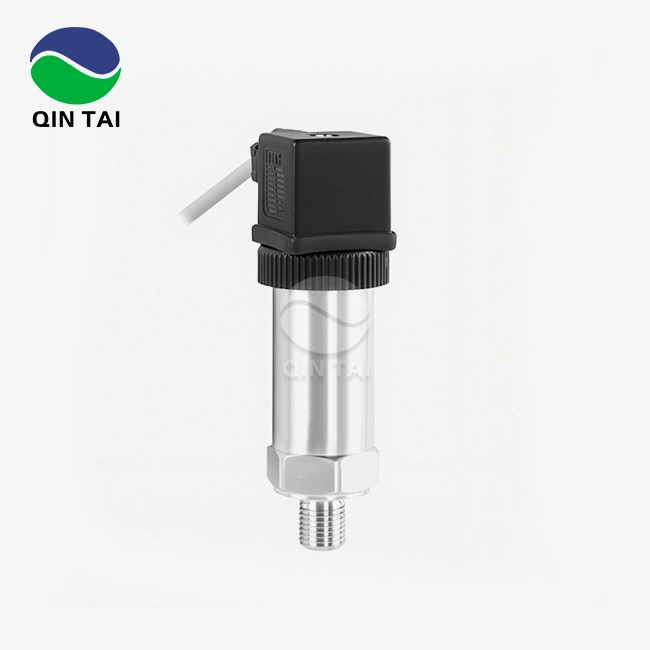
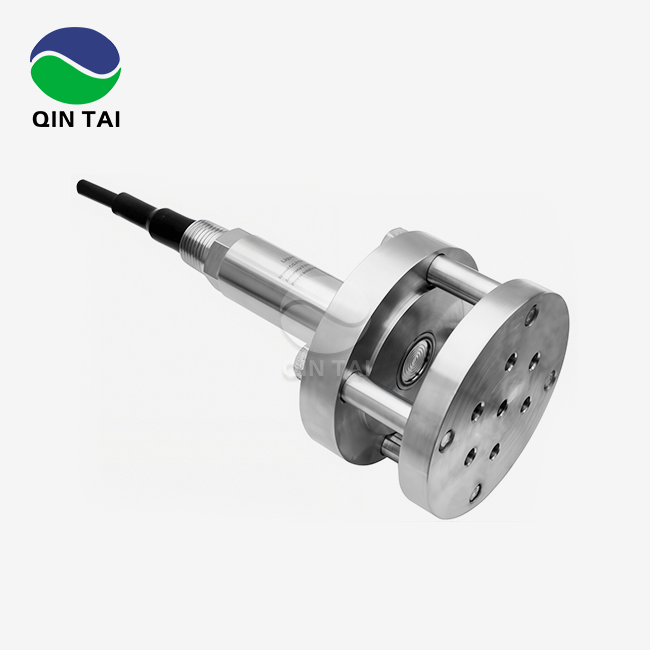
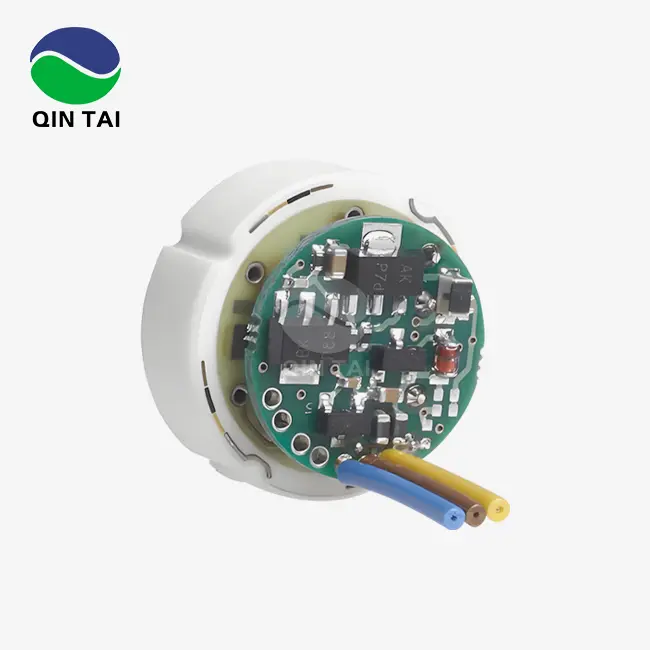
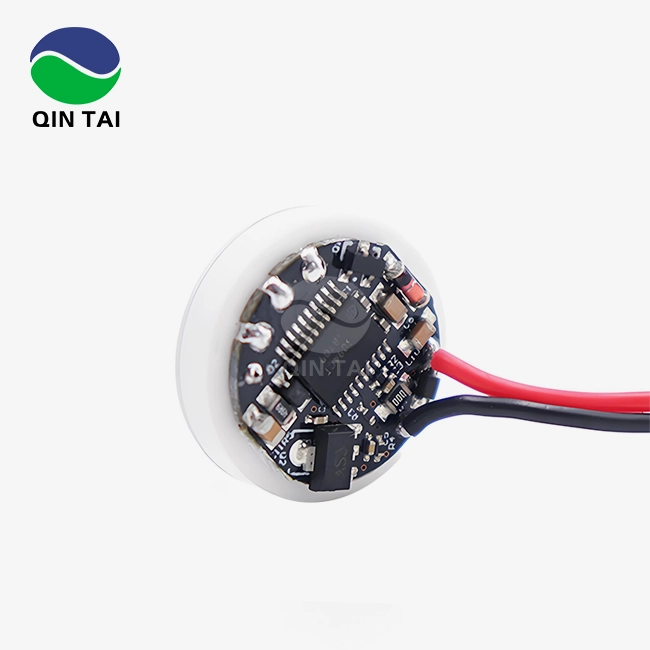

Our customers’ satisfaction speaks for our quality — contact us to experience the same reliable service.