- English
- French
- German
- Portuguese
- Spanish
- Russian
- Japanese
- Korean
- Arabic
- Greek
- German
- Turkish
- Italian
- Danish
- Romanian
- Indonesian
- Czech
- Afrikaans
- Swedish
- Polish
- Basque
- Catalan
- Esperanto
- Hindi
- Lao
- Albanian
- Amharic
- Armenian
- Azerbaijani
- Belarusian
- Bengali
- Bosnian
- Bulgarian
- Cebuano
- Chichewa
- Corsican
- Croatian
- Dutch
- Estonian
- Filipino
- Finnish
- Frisian
- Galician
- Georgian
- Gujarati
- Haitian
- Hausa
- Hawaiian
- Hebrew
- Hmong
- Hungarian
- Icelandic
- Igbo
- Javanese
- Kannada
- Kazakh
- Khmer
- Kurdish
- Kyrgyz
- Latin
- Latvian
- Lithuanian
- Luxembou..
- Macedonian
- Malagasy
- Malay
- Malayalam
- Maltese
- Maori
- Marathi
- Mongolian
- Burmese
- Nepali
- Norwegian
- Pashto
- Persian
- Punjabi
- Serbian
- Sesotho
- Sinhala
- Slovak
- Slovenian
- Somali
- Samoan
- Scots Gaelic
- Shona
- Sindhi
- Sundanese
- Swahili
- Tajik
- Tamil
- Telugu
- Thai
- Ukrainian
- Urdu
- Uzbek
- Vietnamese
- Welsh
- Xhosa
- Yiddish
- Yoruba
- Zulu
Sensor Solutions For Heavy Duty Applications
When we talk about industrial diesel engine pollution control, we always come back to SCR (Selective Catalytic Reduction) systems and the important parts that make them work. The urea pressure sensor is one of the most important parts because it makes sure that the diesel exhaust fluid (DEF or AdBlue) is injected and dosed correctly. This sensor checks the pressure in the urea supply line in real time. This makes sure that the right amount of urea gets to the filler tip and that strict emission standards like Euro VI and EPA rules are met. At Qintai, we've seen how the dependability of sensors has a direct effect on fleet downtime, following rules, and long-term running costs for heavy trucks, building equipment, and farming equipment that works in tough conditions.
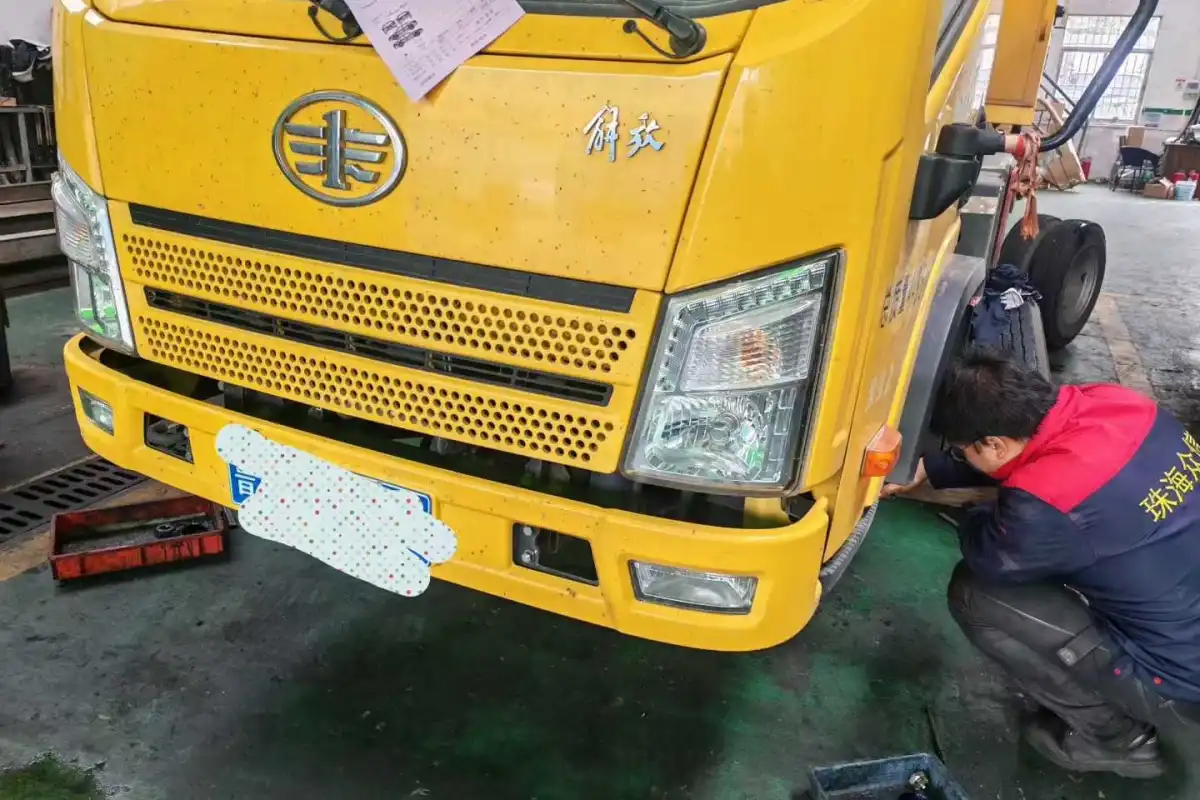
Understanding Urea Pressure Sensors in Heavy Duty Applications
The Role of Urea Pressure Sensors in SCR Systems
Using the SCR aftertreatment device has changed how heavy-duty diesel engines meet pollution rules. As part of this system, a urea pressure sensor keeps an eye on the pressure levels between the dosing pump and the input point. This feedback process lets the engine control unit change how the pump works on the fly, making sure that the best NOx reduction performance is achieved. When pressure changes from what was expected, the sensor lets you know that there might be a problem, like a line blockage, a broken pump, or crystallisation in the delivery circuit.
Sensor Types and Material Considerations
Different uses call for different sensor setups. Standard sensors work in the conditions that most business cars do, while high-temperature versions have special sealing materials and electronics that are made to handle being exposed to very high temperatures. Integrated temperature sensors track both pressure and temperature in the same housing. This makes installation easier and gives full system information.
The choice of material is very important for how long a sensor lasts. The alkaline DEF solution doesn't rust urea-grade stainless steel, and diaphragm seals keep sensitive measurement parts from coming into direct touch with the medium. We use things like special austenitic steels that can handle the chemical aggression and tendency to crystallise that come with urea-based fluids.
Operating Parameters and Calibration Essentials
In most heavy-duty situations, the normal working pressure range is between 2 and 10 bar, but some high-performance systems may go above these limits. Temperature resistance is also very important because DEF freezes at about -11°C (12°F), and sensors must work reliably from cold start to long-term high-load operation. Protocols for calibration make sure that measurements are accurate across this operating area. Calibration in the factory sets the standard performance, but regular service checks in the field keep the accuracy as parts age. Calibration tracking is an important part of system maintenance because changes in sensor readings can cause diagnostic trouble codes and make the system less effective.
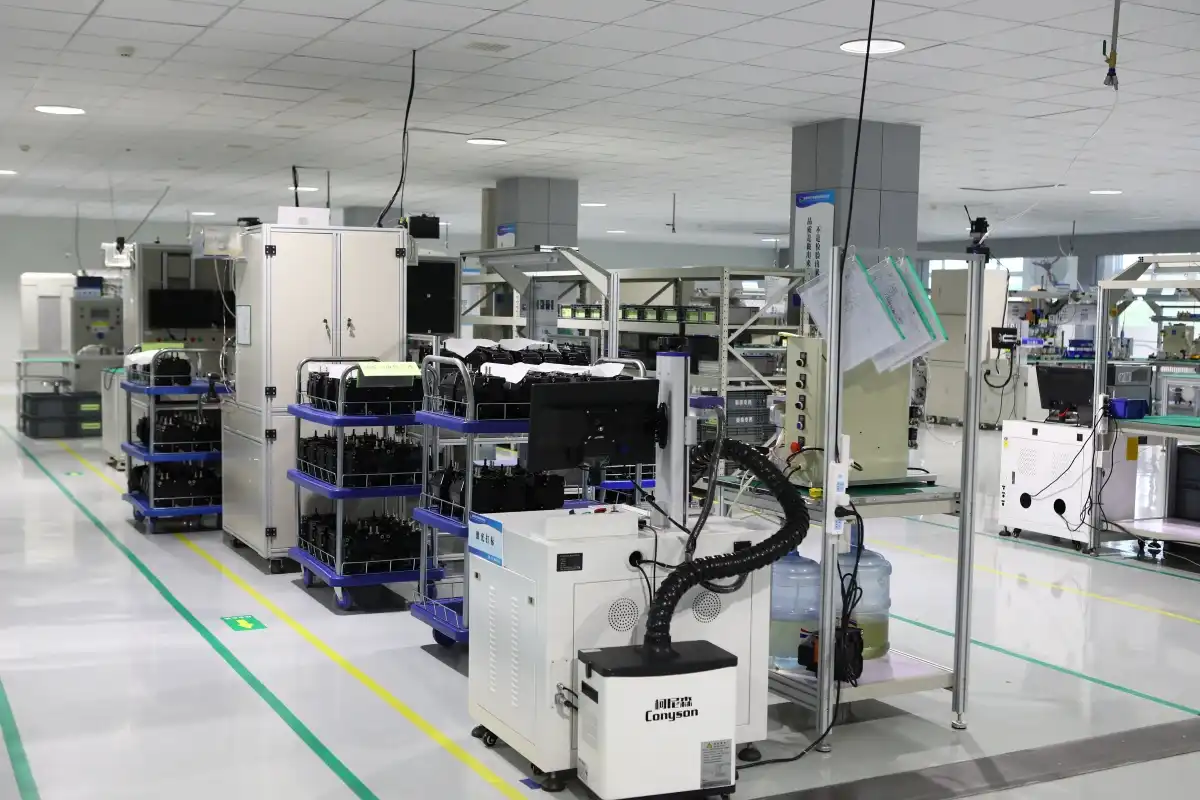
Common Challenges and Troubleshooting of Urea Pressure Sensors
Identifying Symptoms of Sensor Degradation
Service techs and fleet managers often notice warning signs of sensor problems before they completely break down. If the pressure numbers change without the pump working, it could mean that there are problems with the electrical connections or that the sensors inside are wearing out. Warning lights and saved problem codes that are special to urea dosing circuits show that a sensor isn't working right. When an engine derates, its power output is reduced to meet emission standards. This is usually because of problems with the pressure tracking system that stop the SCR system from working properly.
Root Causes of Sensor Failures
Understanding how failures happen helps buying teams choose the right sensor grades and how often they should be serviced. Mechanical stress from shaking and shock loads, which are common in off-road tools, can weaken the electrical links and sensor housing. Urea pressure sensor issues can arise when urea crystallizes after DEF levels exceed limits or when heating elements break down in cold weather, which may block pressure ports and damage diaphragm seals. Extreme temperatures put stress on computer parts and speed up the breakdown of cover materials. If there are alien particles in the DEF supply, they can damage the internal surfaces of sensors and make measurements less accurate.
Practical Troubleshooting and Calibration Guide
Visually checking wire harnesses and connections for corrosion, damage, or looseness is the first step in a systematic evaluation. Checking the basic electrical performance of a sensor by measuring its output voltage when it is not moving. Measurement drift can be found by comparing sensor values to a measured reference gauge while the pump is running. Problems with contamination that stop the sensor from working can be fixed by cleaning or changing filters in the urea feed circuit. Writing down the steps and results of troubleshooting produces an important service history that helps with future maintenance choices and finds long-term system gaps that need engineering changes.
Comparing Urea Pressure Sensors: Finding the Best Solution for Your Fleet
Technology Differences from Standard Pressure Sensors
In many situations, general industrial pressure sensors measure the force of fluids. However, urea pressure sensors have special problems to solve. Because DEF solution is alkaline, it needs materials that are specially resistant to it. This means that many normal sensor designs can't be used. The working setting includes temperature changes, vibrations, and possible crystallisation exposure that aren't usually seen in industrial pressure measurement. Response time requirements must allow for quick changes in doses during unstable engine operation, which requires sensor dynamics that happen faster than many industrial processes need.
High Temperature Versus Standard Sensor Configurations
Which standard or high-temperature sensor type to use relies on where the sensor will be mounted and how the system is set up. When sensors are placed near the exhaust manifold or in thermally protected areas, the atmospheric temperature rises above what is recommended for sensors. High-temperature versions have sensors that can work continuously at temperatures above 125°C and use seal materials that stay flexible and seal well even when heated. Standard sensors work well for placing in places that keep out too much heat and too much light from the outside. When temperatures allow it, normal designs are more cost-effective. However, when temperatures are very high, investing in high-temperature specs is necessary to make sure reliability.
Evaluation Metrics: Accuracy and Response Time
Accuracy of measurements has a direct effect on how well dosage works and how well emissions are controlled. Tighter tolerance bands on sensors allow for finer control changes, which maximises DEF use while keeping NOx conversion efficiency. Response time requirements tell you how fast the control system can notice changes in pressure and act on them. Faster reaction allows more accurate dosing during quick changes in engine load, which stops short-term emission excursions. We suggest testing sensors based on their precision specs across the full working temperature range, not just in the lab, since performance in the field changes with temperature exposure.
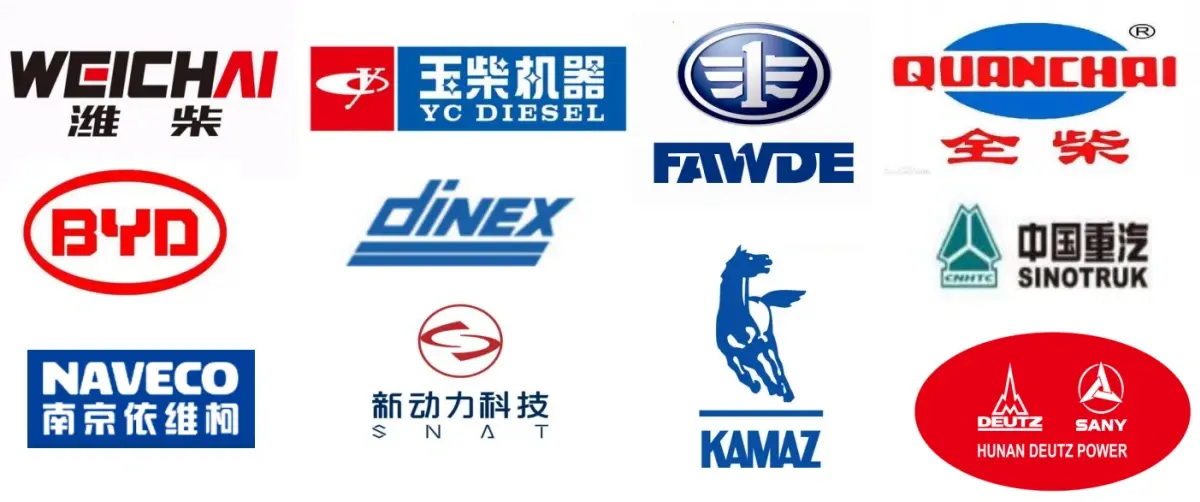
Procurement Guide: Buying Urea Pressure Sensors for Heavy Duty Applications
Certification Compliance and Quality Standards
Component approval is the first step in following the rules. Automotive quality standards like IATF 16949 must be met by sensors that are meant to be integrated by OEMs. This makes sure that the manufacturing process is strict and that the sensors can be tracked. Functional safety approvals show that sensors are reliable in pollution control uses that need to be safe. Environmental safety standards, such as REACH and RoHS, make sure that the chemicals used in materials don't break any rules that would stop them from being sold in other countries.
EMC testing proves that sensors are safe from electromagnetic interference in a car setting that is noisy with electricity. We've learned that licensing paperwork doesn't tell the whole story when we compare sources. Long-term sourcing ties depend a lot on things like production capacity, consistency across factory lots, and the financial security of the seller. When you visit a factory, you can see how advanced the production control is, as well as the testing infrastructure and technical skills that set technology partners apart from commodity providers.
Bulk Procurement Benefits and Customization Options
By negotiating prices and lowering unit costs, buying in bulk lets you get the best deals on costs. Aside from lower prices, having a history of working with reliable providers also lets you make changes that are specific to your application, such as adapting a urea pressure sensor for custom needs. We often change the types of connectors, how they are mounted, and the pressure ranges to fit the designs of user systems. You can change the way electronic outputs work so that they work without any problems with different control unit platforms. This makes system integration much easier.
Supplier Evaluation and Aftersales Support
The evaluation of a supplier goes beyond just looking at the initial product specs. It also looks at the service skills that are important for ongoing operations. How quickly problems with an application are fixed during the development and production phases depends on how fast technical help is. The terms of the warranty show how confident the seller is in the product's reliability. Full coverage shows that the designs are stable and the manufacturing is strong. Support for field failures, such as figuring out the root cause and putting corrective actions into action, keeps quality problems from happening over and over again, which can mess up production plans and hurt relationships with customers.
Future Trends and Innovations in Urea Pressure Sensor Technology
IoT Integration and Real-Time Monitoring
Predictive repair plans that use connected sensor technologies cut down on unexpected downtime. Fleet management systems can get performance data from wireless sensor networks, which lets them look at how sensors behave across whole groups of vehicles. Anomaly detection systems find patterns of wear and tear before they happen, so replacements can be planned for regular service intervals instead of having to be done on the side of the road when something breaks. Cloud-based analytics collect data from tens of thousands of sensors and use it to find ways to improve designs and make repair schedules better based on how things actually work in the field, not on guesses.
Multi-Parameter Sensor Development
Putting multiple measurement functions into a single sensor box cuts down on the number of parts needed, the complexity of the system, and the places where something could go wrong. When pressure and temperature sensors work together, they send correlated data streams that help doctors make more accurate diagnoses and let them use more complex control techniques. Adding the ability to sense fluid quality finds changes in DEF content that make the SCR less effective. This lets workers know when fluid supplies are contaminated or too weak before emission compliance is compromised. These combined solutions make installation easier, ease wiring, and lower the total cost of the system, even though the individual parts cost more.
Market Trends and Regulatory Influences
As pollution rules get stricter around the world, aftertreatment systems keep getting better at what they do and being reliable. It's likely that future standards will call for more accurate NOx control, which will mean that sensors will need to be able to handle smaller errors and respond faster. Trends towards electric vehicles in heavy-duty areas may lower the number of diesel engines used in some situations, but platforms that still use diesel engines will need better emission control to keep running. Companies that make sensors have to figure out how to divide their research and development dollars between improving old technologies and getting ready for hybrid engine designs, which have different sensing needs.

SENSOR+TEST, June 9 – 11, 2026
We look forward to your visit,warmly welcome to our booth 1-526!
Get your free ticket online now:
https://www.sensor-test.de/service/ticket/?52790
Conclusion
To choose and keep the right sensor options for heavy-duty uses, you have to balance technical performance, cost, and the supplier's abilities. Even though it's small and easy to miss, the urea pressure sensor is a key part of the SCR system and makes sure that all business vehicles around the world follow the rules. Procurement pros who know the ins and outs of sensor technology, can spot differences in quality between suppliers, and use preventative repair plans set their companies up for operational success. As emission standards get stricter and technology improves, working together with strong sensor makers becomes more useful because it gives you access to technical knowledge and new ways to solve problems that come up in the industry.
FAQ
Q1: What is the typical replacement interval for urea pressure sensors?
A: Replacement times depend on how the car is used, but most makers say that the engine should be inspected every 200,000 miles or so during major service. In harsh environments with high temperatures, vibrations, or long periods of sitting, urea pressure sensors may need to be checked more often. Keeping an eye on diagnostic trouble codes and watching sensor performance through fleet management systems can help find problems before they become total failures.
Q2: How does sensor quality affect engine warranty coverage?
A: Using fake or non-approved sensors can void the warranty on an emission system because these parts have a direct effect on emission compliance. OEM specs usually say that sensors need to meet certain quality standards and have certain certificates. Keeping records of buying sensors from approved sources saves the warranty and shows that you did your research in case you need to make a warranty claim.
Q3: What installation practices maximize sensor lifespan?
A: Making sure the connectors are clean and using dielectric grease to stop rust are the first steps in a proper fitting. To keep sensor pins or housings from getting damaged, torque specs must be followed. Wiring wires don't break down as quickly when they are kept away from sharp points and sources of high heat. When you use original mounting tools, the sensors are protected from damage caused by vibrations because of proper sealing and pressure relief.
Partner with Qintai for Reliable Urea Pressure Sensor Solutions
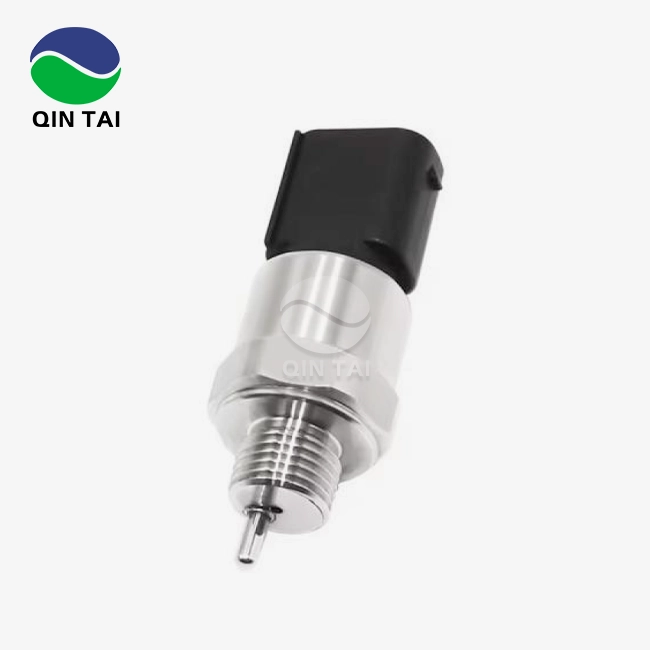
With more than 20 years of experience making diesel engine aftertreatment sensors, Qintai is the top Chinese company that supplies urea pressure sensors to big OEM partners like Weichai Power, Yuchai Power, and Quanchai Power. Our production facilities are ISO 9001 and IATF 16949 approved. They blend advanced manufacturing techniques with thorough testing methods to ensure uniform quality even during large-scale production runs.
We offer flexible customization services that are suited to your unique application needs. These include changing the pressure range and the way the connectors are set up. We also provide responsive technical support throughout the lifespan of the product. Our competitive prices and dependable global delivery help buying teams keep quality standards high while improving the efficiency of the supply chain. Email us at info@qt-sensor.com to talk about your sensor needs and find out how our OEM and ODM services can help you reach your goals for your emission control system.
References
1. Johnson, M. & Williams, R. (2021). "Automotive Emission Control Technologies: SCR System Components and Performance Optimization." SAE International Journal of Engines, Vol. 14, Issue 3, pp. 287-304.
2. Zhang, H., Schmidt, T. & Petersen, K. (2020). "Material Selection and Durability Testing for Urea-Based Sensor Applications in Heavy-Duty Diesel Engines." International Journal of Automotive Technology, Vol. 21, No. 5, pp. 1203-1218.
3. European Automobile Manufacturers Association (2022). "SCR System Diagnostics and Maintenance Best Practices for Commercial Vehicle Fleets." ACEA Technical Report Series TR-2022-08.
4. Anderson, P., Lee, S. & Hoffman, D. (2019). "Predictive Maintenance Strategies for Diesel Exhaust Fluid Systems: Sensor Performance Analysis and Failure Mode Identification." Proceedings of the International Conference on Vehicle Electronics and Safety, pp. 142-158.
5. National Institute of Standards and Technology (2021). "Calibration Procedures and Uncertainty Analysis for Automotive Pressure Sensors in Emission Control Applications." NIST Special Publication 1237.
6. Roberts, C. & Nakamura, Y. (2023). "Future Trends in Heavy-Duty Vehicle Emission Sensors: IoT Integration and Multi-Parameter Measurement Technologies." Automotive Engineering International, Vol. 131, No. 2, pp. 34-41.
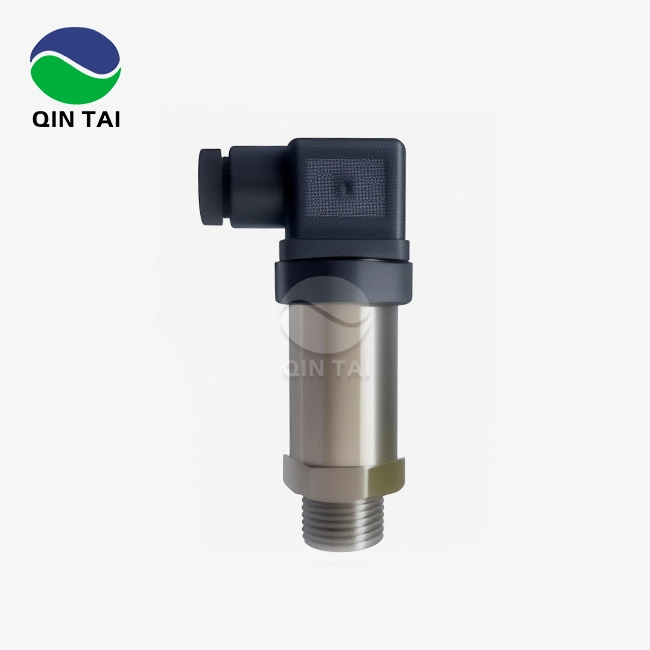
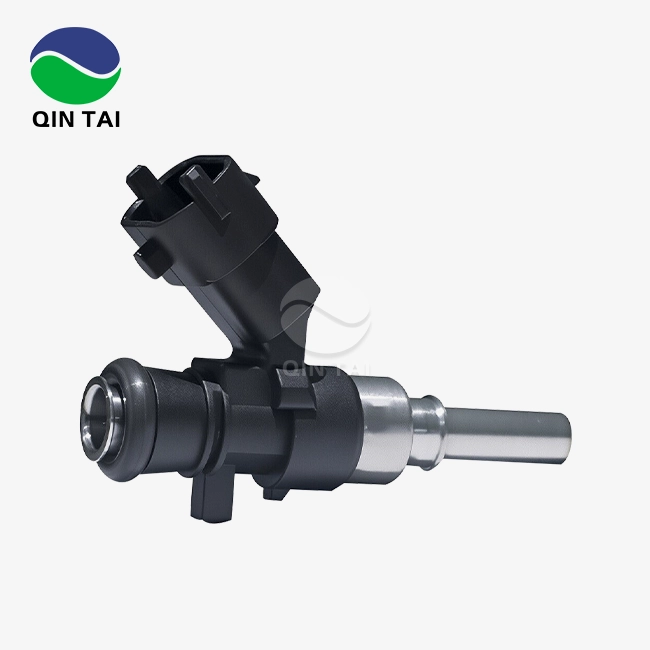
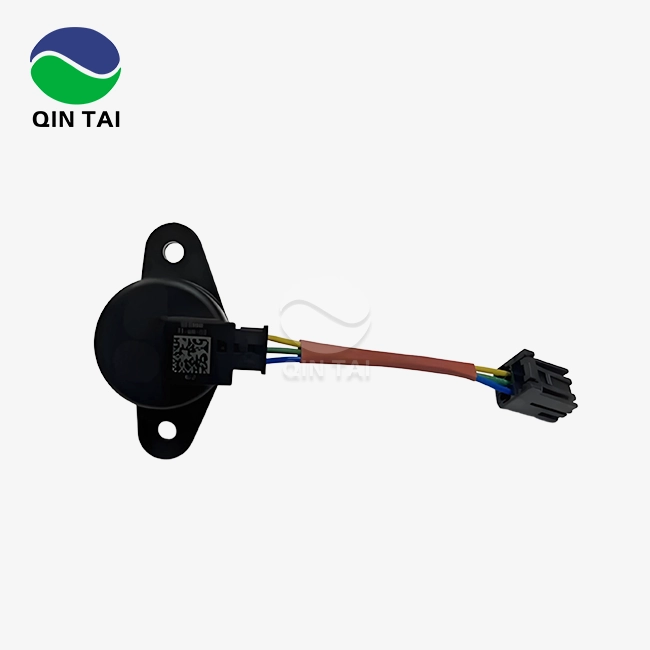

Our customers’ satisfaction speaks for our quality — contact us to experience the same reliable service.