- English
- French
- German
- Portuguese
- Spanish
- Russian
- Japanese
- Korean
- Arabic
- Greek
- German
- Turkish
- Italian
- Danish
- Romanian
- Indonesian
- Czech
- Afrikaans
- Swedish
- Polish
- Basque
- Catalan
- Esperanto
- Hindi
- Lao
- Albanian
- Amharic
- Armenian
- Azerbaijani
- Belarusian
- Bengali
- Bosnian
- Bulgarian
- Cebuano
- Chichewa
- Corsican
- Croatian
- Dutch
- Estonian
- Filipino
- Finnish
- Frisian
- Galician
- Georgian
- Gujarati
- Haitian
- Hausa
- Hawaiian
- Hebrew
- Hmong
- Hungarian
- Icelandic
- Igbo
- Javanese
- Kannada
- Kazakh
- Khmer
- Kurdish
- Kyrgyz
- Latin
- Latvian
- Lithuanian
- Luxembou..
- Macedonian
- Malagasy
- Malay
- Malayalam
- Maltese
- Maori
- Marathi
- Mongolian
- Burmese
- Nepali
- Norwegian
- Pashto
- Persian
- Punjabi
- Serbian
- Sesotho
- Sinhala
- Slovak
- Slovenian
- Somali
- Samoan
- Scots Gaelic
- Shona
- Sindhi
- Sundanese
- Swahili
- Tajik
- Tamil
- Telugu
- Thai
- Ukrainian
- Urdu
- Uzbek
- Vietnamese
- Welsh
- Xhosa
- Yiddish
- Yoruba
- Zulu
Urea Injection Pressure Sensor in Commercial Vehicles Use
The urea injection pressure sensor serves as a fundamental monitoring component in SCR (Selective Catalytic Reduction) systems within commercial vehicles, continuously measuring the delivery pressure of AdBlue solution between the dosing pump and injector nozzle. This real-time pressure feedback enables the engine control unit to regulate urea dosing precisely, ensuring optimal NOx reduction performance while meeting stringent emission standards like EPA 2010 and Euro VI regulations that govern diesel engines across North America and global markets.
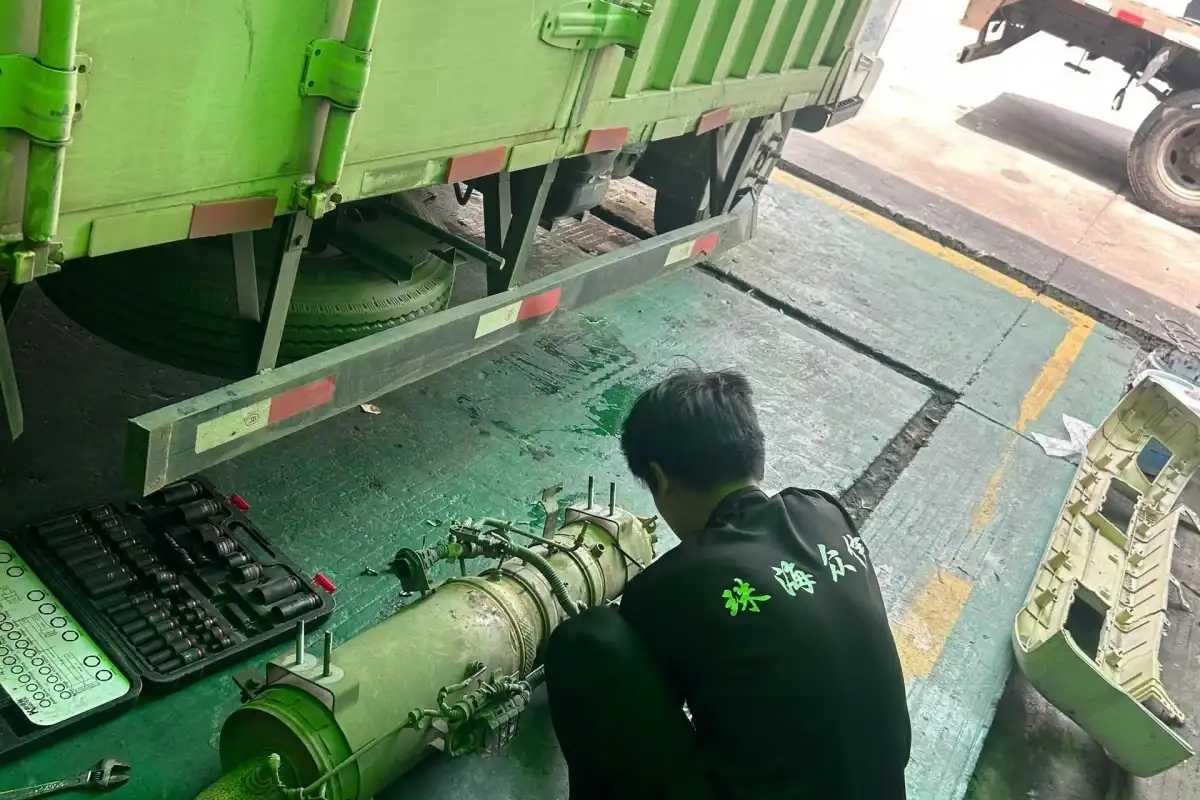
Understanding Urea Injection Pressure Sensors in Commercial Vehicles
Aftertreatment technologies are very important to the running of current commercial diesel engines. SCR systems are at the forefront of methods for controlling emissions. In this complicated environment, the urea injection pressure sensor is like a watchdog that keeps the system's stability and makes sure it always works the same way.
Core Function and System Integration
These specialized pressure sensors keep an eye on the hydraulic pressure in the urea supply line all the time. Depending on how the system was designed, they usually work in a range from 2 to 10 bar. When the dosing pump turns on, the sensor sends analog voltage signals to the engine control unit. These signals are usually between 0.5V and 4.5V. The engine control unit understands these readings and changes the pump's operation and the injection pulse width based on them. This closed-loop feedback system stops both under-dosing, which can cause emission compliance problems, and over-dosing, which can damage the catalyst and form crystallization layers.
Integrating pressure sensors with other SCR components makes a network that is in sync with temperature readings, NOx concentration measurements, and flow rate calculations. The sensor should be mounted between the pump's outlet and the injector's inlet so that it can pick up on both slow pressure drops caused by leaks and rapid pressure spikes that could mean a blockage or frozen AdBlue when the system is running in cold weather.
Technical Architecture and Sensing Technology
Different providers use very different ways to make things, and three main technologies are currently shaping what's on the market. Ceramic thick-film sensors use piezoresistive materials that are made on alumina surfaces. These materials are very resistant to urea corrosion and keep the accuracy of measurements within ±2% at temperatures ranging from -40°C to 125°C. The ceramic barrier is completely sealed, so there are no ways for liquid to pass through. This means that changes in electrical resistance are directly caused by changes in pressure.
Another common way of designing things is with diffused silicon sensors, which use micromachined silicon diaphragms to include strain-sensitive parts made through semiconductor production methods. These sensors have better sensitivity and the ability to be made smaller, but they need strong protective coatings to work with the alkaline AdBlue solution for long periods of time.
Capacitive sensing isn't used as much in cars, but it is used in some heavy-duty industrial engine platforms where the high starting costs are worth it because they last so long. These devices measure changes in electrode spacing caused by pressure inside sealed holes. They are naturally resistant to electromagnetic interference, which can hurt performance in places with a lot of electrical noise near high-current injection systems.
Regulatory Compliance and Performance Validation
As emission rules get stricter around the world, they put more pressure on sensors to be accurate and reliable. Heavy-Duty Greenhouse Gas Phase 2 guidelines from the EPA and requirements from the California Air Resources Board require onboard diagnostics that can find urea system problems within certain limits. For Class 8 trucks, pressure sensors must work consistently every 500,000 miles. This is proven by a lot of durability tests, such as chemical exposure protocols set out in ISO 22241 standards for AdBlue quality and handling, as well as thermal cycling and vibration resistance tests.
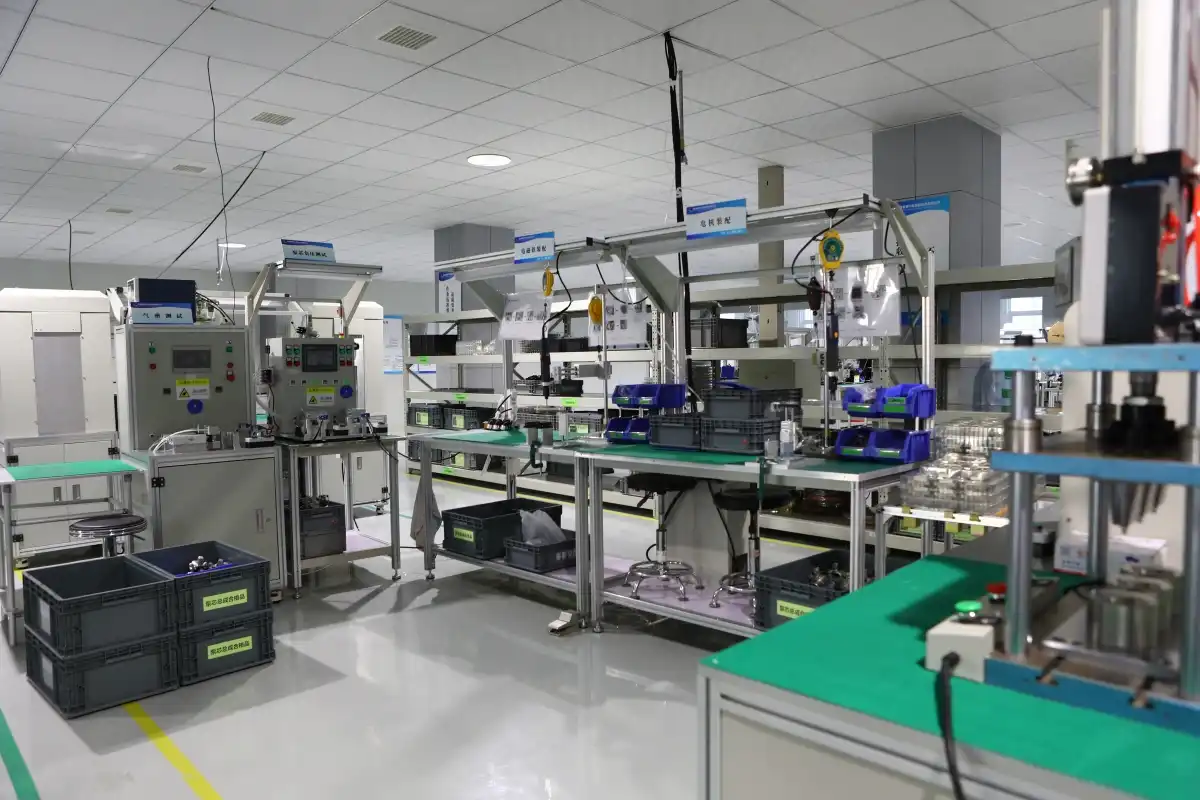
For component suppliers to get certified, they have to go through a lot of testing against car quality standards, such as the IATF 16949 quality management systems and the functional safety rules set out in ISO 26262. Leading makers have testing facilities that mimic the stresses that sensors would face in the real world. These facilities use accelerated aging methods that turn years of field exposure into weeks of controlled laboratory testing.
Common Issues and Troubleshooting of Urea Injection Pressure Sensors
Even well-designed urea injection pressure sensor units have trouble working in harsh car settings and with urea solutions because they are chemically active. By spotting early warning signs and using organized troubleshooting methods, you can keep your car running as smoothly as possible and stop failures from spreading to other SCR components.
Typical Failure Modes and Symptom Recognition
The most sneaky type of failure is calibration drift, which makes measurements less accurate over time until dosing mistakes cause diagnostic trouble codes to appear. This wear and tear is usually caused by membrane stress relaxation or oxidation of the electrical connections. It shows up as pressure numbers that aren't constant while the pump is running at a steady state. Drivers may notice that the vehicle uses more DEF without lowering its emissions, or that the warning lamp lights up and off randomly after pressing and holding the keys.
Urea crystallization is an ongoing problem in systems that don't shut down properly or have long times of inactivity. Solid urea crystals build up around the holes of the pressure ports, which falsely raises the readings of the pressure and could even block the sensing element completely. Some of the signs that these cars show are long cranking times while the system attempts to build up pressure, rough idle during regeneration events, and eventually going into limp mode when pressure limits can't be met.
Industry data on warranty claims shows that about 30% of sensor-related service calls are caused by electrical problems. Connector corrosion from road salt, wire harness chafing near mounting brackets, and problems with the power source can all cause circuits to stop working sometimes or all the time. When technicians scan diagnostic systems, they find specific fault codes, like P20EE for SCR system performance and P20BD for dosing control range/performance. These codes tell technicians how to check the electrical system.
Diagnostic Procedures and Resolution Strategies
To effectively troubleshoot, you must first collect a lot of data using manufacturer-specific diagnostic tools that can show you live sensor readings, ordered pressure goals, and patterns of past faults. When you compare real pressure readings to pump order signals during controlled activation sequences, you can see that there are problems with the accuracy of the sensors that are not caused by pump mechanical failures or clogged injectors.
As part of the physical inspection routine, electrical connectors must be visually checked for damage or moisture entry, the correct torque must be applied to sensors to prevent air leaks, and the conditions of the supply line between the tank and the pump must be evaluated. Many workers don't think quality testing for AdBlue is important, but contaminated fluid with particles or the wrong amount of urea has a direct effect on the life of the sensor and the security of the measurements.
When deciding to replace a sensor, the decision maker should weigh the immediate fix costs against the vehicle's utilization needs and its residual value. High-mileage cars that are about to be retired from the fleet may be a good fit for aftermarket sensor alternatives that offer good performance at a lower cost. On the other hand, OEM-grade components keep the warranty valid and have been shown to work with proprietary control algorithms in newer equipment. Professional calibration after installation ensures baseline accuracy, which is especially important for systems with adaptive learning functions that change dosing strategies based on past sensor feedback.
Choosing the Right Urea Injection Pressure Sensor for Commercial Vehicles
The reliability of the SCR system, the amount of upkeep needed, and the total cost of ownership are all directly affected by the strategic choice of the urea injection pressure sensor used in business fleet operations. When making decisions about what to buy, you have to weigh technical requirements against supply chain issues and the costs of the whole process.
Evaluating Technical Specifications and Compatibility
Pressure range matching is the most important factor in the selection process. For heavy-duty diesel uses, sensors usually need to be rated for a maximum pressure of 0 to 10 bar and be able to handle short-term overpressure events up to 15 bar without lasting damage. Dosing precision is based on the pressure resolution and accuracy standards. For meeting emission compliance margins, ±1.5% full-scale accuracy is the minimum accepted performance. This is true even when the load conditions change.
Temperature compensation is what sets high-end sensors apart from cheaper ones. This is especially important for cars that operate in a variety of temperature zones. Advanced models have built-in temperature measurement and digital signal processing that uses correction methods to keep the accuracy levels the same from -40°C to 125°C, without the need for external calibration changes.
When making specifications, it's important to pay close attention to how well the electrical interfaces work with each other, since different engine models have different power supply needs, output signal types, and connector setups. Some systems use voltage outputs that are proportional to 5V power sources, while others use current loop signaling or digital communication protocols, such as CAN bus interfaces, that send pressure data along with troubleshooting information.
OEM Versus Aftermarket Considerations
Original equipment sensors are sure to work with other system components and often come with longer warranties. However, they are more expensive, which can make it hard to replace a big fleet. These parts go through validation testing that is specific to the version of engine control software they are used with. This makes sure that they work well together without any adaptation needs or software flag issues that could cause annoying fault codes.
As an option to OEM parts, aftermarket goods have matured significantly, with reputable companies making items that meet or go beyond OEM specs at much lower prices. Quality aftermarket sensors have the right legal approvals, such as the CE mark for sale in Europe and comply with the RoHS guidelines that limit the use of hazardous chemicals. Buyers should make sure that extra options can be physically swapped out for originals. This includes making sure that the mounting dimensions, electrical connector types, and pressure port setups are all the same.
The decision framework changes depending on the application. Fleet operators who keep their vehicles in a standard set of conditions benefit from bulk OEM purchasing agreements that include technical support and faster warranty processing. On the other hand, independent repair facilities that work with a wide range of equipment types need flexible aftermarket inventory that covers multiple manufacturer platforms through cross-reference compatibility.
Brand Landscape and Supplier Credentials
There are both well-known car tier-one suppliers and specialized aftertreatment component makers in the global pressure sensor market. Companies like Bosch and Continental have decades of experience in car sensors and keep large testing sites to make sure their products work in the worst possible situations. Their sensor sets usually have advanced diagnostic features and digital platforms that meet the needs of next-generation emissions tracking.
Regional experts have a lot of experience with SCR technologies and can often offer better application support and customization options that are useful for setups that aren't standard or retrofits. When evaluating possible providers, it's important to look at things like quality certifications like ISO 9001 and IATF 16949 compliance, patent portfolios that show new technology, and customer references from businesses that do similar work. Evaluating the manufacturing capacity is also very important because it makes sure that providers can meet volume needs while keeping quality and supply reliable, which supports just-in-time inventory strategies.

SENSOR+TEST, June 9 – 11, 2026
We look forward to your visit,warmly welcome to our booth 1-526!
Get your free ticket online now:
https://www.sensor-test.de/service/ticket/?52790
Procurement and Supply Chain Considerations for B2B Clients
Effective sourcing strategies for a urea injection pressure sensor include more than just negotiating unit prices. They also include optimizing transportation, keeping track of supplies, and building relationships with suppliers that lower both the total cost of acquisition and the operational risk.
Sourcing Channels and Purchasing Models
For buyers who buy a lot, working directly with the manufacturer has benefits, such as the ability to customize technical specs, better payment terms, and specialized account management that helps with complicated foreign transactions. Depending on the type of product, the minimum order quantity is usually between 500 and 2,000 pieces. This makes the channel ideal for OEM integrators and big fleet owners with predictable usage patterns.
Authorized distributor networks make it easier for more people to get product and allow for smaller purchases, which is good for aftermarket sellers and repair shops that need a wide range of sensors. Quality wholesalers keep up their technical knowledge to help customers choose the right products. They also offer consolidated shipping, which lowers freight costs, and they keep backup supplies on hand so that they can be quickly used in case of unexpected problems during busy times.
Digital buying platforms have become good options, especially for standardized parts where there isn't much technical difference. These platforms bring together many sellers, making it easier to compare prices and letting cost-conscious buyers buy things in an auction-style. Before making big purchases through digital outlets they aren't familiar with, buyers should do their research and make sure the seller is legitimate, the product is real, and the return policy is clear.
Logistics and Inventory Optimization
When you buy things from other countries, you have to deal with more paperwork, clearing customs, and changing transit times that can affect the supply of your goods. Pressure sensors are usually not dangerous, which makes them easier to move. However, they still need to be properly packaged to protect the sensitive parts from damage caused by shock and pressure while they're being shipped. Shipping other SCR parts together with injectors and control modules can save money on freight costs and make managing multiple foreign deals easier.
When figuring out safety stock, you have to take into account things like changing lead times, unclear demand, and how important it is to have sensors on hand to avoid car downtime. Many fleet operators use two-tier inventory strategies: they keep local stock on hand for instant needs and also have distributor-managed inventory on hand to make sure they have what they need. This way, they don't have to spend as much money on slow-moving specialized types and can still meet their service level agreements.
Warranty and After-Sales Support Evaluation
Full warranty protection against early failures and production flaws is standard. Typical terms range from 12 to 24 months, based on the provider and the severity of the application. When you look closely at the terms of a warranty, you can find important exceptions. For example, many plans don't cover sensors that are contaminated with AdBlue, installed incorrectly, or experience electrical overvoltage. This means that buyers are responsible for keeping the sensors in good working order.
Access to technical help is just as important as warranty terms, especially when trying to figure out how a complicated system works or making sure that it works with new versions of engine control software. Leading suppliers have applications engineering teams that know how to work with a wide range of engine platforms and can help with remote diagnostics, installation, and making suggestions for improving performance that make sensors last longer and measure more accurately throughout their operational lifetimes.
Future Trends and Innovations in Urea Injection Pressure Sensing
As technology keeps changing, urea injection pressure sensor capabilities are also changing. This is because stricter emission rules, higher standards for connectivity, and predictive maintenance strategies are all changing how business vehicles work.
Advanced Sensing Technologies and Materials
Researchers are looking into silicon carbide and ceramic composite materials that are better at resisting chemicals and can be used in a wider range of temperatures. These materials will help build next-generation engines that have higher exhaust temperatures and more concentrated urea solutions. With these new materials, sensor designs can have less temperature drift and better long-term stability. This could mean that calibration intervals aren't needed every 200,000 miles like they are now, but instead could reach lifetime durability matching engine overhaul cycles.
Multiple sensing functions can be built into a single package using MEMS manufacturing methods. For example, temperature, flow rate, and urea concentration can all be measured along with pressure. These multi-parameter sensors cut down on the number of parts needed, make the design of the system easier to understand, and provide more detailed data streams that help complex control algorithms find the best dosing strategies in real time, taking into account changes in engine loads, ambient conditions, and fuel quality.
Connectivity and Predictive Maintenance Integration
More and more business teams are using telematics systems, which makes it possible for constant sensor tracking and cloud-based analytics to find patterns of wear and tear before they happen. Newer sensors have built-in diagnostics that can find measurement drift, electrical problems, and changes in reaction time. They send this data to fleet management platforms through vehicle CAN networks. Machine learning algorithms look at data from all the vehicles in a community, figuring out what the average performance is like and pointing out vehicles requiring preventive maintenance intervention.
This connectivity lets you change parts before they break on the side of the road instead of waiting for reactive roadside failures. This saves you a lot of money on maintenance and makes better use of your vehicles. When sensor makers work with telematics companies, they can offer tracking services that fleet managers can subscribe to. These services can warn managers to problems as they arise, instantly order replacement parts, and set up service appointments, all while improving the workflows for maintenance.
Regulatory Evolution and Market Implications
Emission standards are getting stricter around the world. New rules suggested by the EPA for model years 2027 and later aim to cut NOx emissions even more and add requirements for tracking emissions while driving in real life. These rules require sensors to be more accurate, respond faster, and last longer so that measurements stay accurate for longer amounts of time between compliance verification events.
The Advanced Clean Trucks rule in California and similar zero-emission vehicle rules in Europe will slowly change the commercial vehicle scene in favor of battery-electric and hydrogen fuel cell powertrains. However, diesel engines will still be the most common choice for heavy-duty applications until at least 2040, according to predictions from the industry. This will keep the demand for SCR parts like pressure sensors high. Sensor companies that invest in next-generation technologies will be in a good situation as emission control rules get stricter during this long period of transition to alternative propulsion systems.
Conclusion
The urea injection pressure sensor is an important part of current commercial car pollution control architectures. It turns hydraulic pressure into information that can be used to precisely reduce NOx while still meeting government standards. To choose the right sensors, you need to look at a lot of things, like the technical specifications, the reliability of the seller, and the total cost, which includes the initial purchase price. As emission rules get stricter and vehicle connectivity gets better, pressure sensors will get better diagnostic tools and maintenance planning tools. This will change their role from passive measuring tools to active contributors to the environmental performance and operational efficiency of fleets.
FAQ
Q1: What pressure range should I specify for heavy-duty truck applications?
A: When they are actively dosing, most heavy-duty diesel SCR systems use urea delivery levels of 5 to 9 bar. If you choose sensors with a measurement range of 0 to 10 bar and a 15 bar overpressure tolerance, you can be sure that they will give you accurate numbers across the whole useful pressure range.
Q2: How often do urea pressure sensors require calibration or replacement?
A: With proper AdBlue quality maintenance, quality sensors stay accurate up to 500,000 miles between service intervals, which is the same amount of miles that the sensors were calibrated at the plant. Replacement is needed when diagnostic scans show ongoing pressure reading differences, fault codes that show sensor circuit failures, or damage that can be seen on the connectors and mounting threads.
Q3: Can aftermarket sensors match OEM performance in emission-critical applications?
A: Reliable aftermarket companies that make sensors that meet ISO 22241 standards and keep their IATF 16949 quality certifications can provide the same performance as OEM parts at a lower cost. To make sure the application works, the electrical specs, pressure range compatibility, and physical interchangeability must all be checked. Buyers should ask for certification paperwork and warranty terms that are similar to those on the original equipment.
Partner with Qintai for Reliable Urea Injection Pressure Sensor Solutions
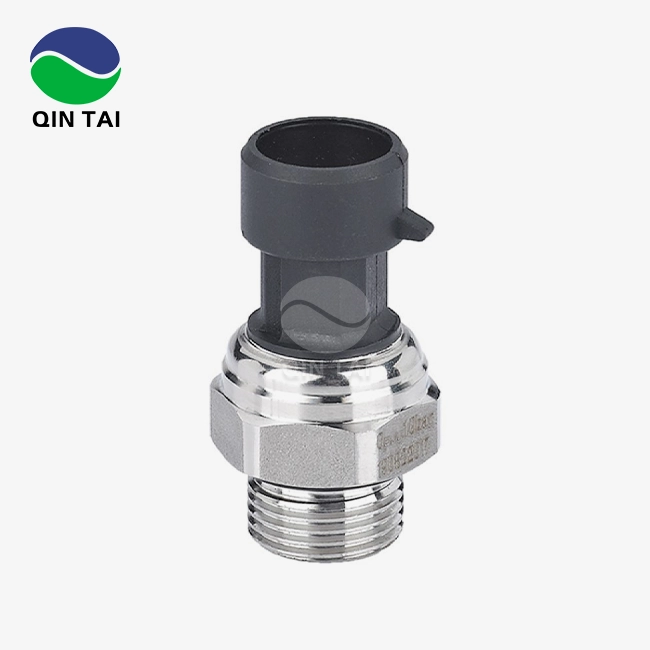
Xi'an Qintai Automotive Emission Technology is the best company in China to make urea injection pressure sensors. They have been making them for over 20 years and use modern ceramic thick-film sensing technology along with their diesel aftertreatment knowledge. Our pressure sensors are very resistant to chemicals and keep their readings even in demanding industrial car settings. This has been proven by strict testing procedures and a wide range of international safety certifications, such as ISO 9001, IATF 16949, and others.
Contacting our team at info@qt-sensor.com is a great way for procurement managers, R&D engineers, and system developers to get full product specifications, application advice, and quotes that help you meet your emission compliance goals. You can look through our full catalogue of sensors at qt-sensor.com and learn why top diesel engine makers choose Qintai as their main supplier of urea injection pressure sensors.
References
1. Johnson, M. R., & Chen, L. (2021). Selective Catalytic Reduction Systems for Heavy-Duty Diesel Engines: Component Technologies and Performance Optimization. Society of Automotive Engineers International.
2. Environmental Protection Agency. (2020). Heavy-Duty Engine and Vehicle Standards and Highway Diesel Fuel Sulfur Control Requirements: Compliance and Technical Reference Guide. EPA Office of Transportation and Air Quality.
3. Schmidt, H., & Weber, K. (2019). Pressure Sensing Technologies in Automotive Aftertreatment Systems: Materials, Design Considerations, and Reliability Assessment. International Journal of Automotive Technology, 20(4), 687-702.
4. ISO 22241-1:2019. Diesel engines — NOx reduction agent AUS 32 — Part 1: Quality requirements. International Organization for Standardization.
5. Patterson, D. J., & Thompson, G. (2022). Commercial Vehicle Emission Control: SCR System Diagnostics and Troubleshooting Procedures. Technical Publishing International.
6. Zhang, Y., Liu, X., & Wang, S. (2023). Advances in MEMS Pressure Sensors for Harsh Automotive Environments: A Comprehensive Review. Sensors and Actuators A: Physical, 348, 113-129.
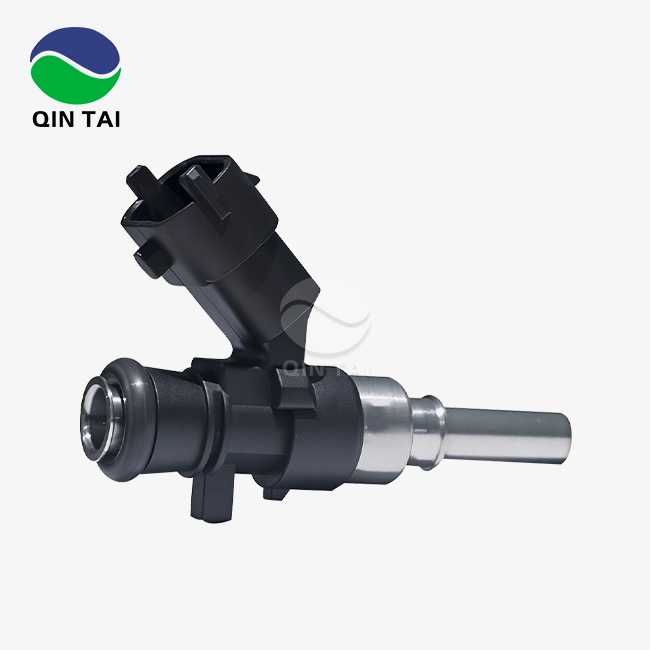
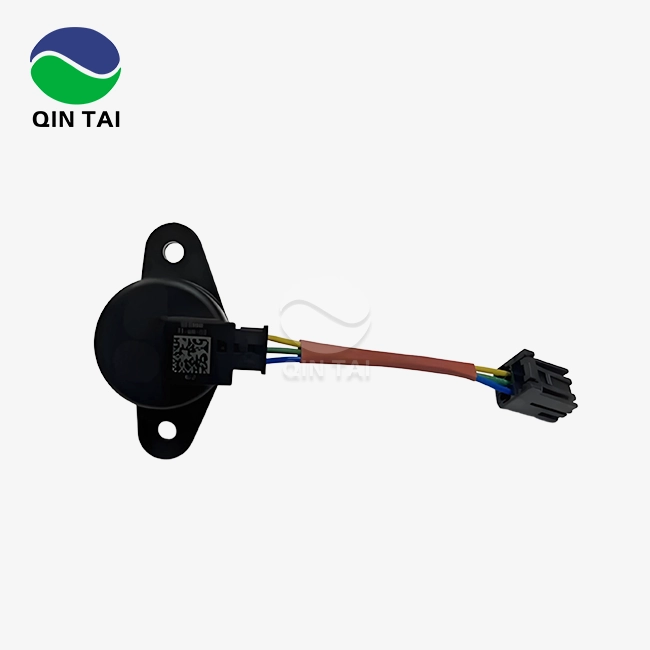
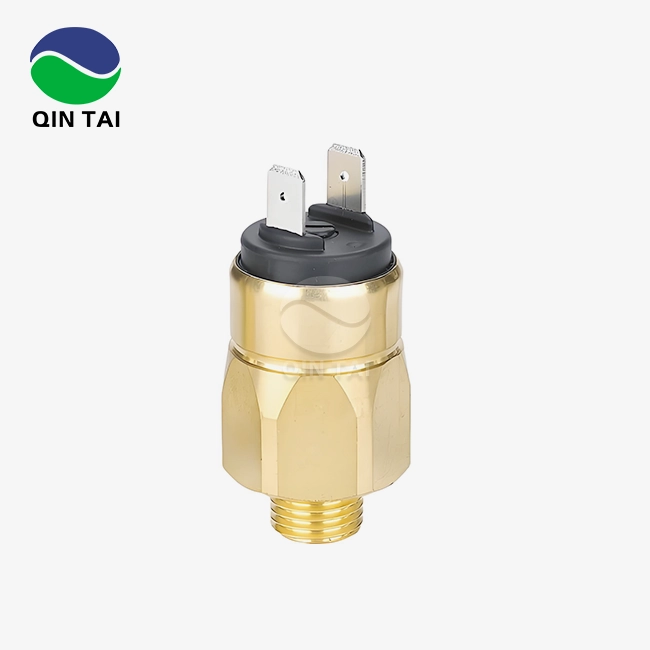

Our customers’ satisfaction speaks for our quality — contact us to experience the same reliable service.